





As a parent, watching your child struggle is one of the hardest things. You find yourself wondering is this just a phase, or something deeper? I’ve been there too.
In this article, I’ll walk you through 7 signs your child may benefit from seeing a therapist, so you can feel confident taking the next step.
You’ll also learn when to act quickly and how to find the right support. Drawing on years of experience covering child mental health, my goal is to give you honest, trustworthy guidance when you need it most.
Why Recognizing the Signs Early Matters

Catching mental health struggles early gives children a much better chance at lasting emotional health. There’s an important difference between a bad week and a real warning sign. Children have emotions too, and some days are naturally harder than others.
Normal behavior includes occasional moodiness, shyness, or sadness after a tough event. But when those hard days keep piling up and start affecting school, friendships, or daily life, it’s worth paying close attention.
Red flags are patterns that last for weeks and don’t improve on their own. Ignoring these signs won’t make them disappear. In fact, the longer a child goes without support, the harder it can become to help them later.
Early therapy doesn’t just address current struggles; it builds emotional skills and healthy coping habits that can last a lifetime. The sooner you act, the better the outcome for your child.
7 Signs Your Child Should See a Therapist
Signs Your Child Should See a Therapist Because your child’s emotional health matters just as much as their physical health.
1. Persistent Sadness or Withdrawal

Every child feels sad sometimes. But if your child has lost interest in things they used to love, stops talking to friends, or seems empty for more than two weeks, that’s worth taking seriously.
This can be an early sign of childhood depression. It’s not about being dramatic. It’s a real emotional state that therapy can address effectively.
2. Excessive Anxiety or Constant Worry
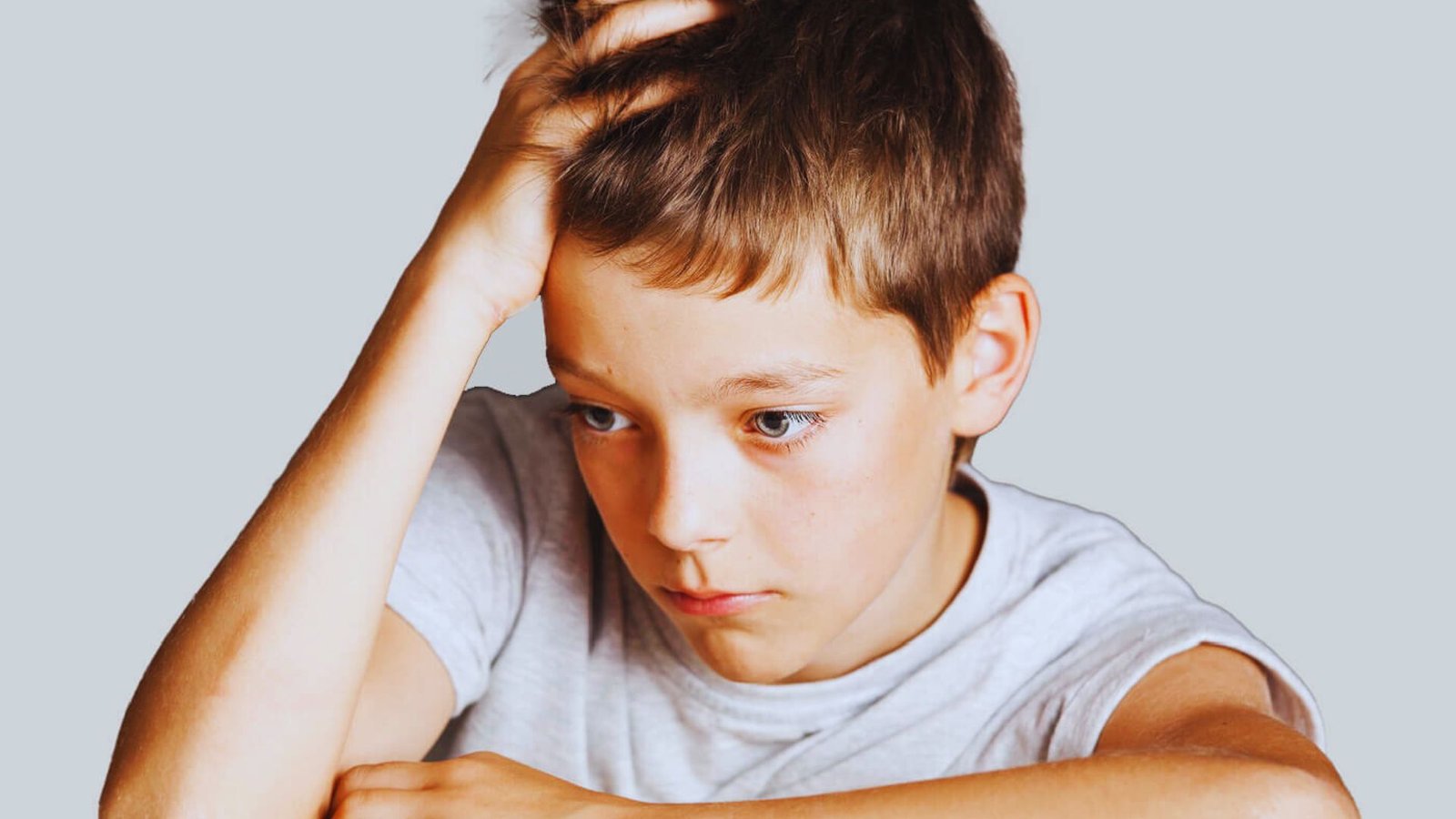
Some anxiety is normal. But if your child clings to you past the age when separation is expected, complains of stomachaches or headaches before school, or fears everyday social settings, it may be anxiety that needs professional care.
Physical symptoms tied to worry are common in children. Their bodies react to stress even when they can’t explain what they’re feeling.
3. Sudden Behavior Changes or Mood Swings

If your usually calm child is now explosive, defiant, or constantly irritable, don’t brush it off. Sudden changes in how a child acts often reflect emotional pain they can’t yet put into words.
Aggression, crying fits, or constant arguing can all be signs that a child is overwhelmed and needs a safe space to talk.
4. Academic Decline or Difficulty Concentrating

A drop in grades isn’t always about effort. Children dealing with anxiety, depression, or stress often can’t focus. School can feel impossible when the mind is struggling.
Watch for repeated avoidance of school, complaints about not being able to focus, or a teacher flagging that something seems off. These are signs worth finding with a professional.
5. Changes in Sleep or Eating Habits

Children need consistent sleep and food to grow and function well. If your child is sleeping too much, can’t fall asleep, stops eating, or suddenly eats much more than usual, take note.
Frequent nightmares or waking up scared can also be signs of trauma or anxiety. A therapist can help identify the root cause.
6. Social Isolation or Difficulty Making Friends
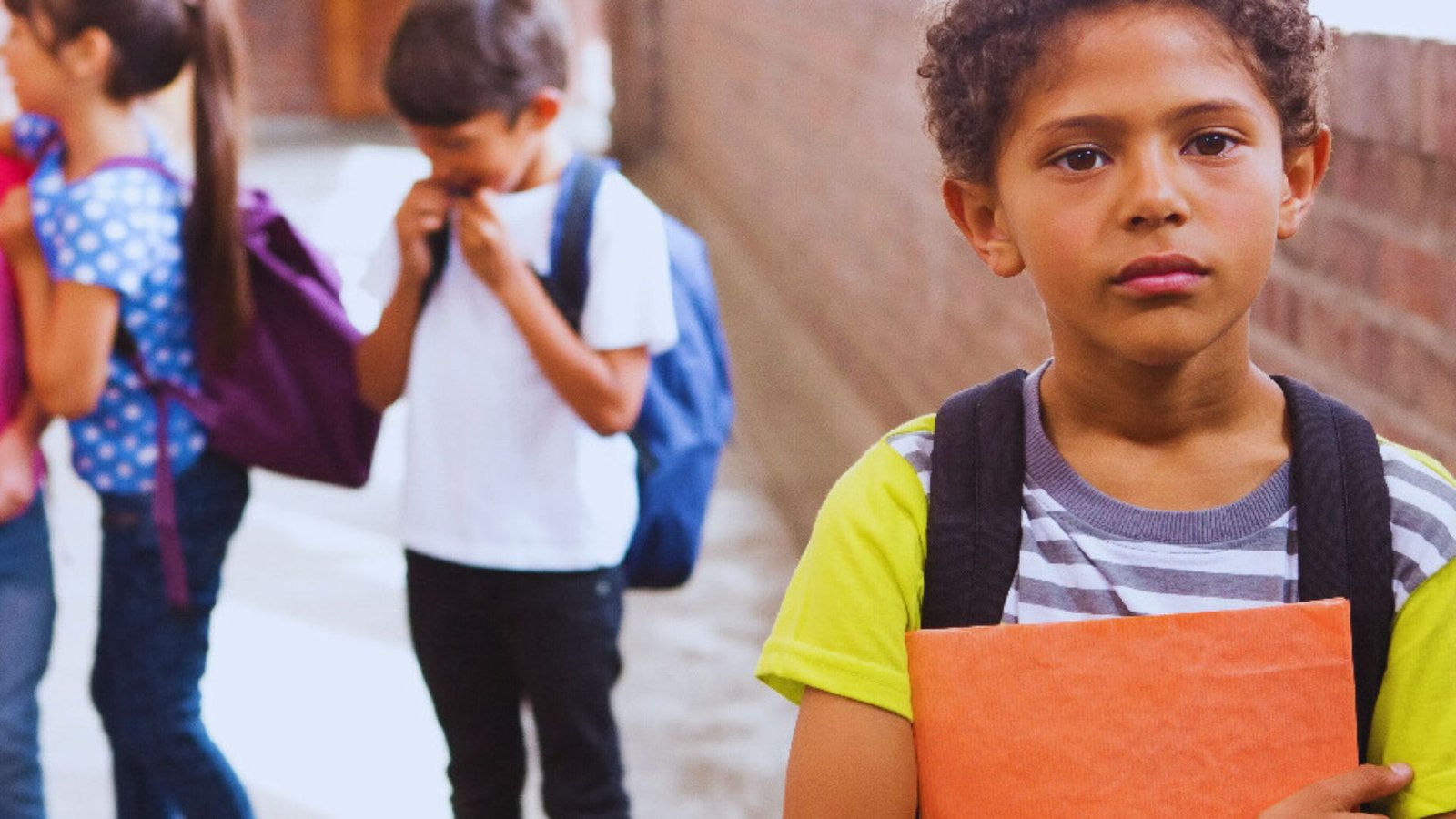
Some children are naturally more introverted. But if your child is actively avoiding friends, feels rejected often, or says no one likes them, that’s a pattern worth addressing.
Loneliness at a young age can grow into bigger issues. Therapy helps children build the social and emotional tools they need to connect with others.
7. Self-Harm Talk, Risky Behavior, or Substance Use

This is the most urgent sign on this list. If your child talks about not wanting to be here, hurts themselves on purpose, or starts experimenting with substances, do not wait.
These behaviors signal deep emotional pain. Seek professional help right away. This is not a phase. It is a crisis that needs care now.
Common Causes Behind These Warning Signs

What Can Trigger These Warning Signs
Children don’t always have the words to explain what’s hurting them. Common causes include family changes like divorce or loss, bullying at school or online, trauma from scary or harmful experiences, and undiagnosed conditions like ADHD or learning differences.
Why It Helps to Know the Cause
Understanding what’s behind your child’s behavior helps you respond with empathy instead of panic. It also gives a therapist the insight they need to build the right support plan for your child.
What Happens During a Child Therapy Session?

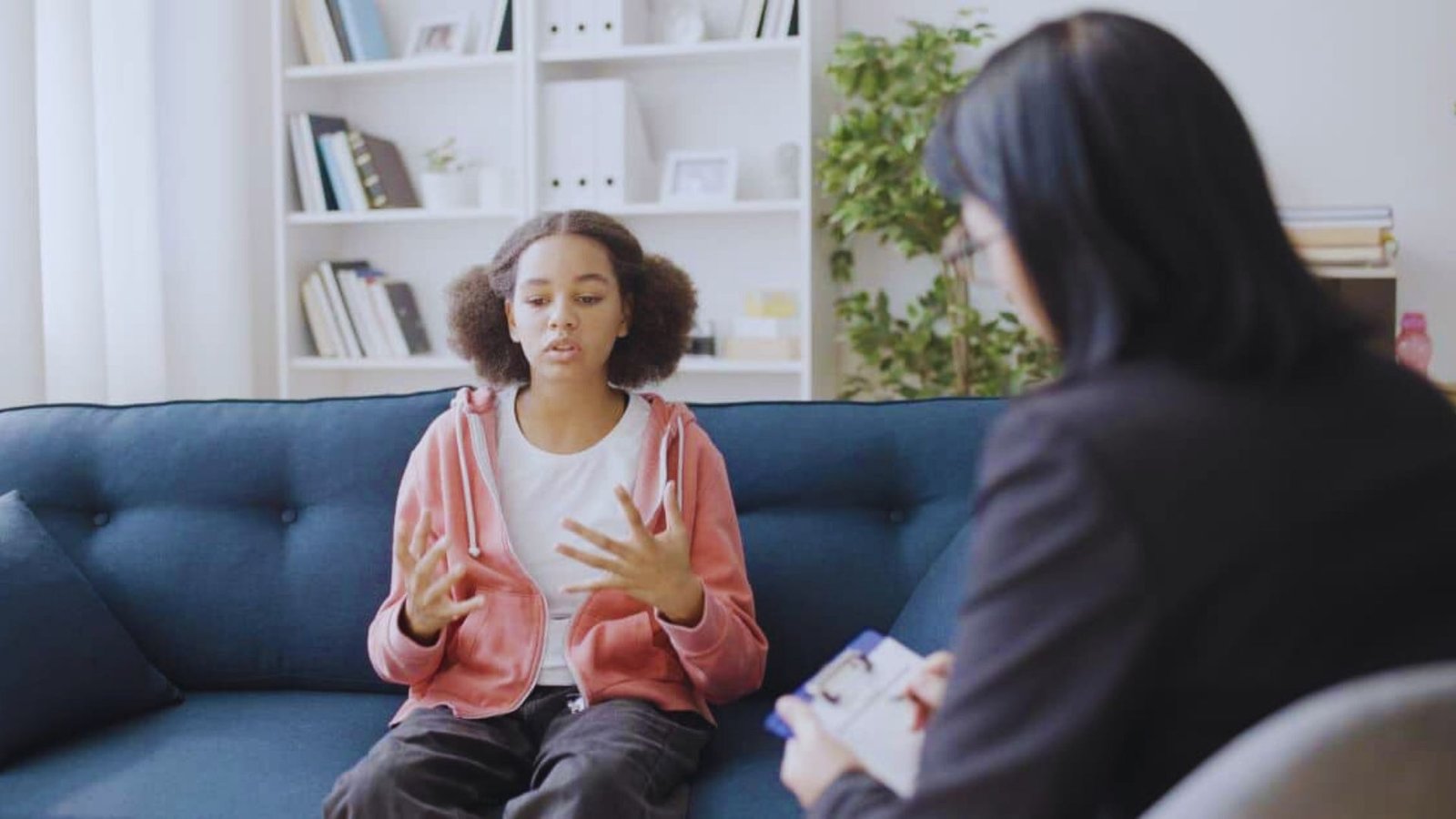
Therapy for children looks very different from adult therapy, and most kids find it comfortable more quickly than parents expect. Child therapists are specially trained to meet kids where they are, using approaches that feel natural and safe.
For younger children, play therapy uses games and art to help them express feelings they can’t yet put into words. For older kids, Cognitive Behavioral Therapy (CBT) teaches them to recognize and reshape unhelpful thought patterns.
Therapists take time to build genuine trust with a child before diving into deeper work, so sessions rarely feel intimidating.
Parents aren’t left out of the process either; regular check-ins and at-home guidance help reinforce the progress being made in sessions.
Think of it less like a clinical appointment and more like a safe space where your child learns the emotional tools they need to thrive.
When to Seek Immediate Professional Help
Some situations go beyond regular therapy and require urgent attention right away. If your child is talking about suicide, expressing a desire to hurt themselves, or is in the middle of a severe emotional crisis, do not wait for a scheduled appointment.
These are moments that demand immediate action. Trust your instincts as a parent if something feels seriously wrong, it probably is.
Call your pediatrician right away, head to the nearest emergency room, or reach out to a crisis line for fast support.
In the US, you can call or text 988 to connect with the Suicide and Crisis Lifeline, where trained counselors are available around the clock. No appointment, no waiting. Your child’s safety always comes first, no matter what.
Tips for Finding the Right Child Therapist

Finding the right fit takes a little research, but it makes a huge difference in your child’s progress.
- Ask your child’s pediatrician or school counselor for a trusted referral.
- Look for therapists who specialize specifically in children and teens.
- Check their credentials and verify they are licensed professionals.
- Ask about their therapy approach and how they work with kids.
- Let your child meet the therapist before making a final decision.
- Pay attention to how your child feels after that first session.
- Trust your child’s comfort level and your own instincts as a parent.
Conclusion
Watching your child go through something hard is never easy, and asking “is this normal?” can feel scary. But the truth is, asking that question already shows how deeply you care.
If you’ve recognized any of the 7 signs your child should see a therapist, please don’t wait early to help truly change lives.
You don’t have to figure this out alone. Share this article with another parent who might need it, and drop a comment below with any questions. You are not alone in this journey, and neither is your child.
Frequently Asked Questions
How do I know if my child needs therapy or just more attention?
If the behavior lasts more than two weeks and affects school, sleep, or friendships, therapy is worth considering. Parental attention helps, but it doesn’t replace professional support for deeper emotional issues.
At what age can a child start seeing a therapist?
Children as young as three can benefit from play therapy. There is no age too young to get help.
Will therapy make my child feel like something is wrong with them?
A good therapist frames sessions as a safe, judgment-free space to talk and grow. Most children feel relieved to have someone neutral to open up to.
How long does child therapy usually take?
It depends on the child and the issue. Some see progress in a few months, while others benefit from longer support. A therapist will keep you updated regularly.
What if my child refuses to go to therapy?
Talk to them honestly without forcing it. Many children warm up after the first session. You can also ask the therapist for tips on easing resistance at home.