



Are sippy cups bad for teeth? I had the same question when my toddler started carrying one around all day.
As a parent, you want to do the right thing, but it’s hard when the advice feels confusing or even contradictory.
This article walks you through what a pediatric dentist actually says about sippy cups and dental health.
You’ll learn what causes decay, which drinks are the most damaging, when to stop using sippy cups, and how to keep your child’s teeth safe.
The answers are clearer than you might expect, and a few simple changes can make a real difference.
Why Are Sippy Cups Bad for Teeth?

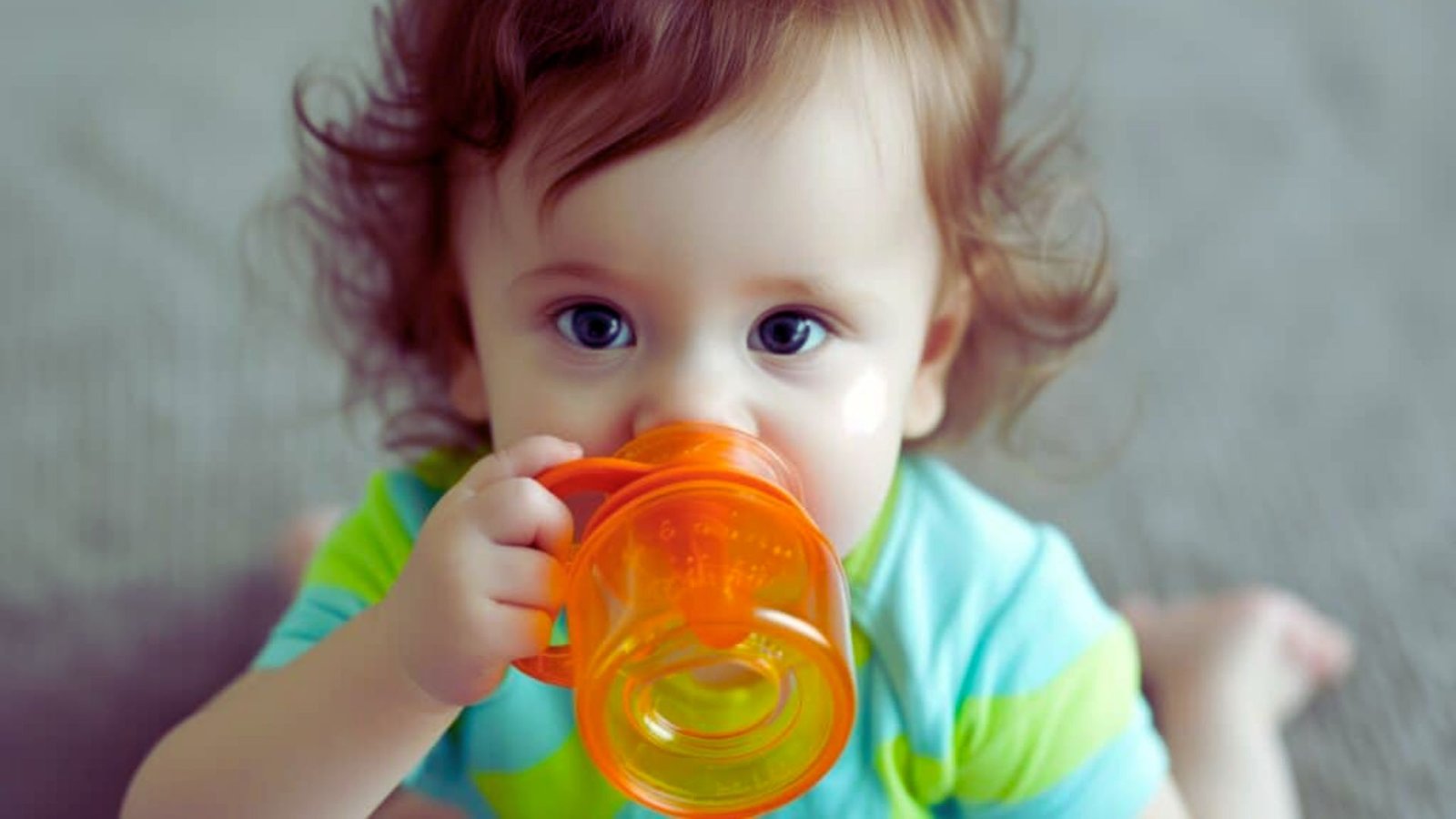
Sippy cups can cause real dental damage, but the problem is usually how they are used, not the cup itself.
When a child sips throughout the day, their teeth stay coated in sugar from milk, juice, or formula.
That sugar feeds bacteria in the mouth, which then produce acid that slowly wears down enamel. The more often a child sips, the more acid attacks happen.
The design of most no-spill cups makes this worse. They require suction, which pushes liquid directly against the front teeth.
The drink pools around the teeth and gums instead of flowing away naturally.
Children who use sippy cups past age 2 also show higher rates of early childhood cavities.
The American Academy of Pediatric Dentistry recommends moving to an open cup by the first birthday for this reason.
How Sippy Cups Contribute to Tooth Decay

Sippy cup habits, not just the cup itself, are often the real cause of dental damage in young children.
Role of Sugary Drinks (Milk, Juice, Formula)
Milk, juice, and formula all contain sugar that feeds decay-causing bacteria in your child’s mouth.
Many parents assume milk is safe because it is nutritious. But milk contains lactose, a natural sugar. Juice is even higher in sugar.
When these drinks sit on baby teeth for long periods, bacteria thrive. Water is the only drink that does not raise cavity risk.
Bacteria, Acid Production, and Enamel Damage
Every sip of a sugary drink triggers an acid attack that slowly wears down your child’s enamel.
When sugar enters the mouth, bacteria feed on it and produce acid. Baby teeth have thinner enamel than adult teeth, making them more vulnerable.
Repeated acid attacks throughout the day lead to white spots, soft spots, and eventually cavities.
Nighttime and Bedtime Sippy Cup Risks
Going to bed with a sippy cup is one of the worst things for a toddler’s teeth.
Saliva slows down during sleep, so it cannot wash away or neutralize acid. When a child goes to bed with milk or juice, that liquid sits on the teeth all night.
The damage builds up faster than most parents expect.
When Should Children Stop Using Sippy Cups?

Most pediatric dentists recommend phasing out sippy cups by age one and making the full switch to open cups by age two.
Ideal Age to Transition Away From Sippy Cups
Starting early makes the switch much smoother for both you and your child.
The American Academy of Pediatrics recommends introducing an open cup around 12 months. The goal is to be fully off sippy cups by 18 to 24 months.
The earlier you start, the easier it tends to be.
Signs Your Child Is Ready for an Open Cup
Most toddlers are ready sooner than parents expect.
Look for signs like sitting up steadily, holding a cup with both hands, and following simple instructions.
Start with small amounts of water to practice without the mess feeling overwhelming.
Risks of Prolonged Sippy Cup Use Beyond Age 2
Sippy cups used too long can affect more than just your child’s teeth.
The sucking motion required for no-spill cups can interfere with tongue placement and jaw development.
Some speech therapists also link prolonged use to delayed speech or articulation issues.
Healthy Alternatives to Sippy Cups
There are good options that support both your child’s development and their dental health.
360-Degree Cups and Their Dental Benefits

These cups work more like an open cup, which is much better for your child’s teeth.
A 360-degree cup lets a child drink from any part of the rim by tipping it.
Liquid does not pool on the front teeth, and it encourages natural mouth movements needed for healthy jaw development. Many parents use it as a middle step before moving to a fully open cup.
Straw Cups and Oral Muscle Development

Straw cups are good for both dental health and your child’s muscle development.
Drinking through a straw supports lip and tongue muscle development.
From a dental standpoint, straws direct liquid toward the back of the mouth and away from the front teeth, which reduces enamel damage compared to hard-spout cups.
Teaching Toddlers to Use Open Cups Safely

With a little patience and practice, most toddlers pick this up faster than you’d expect.
Start with a small cup and a little water. Sit with your child and guide them. Expect spills and keep it low pressure. Practice at mealtimes when you are right there to help.
Pediatric Dentist Tips to Protect Your Child’s Teeth
Small, consistent habits during the toddler years can protect your child’s smile for years to come.
- Book the first dental visit by your child’s first birthday. Early visits focus on prevention, not treatment, and help catch any signs of decay before they progress.
- Start brushing as soon as the first tooth appears. Use a soft-bristled infant toothbrush and a tiny smear of fluoride toothpaste for children under 3.
- Always brush yourself at this stage. Toddlers do not have the coordination to clean their teeth properly, so parental help is a must until around age 6.
- Offer water between meals and save milk or juice for mealtimes only. Avoid using sweet drinks as a comfort tool or reward.
- Keep portions of juice reasonable and never put sugary drinks in a sippy cup for all-day sipping. The habits formed before age 3 tend to stick well into the school years.
Conclusion
Are sippy cups bad for teeth? Not always, but how you use them matters a lot. Filling them with sugary drinks, letting kids carry them all day, or using them at bedtime are the real problems.
Stick to water between meals, limit juice, and move to an open cup by age 2.
When I first learned about sippy cup risks, I felt a little guilty too. Most of us hand them over without a second thought. But small changes really do add up. Start simple and go from there.
Drop a comment below and share what has worked for your family. If this helped, pass it on to another parent who might need it.
Frequently Asked Questions
Are sippy cups bad for teeth if used with water only?
No, water is completely safe in a sippy cup. The dental risk comes from sugary drinks like juice or milk, not from plain water.
Why are sippy cups bad for teeth at night?
Saliva slows down during sleep and cannot wash away sugary liquid. This means the drink sits on the teeth all night, which speeds up decay.
Can sippy cups cause crooked teeth or speech issues?
Prolonged use of hard-spout cups can affect jaw muscle development and tongue placement, which may lead to speech delays or alignment concerns over time.
Are straw cups better than sippy cups?
Yes, straw cups direct liquid toward the back of the mouth, which reduces contact with front teeth and lowers the risk of enamel damage.
At what age should a child stop using a sippy cup?
Most pediatric dentists recommend starting the switch to an open cup at age 1 and completing it by age 2.