





So you’re wondering at what age can a child do a 24 piece puzzle? You’re not alone. I’ve been there too, watching my child struggle with a puzzle and wondering if I picked the wrong one.
In this article, I’ll walk you through the right age range, the signs your child is ready, and how puzzles help them grow.
Most children are ready between ages 3 and 4, but readiness matters more than the number on the box.
I’ve worked with parents and kids long enough to know that one size never fits all.
Understanding Puzzle Readiness by Age
Age guidelines are a helpful starting point, but they are not strict rules. A child who turns 3 next month may handle a 24 piece puzzle better than one who just turned 4, and that is completely normal.
Every child grows at their own pace, and two children the same age can have very different skill levels. One may already have strong hand control and sharp focus, while the other is still building those abilities. That does not mean one child is behind. It simply means they are on their own path.
Attention span also plays a big role. A child needs to stay focused for at least 5 to 10 minutes to work through a 24 piece puzzle.
If your child gives up quickly or gets upset after placing a few pieces, they may just need a little more time with smaller puzzles before moving up.
At What Age Can a Child Do a 24 Piece Puzzle?
Most kids hit this milestone between 3 and 4, but here’s what you need to know.
Typical Age Range (3 to 4 Years)
Most children can do a 24 piece puzzle between ages 3 and 4. At this stage, their fine motor skills are improving. They can hold small pieces, rotate them, and start thinking about where each one fits.
Can a 2-Year-Old Do a 24 Piece Puzzle?
It is possible, but not common. Most 2-year-olds do better with puzzles that have 8 to 12 large pieces. Their fingers are still developing, and their focus is short. A 24 piece puzzle may feel too hard and lead to frustration.
Is a 24 Piece Puzzle Too Easy for a 4-Year-Old?
It depends on the child. Some 4-year-olds will fly through a 24 piece puzzle in minutes. If your child finishes it quickly and looks bored, it may be time to move up to 36 or 48 pieces.
Signs Your Child Is Ready for a 24 Piece Puzzle
Look for these signs before you hand over a harder puzzle.
Developmental Milestones to Look For
Before trying a 24 piece puzzle, check if your child completes 12 to 16 piece puzzles on their own, rotates pieces to find the right fit, and recognizes edge and corner pieces.
These three skills show that your child has the spatial thinking needed for a bigger puzzle.
Emotional Readiness
Skills are only part of the picture. Your child should be able to stay focused for 5 to 10 minutes and handle small setbacks without giving up or getting upset.
If your child throws pieces when something does not fit, give it a few more weeks. Frustration tolerance builds over time, and that is completely okay.
What Skills Does a 24 Piece Puzzle Develop?
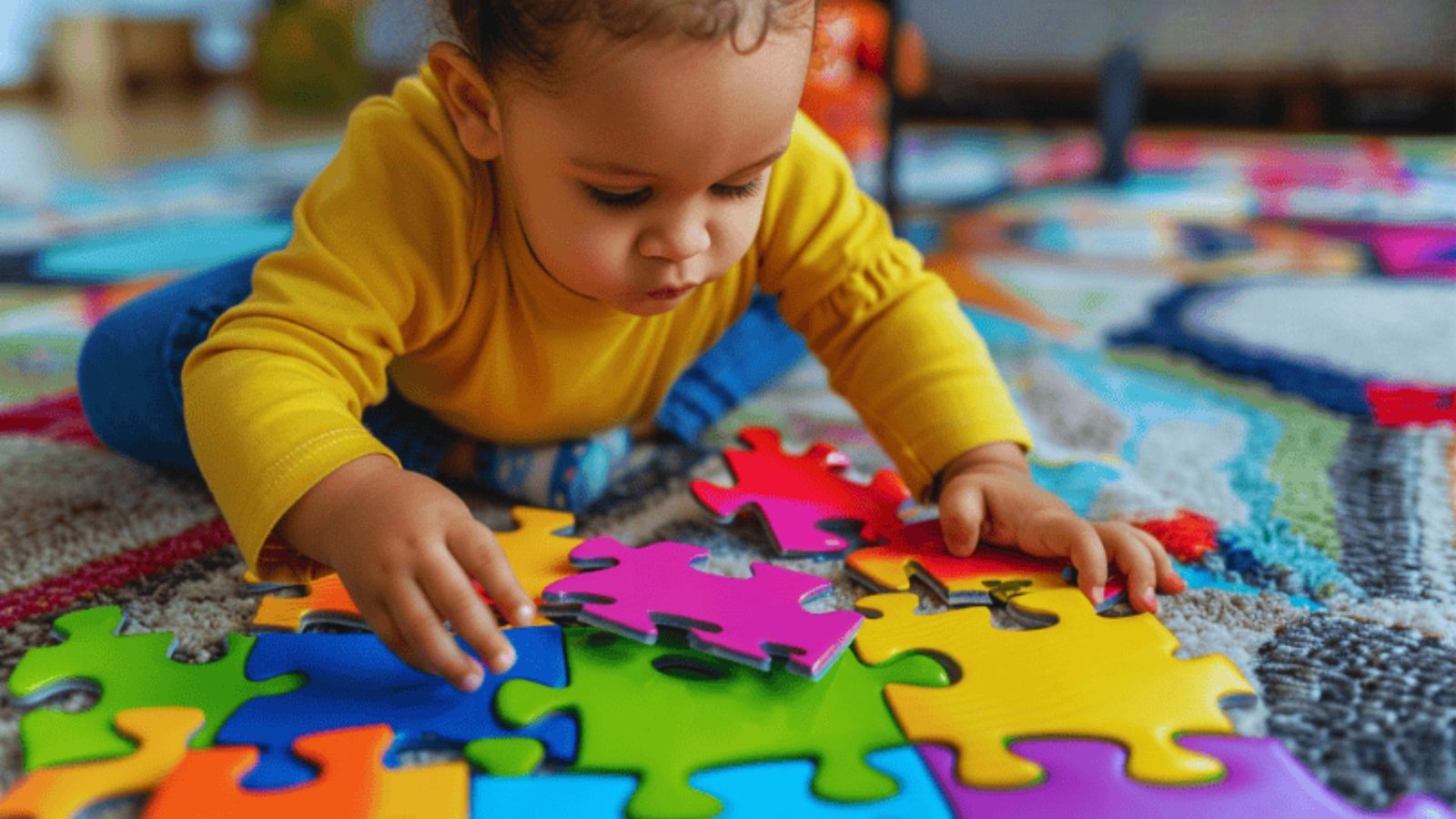
Puzzles do a lot more than pass the time.
Fine Motor Skills and Hand-Eye Coordination
Picking up and placing small puzzle pieces trains the small muscles in your child’s hands, which prepares them for writing and drawing.
At the same time, their eyes and hands must work together to match each piece to the right spot. This coordination grows stronger with every puzzle they complete.
Problem-Solving Skills and Spatial Awareness
A puzzle teaches your child to think step by step. They learn to sort, try, fail, and try again, and that process builds real problem-solving ability.
Fitting shapes together also helps children understand how objects relate in space, which is a key skill for math and reading readiness later in school.
How Many Puzzle Pieces Should a Child Have by Age?
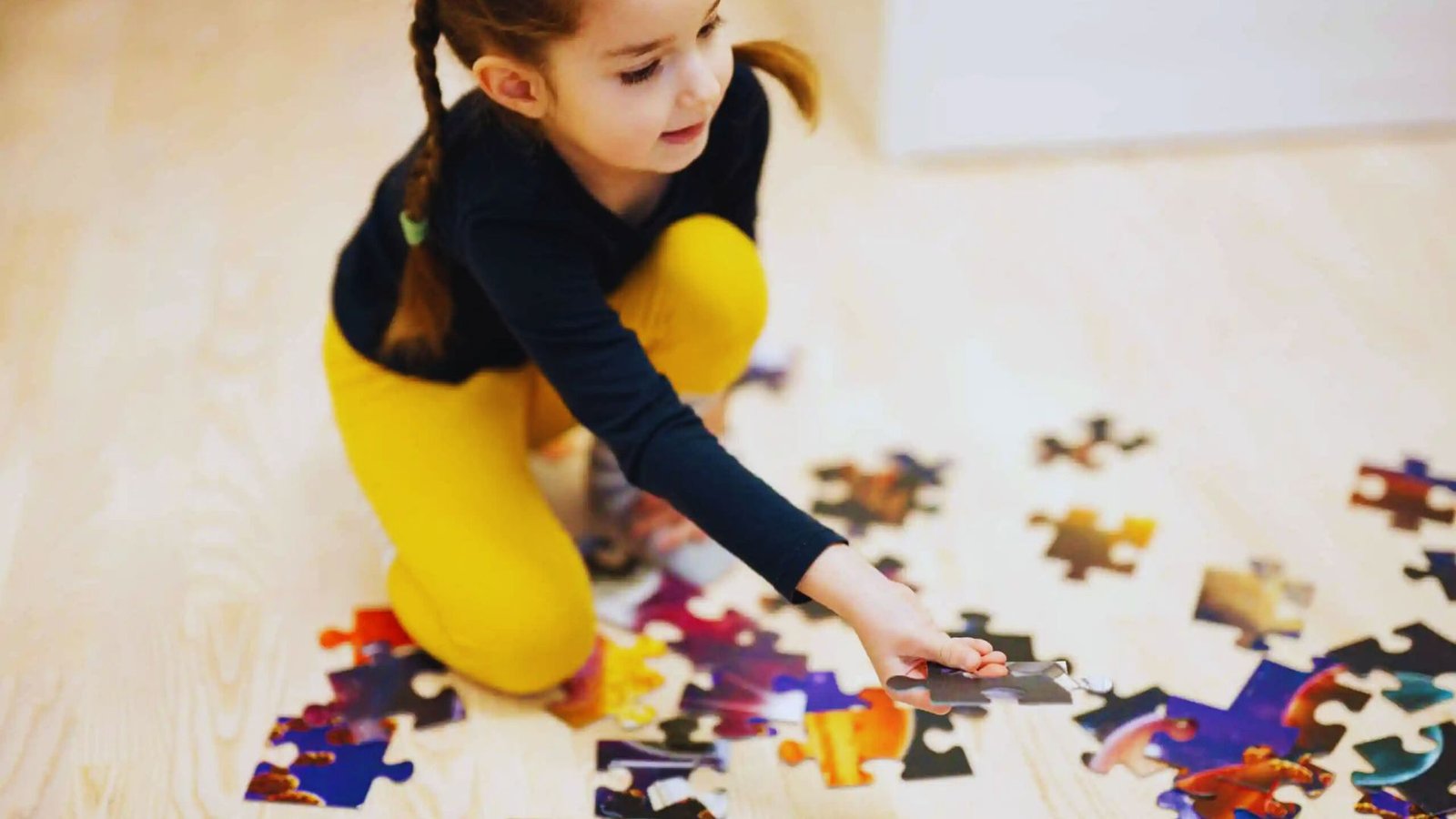
A quick guide to matching puzzle size to your child’s age.
Younger Children Ages 1 to 3 Years
For children between 1 and 2 years old, large chunky pieces with simple images work best. Stick to puzzles with 3 to 10 pieces and focus on basic shape matching.
As your child moves into the 2 to 3 year range, you can step up to 8 to 20 slightly smaller pieces with bright, clear images.
Children at this stage are still building their focus and hand control, so keeping the piece count low helps them stay confident and engaged.
Older Children Ages 3 and Up
By ages 3 to 4, most children are ready for 24 pieces. This is the sweet spot where they can handle a bit more complexity without feeling overwhelmed.
From ages 4 to 5, puzzles with 36 to 48 pieces are a great fit as attention spans grow stronger. Once your child hits 5 and beyond, they are ready for 60 or more pieces.
Kids at this stage can plan ahead and work on a puzzle across multiple sittings without losing interest.
24 Piece Puzzle vs 12 or 48 Pieces Which Is Right?

Choosing the wrong size can make puzzles feel like a chore instead of fun.
When to Choose 12 to 16 Pieces
Go smaller if your child is new to puzzles, gets frustrated easily, or is under 3 years old. A smaller puzzle builds confidence first.
When to Move to 24 Pieces
Your child is ready for 24 pieces when they complete 12 to 16 piece puzzles with ease and show interest in harder challenges.
When to Advance to 48 Pieces
Once a 24 piece puzzle takes less than 10 minutes and your child asks for something harder, it is time to move up. Follow their lead.
Tips for Choosing the Right 24 Piece Puzzle
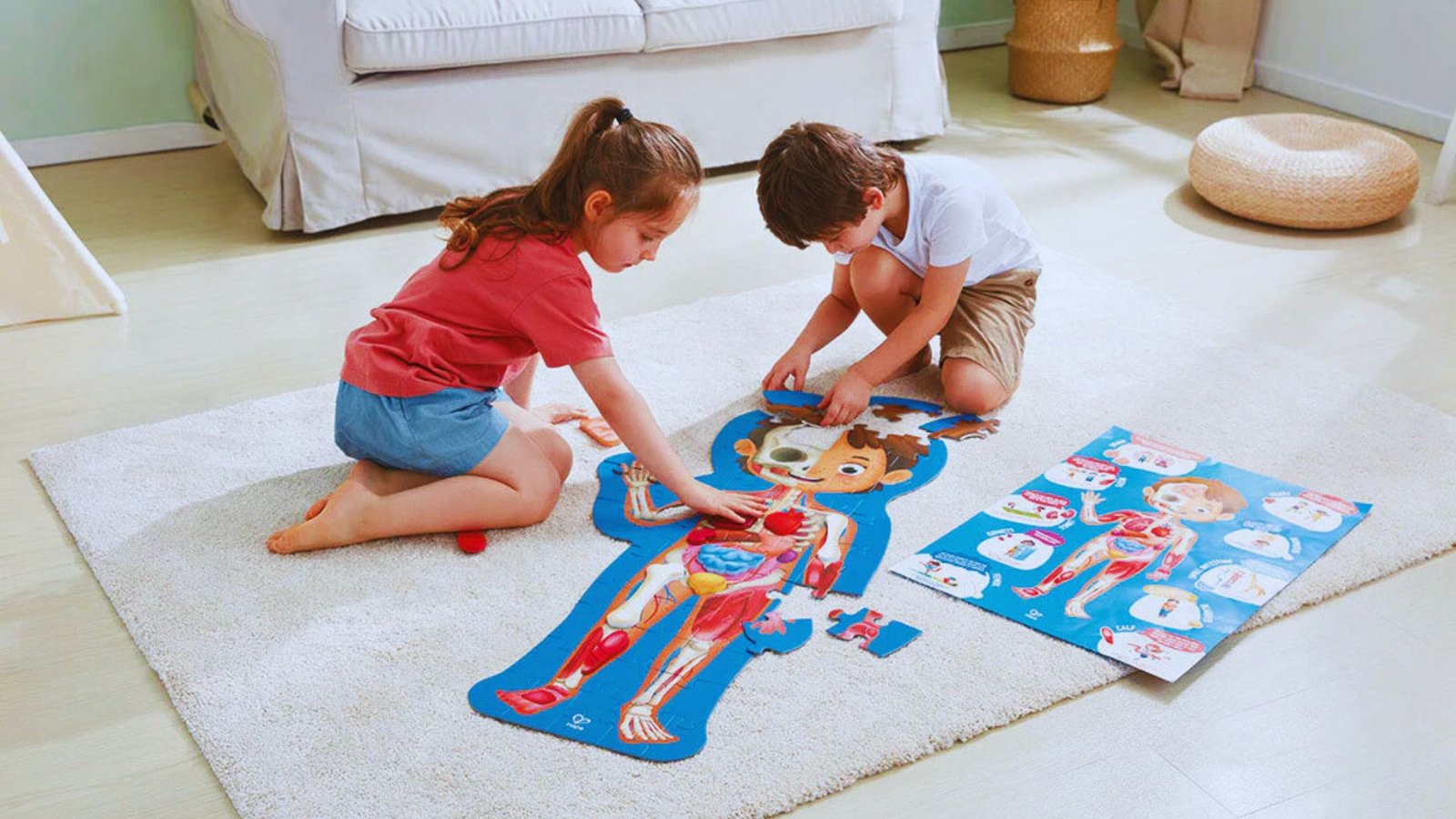
Small choices make a big difference when picking the right puzzle.
- Go for larger pieces if your child is just starting out, even within the 24 piece range.
- Choose puzzles with bright colors and clear, simple images so pieces are easier to match.
- Avoid puzzles with busy or dark backgrounds as they can confuse young children.
- Let your child pick a theme they love, whether animals, vehicles, or characters, since interest keeps them focused.
- Start with framed puzzles that have a border to hold pieces in place and give a clear starting point.
- Look for puzzles made with thick, sturdy cardboard so pieces do not bend or tear easily.
- Check that the image on the box matches the puzzle clearly so your child can use it as a reference while working.
Conclusion
I gave my daughter a 24 piece puzzle too early and watched her frustration build with every piece that would not fit. When we waited a few more months and tried again, she finished the whole thing and could not stop smiling.
That moment taught me that timing truly matters. Most children are ready around age 3, but always look for the skill signs first.
The right challenge at the right time builds real confidence. If this helped you, drop a comment below or share it with a parent who needs it.
Frequently Asked Questions
What age is best to start a 24 piece puzzle?
Most children are ready between ages 3 and 4. If your child completes 12 to 16 piece puzzles on their own, they are likely ready to move up.
Can a 2-year-old complete a 24 piece puzzle?
It is possible but rare. Most 2-year-olds do better with 8 to 12 large pieces. Try a smaller puzzle first and build up gradually.
How long should it take a child to finish a 24 piece puzzle?
A 3 to 4-year-old may take anywhere from 10 to 30 minutes. Speed is not the goal. Focus and effort matter far more than finishing time.
What if my child gets frustrated with puzzles?
Take a step back and try a smaller puzzle. Frustration usually means the challenge is too high right now. Rebuilding success with easier puzzles helps restore their confidence.
Are floor puzzles better than table puzzles for young children?
Yes, for many young children. Floor puzzles have larger pieces and more space to spread out. They are easier to handle for small hands and help reduce mess and frustration.
