




Every parent wants to raise a child who is kind, confident, and emotionally strong but knowing where to start can feel overwhelming. I’ve been there too.
In this article, I’ll walk you through the behavioral or emotional strengths of a child, what they are, why they matter more than grades, signs your child already has them, and practical ways to build them at home starting today.
With years of experience supporting parents and educators, I know one thing for sure: when children feel truly understood, they grow stronger from the inside out.
Let’s get into it.
What Are Behavioral or Emotional Strengths of a Child?
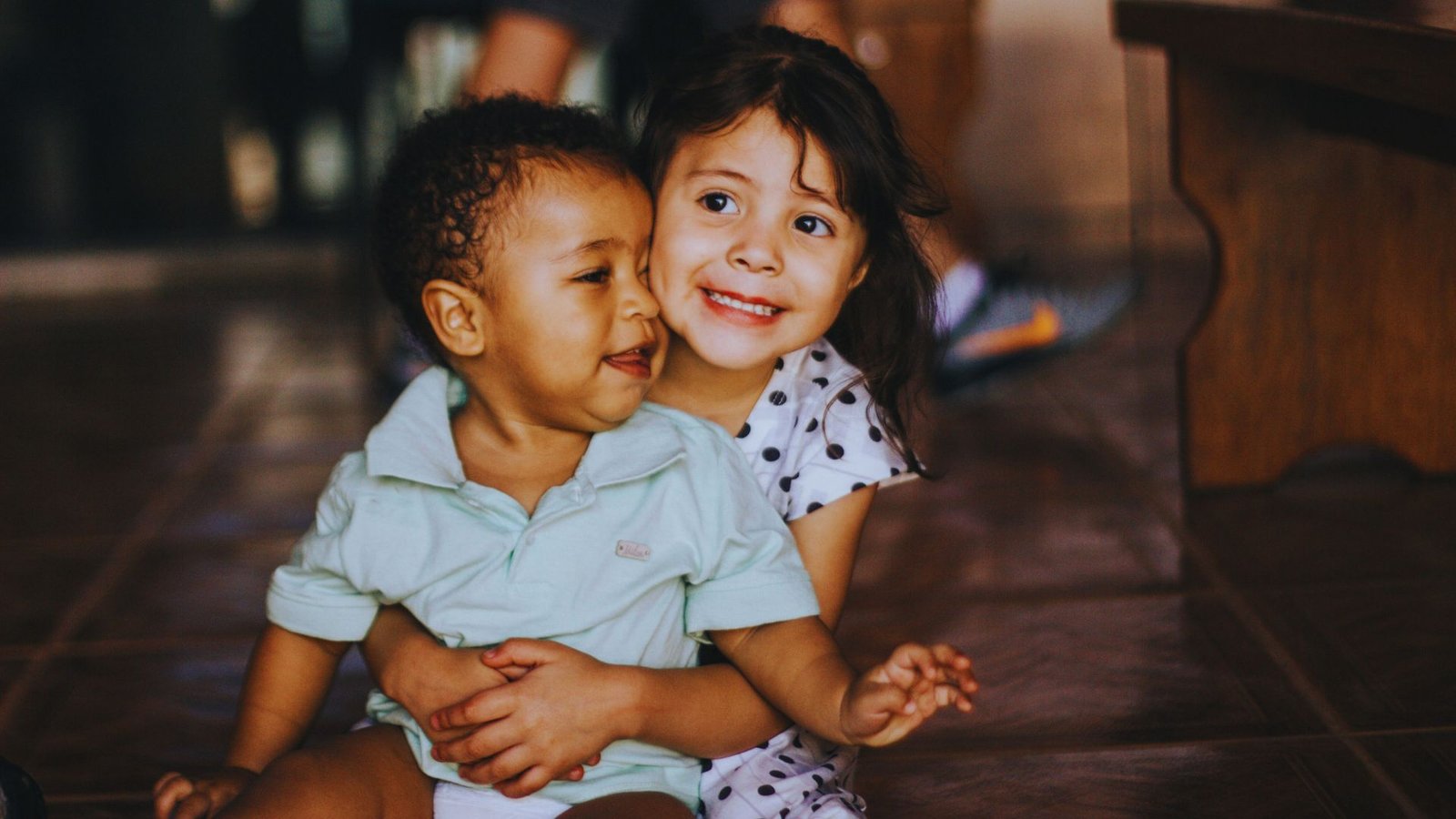
Behavioral strengths are the positive actions children show in daily life how they treat others, follow through on tasks, and respond when things don’t go their way. A child who stays calm during conflict or shares without being told is already showing real strength.
Emotional strengths go a step further. They are about how a child understands and manages their feelings from the inside.
Can they name what they feel? Can they bounce back after a hard day? These inner skills matter just as much as anything learned in a classroom. It’s also worth knowing that these strengths are different from simply following rules.
A child who is kind because they genuinely care, not because they fear consequences, is showing something far deeper.
Emotional intelligence ties it all together helping children read social situations, understand others, make better decisions, and handle stress in healthier ways as they grow.
Why Behavioral or Emotional Strengths of a Child Matter More Than Academic Performance

These strengths shape how children handle real life, and that goes far beyond any report card.
Social Emotional Learning and Life Skills
Social emotional learning teaches children how to work with others, solve problems, and communicate well. These are skills that employers look for, that relationships depend on, and that no test can measure.
Children who learn to manage their emotions early are also less likely to struggle with anxiety or depression later in life. Emotional resilience helps kids face hard moments without falling apart.
Soft Skills That Predict Future Success
Research shows that soft skills like empathy, patience, and self-control predict long-term success more accurately than IQ. These aren’t extra skills, they’re foundational ones.
Strong emotional foundations help children grow into adults who communicate well, resolve conflict respectfully, and build lasting relationships. These habits start in childhood and stay for life.
Key Behavioral or Emotional Strengths of a Child That Shape Personality

The core strengths that define how a child sees themselves and connects with the world.
Emotional Regulation, Self-Control and Empathy
A child who can pause before reacting is learning one of life’s most valuable skills. Self-control means choosing how to respond, not suppressing feelings.
Empathy builds on these children who understand how others feel tend to be kinder, more cooperative, and more connected to the people around them.
Confidence, Resilience and Problem-Solving Skills
Healthy self-esteem gives children the courage to try, fail, and try again. Resilient children don’t give up when things get hard they look for solutions and ask for help.
Both of these strengths grow when children are allowed to face manageable challenges on their own.
How Behavioral or Emotional Strengths of a Child Develop Over Time
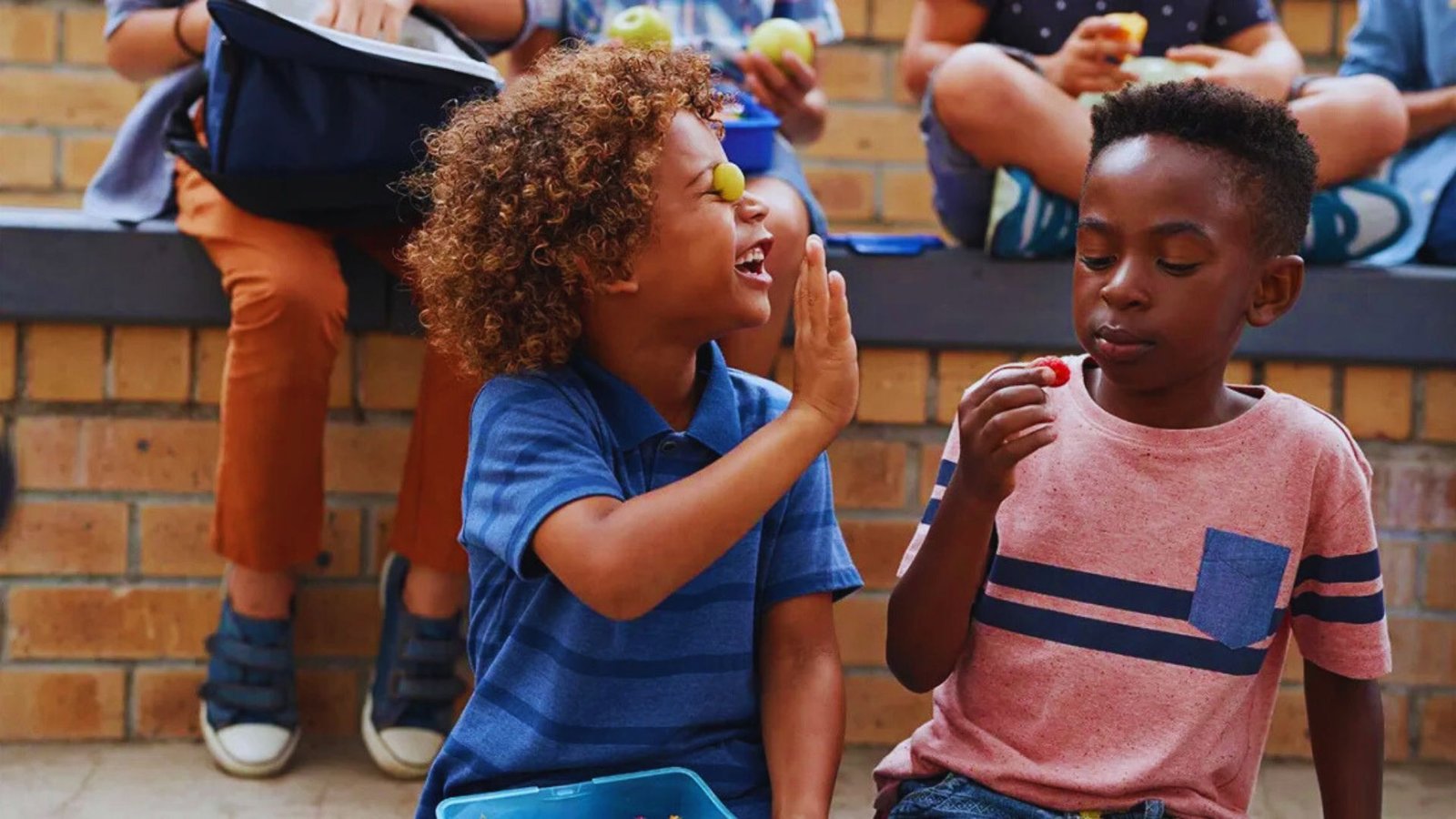
Strengths don’t appear overnight. They grow through people, places, and everyday experiences.
The Role of Parents, School and Peer Relationships
Parents are the first emotional teachers. How you handle your own stress, conflict, and sadness shows your child what emotional life looks like. Kids learn more from watching than from being told.
Classrooms and friendships add to this children learn to share, cooperate, disagree, and make up. These experiences, good and hard, all build emotional muscle over time.
Cultural Environment and Nature vs. Nurture
Culture shapes how emotions are expressed. Some families encourage open sharing while others teach quiet strength. Neither is wrong. What matters is that children feel safe to express within their own context.
Some children are naturally more sensitive or easygoing, but research shows that consistent support, warmth, and structure can help any child build stronger emotional foundations.
Signs Your Child Has Strong Behavioral or Emotional Strengths

You might already see these in your child without realizing how meaningful they are.
Expresses Feelings and Handles Disappointment Well
A child who says “I’m angry” instead of throwing something is showing real emotional growth. Being able to name and voice feelings is a significant strength.
Strong emotional skills also show up in how children handle disappointment they don’t shut down for long. They process it, talk about it, and move forward.
Builds Friendships and Shows Curiosity
Emotionally strong children tend to attract healthy friendships because they understand kindness and fairness.
They also show curiosity and initiative asking questions, trying new things, and taking on small tasks without being pushed. These are signs of growing confidence and independence.
How to Strengthen Behavioral or Emotional Strengths of a Child at Home

Small, consistent actions at home make a lasting difference in how children grow emotionally.
Model Regulation and Encourage Open Communication
Let your child see you take a breath before responding when you’re upset.
Narrate it: “I’m feeling frustrated, so I’m going to take a moment.” This is one of the most powerful lessons you can give.
Pair this with real conversations not just “How was school?” but “What made you laugh today? What was hard?” Showing genuine interest in their inner world builds trust and openness.
Build Emotional Vocabulary and Praise Effort
Children can’t manage what they can’t name. Teach words like frustrated, nervous, proud, and disappointed early so they can communicate feelings clearly. Also make sure home feels emotionally safe.
Children who know their feelings won’t get them in trouble, open up more and regulate better. Finally, praise effort over outcomes. Saying “I noticed how hard you worked on that” teaches children that growth comes from trying, not from being naturally good at something.
Practical Tips to Build Behavioral or Emotional Strengths of a Child Daily

Small daily habits that make a real difference over time.
- Validate feelings first before correcting behavior. Say “I see you’re upset” before addressing what went wrong.
- Use everyday conflicts as teaching moments for empathy, compromise, and communication.
- Ask “What do you think you could try?” instead of fixing every problem for them.
- End the day with a quick gratitude check asking what went well and what felt hard.
- Focus on your child’s personal progress rather than comparing them to others.
- Give age-appropriate responsibilities so children feel capable and trusted.
- Praise the effort, not just the result it teaches children that trying is what matters most.
Conclusion
Raising emotionally strong children doesn’t require a perfect parenting plan; it starts with small, honest moments every day. I’ve seen firsthand how a single conversation, a moment of patience, or a word of encouragement can shift a child’s confidence entirely.
The behavioral or emotional strengths of a child you nurture today become the foundation they stand on tomorrow.
You don’t have to get it right every time. You just have to keep showing up. If this helped you, drop a comment below, share it with a parent who needs it, or check out more articles on raising emotionally healthy kids.
Frequently Asked Questions
What are the most important behavioral or emotional strengths of a child to develop early?
Self-control, empathy, and emotional regulation are among the most valuable. These three lay the groundwork for healthy relationships, mental well-being, and long-term success.
Can behavioral or emotional strengths be taught, or are children born with them?
Both play a role. While some children are naturally more emotionally in tune, consistent support, warm parenting, and safe environments help all children develop these strengths over time.
How do I know if my child is emotionally strong?
Look for signs like healthy expression of feelings, the ability to handle disappointment, positive friendships, and curiosity. These are all strong indicators of emotional growth.
What role does school play in building emotional strengths?
School gives children real-world practice in cooperation, conflict, and communication. Programs focused on social emotional learning can significantly support a child’s emotional development.
How can I help a child who struggles with emotional regulation?
Start by creating a calm and predictable home environment. Model how you manage your own feelings, use simple emotional vocabulary, and validate their feelings before guiding their behavior.