
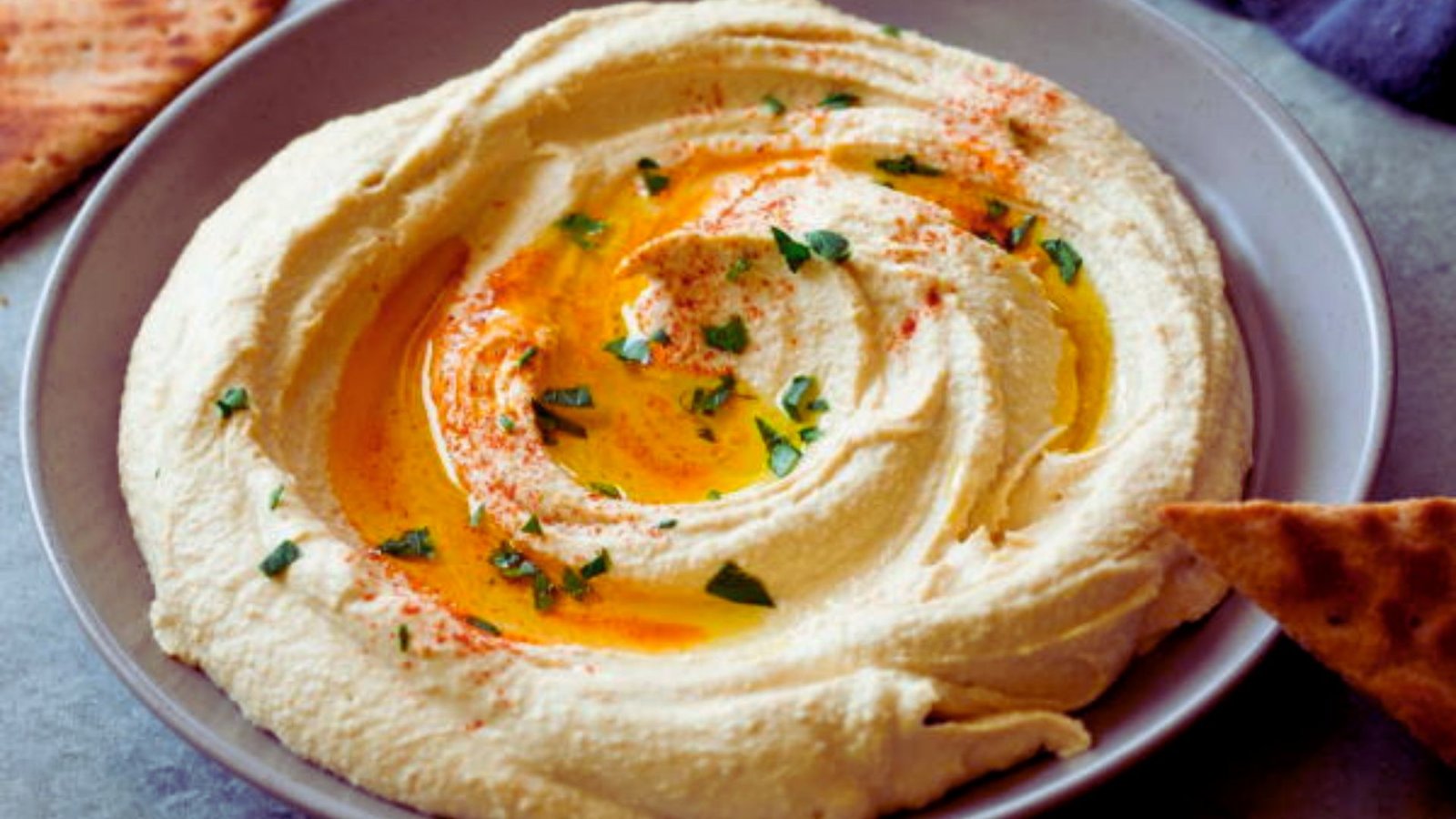





Can babies eat hummus? It’s one of those questions that seems simple but comes with a lot of layers. As a parent, you want to get it right, and I completely understand that.
I’ve been there too, standing in the kitchen, hummus in hand, wondering if it’s actually safe for my little one.
In this article, I’ll walk you through everything: the right age to start, how to serve it safely, what the NHS says, and whether store-bought or homemade is the better pick.
I’ll also cover allergens, textures, and easy serving ideas. By the end, you’ll know exactly how to add hummus to your baby’s diet with full confidence.
Can Babies Eat Hummus?

Hummus can be a great food for babies, but timing and preparation matter. It’s not just about age. It’s about knowing what to look for and how much to offer.
Most babies can start having hummus around 6 to 8 months, once they show clear signs of readiness for solid foods.
Every baby develops at their own pace, so always check with your health visitor if you’re unsure.
The two main things to watch are salt content and allergens, especially sesame, which comes from the tahini in hummus.
Many store-bought versions contain more salt than a baby should have in a full day, so checking labels is a must.
Starting with a very small amount and watching for any reaction is always the safest approach. Take it slow, and you’ll feel far more confident about the whole process.
What Age Can Babies Eat Hummus?

Getting the timing right makes all the difference when introducing hummus to your baby.
Can Babies Eat Hummus at 6 Months?
Six months is the starting point for many families, but readiness matters more than the exact date.
Six months is when many babies begin baby-led weaning (BLW). At this stage, babies need to be able to sit up with support and show interest in food.
Hummus at 6 months should be very smooth and served in small amounts. The best way is to spread a thin layer on a soft piece of toast or load it onto a pre-dipped spoon.
Portions should be tiny, think half a teaspoon to start.
Can Babies Eat Hummus at 7 Months?
By 7 months, most babies are ready to handle a little more variety on their plate.
Most babies are adjusting to new flavors and textures at this age. Their digestive systems are getting more used to solid foods, so hummus tends to be easier to handle.
You can start pairing hummus with soft-cooked vegetables like carrot sticks or cucumber strips.
Keep an eye on how your baby responds after eating, especially if this is one of the first times they’re having chickpeas.
Can Babies Eat Hummus at 8 Months?
Eight months is when things start to get a little more exciting at mealtimes.
At this stage, babies are often ready for slightly chunkier textures. You can introduce thicker hummus and serve it alongside soft finger foods.
This is a good age to start offering more variety, pairing hummus with different foods to expand your baby’s palate. Just keep portions small and always supervise mealtimes.
Is Hummus Healthy for Babies?

Yes, hummus can be a nutritious addition to a baby’s diet when served correctly.
Nutritional Benefits of Hummus for Babies
Hummus is made from chickpeas, which are a good source of plant-based protein and iron. Iron is especially important for babies from around 6 months, as their natural iron stores start to deplete.
The olive oil in hummus provides healthy fats, which support brain development during the first years of life. Chickpeas also contain fiber, which helps keep little digestive systems moving.
To help your baby absorb iron better, pair hummus with a food high in vitamin C, like soft-cooked bell peppers or a small amount of fresh fruit on the side.
Is Hummus Easy for Babies to Digest?
Chickpeas can sometimes cause gas or bloating, especially for young babies. This doesn’t mean you need to avoid hummus, but it does mean starting slow is a good idea.
One tip that helps: removing the skins from chickpeas before blending makes the hummus smoother and often easier on little tummies.
If you’re making it at home, this step is worth the extra few minutes.
Can Babies Eat Hummus According to the NHS?

Here’s what the official guidance says and why it matters for your baby.
The NHS advises that babies under 12 months should have very little salt. This is one of the main reasons store-bought hummus needs to be checked carefully.

Many commercial brands contain added salt that is too high for babies.
The NHS also highlights sesame as a top allergen. Since most hummus contains tahini (sesame paste), it’s important to introduce it carefully and watch for any signs of a reaction like swelling, rash, or vomiting.
When it comes to safe feeding practices, the NHS recommends introducing one new allergen at a time. Wait a few days before adding another new food so you can spot any issues early.
It’s also important to never introduce allergens when your baby is unwell, as this can make it harder to tell what’s causing a reaction.
Taking it slow and steady is always the right call.
Store-Bought vs Homemade Hummus for Babies
Knowing which option works best for your baby can make mealtimes a lot simpler.
| Store-Bought Hummus | Homemade Hummus | |
|---|---|---|
| Salt Control | Often contains added salt. Check for anything above 0.1g per 100g | No added salt. You control everything that goes in |
| Ingredients | May include preservatives and additives not suitable for babies under 12 months | Simple ingredients only. Chickpeas, olive oil, lemon juice, and a little tahini |
| Texture | Fixed texture that may not suit every age or stage | Fully adjustable to match your baby’s age and readiness |
| Allergen Management | Harder to modify. Tahini is almost always included | Easy to leave out tahini if sesame is a concern in your family |
| Convenience | Quick and easy to grab, but always read the label first | Takes a little more time but gives you complete peace of mind |
| Best For | Occasional use when you’re short on time | Everyday use, especially in the early stages of weaning |
Overall, homemade is the better option for babies, but store-bought can work in a pinch as long as you check the label carefully before serving.
Storage and Food Safety Tips
Storing hummus the right way keeps it safe and fresh for your baby.
Fridge Storage
A few simple habits can keep homemade hummus fresh all week long.
- Homemade hummus lasts around 4 to 5 days in the fridge
- Always store it in an airtight container to keep it fresh
- Use a clean spoon every time you scoop to avoid contamination
- Keep it at the back of the fridge where temperatures stay most consistent
Freezer Storage
Batch-cooking hummus is one of the easiest ways to always have a portion ready to go.
- Hummus freezes really well, making batch-cooking a smart option
- Freeze in small portions using an ice cube tray for easy serving sizes
- Once frozen, transfer the cubes to a sealed freezer bag and label with the date
- Frozen hummus lasts up to 3 months
Defrosting Tips
Thawing hummus properly is just as important as storing it correctly.
- Move a portion to the fridge the night before you need it
- Alternatively, leave it at room temperature for a couple of hours
- Never refreeze hummus once it has been thawed
- Always check the texture and smell before serving to your baby
Conclusion
So, can babies eat hummus? Yes, and it can be a genuinely great addition to their diet. I remember the first time I offered my little one a strip of toast with a thin smear of homemade hummus.
I was nervous about the sesame, but we took it slow and it went down brilliantly.
The key is starting simple, keeping it low in salt, and watching how your baby responds. Try it, see what works, and have fun with it.
Drop a comment below and let me know how your baby gets on!
Frequently Asked Questions
Can babies eat hummus every day?
Offering hummus a few times a week is plenty. Variety across your baby’s diet matters more than having the same food daily.
Can babies eat hummus without tahini?
Yes, simply blend chickpeas with olive oil and lemon juice. It’s a great option if you’re being cautious about sesame.
Can babies eat hummus with garlic?
Small amounts are generally fine, but strong flavors can be off-putting for young babies. Start with very little or leave it out entirely.
Is hummus safe for babies with sensitive stomachs?
Start with a very small amount and remove the chickpea skins before blending. This makes the texture smoother and gentler on little tummies.
Can babies eat store-bought hummus?
Yes, occasionally. Always check the salt content first and look for brands with low sodium and no added preservatives.