



If you’ve ever caught yourself Googling “can babies have ketchup” mid-meal, you’re not alone. I’ve been there too, hovering over a plate of food, wondering if a tiny dip is really okay.
It’s a small question that actually matters. Every food choice at this stage can shape your baby’s health and eating habits for years.
This article covers what’s in ketchup, why experts suggest waiting, and when it’s safer to introduce it. You’ll also get simple, healthier swaps babies love. Just clear, honest answers you can use today.
What Is Ketchup Made Of?

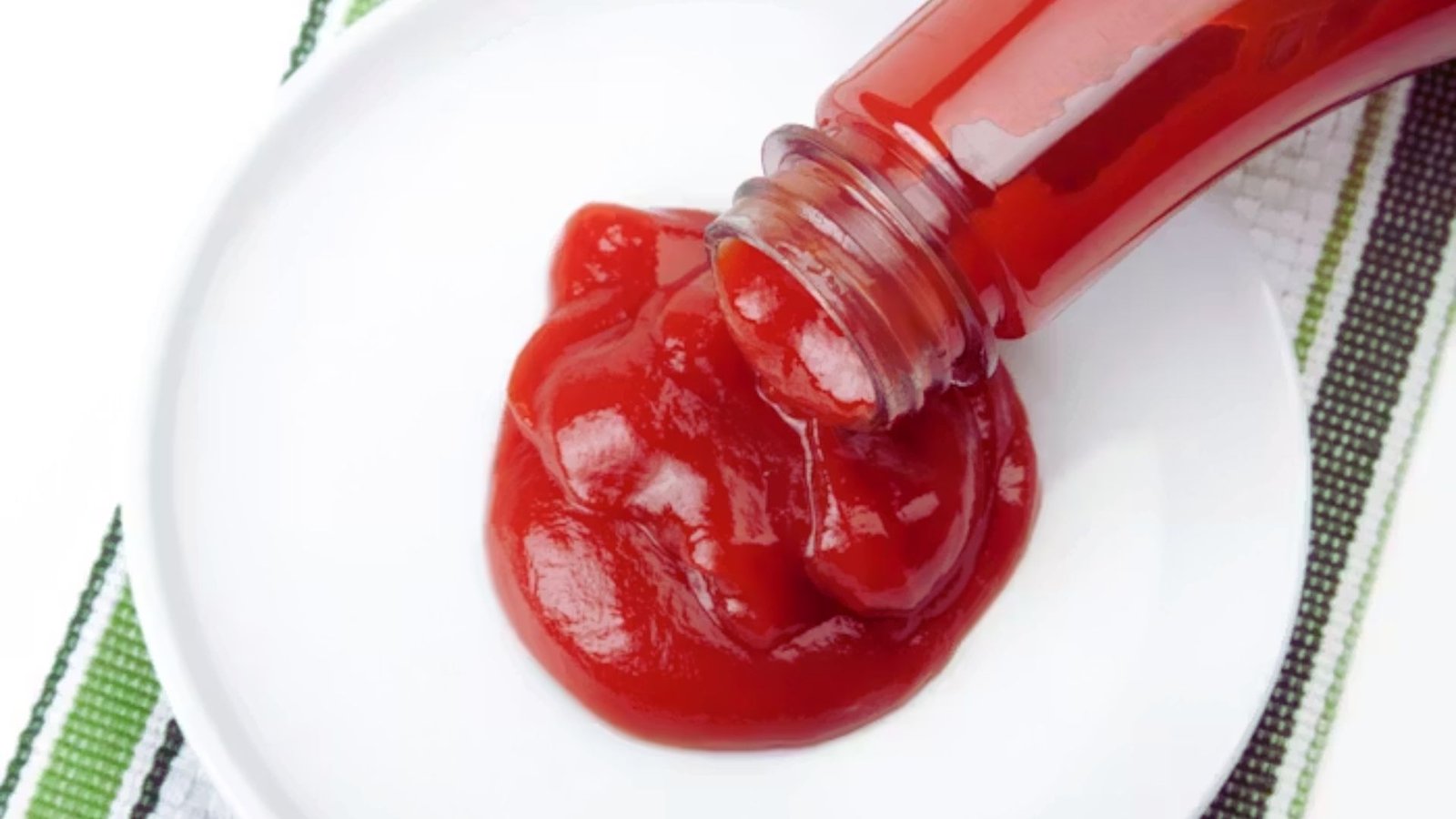
Ketchup seems simple, but it packs more sugar, salt, and additives than most parents expect.
Most store-bought ketchup contains high-fructose corn syrup or added sugar, which makes up a large portion of its content. A single tablespoon can have around 4 grams of sugar. That adds up fast for a small baby.
Sodium is another concern. Babies under 12 months should have less than 400mg of sodium per day. Toddlers between 1 and 3 years should stay under 800mg. Just one tablespoon of ketchup can contain 160mg or more.
Ketchup also contains vinegar, natural flavorings, and sometimes preservatives like sodium benzoate. These ingredients are not harmful to adults but are not suited for babies whose kidneys and digestive systems are still developing.
Can Babies Have Ketchup?

Most experts recommend waiting until at least age 2 before offering ketchup to babies or toddlers.
Can Babies Have Ketchup at 9 months?
No, 9 months is far too early for ketchup, and here’s why.At 9 months, babies are still in the early stages of solid food introduction.
Their kidneys can’t handle high sodium levels, and early sugar exposure can create a lasting preference for overly sweet foods. It’s better to stick to simple, whole foods at this stage.
When Can Babies Have Ketchup Safely?
Age 2 is the earliest most pediatric experts feel comfortable recommending.
By then, kidneys are more developed and your child’s diet is more varied. They’re also better equipped to handle occasional processed condiments without it affecting their overall nutrition.
What Age Can Babies Have Ketchup Without Health Risks?
There is no completely risk-free age, but after 2 the risks are much lower.
Small, occasional amounts after age 2 are generally considered low risk. The focus should always be on keeping portions tiny and offering it only now and then, not as a regular part of every meal.
Healthier Alternatives to Ketchup for Babies
There are many baby-friendly dips and sauces that add flavor without the sugar and salt.
Homemade Tomato Sauce

One of the best swaps you can make at home with just a few ingredients.
Cook down fresh tomatoes with a little olive oil and garlic. No added sugar, no salt. Babies can enjoy it from around 6 months as a food topping.
Yogurt-Based Dips

A creamy, protein-rich option that toddlers who love to dip will enjoy.
Plain whole milk yogurt with a little lemon juice or mild herbs makes a simple, nutritious dip that works well for little ones.
Hummus, Guacamole, and Vegetable Purées

These give babies healthy fats, fiber, and real nutrients in every bite.
All three are great choices for babies and toddlers. Thin them out with a little water or breast milk if needed for younger babies.
Flavoring Foods Naturally

Simple additions can make plain food interesting without any sugar or salt.
A squeeze of lemon, a pinch of mild spice, or a drizzle of olive oil goes a long way. It keeps meals flavorful while supporting healthy taste development from the start.
Why Ketchup Is Not Recommended for Babies

Ketchup’s high sugar and salt content makes it a poor choice for babies and young toddlers.
Added Sugar Affects Taste Development
Early sugar exposure can make babies less open to plain, healthy foods.
Babies are naturally willing to try a wide range of flavors. Introducing sweet condiments too early can make them less accepting of vegetables and plain foods later on.
That’s a pattern that can stick for years.
Excess Sodium Strains Developing Kidneys
Baby kidneys are still maturing and struggle to process high salt levels.
Infant kidneys are not fully developed. Regular exposure to salty foods puts unnecessary pressure on their system and can impact long-term kidney health.
Ketchup Offers No Nutritional Value
It adds flavor but nothing that supports a baby’s growth or health.
Ketchup has no fiber, no meaningful vitamins, and no protein. It is purely a flavoring agent. Babies and toddlers can get everything they need from whole, nutrient-rich foods instead.
Can Ketchup Help Picky Eaters?

Dips can encourage food exploration, but relying too much on ketchup can backfire.
Many parents find that offering a dip alongside a new food helps their toddler try it. There is some truth to this.
Dipping is a fun, hands-on experience that gives toddlers a sense of control over what they eat.
Ketchup may help when a toddler is flatly refusing food and you’ve already tried other approaches. A very small amount, used occasionally, is unlikely to cause harm in a child over 2.
But over-reliance is a real risk. If a toddler learns they can cover everything in ketchup, they may stop accepting food without it.
That can narrow their palate instead of broadening it. Try rotating dips so no single sauce becomes a requirement at every meal.
Tips If You Decide to Offer Ketchup
If you choose to introduce ketchup, a few simple steps can help keep it a low-risk addition.
- Choose a lower-sugar, lower-sodium option. Look for versions without high-fructose corn syrup or added sugar. They are a better fit for toddlers.
- Keep portions small. A teaspoon is plenty. Use it as a minor accent, not a main part of the meal.
- Limit how often you offer it. Once or twice a week is enough for toddlers over 2. More than that and it can quickly become a habit.
- Pair it with nutritious foods. Offer ketchup alongside vegetables, eggs, or whole grain toast so the meal still has real nutritional value.
- Watch for over-reliance. If your toddler refuses food without ketchup, pull back. Rotate dips to keep things varied.
Conclusion
I know how hard it is to make every mealtime feel right, especially when your little one is staring at their plate.
When my own niece hit the toddler phase, ketchup became a constant negotiation topic at the table.
What I learned is that waiting a little longer and offering real, simple flavors first makes a big difference.
Can babies have ketchup? Not yet, but there’s plenty of time. Start with whole foods, keep portions tiny when the time comes, and trust your instincts.
Drop a comment below and tell me how mealtimes are going in your house!
Frequently Asked Questions
Can babies have ketchup at 9 months?
No, 9 months is too early for ketchup. Babies at this age cannot handle the high sugar and sodium levels found in most store-bought varieties.
Is ketchup safe for 1-year-olds?
It is not recommended for 1-year-olds. Their kidneys are still maturing and their daily sodium limit is very low, making ketchup an unsuitable choice at this age.
Can toddlers eat ketchup every day?
Daily ketchup is not a good habit, even for toddlers over 2. The added sugar and salt can build up quickly, so it is best saved for occasional use.
Is homemade ketchup better for babies?
Yes. Homemade tomato sauce with no added sugar or salt is a much safer option. You control every ingredient, making it far more suitable for young children.
What are the best ketchup alternatives for babies?
Great options include plain yogurt dips, homemade tomato sauce, hummus, guacamole, and fruit or vegetable purées. These add flavor and nutrition without unnecessary sugar or salt.