

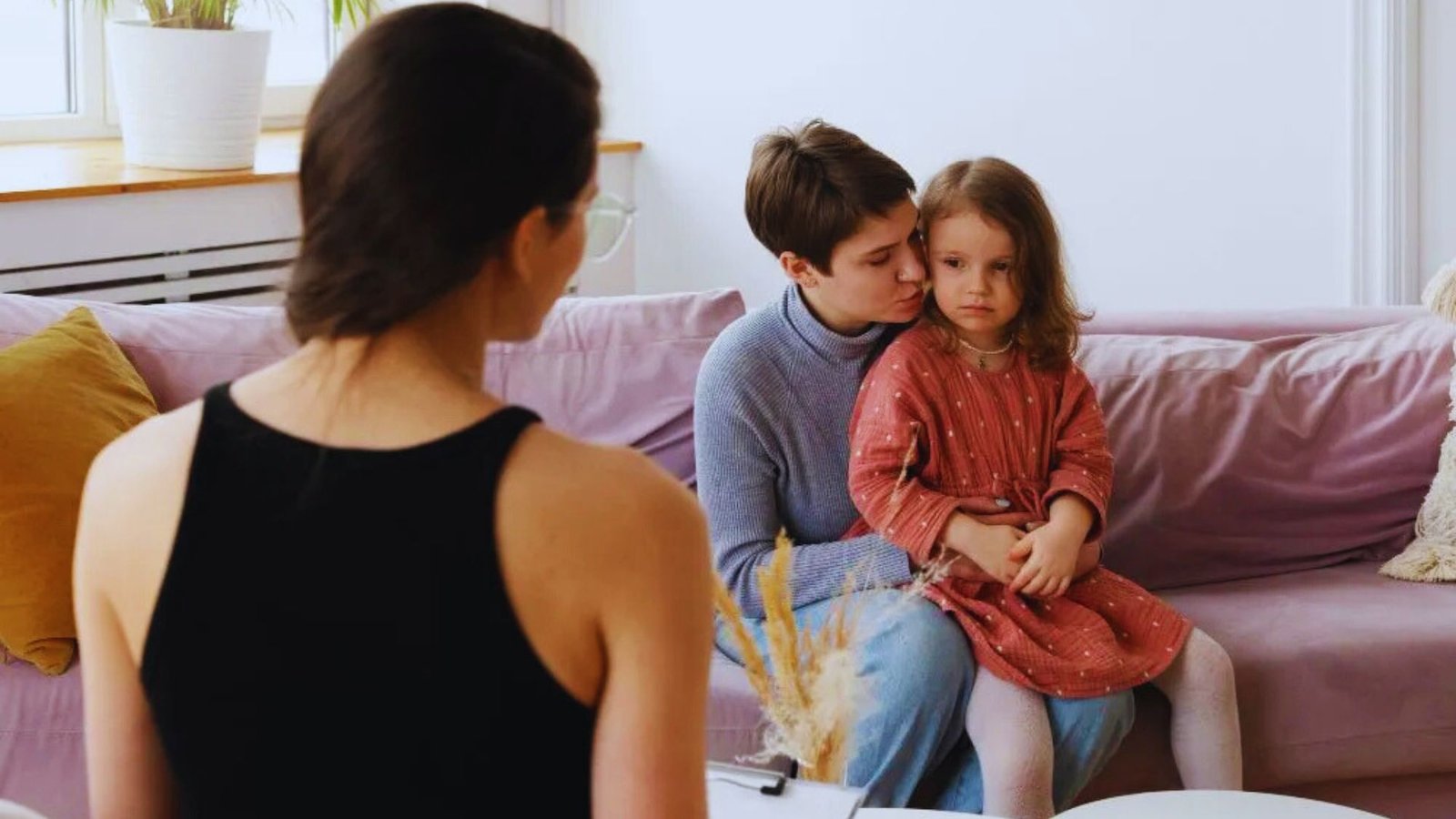
If you’ve ever wondered, “Do animal sounds count as words?” you’re not alone. Many parents ask this during well-child visits or while tracking their child’s speech milestones.
It’s a completely valid thing to wonder about.The short answer? Yes, they can.
This article explains what qualifies as a word in early language development, how speech therapists count animal sounds, and what’s typical at different ages.
You’ll also find out when to feel confident and when to seek extra support.
What Counts as a Word in Early Language Development

Understanding what qualifies as a word helps parents track speech milestones with more confidence.
Not every sound a child makes counts as a word. Speech therapists look for specific signs before logging a word in a child’s vocabulary count.
The first is consistent use. A word counts when a child uses it regularly across different situations. Saying “moo” once during a book reading does not count. Saying “moo” every time they see a cow? That counts.
The second is independent use. If your child only says “woof” right after you say it, that is imitation. Meaningful words are used on their own, without a prompt from a parent or caregiver.
The third is intentional communication. The child uses the word to communicate something. They want something, are reacting to something, or are labeling something. There is a clear purpose behind the word.
Do Animal Sounds Count as Words?

Yes, animal sounds count as words when used with meaning, consistency, and intent, according to speech therapists.
Clear answer: Yes, Animal Sounds Count as Words
Speech therapists officially count animal sounds as words. “Moo,” “woof,” and “meow” are real words in early language development.
They are not lesser words or placeholders. They carry meaning, and that is what matters most.
Why Animal Sounds are Developmentally Appropriate First Words
Animal sounds are easy to say. They use simple sounds that little mouths can form early on.
They are also tied to things children love, like animals in books, toys, and videos. This makes them highly motivating first words.
How Speech Therapists Check Animal Sounds
A speech therapist will count an animal sound as a word if it is used consistently, independently, and with meaning. A child who says “quack” every time they see a duck is demonstrating real expressive language. That is a win.
Do Animal Sounds Count as Words for Toddlers?

Animal sounds are common first words for toddlers and are counted in their vocabulary by speech professionals.
Typical Age Toddlers Begin Using Animal Sounds
Most toddlers begin using animal sounds between 12 and 18 months. This is also when many children say their first real words.
Animal sounds often appear right alongside words like “mama,” “dada,” or “ball.”
Why Toddlers Often Say “moo” Before “cow”
“Moo” is easier to say than “cow.” The mouth movement is simpler. Speech development follows the path of least resistance.
Toddlers go for sounds they can produce before they tackle harder words.
When Animal Sounds Should Begin Transitioning to Real Words
Around 18 to 24 months, you want to see a mix of both. Animal sounds are great, but by age two, most children start adding more conventional words too.
If your child is only using animal sounds at age two, it is worth mentioning to their pediatrician.
Do Animal Sounds Count as Words for Babies?

For babies, animal sounds count as words once they are used with clear intent and meaning, not just as babbling.
Difference Between Babbling and Meaningful Animal Sounds
Babies babble a lot. They make “baba,” “dada,” and all kinds of sounds just to practice. This is normal and healthy.
But babbling is not the same as a word. A word, even an animal sound, has meaning attached to it.
When Animal Sounds can be Counted for Babies
Around 10 to 14 months, some babies start using sounds in a meaningful way. If your baby consistently says “woof” when they see a dog, that is a word.
If they say “woof” randomly while playing with blocks, that is still babbling.
Signs a Baby is Using Sounds Intentionally
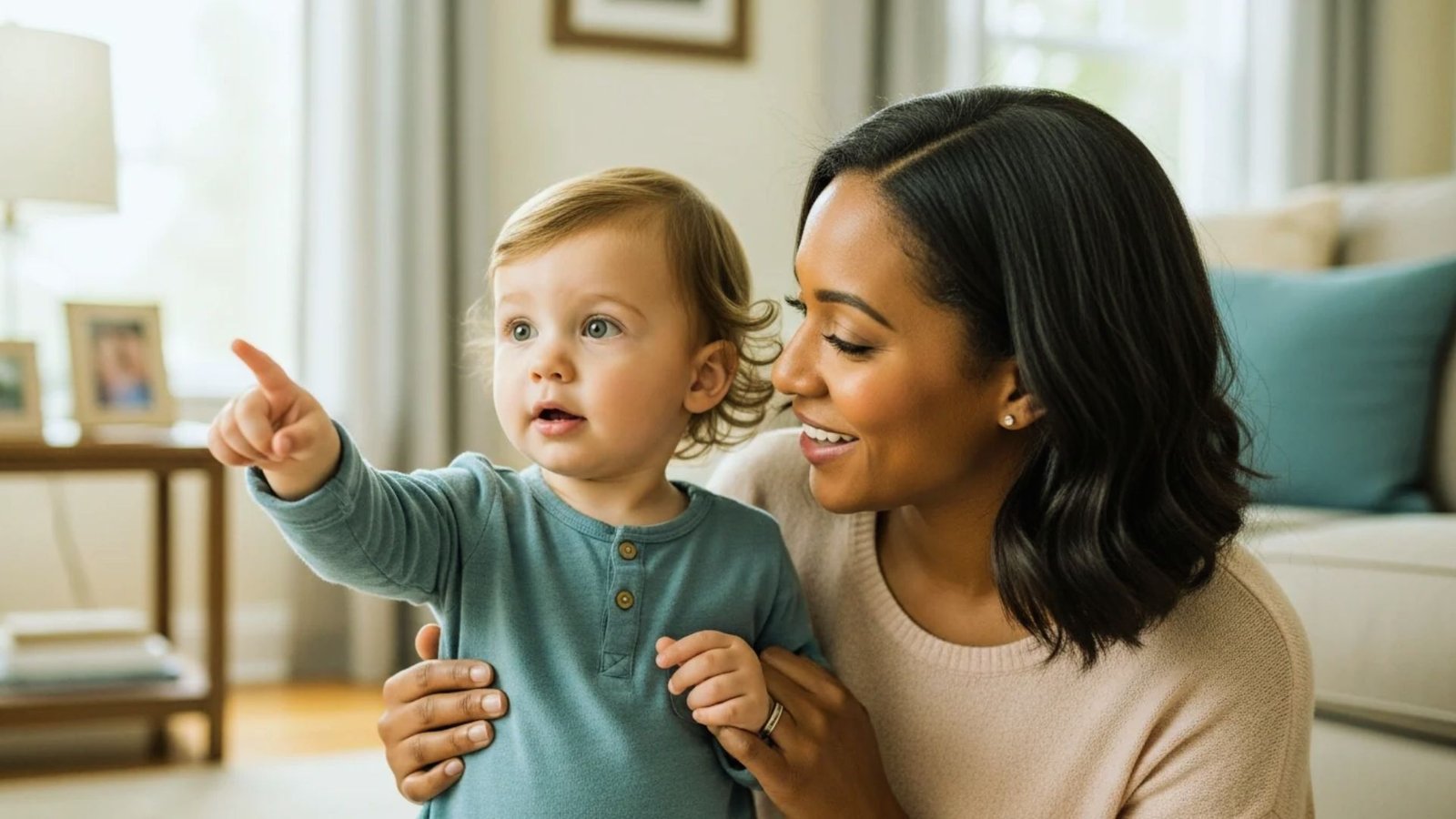
Look for eye contact, pointing, or reaching while they make the sound. These are signs the baby is trying to communicate, not just practice sounds.
Do Animal Sounds Count as Words for Babies vs. Toddlers?

Expectations differ by age, and knowing the difference helps parents track development accurately.
| Age | Expected Words | Notes |
|---|---|---|
| 12 months | 1 to 3 words | Animal sounds included |
| 18 months | 10 to 20 words | Vocabulary should be growing |
| 24 months | Around 50 words | Two-word phrases should appear |
If your child is not meeting these numbers, a speech evaluation is a good next step.
Do Animal Sounds Count as Words for Late Talkers?

Animal sounds are a positive sign in late talkers and show that real language development is happening.
If a late talker is using animal sounds meaningfully, that is great news. It means they understand that sounds carry meaning, which is the foundation of language.
A child who says “moo” when they see a cow is showing real comprehension. That kind of understanding matters a lot for speech development.
If your child is 18 months with fewer than 10 words, or 24 months and not yet combining two words, a speech evaluation is worth pursuing. Early support makes a big difference.
Examples of Animal Sounds That Count as Words

These common animal sounds count as real words when your child uses them consistently and with clear meaning.
Here are animal sounds that speech therapists commonly count as words:
“Moo” for cow
“Woof” or “arf” for dog
“Meow” for cat
“Quack” for duck
“Baa” for sheep
“Oink” for pig
“Neigh” for horse
“Roar” for lion or dinosaur
Tips to Encourage First Words Using Animal Sounds
Small, simple habits at home can go a long way in supporting your child’s speech development.
- Bring animal books, toys, and pretend to play into your daily routine. These give your child natural opportunities to hear and practice sounds in a fun, low-pressure way.
- Make animal sounds slowly and clearly. Give your child time to watch your mouth and process what they hear. Repetition helps the sound stick faster than you’d expect.
- Build on every sound your child makes. If they say “moo,” respond with “Yes, moo! That’s the cow.” This back-and-forth teaches them that communication gets a response.
- Repeat sounds across different settings. Try it during bath time, meals, and outdoor walks. Hearing the same sound in different moments helps the word connect faster.
- Follow your child’s lead. If they’re drawn to a certain animal, lean into it. Children learn best when they are genuinely having fun, not when they feel like they’re being taught.
Conclusion
If you have been wondering whether animal sounds count as words, I hope this article gave you a clear and reassuring answer. Yes, they count. And yes, your child is doing better than you might think.
I remember feeling anxious about my child’s speech too, watching every interaction and counting every word. It is exhausting. But knowing that “moo” and “woof” count? That was a relief.
If this helped, leave a comment below or share it with another parent who needs to hear this. You can also check out our other speech development guides for more support.
Frequently Asked Questions
Do animal sounds count as words in baby speech?
Yes, animal sounds count as words for babies when used consistently and with meaning. A baby who says “woof” every time they see a dog is showing real expressive language skills.
Do animal sounds count as words for toddler speech delay?
Yes, speech therapists include animal sounds in a toddler’s word count during evaluations. For late talkers, these sounds are actually a positive sign that language development is progressing.
Should I worry if my child only uses animal sounds?
Not right away, but it is worth monitoring. By age two, children should have a mix of animal sounds and other words. If only animal sounds are present at 24 months, mention it to your pediatrician.
Do animal sounds count as words more than letters or numbers?
Animal sounds, letters, and numbers are all treated equally when they are used with meaning and consistency. Speech therapists count any sound or word that is used intentionally.
At what age should animal sounds turn into real words?
Around 18 to 24 months, children typically begin adding more conventional words alongside animal sounds. Animal sounds do not need to disappear, but the vocabulary should keep growing.