

Do you still remember the beat of Miss Mary Mack tapping against your friend’s palms? I do. Hand games for kids were a big part of growing up, and somehow, they never really leave you.
In this article, I’ll walk you through the most loved hand games we all played at recess, on the bus, and on school steps.
You’ll find the names, the rhythms, and why they still matter. I’ve spent time watching kids play and thinking back on my own school days. You’re in good hands here.
Why Hand Games for Kids Still Bring Back Strong Memories

These games needed nothing. No equipment. No setup. Just two hands and someone willing to play. That simplicity is part of why they stuck.
Every school had its own version of the same game. Some kids said the lyrics one way. Others said them in a completely different way. Yet somehow, you figured it out together in minutes.
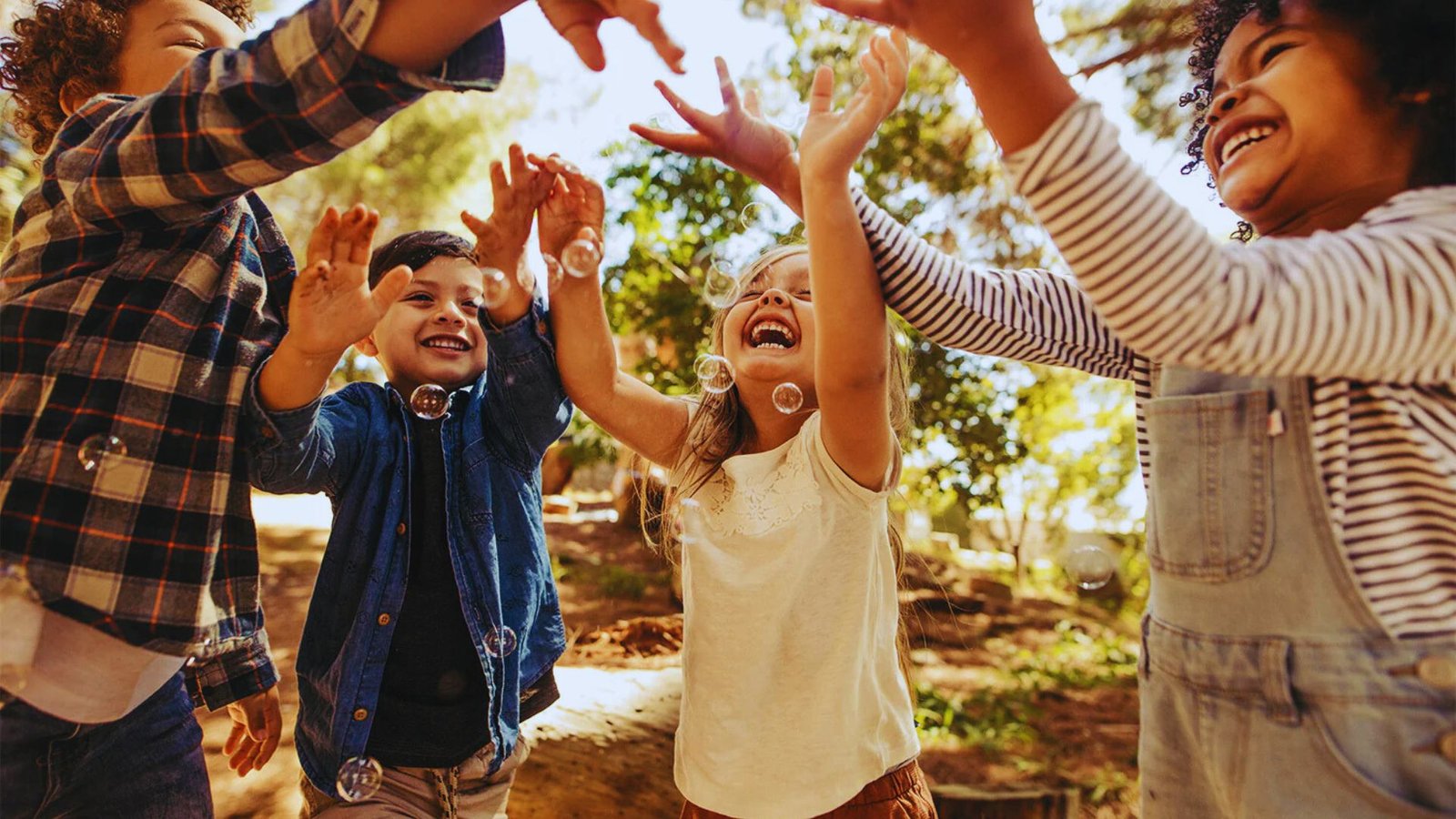
The laughter was the point. When someone messed up the rhythm, the whole group fell apart giggling. Then you started over. That restart, that shared mess-up, became the memory.
These games also spread fast. A new kid would show up with a version you’d never heard. By the end of the week, the whole class knew it. No app. No video. Just word of mouth and repetition.
The Hand Games We All Knew by Heart
A look at the classic rhymes that spread from hand to hand across playgrounds everywhere.
1. Miss Mary Mack

Miss Mary Mack might be the most well-known hand game of all time. The fast clapping rhythm made it both fun and a little stressful. You had to keep up.
The lyrics changed depending on where you grew up. Some versions were longer. Some were shorter. Some had different endings entirely. But the beat stayed the same.
The real challenge was seeing how fast you could go. Speed was the goal. When both partners stayed in sync at full speed, it felt like a small win.
2. Pat-a-Cake

Pat-a-cake was usually the first hand game most kids ever learned. Parents and older siblings taught it before kids even started school. It was simple by design. The movements were easy.
The words were short. But it laid the foundation for every hand game that came after it. Many adults still remember it clearly because it came from home, not just school.
3. Down Down Baby

Down Down Baby worked best in a circle. Everyone joined in, and the group chant built tension with every round. The suspense of who would get “out” kept everyone watching.
No one wanted to be the one who missed the beat or said the wrong word. It was one of those games where being in the middle of the group felt exciting, not scary.
4. Concentration 64

This one added a brain challenge to the rhythm. Players had to name things in a category while keeping time with the clapping pattern. When your turn came, the pressure hit fast.
You had maybe two seconds to think of an answer. Say nothing, and you were out. Concentration 64 trained quick thinking without anyone calling it a learning activity.
5. Double Double This This

Double Double This This was all about mirroring. You copied the movements of the person across from you, and the speed kept climbing. The faster it got, the harder it was to stay in sync.
One wrong move and both players broke into laughter. It was short, silly, and surprisingly hard to master at high speed.
6. Stella Ella Ola

Stella Ella Ola worked best with a group. The chant had a steady beat, and everyone waited for the final word to see who got caught. The anticipation made it more exciting than the actual outcome.
Kids would tense up during the last few counts, hoping they’d be safe. It was the kind of game that kept getting played because no round ever felt the same.
Why These Simple Games Meant So Much

No planning needed. These games built real friendships in the space of a single recess.
They Started on Their Own
Nobody organized these games. No adult set them up. Someone began a rhythm, and others joined in. That natural start made everyone feel like they belonged. It happened fast, without any planning at all.
They Made It Safe to Mess Up
When someone missed a beat, the game didn’t stop. You just started over. That simple restart taught kids to keep going without feeling embarrassed.
Years later, people still remember who they played with because these games didn’t just fill time. They created moments that actually stayed.
Are Kids Today Still Playing These Hand Games?

Playgrounds look different now. Screens fill the time that hand games once did, and group chanting on the bus feels far less common than it used to.
But that doesn’t mean these games are gone. In some schools, younger kids still pick them up from older siblings or teachers who grew up playing them.
The tradition moves slower today, but it does still move. Some teachers bring hand games into classrooms as quick brain breaks between lessons. Some parents teach them at home during downtime.
The way these games get passed on just looks a little different than it did thirty years ago. The rhythm is still out there. It just needs someone willing to start it up again.
Do You Remember These Hand Games?

Think back. Was your version of Miss Mary Mack longer than what your friends played? Did your school have a completely different name for one of these games?
Hand game memories are personal. The version you learned is tied to a specific person, place, or moment.
What was the first hand game you ever learned? Was it from a parent, a friend, or a kid you just met on the playground?
Drop your version in the comments. It’s worth sharing.
Bringing These Hand Games Back Today

Starting with just one rhyme is enough to bring the whole experience back.
- Start with the game you remember best. It’s easier to teach something you already know by heart.
- You don’t need a special reason to play. Any afternoon, any group of kids, any free moment works just fine.
- Keep the group small at first. Two or three people is all you need to get the rhythm going.
- Let kids mess up without making it a big deal. The laughter after a mistake is half the fun.
- Don’t focus on doing it perfectly. These games were never about winning. They were always about staying in the beat together.
- No scores, no pressure, no rules beyond the rhyme. Just clap, chant, and enjoy the moment as it comes.
- Once one game clicks, the others follow fast. The rhythm comes back quicker than you’d expect, and so do the memories.
Conclusion
I still catch myself humming Miss Mary Mack sometimes, and it takes me right back to that school bus ride with my friends. Hand games for kids weren’t just ways to pass time.
They were how we connected, laughed, and made memories without even trying. They still are. If this article brought back a memory, I’d love to hear it.
Drop a comment with your favorite game or share this post with someone who played these with you. These rhythms deserve to keep going. Pass them on and keep the tradition alive.
Frequently Asked Questions
What are the most popular hand games for kids?
Miss Mary Mack, Pat-a-Cake, and Down Down Baby are among the most widely known. These games spread easily because they need no equipment and are quick to learn.
At what age do kids usually start playing hand games?
Most kids start with simple games like Pat-a-Cake around ages two to three. More complex games like Concentration 64 are usually picked up between ages six and ten.
Do hand games help with child development?
Yes. These games build coordination, memory, and timing. They also support social skills because kids must stay in sync with a partner or group.
Why did hand games spread so fast between schools?
Kids taught each other directly, through play. One child would show another, and within days a whole class would know the game without any written instructions.
Can adults play hand games too?
Absolutely. Adults often find these games surprisingly fun and a little harder than expected at speed. Playing them with kids is a great way to share a piece of your own childhood.