
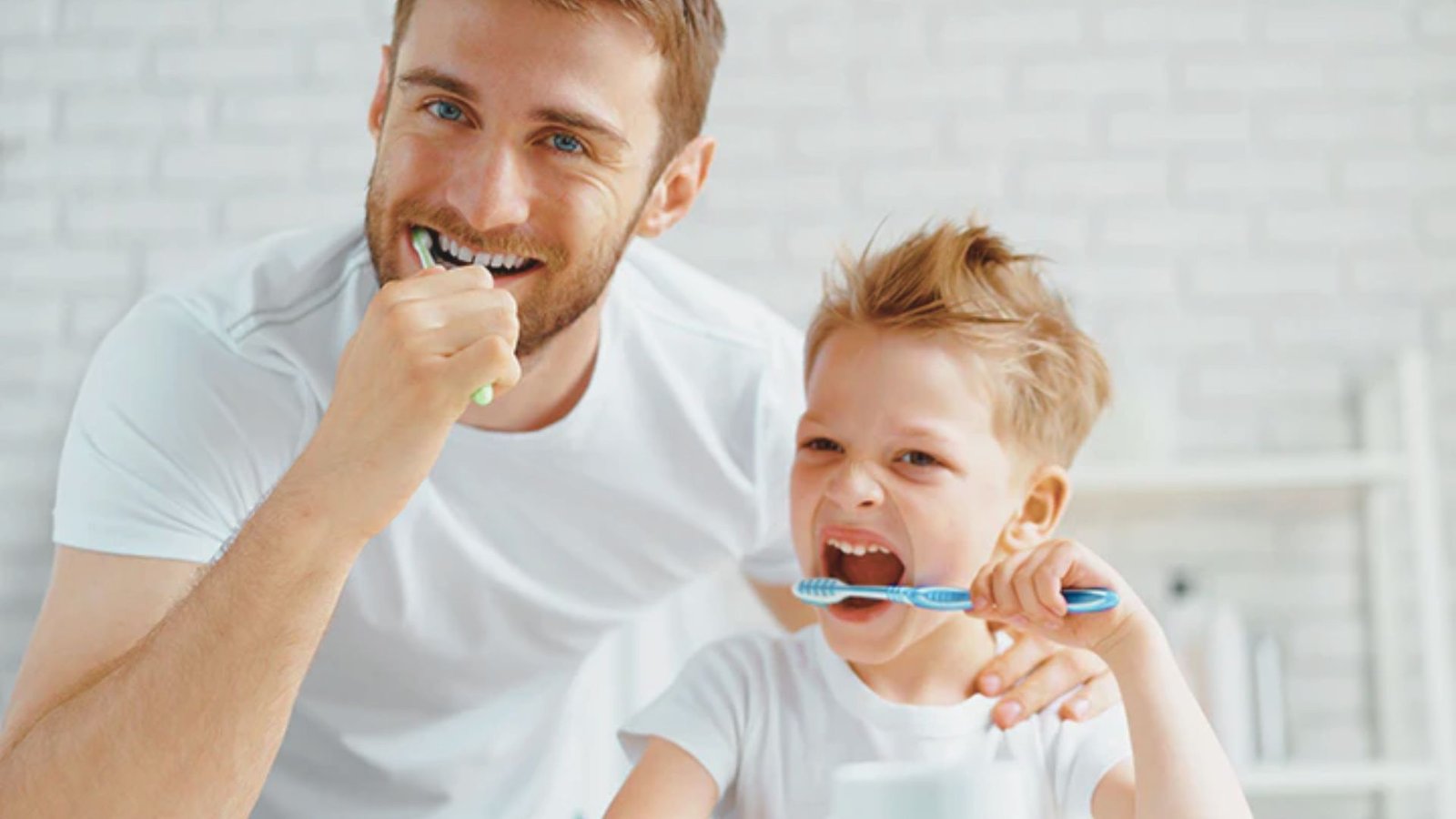






When can kids use adult toothpaste? It is a question almost every parent asks at some point. The toothpaste aisle is full of options, and the age guidelines are not always clear.
I went through the same confusion with my own child. I was not sure if kids’ toothpaste was still needed or if we were overdue for a switch.
In this article, you will find the right age to make the switch, fluoride safety facts broken down simply, and real signs your child is ready.
I will help you make a confident, informed choice.
When Can Kids Use Adult Toothpaste?

Most children are ready to use adult toothpaste somewhere between ages 6 and 8. However, age alone should not drive this decision. The ability to spit consistently after brushing matters far more.
If a child cannot spit reliably, they end up swallowing toothpaste. Adult toothpaste has significantly more fluoride than kids’ versions. Swallowing it regularly puts too much fluoride into a small body.
Most children develop a consistent spitting habit somewhere between ages 3 and 8. Some get there earlier. Others take a bit more time. Both are completely normal.
The rule of thumb from pediatric dentists is simple. Wait until your child spits every single time before switching to adult toothpaste.
Difference Between Kids’ Toothpaste and Adult Toothpaste

Kids’ toothpaste and adult toothpaste are not interchangeable. Here is what makes them different and why it matters.
Fluoride Levels in Kids vs Adult Toothpaste
The concentration gap exists for a good reason.
Adult toothpaste contains 1,000 to 1,500 ppm of fluoride. Kids’ formulas use less because children are still developing.
When a child regularly swallows adult toothpaste, the excess fluoride can affect how permanent teeth form under the gums, leading to dental fluorosis.
Abrasiveness and Whitening Ingredients
Harsher formulas and children’s teeth are a bad combination.
Children’s enamel is thinner and more vulnerable than adult enamel. Standard adult toothpaste is more abrasive, and whitening or charcoal toothpastes are even rougher.
These products are not suitable for children at any age, regardless of what they see their parents using.
Flavors and Child Compliance
The right flavor makes brushing a habit easier to build.
Mint toothpaste can feel sharp and overwhelming to young children, which leads to rushed or reluctant brushing.
Kids’ toothpastes use milder flavors like bubblegum or strawberry to make the experience comfortable. If your child gags at mint or resists brushing, they are likely not ready to switch.
What Age Can Kids Use Adult Toothpaste Safely?

Age is a helpful guide, but readiness comes down to habits and skills more than a number.
Ages 0 to 2: Toothpaste Rules for Babies and Toddlers
At this stage, everything that goes in gets swallowed.
Babies and toddlers cannot spit yet, so use a rice grain-sized smear of fluoride toothpaste on a soft infant brush.
Keep adult toothpaste completely out of reach and ask your pediatric dentist about fluoride based on your child’s cavity risk.
Ages 3 to 6: Transition Phase Explained
Some kids this age can spit on demand, but many still swallow without realizing it.
Stick with a pea-sized amount of kids’ fluoride toothpaste and supervise every session.
Signs of readiness include spitting consistently, not swallowing during rinsing, and tolerating mild mint without complaint.
Ages 6 to 8 and Up: When Most Kids Can Switch
This is when most children are genuinely ready to make the switch.
Most pediatric dentists point to ages 6 to 8 as the window when kids spit reliably and brush with more independence.
Even after switching, occasional check-ins help catch habits like using too much product or skipping rinsing.
Signs Your Child Is Ready for Adult Toothpaste

Not sure if your child has reached that point yet? Look for these clear signs before making the switch.
They Spit After Brushing Every Time
Occasional spitting is not enough, consistency is what matters.
Your child spits reliably after every brushing session without being reminded. If you still need to prompt them every time or catch them swallowing on and off, hold off on making the switch for now.
They Do Not Swallow Toothpaste
Swallowing during brushing or rinsing is a sign they are not ready yet.
If your child gets through the full brushing and rinsing routine without accidentally swallowing, that is a strong green light.
With adult toothpaste containing higher fluoride levels, consistent swallowing is something you want to rule out completely before switching.
They Can Handle Mint Flavor
Gagging or complaining about strong flavor means the switch is premature.
Your child tolerates mild mint toothpaste without discomfort or resistance.
Since adult toothpaste tends to have a stronger mint flavor than kids’ varieties, comfort with milder mint first is a good baseline to check before moving up.
They Brush with Growing Independence
Relying less on you to guide every step shows real progress.
Your child is taking ownership of brushing, covering all surfaces without constant direction. You may still supervise, but they are no longer depending on you to walk them through each step of the routine.
When all four of these show up consistently, adult toothpaste is a reasonable next step.
Common Mistakes Parents Make With Toothpaste

Switching too early is one of the most frequent mistakes. A child who seems mature or who is doing well in other ways is not automatically ready for adult toothpaste. Spitting ability is the real measure.
Using too much toothpaste is another common issue. A pea-sized amount is the right call across all ages until adulthood.
The large strips shown in commercials are not realistic or safe for children and can make swallowing more likely.
Choosing whitening toothpaste for children is something to avoid completely.
Even if your child requests a grown-up formula with whitening claims, these products are too abrasive for developing enamel and offer no meaningful benefit for children’s teeth.
Tips to Help Kids Move to Adult Toothpaste
A little patience and the right approach goes a long way.
- Start by mixing a small amount of mild adult toothpaste with your child’s regular kids’ toothpaste. This gives them time to adjust to the stronger flavor and texture gradually.
- When choosing an adult toothpaste, go for a mild or sensitive mint formula rather than a strong or cooling variety. Sensitive versions make a much better first adult toothpaste for kids.
- Let your child pick their own toothbrush. Having some control over the process makes brushing feel less like a chore and more like their own routine.
- Play a two-minute song or use a fun brushing app to keep them on track. Keeping the experience low-pressure helps build a habit they will actually stick to.
- Remember that consistency matters more than which toothpaste is in the tube. A solid daily brushing habit will do far more for your child’s dental health than any formula upgrade.
Conclusion
So, when can kids use adult toothpaste? For most children, the right window is between ages 6 and 8. But spitting ability and consistent habits matter more than hitting a specific birthday.
I used to think the switch just happened automatically. It was only when I slowed down and watched my daughter actually brush that I realized readiness is something you observe, not assume.
Trust the signs, not just the calendar. If this helped you, leave a comment below or share it with another parent figuring out the same thing!
Frequently Asked Questions
When can kids use adult toothpaste without supervision?
Most children can brush on their own around ages 8 to 10, but occasional check-ins are still helpful. Make sure they are using the right amount and spitting fully after every session.
Can a 5-year-old use adult toothpaste?
Most 5-year-olds are not ready because consistent spitting has not fully developed yet. Kids’ fluoride toothpaste in a pea-sized amount is the right choice at this age.
Is fluoride toothpaste safe for toddlers?
Yes, fluoride toothpaste is safe for toddlers when used in the correct amount. A rice grain-sized smear is recommended for children under 3 to keep fluoride intake within a safe range.
Should kids use whitening toothpaste?
No, whitening toothpaste is not appropriate for children. It is too abrasive for young enamel and offers no benefit for kids’ teeth. Stick with a standard fluoride formula made for their age group.
What if my child keeps swallowing toothpaste?
Keep using kids’ toothpaste and practice spitting with water until the habit becomes consistent. If swallowing continues regularly, speak with your child’s dentist to review fluoride exposure and get personalized advice.