




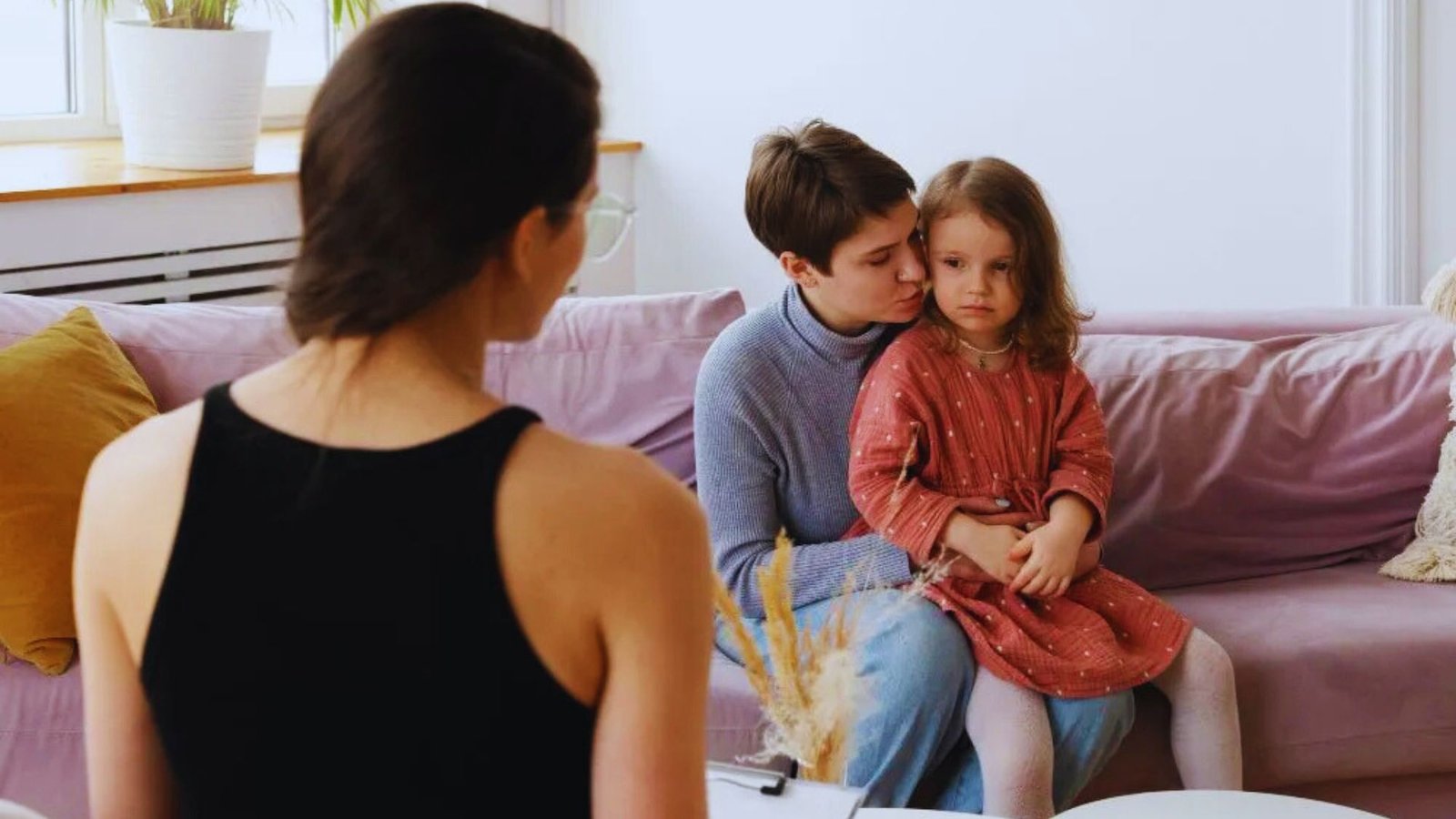
If your toddler has started firing “why” at you every five minutes, you are not alone.
When do kids start asking why? Most children begin around age 2 to 3, and it can feel like it comes out of nowhere.
In this article, I will walk you through the ages when questions begin, what drives this phase, and how to respond without losing your mind.
I have been through this with my own child, and trust me, it gets easier once you understand what is really going on.
When Do Kids Start Asking Questions for the First Time?

Most children move from naming things to asking questions between ages 2 and 3, marking an important communication milestone.
Before kids start asking “why,” they first learn to label the world around them. A one-year-old points at a dog and says “doggy.” But around age 2, something shifts.
Children start to realize words can do more than name things. They can ask things.
Early signs include repeating words, pointing with intent, and forming simple phrases like “more milk” or “daddy go.” By age 2, most kids ask “what’s that?” or “where?” questions.
The jump to “why” comes a little later, closer to age 3, when their brain is ready to wonder about causes, not just names.
A 2-year-old may ask “why” without fully grasping the answer. A 3-year-old will follow your answer with another “why” and then another. T
The questions become chains, and that is actually a good sign.
When Do Kids Start Asking Why All the Time?

The “why” phase often peaks around age 3, with questions coming fast, frequent, and sometimes exhausting for parents.
Why the “Why” Questions Increase Around Age 3
Vocabulary growth and better memory push children to start asking about reasons, not just names.
Around age 3, two big things happen at once. Vocabulary grows fast and memory improves. Children start noticing patterns and wondering why things change.
They are no longer just seeing the world. They are trying to understand it.
Is It Normal for Kids to Ask Why Repeatedly?
Yes, and it is actually a healthy sign of how young children process and retain new information.
When your child asks the same “why” five times in a row, it is not defiance. It is how they learn. Hearing a consistent answer helps them lock in information and builds their confidence.
When the world feels predictable, it feels safe.
What Causes Kids to Start Asking “Why”?
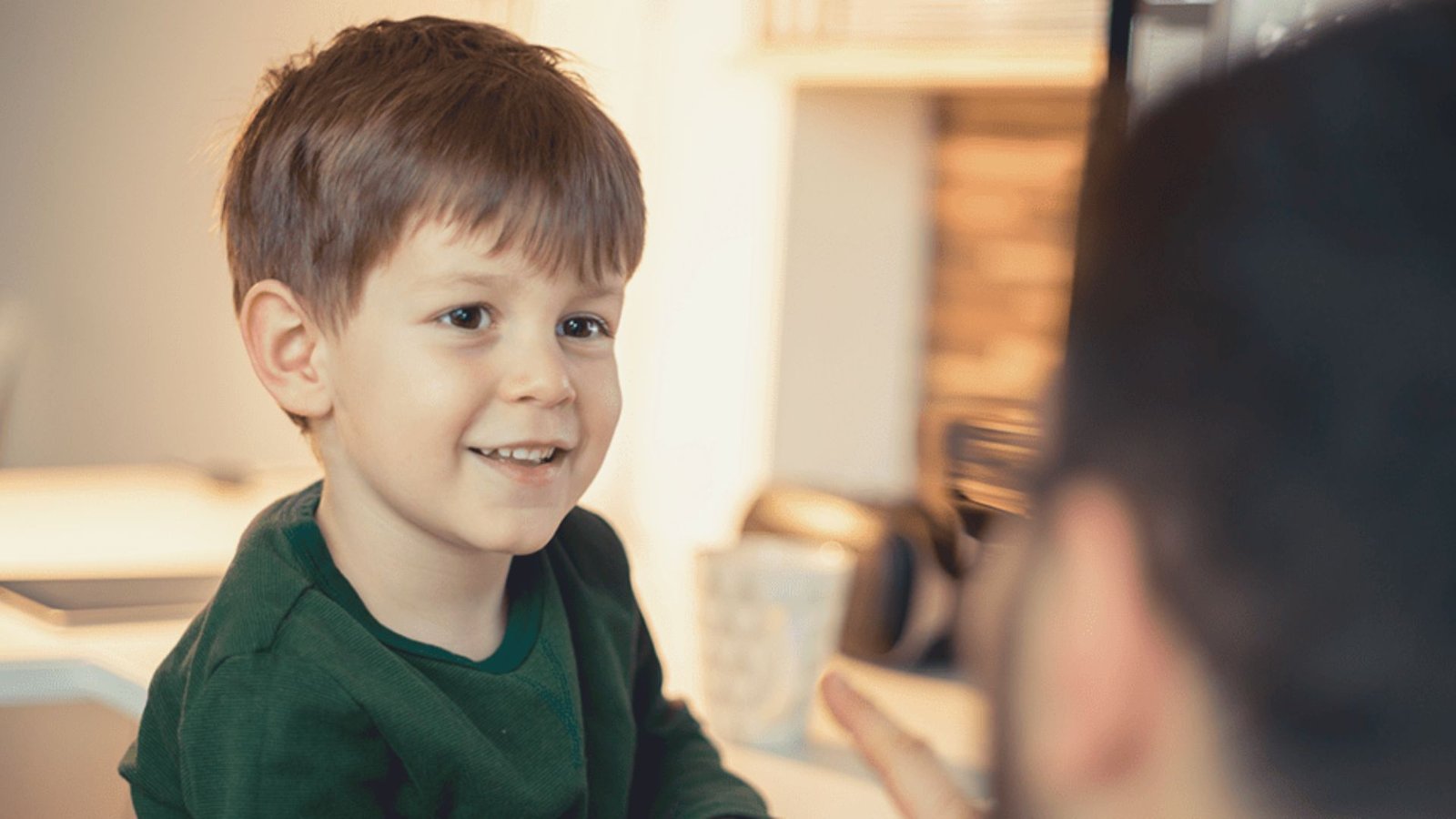
Several developmental changes, from brain growth to curiosity, drive children to start asking why questions more often.
Brain and Cognitive Development
Young children are wiring their brains to understand cause and effect, and “why” is how they test it.
They notice that dropping a cup makes it fall. That crying brings someone over. Their brain is constantly trying to figure out what causes what. Asking “why” is active thinking, not just passive observation.
Language and Communication Growth
More words mean more tools to ask questions, and asking questions helps children practice using those words.
As vocabulary grows, children use it to start conversations. Asking “why” teaches them how back-and-forth communication works. It builds both language skills and social confidence at the same time.
Curiosity About the World
Children this age have a strong natural drive to understand the rules and routines around them.
Why do we wear shoes outside? Why does the sun go down? These are not silly questions. They are a child building a mental map of how the world works, and that is worth appreciating.
Seeking Connection and Attention
Not every “why” is about getting an answer. Sometimes it is about getting you.
Connection-seeking questions often happen when a child feels bored or ignored. This is different from curiosity-driven questions, but both are completely healthy and normal.
Age-by-Age Breakdown: Why Questions in Early Childhood
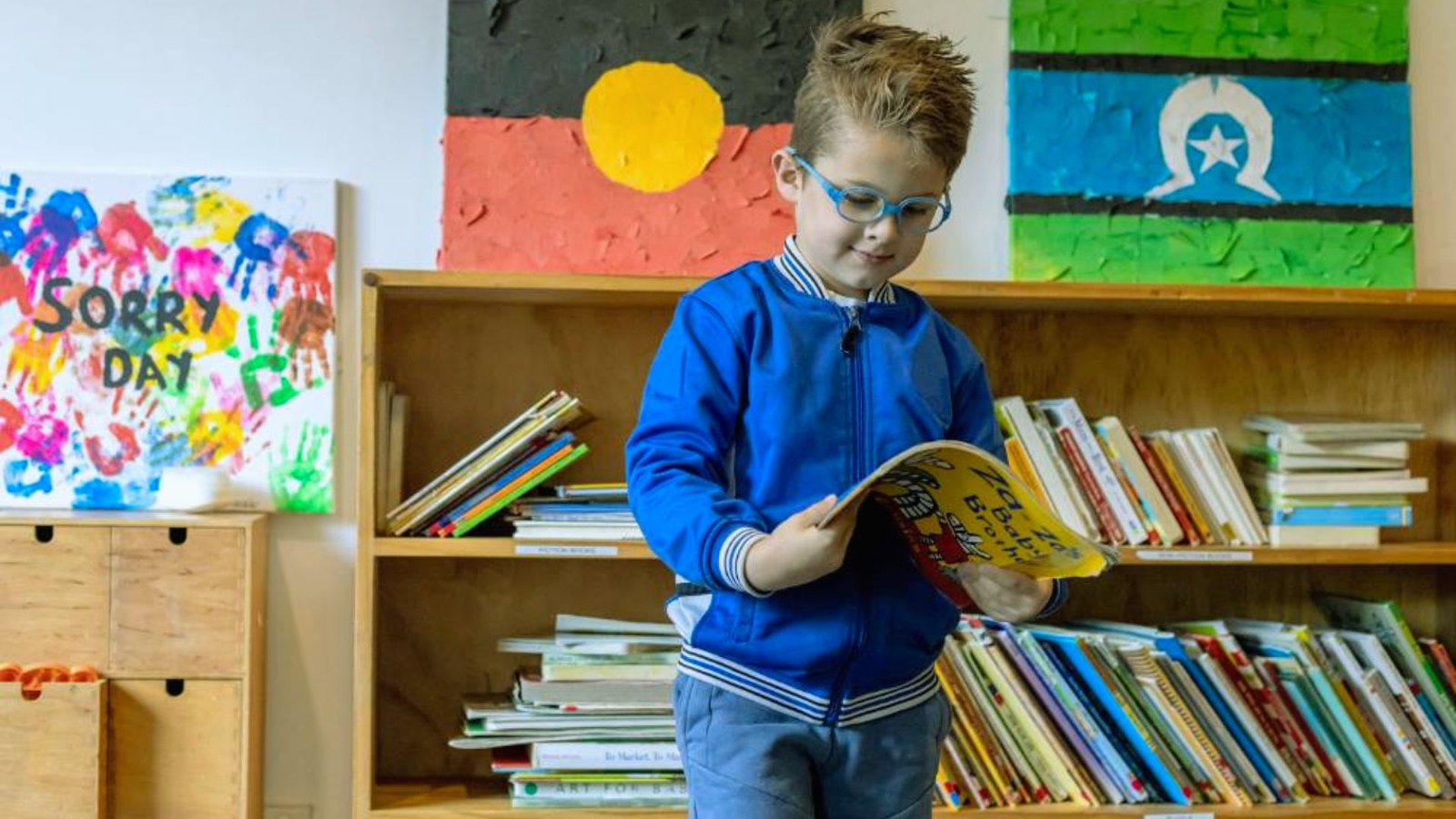
Here is a simple look at why questions change from age 2 through age 5 as children grow and develop.
Age 2 – Early Why Questions Begin
Two-year-olds are just starting to ask why, so keep answers short and simple.
At this age, attention spans are short and deep explanations are not needed. A one or two sentence answer is plenty. “Because it is cold outside” works much better than a full weather lesson.
Age 3 – Peak Why Phase
This is when kids start asking why all the time, and the questions start coming in chains.
Age 3 is the peak for most children. You answer one question and another follows immediately. It can feel like a loop, but it is actually a sign of strong cognitive development.
They are using your answer to build the next question.
Ages 4 to 5 – More Thoughtful Why Questions
By ages 4 and 5, questions slow down and become more focused and meaningful.
The repetition fades and real conversations begin. A 5-year-old asking “why do leaves change color?” is genuinely curious, not just filling silence.
You can give longer answers and expect thoughtful follow-ups in return.
How Parents Should Respond When Kids Ask Why

Responding with patience and simple language helps children feel heard and keeps their curiosity alive.
Answer in Simple, Age-Appropriate Language
Short, clear answers work best. Young children do not need every detail.
If they want more, they will ask. “Because fire is hot and it can hurt you” is enough. You do not need to explain combustion.
Turn the Question Back to Your Child
Asking what they think first gets their brain working and takes pressure off you.
Try “What do you think happens when it rains?” It shows their ideas matter and builds confidence and independent thinking.
Is It Okay to Say “I Don’t Know”?
Yes, and saying it openly teaches children that curiosity is more important than having all the answers.
“I don’t know, let’s find out together” is one of the most powerful things a parent can say. Looking something up together turns a simple question into a shared moment.
What to Do When You’re Tired of Answering Why
Setting gentle limits is healthy for both you and your child.
It is okay to feel worn out. Saying “I need a little quiet time, but let’s talk after dinner” models healthy communication and shows your child that everyone needs a break sometimes.
Encouraging Learning During the Why Phase
The why phase is a chance to build thinking skills, problem-solving habits, and a love of learning.
Instead of just getting through it, use it. The constant questioning is a window into your child’s developing mind.
Using Why Questions to Build Critical Thinking
Encouraging children to think through answers helps them practice real reasoning skills.
Ask follow-up questions. Explore ideas together. These small moments build early problem-solving habits that will stay with them for years.
Tips for Handling the Why Phase Without Frustration
Simple, practical tips to help you stay calm and connected during the most question-heavy years of early childhood.
- Answer briefly and clearly, then turn the question back to them by asking what they think.
- Set a “question time” during dinner or a walk so questions feel special and focused.
- Use “I don’t know” as a starting point. Looking things up together makes it a bonding moment.
- Stay calm when you have answered the same question ten times. Repetition is how they learn.
- Remind yourself this phase does not last forever. Their curiosity is a sign things are going well.
Conclusion
So, when do kids start asking why? Most begin around age 2 and hit peak questioning by age 3.
It is loud and repetitive, but it is also a clear sign that your child’s brain is doing exactly what it should.
I remember feeling worn out by the constant questions until I realized how much my child was actually learning through them. That shift changed everything.
Drop a comment below with your funniest “why” moment, and share this with a parent who could use a little reassurance today.
Frequently Asked Questions
When do kids start asking why questions the most?
Most children ask why questions most frequently between ages 3 and 4, when language, reasoning, and curiosity all peak at the same time.
Is it normal for a 2-year-old to ask why?
Yes, completely normal. Early questions at age 2 are a healthy sign of developing communication and cause-and-effect thinking.
How long does the why phase last?
The most intense part usually runs from age 3 to age 5. After that, questions become more focused and less repetitive.
Should I always answer my child’s questions?
Not always in full detail. Short, honest answers work best. Saying “I don’t know, let’s find out” is perfectly fine too.
What if my child never asks why?
Some children are naturally quieter. If your child shows very limited language or little interest in communicating by age 3, mention it to your pediatrician.