





Watching your baby burn up with a fever is one of the scariest moments as a parent. Your mind races. Should you rush to the ER? Wait it out? Call the doctor?
I’ve been there, and I know how overwhelming it feels at 2 AM with a crying, hot baby in your arms.
This article will walk you through exactly when to take a baby to urgent care for fever, what warning signs to watch for, and when it’s safe to manage things at home.
As someone who has researched pediatric health extensively and spoken with medical professionals.
Understanding Fever in Babies

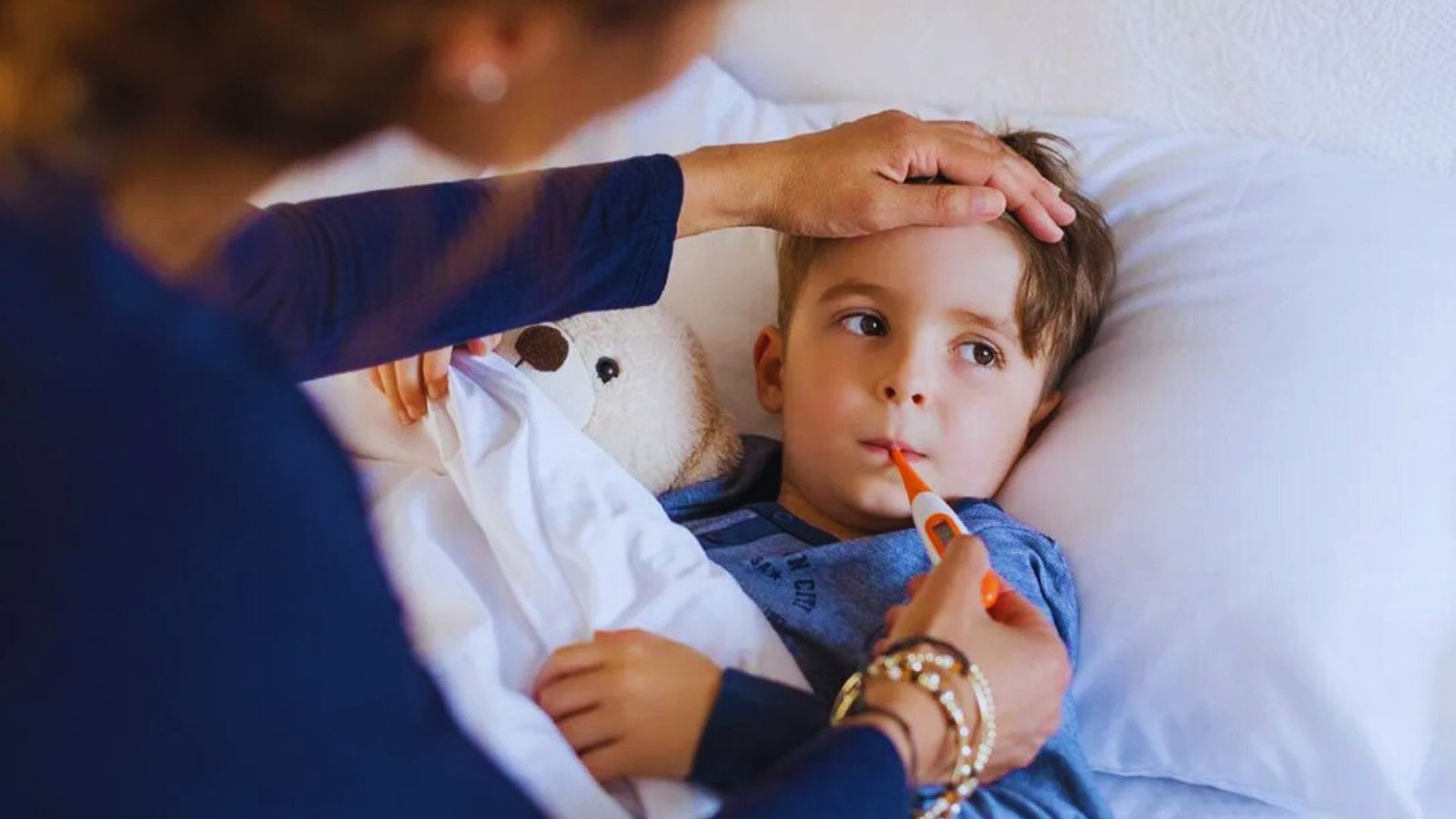
A fever in babies starts at 100.4°F (38°C) or higher. Anything below that is generally normal. The best way to check temperature in newborns and babies under 3 months is with a rectal thermometer. For older babies, an armpit or ear thermometer works, but the rectal is still the most accurate.
Fevers are not always a bad thing. They are a sign that your baby’s immune system is fighting something off. Common causes include viral infections like colds, bacterial infections like ear infections, and reactions after vaccines. Some parents blame teething, but teething does not cause a true fever.
If your baby has one, look for another reason. Most of the time, the fever itself is not the danger. What caused it is what matters. That said, a very high fever or any fever in a very young baby should always be taken seriously.
When to Take Baby to Urgent Care for Fever

This section covers the key situations where waiting at home is not the right call.
Baby Under 3 Months With a Fever
This is the most important rule: if your baby is under 3 months old and has any fever at 100.4°F or above, go to urgent care or the ER right away. Do not wait to see if it gets better.
Newborns and very young infants cannot fight infections the same way older babies can. What seems like a small fever can turn serious very quickly.
Fever Lasting More Than 3 Days
If your baby has had a fever for more than 72 hours, it is time to get them checked. Even if the fever is not dangerously high, a fever that lingers for days often means the body is still fighting something that may need treatment.
Fever Over 102°F to 104°F
A fever above 102°F in babies under 6 months should prompt a call to your doctor or a visit to urgent care. For babies over 6 months, a fever above 104°F needs attention, especially if your baby seems unwell.
Fever That Doesn’t Improve With Medication
If you’ve given the correct dose of infant acetaminophen or ibuprofen (for babies over 6 months) and the fever does not come down at all within an hour or two, that is a signal to seek care.
Fever That Goes Away and Returns
A fever that breaks and then comes back after 24 hours or more is worth a doctor’s visit. This pattern can sometimes point to a more serious or ongoing infection.
Warning Signs That Require Immediate Medical Attention

Some symptoms alongside a fever mean you should not wait, even for urgent care.
Trouble Breathing or Rapid Breathing
If your baby is breathing very fast, making grunting sounds, or the skin around their ribs is pulling in with each breath, go to the ER now. This is a sign the body is struggling to get enough oxygen.
Baby Is Very Sleepy, Limp, or Hard to Wake
A baby who is unusually limp, hard to wake, or not responding to you the way they normally do needs emergency care immediately. This is not normal tiredness. It can be a sign of a serious infection.
Signs of Dehydration
Babies can get dehydrated faster than adults.
Watch for these signs:
- Fewer wet diapers than usual
- Dry mouth or cracked lips
- A sunken soft spot on top of the head
If you notice any of these, seek care right away.
Seizure With Fever
Febrile seizures can happen when a baby’s temperature rises quickly. They are frightening to witness. If your baby has a seizure, call 911 or go to the ER immediately, even if it stops on its own.
Purple or Spreading Rash
A rash that looks purple, red, or like small bruises under the skin, especially if it spreads quickly, can be a sign of a very serious bacterial infection. This is a 911 emergency.
Urgent Care vs Emergency Room for Baby Fever

Choosing the right place to go can save time and get your baby the right care faster.
When Urgent Care Is Appropriate
Urgent care is a good option when your baby has a fever that concerns you but no life-threatening symptoms.
For example, a fever lasting more than three days, a high fever in a baby over 3 months who is still alert and feeding, or a fever with mild cold symptoms that are getting worse.
When You Should Go to the ER
Head to the ER if your baby is under 3 months with any fever, is showing signs of serious illness like extreme lethargy, has had a seizure, or has trouble breathing.
When to Call 911 Instead
Call 911 if your baby is not breathing, has a seizure that does not stop, has a purple or spreading rash, or you are unable to safely transport them yourself.
When You Can Safely Monitor a Baby’s Fever at Home

Not every fever means a hospital trip. Here is when it is okay to watch and wait.
Baby Is Feeding Well and Acting Normally
If your baby still wants to feed, is making eye contact, and is not unusually fussy or limp, that is a reassuring sign. A baby who acts fairly normal during a mild fever is usually okay to monitor at home.
Mild Cold Symptoms With Low-Grade Fever
A runny nose, mild cough, and a low-grade fever in an otherwise active baby are often just a cold. Keep an eye on symptoms and check in with your pediatrician if things change.
Fever After Vaccination
A low fever within 24 to 48 hours of a vaccine is very common and expected. It shows the immune system is responding. This does not need urgent care unless the fever is high or your baby seems very unwell.
Tips for Managing Baby Fever at Home

Simple steps to keep your baby comfortable while you monitor their symptoms.
- Offer breast milk or formula more often to prevent dehydration.
- Babies over 6 months can have small sips of water too.
- Dress your baby in light, breathable clothes and skip heavy blankets.
- Use infant acetaminophen for babies 2 months and older.
- Only give ibuprofen to babies 6 months and older.
- Always dose medicine by your baby’s weight, not age.
- Never give aspirin to a baby or child.
- Check the temperature every few hours and write it down with the time.
Conclusion
Parenting a sick baby is hard, and I know how scary it can be to second-guess every decision. Most fevers are just the body doing its job. But some moments call for quick action, and knowing the difference matters. Trust what you see.
If your baby seems off, pale, or harder to comfort than usual, go get help. No one will judge you for being cautious.
When to take a baby to urgent care for fever is something every parent should know. Share this post with a fellow parent who might need it tonight.
Frequently Asked Questions
Can a teething baby have a real fever?
Teething may cause a tiny rise in temperature but not a true fever. If your baby hits 100.4°F or higher, look for another cause and call your doctor.
How high is too high for a baby’s fever?
Any fever in a baby under 3 months needs immediate care. For older babies, a fever above 104°F or one that won’t come down with medicine needs urgent attention.
What should I do if my baby’s fever keeps coming back?
A fever that returns after 24 hours or more should be checked by a doctor. It may mean an ongoing infection that needs proper treatment.
Is urgent care or the ER better for a baby with a high fever?
If your baby is alert and stable, urgent care is usually fine. Go to the ER if they are under 3 months, hard to wake, or having trouble breathing.
Can I give my baby both acetaminophen and ibuprofen at the same time?
Do not give both at once without asking your doctor first. Some doctors suggest alternating them, but always confirm the right dose and schedule for your baby’s weight.