
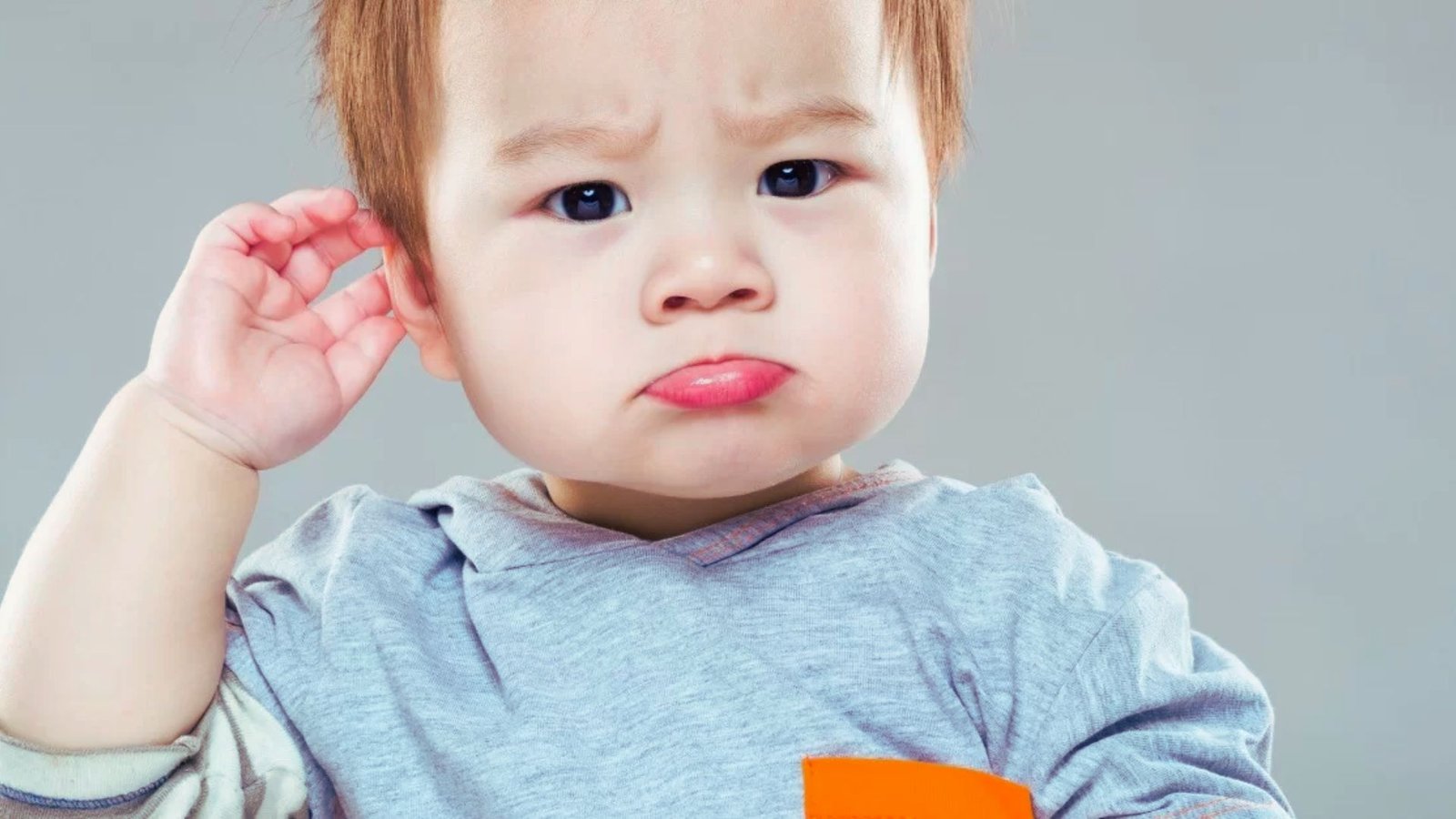



I remember the first time I saw my baby slap his little hands against his own head. My stomach dropped. Was something wrong? Was he in pain?
If you’re asking “why is my baby hitting his head with his hands,” you’re not alone. A lot of parents go through this exact moment of worry.
This article breaks down the most common reasons behind this behavior. I’ll also cover when it’s nothing to stress over and when it’s worth a call to the doctor.
By the end, you’ll feel informed and a lot more at ease.
Is It Normal for Babies to Hit Their Head With Their Hands?
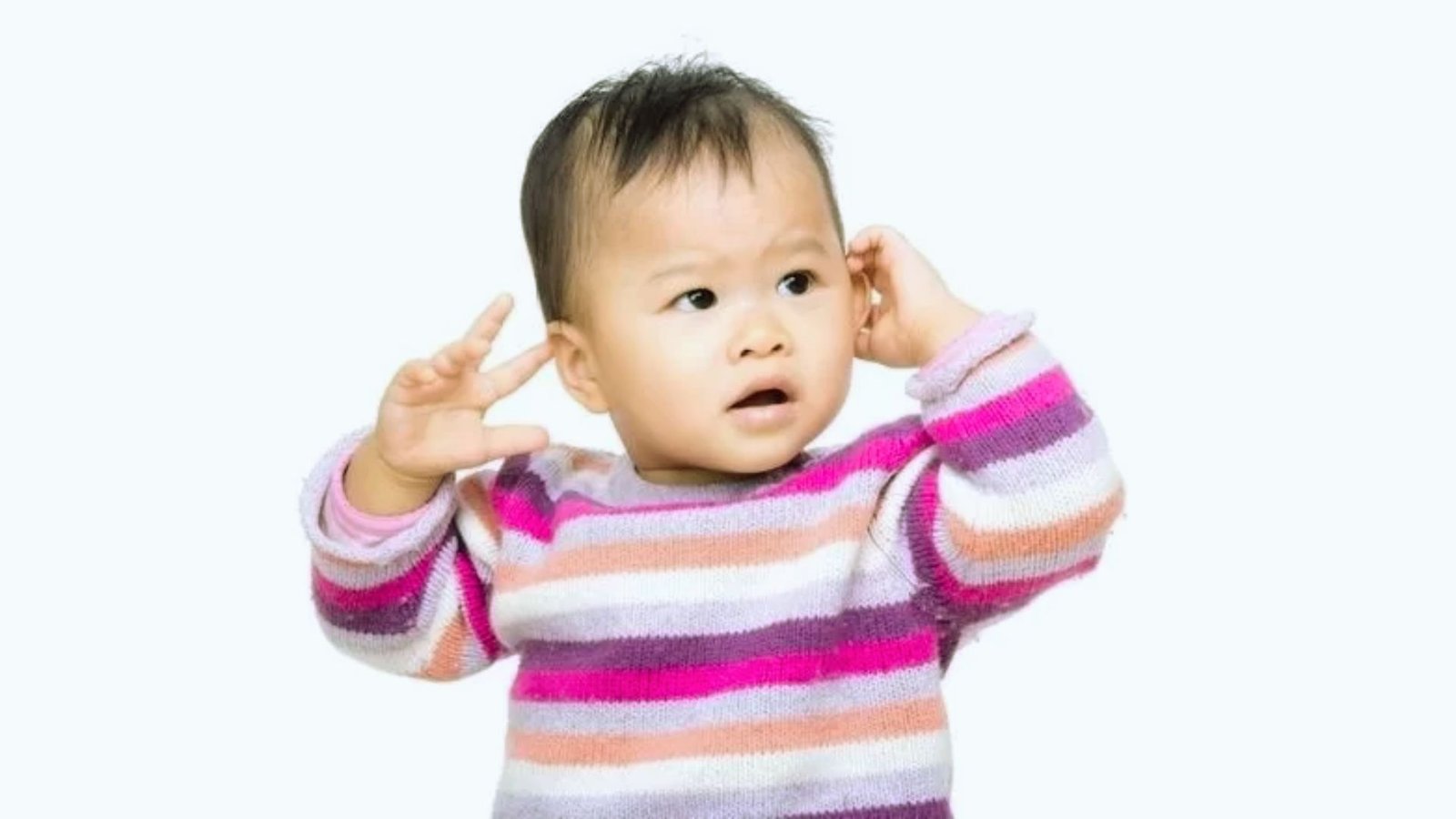
Most of the time, yes. This behavior is far more common than many parents expect, and seeing it for the first time can feel alarming when it really does not need to be.
It usually starts between 6 and 18 months as babies gain more control over their arms and hands and begin learning what their bodies can do.
Most babies grow out of it naturally as their communication skills improve. Time and consistency usually do the work.
That said, not all head hitting looks the same. Normal head hitting tends to be rhythmic and calm, showing up during specific moments like bedtime, teething, or a tantrum.
Concerning head hitting is more forceful, happens very frequently, or comes alongside other signs like extreme withdrawal, little eye contact, or noticeable developmental delays.
If that sounds familiar, a conversation with your pediatrician is the right next step.
Developmental Timeline of Head Hitting in Babies
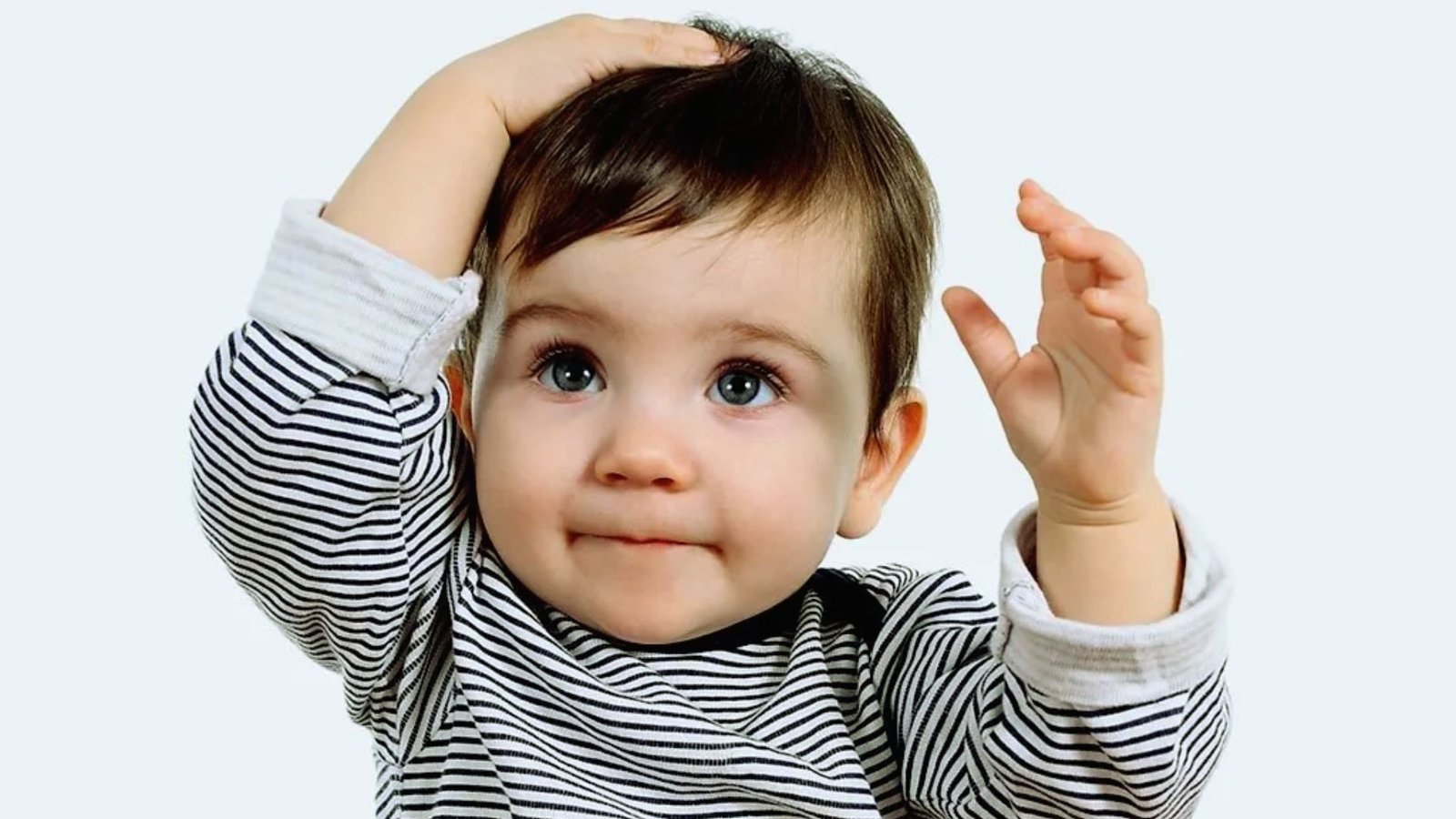
Here is a look at how head hitting changes as babies grow through different stages.
Head Hitting at 6 to 12 Months
Babies at this stage are still figuring out what their bodies can do.
At this age, babies are learning about their bodies and the world around them. They may hit their head simply because they noticed they can. It often starts as curiosity more than anything else.
Head Hitting at 1 Year Old
Big emotions arrive before the words to describe them do.
Around the first birthday, toddlers start experiencing bigger emotions but do not yet have words for them. Head hitting can become a physical outlet for feelings they cannot express any other way.
Head Hitting at 18 to 24 Months
This is peak tantrum territory, and head hitting often peaks right along with it.
Toddlers at this stage are asserting independence but still lack impulse control. Head hitting during this window is very common and usually tied to frustration.
When Babies Usually Outgrow Head Hitting
Most children move past this behavior naturally as they grow.
Most children stop this behavior by age 3. As their vocabulary grows and they develop better emotional regulation, the need to hit their head typically disappears.
Top Reasons Why My Baby Is Hitting His Head With His Hands
There are several reasons behind this behavior, and most of them are completely typical in babies and toddlers.
Self-Soothing and Sensory Regulation
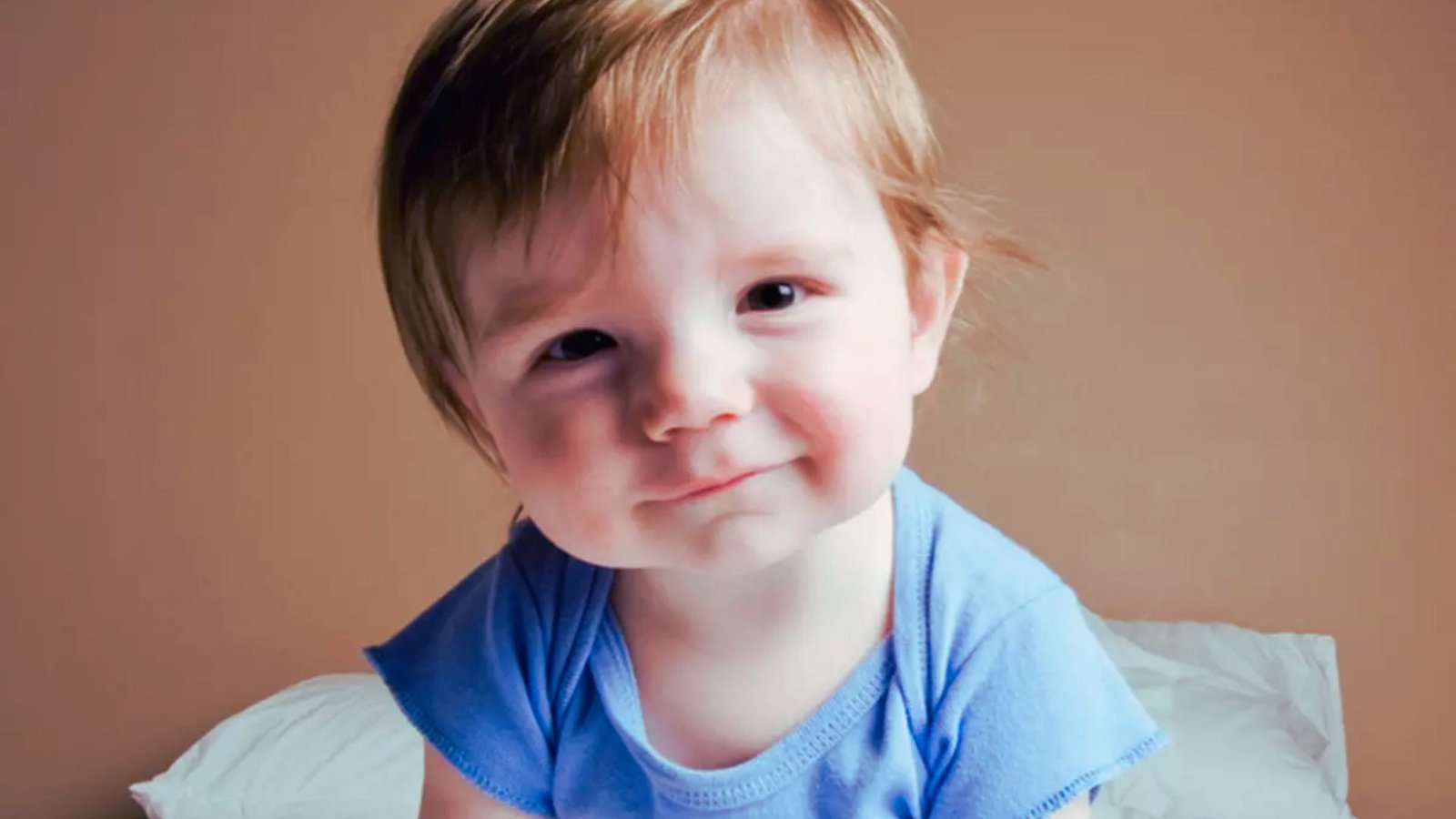
For some babies, hitting their head is simply a way to feel calm.
The repetitive motion creates a rhythm that feels comforting, similar to rocking or swaying. It is their version of a security blanket.
Frustration and Emotional Overload
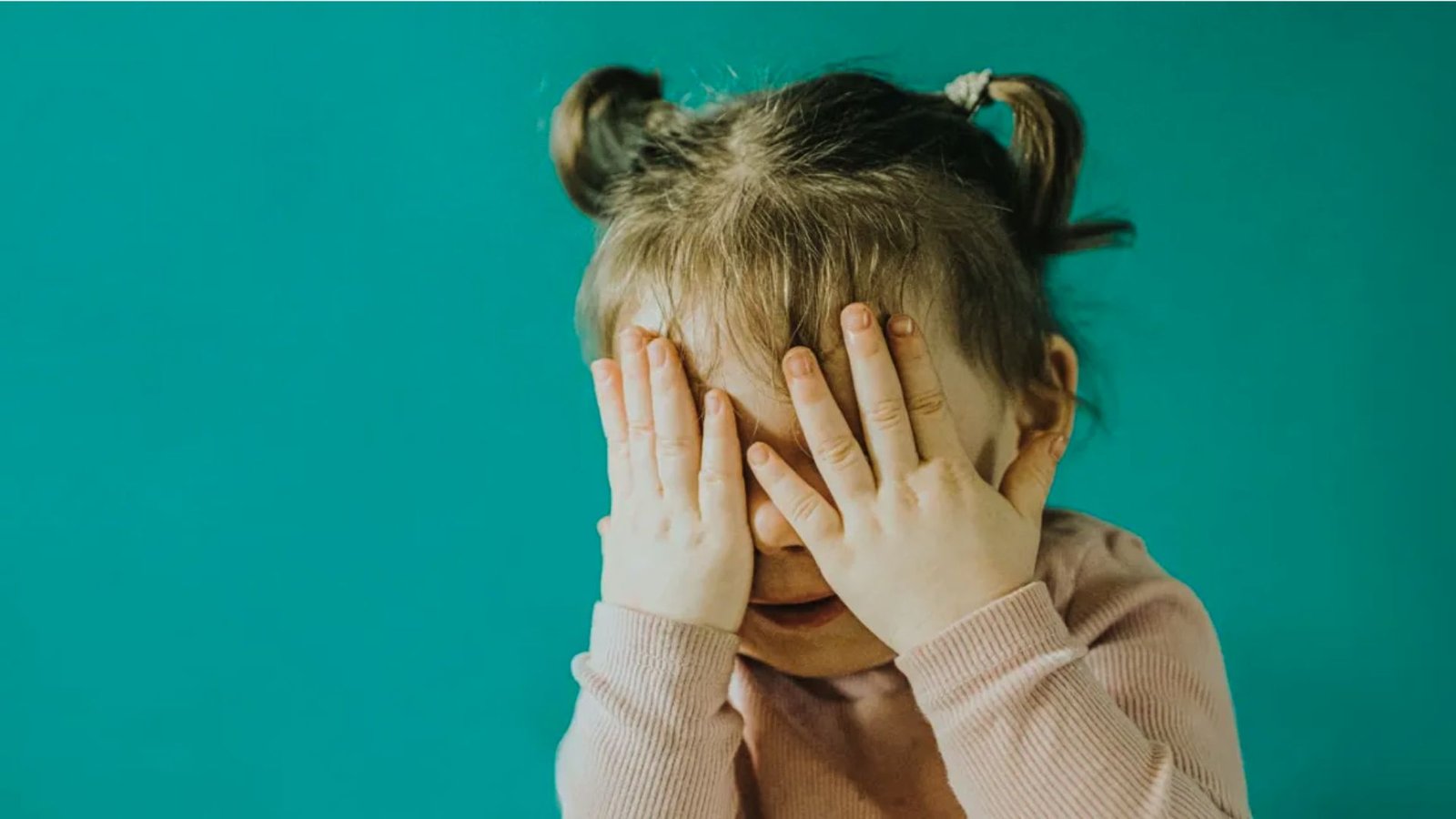
Babies feel big emotions but have tiny ways to express them.
When a baby is overwhelmed or cannot get what they want, hitting their head may be the only release they know.
Teething Pain or Ear Discomfort

Pain that a baby cannot explain often comes out in physical ways.
Pain from teething or an ear infection can cause babies to hit or rub their heads. If the behavior increases with other signs of illness, check for an ear infection.
Overstimulation and Tiredness
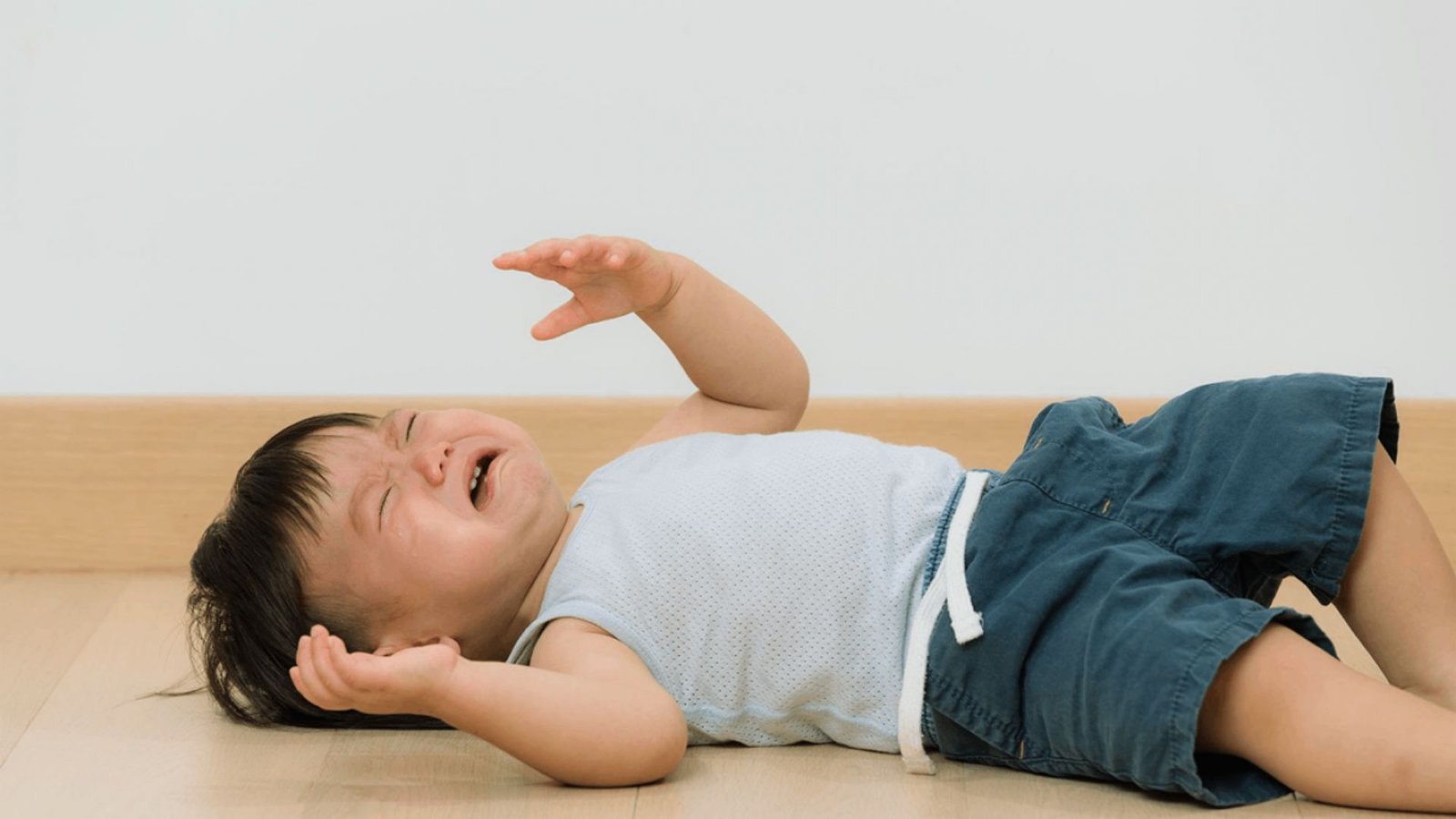
Sometimes all a baby needs is a quiet room and a nap.
Too much noise, too many people, or a skipped nap can push a baby past their limit. Head hitting can be a signal that they need quiet time or rest.
Attention-Seeking Behavior
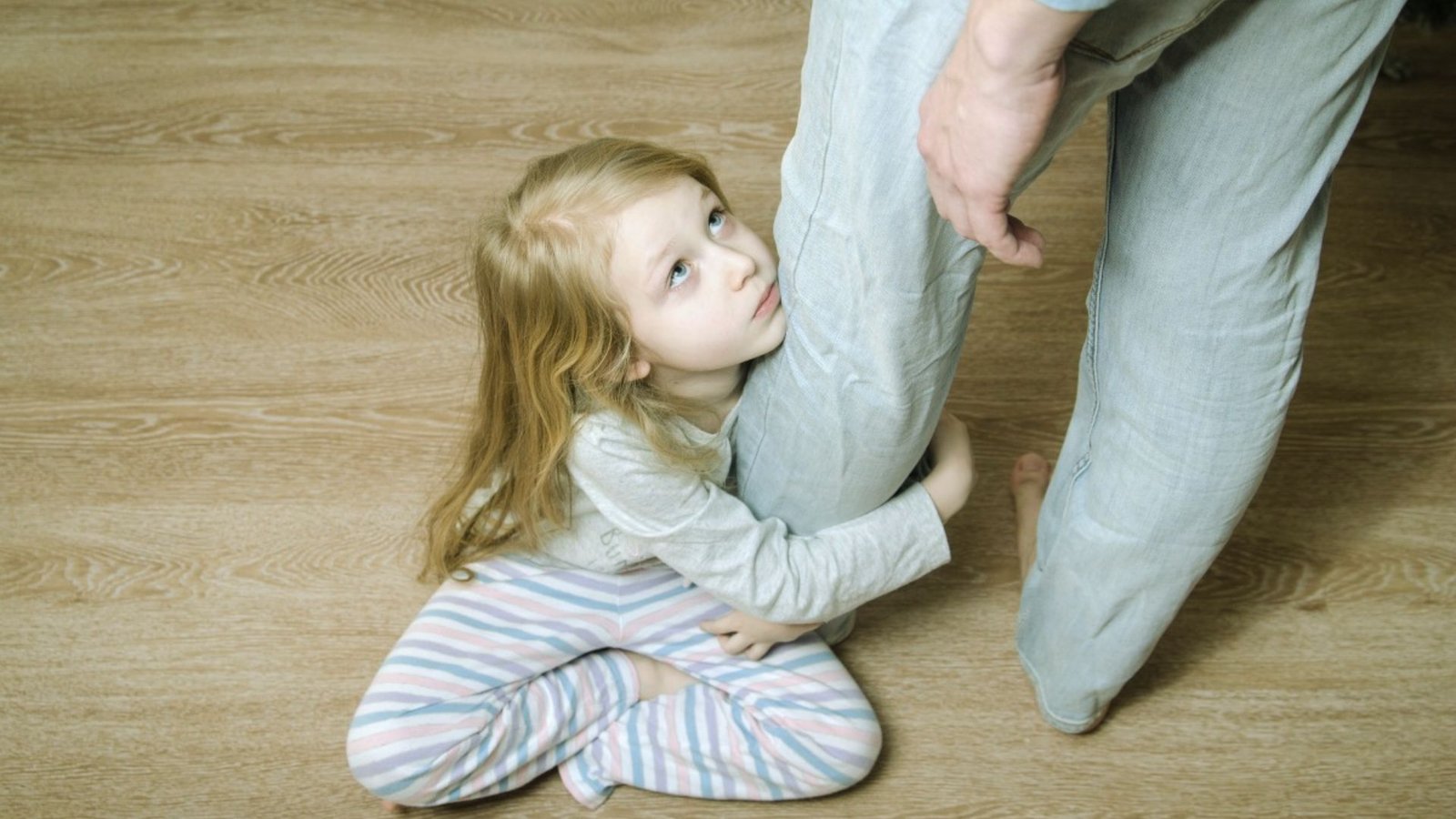
Babies learn fast, and they notice exactly what gets a reaction from you.
If a parent reacts strongly every time they hit their head, some babies will repeat the behavior just to get that reaction. This is not manipulation. It is a very normal part of learning cause and effect.
Learning Cause and Effect
At this stage, babies are little scientists testing everything around them.
Hitting their head and seeing a parent respond is interesting to them, even if it worries you.
How to Stop a Baby From Hitting His Head With His Hands
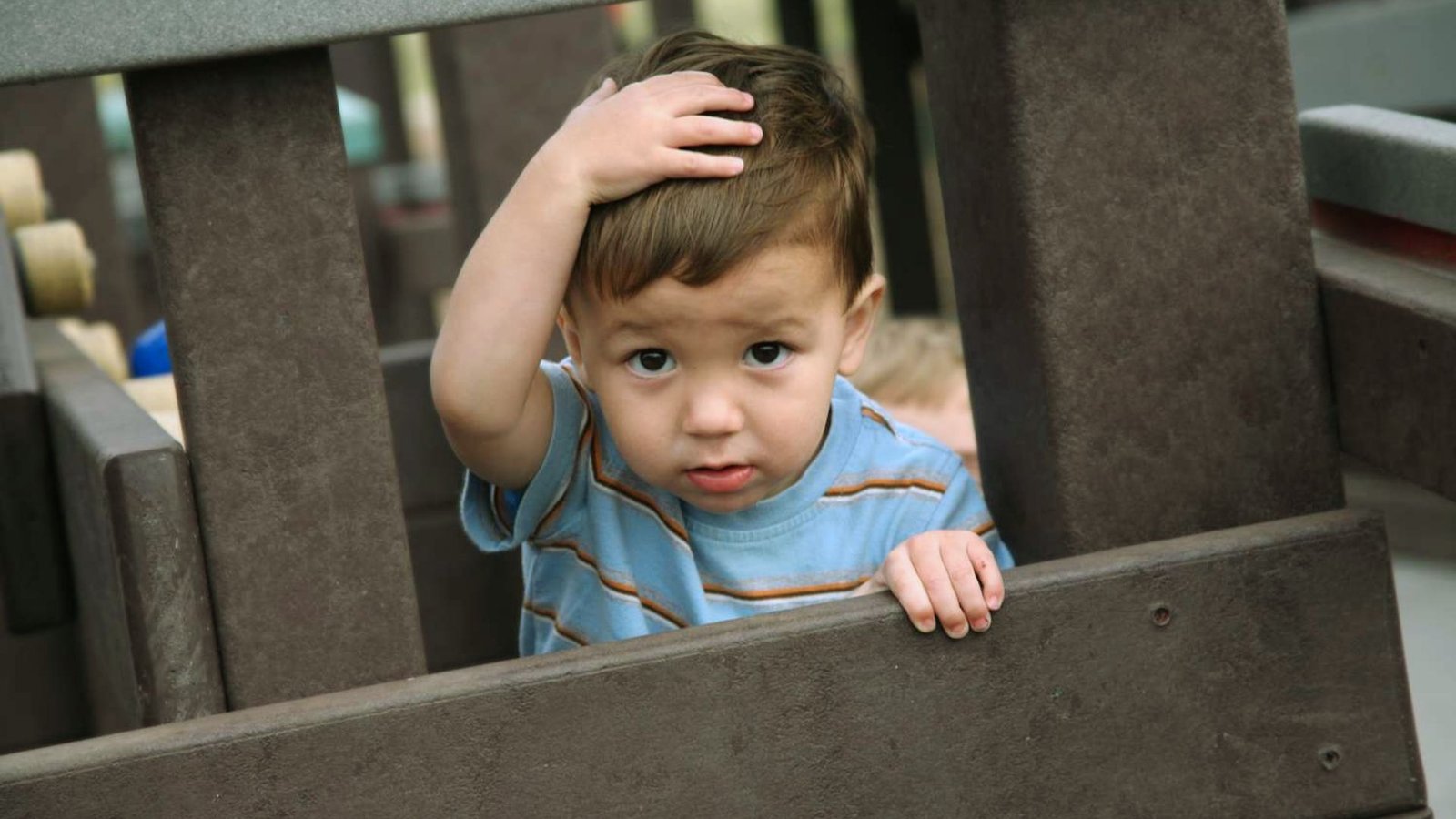
You cannot always stop this behavior overnight, but you can reduce it over time with a steady approach.
Creating Predictable Routines
Babies feel safer when they know what to expect next.
A consistent daily routine reduces anxiety and sensory overload, which are two of the biggest triggers for head hitting.
Offering Safe Rhythmic Alternatives
Give your baby other ways to get that same rhythmic input their body is craving.
A rocking chair, a swing, gentle music, or a baby bouncer can all satisfy the need without the head hitting.
Reducing Triggers Like Overstimulation
Paying attention to when the behavior happens most can tell you a lot.
If it always comes after a loud outing or a missed nap, that is a clear pattern. Reducing those triggers can go a long way.
Supporting Emotional Expression
Helping your baby build an emotional vocabulary starts earlier than most parents think.
Even simple things like naming emotions for them, “You seem frustrated,” helps them start building that vocabulary over time.
How to Keep Your Baby Safe During Head Hitting

Safety is the first priority, especially when the behavior happens in the crib or during sleep.
Check the crib for hard edges or gaps and make sure the play area has soft surfaces. Keep the crib simple too. Thick pillows, bumpers, and extra padding create safety risks of their own.
A firm, flat mattress with a fitted sheet is all that is needed.
Most babies who hit their heads during self-soothing are not hurting themselves. The brain is well-protected and the force is rarely enough to cause harm.
But if the hitting looks intense or your baby seems to be in pain, mention it to your pediatrician.
Tips to Reduce Head Hitting in Babies and Toddlers
These simple strategies can help you manage and reduce head hitting without adding more stress to your day.
- Keep bedtime consistent. A simple routine of bath, feeding, and soft music each night helps your baby feel settled and calm before sleep.
- Bring rhythm into your day. Singing, clapping, and gentle rocking give your baby the same sensory input they may be seeking through head hitting.
- Step in before frustration peaks. Watch for early stress signals and offer a hug, a snack, or a change of scenery before things escalate.
- Give plenty of attention during calm moments. Babies who feel connected are less likely to use head hitting as a way to get your attention.
- Track patterns and triggers. Note when the behavior happens most. Time of day, missed naps, or busy outings can reveal a clear pattern fast.
Conclusion
If you are here because you searched “why is my baby hitting his head with his hands” at 2 a.m. in a slight panic, I get it. I have been there too.
The good news is that in most cases, this behavior is completely normal and fades with time.
Stay patient, stay calm, and focus on safety. Trust your gut. If something feels off, talk to your pediatrician. You know your baby best.
Did this help? Drop a comment below or share this post with another parent who might need it.
Frequently Asked Questions
Is it okay to physically stop my baby from hitting his head?
You can gently redirect your baby by offering something else to do with their hands. Physically restraining them often increases frustration and can make the behavior worse.
How long does head hitting usually last?
Most babies go through this phase for a few weeks to a few months. By age 3, the majority of children have stopped on their own as their communication skills grow.
Can head hitting cause brain damage?
In typical self-soothing head hitting, the force is not strong enough to cause any harm. Only very forceful, repeated impact would be a concern worth discussing with a doctor.
Is head hitting linked to sleep problems?
Head hitting at bedtime is usually a self-soothing behavior, not a sleep problem. If it disrupts your baby’s sleep consistently and looks intense, mention it to your pediatrician.
What should I do if my baby hits his head in public?
Stay calm and do not make it a big event. Gently redirect your baby and offer comfort. A quiet, steady response works best and keeps the behavior from repeating.