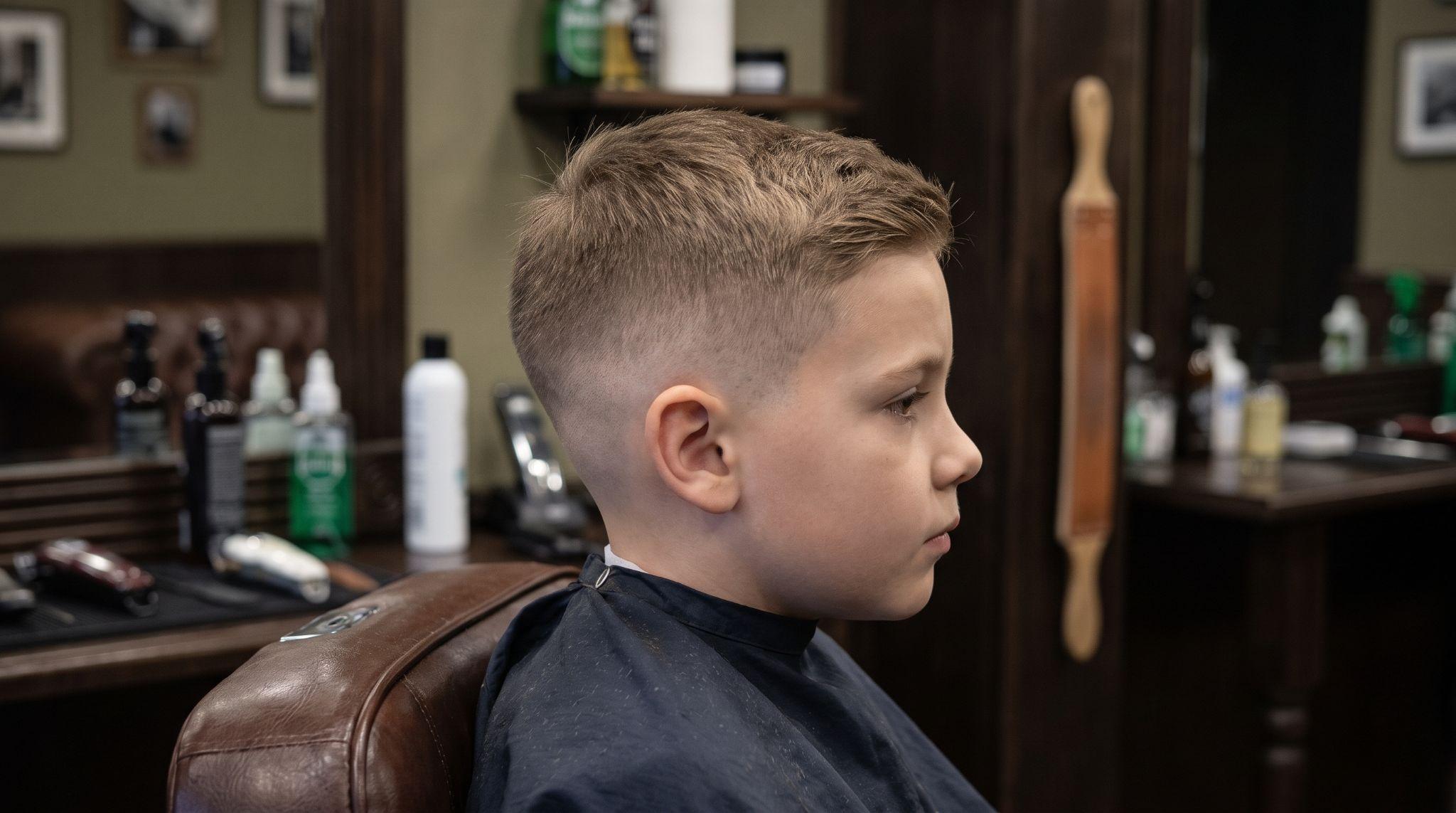
Your toddler tugs at the cape the second it snaps on, and three minutes later he’s asking to go home.
That moment is the real problem behind fade short low maintenance toddler boy haircuts: you need a cut that looks sharp in photos and survives a child who won’t sit still.
A low or mid fade usually handles both needs, since short, blended sides stay neat without daily combing or gel.
The catch is that fade height and guard number decide how soon you’re back in the chair, and the wrong pick can grow out unevenly.
This post specifically covers how each fade height wears on a toddler, which fade styles suit different hair types, and how to keep haircut day calm.
As a father and parenting mentor, I’ve found that a smooth haircut depends as much on preparation as on clippers.
Why a Fade Works for Busy Toddler Hair
A toddler boy fade haircut works because the sides are cut short and blended upward, leaving little hair to flop into the eyes, stick up after naps, or trap sweat and sand.
For toddlers, roughly ages 1 to 3, it usually needs nothing more than a quick morning brush.
Toddlers are on the move all day, so a style that depends on combing or product rarely lasts until lunch.
Short sides also give sunscreen, dirt, and sand fewer places to hide after an afternoon at the park or on a family trail.
A fade also tends to grow out gracefully, because the shortest hair sits low and the blend softens as it lengthens.
At week three, it still looks like a haircut rather than the uneven shape a grown-out bowl cut can take on.
Fade Height Explained: Low, Mid, and High
Once you know a fade suits your toddler, the next choice is where it starts.
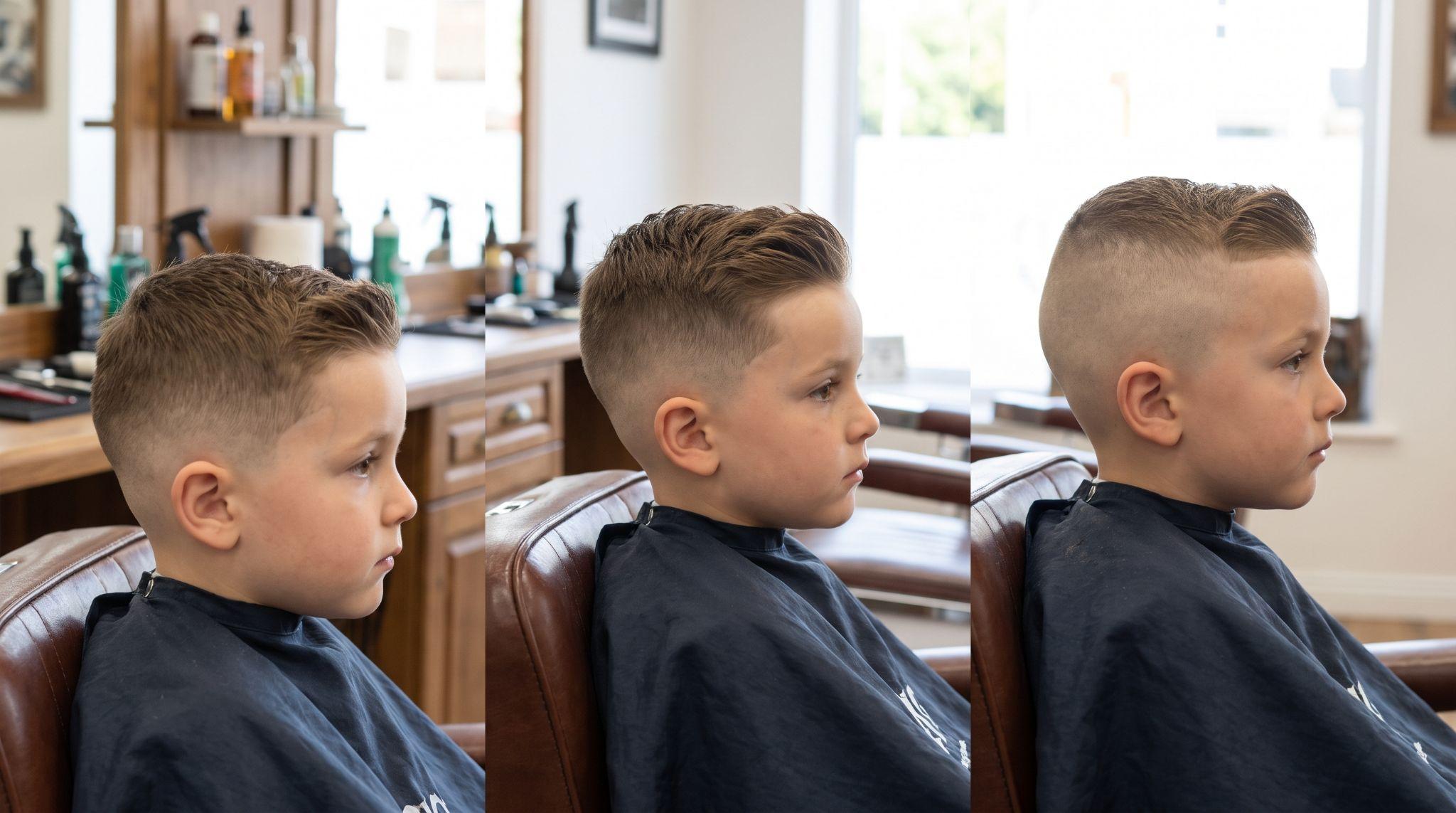
Fade height marks the point where the shortest hair begins on the side of the head, and it decides how bold the cut looks and how fast regrowth shows.
- Low fade: Starts just above the ear and blends gradually upward, giving a soft, natural shape with little contrast. Regrowth shows the least, which is why low fade toddler boy haircuts often go the longest between trims.
- Mid fade: Sits around the temple for a cleaner, more defined outline. It balances the subtle low fade and the bold high fade, though the contrast becomes more obvious as hair grows.
- High fade: Starts on the upper sides of the head and removes the most hair, so it gives the sharpest look. Regrowth also shows first, which means it needs the most frequent cleanups.
- Which height fits a toddler best: A low or mid fade suits most toddlers because it holds its shape longer, which matters once you’re fitting barber trips around naps and meals in a daily schedule for 2-year-olds. For a rounder head shape, a low fade with a gradual blend also avoids the top-heavy look a high fade can create.
If your son is younger and has finer, softer hair, browsing these hairstyles for 2-year-old boys shows how different fade heights sit before you commit to a guard number.
Toddler Boy Fade Haircut Ideas to Show Your Barber
The best toddler boy fade haircut pairs a low or mid fade with a top that matches your son’s hair type.
These six fade short low maintenance toddler boy haircuts cover straight, fine, wavy, and curly hair, and each stays short enough to skip gel on most days.
1. Toddler Boy Taper Fade Haircut With a Textured Crop
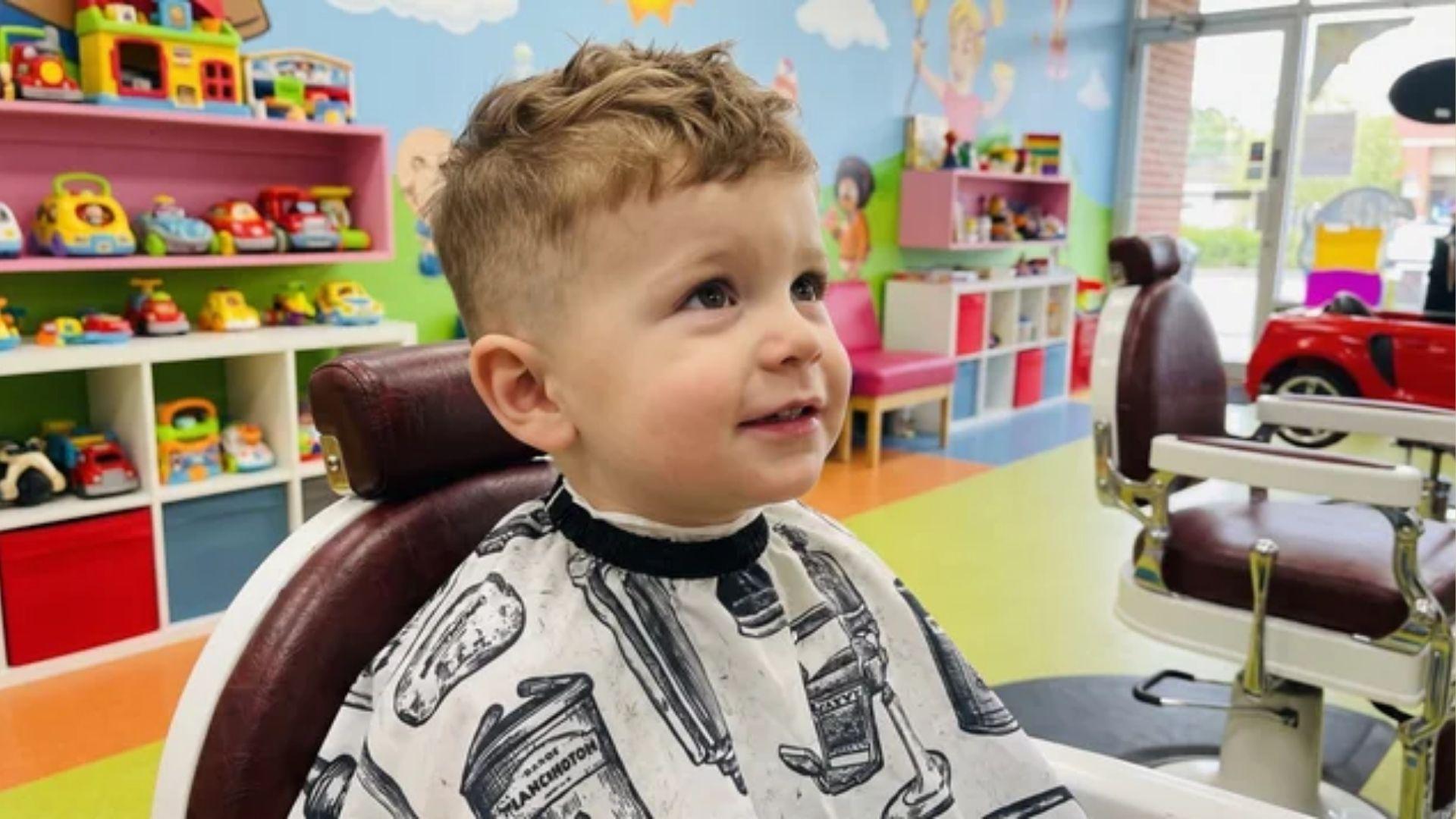
A low taper fade with a short, point-cut top is a dependable first fade for straight hair.
Point cutting chips into the ends so the top looks fuller instead of lying flat, and it grows out without obvious lines.
2. Fade Toddler Boy Haircuts for Thin Hair
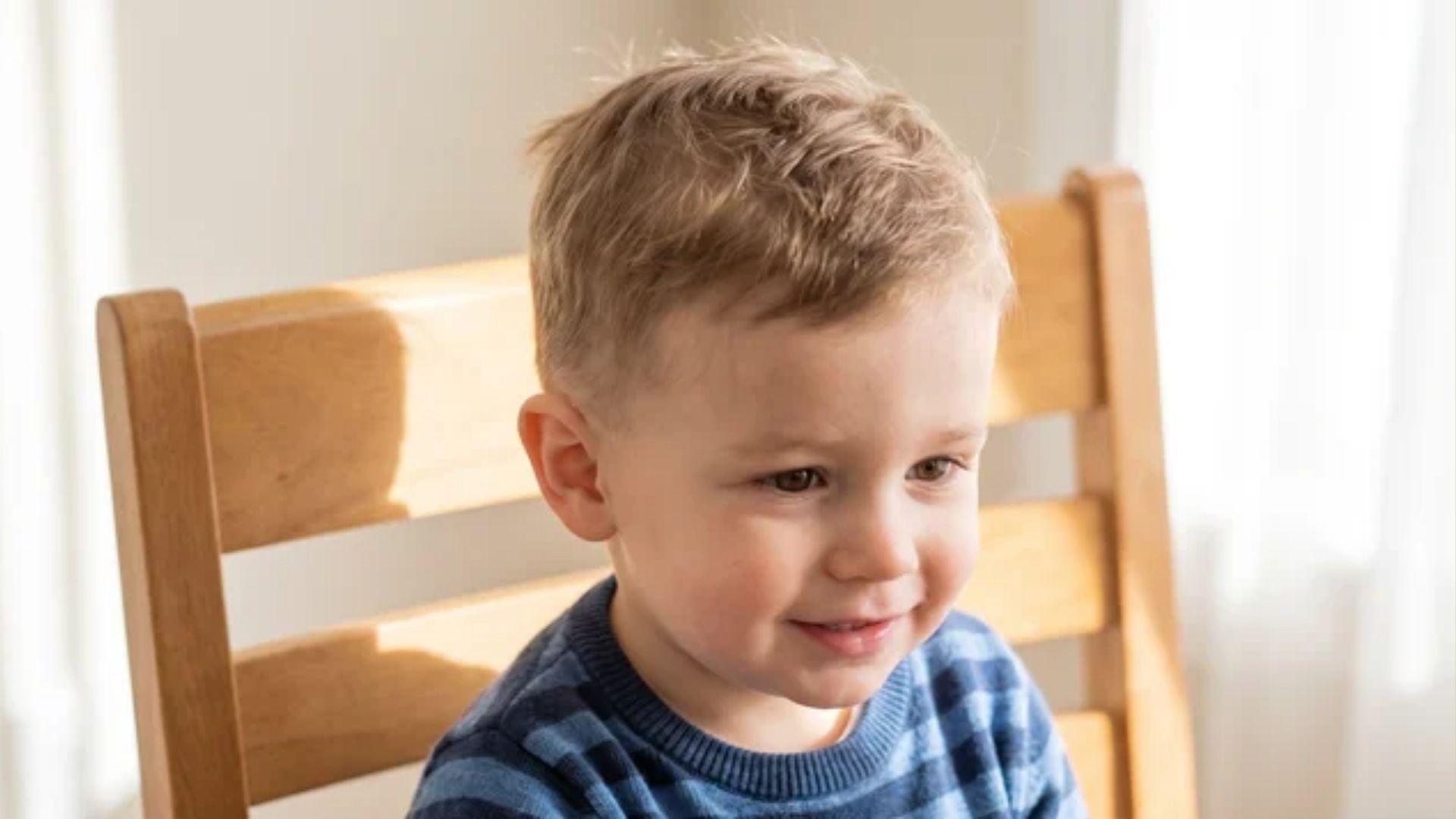
Fine or thin hair looks fuller when the sides stay soft and the top keeps a little extra length. Ask for a low fade over a high one, since a high fade removes more hair and can make sparse areas easier to see.
3. Low Fade Crew Cut
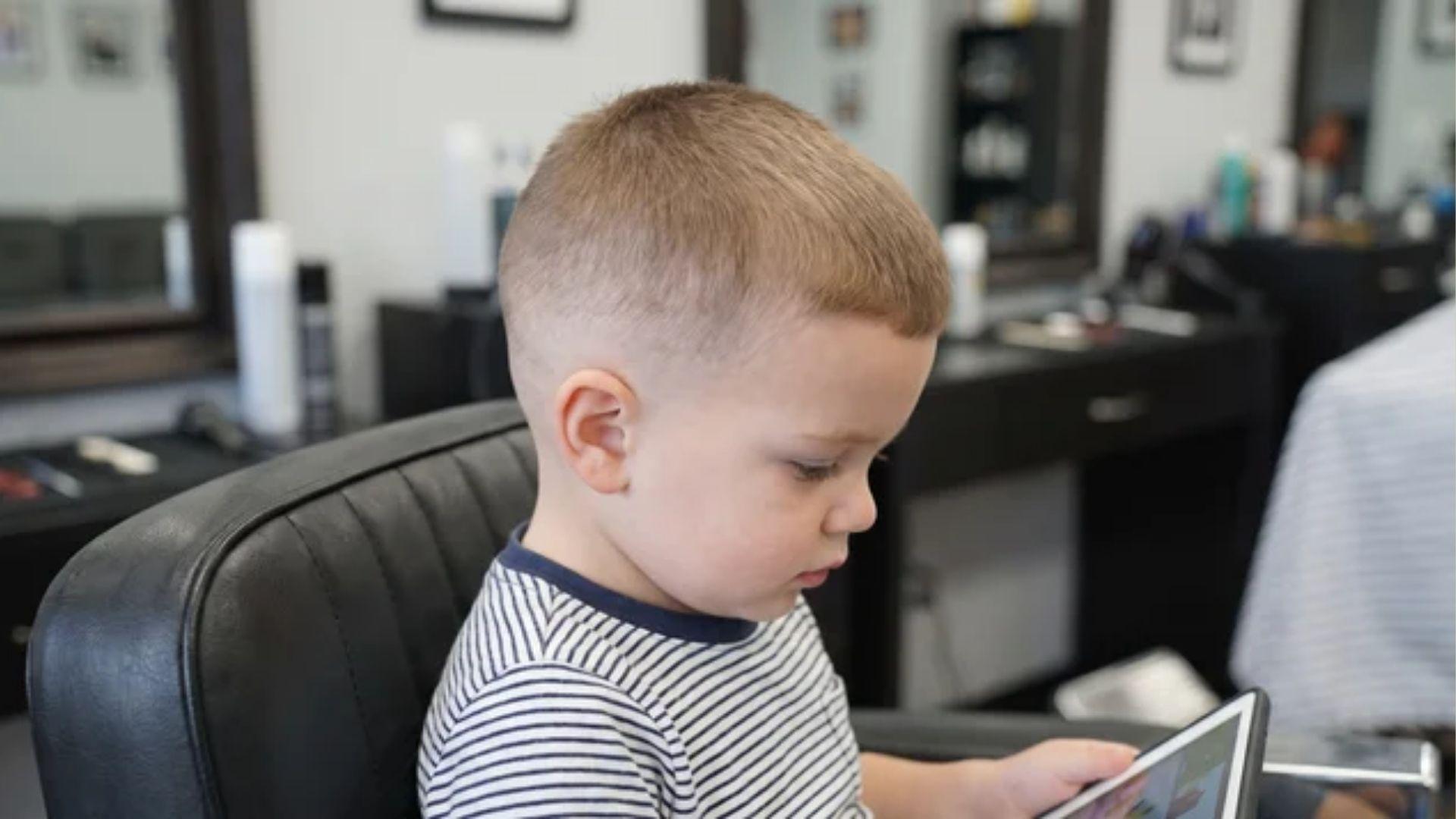
The crew cut keeps the top short and even, with a low fade in place of scissor-tapered sides. It’s one of the most wash-and-go choices, which helps on mornings when you have five minutes and a toddler who won’t stand still.
4. Little Boy Fade Haircut With a Curly Top
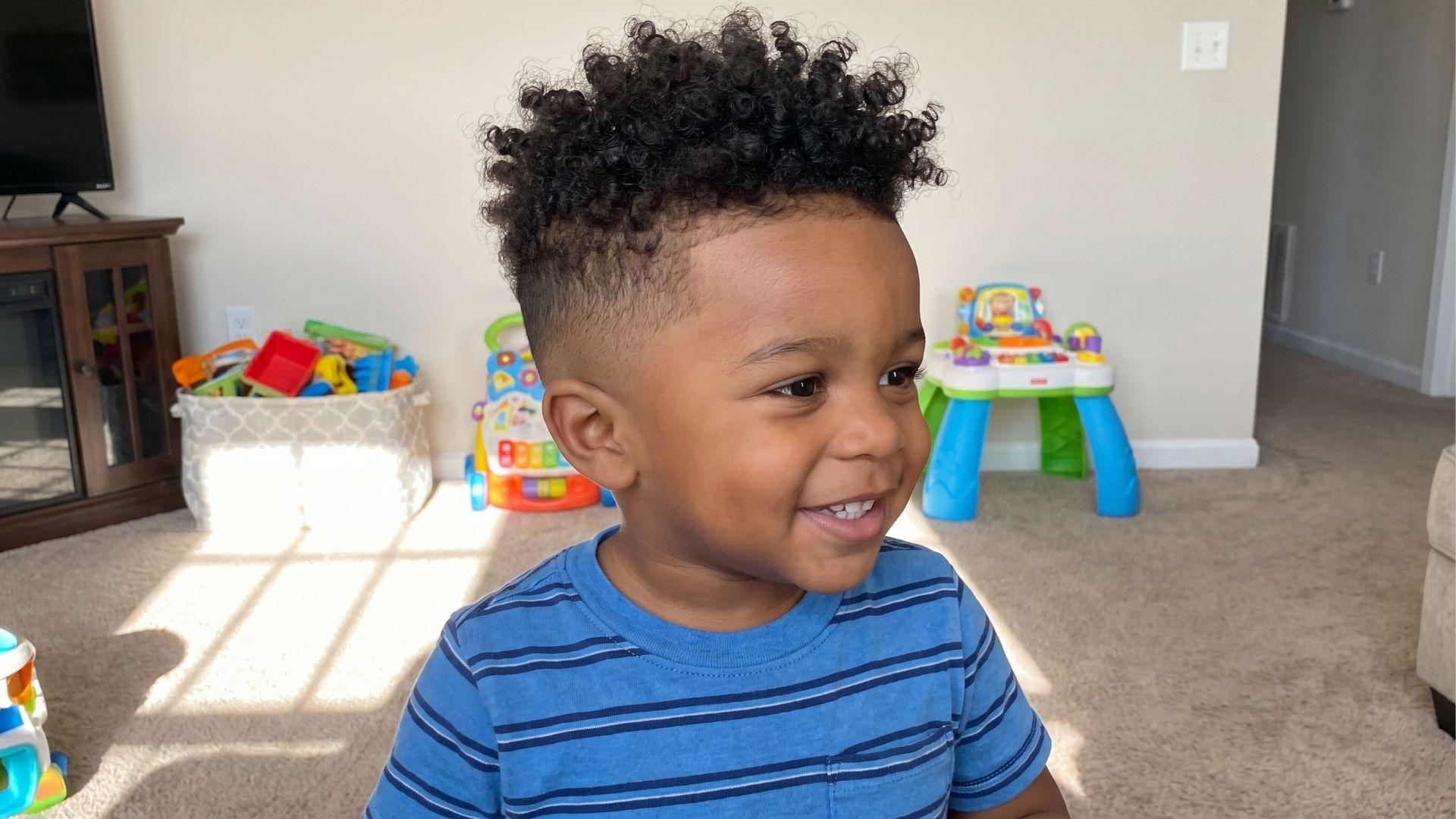
For curly or coily hair, a low fade keeps the sides tidy while the curls on top do the styling. Ask the barber to shape the curls while they’re dry, so the cut matches how his hair falls naturally.
5. Mid Fade With a Short Side Sweep
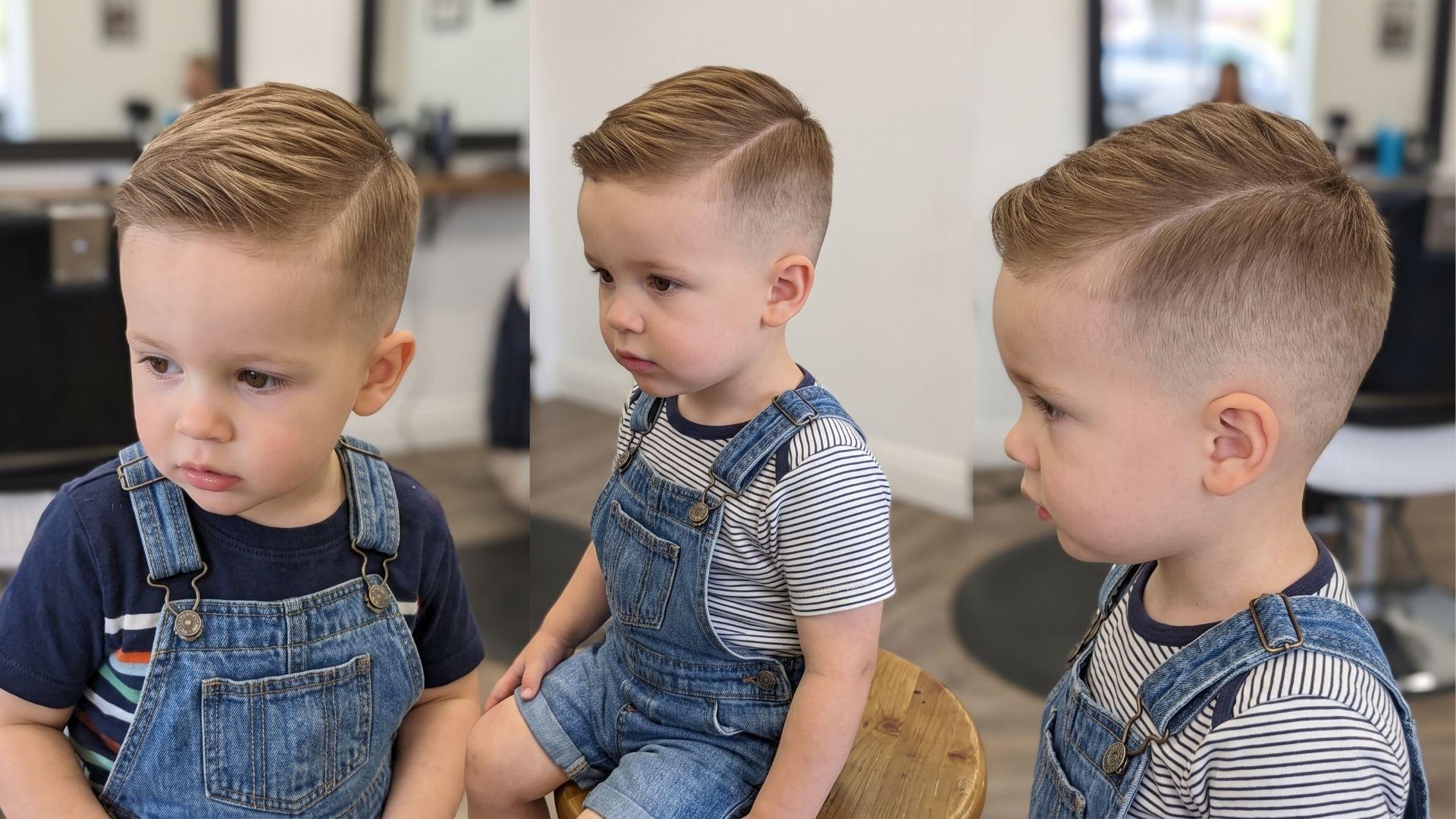
A mid fade with a short top brushed to one side gives a neat look for photos, holidays, and family events. It needs a quick comb most mornings, so it suits parents who don’t mind a minute of styling.
6. Buzz Cut With a Soft Low Fade
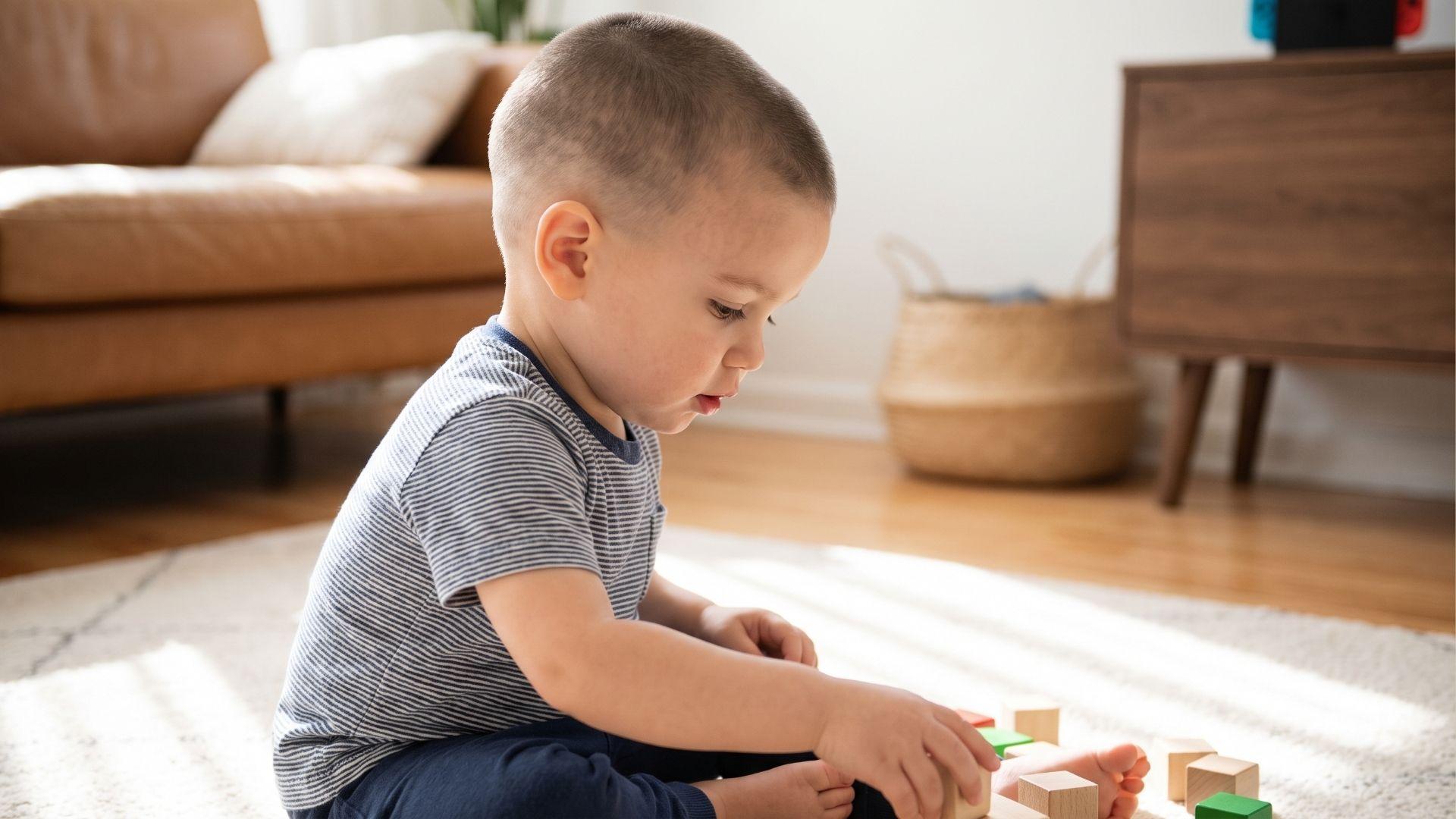
A short buzz on top blended into a low fade is the lowest-effort option on this list. It works well for toddlers who dislike hair touching their face, though it shows regrowth sooner than cuts with more length on top.
Getting the Cut Right at the Barber
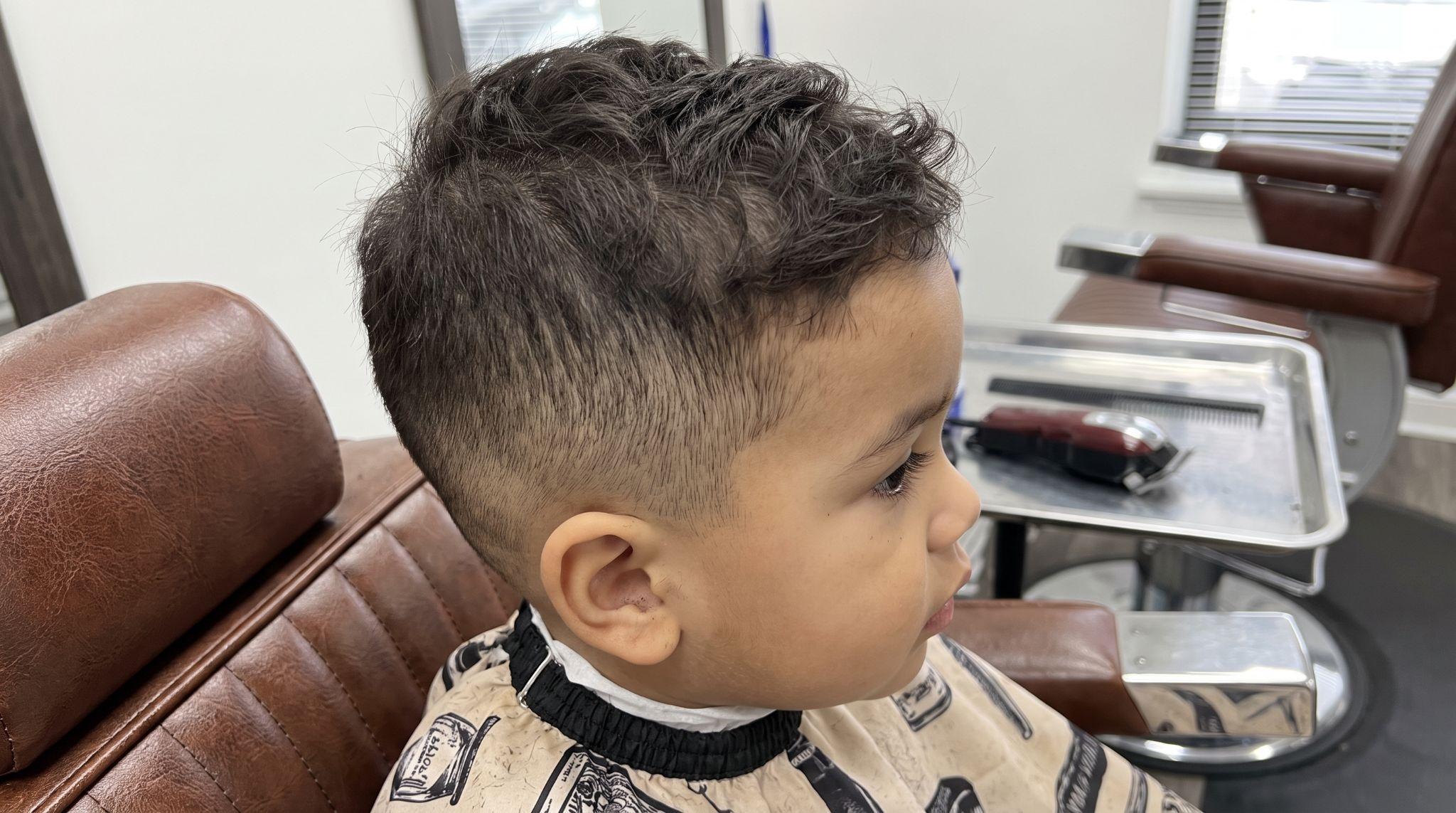
Picking a style is half the job, and the other half is making sure the barber understands it.
Skip technical terms and describe the look plainly: “short on the sides, a little length on top, and blend it so there’s no hard line.”
If you want to name a guard, ask for a two or three on the sides for a softer fade, since anything lower can look severe on a small head.
Bring a photo of the little boy fade haircut you like, mention any cowlicks, and arrive with clean, dry, product-free hair so the barber can see his natural texture and growth direction.
Helping Your Toddler Sit Through the Clippers
Clippers buzz and vibrate right beside the ears, and for some toddlers that sensation, not the haircut itself, sets off the protest.
In more than 11 years of working with parents, I’ve found that a little preparation works better than any bribe offered at the chair.
A day or two before, tell him what will happen in short, simple words, and let him watch you or a sibling get a trim if you can.
Book right after a nap and a snack, and offer small choices, such as which toy to hold, since feeling some control can help toddlers cooperate.
Barber Shop vs. Salon for Toddlers
Choosing between a barber shop and a salon comes down to your toddler’s comfort, the cut you want, and his patience that day. A shop that regularly sees young children can make the visit calmer for everyone.
| Factor | Barber Shop | Salon |
| Speed | Often quicker for clipper cuts, which helps when patience runs short. | May take longer, especially for a simple trim. |
| Fades | Barbers work with clippers and short styles daily, so fades are routine. | Fade quality depends on the individual stylist’s experience. |
| First Haircut | A kids’ barber can make the first visit feel fun and familiar. | A quieter salon may suit a nervous first-timer. |
| Anxious Toddlers | Kids’ shops may offer cartoons, toy-car chairs, or child-size seats. | Calmer setting, but fewer kid-focused distractions. |
| Wiggling | Barbers who cut children often are used to sudden movement. | Experience with toddlers varies by stylist. |
| Cost | Often lower for a basic fade or trim, though prices vary. | Can cost more depending on the salon and stylist. |
Check Your Toddler’s Scalp Before a Fade
Before any clipper cut, take a quick look at your child’s scalp, especially if you notice patches you were hoping the barber could blend around.
According to Nationwide Children’s Hospital, scalp ringworm in children is a fungal infection that spreads easily, most often appears between ages 4 and 7, and can start as early as age 1.
It can spread through shared combs, brushes, hats, and towels, so it’s fair to ask how the shop cleans its tools between clients. Call your pediatrician instead of booking a cut if you notice:
- Round bald patches with black dots (or blonde dots on light hair) where hairs have broken off
- Dry, raised scales or crusty bumps, especially if they are tender or draining pus
- An itchy scalp along with swollen glands in the neck or at the back of the head
Ringworm won’t clear on its own, and the hospital advises against shaving a child’s head during treatment. Hold off on clipper work until your pediatrician says a haircut is okay.
Keeping the Fade Looking Sharp Between Cuts
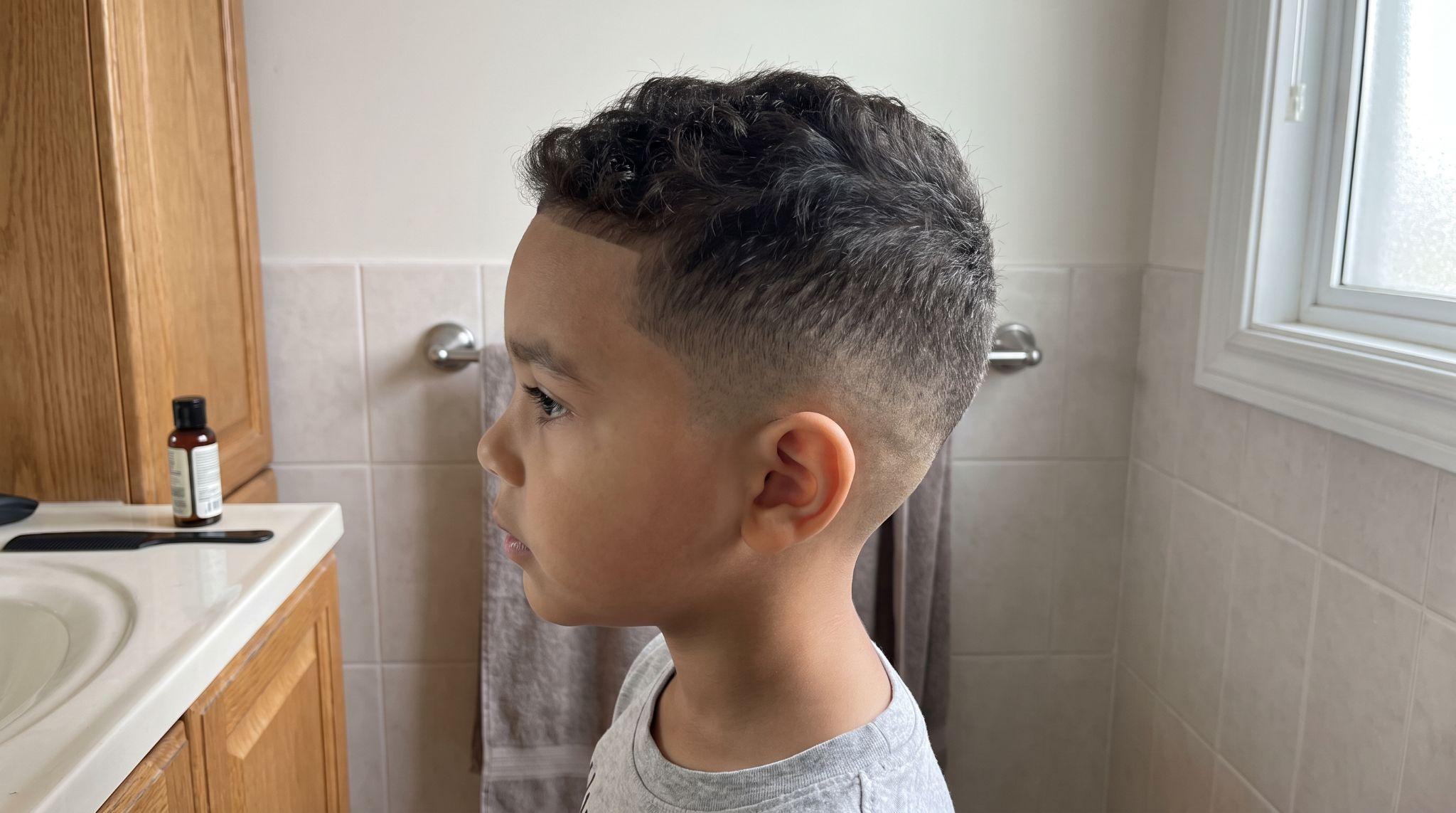
A healthy scalp and a good cut still need a little help to stay crisp between visits. A few small habits can stretch the time between trims without adding work to your mornings.
Chlorine strips away the natural oils that protect hair, according to an August 2026 Cleveland Clinic article, which can leave it dry and rough.
The same article suggests wetting hair with fresh water before swimming and rinsing it right after, a routine that’s quick to copy on pool days.
A soft brush in the morning is usually all a short fade needs, so most toddlers can skip gel and wax.
For curly or wavy tops, a small amount of leave-in conditioner can help with frizz without weighing hair down.
Low fade toddler boy haircuts usually need a trim about every three to four weeks, while high fades need one closer to every two to three weeks.
Booking the next visit before you leave keeps the routine consistent, and many toddlers settle faster into a chair they’ve seen before.
Choosing a Fade That Grows Out Well
The right fade depends on your toddler’s hair type, head shape, and patience during haircuts. For low-maintenance toddler boy haircuts, a low or mid fade with a simple top is an easy choice between barber visits.
Small details matter, too. Choose a guard number that keeps the sides soft, find a barber who works calmly with wiggly kids, and check your toddler’s scalp before each visit.
Save your favorite style for the next appointment, then tell us in the comments which fade worked best for your son!
Frequently Asked Questions
Does a fade work on straight hair for toddlers?
Yes, straight hair shows the fade blend clearly because there are no curls to hide the transition. Keep the top short and textured to add volume and prevent it from falling flat.
What’s the best fade style for toddlers with straight hair?
A low or mid fade with a short, textured crop works well for straight hair. Ask the barber to point-cut the top for added texture and a fuller appearance.
Can a toddler get a fade if his hair grows unevenly?
Yes, a low fade can help disguise uneven growth by keeping the sides neat and balanced. Tell the barber about any patchy areas so they can blend around them carefully.
Should I wash my toddler’s hair before his appointment?
Clean, dry hair helps the barber see the natural texture and growth direction. Avoid heavy conditioners or oils before the appointment to make clipping and blending easier.
How do I know if my toddler’s fade is too short for his head shape?
A fade that starts too high can make a round head look top-heavy by removing too much hair above the ears. Choose a low fade and ask the barber for a gradual blend that suits your toddler’s head shape.