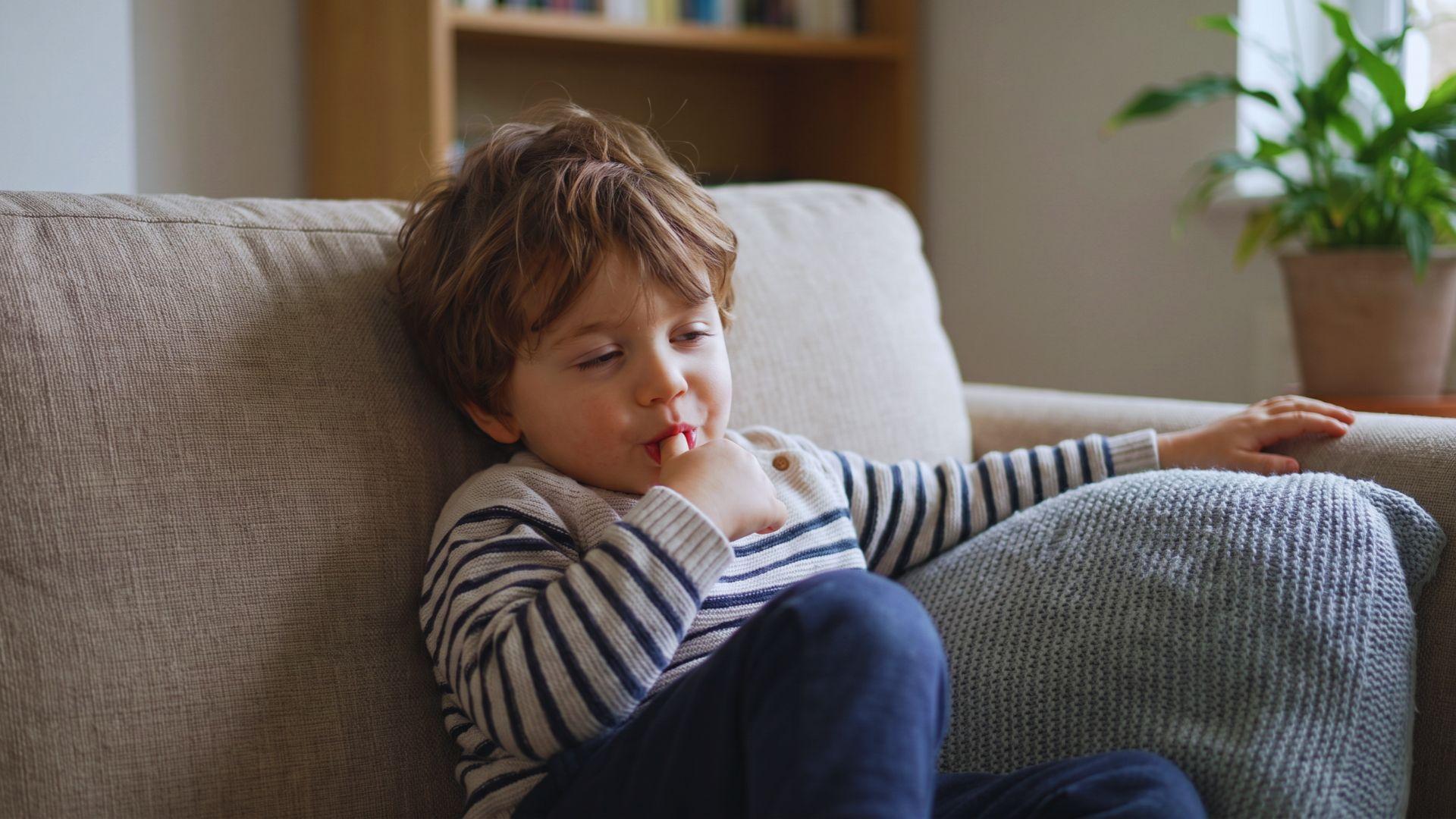
Seeing your child suck their thumb and questioning what it means is a completely normal parental moment. Is thumb sucking a sign of autism?
Parents asking that aren't really asking about the habit itself. They're asking whether they might be missing something bigger.
The behavior on its own carries very little diagnostic weight. What matters is the conditions around it.
Look at what age it's happening, how often, and what else you're noticing. Those three things together tell you more than the habit alone.
Is Thumb Sucking a Sign of Autism?
Thumb sucking is not, on its own, a sign of autism. It is a natural reflex and one of the most common ways young children soothe themselves, and Cleveland Clinic notes that it begins before birth, in the womb.
Autism is identified through a pattern of differences in social communication alongside restricted or repetitive behaviors, so no single habit can point to it.
The more useful question is not whether your child sucks their thumb, but at what age, how often, and alongside what else.
Most children stop thumb sucking on their own between ages 2 and 4, according to Nationwide Children’s Hospital.
A 3-year-old who is meeting milestones and still sucks their thumb at bedtime is showing typical behavior.
The habit becomes worth a closer look when it stays frequent and intense past age 4 or 5 and appears together with other developmental differences.
Understanding why kids suck their thumb in the first place makes it easier to separate normal comfort behavior from something worth a closer look.
What changes the picture is not the thumb alone, but the pattern around it, and the next section breaks that pattern into the pieces worth watching.
When Thumb Sucking May Be Connected to Autism

Context is what links thumb sucking to autism, not the behavior itself.
No clinical rule is built around thumb sucking, but three patterns appearing together make a conversation with your pediatrician worthwhile.
Those three are thumb sucking that stays frequent past the age most children stop, thumb sucking that reliably follows stress or sensory overload, and the presence of other developmental differences.
The last carries the most weight, because the CDC and NIMH describe autism through social communication and repetitive behaviors rather than any single habit.
The co-occurring signs worth watching for fall into four areas:
- Significant delays in speech or communication development
- Reduced eye contact, or differences in how your child engages socially
- Other repetitive behaviors, such as hand-flapping, rocking, or lining up objects
- Strong or unusual reactions to sounds, lights, textures, or touch
No single sign here points to autism on its own. Several appearing together, alongside persistent thumb sucking, is a pattern worth raising with your pediatrician, and the AAP already recommends autism screening for every child at 18 and 24 months.
What Persistent Thumb Sucking Actually Means
Not every child who sucks their thumb past age 4 is showing something concerning. The word "persistent" carries specific meaning here.
Persistent means the habit is heavy and frequent. It's happening multiple times a day, across many situations, and not fading the way comfort habits typically do.
A child who occasionally does it at bedtime at age 5 is one thing. One doing it consistently throughout the day, across most environments, is another.
Age is one part of the signal. Intensity and frequency are the rest.
Sensory-triggered use is the second of those patterns, and it is the hardest to read from the outside. Here’s what may be happening in the nervous system when thumb sucking serves that function.
Why Autistic Children Use Thumb Sucking as Oral Stimming
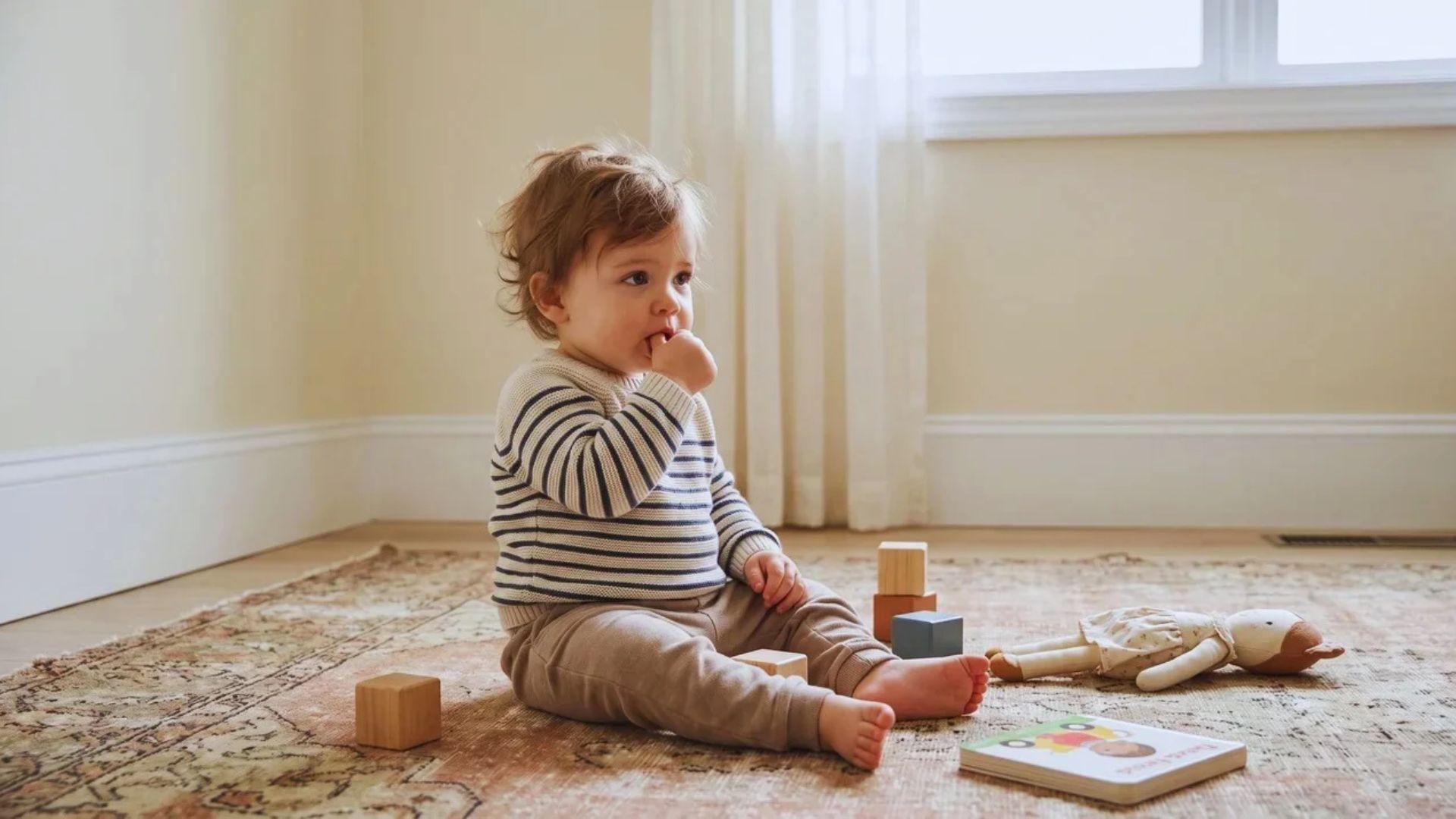
Oral stimming is self-stimulatory behavior that uses the mouth to create sensory input, and thumb sucking is one of its forms in young children.
Cleveland Clinic describes stimming as repetitive movement or sound, and autistic people commonly report using it to regulate their emotions.
Many autistic children process sensory information differently, so a busy, loud, or unpredictable setting can feel overwhelming.
You can often see this function in when the behavior happens. Thumb sucking that serves a regulating role tends to increase when the environment shifts, such as in louder rooms, during unexpected transitions, or in moments of stress, and it eases once those demands pass.
The child may have had calm moments before, which suggests the trigger is the setting rather than tiredness or boredom. That timing, more than the habit itself, is the signal worth watching.
Autistic children also suck their thumbs for plain comfort, so not every instance is stimming. Treating all of it as a symptom can lead you to misread ordinary comfort-seeking as something it isn’t.
How to Tell the Difference Between Comfort Thumb Sucking and Stimming

From the outside, comfort sucking and stimming look identical. What differs is what led to it and what stopping it produces.
Comfort thumb sucking typically follows hunger, tiredness, or boredom. It appears when the child needs to settle, and it stops relatively easily once the need passes.
Stimming appears in response to something sensory: a loud room, a transition, a moment of overload. The child isn't tired. The environment is the trigger.
These two patterns can overlap. An autistic child can use thumb sucking for both comfort and regulation, sometimes in the same day.
The goal isn't to classify every instance. It's to notice whether there's a consistent pattern tied to sensory triggers.
What to Watch Before the Behavior Starts
Pay attention to what changes in the environment just before the thumb goes in. That's the most reliable signal available.
The moments before the behavior tell you more than the behavior itself. Look for patterns like:
- A transition, moving from one place, activity, or person to another
- A crowded or noisy space, or a sudden change in sound level
- A moment of unexpected change to a routine
If it follows a nap, a meal, or a quiet moment instead, that's likely comfort. Keep a loose mental record over a few days. A pattern usually becomes clear on its own.
How the Child Responds When Interrupted
Most children protest when a comfort habit is interrupted. That's expected. What looks different in a sensory context is the intensity.
Two responses are worth distinguishing:
- Quick redirection or self-settling: the child calms another way without much escalation; comfort was likely the function
- Disproportionate distress that doesn’t settle quickly: the behavior may have been helping your child regulate, which points to a sensory function.
If removing the thumb causes an outsized reaction, that’s a meaningful signal. Your child may not just be frustrated, because the habit may have been doing a job for them.
Once a pattern starts to show up consistently, the next question is who to talk to and when.
What to Do If You're Concerned About Your Child's Thumb Sucking
Thumb sucking on its own doesn't require action. But when it appears alongside the signs covered above, there are clear next steps.
The right person to call depends on which concern is driving you. Two situations, two separate tracks:
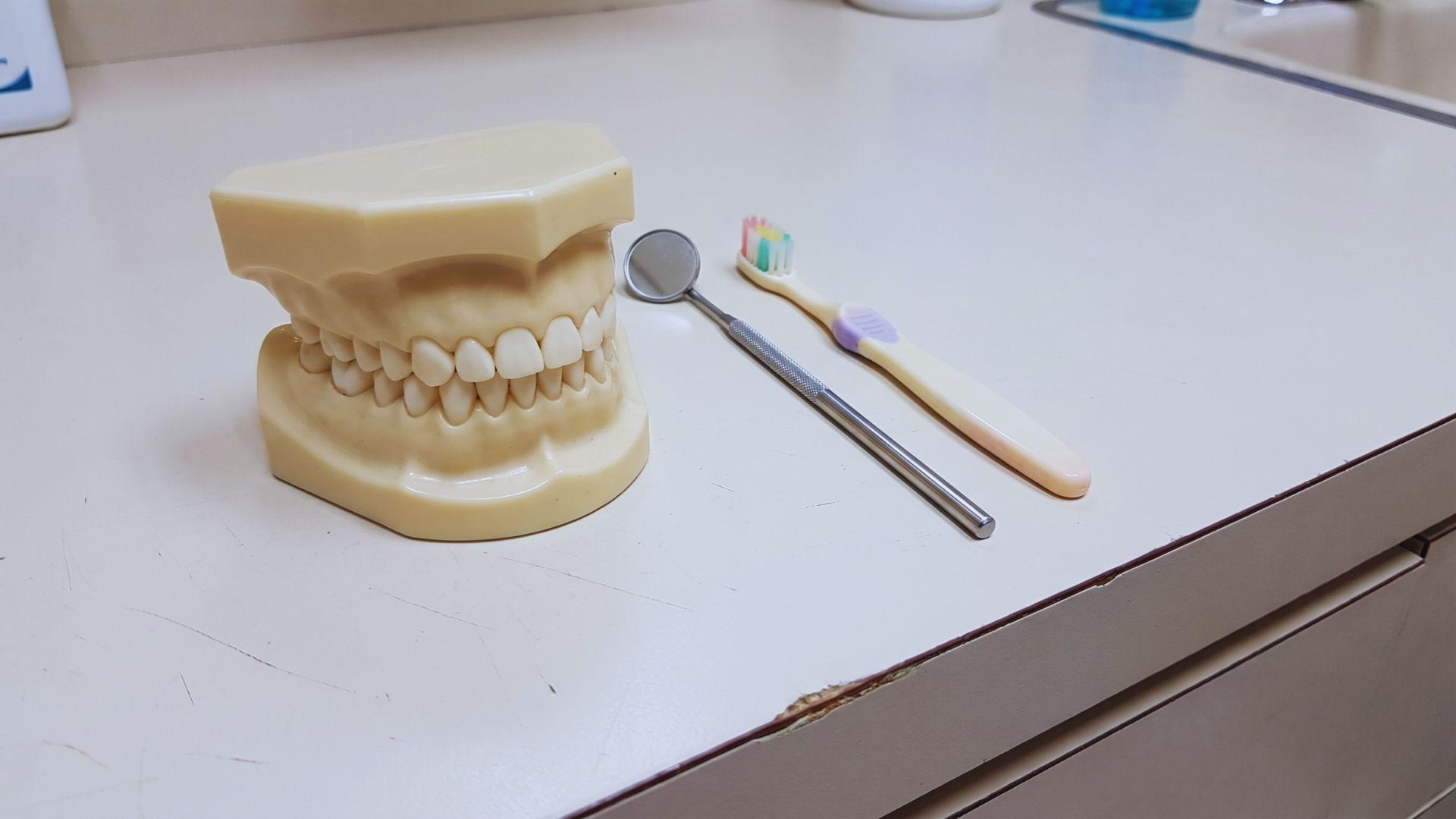
- Frequent or intense thumb sucking past age 4 or 5, no other developmental concerns: Start with your child’s dentist. Prolonged sucking can affect tooth alignment and jaw development. A dentist can check whether any impact has occurred and advise from there.
- Thumb sucking alongside communication delays, social differences, or other repetitive behaviors: Start with your pediatrician. They can use a standard developmental screening and refer you to a specialist if needed.
One thing worth knowing: a developmental evaluation is not the same as pursuing a diagnosis. It's asking a professional to look at what you're seeing and give you context.
That's a reasonable thing to do early. Waiting until the signs become undeniable isn't necessary.
Final Thoughts
Is thumb sucking a sign of autism? On its own, no, and for most children it is a comfort habit that fades between ages 2 and 4, so what deserves attention is the pattern around it.
Trigger, timing, and how your child responds when the thumb comes out tell a fuller story than the habit itself.
That is especially true when you weigh them against communication, social engagement, and other repetitive behaviors.
Noticing these details early is how early support happens. If something still feels off, bring your observations to your pediatrician, who can screen your child and give you context.
This article is for general information and isn’t a substitute for advice from your child’s pediatrician.
Frequently Asked Questions
Can anxiety cause thumb sucking in older children?
Yes, stress and anxiety can trigger or revive thumb sucking in school-age children. It often appears during periods of change or social pressure and does not automatically point to a developmental concern.
Does thumb sucking affect a child’s speech development?
Frequent or intense sucking around ages 4 to 6 can change how the front teeth meet, which may cause a lisp or trouble with T and D sounds. A speech-language pathologist can assess this.
Is it harmful to try to stop an autistic child from thumb sucking?
Stopping it abruptly can be hard if the habit helps your child regulate, and Cleveland Clinic notes that removing a regulating behavior may affect daily functioning. An occupational therapist can suggest other sensory supports first.
What is the difference between stimming and a nervous habit?
The line is blurry, since a nervous habit like nail biting is a kind of stim. Stimming covers any repetitive movement or sound that helps regulate feelings or senses, in autistic and non-autistic people alike.