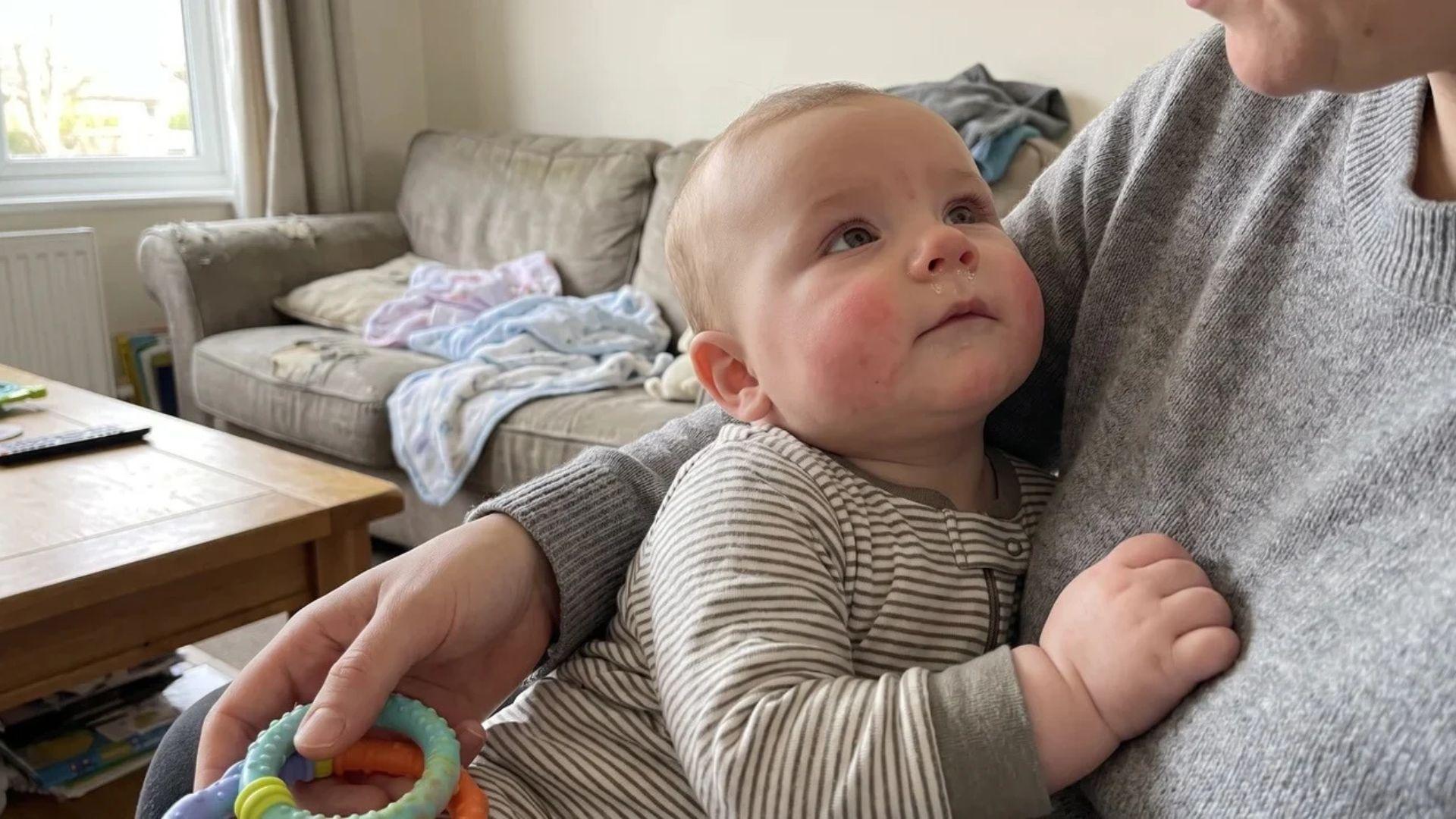
Parents ask me, “Should I be worried?” while touching their baby’s rough cheek. Usually it is a teething rash on cheeks, and drool sitting on the skin is to blame, not the tooth.
What catches parents off guard is how much this rash follows daily habits. Even the side your baby sleeps on can decide where it settles.
Is it a drool rash or something else? Why does it keep coming back, and which small changes help?
Some of the fixes cost nothing, and a few habits parents trust most can make the rash last longer. First, let’s look closely at what is on your baby’s skin.
What Does Teething Rash on Cheeks Look Like?
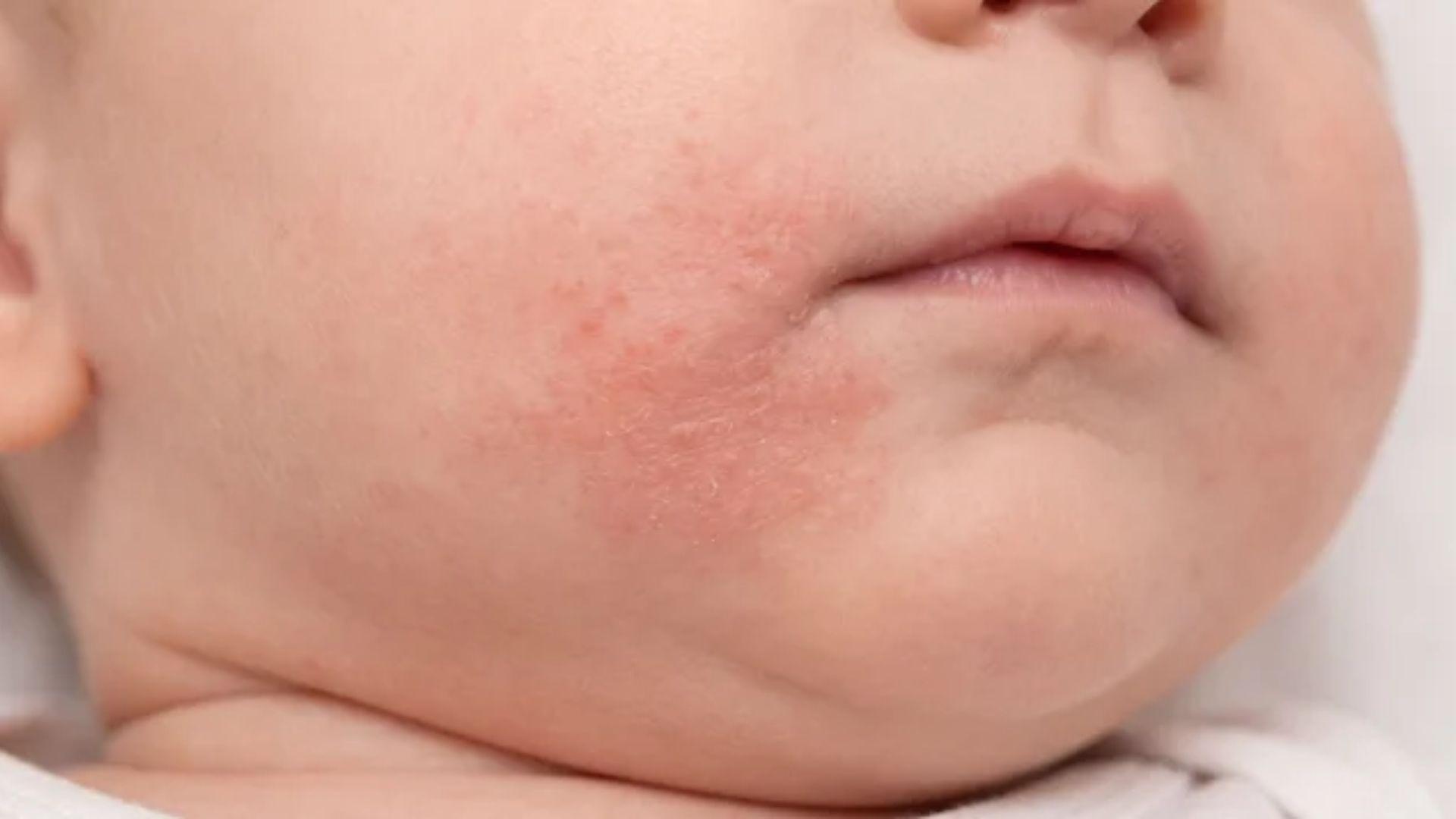
Teething rash on cheeks is red, chapped, or bumpy skin from drool irritation. It usually shows on the cheeks, mouth, chin and neck.
The NHS list of teething signs includes a rash on the face and extra dribbling. In its mild stage, the skin looks pink to light red and may feel slightly dry.
At the moderate stage, it turns rough and chapped, with tiny bumps you can feel more than see.
A severe rash looks raw, cracked, weeping, or crusty. That stage is one to show your pediatrician.
Ordinary red cheeks from crying or a warm room fade within an hour. A drool rash stays and changes how the skin feels.
Check the chin and the creases of the neck too, since drool rash rarely stays on one spot. A baby with this rash is otherwise well, feeding and playing as usual.
If your baby also runs a fever, learn the signs of a fever that needs urgent care first.
Why Does Drool Rash Settle on the Cheeks?
Drool rash lands on the cheeks because saliva and friction build up where skin meets wet fabric, hands, or bedding.
Drool, not the tooth, irritates the skin, and it is one of several reasons a baby’s cheeks turn red.
Where Drool Meets Cheek Skin
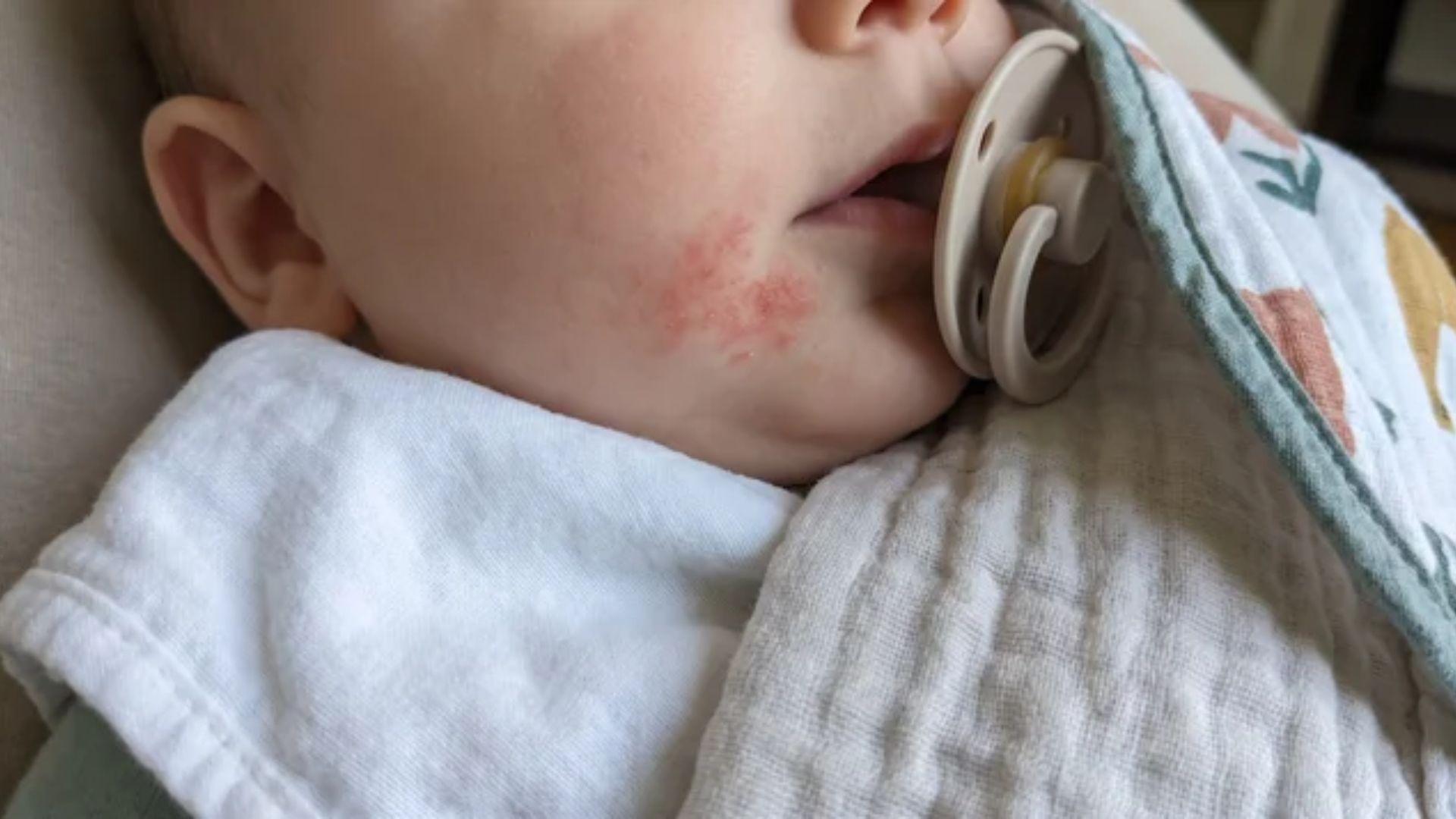
Follow your baby’s cheek through a normal day. At night it presses into the sheet on the favored side, and drool pools in that spot.
During burping, the cheek sits against your shoulder, and a cloth there rubs the same spot at every feed.
Babies who chew their fists keep one hand wet, then press it to the face. Bib edges and pacifier rims leave lines, so the rash can trace their shape.
Babies who sleep with open mouths can pool drool on one side. If that sounds like your baby, mouth breathing in babies is worth a closer look.
This is why two babies with the same amount of drool can look different.
A back sleeper with a pacifier may get a rash around the mouth, while a side sleeper may show it mostly on the cheek facing the mattress.
The pattern also moves. Once your baby starts rolling, the favored side changes, and the patch changes with it.
Why the Wet-Dry Cycle Keeps the Rash Going
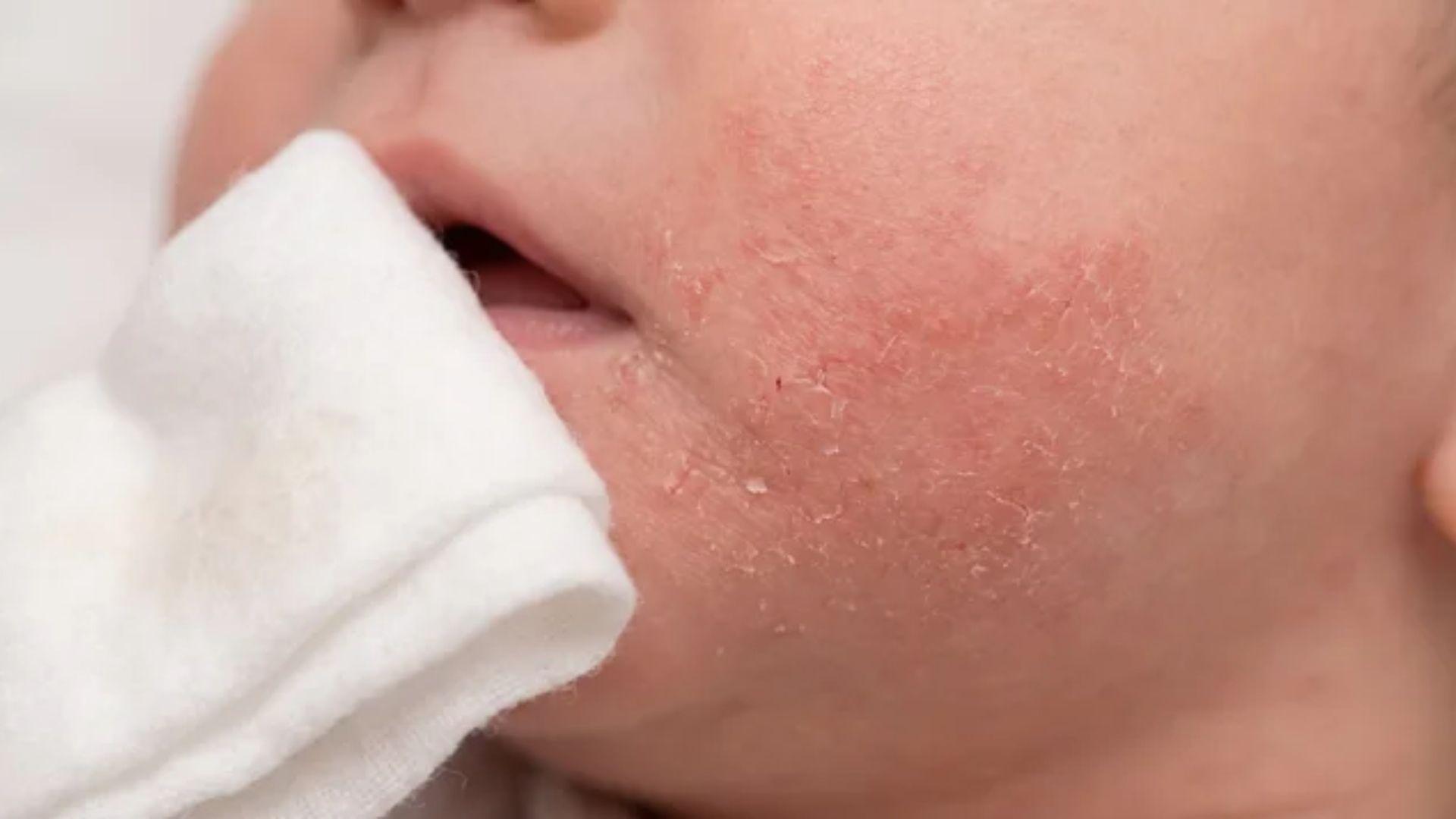
Skin that stays wet for hours gets soft and loses its natural protection. Once that layer thins, even a gentle wipe scrapes it, and the skin turns tight and chapped between drooly spells.
The next wave of drool then lands on skin that never got a chance to recover. The cycle of wet, dry, and wipe repeats, and each round leaves the surface rougher.
That is why a rash can outlast one drooly day. A damp afternoon followed by dry hours often heals on its own.
Skin that stays damp all day gets no such break. Sweat from warm bedding can keep cheeks damp too, so it helps to know how babies sweat as they grow.
How long it lasts also varies by baby. Babies with naturally dry skin tend to chap sooner. The rash eases when drooling slows and returns when it picks up again.
How Do You Treat Teething Rash on Cheeks?
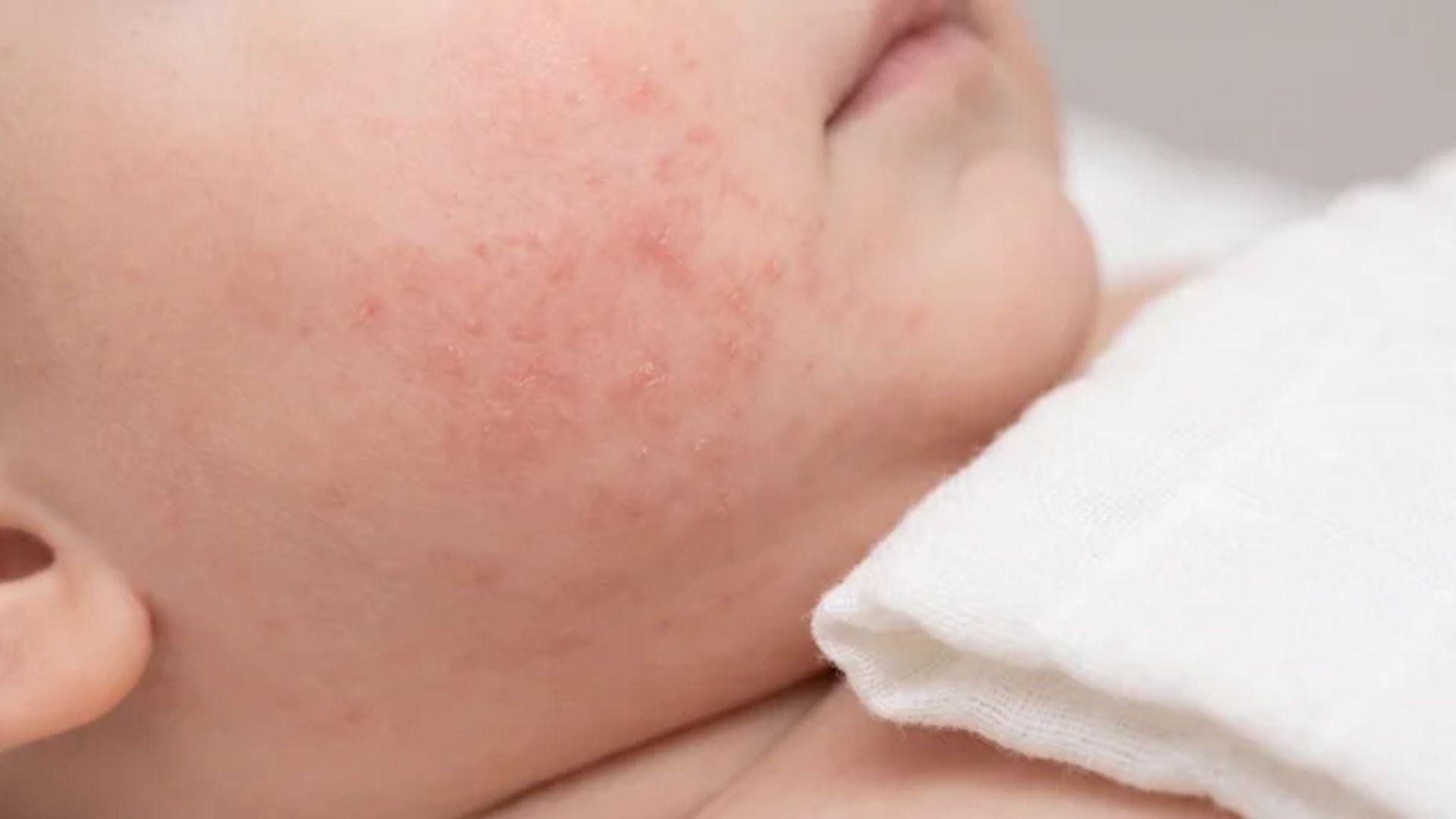
Treating a teething rash on cheeks means keeping the skin dry and protected. That takes a thin barrier layer, applied consistently, including overnight.
NHS Scotland also advises keeping the skin dry, changing wet clothing and using a simple barrier cream.
Nighttime and Naptime Routine
Sleep is the longest stretch of drool contact, so the routine starts there. Before naps and bedtime, pat the cheeks dry with a soft cloth, pressing instead of rubbing.
Then smooth on a thin layer of barrier cream, only enough to leave a faint sheen. A thick coat traps moisture and rubs off on the sheet.
Use a clean, dry fitted sheet, and change it when a drool patch has soaked through. Protected overnight skin gets the long dry stretch it rarely gets in the day.
Look at the cheeks after each nap, and pat dry before adding more cream if the skin looks bare. A heavy drooler may need this after every nap, while a light drooler may manage with bedtime and one check.
Common Mistakes That Slow Healing
When a rash stalls, the fix is usually a habit, not a new product. Changing one habit often does more than switching creams, and it costs nothing.
Wiping at every drip feels helpful, but each pass scrapes skin that is already thin. Patting does the same job without the friction.
Scented wipes and cleansers add irritation, so lukewarm water and a mild fragrance-free wash are enough.
A damp muslin or bib against the face restarts the wet-dry cycle, so swap it once it feels wet. Babies who drool constantly feel this sooner than babies who drool in bursts.
Barrier cream over wet skin seals the moisture in, which is the opposite of what you want. Dry the skin first.
How Long Does Teething Rash Take to Clear?
Most drool rashes follow a fairly steady timeline, though it shifts with how often the skin stays damp. These points show what to expect and why the rash can come back.
- Mild rash: Mild drool rash often clears within one to two weeks of consistent care. Steady dry-skin habits matter more than how many products you try.
- Cracked skin: Cracked or raw skin can take longer to heal. The surface has to rebuild first, so progress may feel slow.
- Flare-ups: The rash may return whenever drooling picks up. A patch that fades and flares again is following the drool, not your routine.
- Barrier layer: Keep the barrier layer going for as long as the drooling lasts. Stopping early lets saliva reach skin that has only just recovered.
The timeline follows the drool, not the calendar. Once drooling eases, the skin gets the dry stretch it needs.
When Should You Call the Doctor About a Teething Rash?
Call your pediatrician for crusting or pus, spread beyond the drool areas, or no improvement after about a week.
Also call for a fever of 100.4°F (38°C) or higher, since MedlinePlus teething guidance notes teething does not cause fever.
Honey-colored crusts, pus-filled bumps or small blisters can signal an infection on top of the rash. Those need a doctor’s look, since drool care alone will not clear them.
Watch the edges of the rash too. If it moves past the drool zone, onto the chest, back, or limbs, another cause may be at work.
A week of steady dry-skin care should show some change. If the patch looks the same, a pediatrician can check what else is going on.
Closing Thoughts
A teething rash on cheeks says more about your baby’s day than about your parenting. Most parents blame themselves first, yet the real cause is usually a small habit that keeps the skin damp.
For a few days, notice when the cheeks look worse. That pattern tells you far more than any cream on the shelf. Write it down if that helps, because tired parents forget which day was the bad one.
Once you spot it, changing that one thing often brings the skin back around, and you can relax a little.
Has a small change helped your baby’s cheeks? Tell us in the comments, or share this post with a parent dealing with drool rash.
Frequently Asked Questions
How can I treat a teething rash on my baby’s face?
Use only gentle care: pat drool away and keep the skin dry. Skip medicated creams, including hydrocortisone, unless your pediatrician recommends one, since drool rash usually settles with dry-skin care alone.
How to tell the difference between teething rash and allergy rash?
Check whether the rash appears only where food touches the skin. That is often contact irritation, not allergy. Hives, swelling, vomiting or breathing trouble after a new food need urgent care.