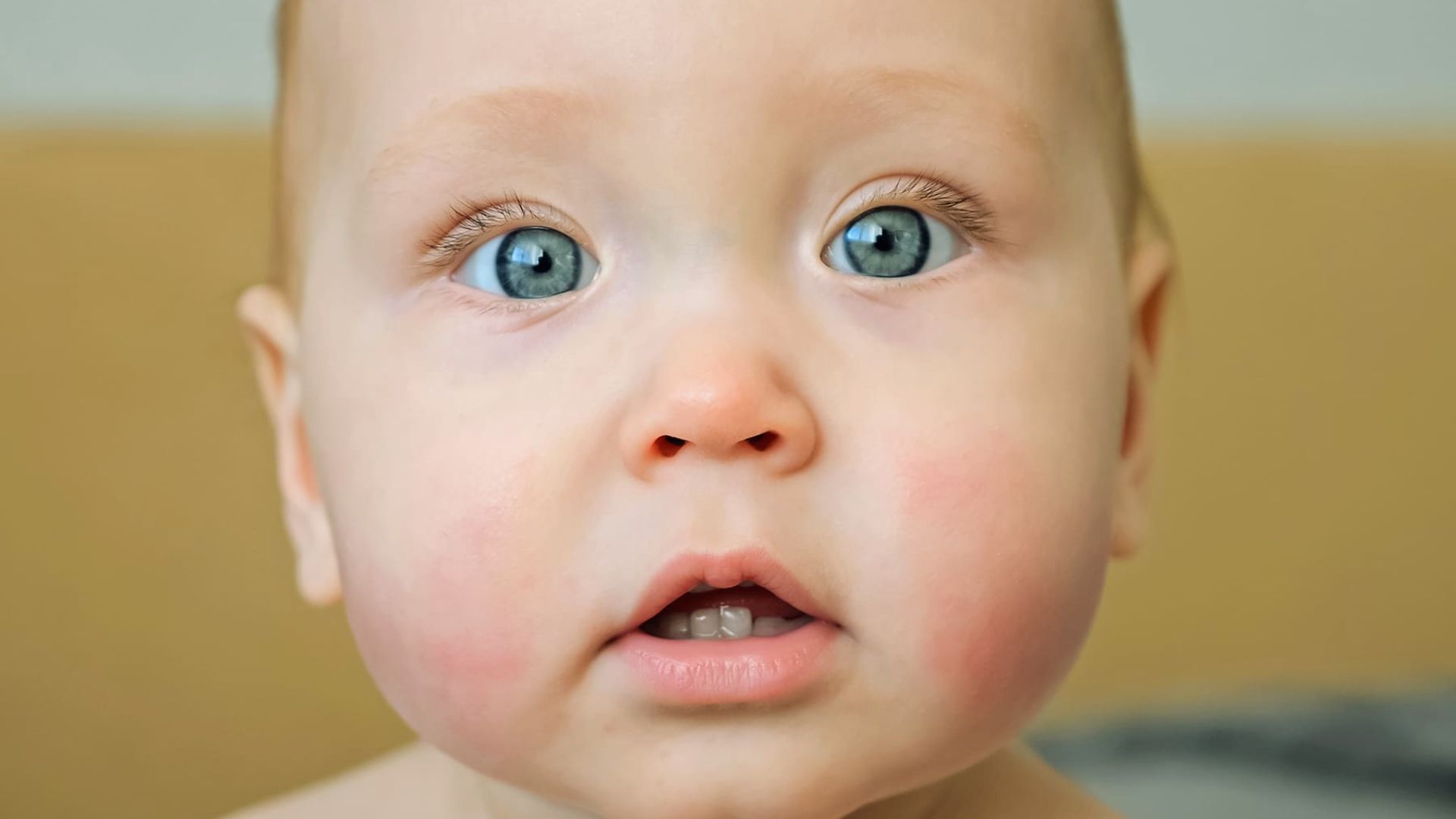
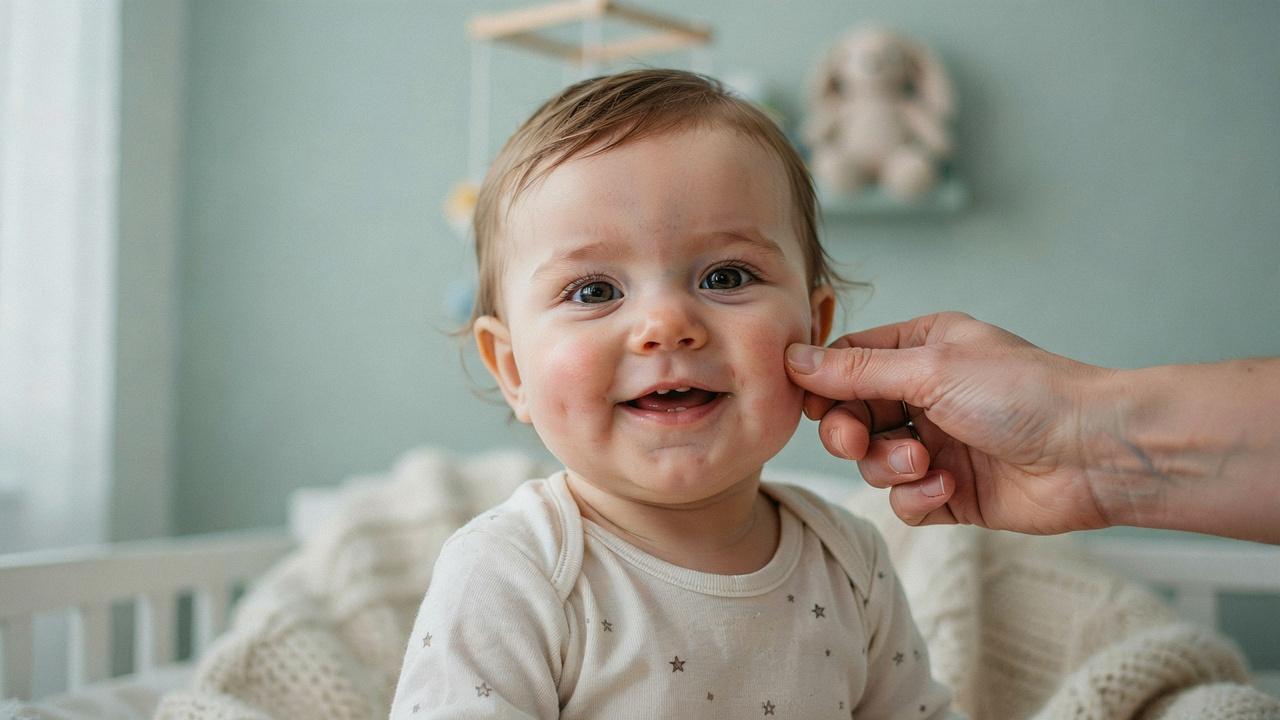
If you've looked at your baby and thought, "why are my babies cheeks red?", you're not alone. It's one of the most common concerns parents have, especially in the first year.
Red cheeks in babies can mean many things. Some causes are harmless, while others need a little more attention.
This article covers the most common reasons behind red cheeks, how to tell them apart, and what to do about each one.
You'll also learn when it's time to call your doctor.
By the end, you'll have a clearer understanding of the common causes of red cheeks and when it's worth contacting your pediatrician.
Is It Normal for Babies to Have Red Cheeks?
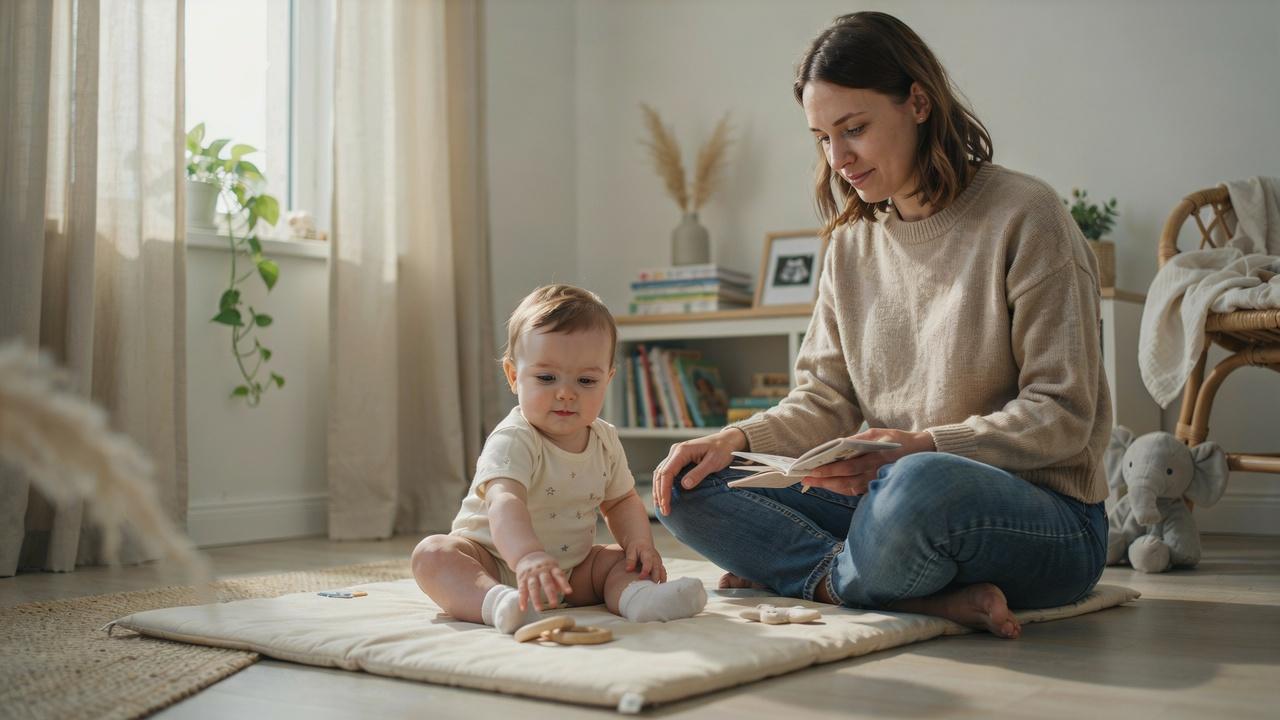
Red cheeks are very common in babies and are usually nothing to worry about.
Many everyday things can make a baby's cheeks turn red. Being too warm, crying for a few minutes, or spending time in cold air can all cause temporary redness that fades quickly on its own.
If your baby is acting normal, eating well, and has no other symptoms, the redness is likely harmless. Teething is another very common cause that does no real harm to the skin.
Babies also develop red cheeks more easily than older kids because their skin is much thinner and reacts faster to temperature changes, friction, and irritants.
Their skin loses moisture more quickly too, and since blood vessels sit closer to the surface, even mild irritation can cause visible redness fast.
Contact with bed linen, car seat edges, or rough fabrics can also bring on redness because of the repeated friction against the cheeks.
Common Causes of Red Cheeks in Babies
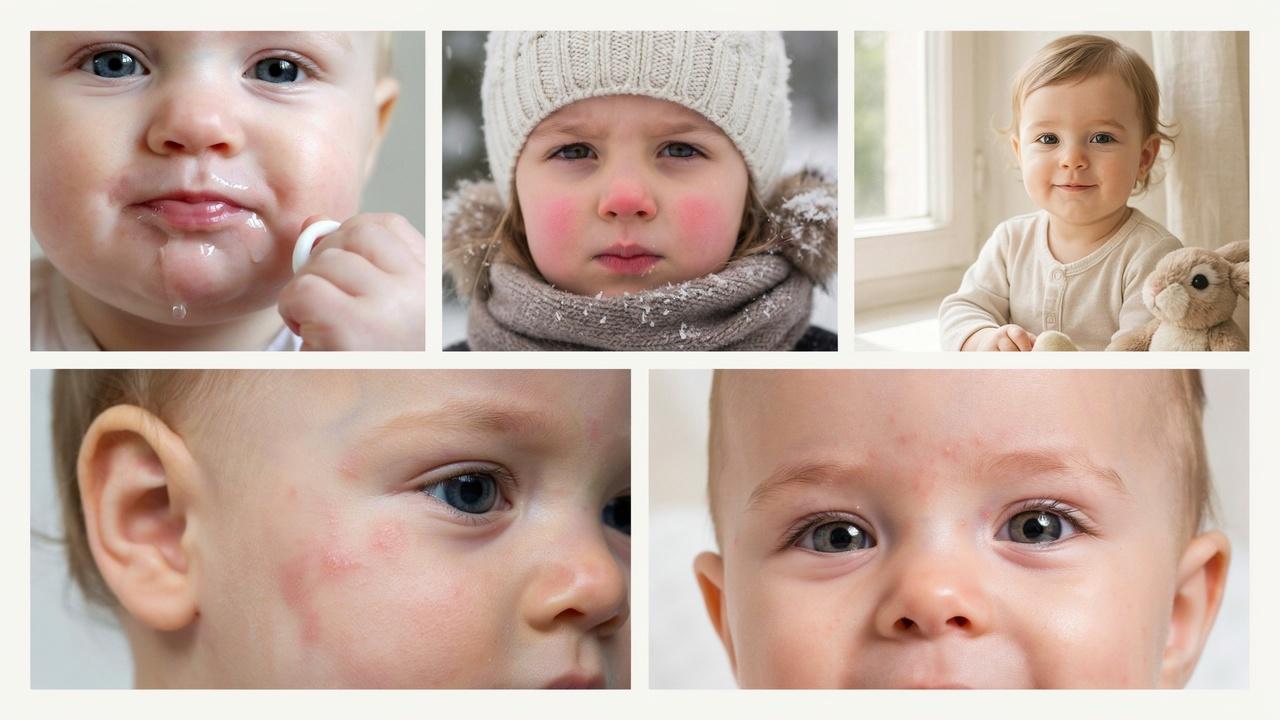
There are several reasons your baby may have red cheeks, and most of them are easy to identify once you know what to look for.
Teething and Drooling
When babies teethe, they drool a lot. That saliva sits on the skin around the mouth and cheeks.
Over time, it breaks down the skin's natural barrier and causes redness, chapping, and irritation. This is called drool rash.
It usually appears around 3 to 6 months when drooling picks up. The skin may look red, raw, or slightly bumpy. It often improves when drooling decreases and may return during heavy drooling.
Dry Skin and Cold Weather
Cold air and wind pull moisture from your baby's skin fast. If you've taken your baby outside in winter and noticed their cheeks turning red and dry, this is why.
Indoor heating also dries the air, which dries skin further. Running a humidifier indoors can help put moisture back into the air and reduce this kind of irritation.
Without enough moisture, the skin gets irritated, flaky, and red. Babies with naturally dry skin are more likely to have this problem year-round.
Heat and Overheating
Babies can't regulate their body temperature the way adults can. If a baby gets too warm, blood rushes to the skin to release heat.
This shows up as red, flushed cheeks. It can happen from being overdressed, sitting near a heat source, or spending time in a warm room.
Overheating can become serious if your baby remains too warm or shows signs of illness, so always check if your baby seems uncomfortable or sweaty.
Eczema and Skin Irritation
Eczema, also called atopic dermatitis, is a skin condition that causes dry, itchy, inflamed patches. It's very common in babies and often first shows up on the cheeks.
The skin may look red, rough, or scaly. It can weep or crust in more severe cases. Eczema tends to flare up and then calm down.
It often runs in families and may come along with allergies or asthma. Certain fabrics, soaps, or products can trigger a flare.
Baby Acne
Some newborns develop baby acne in the first few weeks of life. It shows up as small red or white bumps on the cheeks, forehead, and chin.
It's caused by hormones passed from the mother to the baby before birth. It usually clears up on its own within a few months and doesn't need treatment.
Allergies and Viral Illnesses
Food allergies can cause red or blotchy skin on the face, including the cheeks. Common culprits include cow's milk, eggs, and nuts if your baby has started solids.
When you begin introducing acidic foods like citrus or tomatoes, those can also make cheek redness more intense.
Contact allergies can happen too, from laundry detergent, wipes, or lotions. Viral illnesses like roseola or fifth disease also cause red cheeks.
Fifth disease is caused by parvovirus B19 and produces a very red "slapped cheek" look. It is usually harmless but spreads easily among children and is contagious before the rash appears.
A more serious but less common cause is cellulitis, a bacterial skin infection that causes bright red or purple swelling, usually on one cheek, and needs antibiotic treatment right away.
How to Tell What Is Causing Red Cheeks
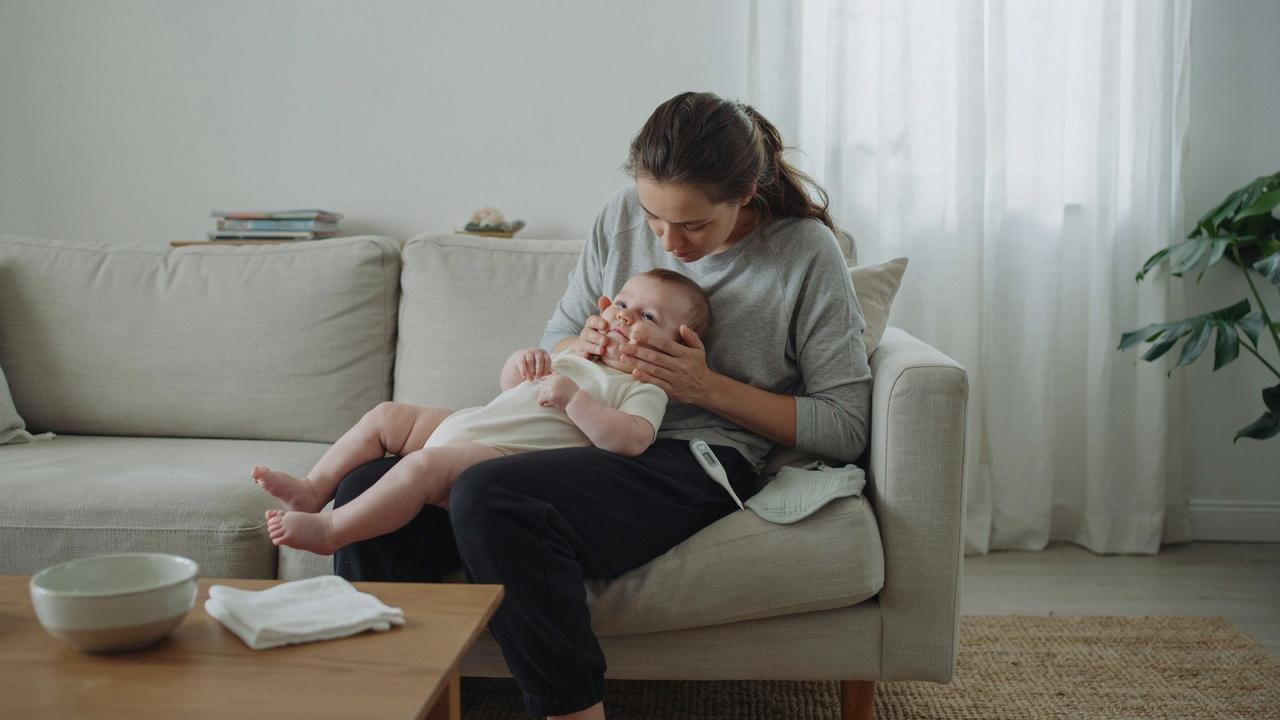
Figuring out the cause helps you respond the right way. A little observation goes a long way.
Look for Other Symptoms
Red cheeks on their own usually point to something mild. But if the redness comes with a fever, rash elsewhere on the body, difficulty breathing, or unusual fussiness, something else may be going on.
A runny nose alongside red cheeks often points to a cold or teething. Swollen eyes or hives may point to an allergic reaction. Always look at the full picture, not just the cheeks.
Check When the Redness Appears
Timing tells you a lot. If the cheeks turn red right after a feeding, that could point to a food sensitivity.
If it happens every time your baby goes outside in cold weather, that's likely weather-related irritation.
If the redness shows up during heavy drooling phases, it's probably drool rash. Keeping a simple mental note of patterns helps you spot the cause faster.
Compare Temporary and Lasting Redness
Temporary redness fades within minutes to an hour. It comes from crying, heat, or cold exposure and goes away on its own.
Lasting redness that stays for hours or days, or that keeps coming back in the same spot, is worth paying more attention to.
That kind of redness may point to atopic dermatitis, an allergy, or an ongoing skin condition that needs care.
When Should You Be Concerned?
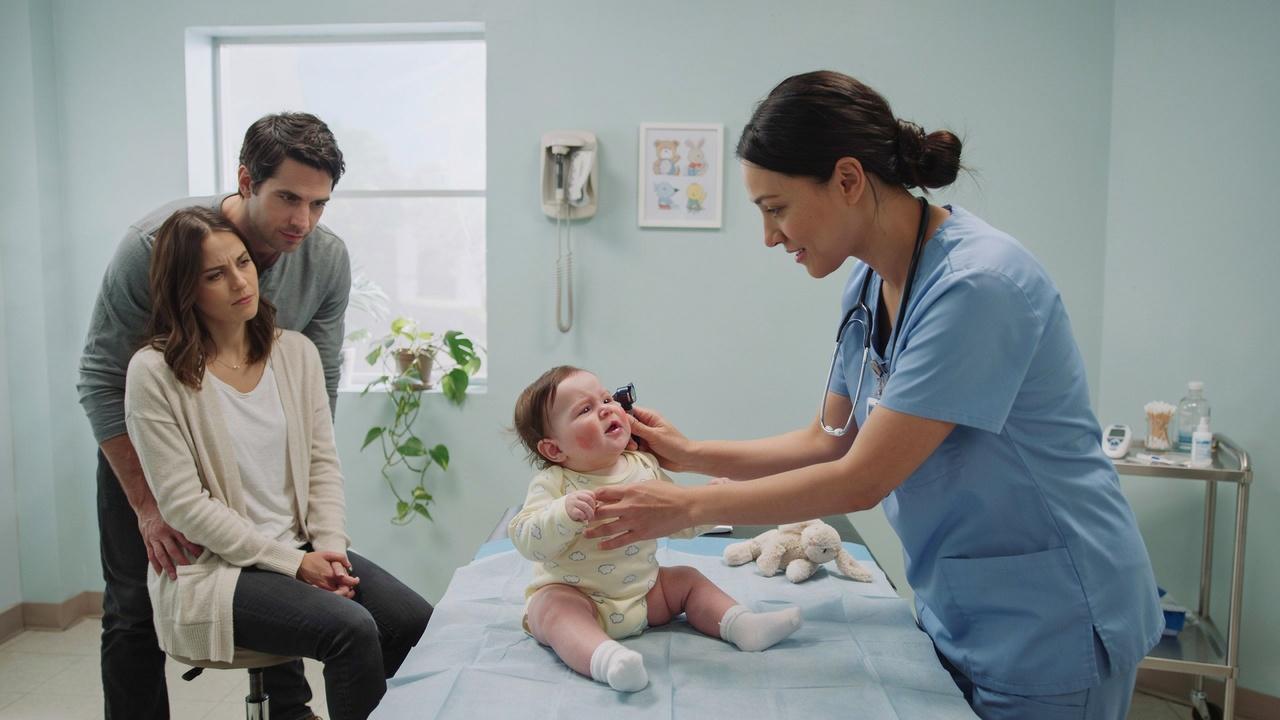
Most red cheeks in babies are harmless. But there are times when you should act fast and get medical advice.
Warning Signs That Need a Doctor
See your pediatrician if the redness is spreading, getting worse, or not going away after a few days.
Other warning signs include skin that is oozing, crusting, or bleeding, a rash spreading to other parts of the body, signs of infection like warmth, swelling, or pus, and a baby who seems very irritable or is not feeding well.
Eczema that keeps coming back and isn't responding to basic care also deserves a doctor's attention.
Symptoms That Need Emergency Care
Some symptoms mean you should skip the wait and seek emergency help right away.
These include a high fever in a baby under 3 months, a baby who is having trouble breathing, swelling of the lips or tongue, hives that spread quickly, or a baby who becomes limp or very unresponsive.
These could point to a serious allergic reaction or infection.
What Your Pediatrician May Check
Your doctor will look at the redness closely and ask about your baby's symptoms, diet, and daily routine. They may check for signs of eczema, infection, or allergy.
In some cases, they might refer you to a pediatric dermatologist or allergist. For food allergies, a skin prick test or blood test may be ordered.
They may also ask about family history of skin conditions or allergies.
How to Soothe Your Baby's Red Cheeks

There are safe and simple ways to calm red, irritated skin at home.
Gentle Skin Care at Home
Keep the affected area clean and dry. Use lukewarm water and a soft cloth to gently wipe your baby's face. Pat the skin dry instead of rubbing.
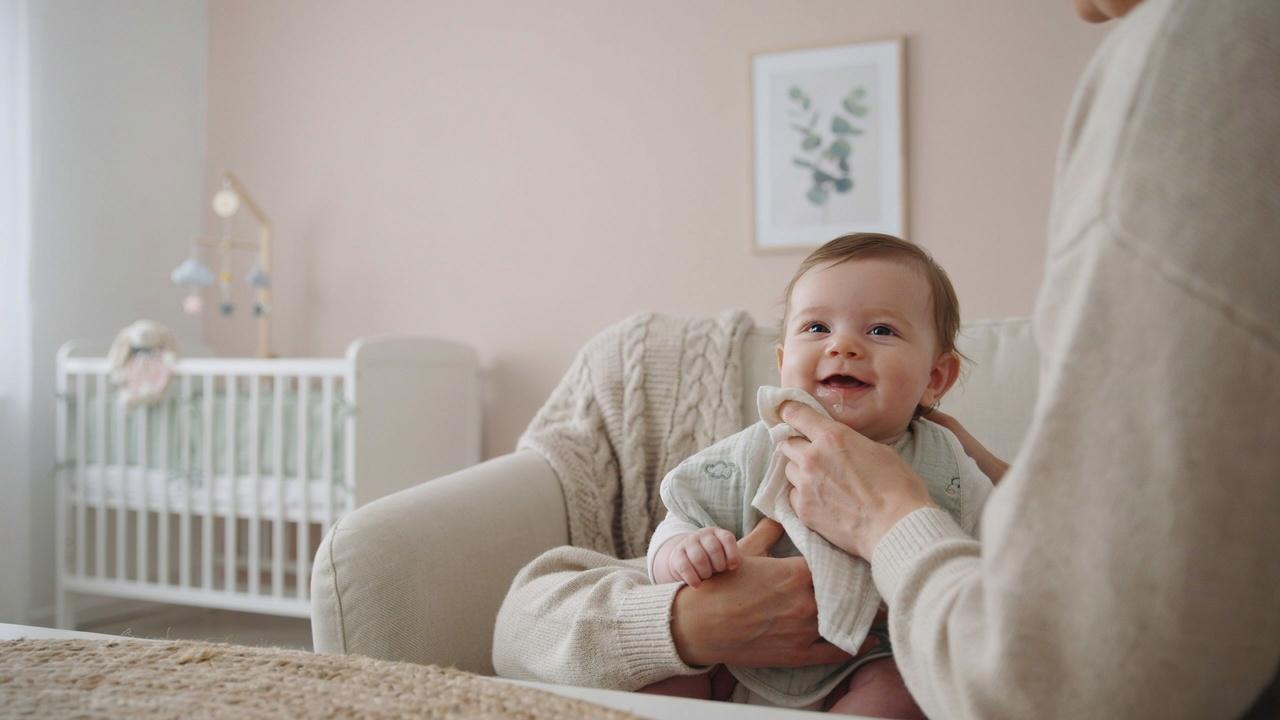
For drool rash, wipe saliva away gently throughout the day. Try to limit the time wet cloth or bibs press against the skin.
Short, warm baths are fine, but long or hot baths can dry the skin out more.
Safe Moisturizers and Barrier Creams
Apply a gentle, fragrance-free moisturizer right after bath time while the skin is still slightly damp. This helps lock in moisture.
For drool rash, a thin layer of petroleum jelly or zinc oxide barrier cream can protect the skin from saliva. For eczema, a thick, plain moisturizer or emollient cream works best.
Look for products made for sensitive baby skin and avoid anything with dyes or strong scents.
What to Avoid Using
Stay away from adult lotions, perfumed products, and anything with alcohol, as these can make irritation worse. Avoid rough fabrics like wool directly against your baby's cheeks.
Don't use steroid creams unless a doctor recommends them. Scented laundry detergents and fabric softeners can also trigger skin reactions.
If you're using baby wipes on the face, choose ones that are unscented and alcohol-free.
Tips to Help Prevent Red Cheeks
A few simple habits can go a long way in keeping your baby's skin calm and healthy.
- Apply a gentle moisturizer or barrier cream to your baby's cheeks before heading outside in cold or windy weather, and use a stroller cover to block wind.
- Keep a soft cloth nearby to dab away drool throughout the day and change bibs regularly to keep skin dry.
- Apply a thin layer of barrier cream around the mouth and cheeks before naps and overnight to protect skin from saliva.
- Use a mild, fragrance-free baby wash and moisturize right after every bath to keep skin hydrated.
- Wash new clothing before use and stick to the same gentle products once you find ones that work for your baby's skin.
- Run a humidifier in your baby's room during dry winter months to help keep the air moist and reduce skin irritation.
Conclusion
Red cheeks in babies are almost always manageable once you know what's behind them. Most of the time, the cause is something simple like drooling, cold weather, or mild irritation.
Now that you know the key signs and causes, you can respond with confidence. Use the tips in this article to soothe and protect your baby's skin at home.
If something doesn't feel right or the redness keeps coming back, don't hesitate to call your pediatrician.
If this helped you figure out why are my babies cheeks red, share it with another parent who might need it too.
Frequently Asked Questions
Can teething cause red cheeks without a rash?
Yes, teething increases blood flow to the face, which can cause mild redness without any visible rash or drool irritation.
Is it safe to use coconut oil on my baby's red cheeks?
Coconut oil is generally safe for many babies, but it can clog pores or trigger reactions in babies with sensitive or eczema-prone skin.
How long does drool rash usually last on a baby?
Drool rash typically clears up within a few days with proper care, but it may return during active teething or drooling periods.
Can red cheeks in babies be linked to iron deficiency?
Iron deficiency usually causes paleness, not redness. Red cheeks are more commonly linked to skin irritation, heat, teething, or viral illness.
Should I change my baby's formula if their cheeks keep turning red?
Not without consulting your doctor first. Persistent red cheeks after feedings may suggest a sensitivity, but a pediatrician should confirm before any formula change.