
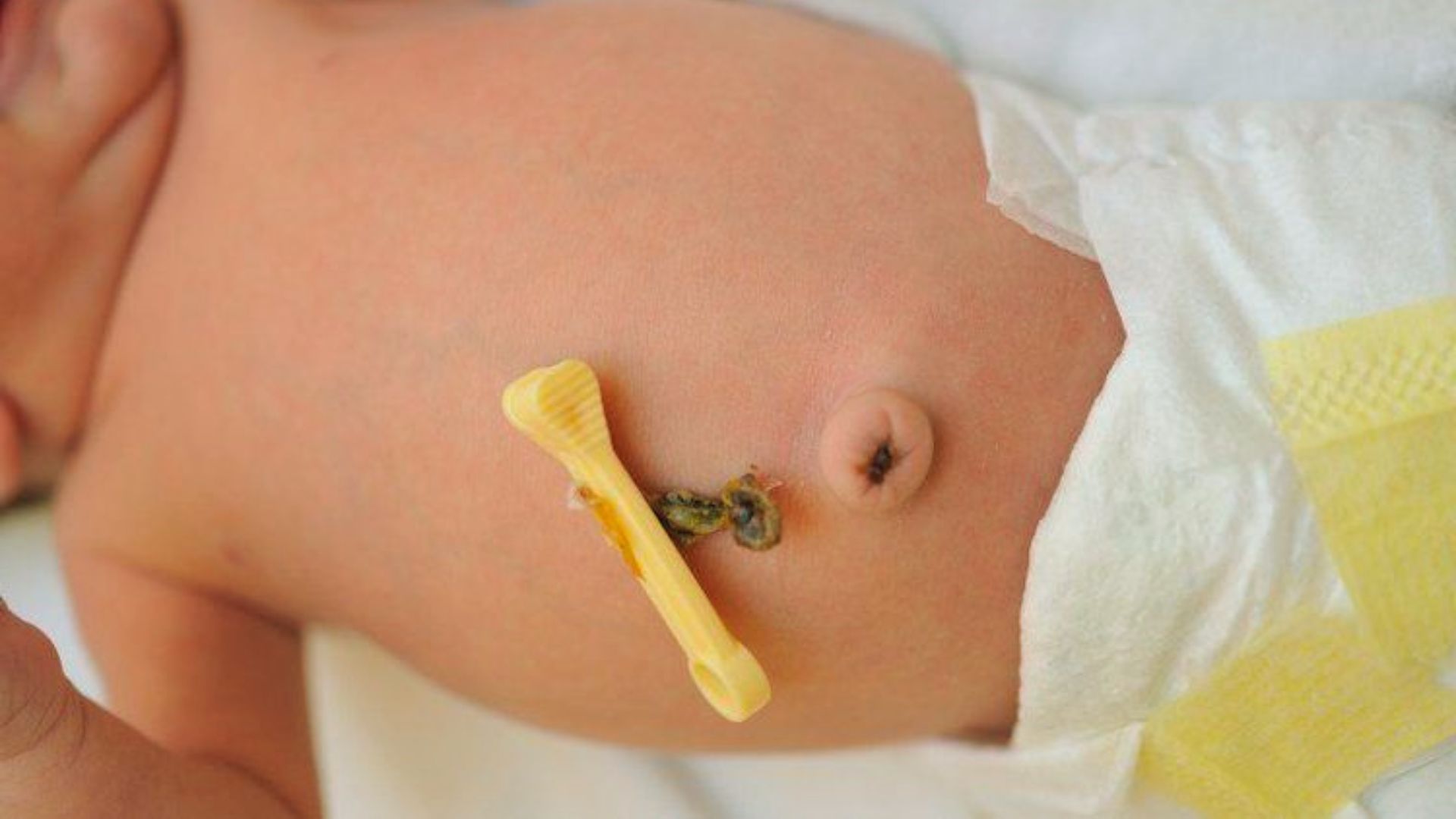
Your baby is a few days old, and that little black stump on their belly is still hanging on.
You keep asking yourself the same question every time you change a diaper, when does the umbilical cord fall off? It is one of the most common concerns new parents have, along with feeding and sleep schedules.
This guide explains the normal timeline, what healing looks like at each stage, and how to care for the stump safely. You will also learn which signs are normal, which symptoms may indicate an infection, and when to contact your pediatrician.
By the end, you will know what to expect throughout the healing process and how to help your baby's belly button heal properly.
Average Timeline for the Umbilical Cord Stump to Fall Off
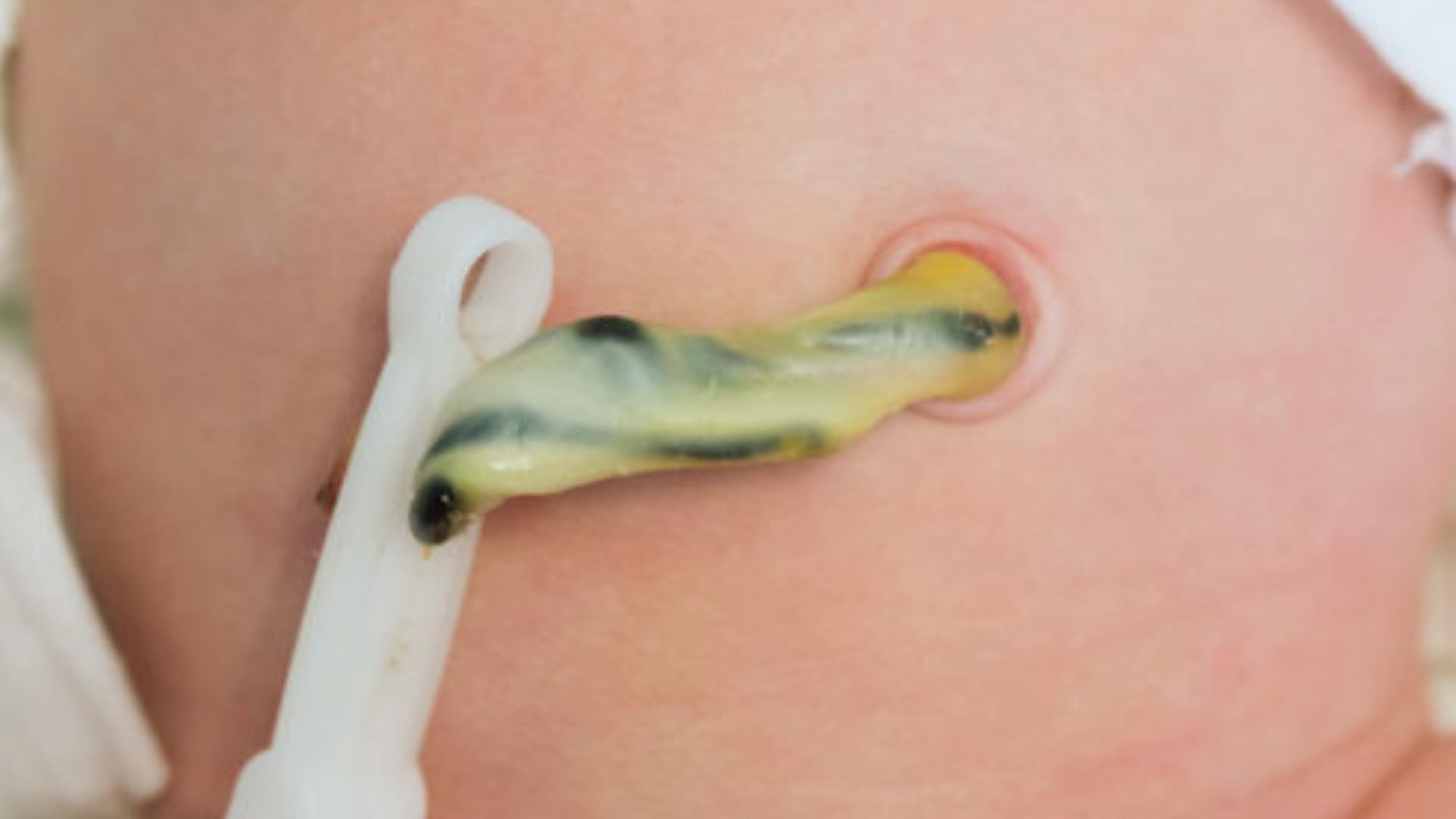
Most umbilical cord stumps fall off between 7 and 21 days after birth, with the average being 10 to 14 days.
During pregnancy, the umbilical cord carried oxygen, nutrients, and antibodies from the placenta to your baby. After birth, your baby no longer needs the cord, so it is clamped and cut, leaving behind a small stump.
Because the cord contains no nerve endings, this procedure does not hurt your baby.
The remaining stump is dead tissue. Over the next one to three weeks, it gradually dries out, shrinks, changes from yellow to brown or black, and eventually falls off naturally.
There is no need to pull or loosen it, even if it appears ready to separate.
What Happens as the Umbilical Cord Stump Heals?
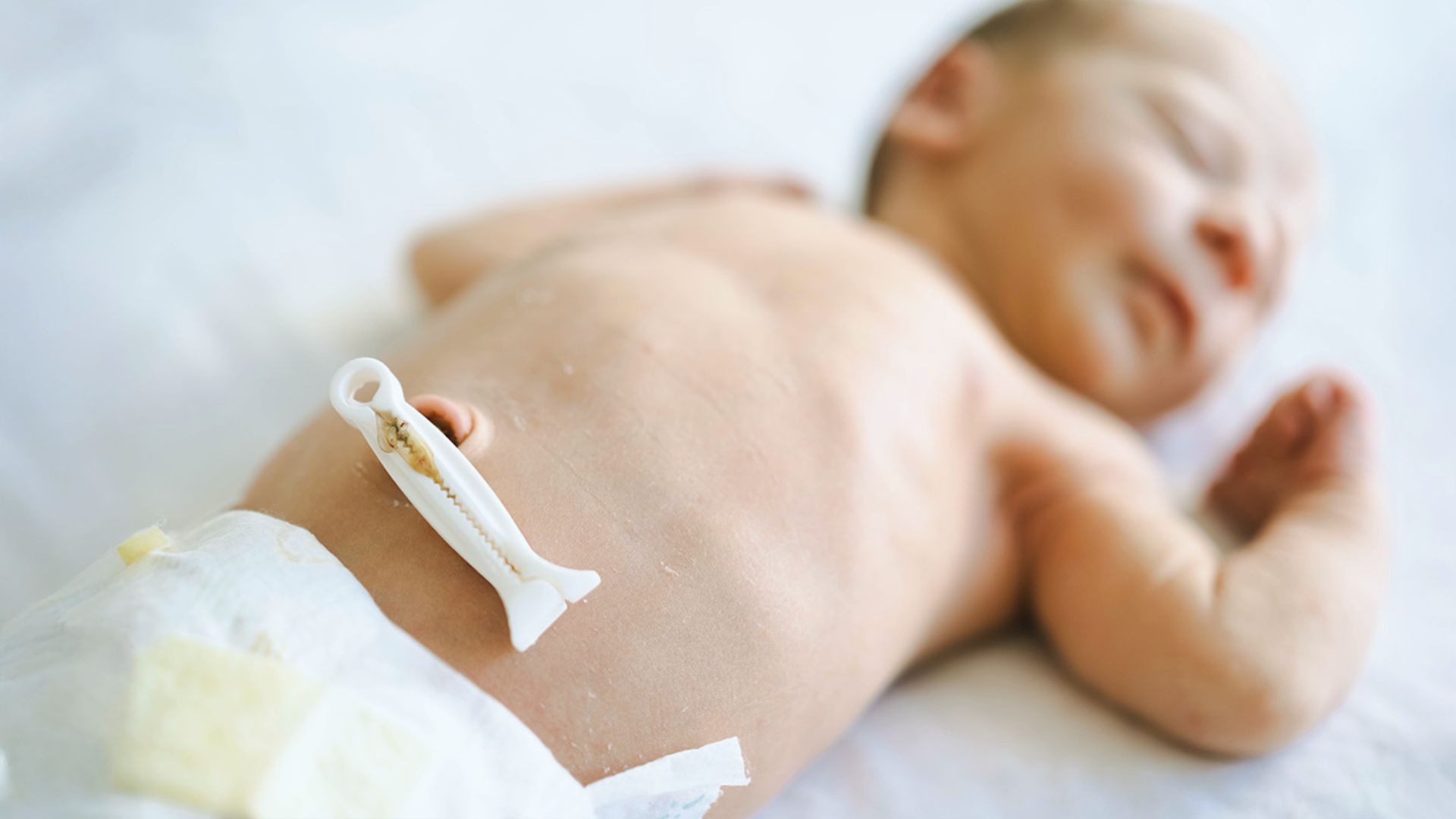
Healing follows a predictable pattern, although every baby heals at a slightly different pace.
Normal Stages of Healing
During the first few days, the stump usually looks yellowish, shiny, and slightly moist. Between days three and five, it begins drying out and changes to a brown or gray color. As healing continues, it becomes hard, shriveled, and almost black.
These color and texture changes are completely normal and show that the tissue is drying before it separates.
What the Stump Looks Like Before It Falls Off
Just before the stump falls off, it often hangs by a thin piece of tissue and may appear barely attached. Although it can look ready to come off, resist the urge to pull it.
Allowing it to separate naturally reduces the chance of bleeding and infection.
What to Expect After the Cord Falls Off
After the stump falls off, you may notice a small pink or red area where it was attached. A tiny drop of blood or a small amount of clear fluid is common for a day or two.
The area usually closes completely within a few days to two weeks, forming a healthy belly button.
Sometimes a small piece of pink tissue, called an umbilical granuloma, develops instead of drying completely. It may release a light yellow fluid and often improves on its own. If it persists, your pediatrician can treat it during a routine visit.
How to Care for the Umbilical Cord Stump
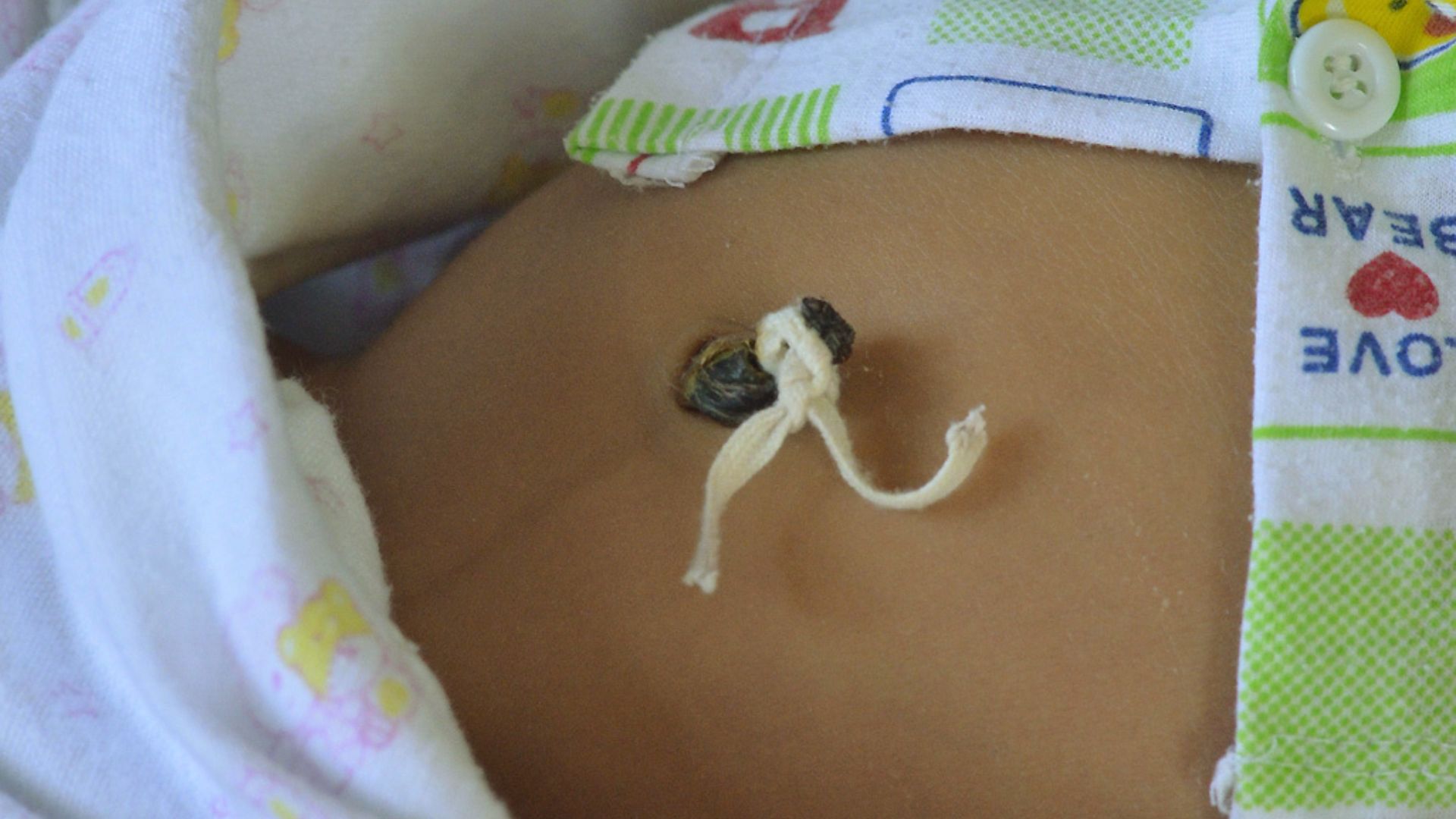
Proper cord care is simple. Keeping the area clean, dry, and exposed to air helps it heal naturally without special products.
Keep the Area Clean and Dry
Allow the stump to stay exposed to air whenever possible. If it becomes dirty, gently clean it with a piece of clean gauze or a damp cloth, then pat the area completely dry.
Avoid scrubbing the stump or applying soaps directly to it unless instructed by your pediatrician.
Healthcare providers no longer recommend routinely cleaning the stump with rubbing alcohol because it may delay the natural drying process.
Bathing, Diapers, and Clothing Tips
Until the stump falls off completely, give your baby sponge baths instead of tub baths. Fold the front of the diaper below the stump so urine does not soak the area and air can circulate freely.
Dress your baby in loose, breathable clothing that does not rub against the healing stump.
Things You Should Never Do
Avoid these common mistakes while the stump is healing:
- Never pull, twist, or loosen the stump, even if it looks ready to fall off.
- Do not cover the stump with tight clothing, bandages, or dressings.
- Avoid applying powders, lotions, oils, or home remedies unless your doctor recommends them.
- Do not try to speed up the healing process by removing loose pieces of tissue.
- Keep the area as dry as possible and allow it to separate naturally.
Normal Healing vs Signs of Infection
Most umbilical cord stumps heal without any problems. While the healing process can look messy, it should gradually improve each day.
Knowing the difference between normal healing and an infection helps you decide when to monitor the area and when to seek medical care.
Healthy Healing vs Infected Umbilical Cord Stump
| Healthy Healing | Possible Infection |
| Stump gradually dries and shrinks | Stump remains wet or swollen |
| Changes from yellow to brown or black | Thick yellow or green pus |
| Small amount of dried blood after falling off | Ongoing bleeding |
| No strong odor | Foul-smelling discharge |
| Surrounding skin stays normal | Redness spreading around the belly button |
| Baby feeds and behaves normally | Fever, excessive sleepiness, or unusual fussiness |
Symptoms That Need Immediate Medical Attention
Contact your pediatrician immediately if you notice:
- Redness spreads beyond the belly button.
- Yellow or green pus coming from the stump.
- A strong, unpleasant odor.
- Bleeding that does not stop after gentle pressure.
- A fever of 100.4°F (38°C) or higher.
- Your baby becomes unusually sleepy, difficult to wake, or refuses to feed.
Newborns have developing immune systems, so infections around the umbilical cord can spread quickly. Early medical care helps prevent serious complications.
Is It Normal If the Umbilical Cord Falls Off Early or Late?
Yes. Every baby heals at their own pace, so the exact timing can vary.
A stump that falls off before seven days is usually not a concern if the skin underneath looks clean, dry, and healthy. Likewise, some babies take longer than three weeks, especially those born prematurely or those who received antibiotics shortly after birth.
If the stump is still attached after four weeks, or if healing seems to have stopped, schedule an appointment with your pediatrician. They can determine whether another condition is delaying the healing process.
What If the Umbilical Cord Bleeds or Oozes?

A small amount of bleeding or drainage is common after the stump separates. Understanding what is normal helps prevent unnecessary worry.
Small Amounts of Bleeding That Are Normal
A few drops of blood on the diaper or around the belly button after the stump falls off are completely normal.
This minor bleeding usually stops within a day or two as the remaining tissue finishes healing.
Yellow Discharge vs. Pus
A small amount of clear or pale yellow fluid can appear while the belly button heals. This fluid is usually thin and odorless.
Pus, however, is thicker, cloudy, yellow or green, and often has a foul smell. It is commonly accompanied by redness, swelling, warmth, or tenderness around the belly button and should be evaluated by a doctor.
When Bleeding or Drainage Requires Medical Care
Call your pediatrician if you notice:
- Bleeding that continues after applying gentle pressure.
- Fresh blood appeared repeatedly.
- Thick, foul-smelling discharge.
- Increasing redness or swelling around the belly button.
- Drainage that continues for several days without improvement.
Common Mistakes Parents Should Avoid
Avoiding these common mistakes can help the umbilical cord heal naturally and reduce the risk of infection.
- Pulling the stump before it falls off naturally. Even if it looks loose, pulling it can cause bleeding and increase the risk of infection.
- Using rubbing alcohol without medical advice. Current recommendations favor dry cord care because alcohol may slow the natural healing process.
- Covering the stump with the diaper. Fold the diaper below the stump to keep the area dry and allow air circulation.
- Giving tub baths before healing is complete. Sponge baths help keep excess moisture away from the healing stump.
- Ignoring signs of infection. Redness, swelling, pus, a foul odor, or fever should always be evaluated promptly by your pediatrician.
When Should You Call a Pediatrician?
Most umbilical cord stumps heal without any medical treatment. However, some symptoms should never be ignored because they may indicate an infection or delayed healing.
Warning Signs That Need Medical Attention
Contact your pediatrician promptly if you notice any of the following:
- Redness spreads beyond the belly button.
- Swelling or warmth around the stump.
- Thick yellow or green pus.
- A foul-smelling discharge.
- Bleeding that does not stop after applying gentle pressure.
- A fever of 100.4°F (38°C) or higher.
- Your baby is unusually sleepy, difficult to wake, refuses feeds, or seems very fussy.
Early treatment can prevent a minor problem from becoming a more serious infection.
Should You Monitor at Home or Call a Doctor?
Use this simple guide to decide your next step.
| Monitor at Home | Call Your Pediatrician |
| Stump is dry and shrinking | Redness spreads around the belly button |
| Small amount of dried blood | Bleeding continues or increases |
| Clear or light yellow fluid for a short time | Thick yellow or green pus |
| No odor | Foul-smelling discharge |
| Baby is feeding and behaving normally | Fever or unusual sleepiness |
If you are ever unsure whether the stump is healing normally, contacting your pediatrician is the safest choice.
Expert Tips for Faster and Safer Healing
While the healing process cannot be rushed, these simple practices help the stump dry naturally and reduce the chance of irritation or infection.
- Fold the diaper below the belly button to keep urine away from the stump and improve airflow.
- Dress your baby in loose, breathable clothing that does not rub against the healing area.
- Continue sponge baths until the stump falls off and the belly button has healed completely.
- Avoid touching the stump unless necessary for cleaning, as frequent handling can introduce bacteria.
- Let the stump separate on its own without pulling, twisting, or picking at it.
Conclusion
Knowing when the umbilical cord falls off and what normal healing looks like can make caring for your newborn much less stressful.
Most umbilical cord stumps dry up and fall off naturally within one to three weeks when kept clean, dry, and exposed to air. Keep an eye on the healing process, avoid pulling the stump, and watch for warning signs such as spreading redness, pus, persistent bleeding, or fever.
If the stump has not fallen off after four weeks or you notice anything that concerns you, contact your pediatrician for guidance.
Frequently Asked Questions
Can I use a specific soap on the umbilical cord area?
No special soap is necessary. Plain water is enough during sponge baths. If soap accidentally gets on the area, rinse it off gently and pat the skin dry.
Is it safe to let my baby sleep on their stomach before the cord falls off?
No. Babies should always sleep on their backs, regardless of whether the umbilical stump is still attached. Back sleeping helps reduce the risk of sudden infant death syndrome (SIDS).
Can the umbilical area become itchy while it heals?
Mild itching may occur as the skin heals. Avoid rubbing or scratching the area. Loose clothing and keeping the stump dry usually help prevent irritation.
Can I use baby powder to keep the stump dry?
No. Baby powder is not recommended because it can trap moisture and irritate the healing skin. Keeping the stump clean, dry, and exposed to air is the safest approach.
Does the umbilical cord stump need to be covered when going outside?
No. The stump does not require additional covering outdoors. Loose, comfortable clothing is enough, provided it does not press tightly against the belly button.