

Your baby just started solids, and now the peanut butter jar in your pantry suddenly feels like a loaded question.
Here’s the short answer: You can introduce peanut butter to babies safely around 6 months, once they’re already eating other solids.
Babies with severe eczema or an egg allergy may need to start earlier, between 4 and 6 months.
Talk to your pediatrician first, since they may suggest testing or a first feeding in the office.
Research shows that early, regular exposure can lower the risk of a peanut allergy, which is why guidelines no longer advise waiting.
The catch is that peanut butter is sticky and thick, so how you serve it matters as much as when.
Here’s how to introduce peanut butter to babies, including how to prepare it and what to watch for.
When Can Babies Have Peanut Butter?
The best age to start depends on your baby’s allergy risk. Babies with severe eczema or an egg allergy face the highest risk.
The National Institute of Allergy and Infectious Diseases (NIAID) suggests introducing peanuts at 4 to 6 months for these babies.
Talk to your pediatrician or allergist first, since they may recommend testing or a first feeding in the office.
Babies with mild or moderate eczema can begin around 6 months. Babies without eczema or food allergies can start whenever it suits your family, once other solids are going well.
A baby is ready when they sit upright with little support, hold their head steady, reach for your food, start grabbing things to explore, and no longer push food out with their tongue.
Peanut shouldn't be the first food, so start with simple options like oatmeal or pureed vegetables.
How to Introduce Peanut Butter to Babies Step by Step
Follow these four steps in order, and only begin once your baby has tried a few other solid foods without any trouble.
Step 1: Pick the Right Peanut Butter
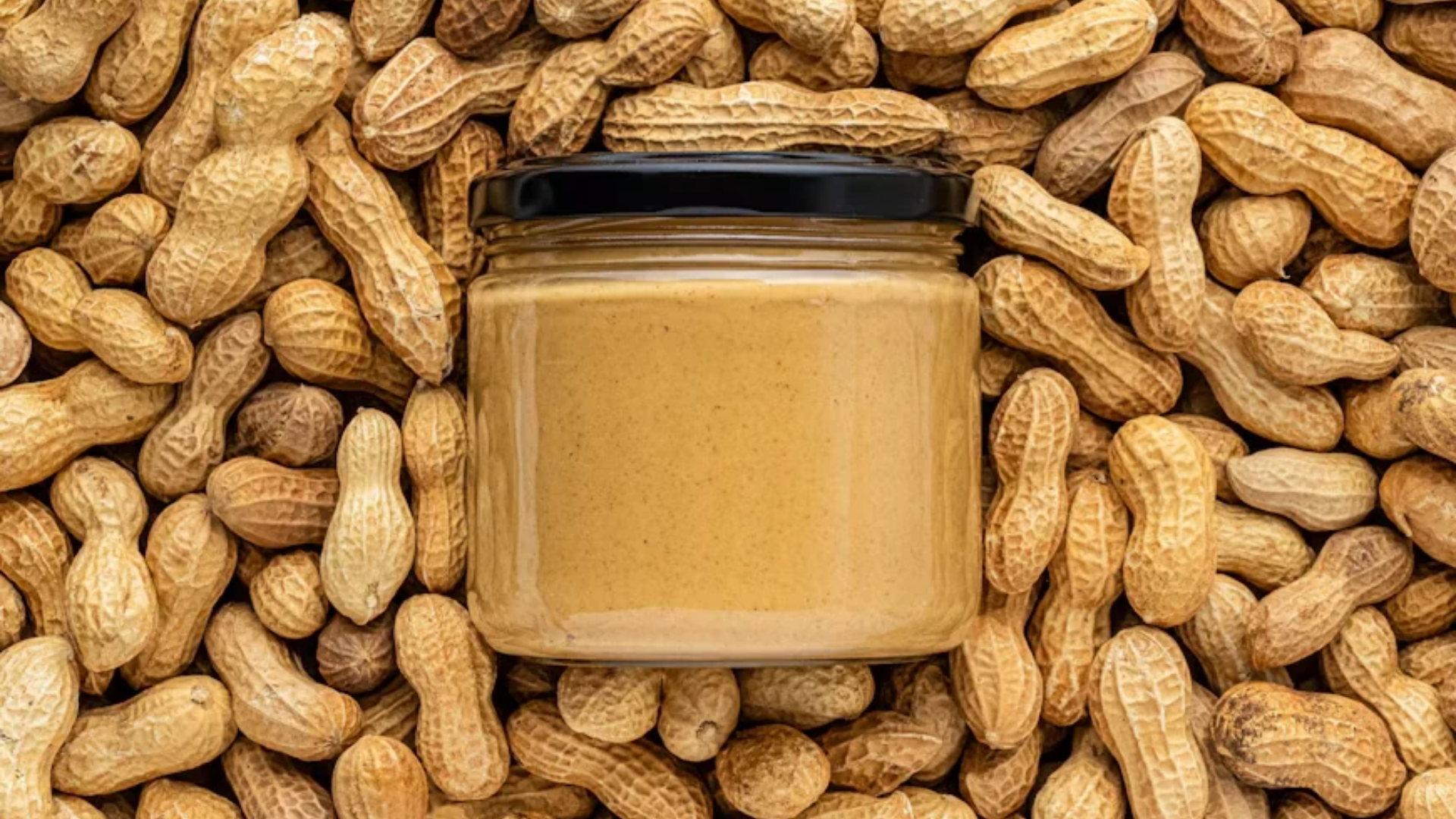
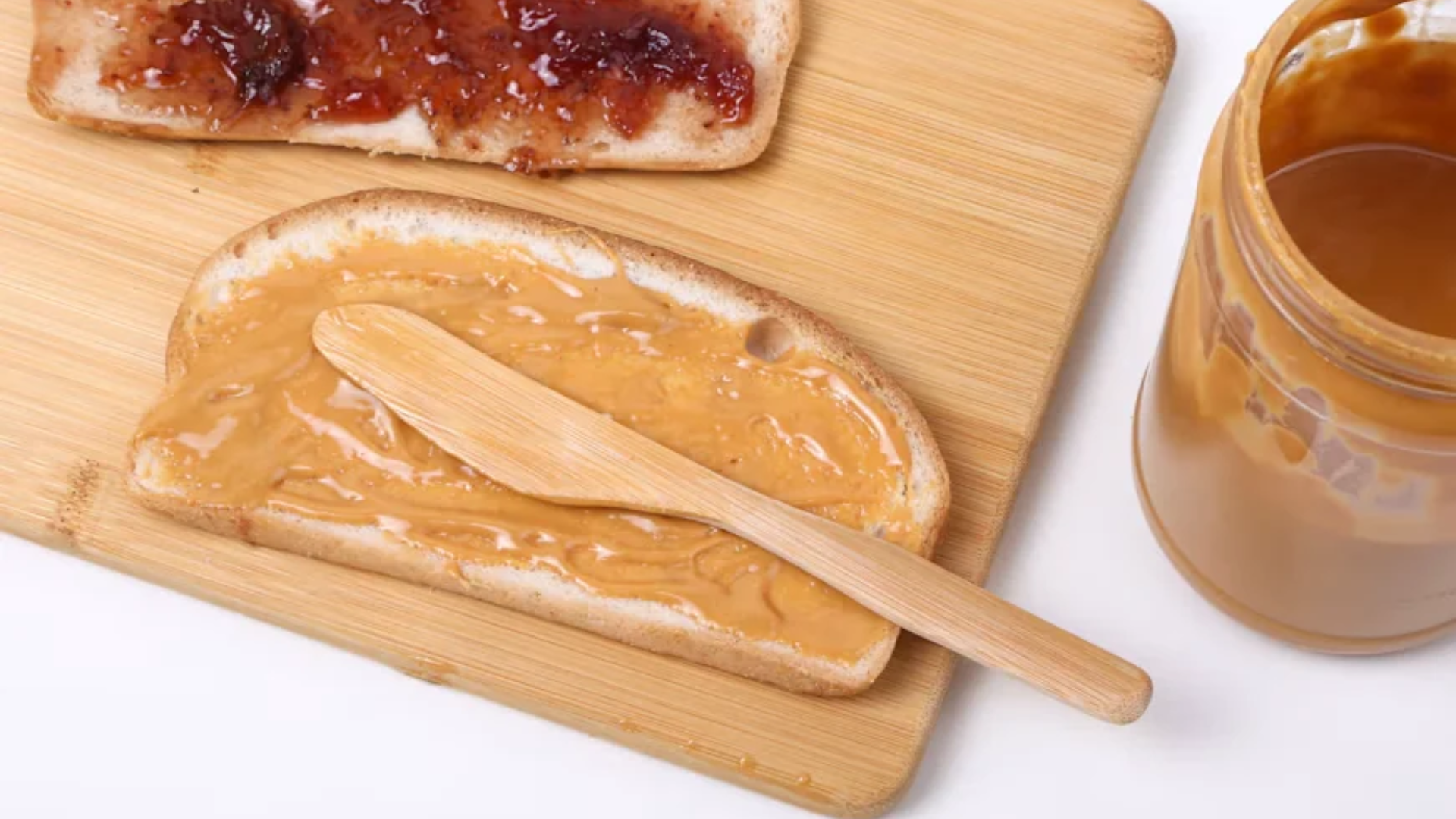
I suggest a smooth peanut butter with peanuts as the only ingredient, or with a little salt at most, because added sugar and extra oils do nothing for your baby.
Many reduced-fat versions swap fat for sugar, so skip those as well. Chunky and crunchy versions are choking hazards, so leave them on the shelf for now.
Check the label for honey too, since babies can’t have honey before their first birthday, and some flavored spreads include it.
Step 2: Thin It or Mix It In
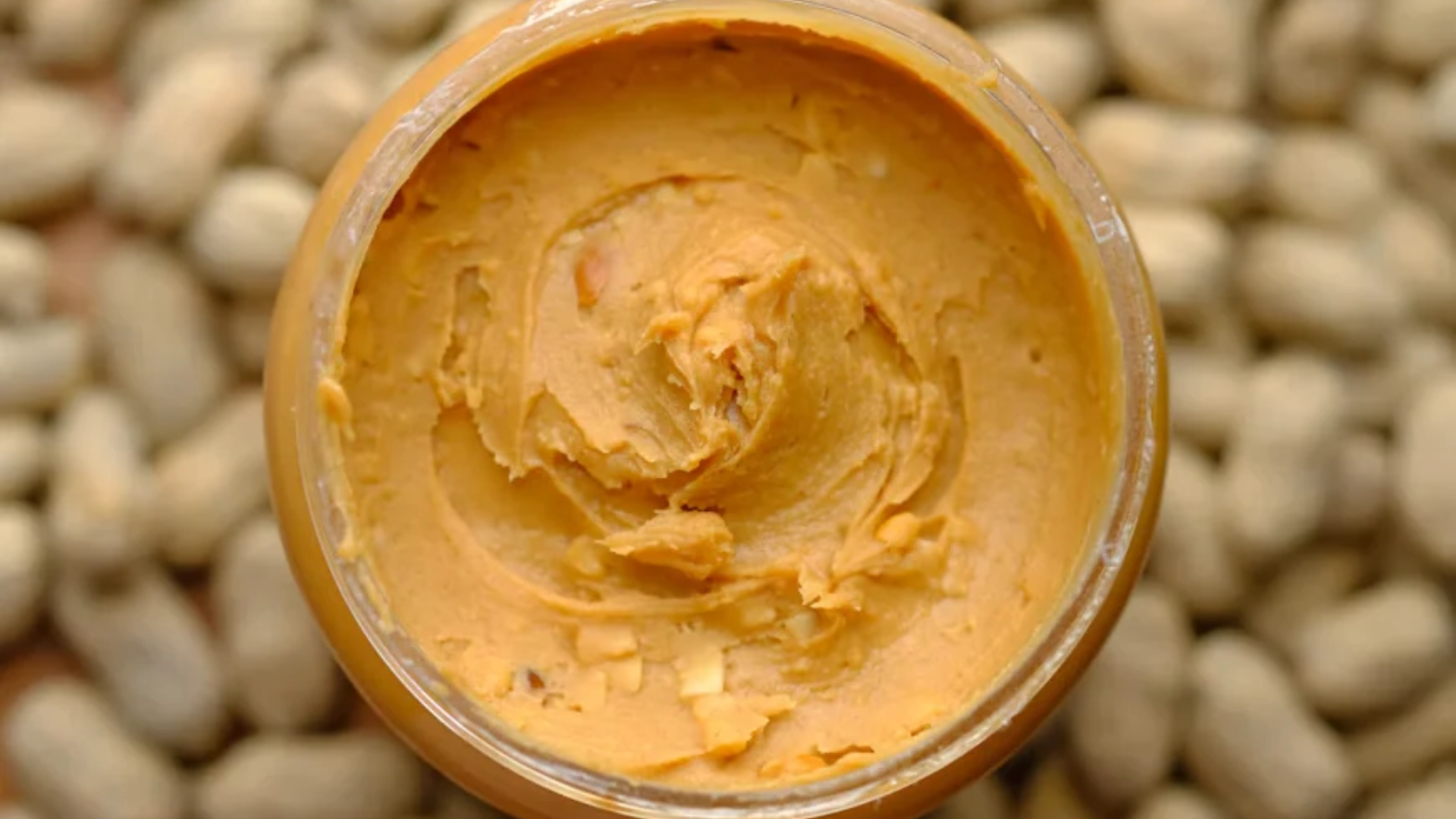
Straight from the jar, peanut butter is thick and sticky, which makes it hard for a baby to swallow.
Thin it with water, breast milk, or formula, or stir it into a food your baby already eats, such as baby rice cereal. You’ll find the exact measurements in the preparation section below.
That is why the NIAID guidelines have you loosen about 2 teaspoons per serving until it is thin and smooth.
You can thin it into a smooth liquid or stir it into something your baby already eats, such as baby rice cereal, so the taste feels familiar, and the texture stays soft and easy.
Step 3: Offer a Small Taste in the Daytime
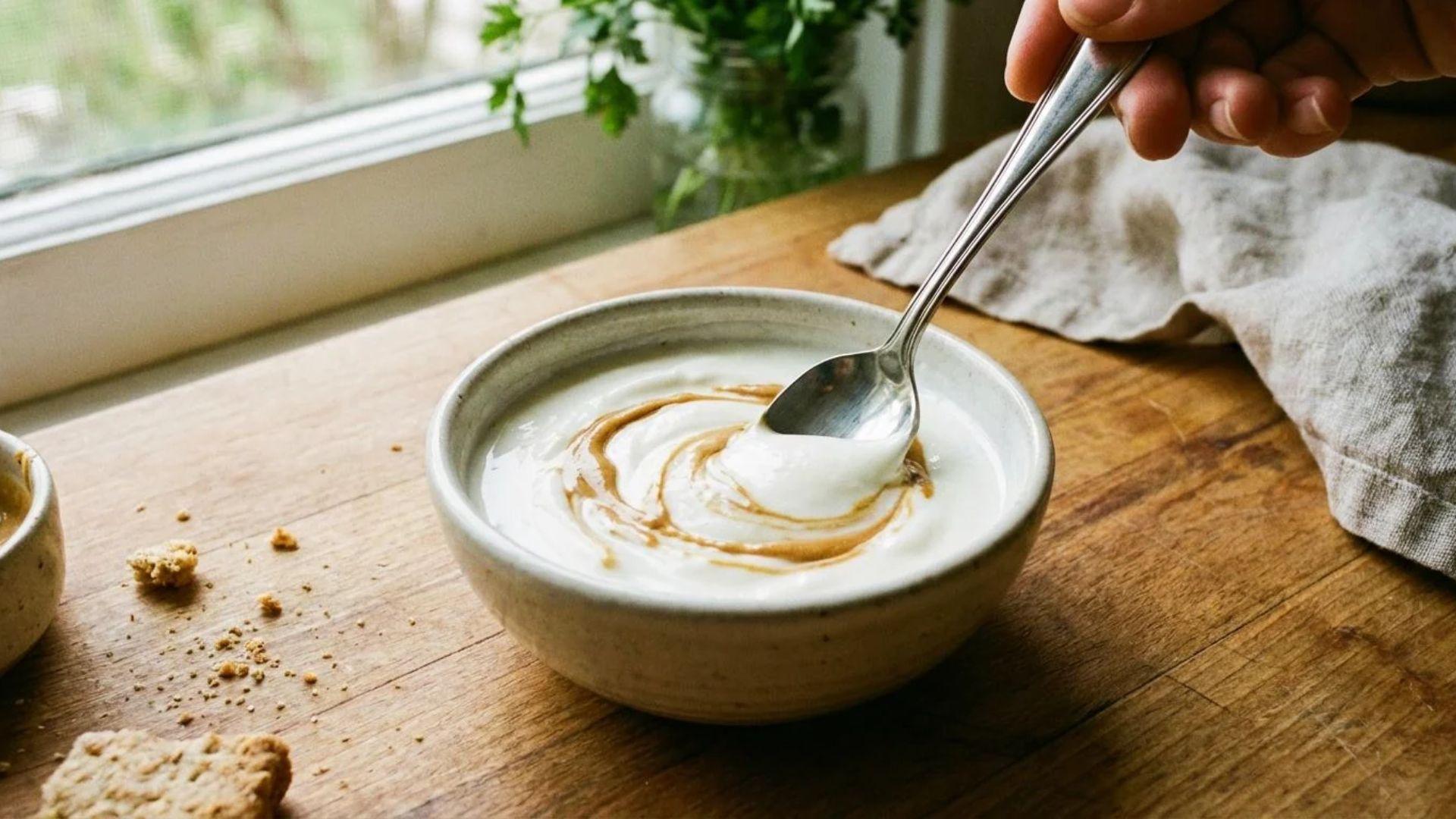
Offer the first taste at breakfast or lunch, not before a nap or bedtime, so you can watch your baby while they are awake.
Offer a small amount on the tip of a spoon and wait 10 minutes. If there’s no reaction, serve the rest of the portion
Reactions usually show up within minutes, though some take up to two hours.
Keep in mind that your baby’s red cheeks can have everyday causes like teething, but hives, swelling, or repeated vomiting need attention right away.
Step 4: Keep Offering It Every Week
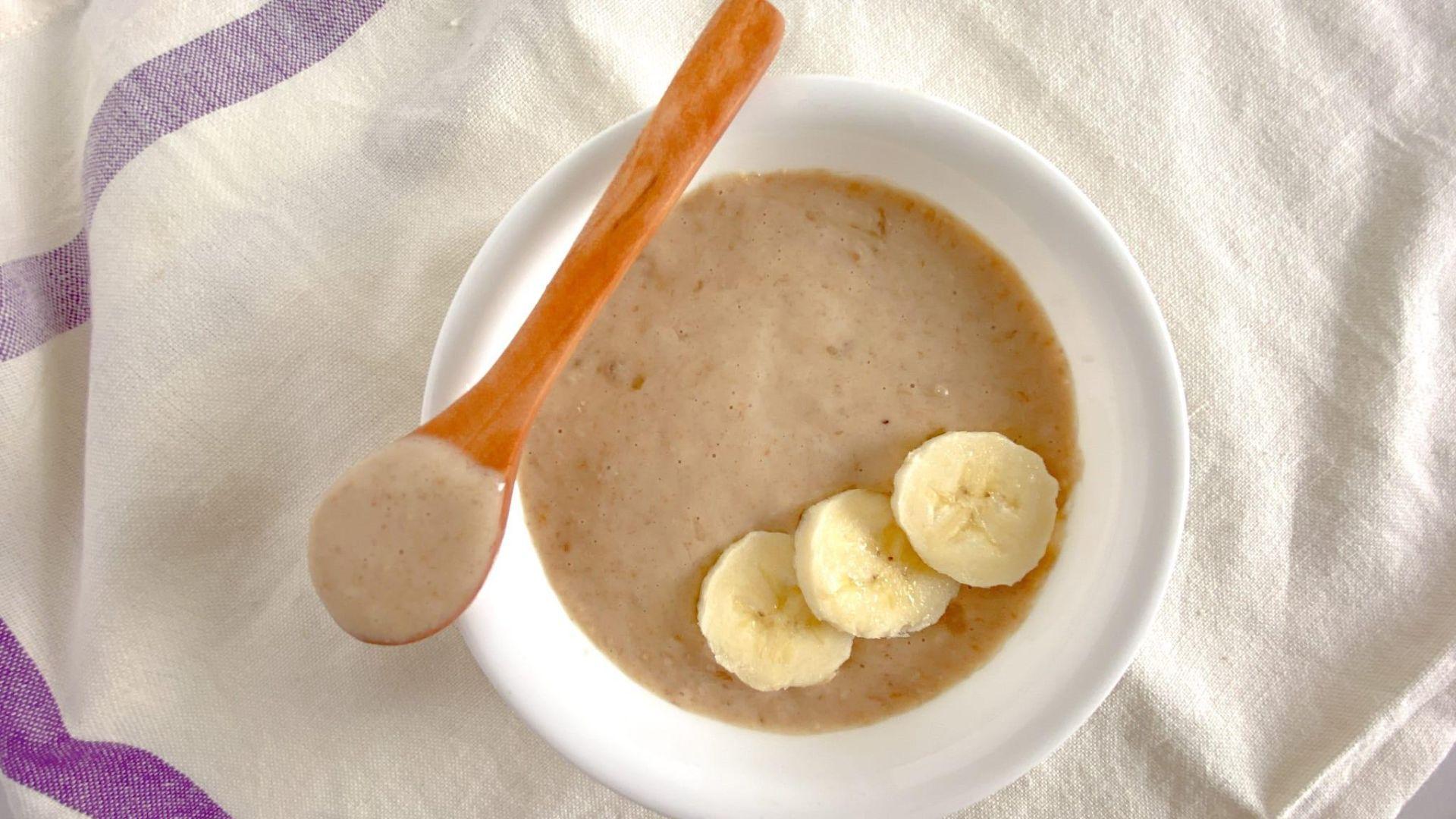
Once the first taste goes well,aim for 2 teaspoons of peanut butter (measured before thinning), three times a week.
That adds up to the 6 to 7 grams of peanut protein per week that the NIAID guidelines recommend.
Steady, regular servings are the goal, so try to keep it in your routine instead of offering it once and stopping.
Between peanut servings, offer other soft, protein-rich foods your baby already tolerates, such as mashed beans or lentil puree, to keep meals varied.
Safety Tips to Follow
A few simple habits make the first peanut feedings much safer, from the texture you serve to the way your baby sits at the table.
- Never serve peanut butter straight from the spoon or in thick lumps, because it can stick in a baby's mouth and throat.
- Skip whole peanuts and nut pieces until your child is at least 4 years old (some pediatricians suggest waiting until 5), since they are a serious choking risk
- Seat your baby upright in a high chair and stay within arm's reach for the whole feeding.
- Introduce one new food at a time and wait a few days before adding another (the CDC suggests 3 to 5), so you can tell what caused any reaction.
- Talk with your pediatrician before the first taste if your baby has severe eczema, an egg allergy, or any past reaction to food.
When you follow these habits every time, each peanut feeding stays calm, safe, and easy to monitor.
Signs of an Allergic Reaction
Reactions usually begin within minutes of eating and can look different from one baby to the next, so watch for these five signs.
- Hives or red welts on the skin, often around the mouth or on the face
- Swelling of the lips, face, or tongue
- Repeated vomiting or sudden diarrhea
- Coughing, wheezing, or trouble breathing
- Unusual paleness, floppiness, or sudden sleepiness
Trouble breathing, swelling of the face or tongue, or a limp, pale baby can be signs of anaphylaxis, a severe allergic reaction that needs emergency care.
Call 911 right away. For milder signs, stop feeding peanuts and call your pediatrician before offering it again.
How to Prepare Smooth Peanut Butter for Your Baby
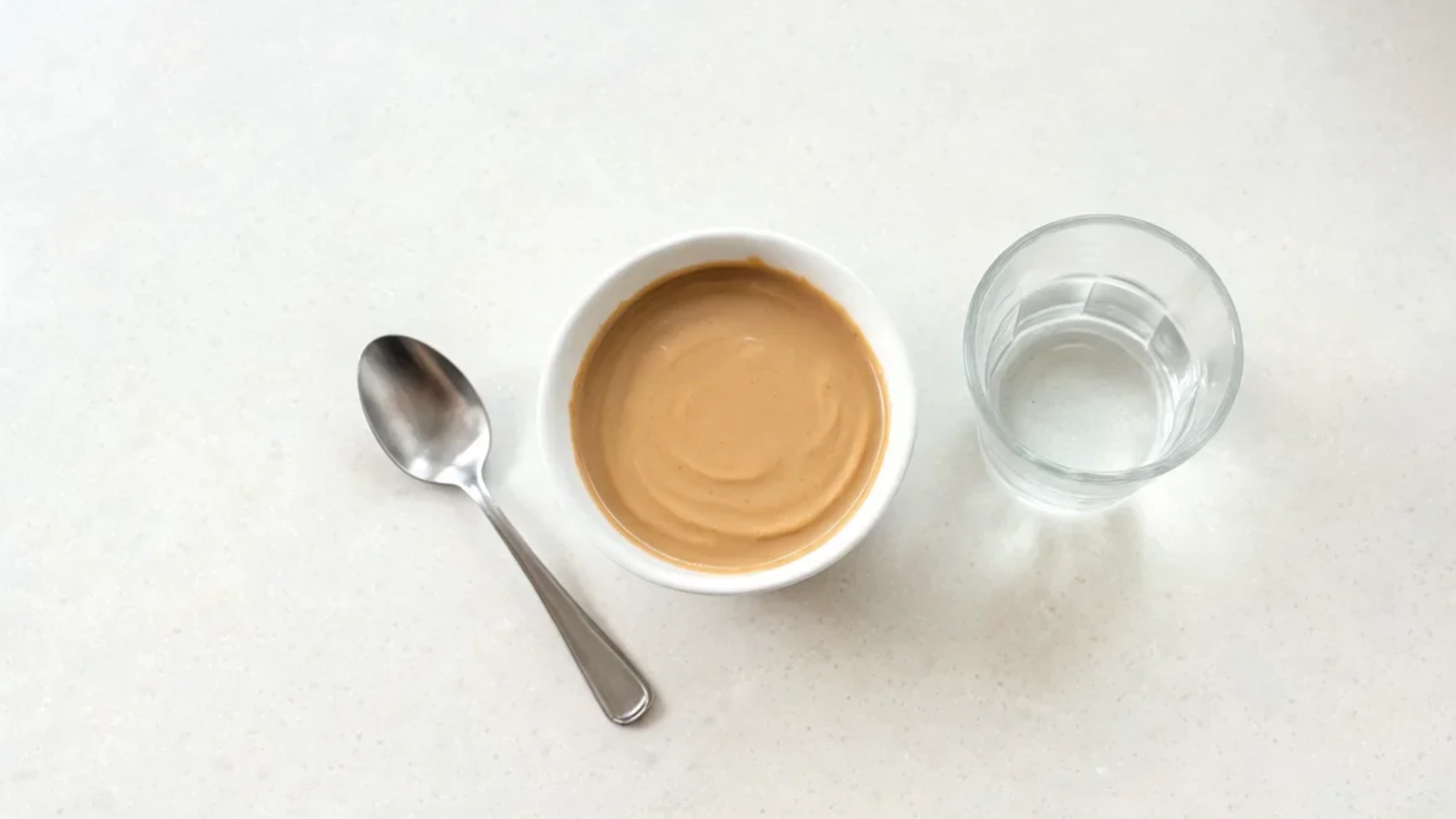
To prepare peanut butter for a baby, mix 2 level teaspoons of smooth, honey-free peanut butter with 2 to 3 teaspoons of hot water, breast milk, or formula.
Stir until thin and smooth, then let it cool. You can also stir the same amount into 2 to 3 tablespoons of puree, cereal, or yogurt.
Choose Smooth, Honey-Free Peanut Butter
Open the jar and give it a thorough stir, especially with natural peanut butter, where the oil rises to the top and can leave the bottom dry and stiff.
The result should look silky, with no gritty bits or chunks, because anything lumpy is harder for a baby to swallow.
Honey-roasted and honey-flavored spreads are out, so check the whole label. Powdered peanut butter is another smooth option when mixed with water or puree.
Thin It With Water, Breast Milk, or Formula
Measure 2 level teaspoons of peanut butter into a small bowl and add 2 to 3 teaspoons of hot water, then stir until it dissolves into a thin, smooth liquid with no lumps.
Warm breast milk or formula works in place of the water if you prefer a familiar taste.
Let the mixture cool completely, test a drop on your wrist to confirm it is lukewarm, and feed it from a small spoon.
Mix It Into Puree, Cereal, or Yogurt
For a thicker option, stir 2 level teaspoons of peanut butter into 2 to 3 tablespoons of a puree your baby already tolerates, such as apple, banana, or sweet potato.
Infant cereal and plain whole-milk yogurt work the same way, as long as your baby has had dairy before.
Mix thoroughly so no sticky clumps remain, then adjust the consistency with a little more puree until it feels smooth and easy to swallow.
Conclusion
So, when can babies have peanut butter? For most babies, the answer is around 6 months, once other solids are going well.
Babies with severe eczema or an egg allergy may need to start between 4 and 6 months, after a pediatrician or allergist has checked them.
Thin the peanut butter or stir it into a food your baby already eats, offer a small taste in the daytime, and keep serving it about three times a week.
Watch for the signs of a reaction, and call 911 for any severe symptoms. As a next step, ask your pediatrician at your next visit whether your baby is ready to start.
Frequently Asked Questions
Can babies have peanut butter on toast?
Yes, once your baby handles finger foods, usually around 6 months. Spread a thin layer of thinned-out peanut butter on toast. Never use thick layers or lumps.
Can I give my baby peanut puffs instead of peanut butter?
Yes, peanut puffs like Bamba are a good option. For babies under 7 months, soften about 21 puffs in 4 to 6 teaspoons of water first. Babies who already handle dissolvable foods can eat them as they are
The landmark LEAP study mostly used Bamba, a snack made from peanut butter and puffed corn.
Can babies have peanut powder or peanut flour?
Yes. You may give powdered peanut or peanut flour to babies. Mix it into purée, oatmeal, or yogurt so it’s smooth.