Starting solids is one of those parenting milestones that brings excitement and a hundred questions at once.
When can you start feeding a baby rice cereal? Is your baby even ready? How much is too much?
These are the questions every parent asks, and they deserve straight answers.
Below you'll find clear answers on the right age, readiness signs, safety concerns, portion sizes, and mistakes to avoid.
Whether your pediatrician just gave you the green light or you're simply doing your research early, you'll find clear, practical answers here that make the process feel a lot less overwhelming.
What Age Can Babies Start Eating Rice Cereal?
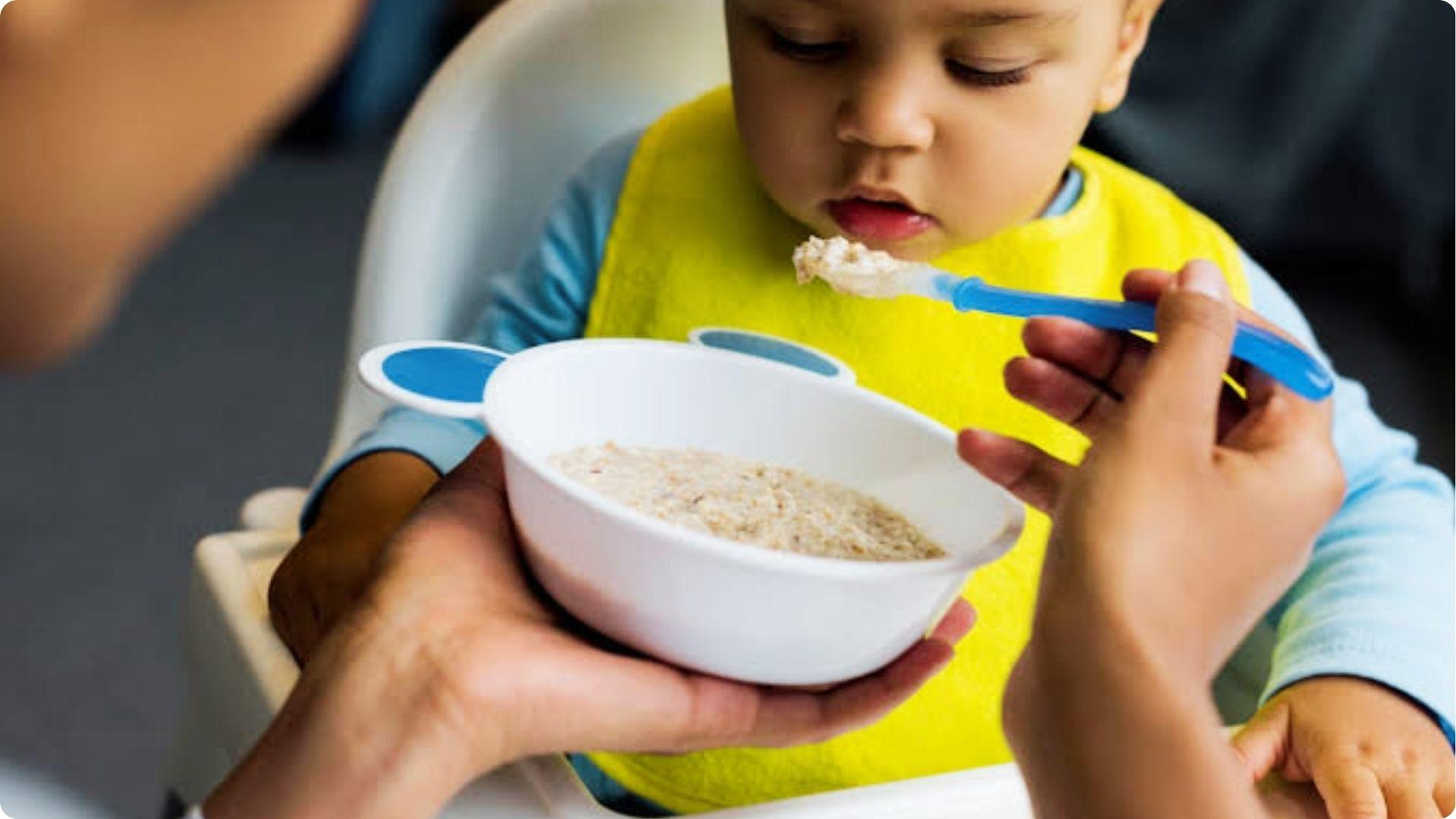
Most babies are ready for rice cereal around 6 months of age, not before.
The American Academy of Pediatrics (AAP) and the Centers for Disease Control and Prevention (CDC) both recommend waiting until 6 months before introducing any solid food, including rice cereal.
Before that age, a baby's digestive system is still developing. Their kidneys, gut, and swallowing reflex are not ready to handle solids safely.
Some parents hear that 4 months is acceptable, and while a few older guidelines did suggest this, current recommendations lean strongly toward 6 months.
Starting too early can increase the risk of choking, aspiration, digestive discomfort, future food allergies, and even long-term issues like obesity.
Always talk to your baby's pediatrician before starting solids. They know your baby's growth and development best.
What Are the Signs a Baby Is Ready for Rice Cereal?
Your baby's body will show you when it's time, and these signs are worth watching closely.
Baby Can Sit Upright and Hold Their Head Steady
A baby needs to hold their head up without support and sit with minimal help before eating solids.
This posture keeps the airway safe and reduces the risk of choking and aspiration. If your baby's head still wobbles or they slump forward, it is too soon.
Baby Can Swallow Food Instead of Pushing It Out
Young babies have a tongue-thrust reflex that pushes foreign objects out of their mouth. This reflex is protective, but it also means they are not ready for solids.
When a baby stops pushing food out with their tongue and starts swallowing it instead, that is a strong readiness sign.
Baby Shows Interest in Food
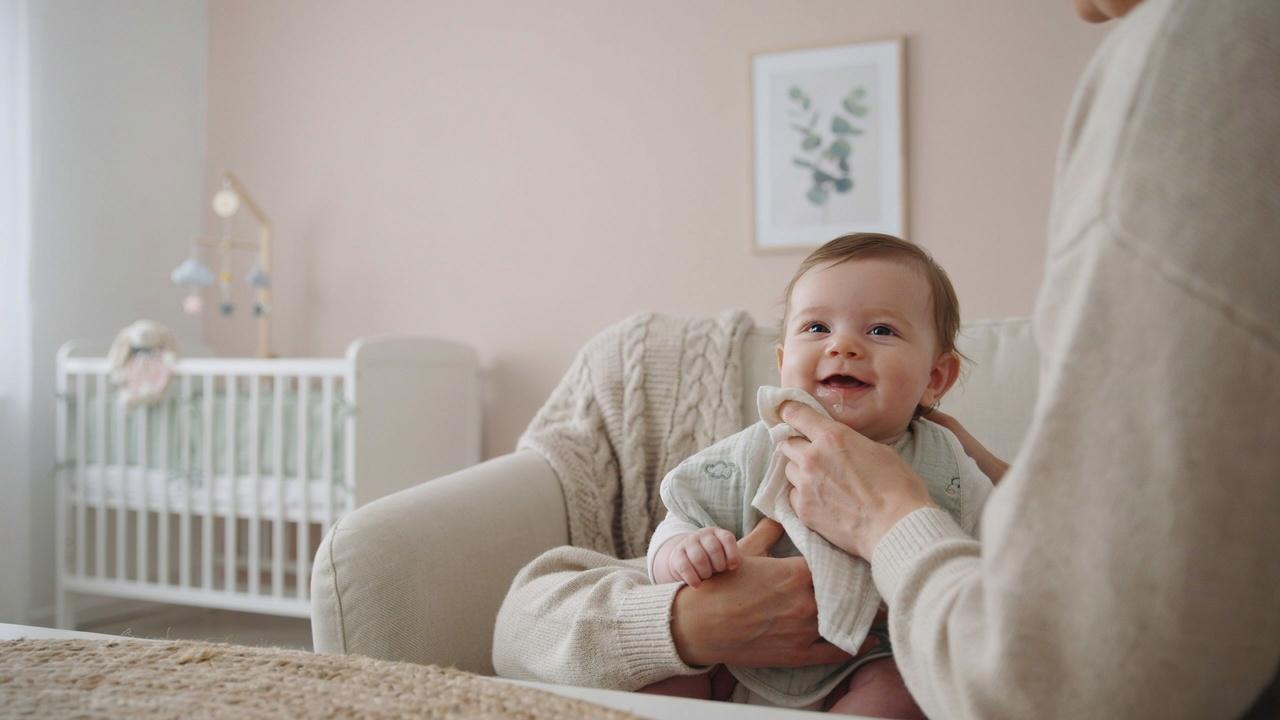
A ready baby will watch you eat, lean forward toward food, and open their mouth when a spoon comes near.
If your baby seems completely uninterested in what you are eating, they may need a little more time.
Baby Can Bring Food to Their Mouth
Hand-to-mouth coordination is part of solid food readiness.
If your baby is grabbing objects and bringing them toward their mouth, this shows developing motor control that will help them with self-feeding over time.
Is Rice Cereal Safe for Babies?
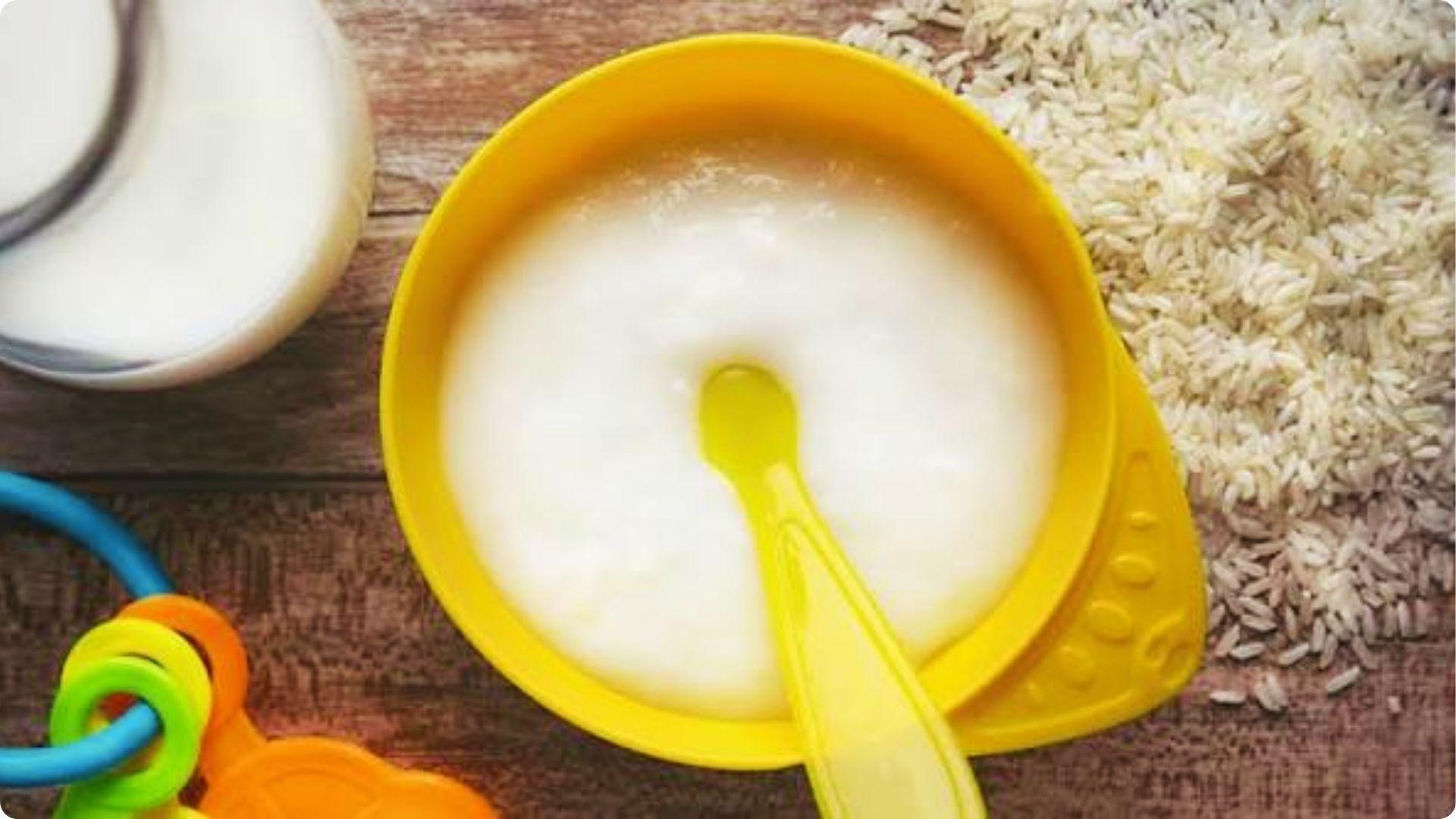
Rice cereal is widely used and generally safe in moderation, but arsenic exposure is something every parent should know about.
Rice naturally absorbs more arsenic from soil and water than other grains do, and inorganic arsenic has been found in rice-based products at levels that concern health experts.
The FDA and AAP both recommend limiting how often young children eat it, noting that repeated exposure during infancy has been linked to cognitive and neurobehavioral risks as a baby's nervous system is still developing.
To lower the risk, rotate rice cereal with oatmeal, barley, or multigrain infant cereals, and avoid making it the only grain your baby eats.
Choosing brands that test and publish their arsenic levels also helps.Rotating grains also builds a broader nutritional base from early on.
How Do You Introduce Rice Cereal to a Baby?
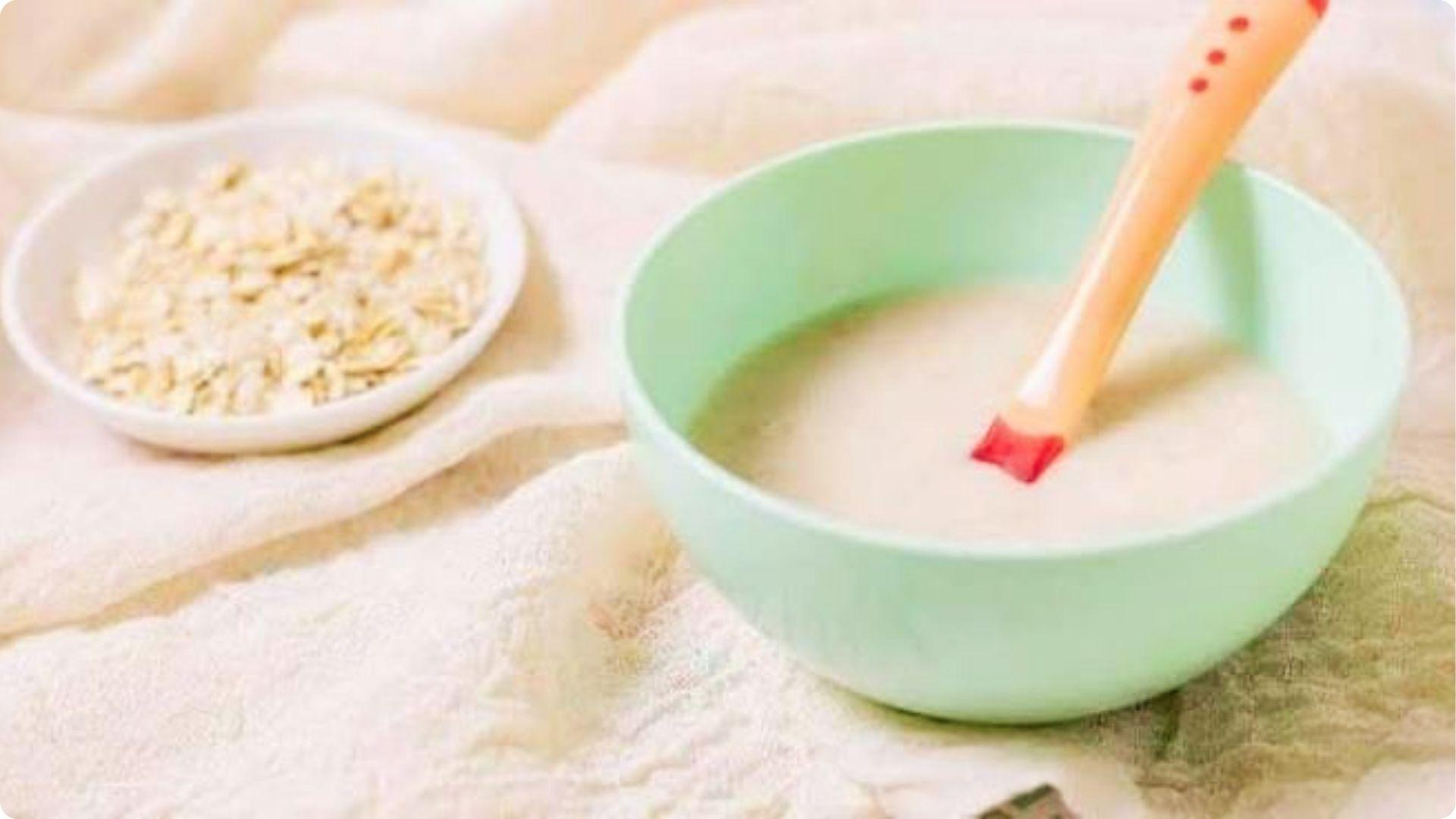
Start small, stay calm, and let your baby lead the pace. Begin with one to two teaspoons of rice cereal mixed with breast milk or formula, keeping the consistency thin and runny at first.
Breast milk or formula keeps the flavor familiar and makes the shift from liquid feeding to solids feel less jarring for your baby.
Always use a small, soft-tipped infant spoon. Spoon feeding is more than just a delivery method. It builds your baby's hand-eye coordination, grip, and oral motor skills, which are connected to speech development later on.
Never add cereal to a bottle unless your doctor has advised it, as this bypasses those important developmental skills and can cause overfeeding.
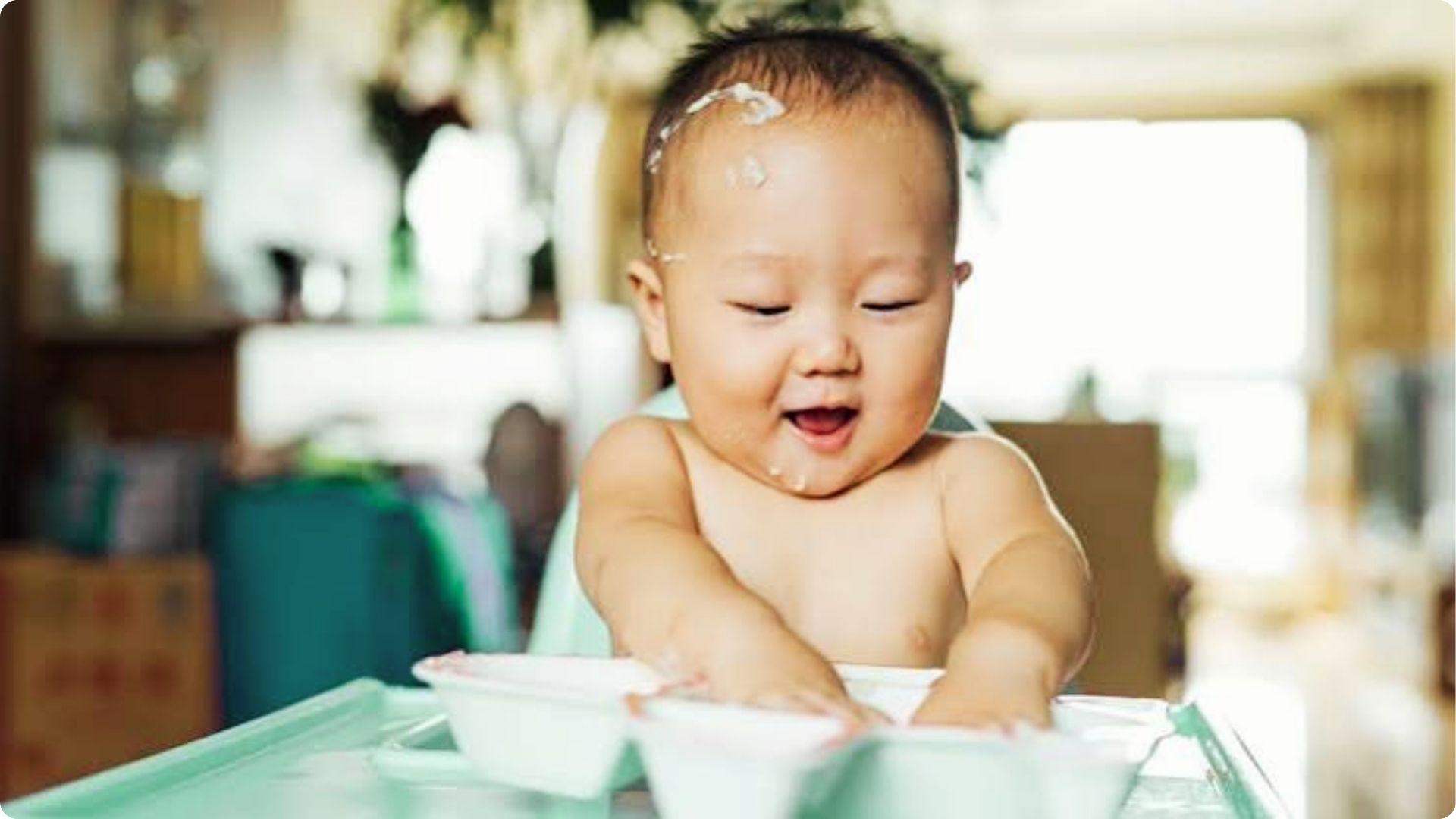
Wait three to five days before introducing any new food so you can spot reactions like rashes, vomiting, or unusual fussiness. Mess and funny faces are normal. They show your baby is learning.
How Much Rice Cereal Should a Baby Eat?
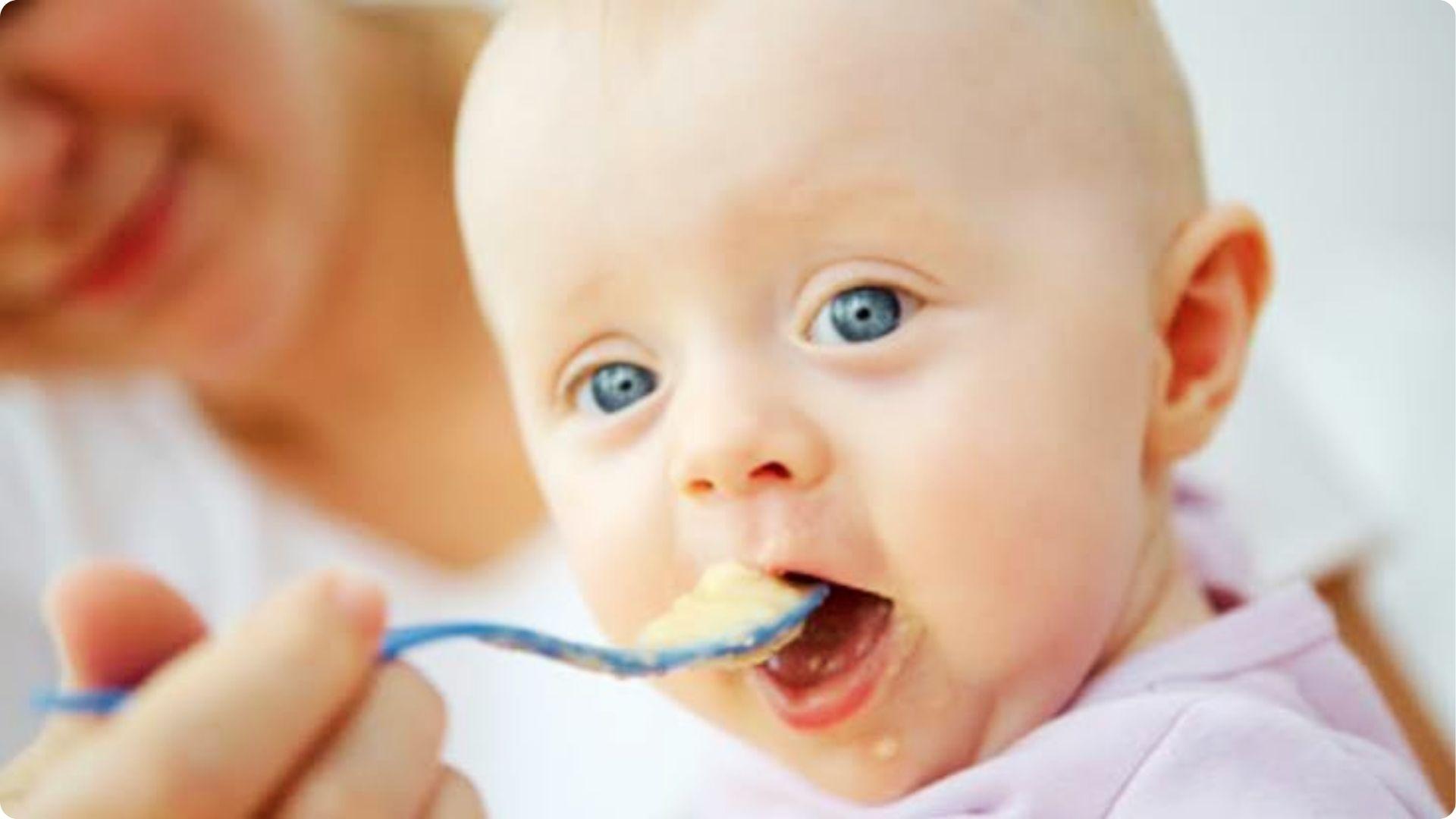
Portion sizes for babies are much smaller than most parents expect.At the start, one to two teaspoons is plenty.
Over several weeks, you can gradually increase to two to three tablespoons per serving as your baby gets more comfortable with eating from a spoon.
By the time your baby is around 8 to 9 months old, they may eat a few tablespoons while sitting alongside other foods.
How Often Can a Baby Eat Rice Cereal?
Starting slow gives your baby's system time to adjust without being overwhelmed.
In the first few weeks of introducing solids, once a day is enough. Offer rice cereal at a time when your baby is alert, not too hungry, and not too full. A good window is about an hour after a milk feeding.
As your baby gets more practice and shows more interest, you can move to twice a day. However, given the arsenic concerns with rice, it is a good idea to alternate rice cereal with other grains rather than serving it at every meal.
Rice Cereal vs Oatmeal Cereal: Which Is Better for Babies?
Many pediatricians and nutrition experts now recommend oatmeal cereal over rice cereal as a first grain. Here is a closer look at how they compare.
| Category | Rice Cereal | Oatmeal Cereal |
| Iron Content | Iron-fortified | Iron-fortified |
| Fiber | Low | Higher, supports digestion |
| Arsenic Risk | Higher, rice absorbs more arsenic from soil | Much lower, oats absorb minimal arsenic |
| Best For | Variety rotation | Primary first grain choice |
| Added Sugar | Check label | Check label |
| Recommended Use | Alternate with other grains | Safe to use more regularly |
| Label to Look For | Single-grain, no artificial ingredients | Single-grain, no artificial ingredients |
Both options can work well when chosen carefully. Look for iron-fortified, single-grain cereals with no added sugar or artificial ingredients. Choosing brands that test for heavy metals gives you added confidence.
What Can Babies Eat Instead of Rice Cereal?
Rice cereal is just one option, and there are plenty of nutritious alternatives. If you want to skip rice cereal altogether or rotate it with other foods, here are some solid choices.
Oatmeal and Other Fortified Infant Cereals
Oatmeal infant cereal is the most popular alternative. Barley, quinoa, and multigrain infant cereals are also widely available.
These are all iron-fortified and lower in arsenic than rice-based options. They can be prepared the same way as rice cereal using breast milk or formula.
Offering a variety of grains from the start also helps build a diverse gut microbiome, which sets the foundation for long-term health.
Iron-Rich Foods
Iron needs rise significantly around 6 months, especially for breastfed babies whose iron stores from birth begin to run low.
Pureed meats like chicken, turkey, and beef are excellent sources of iron. Pureed lentils and beans also provide iron in a plant-based form.
These foods can be introduced alongside or instead of fortified cereals to meet your baby's increasing iron needs.
Fruits and Vegetables
Pureed fruits and vegetables are another great starting point.
Options like pureed sweet potato, peas, butternut squash, apple, pear, and banana are easy to prepare and widely accepted by babies.
These foods add variety, vitamins, and natural sweetness that babies tend to enjoy.
Can You Put Rice Cereal in a Baby Bottle?
This is a practice that used to be common but is no longer recommended without a medical reason.
Putting rice cereal in a bottle makes it very easy for babies to consume too much without realizing it.
It also skips the spoon-eating stage entirely.Most importantly, it can increase the risk of choking and aspiration.
Some parents have been told by older relatives that adding cereal to a bottle helps babies sleep longer or gain weight.
There is no strong evidence this works, and it can actually cause overfeeding.
The only exception is if your baby's pediatrician has specifically recommended adding cereal to a bottle for a medical condition such as severe reflux.
Even then, use the smallest amount possible and follow the doctor's instructions carefully.
Can Rice Cereal Help With Reflux or Constipation?
Some doctors have suggested thickening a baby's bottle with a small amount of rice cereal to reduce spitting up in babies with reflux.
However, this approach is not universally recommended, and the AAP does not support it as standard practice.
For most babies, spitting up is normal and goes away on its own by 12 months. Pediatricians often call these babies "happy spitters."
If your baby has reflux, safer options include holding the baby upright for 20 to 30 minutes after feeding, burping more frequently, and offering smaller, more frequent feedings. Speak to your pediatrician before trying any thickening approach.
As for constipation, rice cereal can actually make it worse. Rice is a binding food, which means it can slow digestion.
If your baby is constipated after starting rice cereal, switching to oatmeal cereal or adding pureed prune or pear to the diet often helps.
Prune puree, in particular, is very effective for relieving constipation in infants.
Can Rice Cereal Help a Baby Sleep Longer?
The idea that adding rice cereal to a bottle or feeding it before bed will help babies sleep through the night is a popular one, but research has not backed it up.
Studies have found no significant difference in sleep duration between babies who ate cereal before bed and those who did not.
This practice, sometimes called a "knock-out bottle," is not recommended by pediatricians and carries real risks including overfeeding and aspiration.
Babies wake at night because of hunger, sleep cycles, or developmental factors, not because they need more food in their stomach.
Feeding cereal before bed may add unnecessary calories without solving the sleep issue. If your baby's sleep is a concern, talk to your pediatrician about age-appropriate sleep strategies.
What Should You Do if Your Baby Refuses Rice Cereal?

Rejection is very normal, and it does not mean your baby will always dislike it.
Babies are new to solid food textures and flavors. It can take ten or more exposures before a baby accepts a new food.
If your baby pushes the spoon away, turns their head, or spits the cereal out, do not panic or force it.
Try again in a few days. Keep portions very small. Mix cereal with more breast milk or formula to make it taste more familiar.
Try feeding at a different time of day when your baby is relaxed and alert. Sometimes changing the spoon or the seating position also makes a difference.
If your baby consistently refuses solids well past 6 months, mention it to your pediatrician to rule out any sensory or developmental concerns.
When Should You Ask a Pediatrician About Starting Solids?
You should reach out to your pediatrician if you are unsure whether your baby is ready for solids, if your baby was born premature, if your baby has a history of allergies or digestive issues, or if your baby has been refusing solids for several weeks without improvement.
Premature babies often need to start solids based on their corrected age, not their birth age.
So if your baby was born two months early, you may need to wait longer than a full-term 6-month-old would.
Your pediatrician can also guide you if your baby has a family history of food allergies, celiac disease, or other conditions that might affect how you introduce new foods.
Conclusion
Knowing when and how to start feeding a baby rice cereal takes some of the guesswork out of a major parenting milestone.
The short answer is around 6 months, once your baby shows clear readiness signs. Keep portions small, always use a spoon, and rotate rice cereal with other iron-fortified grains to keep nutrition varied and arsenic exposure low.
If your baby refuses at first, give it time and try again. If you have a question that wasn't covered here, leave it in the comments and if this helped, passing it along to another new parent takes two seconds.
Frequently Asked Questions
Can I mix rice cereal with water instead of breast milk or formula?
You can, but breast milk or formula is preferred. It tastes more familiar to your baby and provides added nutrients that plain water lacks.
Does rice cereal cause gas in babies?
Some babies may experience gas when starting rice cereal. If gas becomes a consistent issue, switching to oatmeal cereal often helps.
Can I make homemade rice cereal for my baby?
Yes. Cook white rice until very soft, then blend with breast milk or formula. Store-bought fortified cereal offers more iron, so balance both.
At what age should babies stop eating rice cereal?
There is no set age, but most babies transition away from pureed cereals toward textured foods and table foods around 8 to 10 months.
Is organic rice cereal safer than regular rice cereal?
Organic does not mean lower arsenic. Arsenic levels depend on where rice was grown, not whether it was grown organically. Check brand-specific testing data instead.