


One question comes up often in my practice: Can my baby try the eggs I'm eating? When to introduce eggs to baby has a clear answer.
Babies can start around 6 months, once they are ready for solid foods.
Current pediatric guidance no longer says to hold eggs back past this point. Some research also suggests that offering eggs in this window may lower the chance of an egg allergy later on.
Still, relatives, social media, and older parenting books often give mixed advice. So I have put the practical details in one place.
I’ll cover the signs your baby is ready, how to prepare eggs safely, what to know about allergies, and how to spot a reaction.
I also walk you through what a first feeding looks like, from the first small taste to the days that follow.
When Can Babies Start Eating Eggs?
Babies can usually start eating eggs at around 6 months, which is when most begin complementary foods, as long as they are developmentally ready.
Current guidance says eggs do not need to be delayed, so they can be offered once your baby has started other first foods comfortably.
Readiness shows up in a few clear ways, including sitting upright with little support, holding the head steady, showing interest in your food, opening the mouth as a spoon approaches, and no longer pushing food out with the tongue.
Before offering eggs, it is worth talking to your pediatrician if your baby has severe eczema or a diagnosed food allergy, since these babies have a higher chance of an egg allergy and may need guidance on how and when to start.
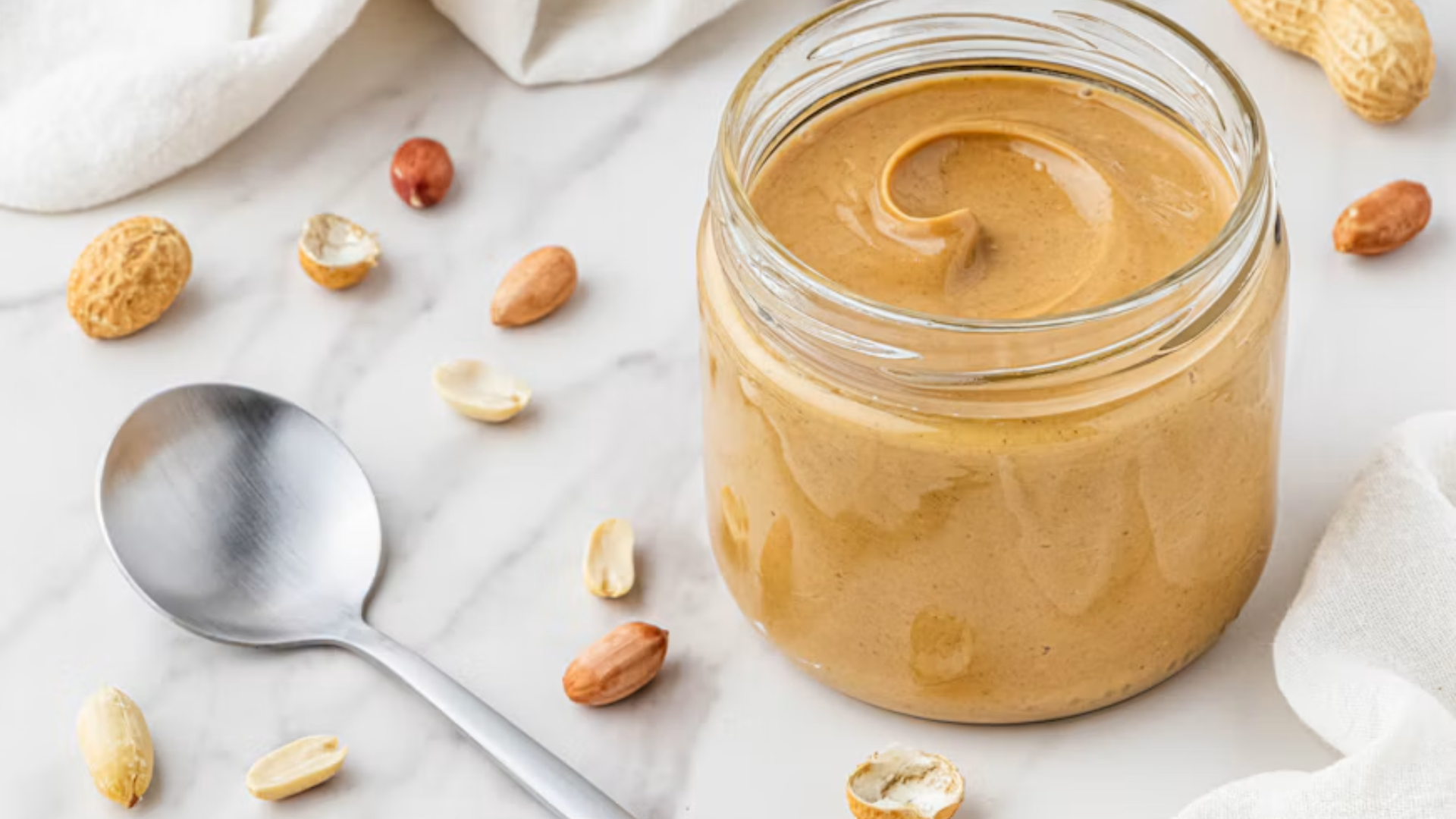
Once eggs go well, many parents ask what comes next, and I walk through how to introduce peanut butter to babies safely in a separate guide.
How to Introduce Eggs to Your Baby for the First Time
Once your baby is ready, the first egg feeding is simple when you keep the portion small, the egg fully cooked, and the timing sensible.
These four points cover what most parents want to know before that first spoonful.
Start With a Small Amount
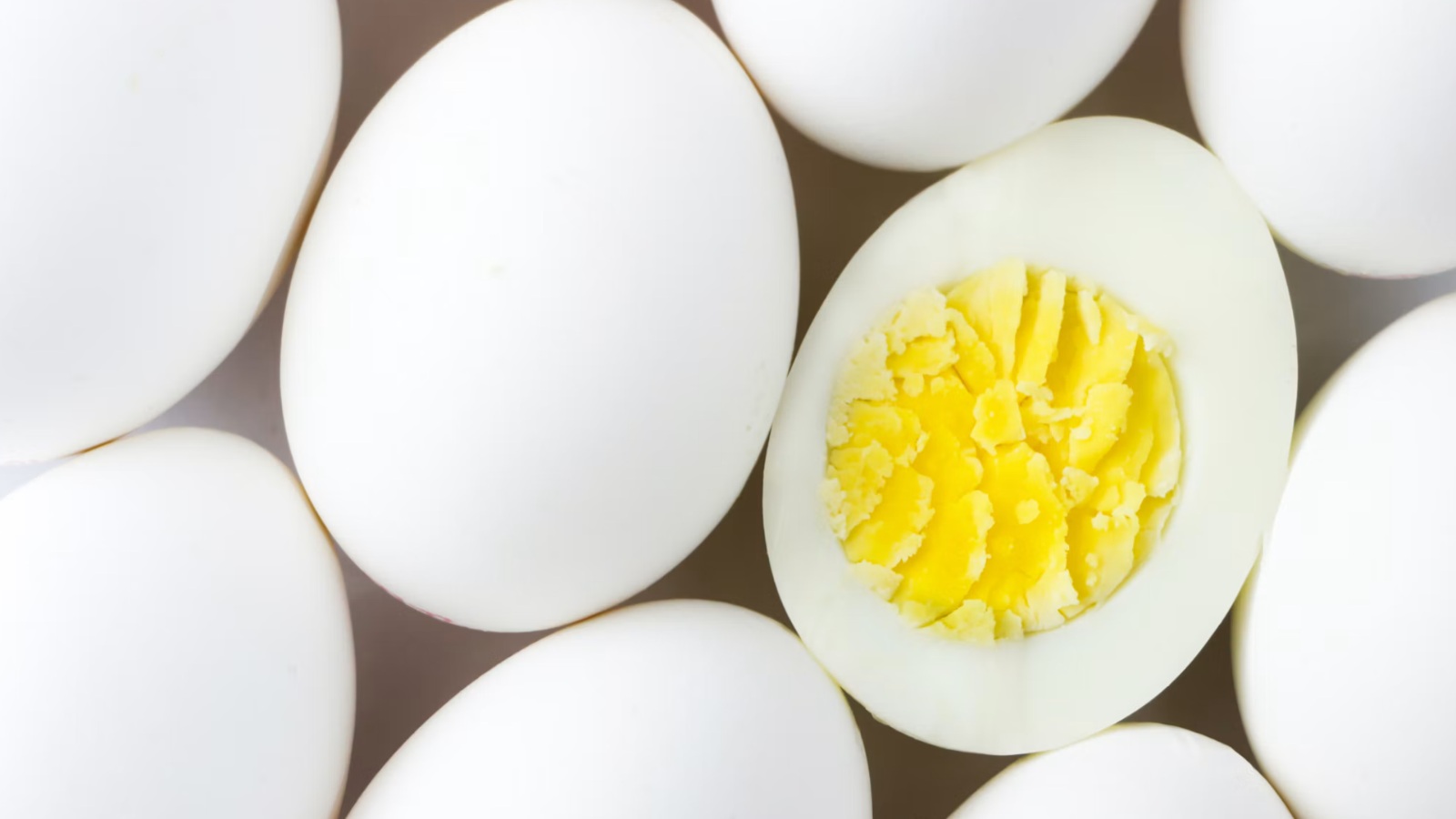
Begin with about a quarter teaspoon of fully cooked egg, such as hard-boiled egg mashed with breast milk, formula, or water, or a well-scrambled egg with no runny parts.
Raw or undercooked egg is not safe for babies, so the egg should be firm all the way through.
If your baby accepts the first taste and shows no reaction, you can offer a little more at the next meal and build up gradually over the following days until a regular serving feels comfortable.
Should You Give Egg Yolk and Egg White Together?
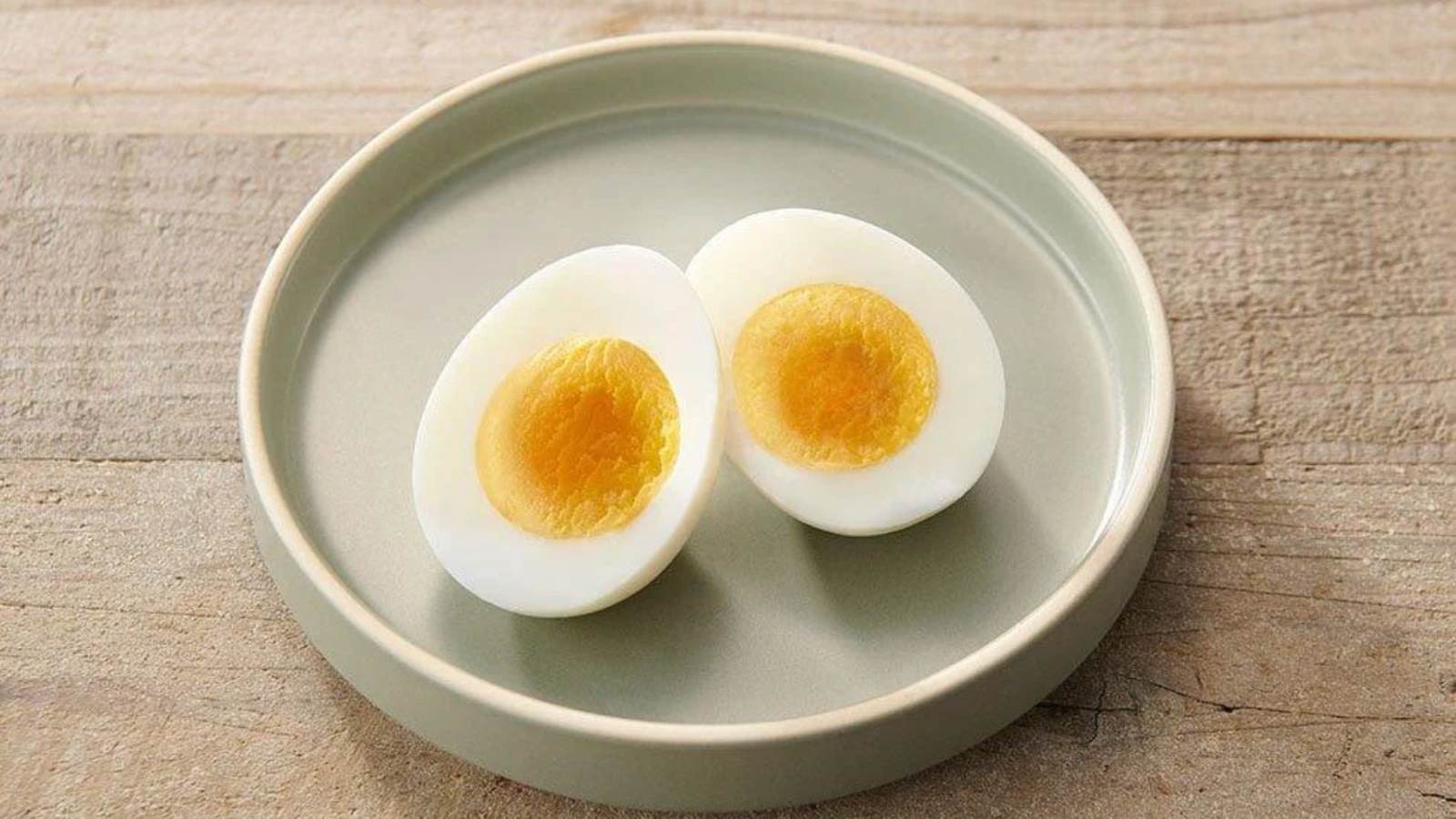
Yes, offering the whole egg is the recommended approach, because the main allergy-causing proteins sit in the egg white, while the yolk is hard to separate cleanly and often carries traces of white.
Therefore, offering yolk alone does not reliably lower the risk. Giving both together, fully cooked, also provides protein, iron, choline, and vitamin D in one food.
Because early, regular exposure appears to help, serving the whole egg gives your baby the most benefit while keeping preparation simple for you.
What Time of Day Should You Offer Eggs?
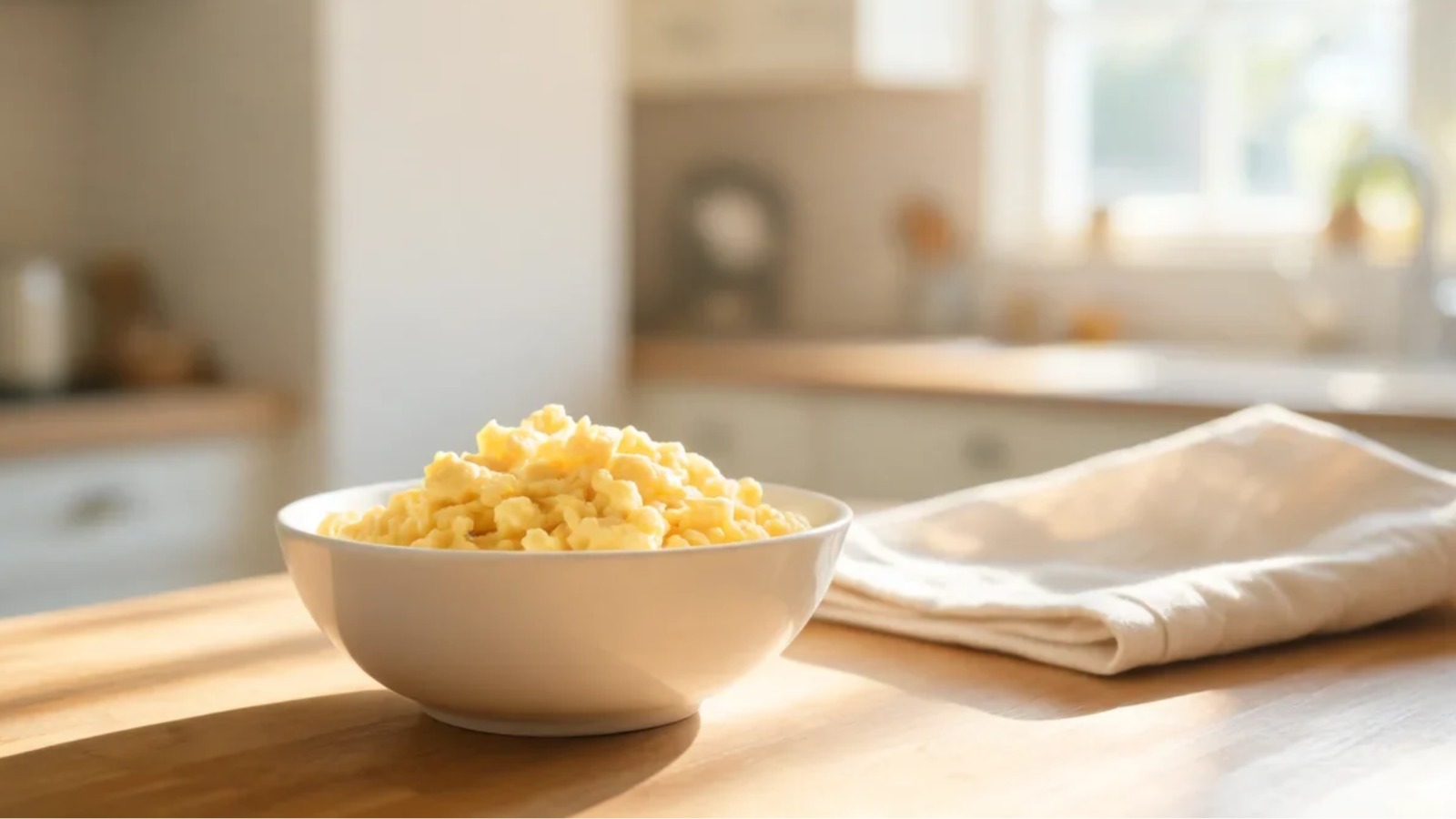
Offer eggs in the morning or at lunchtime, when your baby is alert, and you can watch for any reaction over the next few hours.
Avoiding dinner or bedtime means you are not trying to monitor a sleepy baby overnight, and it makes medical help easier to reach if you need it.
It also helps to choose a day when your baby is healthy and not teething heavily, because fussiness or illness can make it harder to tell whether a symptom comes from the egg or from something else.
What Parents Should Watch for After the First Bite
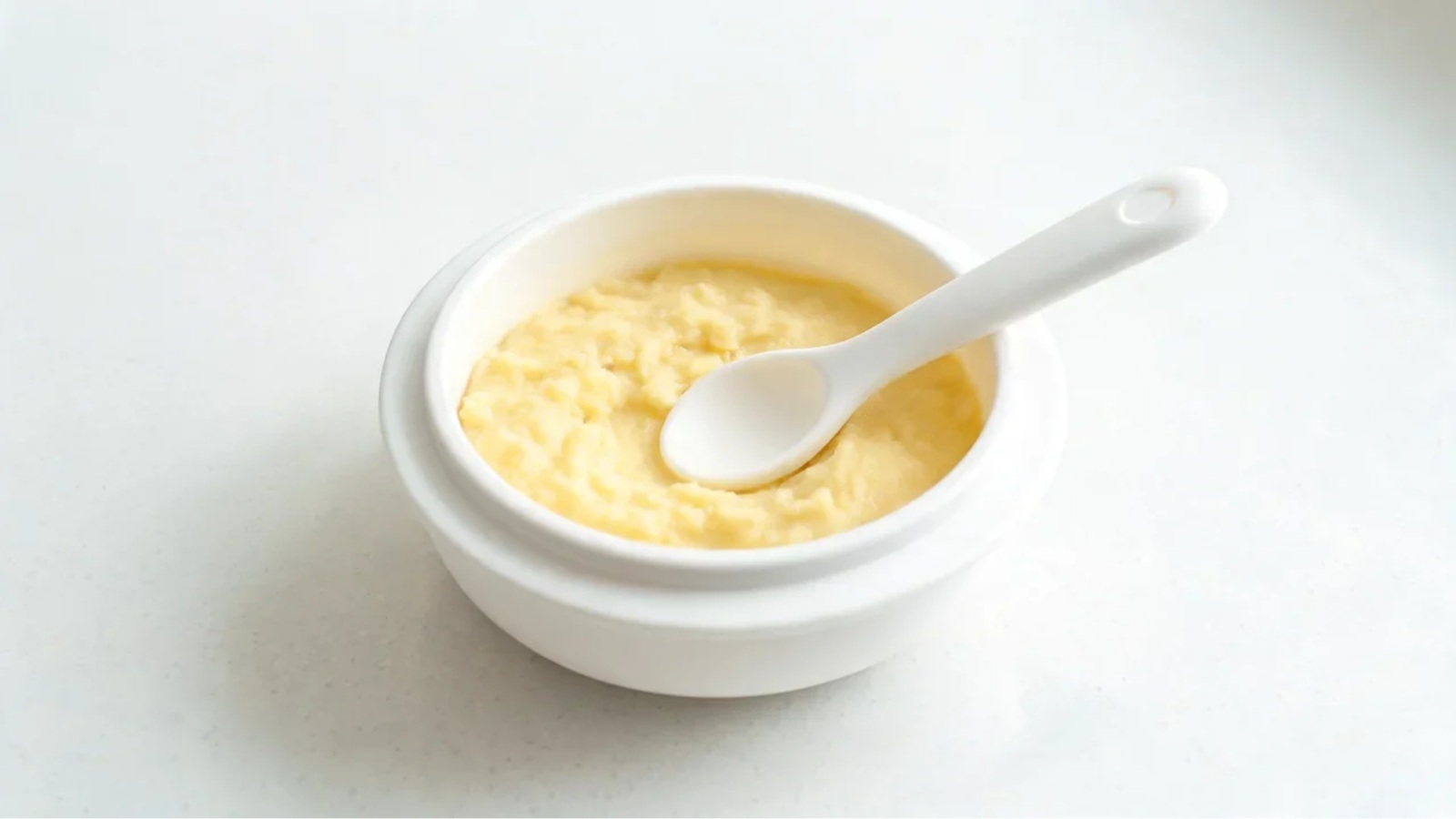
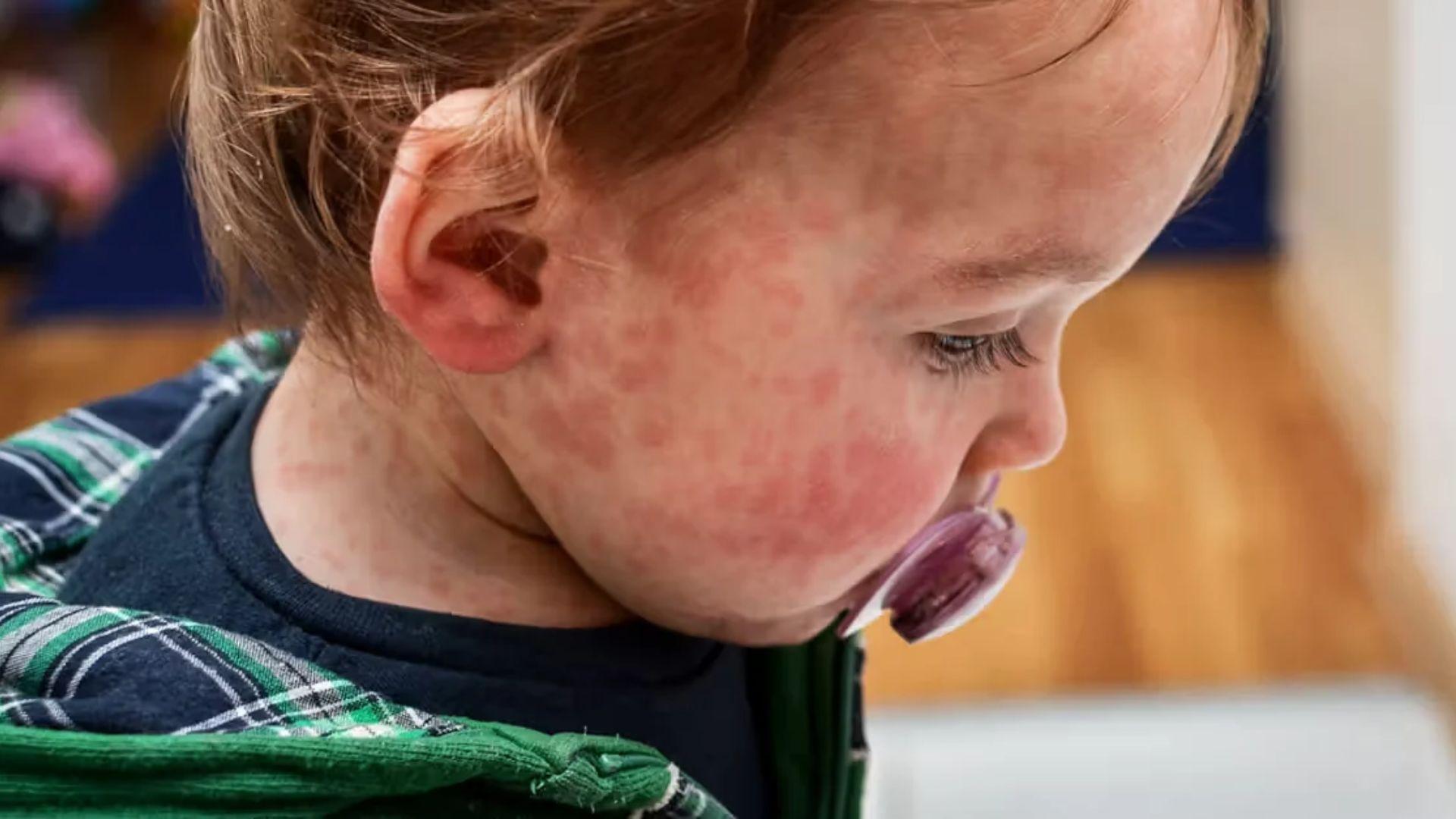
Stay with your baby for at least two hours after the first taste and watch for hives, swelling around the lips or face, vomiting, diarrhea, or unusual fussiness.
Mild reactions often appear within minutes, though some can take a couple of hours. Stop feeding eggs and call your pediatrician if any of these signs appear.
Trouble breathing, repeated vomiting, pale or limp behavior, or widespread hives need emergency care right away, so call your local emergency number immediately instead of waiting to see whether the symptoms pass.
How to Serve Eggs at Different Baby Ages
Texture and portion size change as your baby grows, so the way you serve eggs should move from smooth purees to soft finger foods over the first year.
Eggs for a 6-Month-Old Baby
At 6 months, serve eggs as a smooth, thin puree or mash a fully hard-boiled egg with breast milk, formula, or water until it is easy to swallow.
Offer a quarter teaspoon to start and increase slowly, while parents following baby-led weaning can offer a thin strip of well-cooked omelet under close supervision.
Eggs for a 7–8-Month-Old Baby
By 7 to 8 months, babies usually handle thicker textures, so you can serve finely chopped hard-boiled egg, soft scrambled egg, or egg mashed with avocado or banana.
Soft finger pieces of omelet also work well as your baby practices grasping and chewing. Keep the egg fully cooked and moist, and skip added salt or butter.
Eggs for a 9–12-Month-Old Baby
From 9 to 12 months, babies can eat larger soft pieces such as scrambled egg, chopped hard-boiled egg, or small omelet strips they pick up with their fingers.
Eggs can also be baked into muffins or mixed into pasta and vegetables. Continue to cook eggs fully, cut pieces into manageable sizes, and sit with your baby during every meal.
Can Eggs Cause Allergies in Babies?
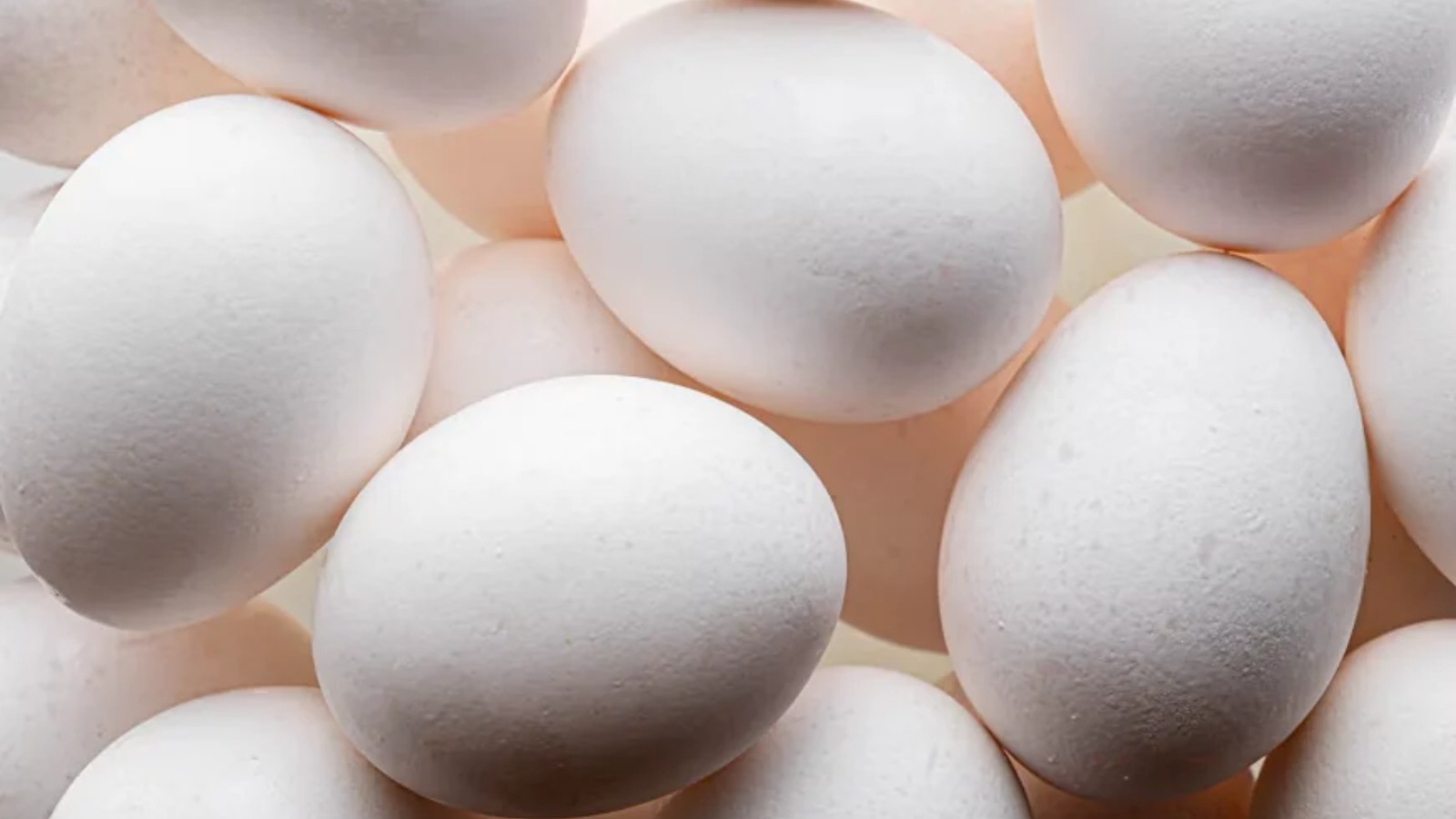
Yes, eggs can cause allergies in babies, and egg allergy is one of the most common food allergies in early childhood, affecting roughly 1 to 2 percent of young children.
The reaction happens when the immune system responds to egg proteins, mostly those in the egg white, and symptoms can include hives, facial swelling, vomiting, or diarrhea soon after eating.
Research suggests that introducing eggs around 6 months may lower the chance of an egg allergy, although it cannot guarantee prevention.
Babies with severe eczema or an existing food allergy face a higher risk, so speak with your pediatrician before the first taste.
Trouble breathing, repeated vomiting, or a limp, pale baby needs emergency care right away, although many children with an egg allergy outgrow it over time.
What Other Parents Say About Introducing Eggs
Parent communities show a wide range of experiences with timing and texture.
Many said steamed egg or a flat, chopped omelet went down more easily than scrambled, while others tucked well-cooked egg into muffins or pancakes.
Older forum threads still suggest waiting until 9 months or serving only yolks, but current guidance no longer says this.
One UK survey found baby-led weaning families introduced eggs earlier and served them about twice as often.
Use these stories for ideas, and let your pediatrician guide you, especially with eczema or allergies.
Common Mistakes to Avoid When Giving Eggs to Babies
Most egg feeding problems come down to a few preventable habits, so it helps to know which ones to watch for.
- Offering raw or undercooked eggs: These can carry Salmonella bacteria, so cook eggs until both the yolk and white are firm.
- Serving firm, rubbery, or large pieces: Thick chunks of hard-boiled egg are difficult for a baby to manage safely, so mash them or cut them into soft, small pieces.
- Adding salt or relying on processed egg products: A baby's kidneys are still developing, so plain home-cooked egg is the better choice.
- Ignoring possible allergy symptoms: Hives, swelling, or vomiting after a new egg serving should never be brushed off.
- Delaying allergenic foods without medical advice: Waiting past the usual window may not lower allergy risk, so talk to your pediatrician before holding eggs back.
- Serving peanut butter straight from the jar: It’s thick and sticky, so thin it or mix it into puréed food. Never offer whole nuts.
- Introducing egg and peanut on the same day: If a reaction happens, you won’t know which food caused it.
Avoiding these mistakes comes down to cooking eggs fully, keeping pieces soft and sized for small hands, and staying alert after each new serving, which keeps egg feeding both safe and enjoyable for your baby.
What Parents Should Know Before Their Baby's First Egg
Before the first egg, the most useful things to know are to start with a texture your baby can manage, expect a mess, and let your baby explore food at their own pace.
Many caregivers find that a smooth mash or soft scrambled egg works best at first, and that egg on the high chair, face, and floor is a normal part of learning to eat.
Other parents' stories can be reassuring, but personal experiences are not medical advice, so your pediatrician's guidance should come first, especially if your baby has eczema or allergies.
It also helps to remember that gagging is a common, noisy reflex that protects babies, while choking is usually silent and needs immediate action, so consider taking an infant first aid and feeding safety course.
The Bottom Line
When to introduce eggs to baby comes down to one simple answer: around 6 months, once your baby is ready for solid foods.
As a physician, I want you to remember three things. Serve the whole egg, fully cooked, in a texture your baby can handle. Start small and watch for signs of a reaction.
If your baby has severe eczema or a food allergy, check with your pediatrician first. Early, safe exposure matters because it may help lower allergy risk.
Still have questions? Leave a comment or read my other Kids Health articles to keep feeding your baby safely.
Frequently Asked Questions
Can I give eggs to my 4-month-old baby?
Usually not. Around 6 months is the standard time to start eggs, and starting earlier hasn’t been shown to prevent egg allergy. If your baby has severe eczema or a known food allergy, talk to your pediatrician before offering any egg.
What is the 5 5 5 rule for eggs?
It’s an Instant Pot method for hard-boiled eggs: 5 minutes of high-pressure cooking, 5 minutes of natural release, then 5 minutes in an ice bath.
Can my 5-month-old try scrambled eggs?
Eggs are usually introduced around 6 months, so check with your pediatrician before offering a 5-month-old a tiny amount of fully cooked, soft scrambled egg.