
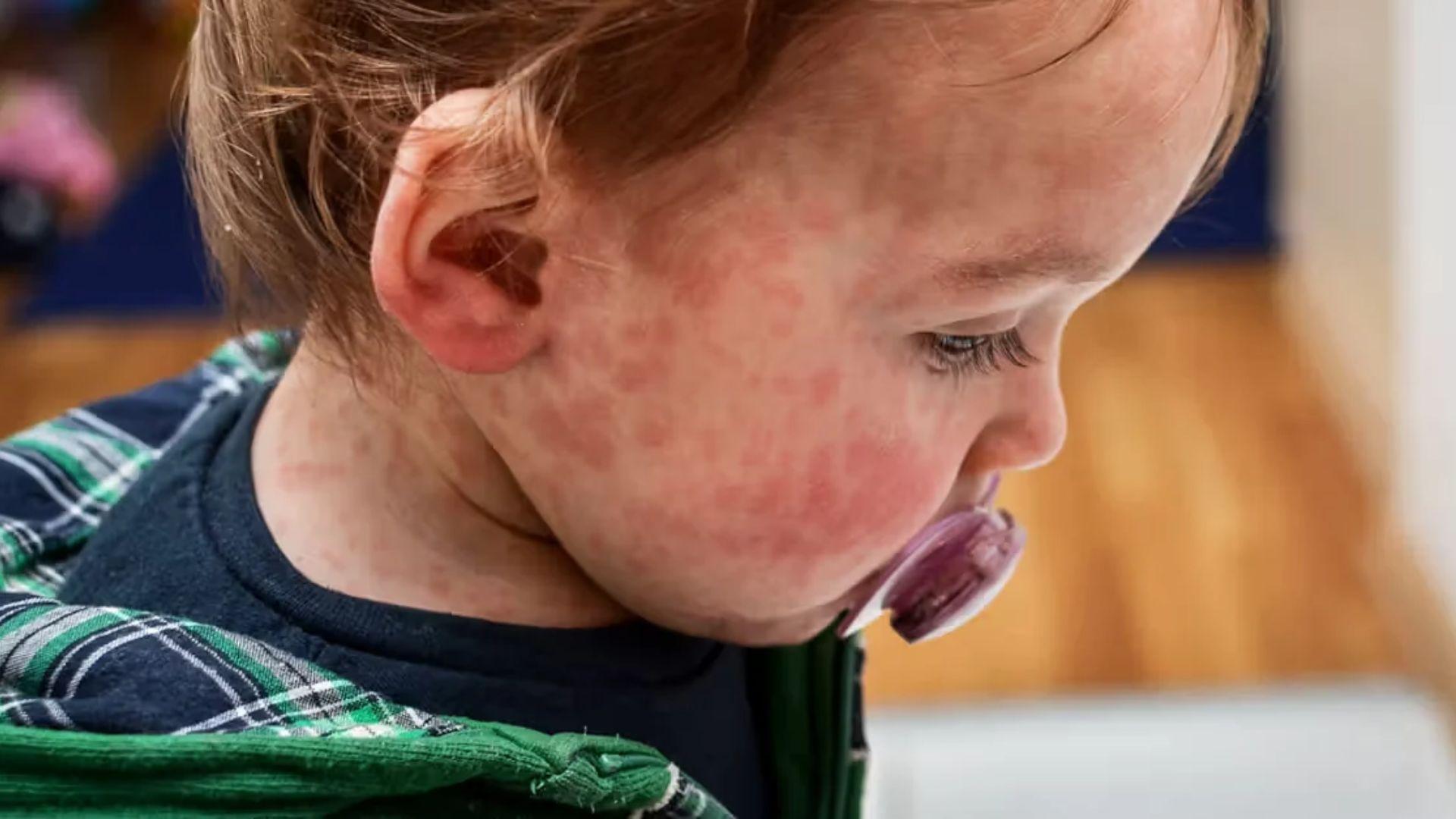


You've given your baby their first taste of peanut. A few minutes later, there's a red patch around their mouth, or they're fussier than usual. Is it a messy face or an allergic reaction?
It's hard to tell. Signs of peanut allergy in babies can look like ordinary baby things: Some redness, spit-up, a cough that seems like a cold.
That's why the first minutes are so hard to read.
Here are the skin, stomach, and breathing signs to watch for, which ones mean emergency care, and what to do next.
If your baby has trouble breathing or wheezing, a hoarse cry, a swollen tongue or throat, pale or blue skin, repeated vomiting, or goes limp, call 911 now.
What Are the Signs of Peanut Allergy in a Baby?
The signs of peanut allergy in a baby fall into three groups: Skin, digestive, and breathing or behavior changes.
A reaction can involve one group or several at once, and two or more groups together raise concern more than any single sign alone.
Even one mild sign counts as a reaction, so it is worth reporting to your pediatrician.
Skin Signs: Hives, Redness, and Swelling
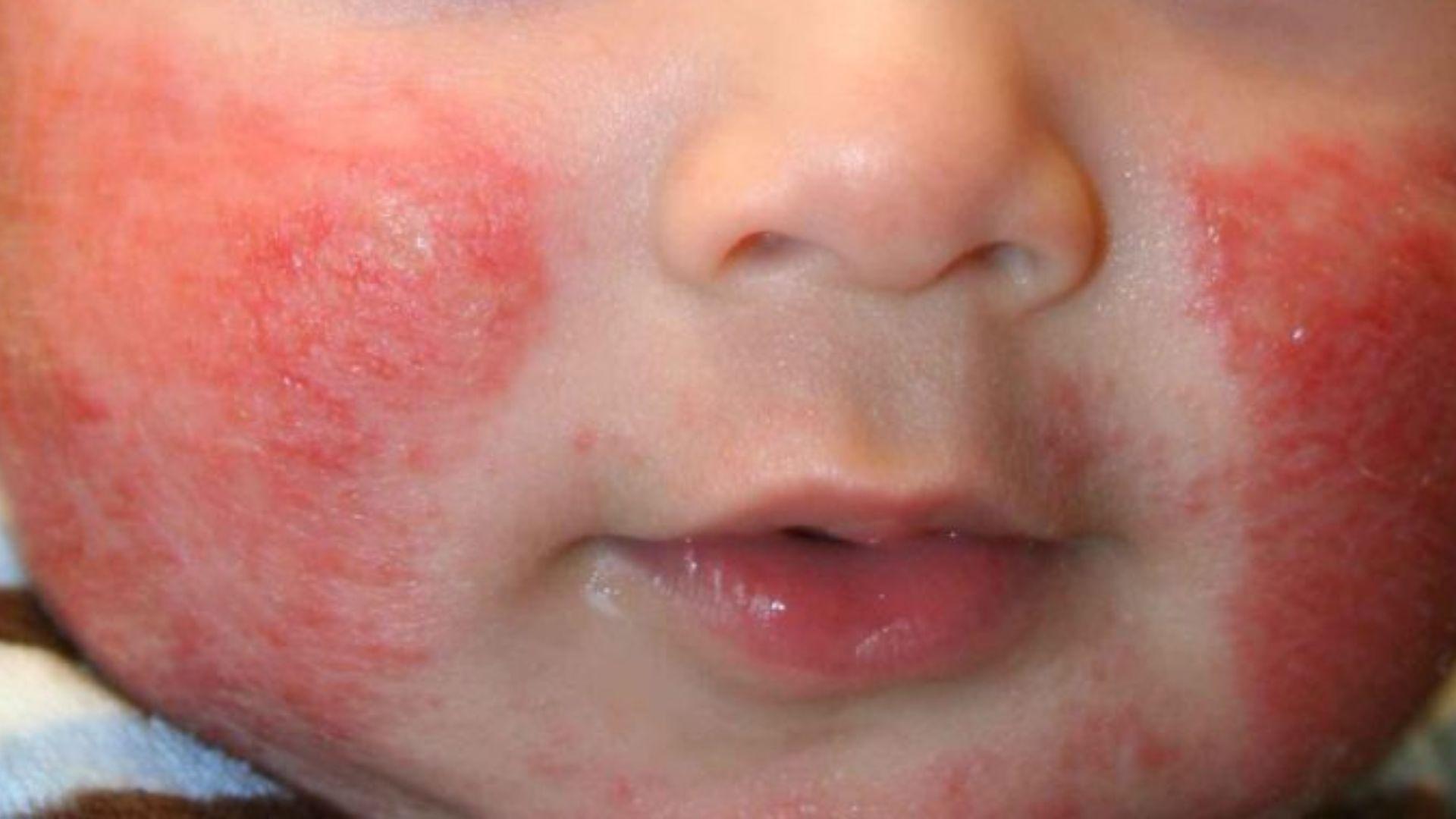
Hives are raised, red or pink, itchy welts that can appear within minutes of peanut exposure.
They often merge into patches, and new welts may appear elsewhere while you watch, so your baby may scratch or fuss more than usual.
Swelling around the lips, eyes, or face is a separate skin sign that can occur with or without hives.
Redness is harder to see on darker skin, where hives may look skin-colored, darker, or grayish, so run a clean fingertip over the skin to feel for raised welts.
Stomach and Digestive Signs
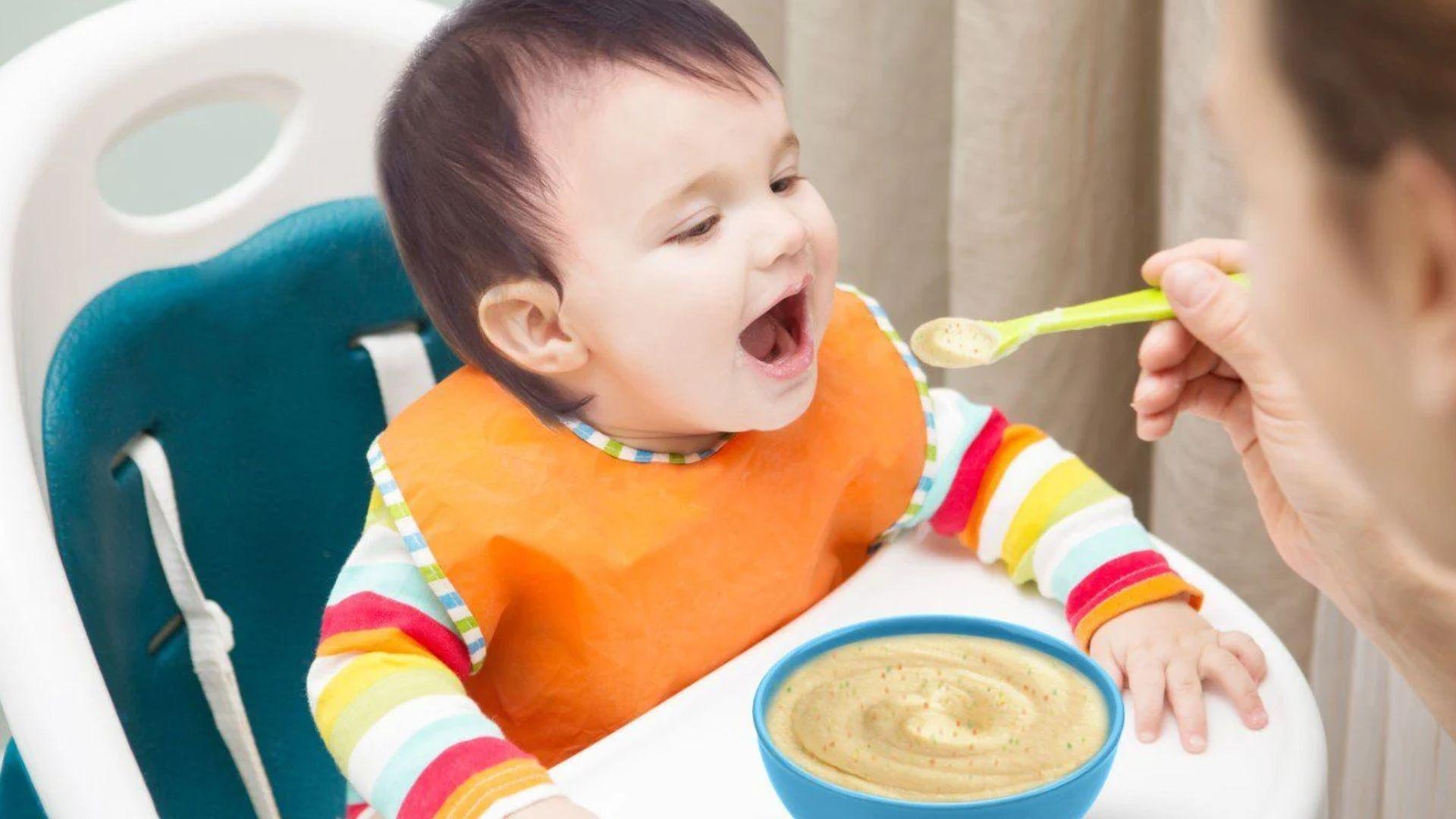
Repeated vomiting, diarrhea, or inconsolable crying that looks like stomach pain can be digestive signs of allergy when they start soon after eating peanuts.
Ordinary spit-up is small, effortless, and comes and goes through the day, whereas allergic vomiting is repeated and starts soon after the feeding.
Because timing close to the feeding links these signs to peanuts, note how many minutes passed between the last bite and the first symptom.
A single bout that settles is harder to read, so write down what you saw either way.
Breathing, Voice, and Behavior Changes

Sneezing, a runny nose, or an occasional cough can be early respiratory signs of allergy, and they are easy to mistake for a cold. What makes them suspicious is timing: they start within minutes to two hours of eating peanuts.
Some signs are more serious.
Wheezing, a hoarse or shrill cry, a cough that keeps coming back, or trouble swallowing suggests the airway is involved, so treat them as an emergency.
Sudden floppiness, unusual sleepiness, or a baby who goes quiet and limp also needs emergency care.
Unusual clinginess or fussiness on its own is harder to read, but note it along with any other signs. The next section explains which signs call for emergency care.
Which Signs Mean Anaphylaxis and Need Emergency Care?
Anaphylaxis is a whole-body allergic reaction that can affect breathing and blood pressure.
Call for emergency help if you see any of these:
- Trouble breathing: Fast or noisy breathing, wheezing, a persistent cough, or a hoarse or weak cry. You may also see the belly pulling in with each breath.
- Swelling of the tongue or throat: The tongue or lips look puffy, or your baby struggles to swallow, drools more than usual, or sounds like they're choking.
- Pale or blue skin: Skin, lips, or nails look gray, pale, or bluish. This can mean your baby isn't getting enough oxygen or blood pressure is dropping.
- Limpness: Your baby goes floppy, is unusually drowsy, or is hard to wake or respond to. This is a serious warning sign.
These signs can appear alongside hives or without them, so clear skin does not rule out a severe reaction. Children's Hospital of Philadelphia's clinical criteria say anaphylaxis is highly likely when two body systems are involved soon after a likely allergen, such as hives with repeated vomiting.
If your baby has a prescribed epinephrine auto-injector, use it right away in the outer thigh and call 911 or your local emergency number.
Lay your baby on their back, or hold them in your arms if they are struggling to breathe. Symptoms can return hours later, so your baby needs a hospital check even if they seem better.
Is It a Peanut Allergy or Something Else?
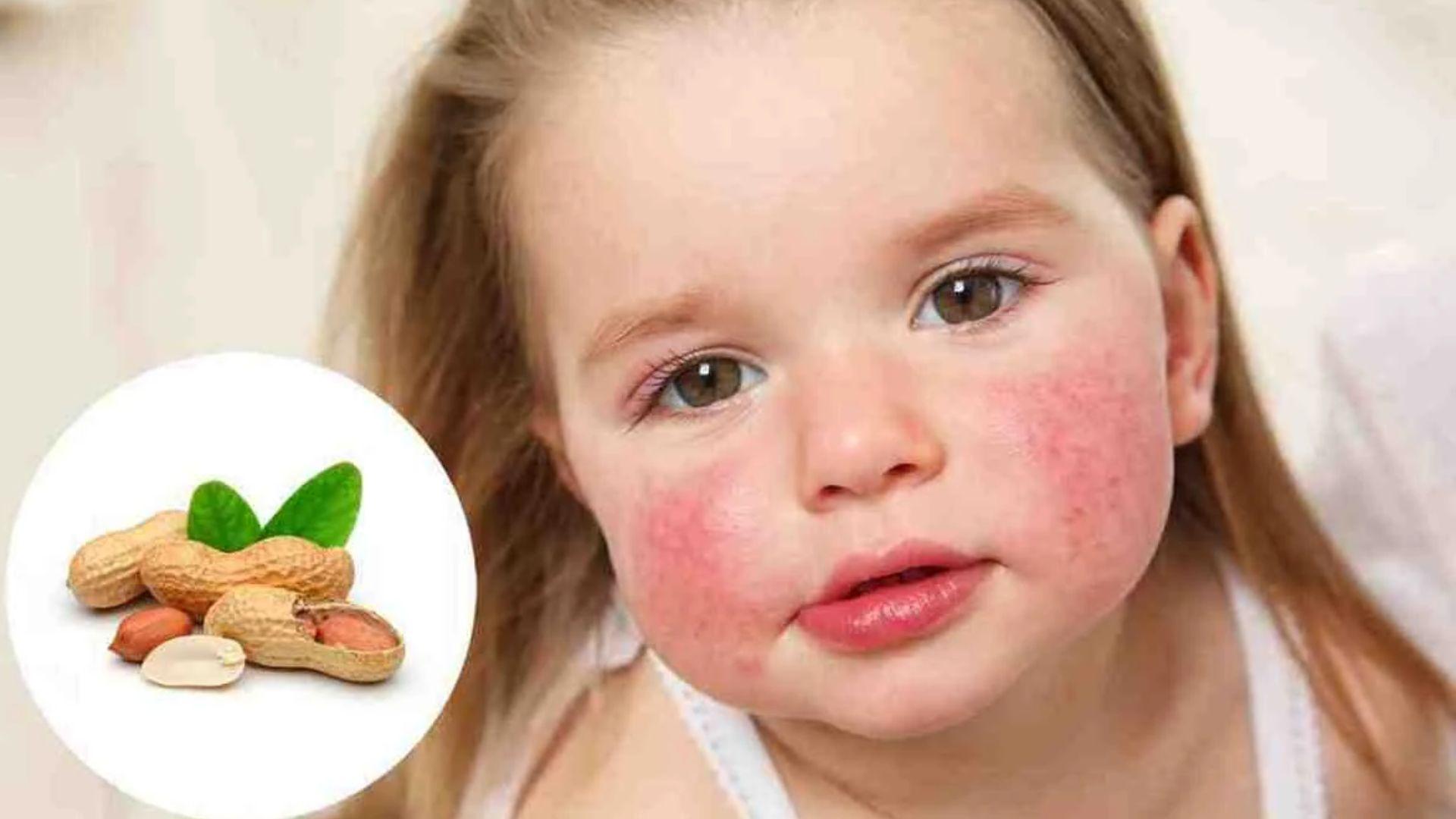
Timing is what separates allergy from irritation.
An allergic reaction follows exposure within minutes to two hours, while redness around the mouth that fades quickly after a gentle wipe is more often skin irritation from food touching the face.
If the redness is raised, spreads, or comes with any other sign, treat it as a possible reaction.
Thinned peanut butter and peanut puffs are common first forms of peanut for babies. Most babies don't react, but when a reaction happens, it usually shows up soon after the first taste.
Repeatability is the second clue. A sign that appears after peanuts each time points toward allergy, while a one-off sign with no pattern is harder to read, so keep notes on every feeding.
A reaction to the first known feeding does not always mean it was the first exposure, because the immune system can become sensitized to peanuts before the first obvious reaction.
Severe eczema and egg allergy raise that risk
What can parents do after a peanut reaction?
Stop the feeding, stay with your baby, and call your pediatrician the same day. If any severe sign appears, call emergency services right away.
- Right away: Stop the feeding and wipe your baby's mouth and hands. Stay close and watch for at least two hours. If an emergency sign appears, call 911 or your local emergency number, and use a prescribed epinephrine auto-injector if you have one.
- While you wait: Note the time, what and how much your baby ate, and every sign you saw. Photograph any rash, since it may fade.
- Same day: Call your pediatrician even if the signs were mild or have passed. Ask before giving any medicine, and hold off on peanuts until a doctor has assessed your baby.
Final takeaway
The signs of peanut allergy in baby show up on the skin, in the stomach, or in breathing, and most appear within two hours of eating. That is why I suggest learning them before the next feeding.
Trouble breathing, a swollen tongue, or a limp baby means you should call emergency services right away.
Milder signs still count, so stay close and note what you saw, including the time and what your baby ate.
Knowing what to look for helps you act early and gives your doctor clear details.
If your baby reacted, call your pediatrician today and hold off on peanut until a doctor has checked.
Frequently Asked Questions
How do you test for a peanut allergy in a baby?
A doctor uses a skin prick test, a peanut-specific IgE blood test, or a supervised oral food challenge, and the food challenge is the gold standard.
Is 7 months too late to introduce peanuts?
No, most babies can start peanut at home around this age, but babies with severe eczema, egg allergy, or a past reaction should see their pediatrician first.
How common is peanut allergy in children?
About 2% of US children, roughly 1 in 50, have a peanut allergy, and the risk is much higher with severe eczema or egg allergy.