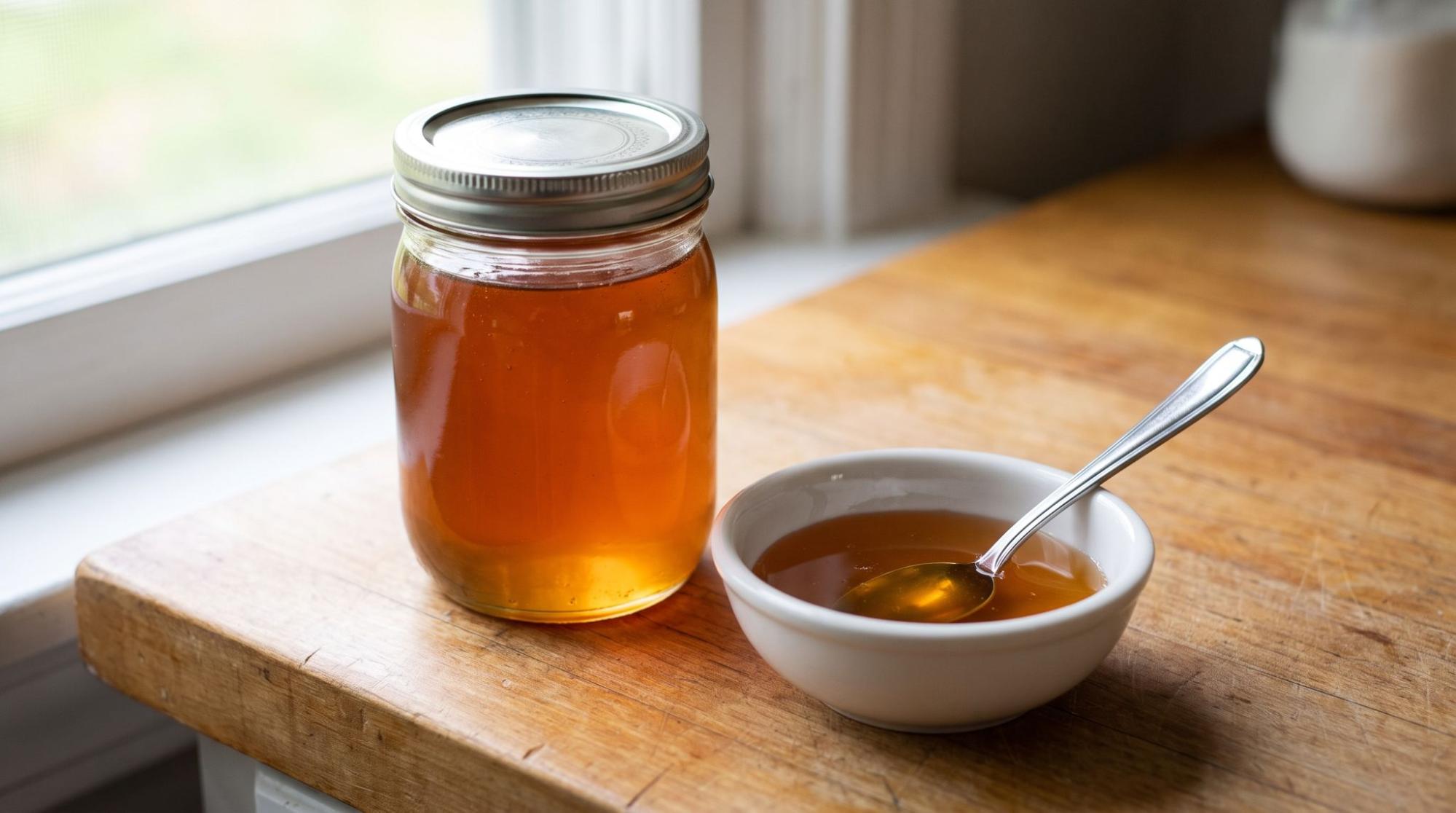
Honey goes into tea, onto toast, and into baked goods in most homes without a second thought, so the first-birthday rule surprises many parents who ask, “Why can’t babies have honey?” The answer is that honey can carry spores of Clostridium botulinum, a bacterium that can cause infant botulism in babies under 12 months.
A baby’s developing gut may let those spores grow and release a toxin that weakens muscles. You can’t see, smell, or taste the spores, and cooking or pasteurizing honey does not reliably destroy them, which is why health experts advise avoiding all honey until your baby turns 1.
In this post, you will learn how the bacteria get into honey, why heat doesn’t remove them, which honey products count including a Honey Nut Cheerios guide and when honey becomes safe for your child.
The Real Reason Honey Is Dangerous for Babies
The danger has nothing to do with sugar or allergies. It comes from Clostridium botulinum, a bacterium that lives naturally in soil and dust, and standard honey processing does not remove its spores.
In healthy adults and older children, these spores rarely cause illness, but in a baby under 12 months they can lead to infant botulism, a serious illness that weakens muscles. The difference comes down to how developed the gut is, and in the first year it is still forming.
If your baby has already had a taste, our guide on accidental honey exposure steps walks you through what to do today, and our Honey Nut Cheerios for babies guide covers one of the most common pantry slips.
The Bacteria Inside Honey: Clostridium Botulinum
Most warnings stop at “no honey before age one.” Knowing how the bacteria work makes the rule easier to follow and easier to explain to grandparents.
What Clostridium Botulinum Is
Clostridium botulinum is a bacterium found in soil, dust, and raw agricultural products. Under harsh conditions it forms spores, tough dormant particles with a protective coating that helps them survive in the environment for long periods.
Bees can carry these spores into the hive, so they may already be present before honey reaches a jar. There is no taste, smell, or visible sign, and a jar that looks fine can still contain them.
Is All Honey Contaminated With Botulism?
No, most honey does not contain botulism spores, but some does, and the rate varies by region. A 2024 review in Current Microbiology found no spores in samples tested from the UK and Canada, yet one Danish survey found them in 26% of samples.
Since parents can’t tell which jar is affected, all honey is avoided before 12 months.
Why Spores Survive Pasteurization and Cooking
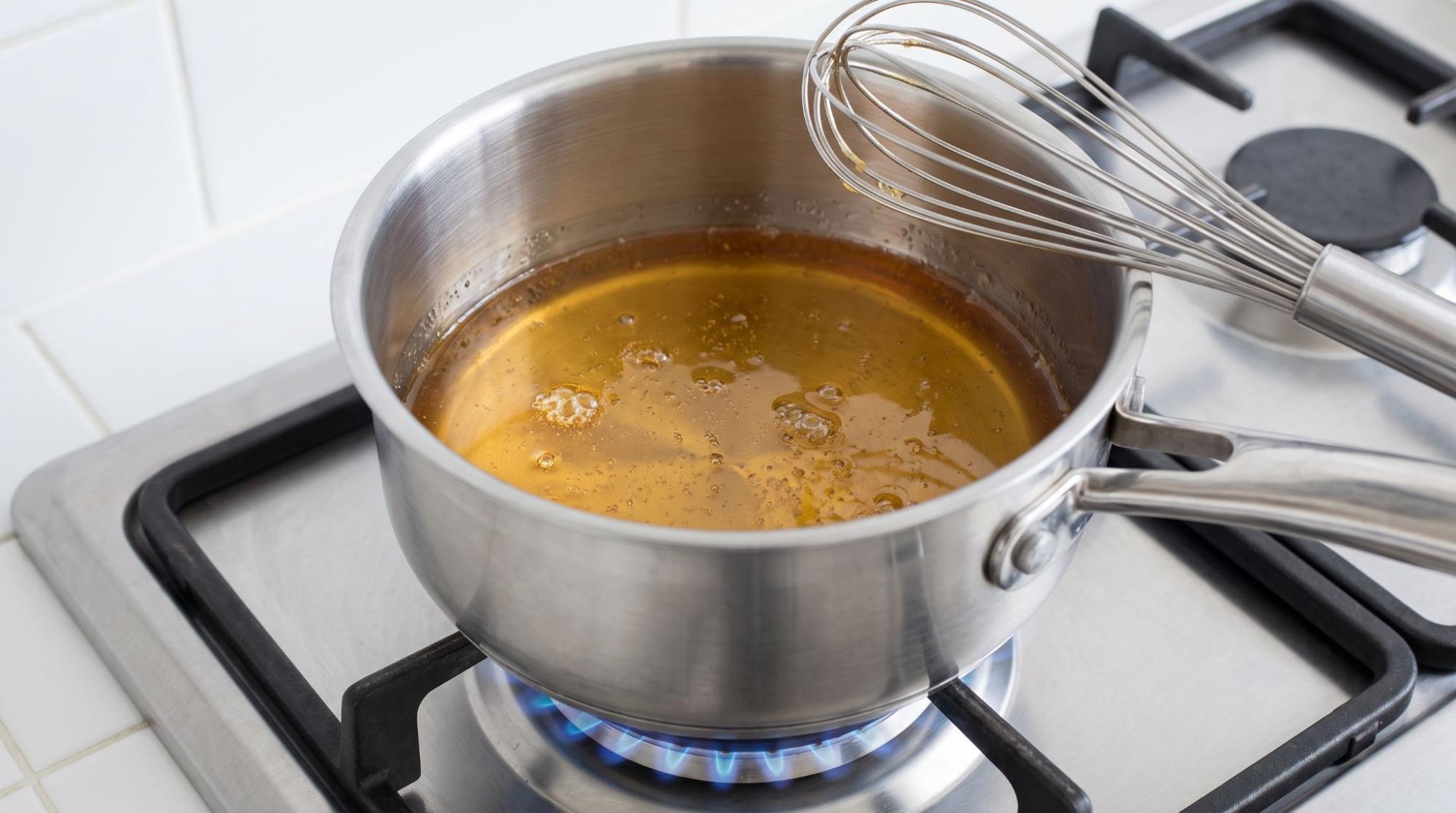
Most parents expect heat to make honey safe, but Clostridium botulinum spores are far tougher than everyday bacteria.
Water boils at 212°F (100°C) at sea level, while the National Center for Home Food Preservation notes that these spores need 240°F (116°C) or higher, the heat of a pressure canner, to be destroyed.
Commercial honey pasteurization does not reach that level either, according to University of California food safety experts.
Baking honey into muffins, stirring it into warm oatmeal, or buying a pasteurized jar does not make it safe for a baby under 12 months.
Why a Baby’s Gut Can’t Handle What Yours Can
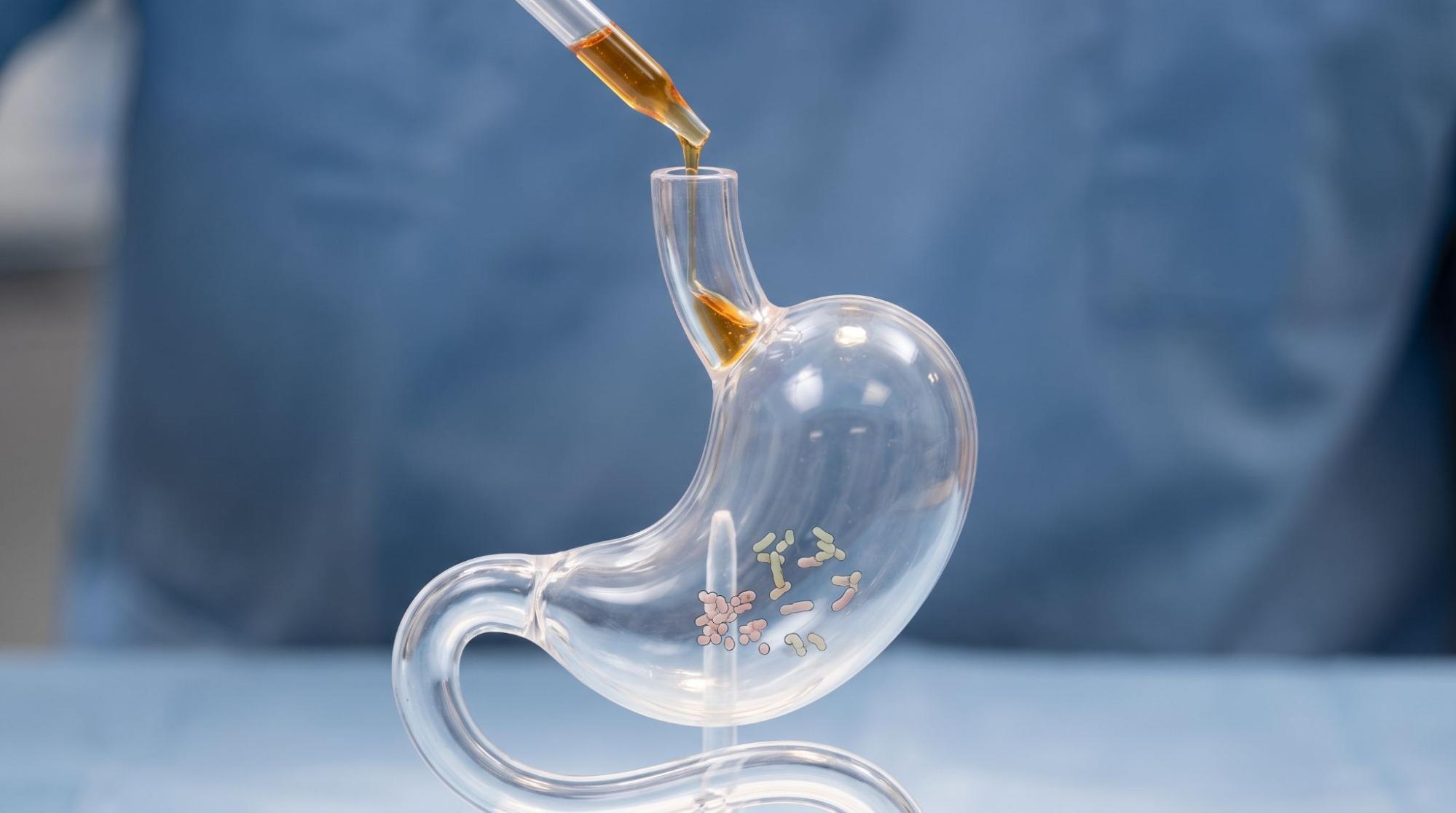
When a baby swallows honey that carries spores, the spores land in a digestive tract with little established defense.
An older child’s or adult’s gut holds a dense community of healthy bacteria that usually keeps spores from settling in long enough to cause harm.
A baby’s gut is still building that community during the first year, so spores can find open space, grow, and begin making toxins.
The CDC describes botulinum toxin as one of the most lethal toxins known, and it blocks the nerve signals that tell muscles to move.
That is why symptoms often start with sluggish digestion and then move toward weaker sucking, crying, and movement.
Every Type of Honey Is Off the Table
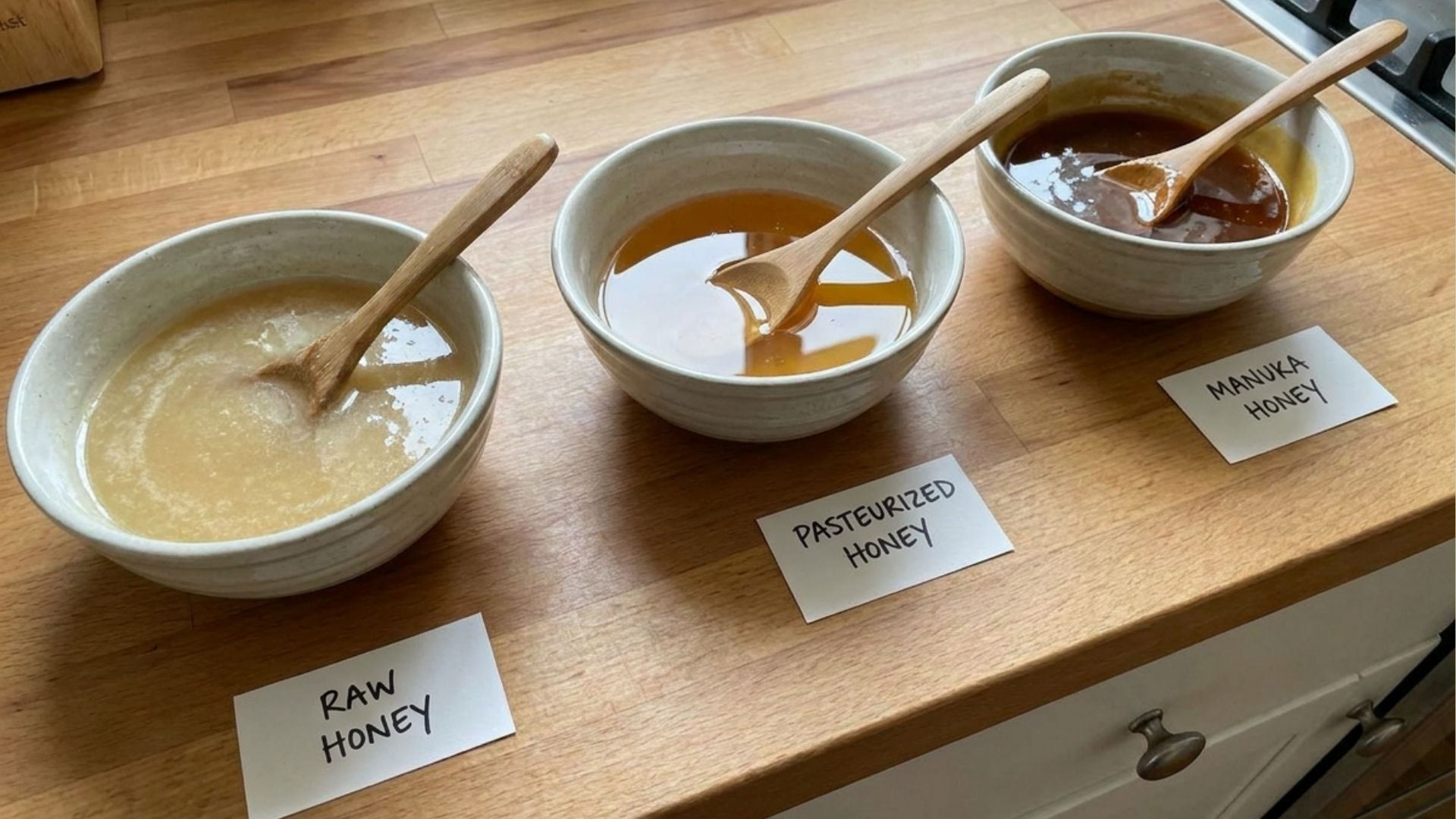
The Cleveland Clinic advises against giving babies honey in any form before their first birthday. Here is how the most common types and products compare:
- Raw honey: Raw honey goes through minimal processing, so nothing has been done to reduce spores. It is the form most parents picture when they hear the honey rule.
- Pasteurized honey: The word “pasteurized” sounds safer, but standard honey pasteurization doesn’t reach spore-killing temperatures. Treat it the same as raw honey before 12 months.
- Manuka honey: Many families buy Manuka for its antibacterial reputation. That reputation does not change its botulism risk, and pediatric guidance treats it like any other honey.
- Baked or cooked honey: Granola bars, homemade loaves, glazes, and sauces made with honey all count, since spores can survive oven temperatures.
- Honey pacifiers and home remedies: The CDC’s infant feeding guidance warns against putting honey on a pacifier. In 2018, the FDA warned parents about honey-filled pacifiers after four Texas infants developed botulism linked to them.
- Honey-flavored products: Check every label, because some “honey” snacks use flavoring while others contain real honey. Honey Nut Cheerios, for example, list honey as an ingredient on the US label.
The National Capital Poison Center says Honey Nut Cheerios do not pose a botulism risk to infants, while many pediatric sources still advise avoiding any food with honey on the label before 12 months. When guidance differs, the label-first approach is the simpler rule to follow at home.
Signs of Infant Botulism to Know Immediately
Infant botulism symptoms can appear anywhere from 3 to about 30 days after a baby swallows spores, according to the National Capital Poison Center.
Knowing the early signs helps you act quickly, since treatment works best when it starts early.
- Constipation: This is often the first sign, showing up as fewer bowel movements than usual, sometimes for several days.
- Weak cry: The cry sounds quieter, softer, or more strained than usual as the toxin affects the muscles used for crying.
- Poor feeding or weak sucking: Your baby struggles to latch, suck, or swallow, and feeds become short or frustrating.
- Droopy eyelids: The eyelids look heavy or half-closed even when your baby is awake and alert.
- Floppiness or low muscle tone: Your baby feels limp when picked up and may not hold their head as well as before, a sign doctors call hypotonia.
If your baby has eaten honey and you notice any of these signs, don’t wait to see whether they improve.
The CDC advises seeing your doctor or going to the emergency room right away, and you should call 911 if your baby has trouble breathing.
When Can Babies Have Honey Safely?

Babies can have honey once they turn 12 months old. By then, the gut has a fuller community of healthy bacteria that usually moves spores through before they can grow, so honey is no longer a botulism concern for most toddlers, and no special introduction schedule is needed.
Honey isn’t one of the major food allergens, so it doesn’t need the step-by-step introduction often used for foods like peanuts.
It is still an added sugar, though, and the CDC advises keeping added sugars out of children’s diets before age 2, so there’s no need to rush it onto the menu.
If your toddler is in a picky phase, it can be tempting to drizzle honey on new foods to win them over.
In my work with families, I suggest offering a new food next to a familiar favorite instead, which builds acceptance without adding sugar to every plate.
Why Waiting Until 12 Months Matters
Why can’t babies have honey? Their developing gut may allow Clostridium botulinum spores to grow and release a toxin that weakens muscles, and heat or pasteurization doesn’t reliably remove those spores.
The rule covers raw, pasteurized, Manuka, cooked, and baked honey, along with packaged foods that list honey as an ingredient. Waiting until the first birthday removes one known source of a rare but serious illness, and if honey does slip through, a same-day call to your pediatrician is the next step.
Before your baby’s next family meal, take a minute to tell grandparents and caregivers about the honey rule so everyone feeding your baby follows it.
Frequently Asked Questions
What Happens if an Infant Eats Honey?
Most infants who swallow a little honey stay well. Call your pediatrician or Poison Control at 1-800-222-1222 the same day so they can tell you what to watch for and when to call back.
Can I Kiss My Baby if I Ate Honey?
Yes. Kissing after eating honey isn’t a recognized source of infant botulism, but wipe any sticky honey off your lips and hands first so none ends up in your baby’s mouth.
Can My 1-Year-Old Eat Honey Nut Cheerios?
Yes. Once your child turns 1, the honey in Honey Nut Cheerios is no longer a botulism concern, so serve them while your child sits upright and supervised, and keep plain Cheerios for everyday snacks.
How Much Honey Can Cause Botulism in Babies?
No safe amount has been established. Spores can only be detected with laboratory testing, so a fingertip taste is treated the same as a spoonful before 12 months.
Why Do Muslims Give Newborns Honey?
Tahnik is a tradition of placing something sweet, traditionally a softened date, on a newborn’s palate. Some families use honey, so many talk with their pediatrician about honey-free ways to honor the practice.