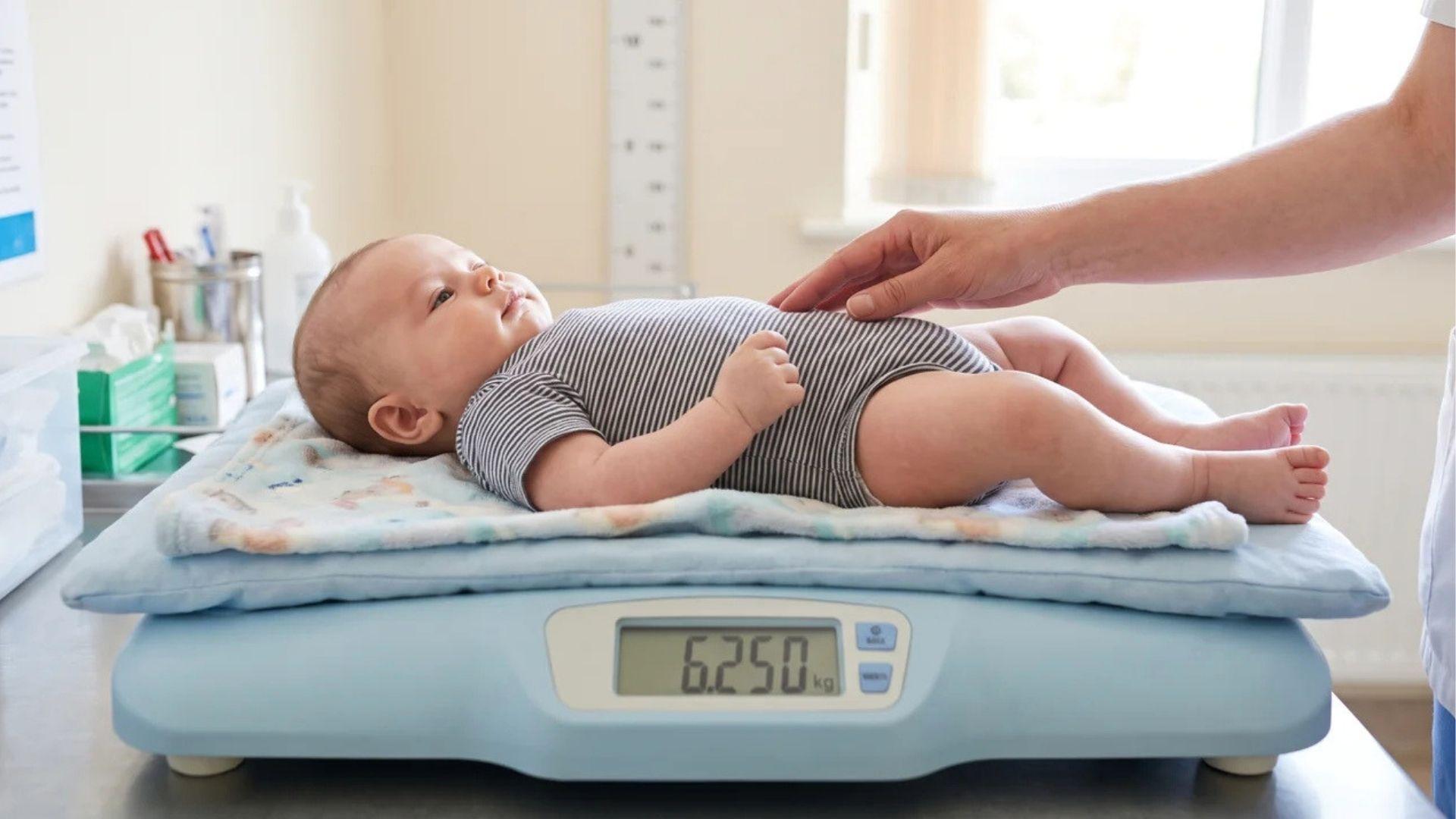
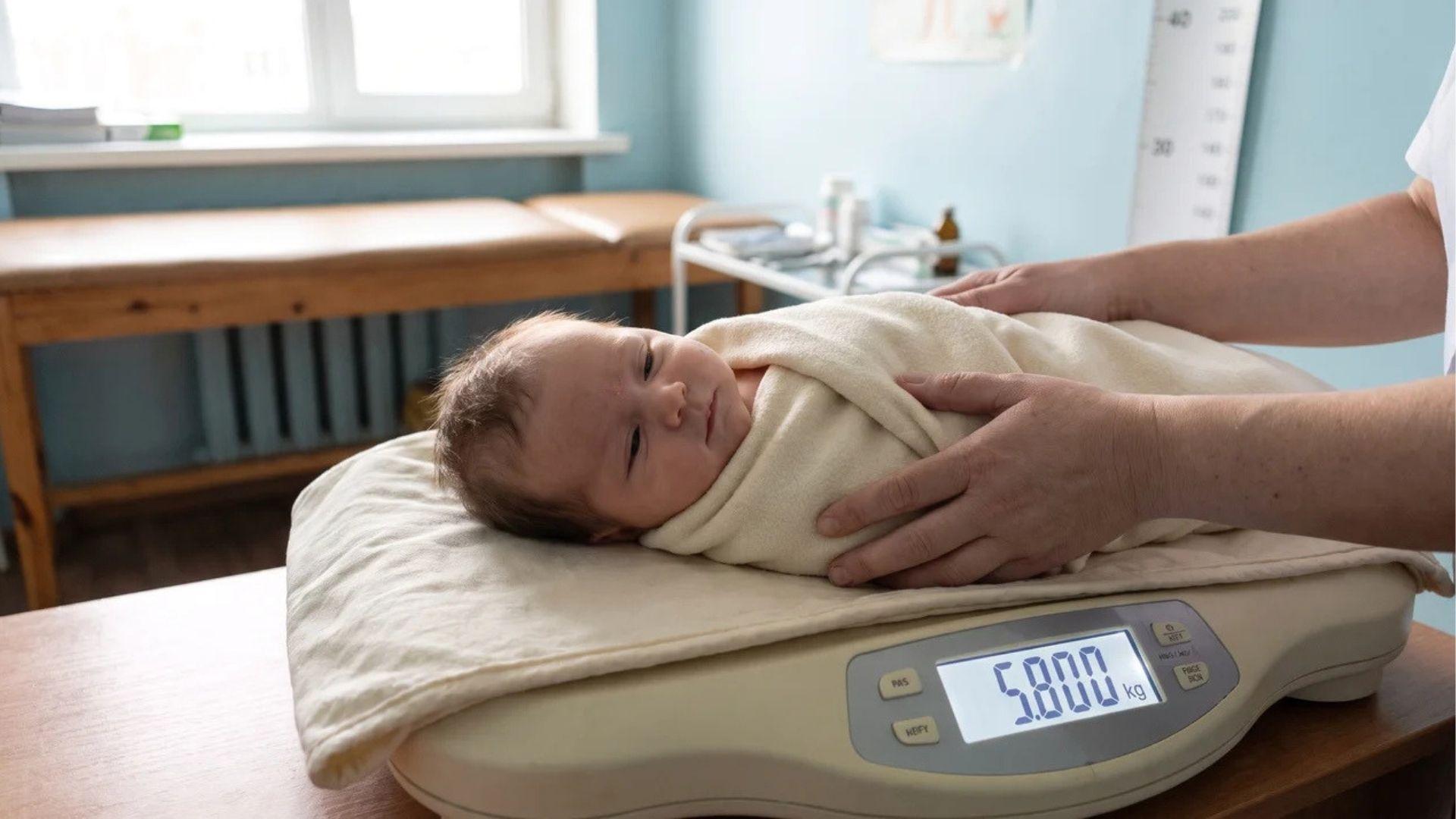


You weigh your baby at home, then Google the number before you’ve even put them back in the crib.
That reflex is common, but what most parents miss is that a baby weight chart by month wasn’t built from a mix of babies the way you’d expect.
The World Health Organization used breastfed infants as the default standard, which quietly shapes every number on the chart, whether your baby is breastfed or not.
That one detail changes how you should read the whole thing.
Once you know that, the rest of the chart starts to make a lot more sense.
What Is a Baby Weight Chart by Month?
A baby weight chart by month shows the average weight of boys and girls at different ages, helping you understand typical growth during the first year.
These charts come from the World Health Organization's growth standards, which track weight patterns in thousands of healthy, breastfed infants around the world.
Boys and girls don't share the same chart. Boys tend to run a little heavier at every age, so the WHO publishes separate weight-for-age standards for each sex.
Using the wrong one can make a perfectly healthy baby look off track.
Averages don’t explain why fast baby weight gain in one stretch can be completely normal, and that is something worth understanding before you compare your baby to the chart.
The average weight on this chart is a reference point, not a rule your baby has to follow. Here's the full monthly breakdown so you can see where that reference point sits at each age.
Baby Weight Chart by Month (Birth to 12 Months): Boys and Girls
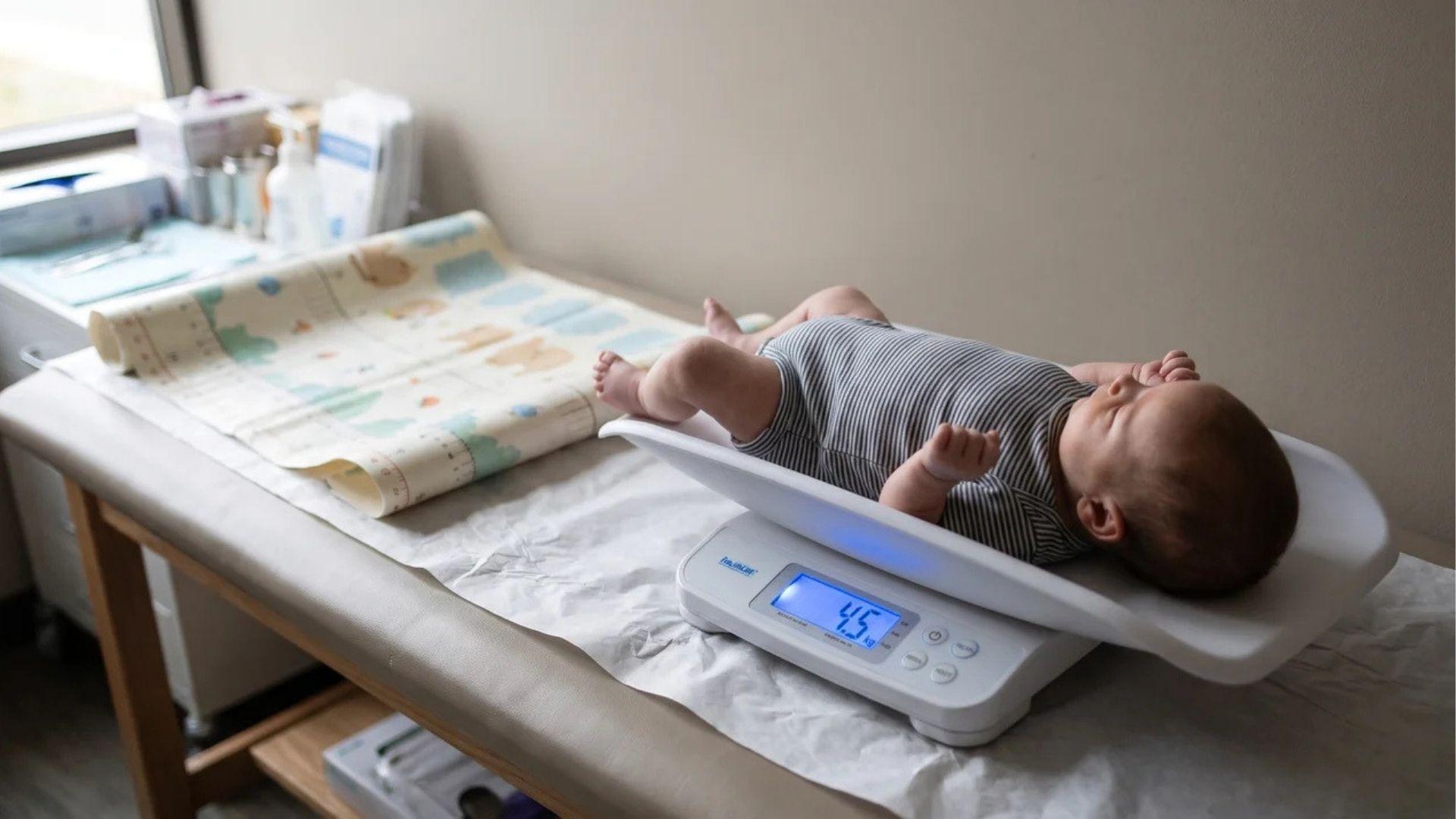
These numbers come straight from WHO's 50th percentile weight-for-age data, shown in both kilograms and pounds so you can check against whichever unit your pediatrician uses.
| Age | Avg. Boy Weight (kg) | Avg. Boy Weight (lbs) | Avg. Girl Weight (kg) | Avg. Girl Weight (lbs) |
| Birth | 3.3 kg | 7.3 lbs | 3.2 kg | 7.1 lbs |
| 1 month | 4.5 kg | 9.9 lbs | 4.2 kg | 9.3 lbs |
| 2 months | 5.6 kg | 12.3 lbs | 5.1 kg | 11.2 lbs |
| 3 months | 6.4 kg | 14.1 lbs | 5.8 kg | 12.8 lbs |
| 4 months | 7.0 kg | 15.4 lbs | 6.4 kg | 14.1 lbs |
| 5 months | 7.5 kg | 16.5 lbs | 6.9 kg | 15.2 lbs |
| 6 months | 7.9 kg | 17.4 lbs | 7.3 kg | 16.1 lbs |
| 7 months | 8.3 kg | 18.3 lbs | 7.6 kg | 16.8 lbs |
| 8 months | 8.6 kg | 19.0 lbs | 7.9 kg | 17.4 lbs |
| 9 months | 8.9 kg | 19.6 lbs | 8.2 kg | 18.1 lbs |
| 10 months | 9.2 kg | 20.3 lbs | 8.5 kg | 18.7 lbs |
| 11 months | 9.4 kg | 20.7 lbs | 8.7 kg | 19.2 lbs |
| 12 months | 9.6 kg | 21.2 lbs | 8.9 kg | 19.6 lbs |
These are median figures only.
A baby who weighs a pound or two more or less than the chart can still be growing in a healthy way, as long as they're feeding well and gaining steadily over time.
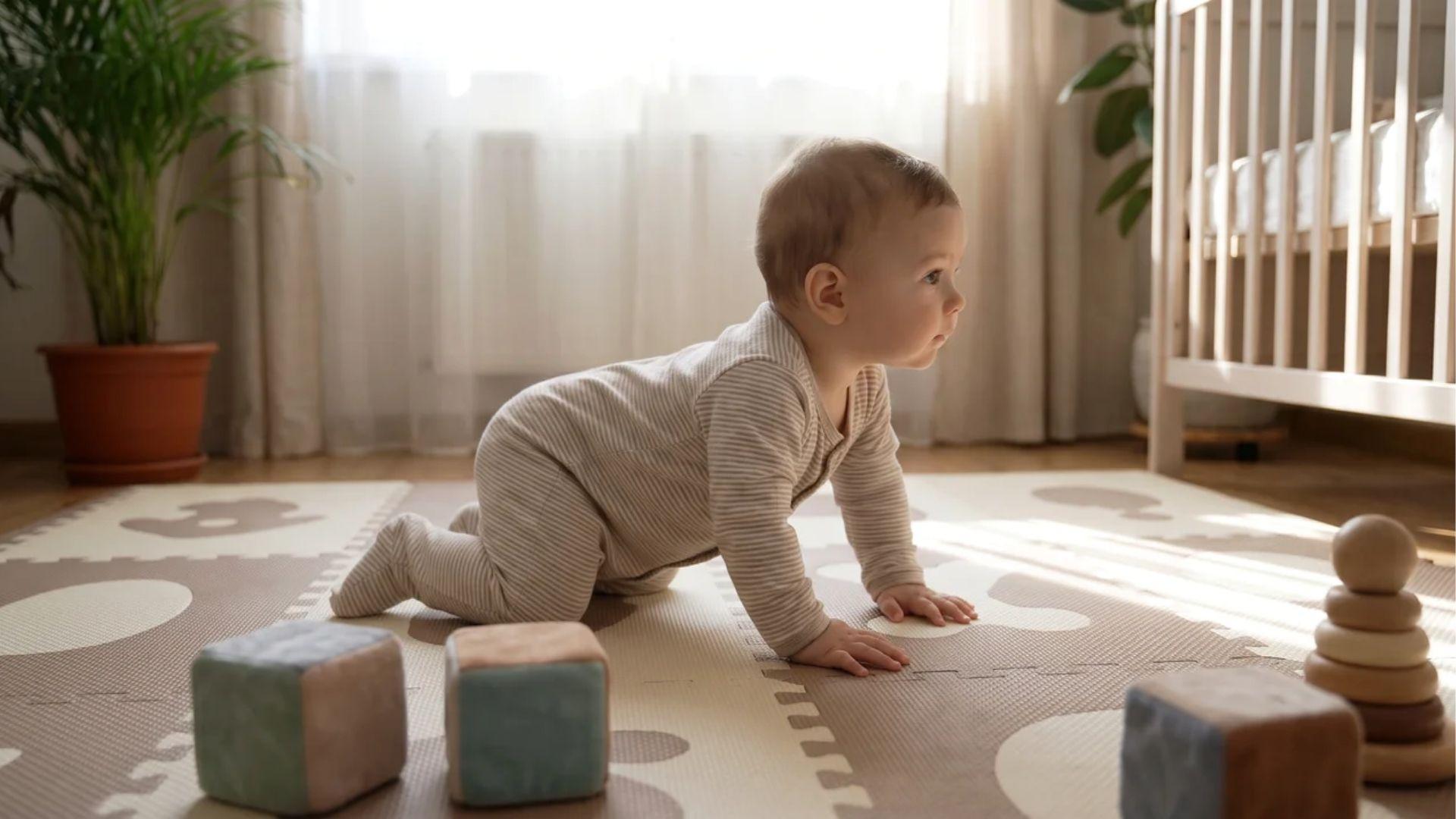
Weight isn’t the only thing changing at this age, because many babies also start bearing weight on their knees somewhere between 6 and 8 months, though the timing varies from baby to baby.
Six months is the halfway point of the first year and a common checkpoint, so it deserves its own closer look.
How Much Should a 6 Month Old Weigh?
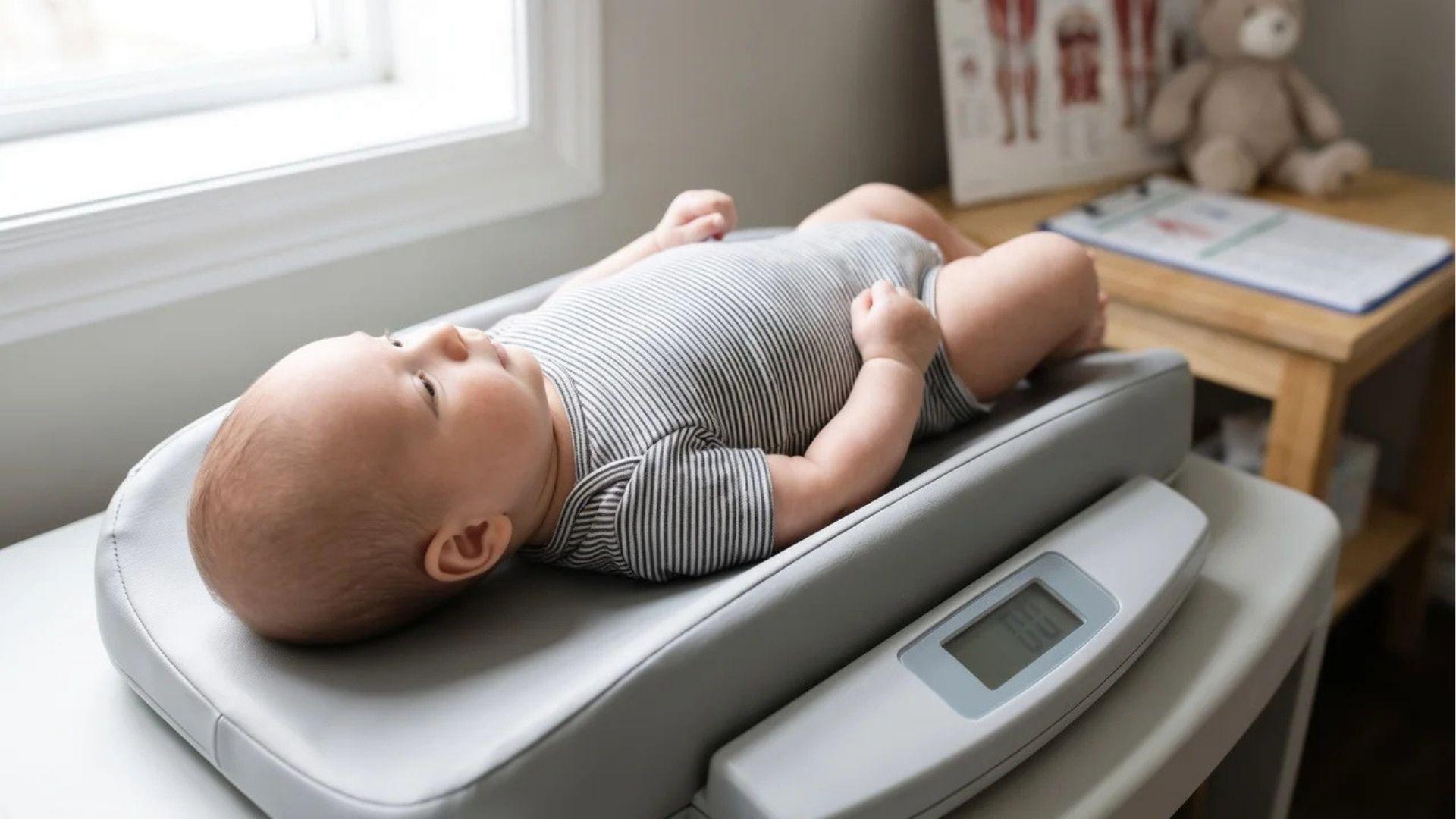
The average weight of a 6-month-old baby differs between boys and girls, with WHO growth standards giving separate numbers for each sex.
- Boys: about 7.9 kg (17.4 lb)
- Girls: about 7.3 kg (16.1 lb)
That single number means less than where your baby started.
A baby born large and sitting at the 6-month average may actually be growing more slowly than expected, while a baby born small and hitting that same number could be gaining faster than typical.
Your baby's birth weight and past measurements give that number real context.
Landing above or below the average at 6 months doesn't automatically point to a growth problem. Knowing the average is only half the picture, though.
The other half is understanding what the lines above and below it actually mean.
How Do You Read a Weight Chart for Babies?
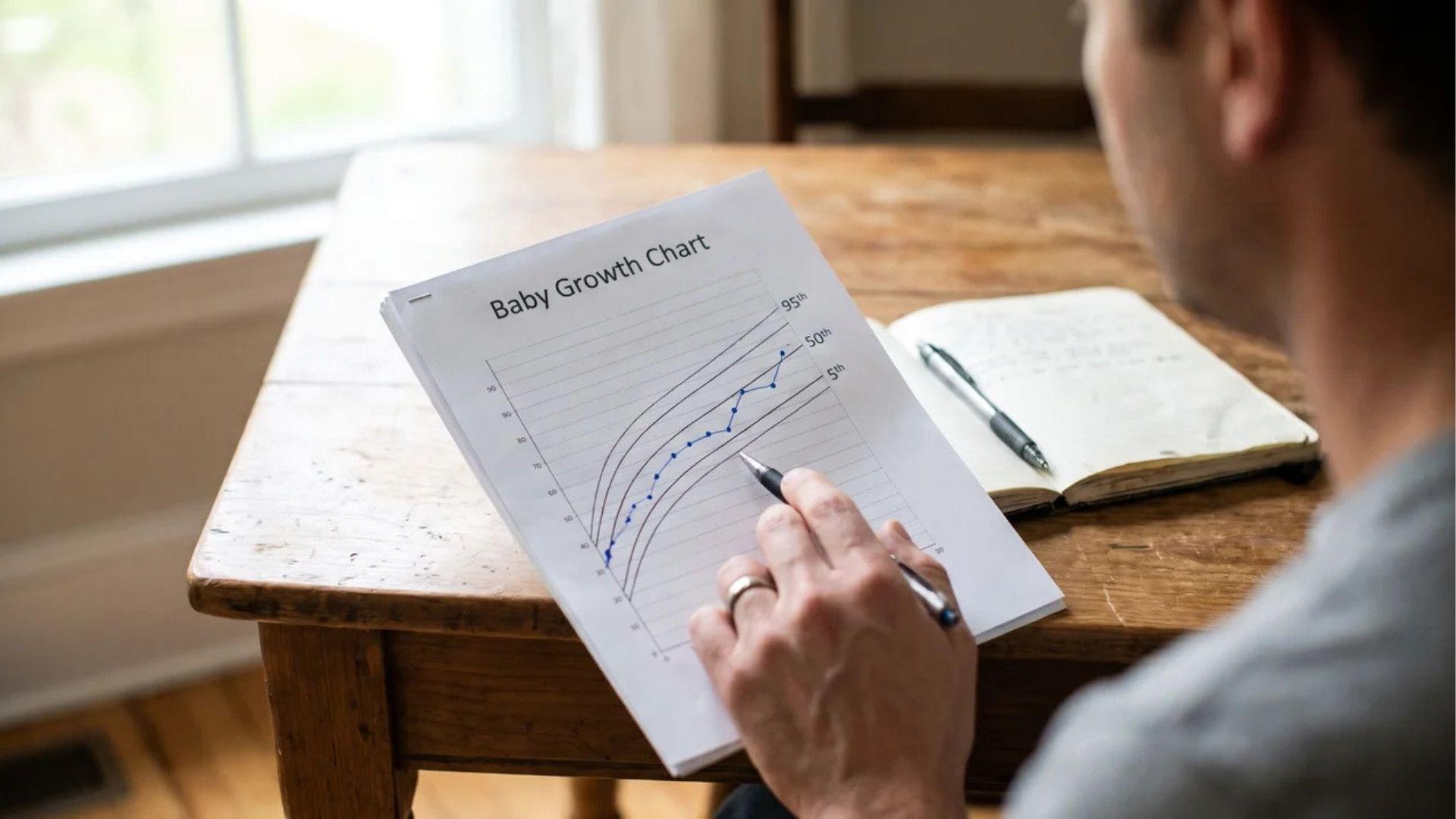
A weight chart for babies uses percentiles to compare an infant's weight with other babies of the same age and sex.
Once you understand how those percentile lines work, a single number on the chart makes a lot more sense.
What Does the 50th Percentile Mean on a Baby Weight Chart?
The 50th percentile marks the middle of the group.
Half of all babies in the reference population weigh more, and half weigh less. It's the median, not a goal your baby needs to hit.
A baby sitting at the 15th or 85th percentile can be just as healthy as one sitting right on the 50th line, as long as they're following their own curve.
Why Is Your Baby's Growth Curve More Important Than Average Weight?
Pediatricians plot your baby's weight at every visit and connect the dots into a curve. That curve tells a more useful story than any single weight check, because it shows direction over time.
A baby who drifts across two or more major percentile lines, up or down, usually gets a closer look from their doctor. One measurement rarely tells the full story on its own.
Pediatricians in the US typically use WHO charts for the first two years and switch to CDC charts afterward.
WHO's data comes from breastfed babies tracked internationally, while the CDC chart blends data from a broader mix of US children aged two and older.
A baby's weight gain depends on genetics, feeding, birth weight, health, and natural changes in growth throughout the first year.
No single factor decides the number on the scale, which is part of why two healthy babies the same age can weigh so differently.
What Affects a Baby's Weight Gain During the First Year?
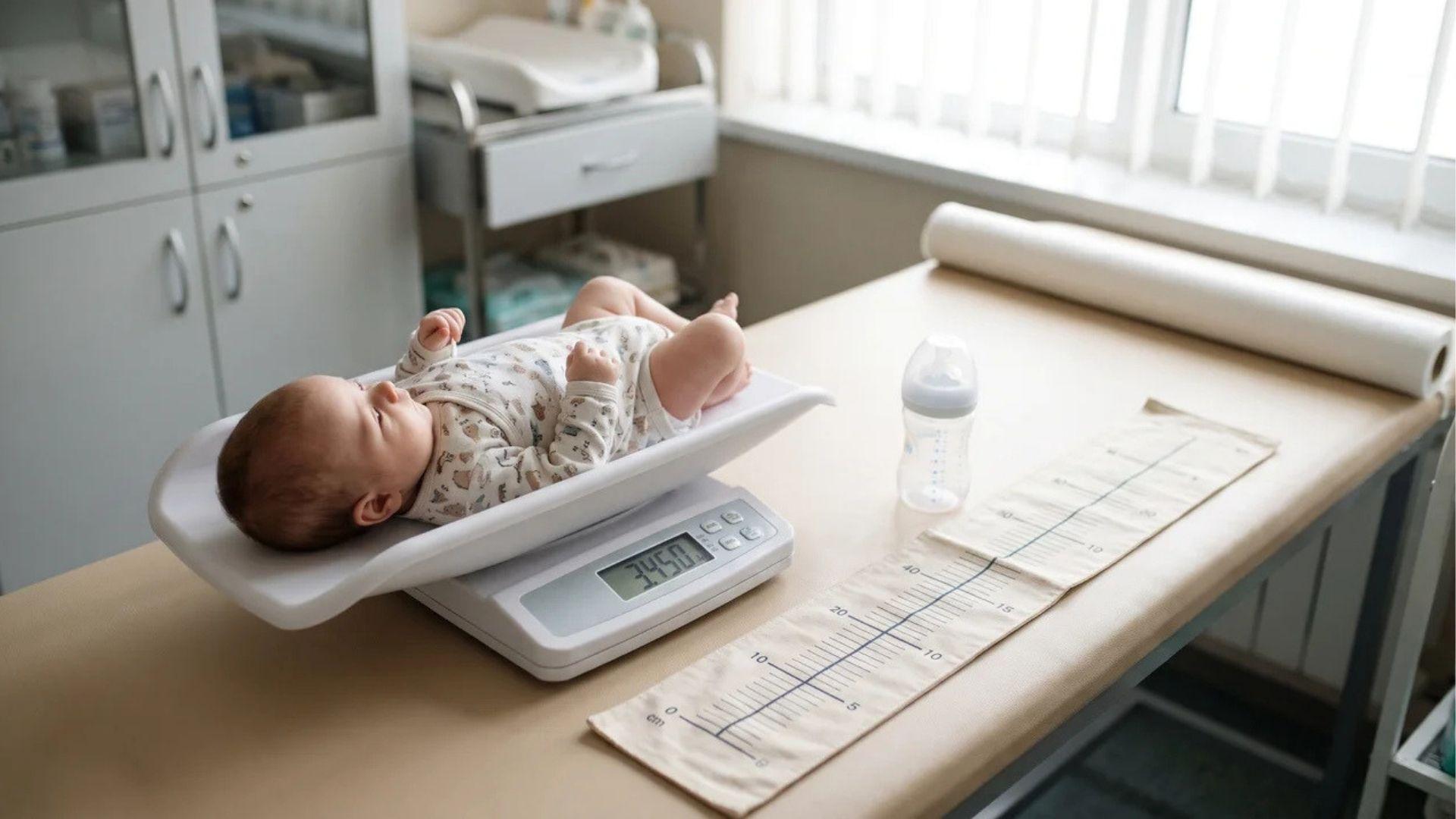
It's normal for a newborn to lose 5 to 10% of their birth weight in the first few days, then return to it by around two weeks, according to NIH's growth and development guidance.
From there, the pace of weight gain shifts twice during the first year.
How Much Weight Do Babies Gain in the First Six Months?
The first six months bring the fastest growth your baby will likely experience.
Many babies gain roughly 5 to 8 ounces a week until about 4 months, then slow to around 3 to 5 ounces a week until 6 months
Many babies roughly double their birth weight by around 4 months.
Breastfed and formula-fed babies often follow slightly different paces, and that's normal too.
Why Does Baby Weight Gain Slow Between Six and Twelve Months?
Weight gain naturally slows in the second half of the first year.
Your baby is crawling, reaching, and burning more energy than before, and solid foods start replacing some of the calories that used to come from milk alone.
By 12 months, many babies have roughly tripled their birth weight, though the exact pace still varies from baby to baby.
Final Thoughts
A baby weight chart by month is really just a map other babies happened to draw first. It's useful for noticing patterns, not for deciding whether your baby is doing well.
The number that matters most is your own baby's curve over time, not how closely it tracks the median line. Bring your questions and your baby's own growth history to your next well visit.
Your pediatrician can read that pattern far better than any chart on its own, and that conversation is worth more than any single weight check.
Frequently Asked Questions
Do Premature Babies Follow the Same Weight Chart as Full-Term Babies?
Not exactly. Premature babies are usually tracked using a corrected age until around age 2, so their weight gets plotted a little differently than a full-term baby's.
Can Teething Affect a Baby's Weight Gain?
Teething can sometimes reduce appetite for a few days, but it rarely causes a lasting dip in weight. A pattern of poor eating lasting more than a week is worth mentioning to your doctor.
How Often Should a Baby Be Weighed in the First Year?
Most babies are weighed at every well-baby visit, roughly at birth, 1, 2, 4, 6, 9, and 12 months. Your pediatrician may suggest extra checks if something specific comes up.
When Should Parents Worry About Their Baby's Weight?
Talk to your pediatrician if your baby shows poor weight gain, sudden weight loss, feeding difficulties, or a noticeable shift in their growth pattern. One measurement on its own rarely tells the full story.