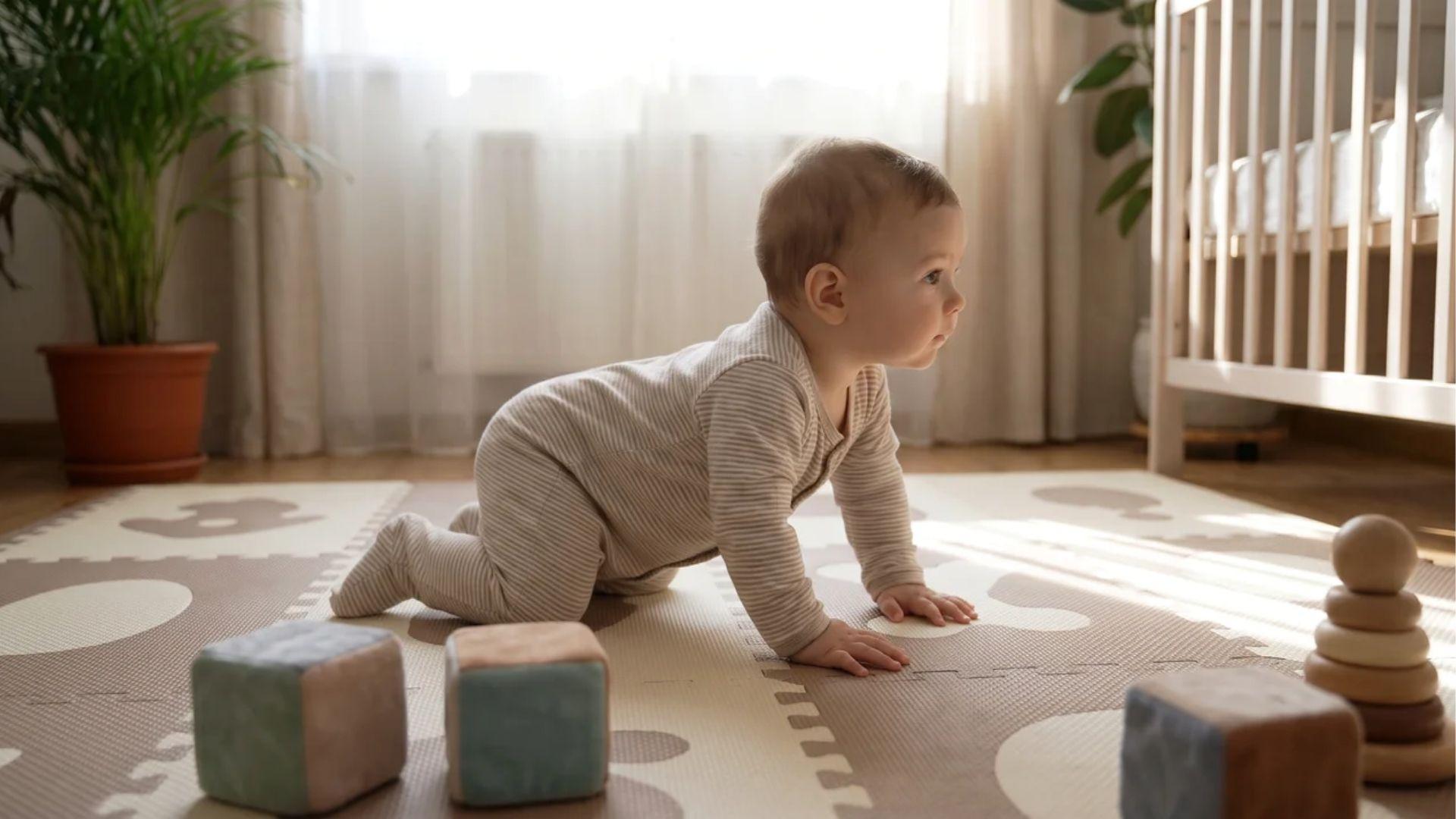


Your baby has been doubled over on all fours for days. Rocking, revving up, going nowhere.
No crawl, no scoot, just a baby stuck in place, looking mildly offended about it.
It’s the question every parent ends up asking: when can babies bear weight on knees in a way that actually holds, not just a second-long wobble?
The part parents never hear. Plenty of babies skip the classic hands-and-knees crawl altogether and get around in their own way instead.
For most babies it is just a different route to the same place, not a sign of anything behind schedule.
So before you start worrying that something’s off, it helps to know what this stage normally looks like. And how wide that range of normal really is.
When Can Babies Bear Weight on Knees by Age?
Most babies start getting onto their hands and knees and holding the position somewhere between 6 and 8 months, though some do it a little earlier or later.
The exact timing depends on a few things.
How much tummy time a baby has had, how strong their core and arms already are, and how much they have practiced sitting and reaching beforehand all play a part.
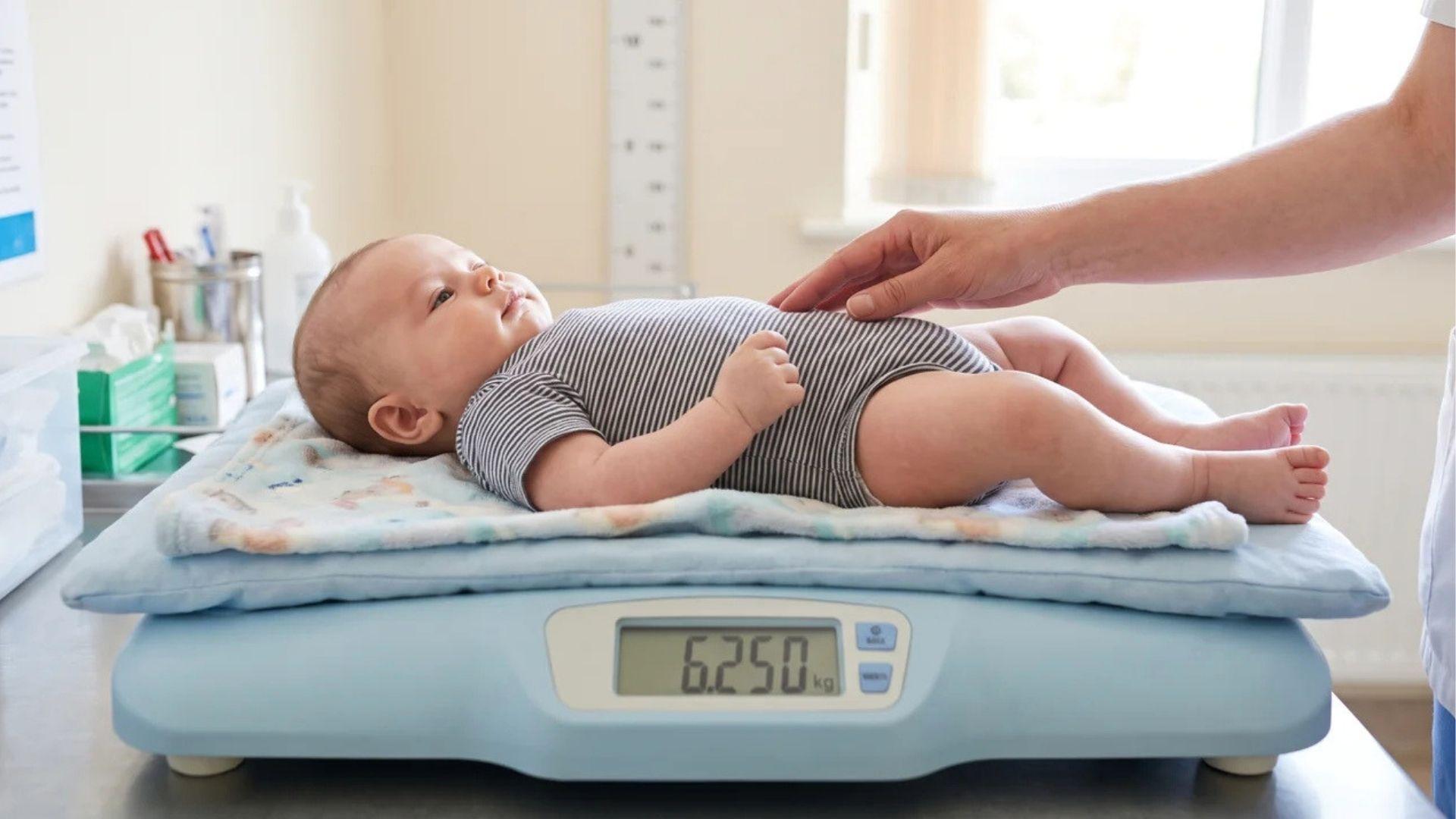
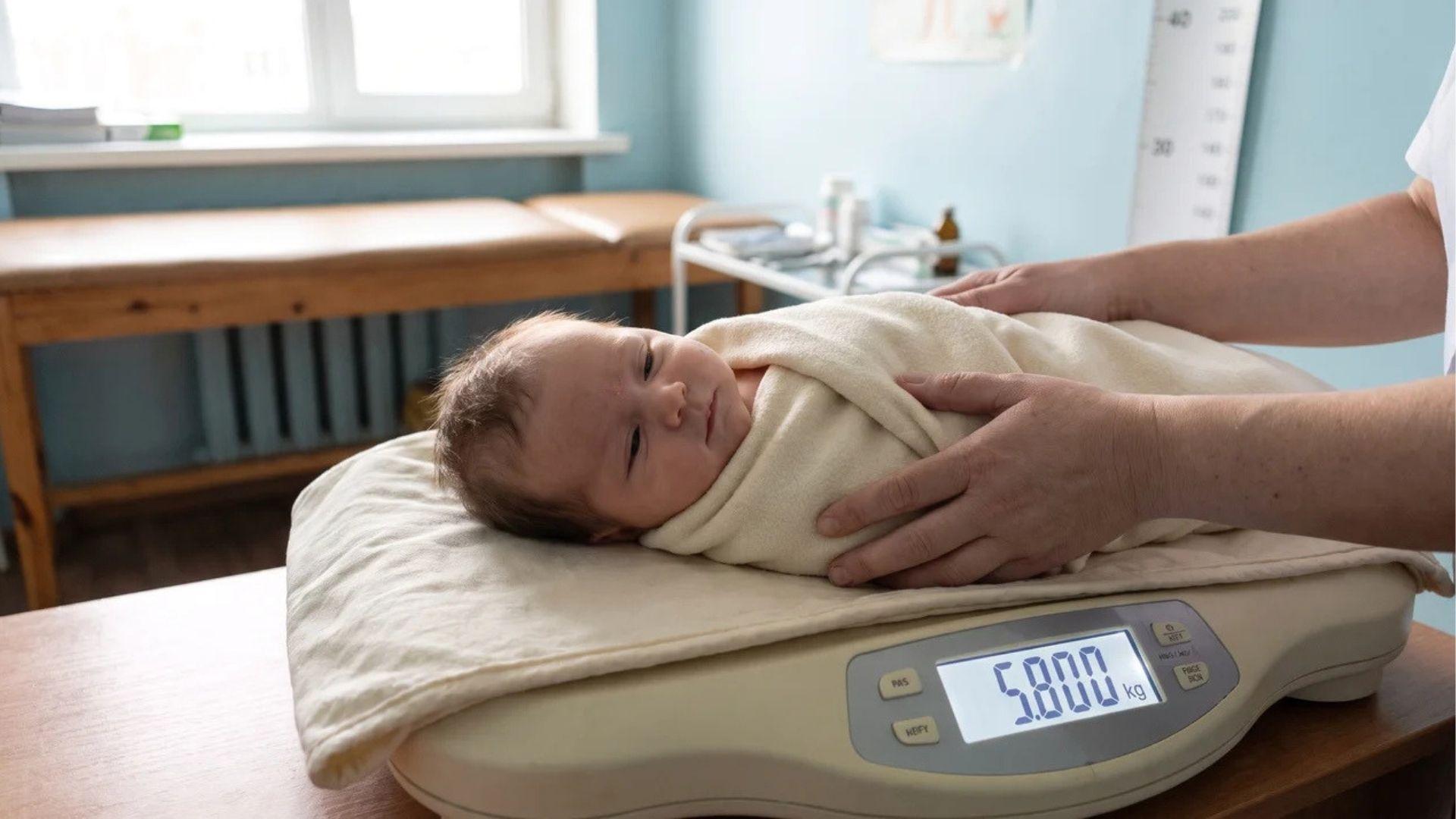
Babies differ in size just as much as in skill, and a monthly baby weight chart can help you see what typical growth looks like at this age.
There is also a real difference between briefly dropping into this position and actually holding it. A baby might touch their knees down for a second, then flop right back onto their belly. ‘
That is not the same as resting comfortably on hands and knees, rocking, or shifting weight toward a crawl.
Give it a few weeks. Most babies move from that brief, wobbly moment to holding the position with more control.
Getting into this position takes real physical work, though. Here's how babies build the strength to do it.
How Do Babies Develop the Strength to Bear Weight on Their Knees?
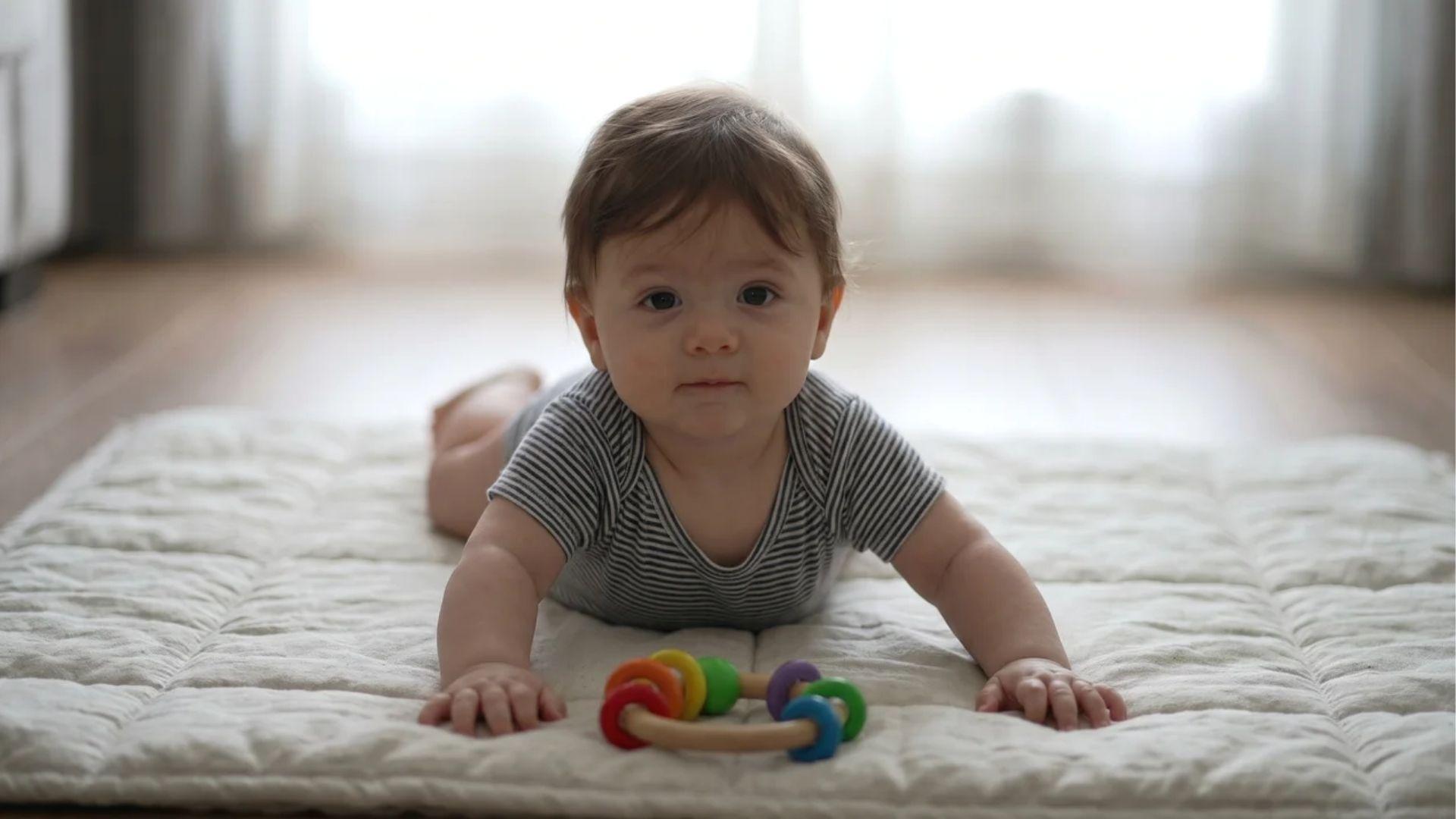
Strength for this stage builds gradually, and it starts long before a baby ever gets near their knees.
How Does Tummy Time Prepare Babies for Kneeling?
Tummy time is where most of this strength starts. Lifting the head against gravity works the neck and shoulders first.
As babies get stronger, they start pushing up through straight arms instead of just lifting their chin.
That builds the shoulder and core strength needed to later hold a hands-and-knees position without collapsing.
It is slow, repetitive work. A baby pushing up for a few seconds at three months is doing the groundwork for the knee strength that shows up months later.
When Do Babies Start Getting Into the Hands-and-Knees Position?
Somewhere around 6 to 8 months, babies usually start shifting from sitting or lying on their belly into a hands-and-knees position on their own.
It rarely happens in one smooth move at first. A baby might push up onto straight arms, then drag their knees underneath them one at a time.
Balance plays as big a role as strength here. A baby can have strong arms and still tip over sideways until their sense of balance catches up.
That is why some babies hold this position steadily within days, while others take a few weeks of practice and toppling before it clicks.
Why Do Babies Rock Back and Forth on Their Hands and Knees?
Rocking looks like stalling, but it is practice. Shifting weight from arms to knees and back again teaches a baby's body how to balance while moving.
It is also how babies learn to coordinate opposite sides of their body, moving one arm and the opposite knee together. That pattern shows up again later in crawling itself.
Once a baby can hold this position and rock through it comfortably, the next move is usually forward.
When Do Babies Start Crawling After Bearing Weight on Their Knees?
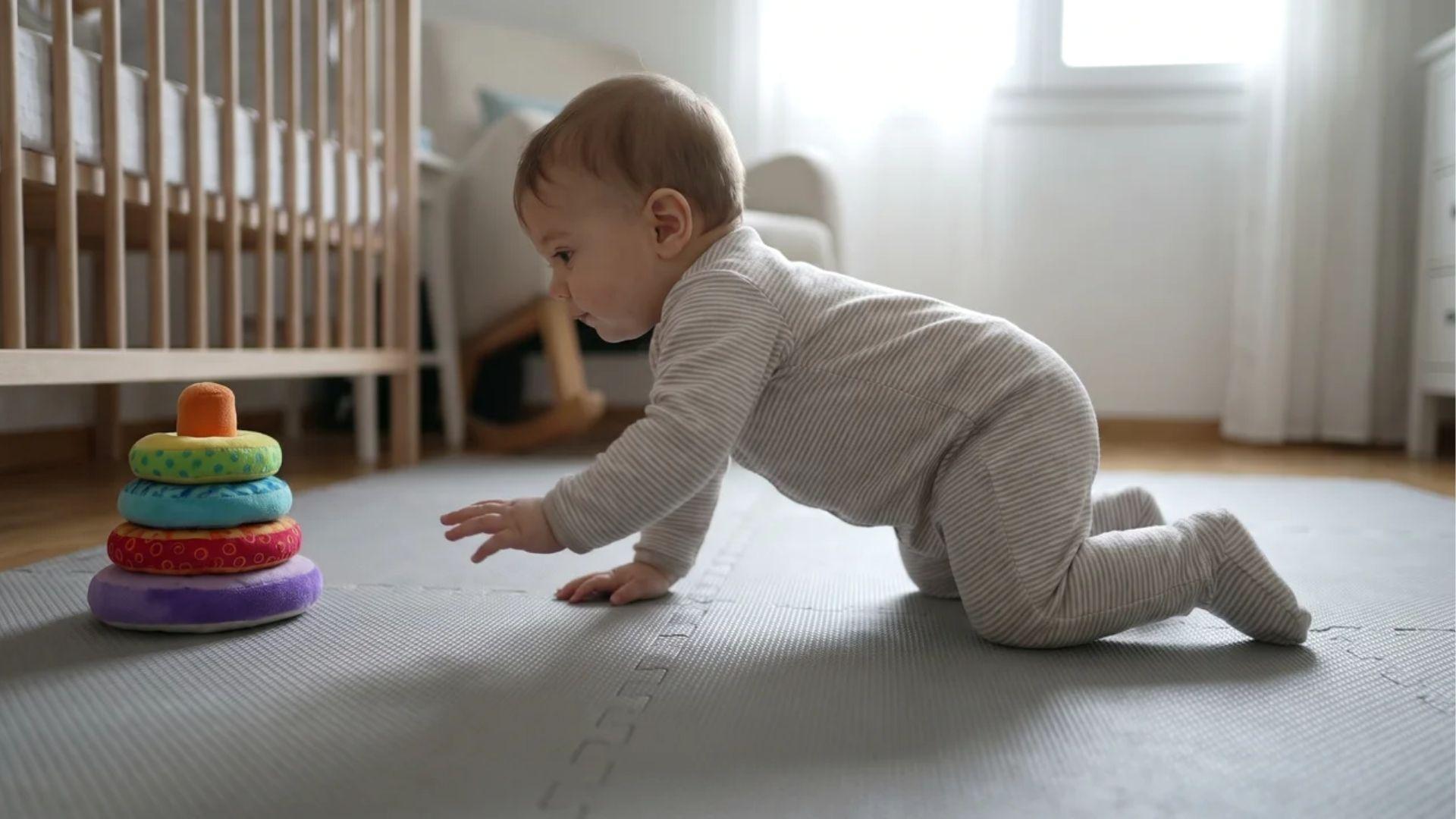
Most babies move from rocking on their hands and knees into actual crawling somewhere between 7 and 10 months.
The gap between the two is often a few weeks.
The shift happens gradually. A baby rocks, then pushes one knee forward, then drags the other one to catch up. Early crawling often looks lopsided before it turns into a smooth pattern.
Bearing weight on the knees does not mean crawling is right around the corner either. Some babies hold that position confidently for weeks before they figure out forward motion.
The WHO Motor Development Study, published in Acta Paediatrica in 2006, shows just how wide this window is. It followed 816 healthy children in Ghana, India, Norway, Oman and the United States.
In that study, nearly all babies began hands-and-knees crawling between 5.2 and 13.5 months.
About 4 in 100 (4.3%) never showed hands-and-knees crawling at all, so some babies get around in other ways, such as scooting or bottom-shuffling.
Not every baby crawls in the textbook pattern, though. Some find their own version entirely.
What If a Baby Crawls With One Leg Up?
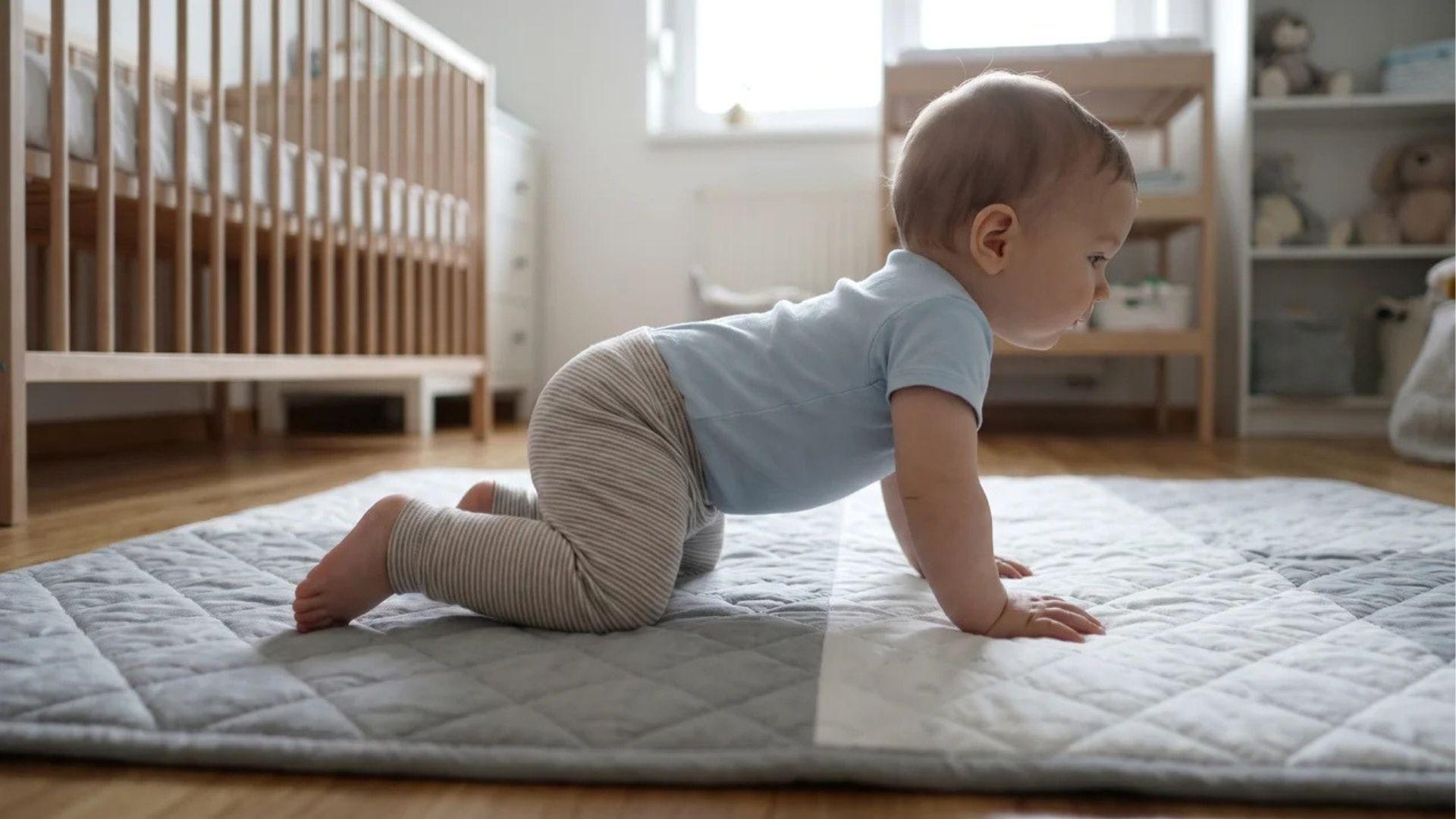
Some babies crawl with one knee down and the opposite foot planted flat. Researchers call this a step-crawl mix, and parents often call it a tripod crawl. It looks unusual, but it is a recognized variation, not a mistake.
Babies experiment constantly while building coordination.
One week they might crawl symmetrically; the next they might favor one leg for a while before switching back. This kind of trial and error is part of how movement skills get refined.
What is worth paying closer attention to is a pattern that never changes. If a baby consistently favors one side or seems weaker on one leg, mention it.
That's enough reason to bring it up at the next pediatrician visit.
One-sided crawling on its own is rarely something to worry about. Persistent, unchanging asymmetry paired with other movement differences is a different story.
A doctor is the best person to help sort out which one you are seeing.
A lopsided crawl is usually just a phase. Knowing when a bigger delay deserves attention is the more useful thing to watch for.
When Should Parents Be Concerned About a Baby Not Bearing Weight on Their Knees?
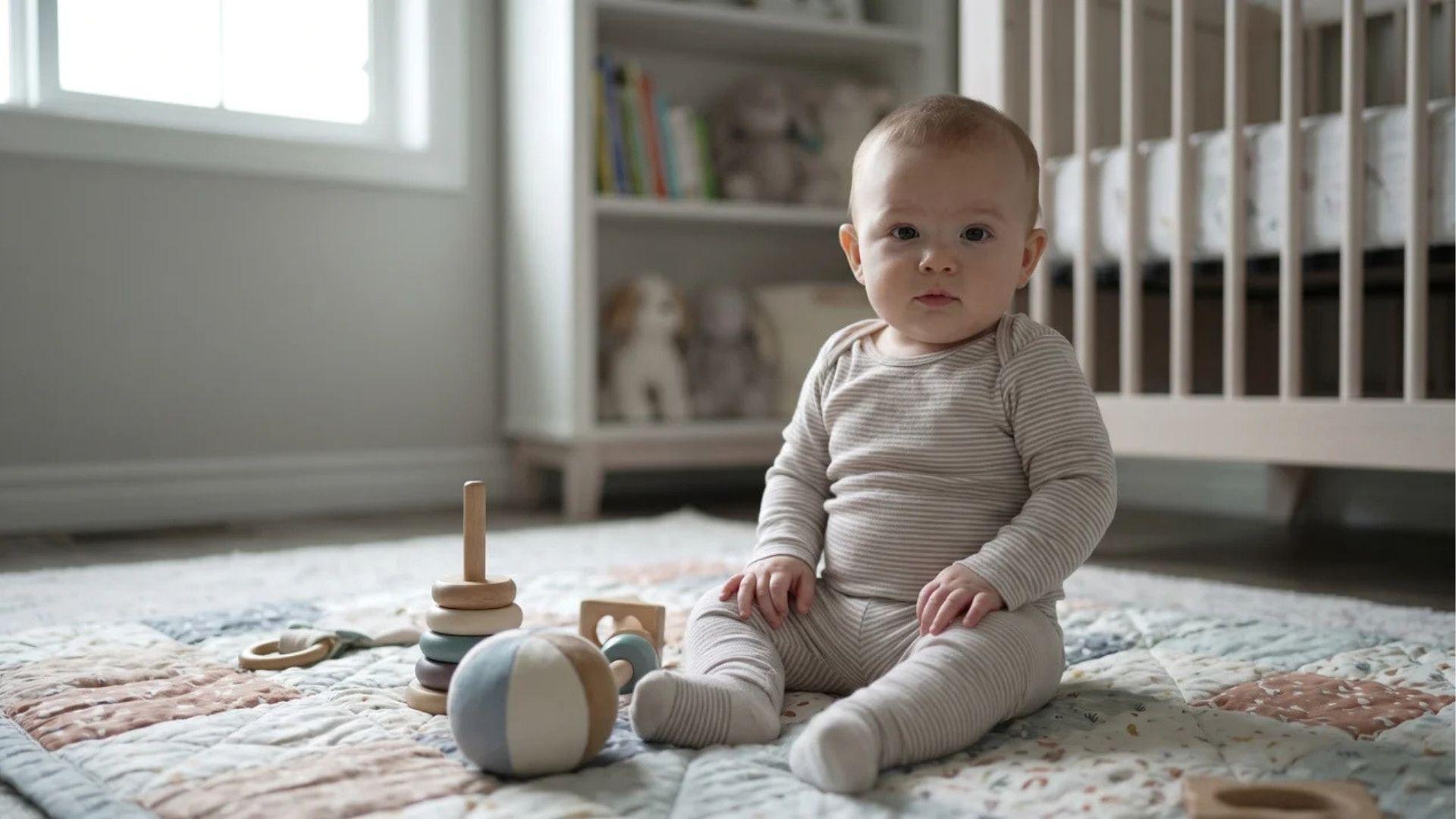
Not every baby bears weight on their knees right at 6 to 8 months, and that alone is nothing to worry about. Development covers a wide range, and babies develop differently.
CDC milestone checklists have asked parents to mention it to a doctor when a baby does not push down with the legs while their feet rest on a hard surface.
This is a different skill from kneeling on all fours, but it belongs to the same strength-building picture.
This is a different skill from kneeling on all fours, but it’s part of the same strength-building picture.
A few other signs call for a direct conversation with your pediatrician instead of waiting it out:
- Noticeable weakness or difficulty supporting weight on one side
- A sudden refusal to bear weight after doing it before
- Signs of pain or discomfort during movement
- Losing a movement skill the baby previously had
Any single one of these is reason enough to mention it at the next visit. A pediatrician can tell the difference between a baby on their own timeline and one who needs a closer look.
A few more questions come up often enough that they deserve quick, direct answers.
Final Thoughts
When can babies bear weight on knees? It’s just one checkpoint on the uneven road to crawling, not a finish line.
Some babies hit it early and stall for weeks. Others skip the hands-and-knees stage completely and get around just fine another way.
The real takeaway is that movement develops in its own order for every baby, not a fixed script everyone follows. Watch for steady progress, not a calendar date.
If something feels consistently off rather than just different, bring it up at your baby’s next checkup. A quick conversation is worth more than weeks of guessing on your own.
Frequently Asked Questions
Can a 4-Month-Old Baby Bear Weight on Their Legs?
Yes, though only briefly and with an adult's support, not on their own. Full weight-bearing without help comes later, usually closer to 9 to 12 months.
What Age Do Babies Start Standing on Their Own?
Most babies manage a few seconds of unsupported standing somewhere between 9 and 12 months. Balance tends to lag behind leg strength at first.
Is Bottom Shuffling Instead of Crawling Normal?
Yes, some babies scoot on their bottom rather than crawling on hands and knees, and it's a recognized alternative. It often runs in families and isn't a cause for concern on its own.
How Can Parents Encourage a Baby to Crawl?
Supervised floor time and toys placed just out of reach can motivate forward movement. A clear, open space gives a baby room to practice without pressure.