

Many new parents notice it within the first few weeks: Your baby finishes a feed, you settle in, and those small rhythmic hiccups start right back up.
If baby hiccups after every feed have become part of your routine, you’re watching a real pattern, not something you’re imagining.
During a feed, the stomach stretches and presses against the diaphragm, which can trigger the spasm behind a hiccup.
A still-maturing nervous system also makes things more reactive early on. None of this means you’re doing anything wrong.
I’ll walk you through why hiccups follow feeds so reliably, whether reflux plays a role, feeding adjustments that help, and the signs worth mentioning to your pediatrician.
Why Does My Newborn Have Hiccups After Every Feed?
As a feed stretches the stomach, it presses against the diaphragm and can trigger a spasm, which is what a hiccup actually is.
Babies also swallow small amounts of air while they eat, and that trapped air adds extra pressure in the same area.
That same pressure can push milk back up too, so if your baby spits up as well, here’s how to stop your baby from vomiting after feeding.
On top of that, a young infant’s nervous system is still maturing, which makes the diaphragm more reactive to these everyday triggers than it will be a few months later.
That combination is why my newborn has hiccups after nearly every feed rather than only occasionally.
What Causes a Baby to Swallow Air While Feeding

Air swallowing, also called aerophagia, is one of the main reasons hiccups follow feeding so reliably, and it tends to happen in a few specific situations.
- Feeding too fast, whether from a fast-flowing bottle nipple or a strong milk letdown during breastfeeding
- Crying hard right before a feed starts, since a fussy baby gulps air along with the first mouthfuls of milk
- A poor latch at the breast or an improper seal around a bottle nipple, which lets extra air in around each swallow
- Feeding while lying too flat, which makes it harder for milk to go down smoothly
Position and pacing matter too, since a steep bottle angle or a long feed with no pauses tends to pull in more air than a calmer, paced feed.
This isn’t a sign you’re doing anything wrong. It just reflects how much coordination feeding takes at this age, and that coordination improves steadily over the first few months.
Can Reflux Cause Hiccups in Babies?
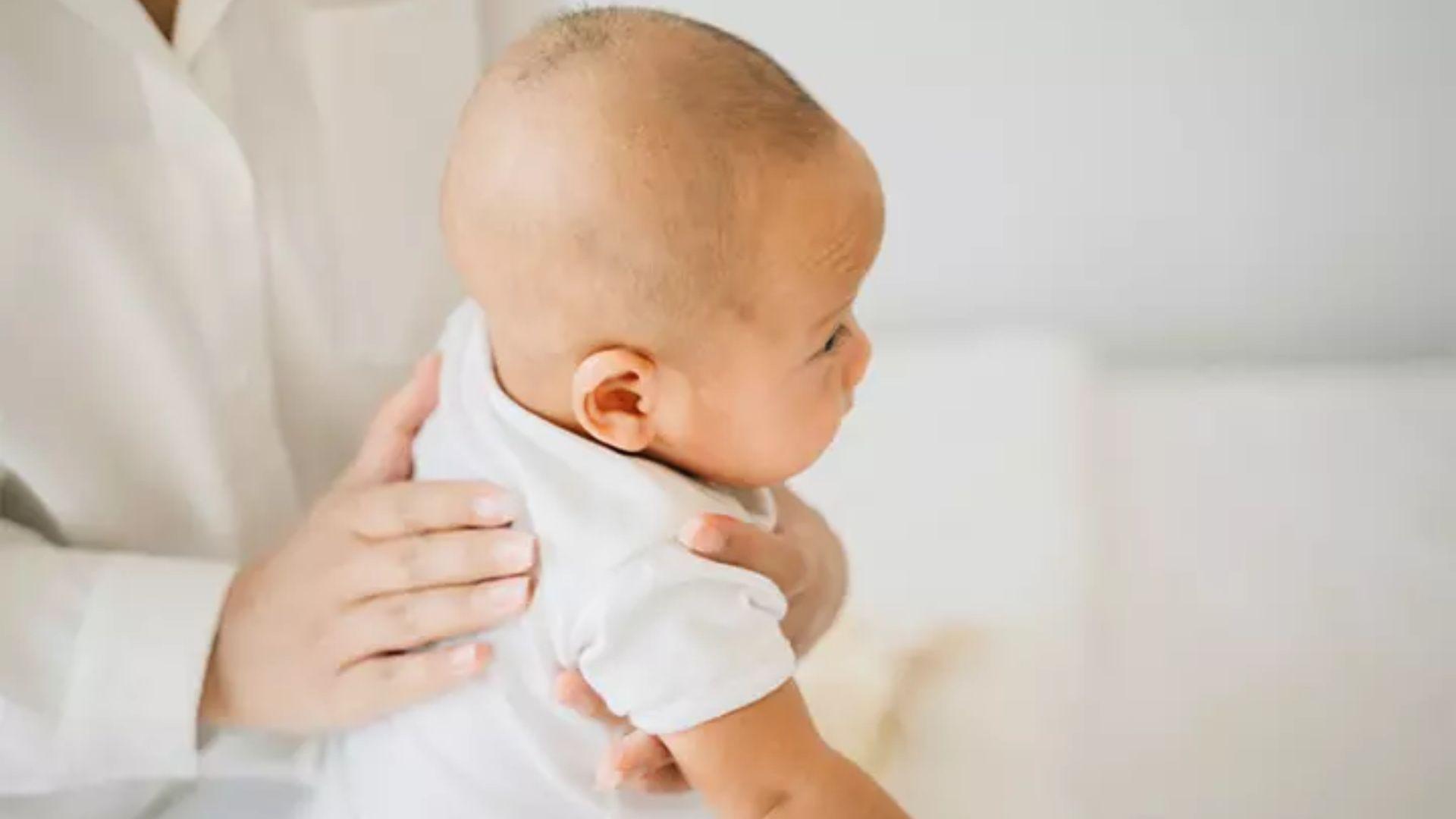
Mild reflux can act as a secondary trigger for hiccups, since stomach contents moving back up toward the lower esophagus can irritate the diaphragm in the same way a full stomach does.
This is common in young infants and usually resolves on its own, typically by 12 to 18 months, as the digestive system matures.
It becomes worth mentioning to a pediatrician if the hiccups seem to come with noticeable discomfort, frequent spit-up, or signs that feeding itself is becoming unpleasant for the baby, since a doctor can tell the difference between typical reflux and something that needs closer attention.
How to Help a Baby Get Rid of Hiccups
Most newborn hiccups resolve on their own within a few minutes, but there are a handful of feeding adjustments that tend to reduce how often they happen and how long they last.
These changes are gentle, require no special equipment, and work with the feeding routine a family already has rather than replacing it.
1. Burp More Often During Feeds

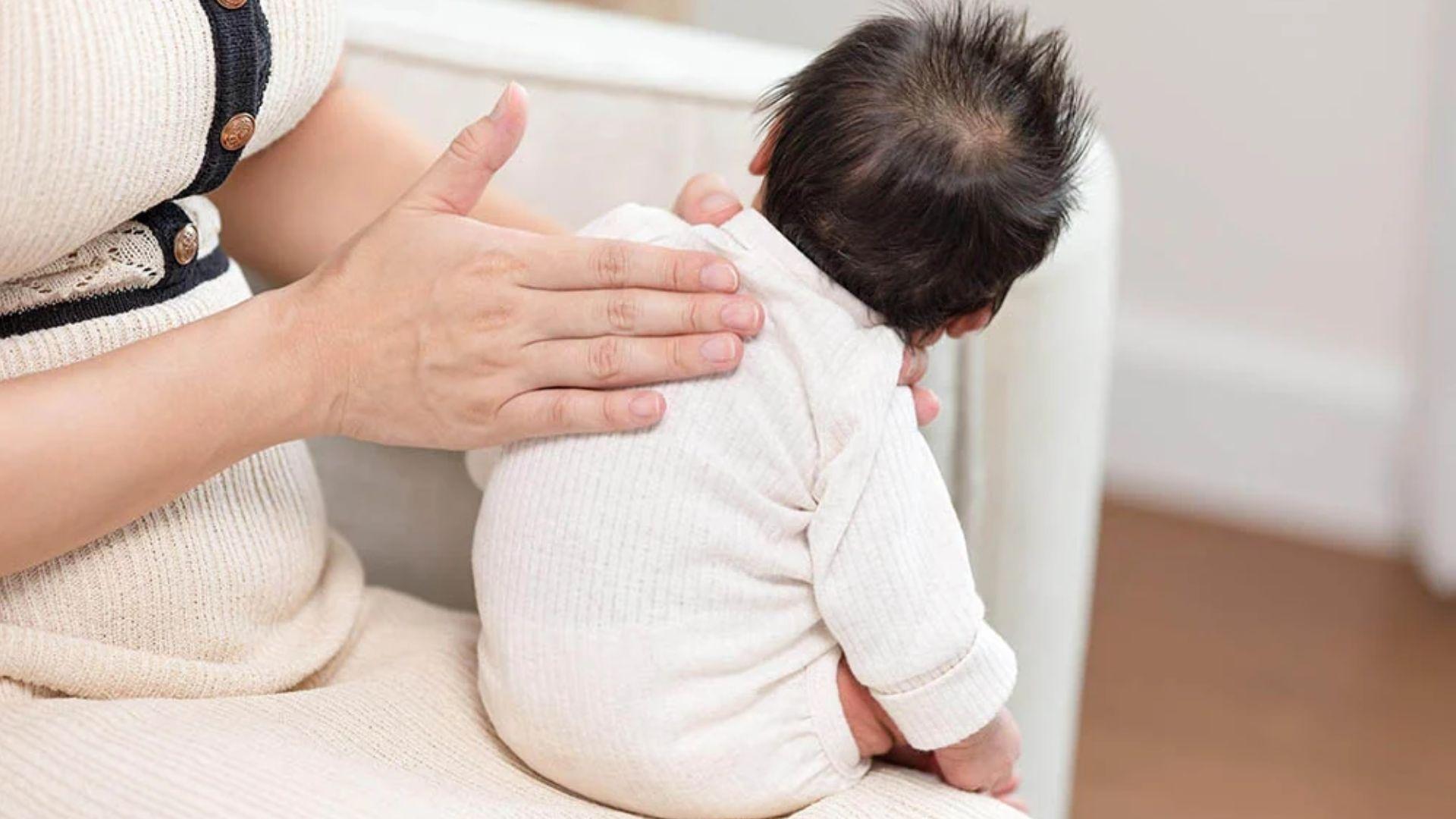
Pausing for a burp every couple of ounces during a bottle feed, or between sides during breastfeeding, gives trapped air a chance to escape before it builds up.
This steady pacing tends to work better than waiting until the very end of the feed, since it addresses air pressure while it is still manageable rather than after it has accumulated.
2. Feed Before Your Baby Gets Too Hungry
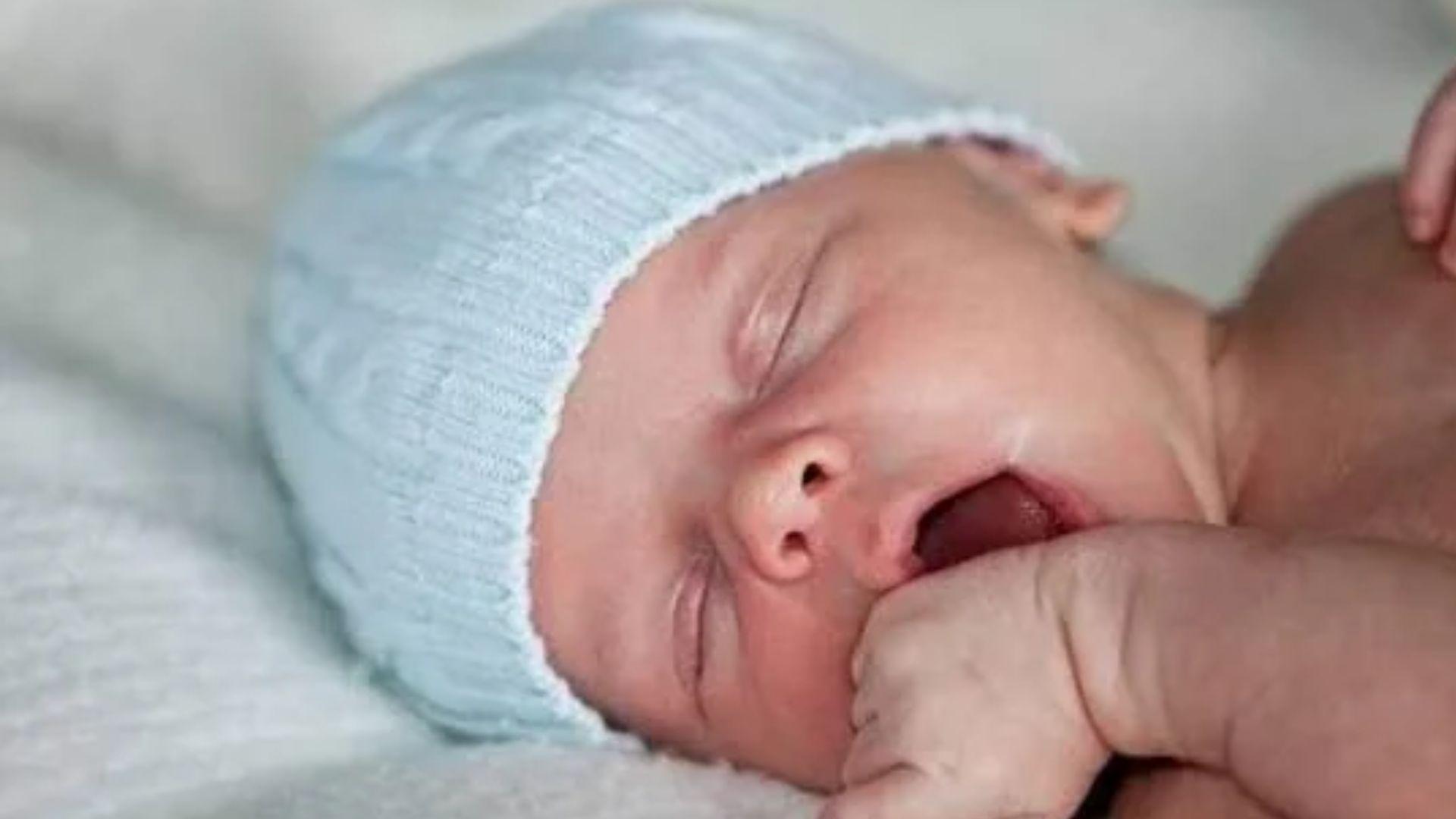
Watching for early hunger cues, such as rooting or hand-to-mouth movements, makes it easier to start a feed before a baby becomes frantic.
A baby who has waited too long to eat often gulps in a rush, which pulls in more air with every swallow and makes hiccups more likely once the feed is over.
3. Slow the Feeding Down

Building short, natural pauses into the middle of a feed, rather than letting a baby swallow continuously from start to finish, reduces the steady pressure that builds in the stomach.
This is especially useful for babies who tend to feed quickly, since it gives the stomach and diaphragm a brief chance to settle partway through.
4. Check the Bottle Nipple Flow

A nipple that flows faster than a baby can comfortably manage forces more milk, and more air, into each swallow.
Matching the nipple flow rate to the baby’s age, and slowing down to a lower flow if hiccups are frequent, often makes a noticeable difference within a few feeds.
5. Hold Your Baby Upright After Feeding

Keeping a baby upright for 10 to 15 minutes after a feed, or up to 30 minutes if your baby spits up often, allows the stomach to settle and gives trapped air an easier path out, whether through a burp or simply by reducing pressure on the diaphragm.
This habit can also reduce spit-up, which may make hiccups less likely.
6. Offer a Pacifier
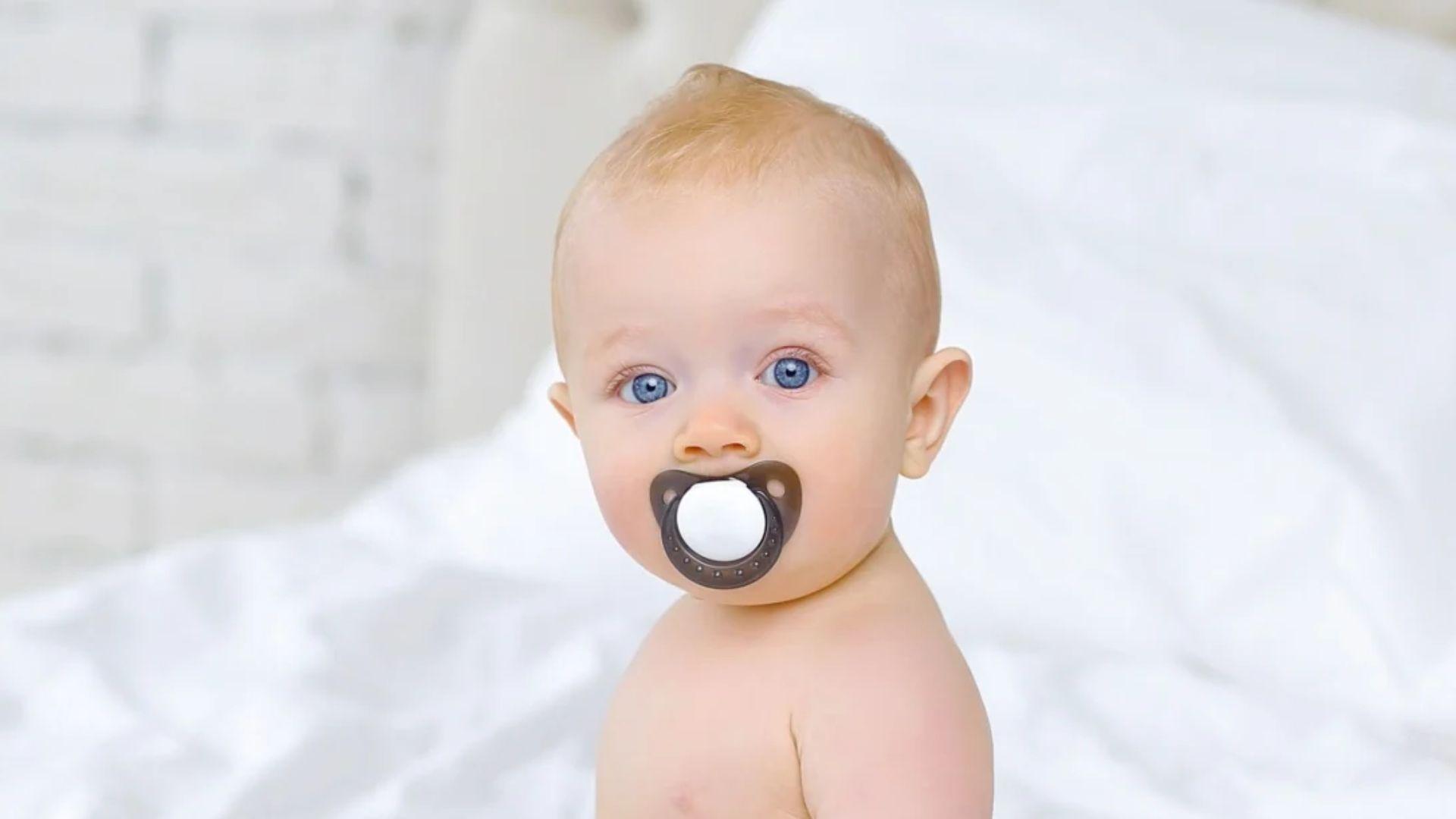
Some parents find that sucking on a pacifier helps settle hiccups, even outside of a feeding session, though there is no strong evidence for it.
It is a gentle option for babies who are soothed by sucking and tend to settle quickly once offered one.
What Not to Do When Your Baby Has Hiccups
A few common remedies for baby hiccups are not supported by evidence and are worth skipping.
Startling a baby does nothing to stop hiccups and only causes distress, while water should never be given to a baby under six months old, who should only be fed breast milk or formula.
Pulling on a baby’s tongue is not a safe remedy either, and gripe water should only be used after checking with a pediatrician.
The FDA does not regulate it as a medicine, and some formulations contain sodium bicarbonate or other additives that aren’t appropriate for every baby.
Most importantly, hiccups bother parents far more than babies, and most infants sleep right through them without any disruption.
When to Call the Pediatrician About Baby Hiccups
While hiccups are almost always harmless, a few signs call for a conversation with a pediatrician rather than waiting it out.
These include hiccups that keep going and interfere with feeding or sleep or any episode lasting hours, along with forceful vomiting rather than the baby’s usual spit-up.
Extreme fussiness during or after feeds, poor weight gain, and any sign of breathing trouble are also worth flagging, as is a pattern that makes you suspect gastroesophageal reflux disease.
A pediatrician can evaluate these symptoms directly and determine whether any further care is needed.
Conclusion
Hiccups after a feed are one of the most common things a newborn’s body does, and in most cases, they settle on their own within a few minutes.
Pacing feeds, burping often, and keeping your baby upright afterward can cut down how often you see baby hiccups after every feed and how long they stick around.
What matters most is knowing the difference between typical hiccups and the signs that need a pediatrician’s input, like prolonged episodes, forceful vomiting, or trouble breathing.
Trust what you’re seeing in your own baby, and if something feels off, don’t wait to ask your doctor. It’s always worth the call.
Frequently Asked Questions
How Often Is Too Often for Baby Hiccups?
Several short episodes a day are common in healthy infants and usually pass within minutes.Hiccups that keep going for a long stretch, interfere with feeding or sleep, or come with poor feeding or fussiness, call for a pediatrician visit.
Is It Normal for My Baby to Get Hiccups Every Time He Eats?
Yes, it is common, and it is usually not a concern as long as he feeds well and gains weight. The pattern often eases as his feeding coordination improves over the first few months.
Are Frequent Hiccups a Symptom of Anything?
Usually, they are a normal reflex, though they can sometimes accompany mild reflux. Ongoing hiccups with forceful vomiting, poor weight gain, or breathing trouble should be checked by a pediatrician.