Honey Nut Cheerios sit in almost every pantry. They are sweet, crunchy, and loved by kids of all ages. But if you have a baby at home, you may be wondering if this popular cereal is safe to share.
The short answer involves more than just choking risk. Honey itself can be dangerous for very young babies.
This article walks you through when Honey Nut Cheerios are safe, what happens if your baby eats them too early, and safer cereal choices in the meantime.
As a parent who has faced the same grocery aisle questions, I know how confusing feeding milestones can feel.
Are Honey Nut Cheerios Safe for Babies?
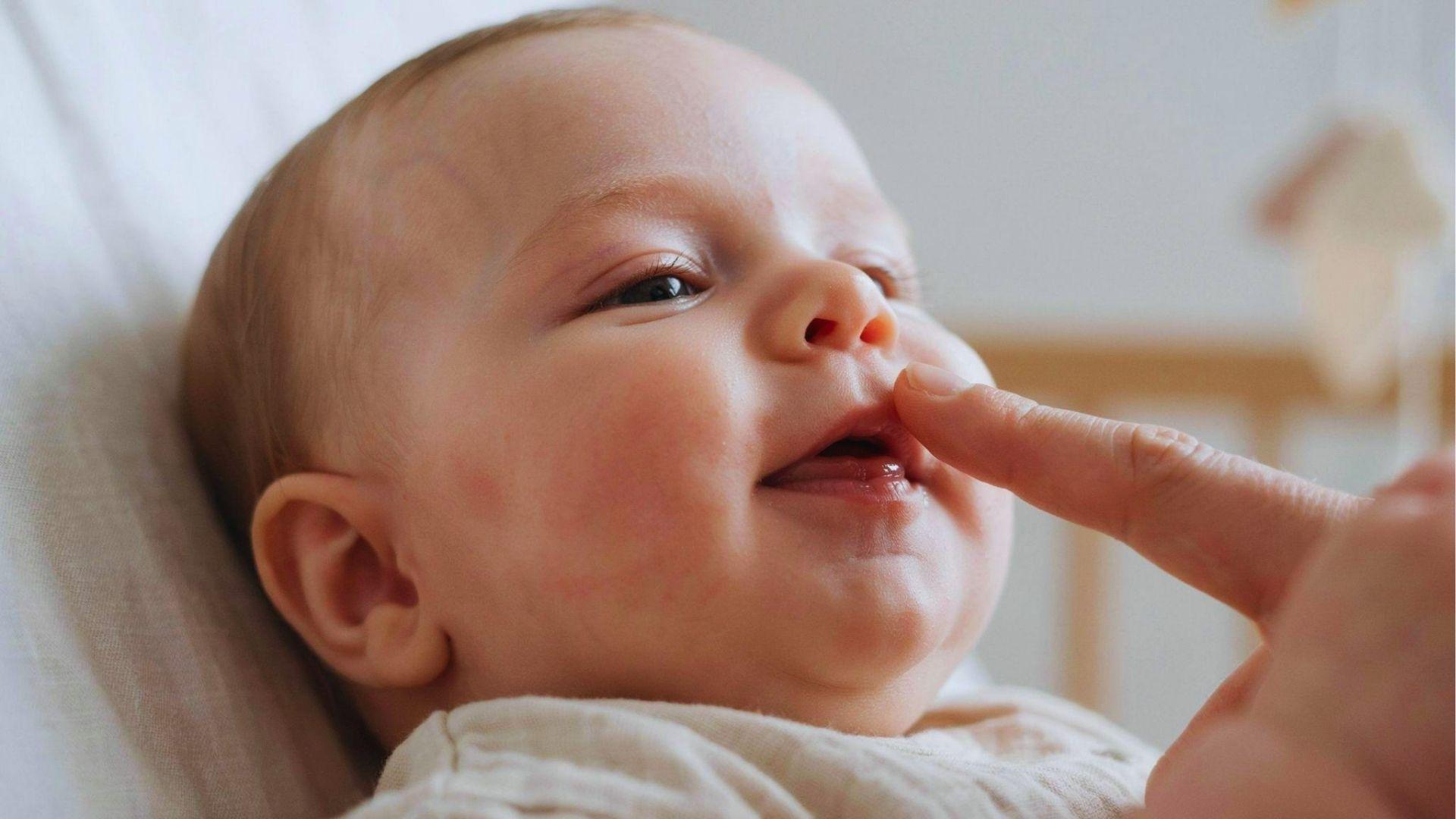
Honey Nut Cheerios are not safe for babies under 12 months old. The main concern is not the wheat or the sugar. It is the honey used to flavor the cereal.
Honey can carry bacterial spores that cause a serious illness called infant botulism. A baby's digestive system is not mature enough to fight off these spores. Adults and older kids handle them without any issue, but babies cannot.
Once your baby turns one, their gut has matured enough to break down these spores safely. At that point, Honey Nut Cheerios can be introduced along with other honey-containing foods.
Why Babies Under 12 Months Should Not Have Honey
Infant botulism happens when bacterial spores from honey grow inside a baby's intestines and release toxins. These toxins affect the nervous system and can cause muscle weakness, poor feeding, constipation, and in serious cases, trouble breathing.
This is not the same as food poisoning from spoiled food. Even a small amount of pure, high quality honey can carry these spores. Cooking or baking does not always destroy them either, so "just a little bit baked into something" is not a safe workaround.
Doctors recommend waiting until after the first birthday to introduce any honey, including in cereals, granola bars, sauces, or baked goods. This rule applies no matter how small the amount seems.
What If Your Baby Accidentally Ate Honey Nut Cheerios?
Accidents happen, especially with older siblings sharing snacks. If your baby ate Honey Nut Cheerios before turning one, try to stay calm.
A single small taste does not always lead to illness, but you should still watch your baby closely for the next one to two weeks.
Signs of infant botulism include:
- Constipation (often the first sign)
- Weak cry or muted crying
- Trouble sucking or feeding
- Drooping eyelids
- Floppy movements or reduced muscle tone
- Slow, labored breathing
If you notice any of these symptoms, call your pediatrician right away or head to urgent care. Infant botulism is treatable, but it needs prompt medical attention.
If your baby seems completely fine, mention the incident at your next checkup and avoid giving honey-based foods again until after their first birthday.
Honey Nut Cheerios vs Original Cheerios for Babies
Not all Cheerios are treated equally when it comes to babies. Here is how the two popular varieties compare.
| Feature | Honey Nut Cheerios | Original Cheerios |
| Contains honey | Yes | No |
| Safe before 12 months | No | Yes, once baby can self-feed |
| Added sugar | Higher | Very low |
| Texture | Similar, slightly sweeter coating | Plain oat texture |
| Choking risk | Present for young babies | Present for young babies |
| Best age to start | 12 months and up | Around 8 to 10 months, with supervision |
Original Cheerios are a better early choice since they skip the honey issue entirely, though choking precautions still apply.
When Can Babies Eat Honey Nut Cheerios?
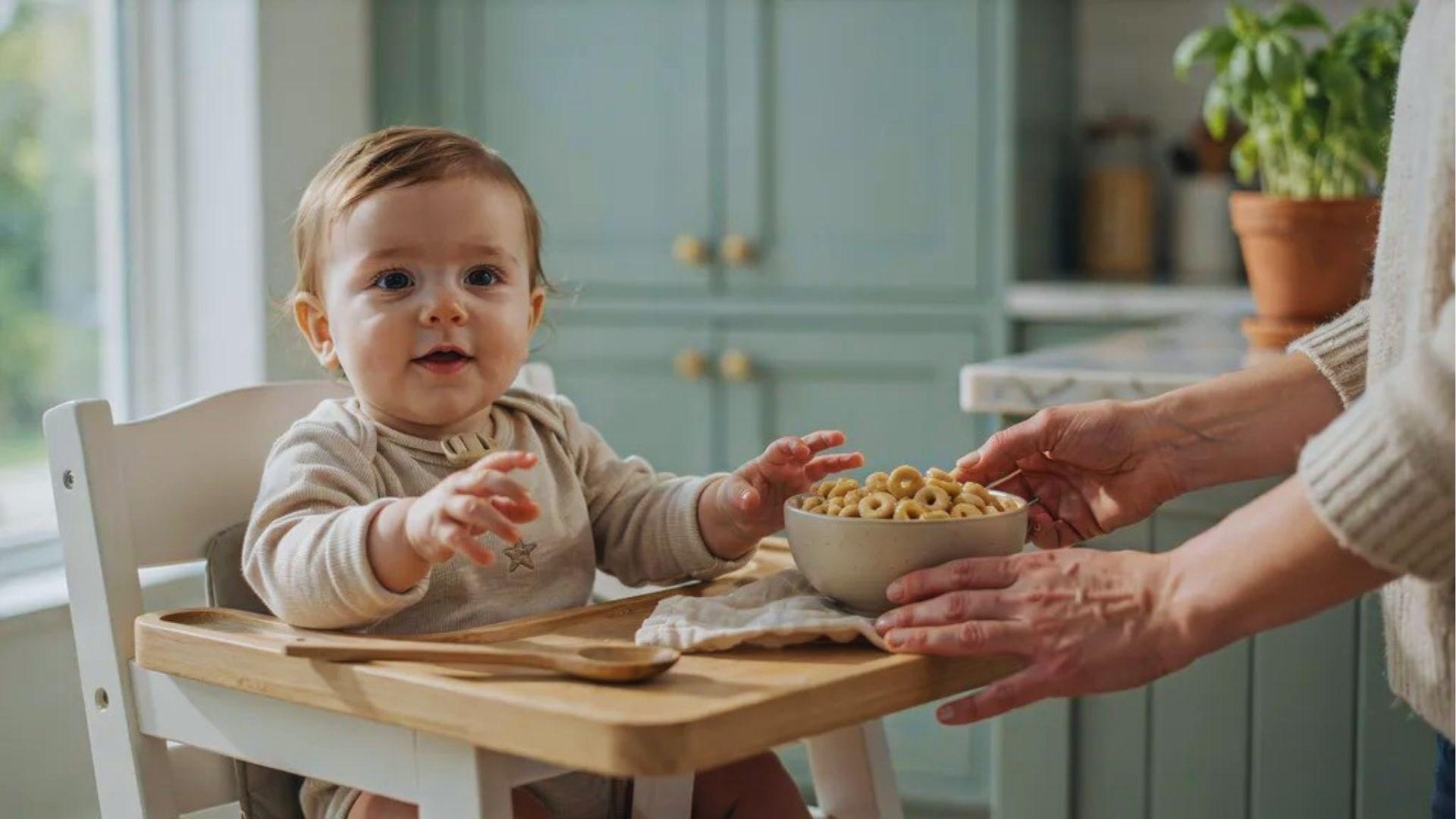
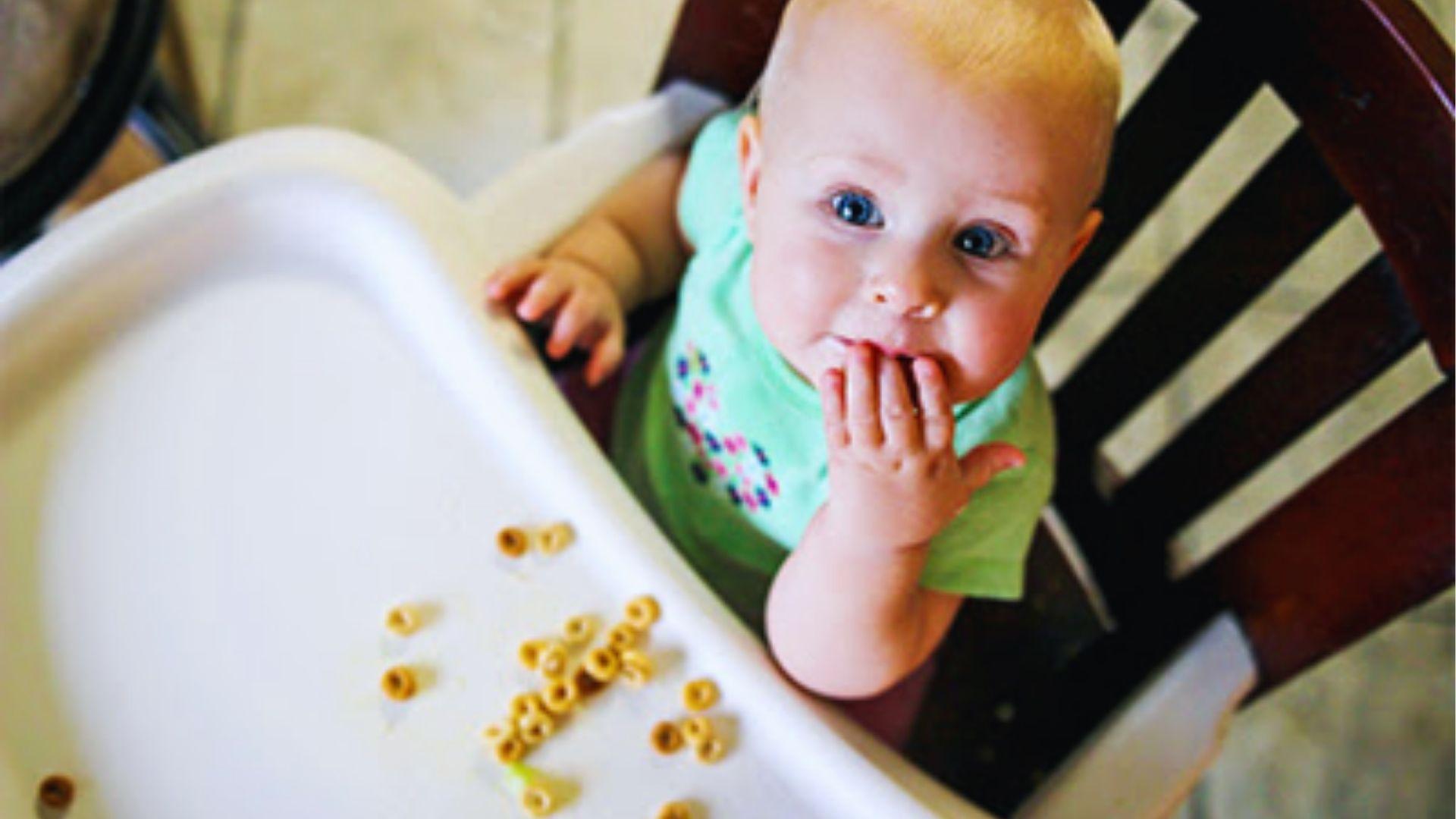
Once your baby turns 12 months old, Honey Nut Cheerios can be added to their meals and snacks. At this age, most babies also have enough of a pincer grasp to pick up small pieces of cereal on their own.
Start with a small serving and watch how your baby handles both the taste and the texture. Some babies take to dry cereal right away, while others need a bit more practice.
Keep in mind that Honey Nut Cheerios have more added sugar than plain Cheerios. Even after the one-year mark, it is worth treating this cereal as an occasional snack rather than a daily staple.
Are Honey Nut Cheerios a Choking Hazard?
Yes, dry cereal pieces can pose a choking risk for babies who are not ready for solid, textured foods. This applies to any type of Cheerios, not just the honey nut version.
To lower the risk:
- Wait until your baby can sit up without support and has some hand to mouth coordination.
- Offer only a few pieces at a time instead of a handful.
- Always supervise snack time. Never leave your baby alone while eating.
- Make sure your baby is seated upright, not lying down or reclined in a car seat.
Cheerios are often used as an early finger food because they dissolve fairly quickly with saliva. Still, every baby develops at a different pace, so watch your baby's cues rather than relying only on age guidelines.
Nutritional Value of Honey Nut Cheerios
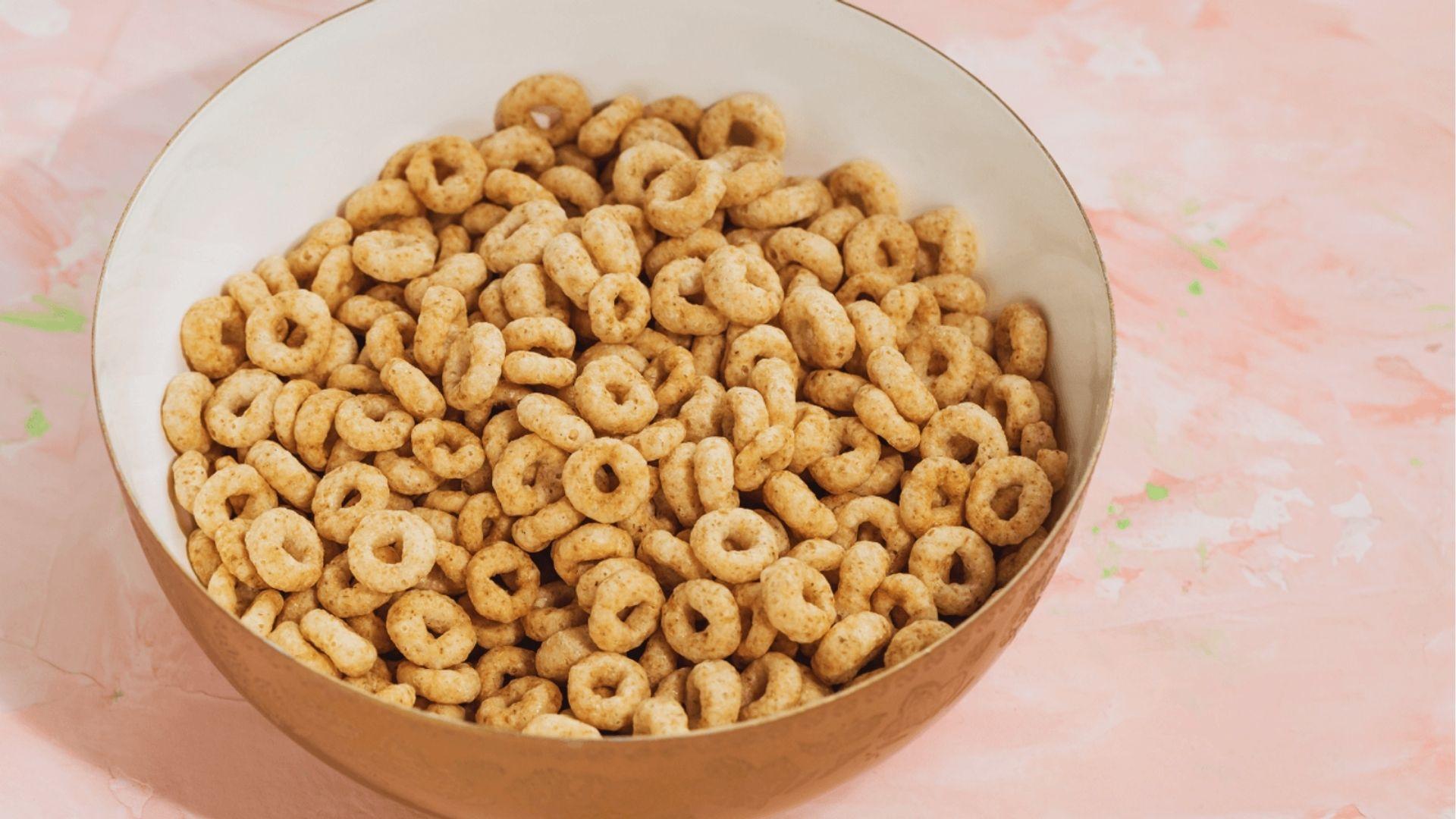
A typical serving of Honey Nut Cheerios provides carbohydrates, a small amount of fiber, and added vitamins like iron and vitamin D, since the cereal is fortified. However, it also carries more added sugar compared to plain oat cereals.
For growing toddlers, some sugar in the diet is not automatically harmful, but experts generally suggest limiting added sugars in the first two years of life. This helps prevent early preference for overly sweet foods and supports healthier eating patterns later.
If you want the fortified nutrients without the extra sugar, Original Cheerios or a similar plain oat cereal is a smart swap, especially for daily snacking.
Foods That Contain Hidden Honey
Honey shows up in more foods than most parents expect.
Beyond the obvious jar in the pantry, watch out for:
- Honey Nut Cheerios and similar honey flavored cereals
- Granola bars and granola clusters
- Honey graham crackers
- Certain flavored yogurts
- Baked goods like honey buns or muffins
- Barbecue sauces and honey mustard
- Cough drops and some children's cough syrups
- Honey roasted nuts
Always check ingredient labels closely before offering packaged snacks to a baby under 12 months. Ingredient lists can change between brands and even between batches, so it helps to double check each time.
Common Mistakes Parents Make
Even careful parents slip up sometimes.
Here are mistakes that come up often:
- Assuming cooked or baked honey is safe. Heat does not reliably destroy the spores.
- Sharing a sibling's snack without checking the label first.
- Thinking of a "tiny taste" does not count. Any amount carries risk.
- Confusing choking safety with botulism risk. These are two separate concerns that both need attention.
- Introducing Honey Nut Cheerios right at 12 months without checking for other food sensitivities first, especially if nut allergies run in the family.
Being aware of these common slip ups can help you avoid an unnecessary trip to the doctor or a scary night of worry.
Conclusion
So, can babies have Honey Nut Cheerios? Not before their first birthday, mainly because of the honey used in flavoring.
After 12 months, this cereal can become a fun, tasty snack as long as you watch for choking risk and keep added sugar in check. Original Cheerios remain the safer pick for younger babies just starting on finger foods.
Talk to your pediatrician if you ever have questions about introducing new foods. Have you run into this question with your own little one? Share your experience in the comments, or pass this article along to another parent who might find it helpful.
Frequently Asked Questions
Can babies have any cereal with honey in it before 12 months?
No. Any food containing honey, including cereals, should wait until after your baby's first birthday due to botulism risk.
Is maple syrup safer than honey for babies?
Yes, maple syrup does not carry the same botulism risk as honey and is generally considered safe once solids are introduced.
Do all brands of honey-flavored cereal carry the same risk?
Yes. Any cereal containing real honey, regardless of brand, poses the same infant botulism risk for babies under 12 months.
Can breastfeeding mothers eat honey safely?
Yes. Botulism spores in honey only pose a risk when eaten directly by the baby, not through breast milk.
How long does infant botulism take to show symptoms?
Symptoms typically appear within 3 to 30 days after exposure, though timing can vary from baby to baby.