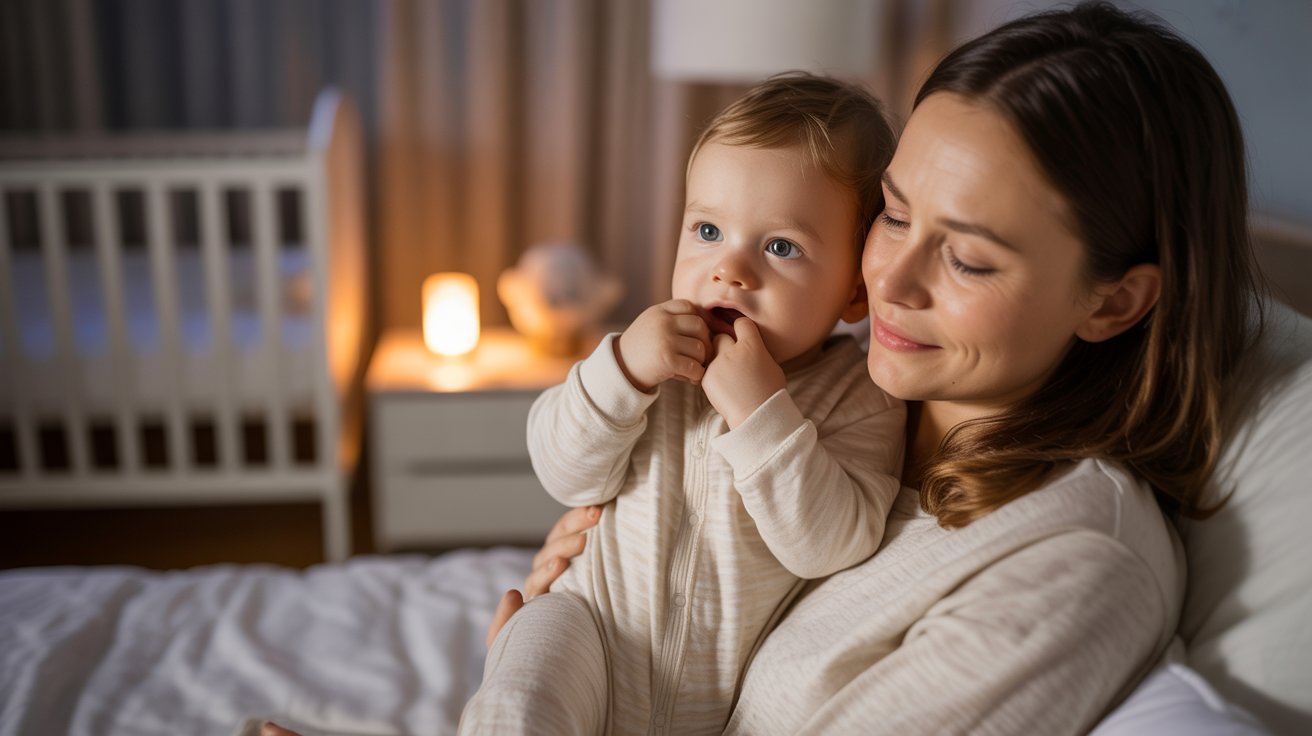
Is your baby sleeping more or less during teething? You are not alone in wondering this.
Many parents notice odd sleep changes when those first teeth start coming in, and it can be confusing.
This guide answers the question clearly.
You will learn what happens to sleep during teething, what symptoms are normal, and when something else might be going on.
We will also cover common myths and share tips to help your baby rest better.
As a parent who has been through sleepless nights too, I understand how exhausting this stage can be.
This article is here to give you clear, simple answers so you can feel more confident and less worried.
Do Babies Sleep More When Teething?
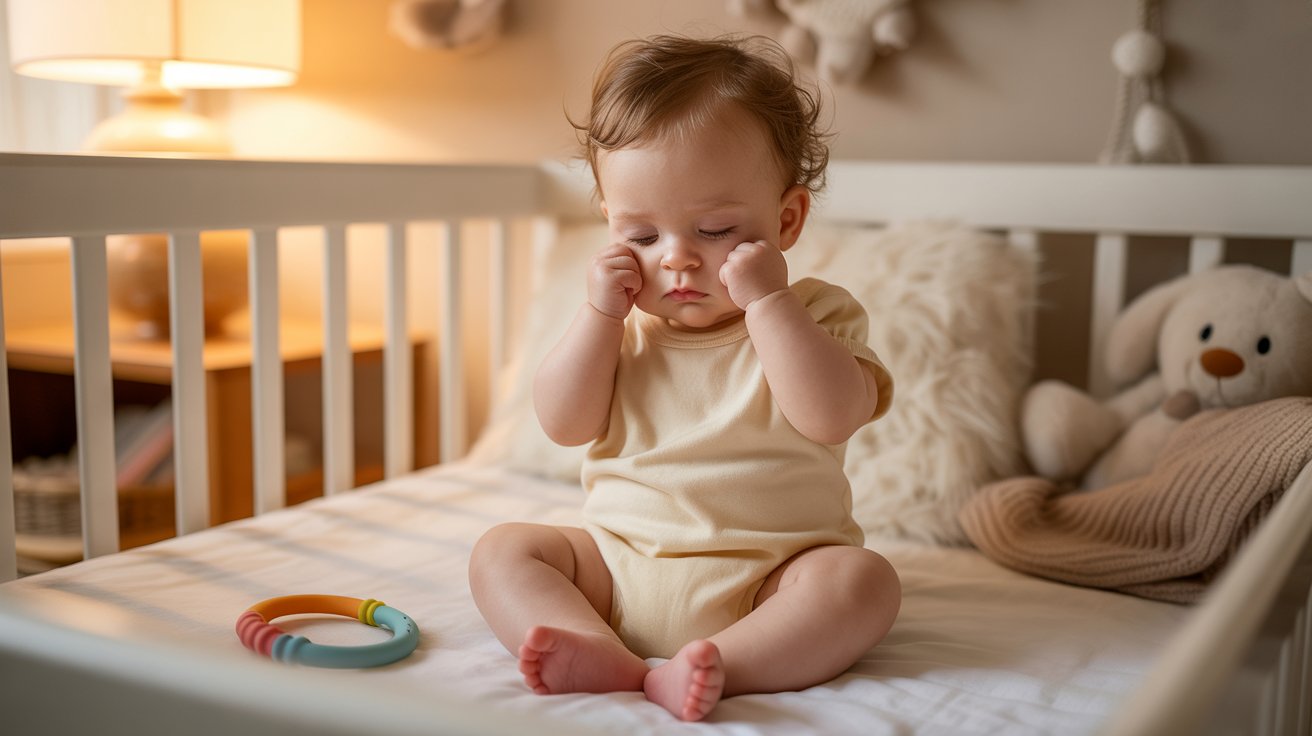
Most babies sleep less, not more, when teething starts.
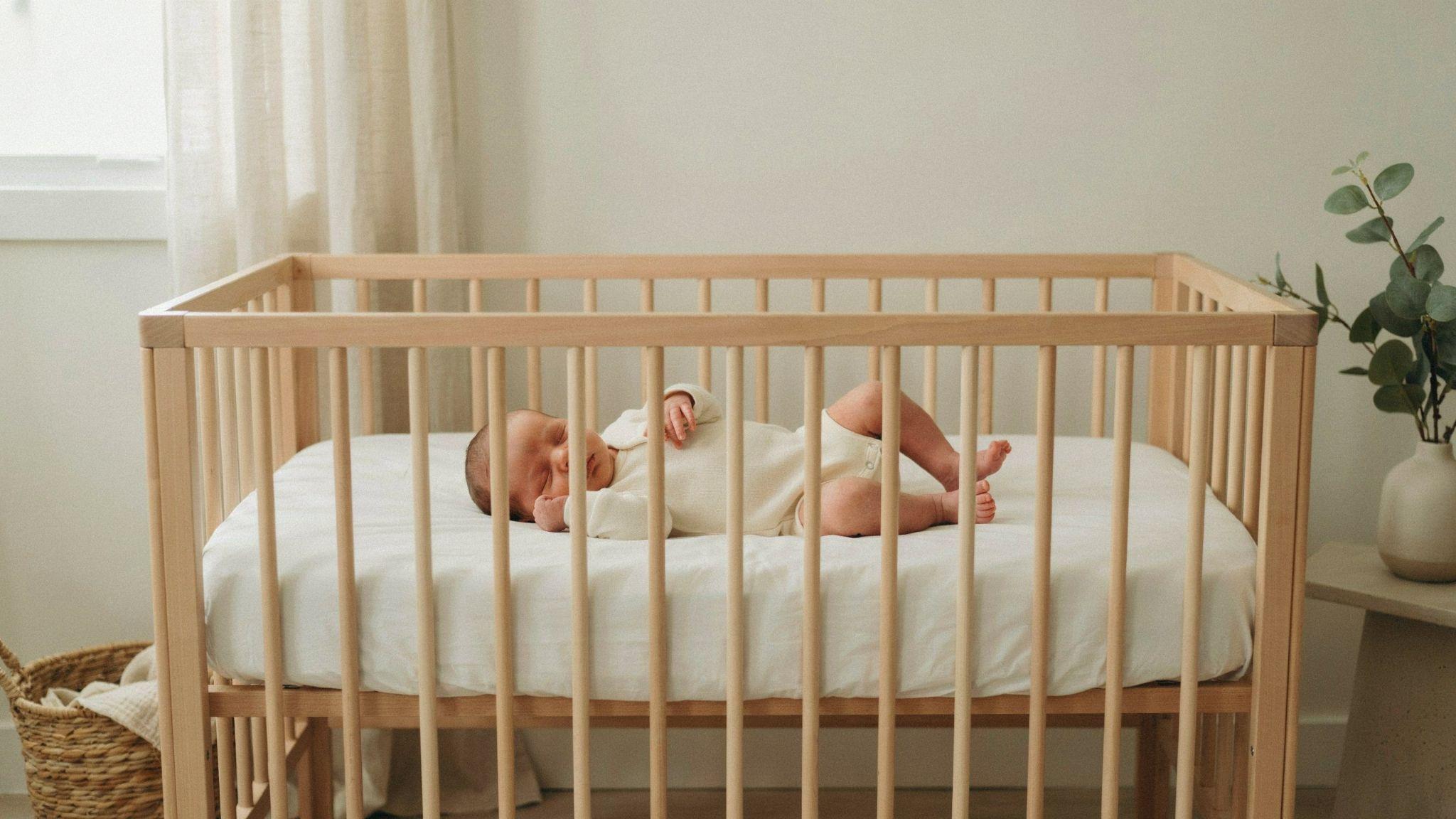
Most babies do not sleep more when teething. Gum pain and discomfort tend to wake them up more often at night.
Some babies may seem extra tired during the day because their nighttime sleep gets broken up. This can look like "sleeping more," but it is really just exhaustion catching up with them.
Every baby reacts differently. Some barely notice teething pain. Others have rough weeks with short naps and frequent night wakings. There is no single pattern that fits every baby.
When Do Babies Start Teething?
Teething usually begins between 4 and 7 months of age.
Typical Teething Timeline
Most babies start teething between 4 and 7 months old. Some babies show signs earlier, around 3 months.
Others do not get their first tooth until closer to their first birthday. This range is completely normal.
By age 3, most kids have a full set of 20 baby teeth. Teething does not happen all at once. It comes in waves, with breaks between new teeth.
Which Teeth Usually Erupt First?
The bottom two front teeth, called the lower central incisors, usually come in first. The top front teeth follow next.
Molars tend to arrive later, often between 13 and 19 months, and these can cause more discomfort because they are bigger.
Common Signs and Symptoms of Teething
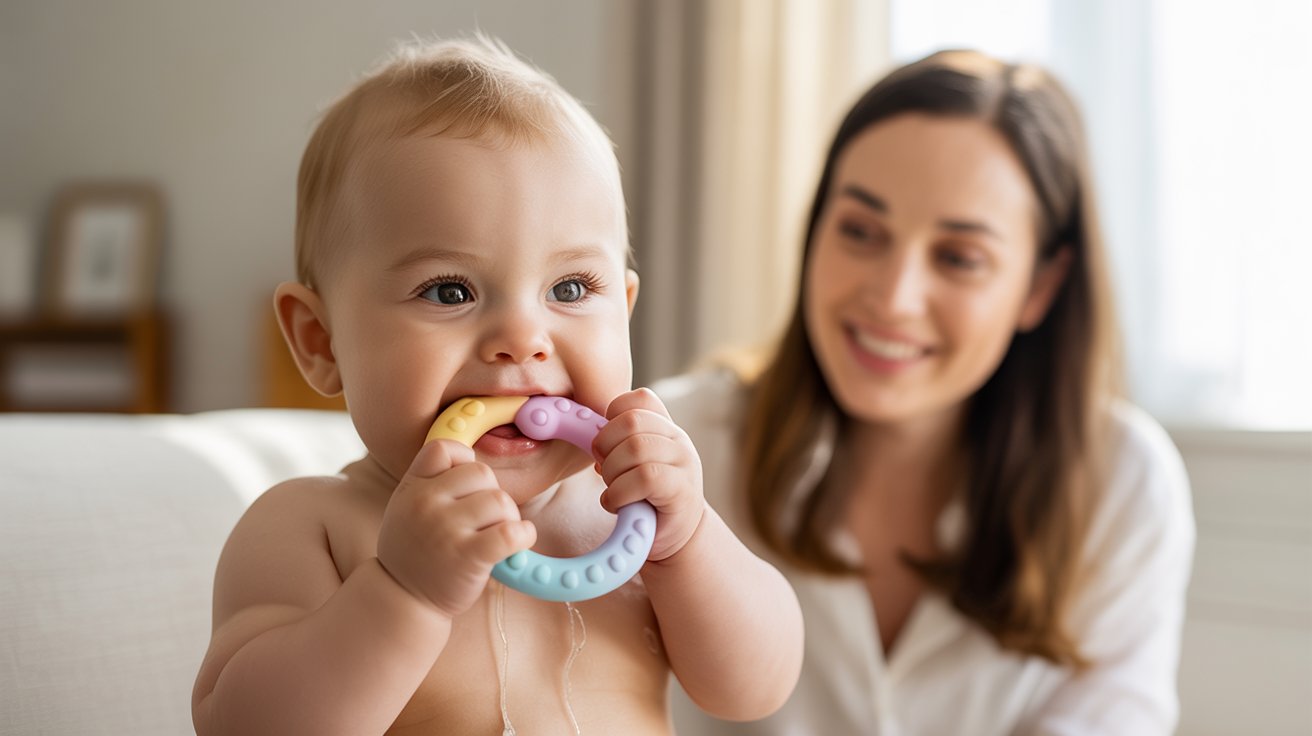
Drooling and gum swelling are normal, but some symptoms are not.
Normal Teething Symptoms
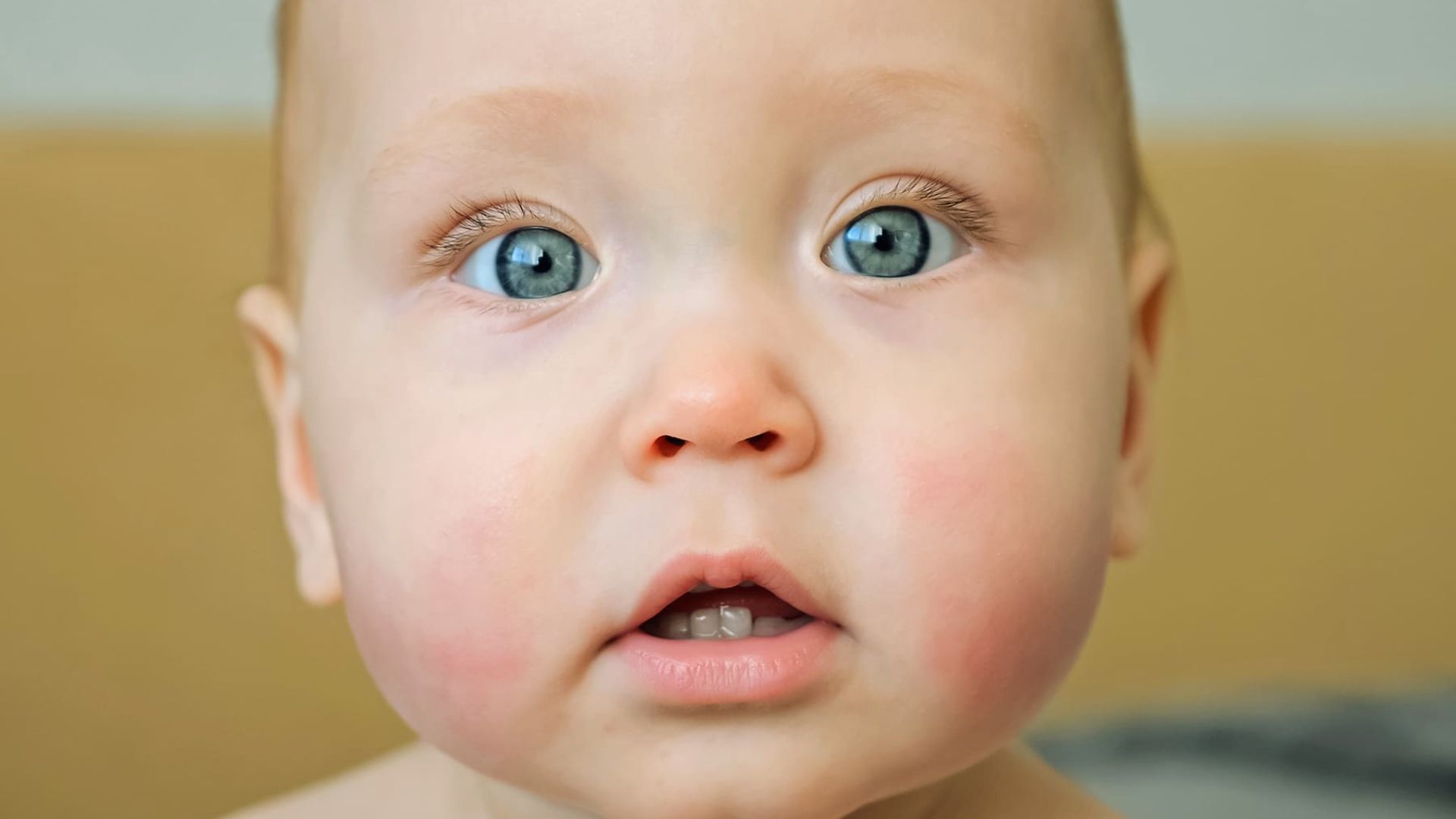
Common signs include drooling, swollen or tender gums, mild fussiness, and a desire to chew on things.
Babies may also rub their ears or cheeks since the pain can spread to nearby areas. Some babies have a slightly lower appetite during this time.
Symptoms That Are Not Caused by Teething
High fever, diarrhea, vomiting, and rashes are not typically caused by teething. Many parents blame teething for these symptoms, but research does not support a strong link.
If your baby has these signs, it is worth checking in with your pediatrician.
Why Sleep Patterns Change During Teething
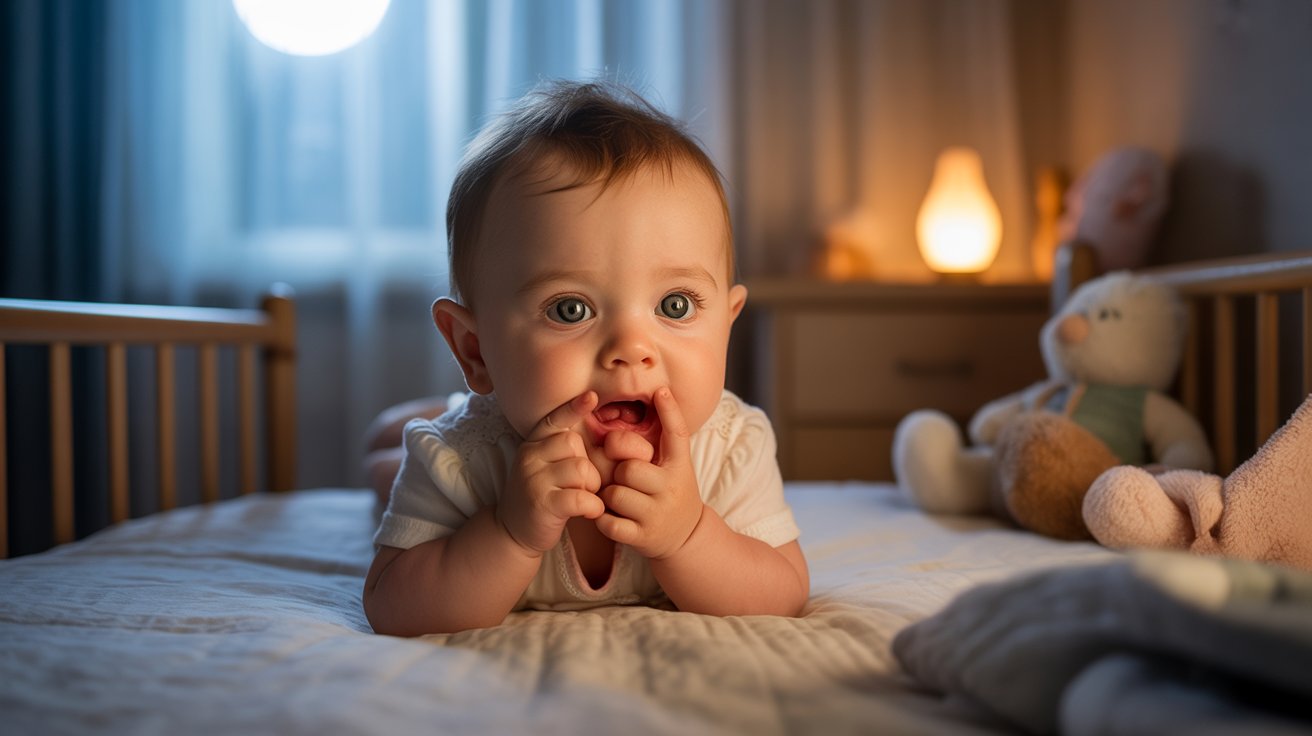
Gum pain, growth spurts, and routine changes all play a role.
Gum Pain and Night Wakings
Sore gums can flare up at night when there are fewer distractions.
This is why babies often seem fine during the day but struggle to settle at bedtime or wake up crying a few hours later.
Growth Spurts and Developmental Changes
Teething often overlaps with growth spurts and new developmental milestones, like rolling over or sitting up.
These changes can also affect sleep, making it hard to tell what is really causing the disruption.
Changes in Daily Routine
Travel, illness, or schedule changes around the same time as teething can add to sleep struggles.
It is often a mix of factors, not teething alone.
When Sleepiness Could Be a Sign of Something Else
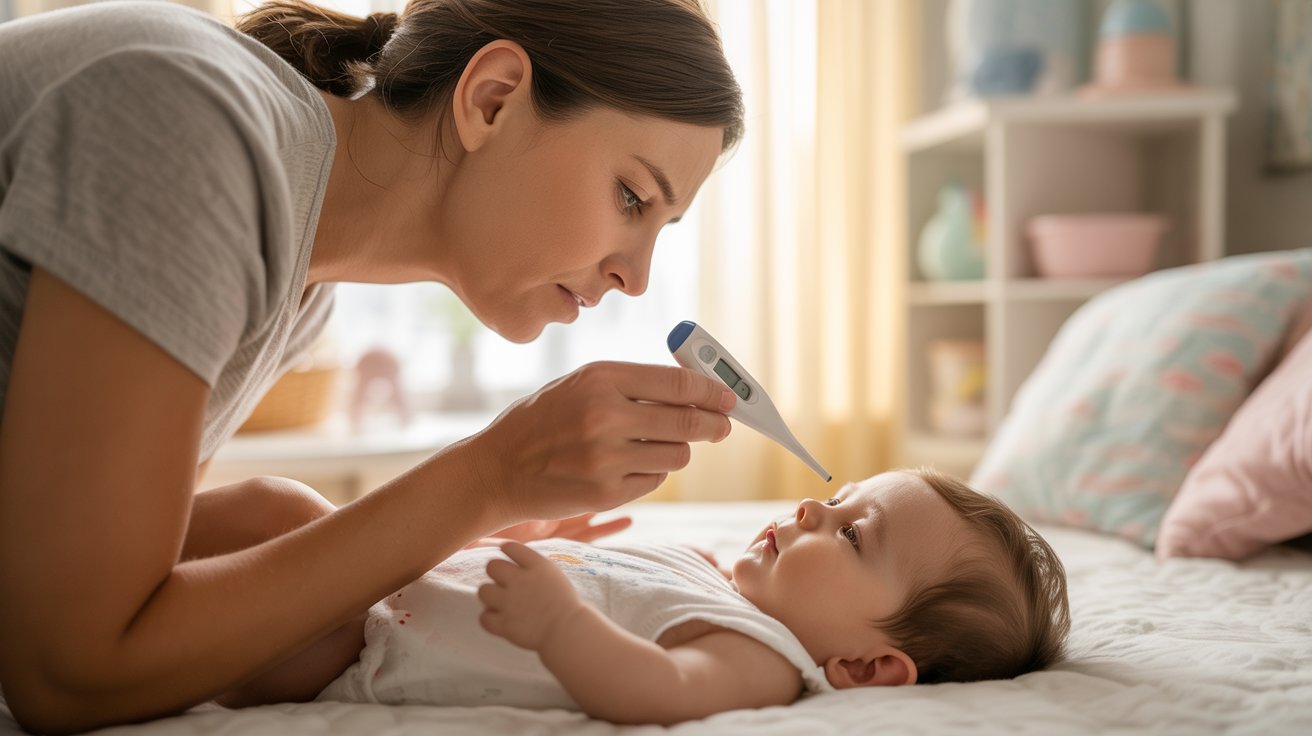
Extreme tiredness or fever may point to something beyond teething.
Signs That Need Medical Attention
Extreme tiredness, trouble waking up, refusal to eat or drink, high fever, or unusual lethargy are not normal teething signs.
These symptoms could point to an infection or another health issue.
When to Contact Your Pediatrician
Call your pediatrician if your baby seems unusually sleepy, has a fever above 100.4°F, or shows signs of dehydration.
It is always better to ask than to wait and worry.
Common Myths About Teething and Sleep
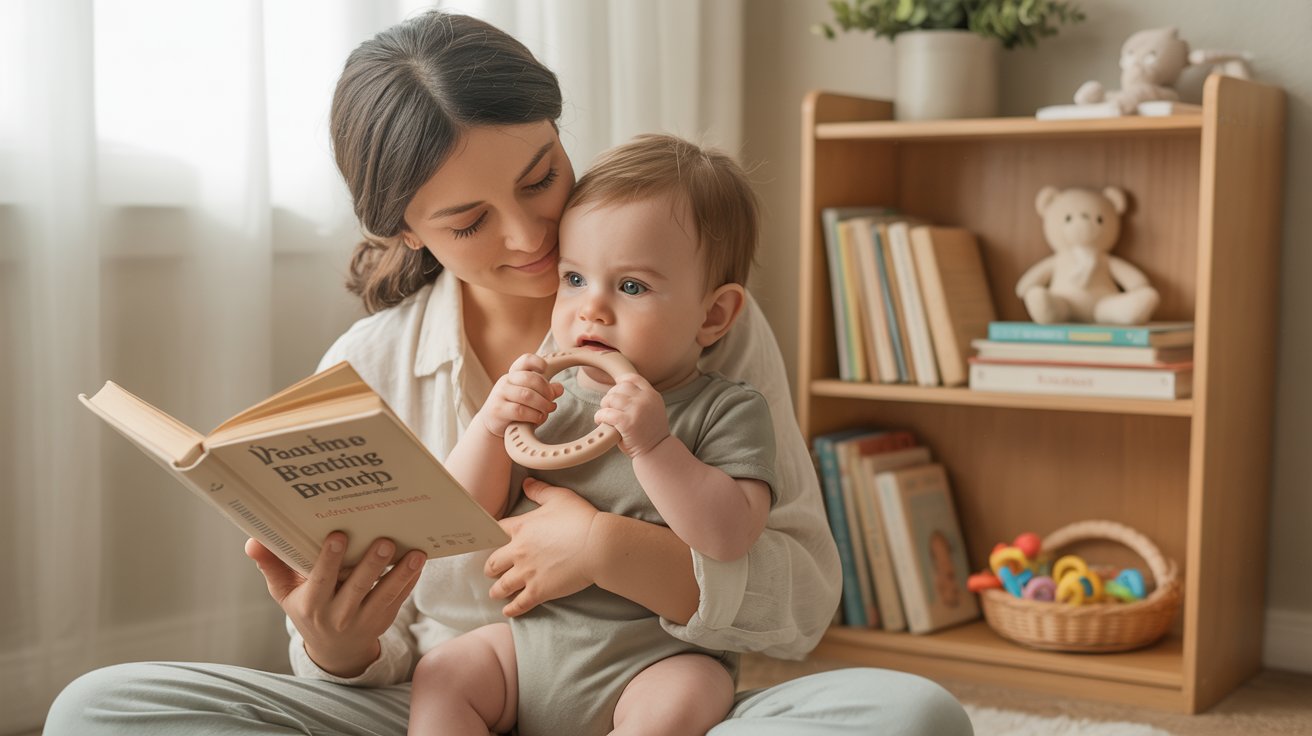
Teething does not cause fever, and not every baby loses sleep.
Does Teething Cause Fever?
Teething may cause a very slight rise in temperature, but it does not cause a true fever. A fever over 100.4°F usually points to something else, like an illness.
Does Every Baby Lose Sleep While Teething?
No. Some babies sail through teething with little to no sleep trouble. Others struggle for days or even weeks with each new tooth. Both are completely normal.
Tips to Help Your Baby Sleep Better During Teething
Small changes at bedtime can ease teething discomfort fast.
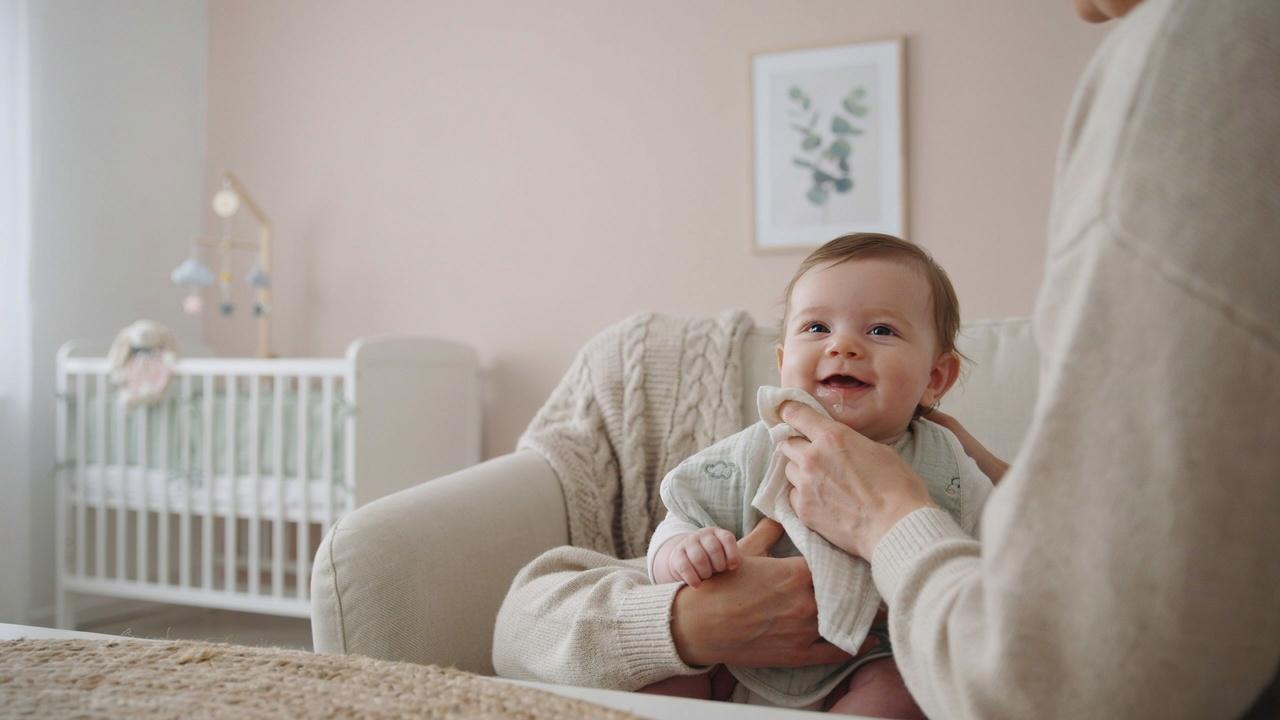
- Use cold teething rings, clean finger massage, or a chilled washcloth to ease sore gums before bedtime
- Keep a predictable routine, like bath, book, and bed, to signal sleep time even during rough teething stretches
- Make the room cool, dark, and quiet to help your baby settle faster despite mild discomfort
- Offer a little extra cuddling or a few extra minutes at bedtime to help your baby feel secure
- Avoid letting comfort measures turn into long-term sleep habits you don't want to keep
Conclusion
Teething nights can feel endless when you are the one walking the hallway at 3 a.m.
I remember pacing the floor more nights than I can count, wondering if it would ever get easier. It does.
You now know what to expect, what is normal, and what is not, so you can handle this stage with more confidence. Try one tip tonight and see how it goes.
If this helped, drop a comment below or share it with another tired parent. And if you are curious about more baby sleep topics, stick around. We have got you covered.
Frequently Asked Questions
Does teething really affect a baby's sleep?
Yes, it commonly does. Gum pain often causes more night wakings and shorter naps during active teething periods.
How long do teething sleep problems usually last?
Sleep disruptions often last a few days to a week per tooth. Molars may take longer due to increased discomfort.
Can I give my baby medicine to help them sleep while teething?
Only use pain relief approved by your pediatrician. Never give sleep aids or unapproved remedies to a baby.
Should I worry if my baby sleeps a lot more than usual?
Occasional extra sleep can follow a rough night, but ongoing excessive sleepiness should be checked by a doctor.
Will teething affect my baby's sleep training progress?
It can cause temporary setbacks. Most babies return to their normal sleep patterns once the tooth comes through.