
You look inside your baby's mouth and notice swollen gums or tiny white bumps, but there are still no teeth. It is easy to wonder whether everything is developing normally.
Baby Gums Before Teeth Erupt often change weeks before the first tooth appears, and most of these changes are completely normal.
This guide explains what healthy baby gums look like, the earliest signs of teething, how to care for sore gums, and when unusual symptoms need medical attention.
These are questions parents ask every day, and understanding the answers can make teething feel much less stressful.
Baby Gums Before Teeth Erupt: What Is Normal?
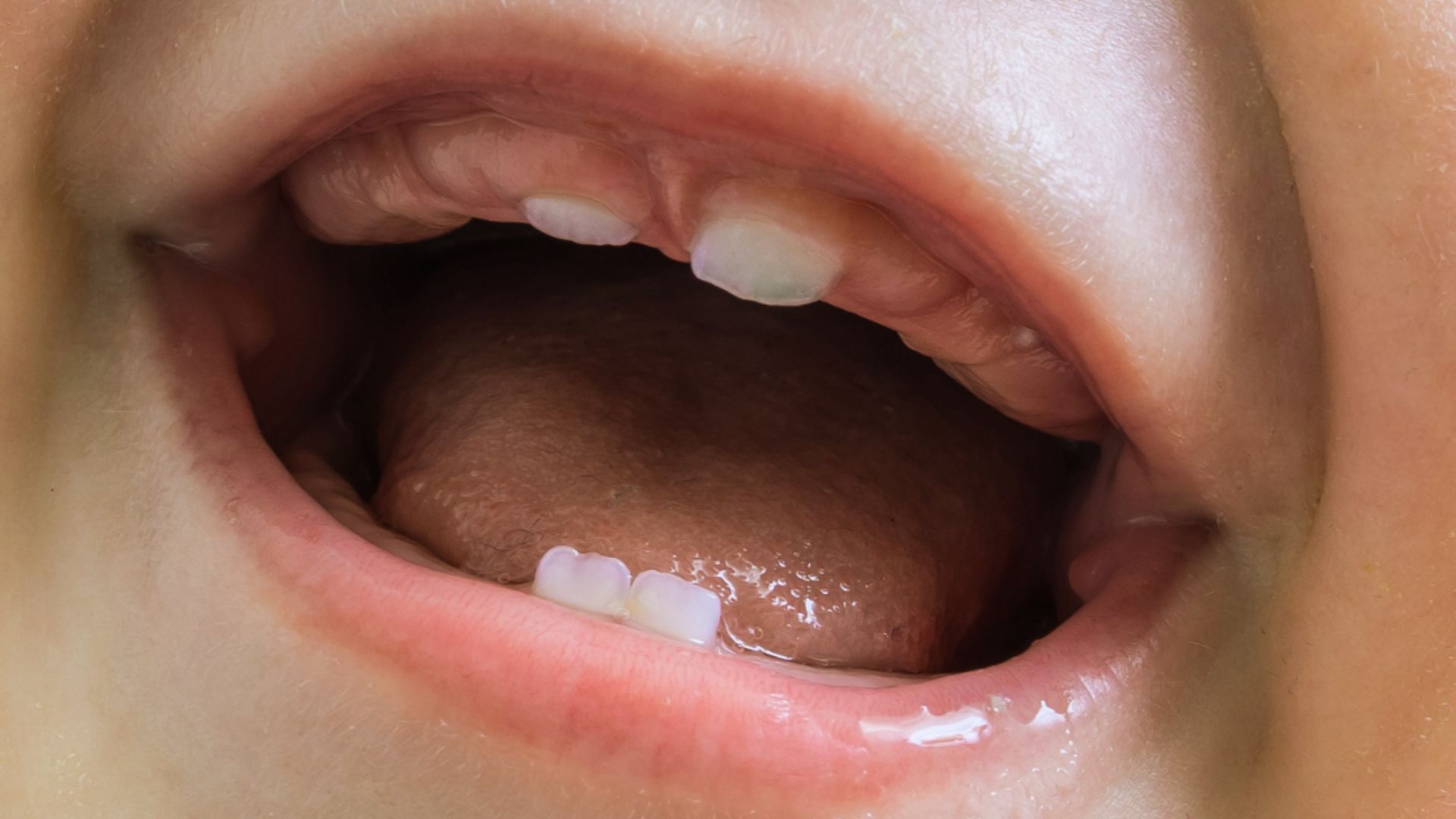
Yes, baby gums before teeth erupt are usually smooth, firm, and pink, but they often become slightly swollen or raised as the first teeth move closer to the surface. These changes are a normal part of tooth development and do not usually mean something is wrong.
A baby's primary teeth, also called deciduous or baby teeth, begin forming long before birth. Although you cannot see them, the teeth slowly develop inside the jawbone.
As they move upward, the gums stretch and change shape to make room for each tooth. This process can begin weeks before the first tooth becomes visible.
Healthy gums may appear slightly thicker where a tooth is about to emerge. Some babies also develop small white spots or pale ridges beneath the gum surface. These are often the tops of the teeth showing through the gum tissue.
Mild redness and tenderness can also occur without indicating an infection. Pediatric health sources such as the Cleveland Clinic list these same signs as common and expected.
Baby Teething Timeline: When Do Teeth Start Coming In?
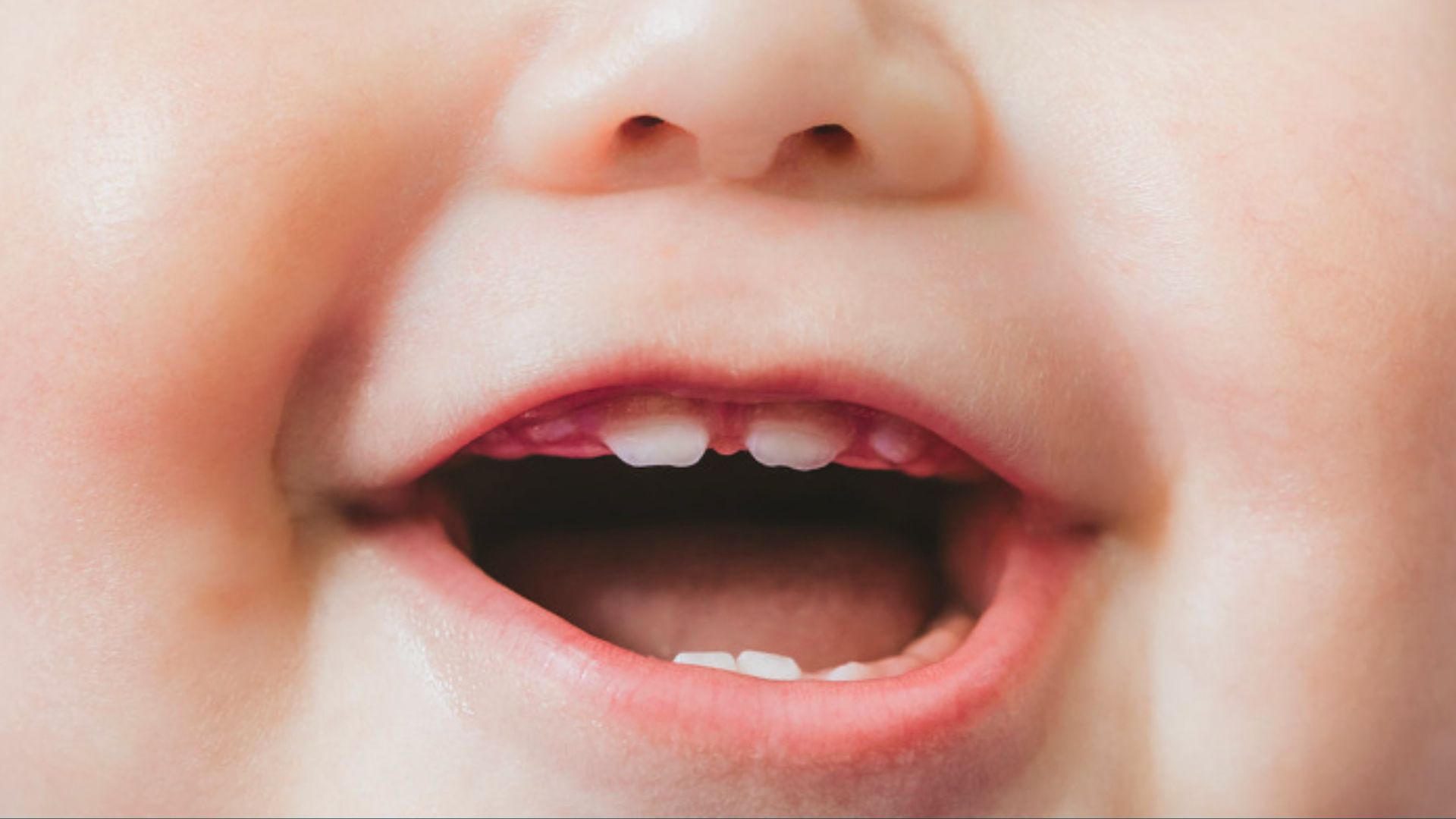
Most babies begin teething between 4 and 7 months, although healthy babies may start earlier or later. Knowing the usual timeline helps parents understand whether their baby's gum changes are part of normal development.
Typical Age for the First Tooth to Erupt
The first tooth commonly appears around 6 months of age, but there is a wide range of normal. Some babies are born with teeth, while others do not get their first tooth until after their first birthday.
Each tooth also tends to follow its own age range, with the front incisors usually arriving first and the back molars showing up closer to age 2 or later.
Genetics often play a role in teething. If parents got their first teeth later than average, their baby may follow a similar pattern.
Which Teeth Usually Come In First?
Most babies get their lower central incisors first. These are followed by the upper front teeth, making it easier for babies to bite soft foods as they grow.
A common order is: Lower central incisors, Upper central incisors, Upper lateral incisors and Lower lateral incisors
The exact order may vary slightly, and many healthy children do not follow this sequence exactly.
Can Teething Start Before 6 Months?
Yes. Some babies begin showing teething signs as early as 3 months, even though the first tooth does not appear until months later.
During this stage, babies may drool more, chew on their hands, or become interested in biting toys because the teeth are moving beneath the gums. These early signs are common and do not always mean a tooth will appear right away.
Signs That Teeth Are About to Erupt

Many babies show small changes before a tooth breaks through the gums. These signs usually appear gradually and become more noticeable as an eruption gets closer.
Swollen or Raised Gums
One of the earliest signs of teething is a slightly swollen area where the tooth is pushing upward. The gum may feel firmer than usual and appear slightly raised.
The swelling is usually limited to one small area instead of affecting the entire mouth. Mild tenderness is common, but severe pain or large swelling is not typical and should be checked by a healthcare provider.
White Spots or Tooth Buds Under the Gums
Parents often notice tiny white or pale spots beneath the gum surface. These are usually the tops of developing teeth becoming visible through the gum tissue.
The spots may remain unchanged for several days or even weeks before the tooth finally erupts. They should not be confused with white patches that spread across the mouth, which could indicate another condition.
Increased Drooling and Chewing
As teeth move upward, babies often produce more saliva than usual. Extra drooling helps keep the mouth moist but can also cause mild skin irritation around the chin and cheeks, sometimes called a drool rash or teething rash.
Many babies also chew on fingers, toys, blankets, or almost anything they can hold. Gentle pressure against the gums can temporarily reduce discomfort.
Mild Fussiness and Changes in Sleep
Some babies become more irritable during teething because their gums feel sore. They may wake more often during naps or nighttime sleep for a few days.
These changes are usually temporary. Once the tooth breaks through the gum, many babies quickly return to their normal sleep pattern.
Changes in Feeding Habits
Tender gums can make sucking or chewing uncomfortable. Some babies feed for shorter periods, while others want to nurse or bottle-feed more often because sucking feels soothing.
Older babies eating solid foods may temporarily prefer softer textures until their gums feel better. As long as your baby stays hydrated and continues gaining weight, these short-term feeding changes are usually normal.
Baby Gums Before Teeth Erupt vs Healthy Baby Gums
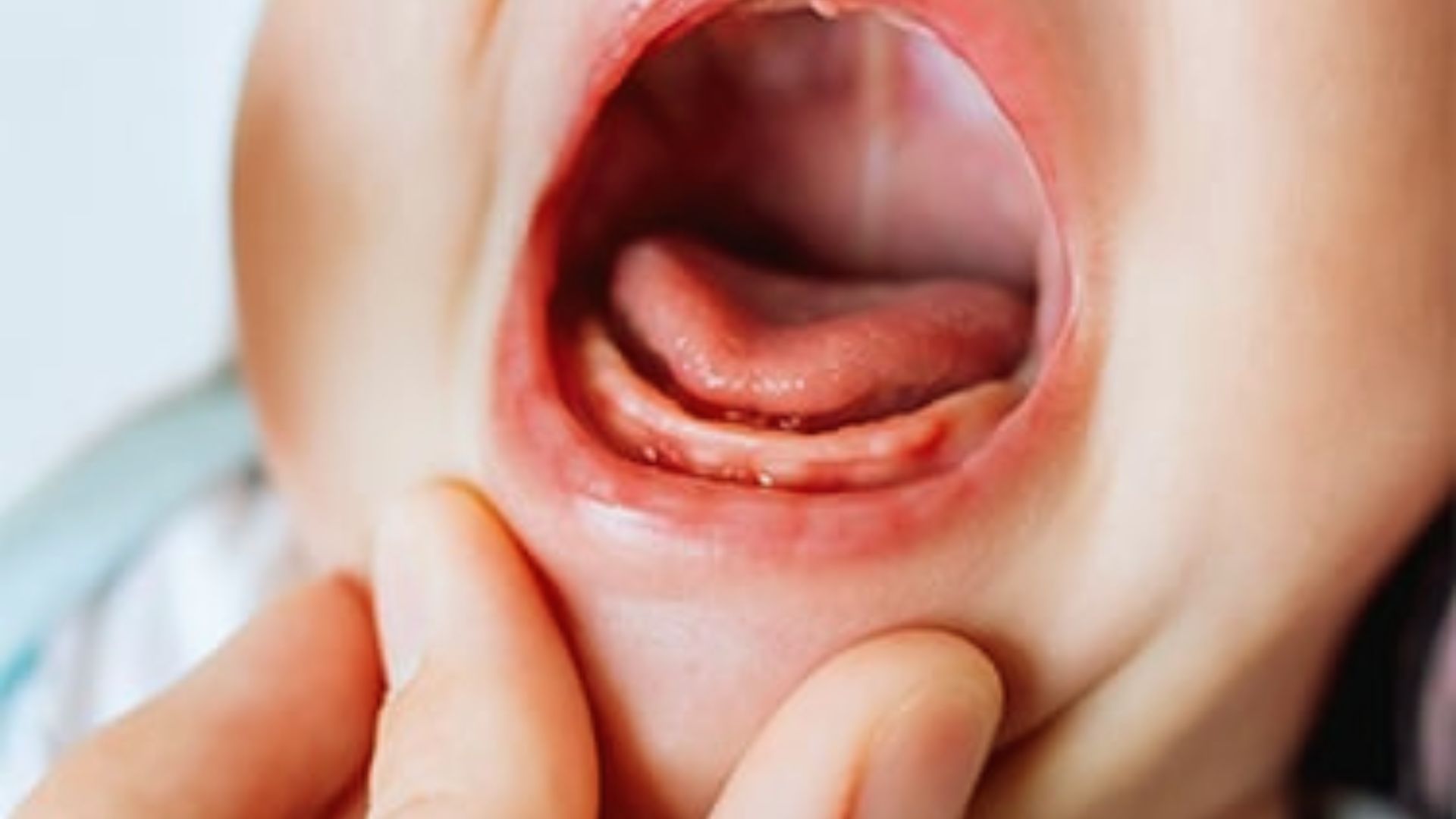
Not every change inside your baby's mouth means teething has started. Healthy gums are usually smooth, moist, and light pink without swelling.
As a tooth develops, the gums may become slightly thicker, redder, or raised in one small area. Mild swelling, extra drooling, chewing, and fussiness are common teething signs and usually improve after the tooth appears.
If your baby continues feeding, playing, and responding normally, these changes are generally expected.
However, severely swollen gums, unexplained bleeding, large sores, high fever, or signs of illness may indicate another condition and should be evaluated by a healthcare professional.
Common Teething Symptoms and What They Mean
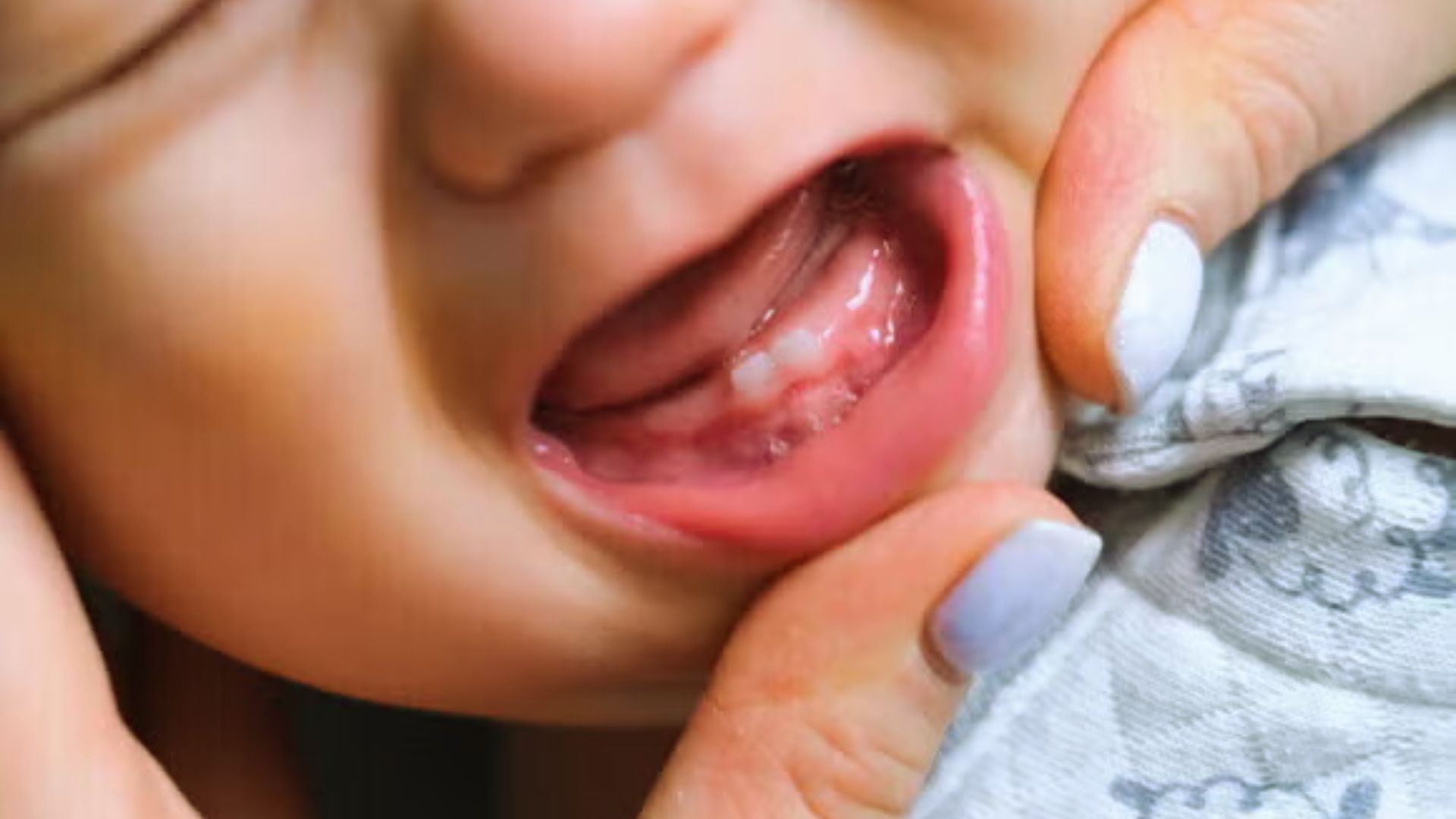
Teething affects every baby differently, but most symptoms are mild and short-lived. Knowing which signs are expected and which are unrelated to teething can help you respond with confidence instead of unnecessary worry.
Symptoms That Are Considered Normal
Many babies experience mild discomfort as teeth move through the gums. These symptoms usually come and go over several days and improve once the tooth appears.
Common normal teething symptoms include: Mildly swollen or tender gums, increased drooling, chewing on hands, toys, or clothing, mild fussiness or irritability, changes in sleep for a few nights and temporary changes in appetite for solid foods.
These symptoms should not stop your baby from drinking enough milk or staying active. Most babies continue playing and interacting normally even if they seem slightly uncomfortable.
Symptoms That Are Often Mistaken for Teething
Parents sometimes blame every new symptom on teething, but several common illnesses happen around the same age that babies begin getting teeth.
Symptoms that are not usually caused by teething include: High fever, vomiting, persistent diarrhea, severe cough, difficulty breathing, ear infections and widespread body rash
If your baby develops these symptoms, look for another cause instead of assuming teething is responsible. Contact your pediatrician if symptoms are severe or continue for more than a day or two.
Myths About Teething and Illness
Many old beliefs about teething are still shared today, but research has shown that some of them are inaccurate.
For example, teething does not weaken a baby's immune system. It also does not directly cause serious illness. Babies become more exposed to viruses around the same age because they find objects with their mouths and lose some protection from maternal antibodies.
Understanding this difference helps parents recognize when medical care may be needed instead of waiting for symptoms to pass.
How to Care for Baby Gums Before Teeth Erupt
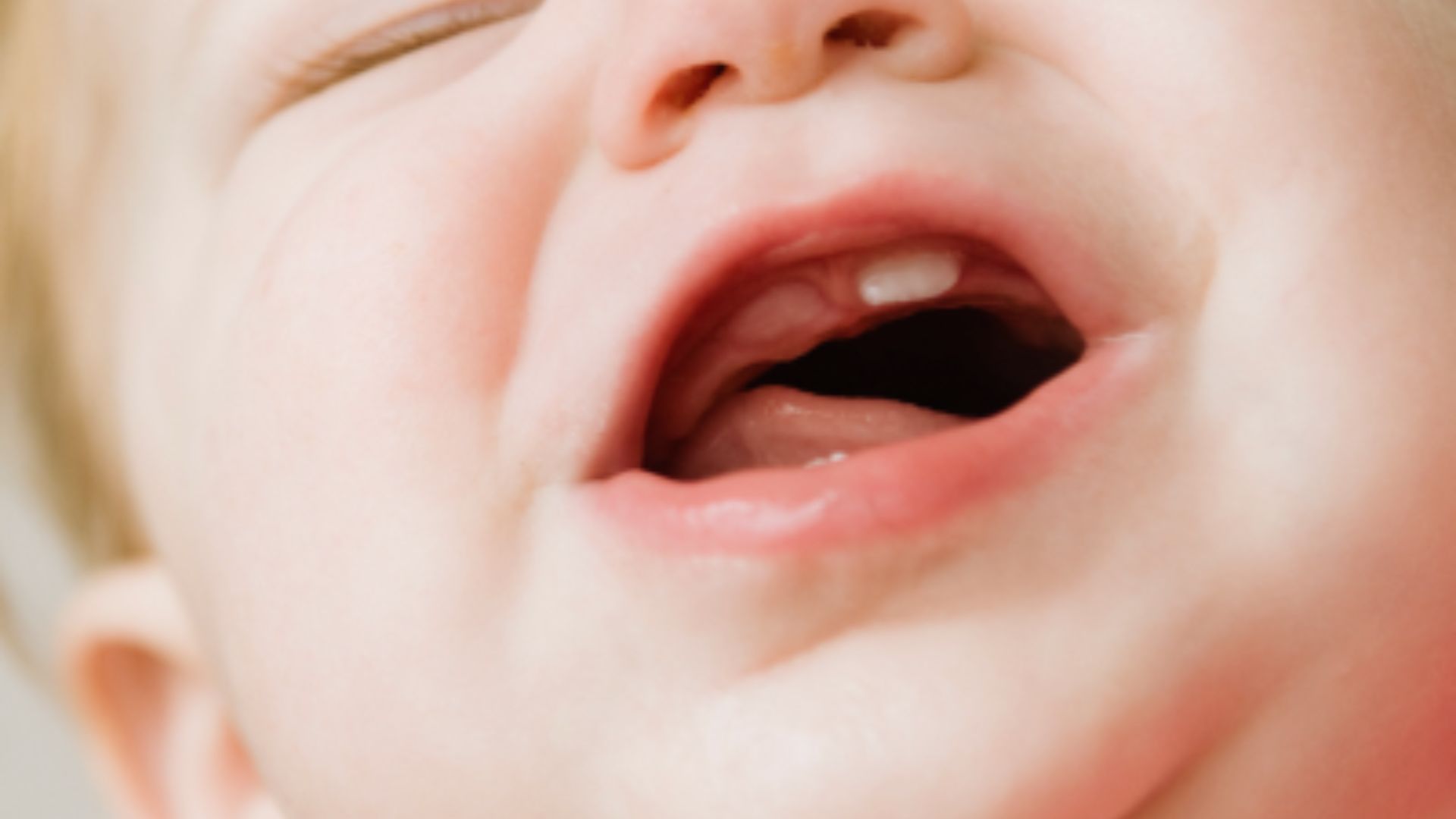
Good oral care should begin long before the first tooth appears. Keeping your baby's gums clean reduces bacteria and helps create healthy habits that continue as more teeth come in.
Cleaning Baby Gums Before the First Tooth
You do not need toothpaste before the first tooth erupts, but regular cleaning is still important.
Wrap a clean, damp washcloth or a soft silicone finger brush around your finger and gently wipe your baby's gums once or twice each day. Cleaning is especially helpful after the last feeding before bedtime.
This simple routine removes leftover milk, keeps the mouth fresh, and helps your baby become comfortable with daily oral care. Once the first tooth erupts, switch to a soft-bristled baby toothbrush with a fluoride toothpaste amount about the size of a grain of rice.
Safe Ways to Massage Sore Gums
A gentle gum massage can provide temporary relief when gums feel tender.
Wash your hands thoroughly before placing a clean finger inside your baby's mouth. Use light circular motions over the swollen area for about one minute. Do not press hard because irritated gums can become more uncomfortable with excessive pressure.
Many babies enjoy this gentle massage before naps or bedtime.
Safe Ways to Soothe Sore Baby Gums

Most babies need only simple comfort measures during teething. Safe methods can reduce discomfort without exposing your child to unnecessary risks.
Chilled Teething Toys and Washcloths
A cool temperature helps reduce gum soreness.
Place a clean silicone teething ring or damp washcloth in the refrigerator for a short time before giving it to your baby. The cool surface can soothe swollen gums while satisfying the urge to chew.
Avoid freezing teething toys because they can become too hard and may hurt delicate gum tissue.
Gentle Gum Massage Techniques
Gentle pressure often feels comforting to babies during teething.
Massage the sore area with a clean finger using slow, light movements. If your baby pulls away or becomes more upset, stop and try again later. Every baby responds differently, so watch for what seems most comforting.
Short massage sessions are usually more effective than prolonged rubbing.
Feeding Tips for Teething Babies
Tender gums can make feeding challenging for a few days.
If your baby has started solids, offer soft foods such as mashed banana, yogurt, applesauce, or oatmeal. Cooler foods may also feel soothing if your pediatrician has approved them for your baby's age.
For younger babies, smaller and more frequent breastfeeds or bottle feeds may be easier than longer feeding sessions.
Remedies and Products to Avoid
Not every teething product is safe.
Avoid these common remedies:
- Teething gels containing benzocaine unless specifically recommended by a healthcare professional.
- Homeopathic teething tablets that are not approved for infant use.
- Amber teething necklaces because they create choking and strangulation risks.
- Alcohol or herbal remedies applied to the gums.
- Frozen foods or frozen objects that can damage gum tissue.
When choosing a teething product, follow age recommendations and ask your child's healthcare provider if you are unsure.
What Should Baby Gums Not Look Like?

While many gum changes are harmless, some signs suggest that your baby needs medical or dental evaluation. Recognizing these differences helps you act quickly when necessary.
Bleeding, Severe Swelling, or Unusual Bumps
Small areas of swelling are common during teething, but large swollen areas or gums that bleed without injury are not.
A lump that grows rapidly, causes severe pain, or prevents feeding should always be examined. These symptoms may point to an injury, infection, or another oral condition rather than normal teething.
White Patches, Sores, or Signs of Infection
Not every white area inside the mouth is a developing tooth.
Thick white patches that cannot be wiped away may be caused by oral thrush. Painful sores, ulcers, or pus-filled bumps may also indicate an infection that needs treatment.
If your baby refuses to feed because of mouth pain, arrange a medical evaluation.
When Gum Discoloration Needs Medical Attention
Teething may cause mild redness over the erupting tooth, but dark purple, black, or widespread discoloration is not considered normal.
Seek professional advice if discoloration spreads, becomes painful, or is accompanied by fever, bleeding, or swelling. Early assessment can help identify infections or injuries before they become more serious.
Can Delayed Tooth Eruption Be a Concern?

Some babies naturally get their first tooth later than others. Genetics, premature birth, and normal growth differences can all affect the timing.
Most children have at least one tooth by 12 months, while some healthy babies may not erupt a tooth until around 15 months.
If your child has no teeth by 18 months, your pediatrician or pediatric dentist may recommend an examination to rule out nutritional deficiencies, developmental concerns, or uncommon dental conditions.
Common Mistakes Parents Make During Teething
Avoiding unsafe teething products, recognizing symptoms that are not caused by teething, and maintaining daily gum care can help keep your baby comfortable and safe.
Giving unsafe teething products: Some gels, tablets, and necklaces may seem helpful but can create safety risks. Always choose products recommended for babies and follow age guidelines carefully.
Assuming every illness is caused by teething: Fever, vomiting, diarrhea, or a persistent cough usually have another cause. Treating everything as teething can delay the care your baby actually needs.
Skipping gum cleaning before teeth appear: Healthy oral care begins before the first tooth erupts. Gently cleaning the gums each day helps reduce bacteria and prepares your baby for future brushing.
Offering frozen objects to chew:Very cold or frozen items may damage delicate gum tissue instead of soothing it. Chilled teething toys from the refrigerator are a much safer choice.
Waiting too long to seek medical advice: Mild discomfort is expected, but severe swelling, unusual mouth sores, or feeding problems should not be ignored. Early evaluation can prevent complications.
Tips for Keeping Baby Gums Healthy
Simple daily care can keep your baby's gums clean, healthy, and ready for the first teeth.
- Clean your baby's gums every day with a soft, damp washcloth or silicone finger brush. Starting early builds healthy oral care habits before the first tooth arrives.
- Offer safe, age-appropriate teething toys that are easy to clean. Regularly washing them helps reduce germs that can enter your baby's mouth.
- Keep your baby's face dry by gently wiping away excess drool. This simple step helps prevent skin irritation around the mouth and chin.
- Schedule your baby's first dental visit by their first birthday or within six months after the first tooth erupts. Early checkups support healthy dental development.
- Provide a balanced diet as your baby begins solid foods. Nutrients such as calcium, vitamin D, and phosphorus support strong teeth and healthy gums as they develop.
Conclusion
Seeing changes in Baby Gums Before Teeth Erupt can feel confusing, but swollen gums, white tooth buds, mild tenderness, and extra drooling are usually normal signs of teething.
Understanding these changes helps you care for your baby's mouth with confidence and recognize when symptoms may need medical attention. Gentle oral care, safe soothing techniques, and regular dental checkups support healthy gum and tooth development.
Since every baby experiences teething differently, knowing what to expect can make the process less stressful. If this guide helped, leave a comment, share it with another parent, or find our other baby care resources.
Frequently Asked Questions
Can babies grind their gums before teeth come in?
Yes. Some babies rub or grind their gums together because the pressure feels soothing while teeth are developing beneath the surface.
Does pacifier use affect baby gums before teeth erupt?
Using an age-appropriate pacifier as recommended generally does not harm developing gums before teeth appear. Keep it clean and replace worn pacifiers promptly.
Should I brush my baby's tongue before the first tooth appears?
Yes. Gently wiping the tongue with a clean, damp cloth helps remove milk residue and keeps your baby's mouth clean.
Can babies have sensitive gums for months before the first tooth?
Yes. Gum sensitivity may come and go for several weeks or even months because teeth develop at different speeds beneath the gums.
Do babies need fluoride before their first tooth erupts?
Most babies do not need fluoride toothpaste before the first tooth appears. Once the first tooth is in, a rice-grain amount of fluoride toothpaste is typical. Your pediatrician or dentist can advise if additional fluoride is appropriate based on your local water supply