
It’s 2 a.m., and you’re watching your newborn’s belly rise and fall under the nightlight. How do babies breathe like this, after spending months with lungs full of fluid?
You hear the soft sighs, and each tiny pause makes your heart skip. Parents ask me in a low voice: should I be worried?
The answer begins with a surprise about what happens before birth. Your baby practiced breathing for weeks before ever taking a real breath.
You’ll learn what happens in the first seconds after birth, and why the belly leads the way. Let’s start where the story does, before birth.
How Do Babies Breathe Before Birth?
Babies do not breathe air before birth. Their oxygen arrives through the placenta and umbilical cord, which pass it over from the parent’s blood.
Meanwhile, the lungs sit filled with fluid and do no air exchange at all. That is why a baby stays healthy without taking a single breath.
Around 10 to 11 weeks into pregnancy, the diaphragm starts moving in a steady rhythm. These practice movements help the lungs and chest muscles grow, even though no air comes in.
Practice breathing looks like the real thing on an ultrasound, but it works more like a workout than a breath. The muscles are training for a job they will not start until after birth.
The lungs also mature in stages, so readiness to breathe builds slowly instead of switching on at once. Babies born earlier have had less time for that to happen, which is why some need help breathing at first.
What Happens When a Newborn Takes Their First Breath?
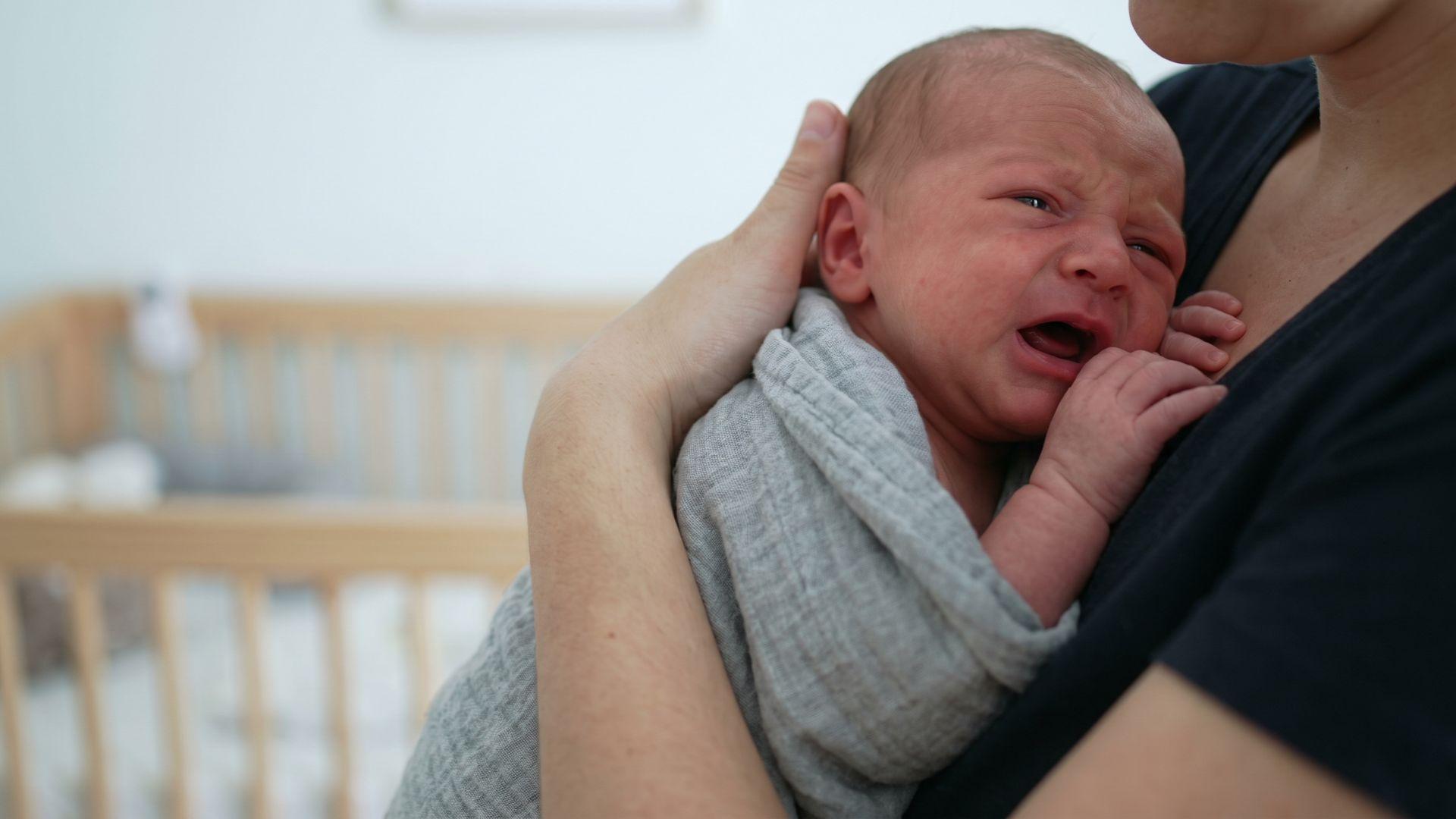
A newborn’s first breath, usually within about 10 seconds of delivery, inflates the air sacs and begins replacing lung fluid with air.
For that to work, the lungs have to clear and open, and blood has to reach them.
How the Lungs Switch From Fluid to Air
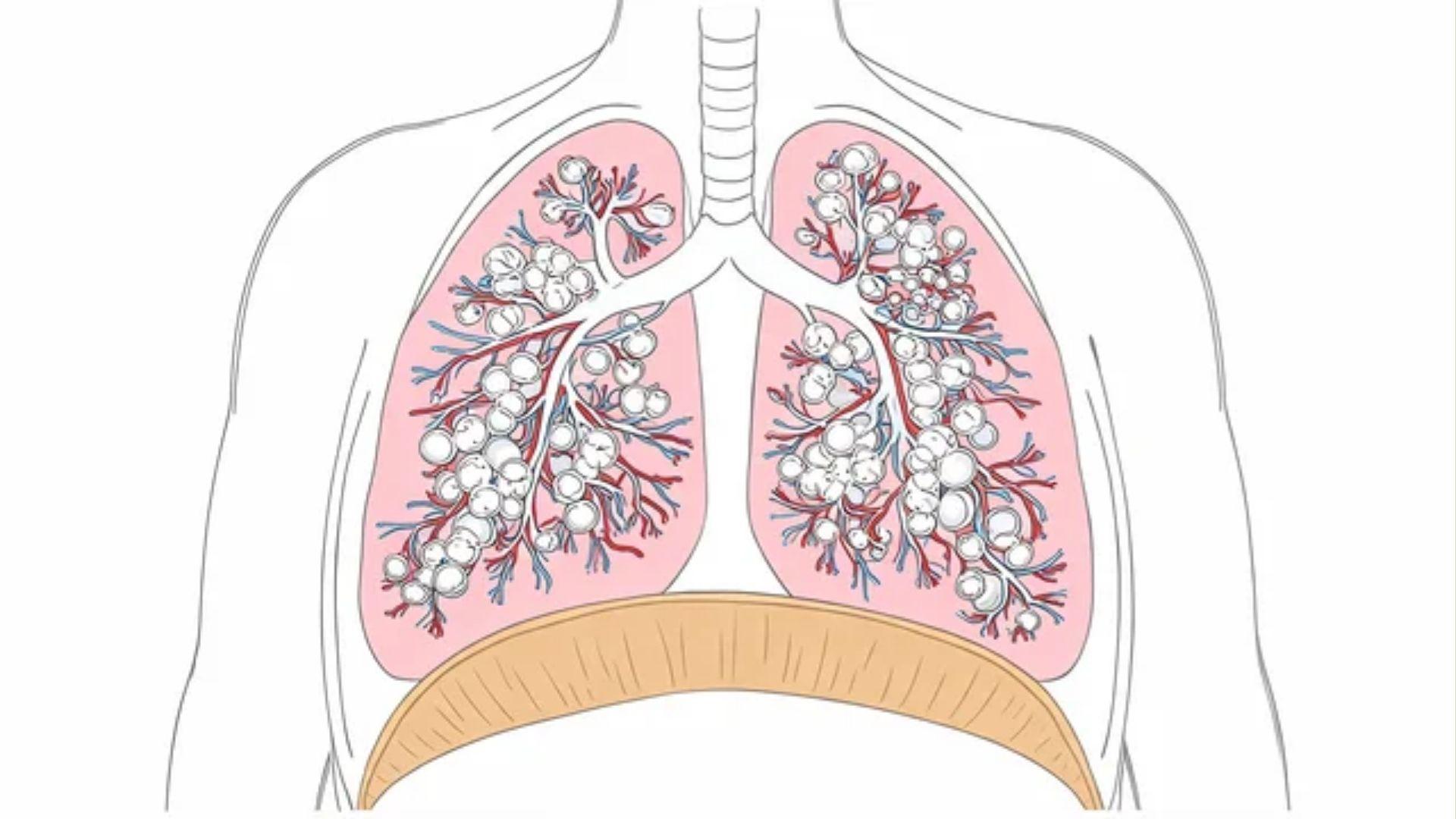
Air on the skin, a drop in temperature, and the squeeze of delivery together trigger that first breath. The baby does not choose this, because the reflex starts on its own.
The lungs do not just fill up with air, though. Some fluid gets pushed out during birth, and the rest is absorbed into the tissue around the lungs.
The first breath is a hard pull because the air sacs, called alveoli, start out and collapse. A coating called surfactant keeps them from sticking shut once they open.
At the same time, cutting the cord sends blood through the lungs to pick up oxygen. Air and blood both have to arrive, or the breath does very little.
Why the Transition Sometimes Needs Extra Help
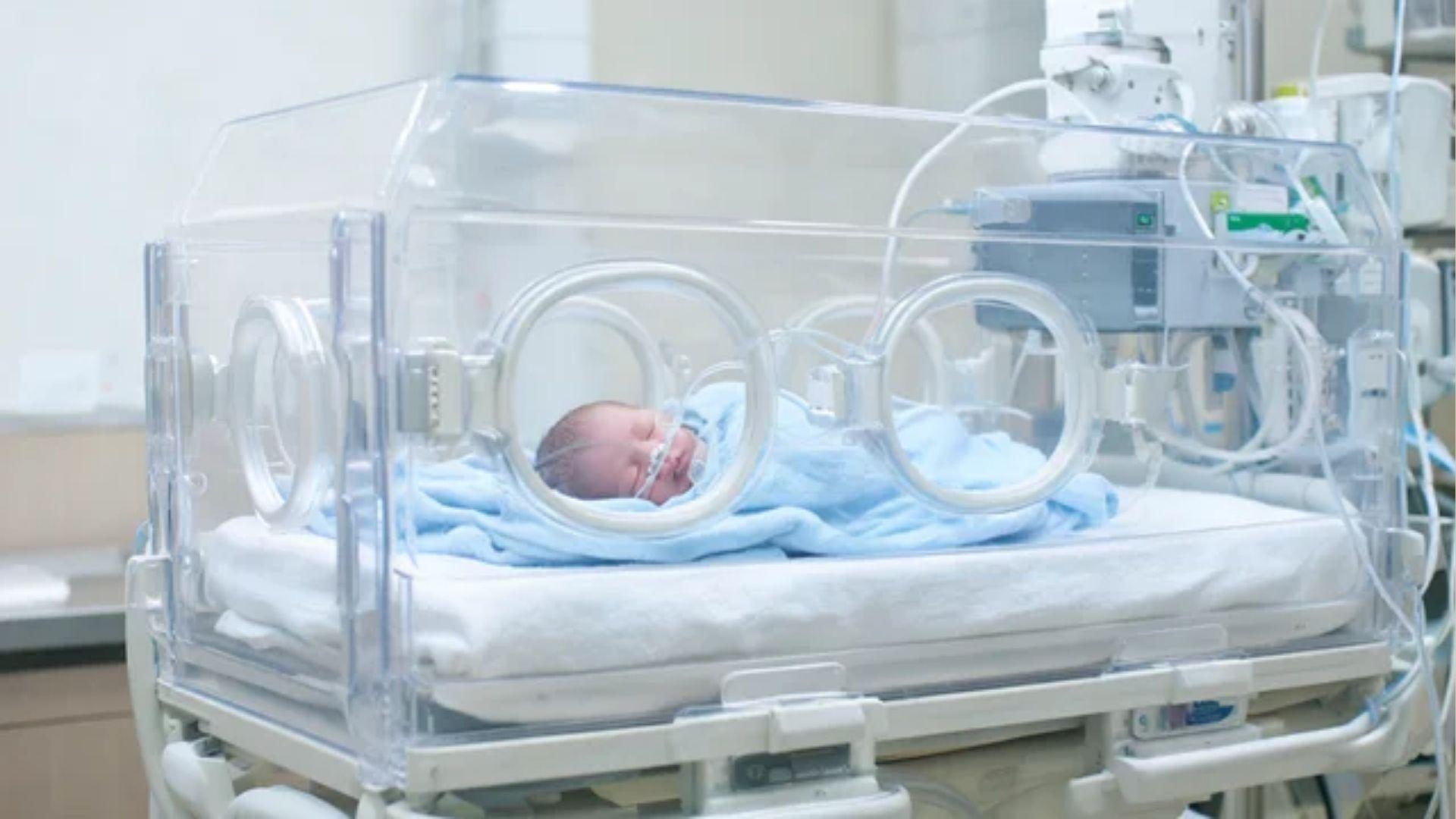
This handoff does not go the same way for every baby. Babies born early may not have enough surfactant, so their air sacs tend to collapse between breaths and they need breathing support.
Some full-term babies clear lung fluid more slowly, which can leave them working harder to breathe for the first few hours.
The care team watches these babies closely, and both situations come down to the timing of lung development.
Why Is Belly Breathing Normal in Newborns?
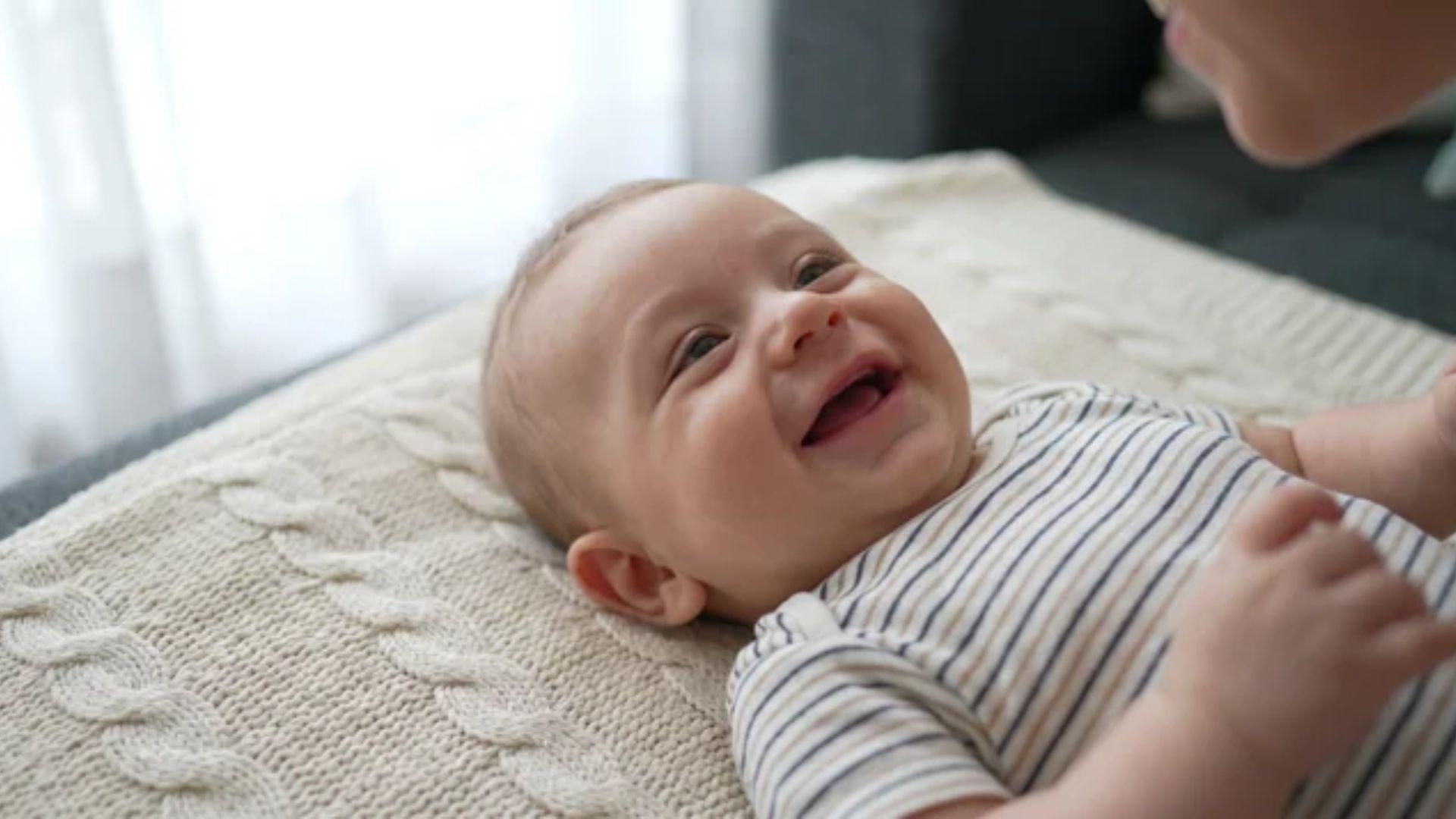
Belly breathing is normal in newborns because the diaphragm does most of the work. As a result, the belly rises with each breath while the chest moves less.
Parents often ask me whether this means something is wrong. It does not, and the reason sits in how a baby’s body is built.
How the Diaphragm Drives Newborn Belly Breathing
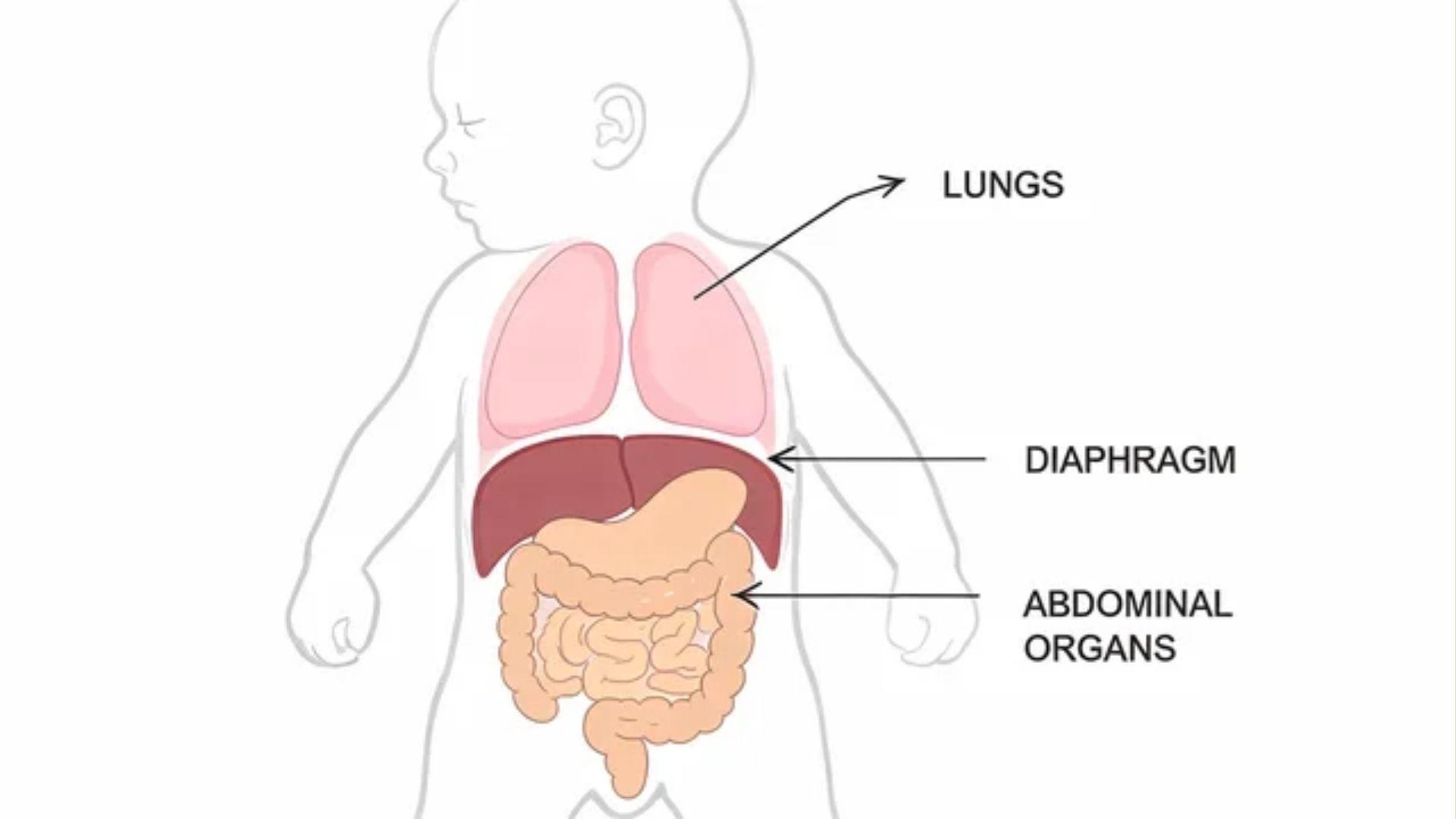
The diaphragm is a dome-shaped muscle under the lungs. When it tightens, it flattens and pulls air in, which pushes the organs below it downward. That push lifts the belly, while the air itself goes into the lungs and never the stomach.
In older children, the rib cage helps by lifting and widening with each breath. A newborn’s rib cage is soft and flexible, so the chest muscles add little. The belly leads, and the chest follows with smaller movements.
How strongly the belly moves depends on whether your baby is calm, hungry, or sleepy. The pattern also changes as the ribs harden and the chest muscles strengthen.
What Baby Belly Breathing While Sleeping Looks Like

Sleep changes the picture a little, and that is when most parents start watching closely. Infants spend a large share of their sleep in active, or REM, sleep. During that stage the chest wall softens even more, so the chest and belly can move out of step.
In quiet, deeper sleep, breathing tends to even out and the two move together more smoothly. Both patterns are part of how a baby cycles through sleep.
So a belly that rises and falls while your baby sleeps, even unevenly, is normal on its own. If breathing ever looks hard or labored, call your pediatrician right away.
How Does Breathing Change as Babies Grow?

Over the first months and years, babies breathe less with the belly alone. The rib cage stiffens, the chest muscles strengthen, and the lungs keep adding air sacs.
As the ribs harden, they give the chest muscles something firm to pull against. Breathing then becomes a shared job between the diaphragm and the chest.
That is why the belly-only look fades over the first year or two. Some babies make the shift sooner than others, depending on how quickly they gain strength.
The lungs are still growing during this time as well. Air sacs keep multiplying well into early childhood, so each breath moves air more efficiently.
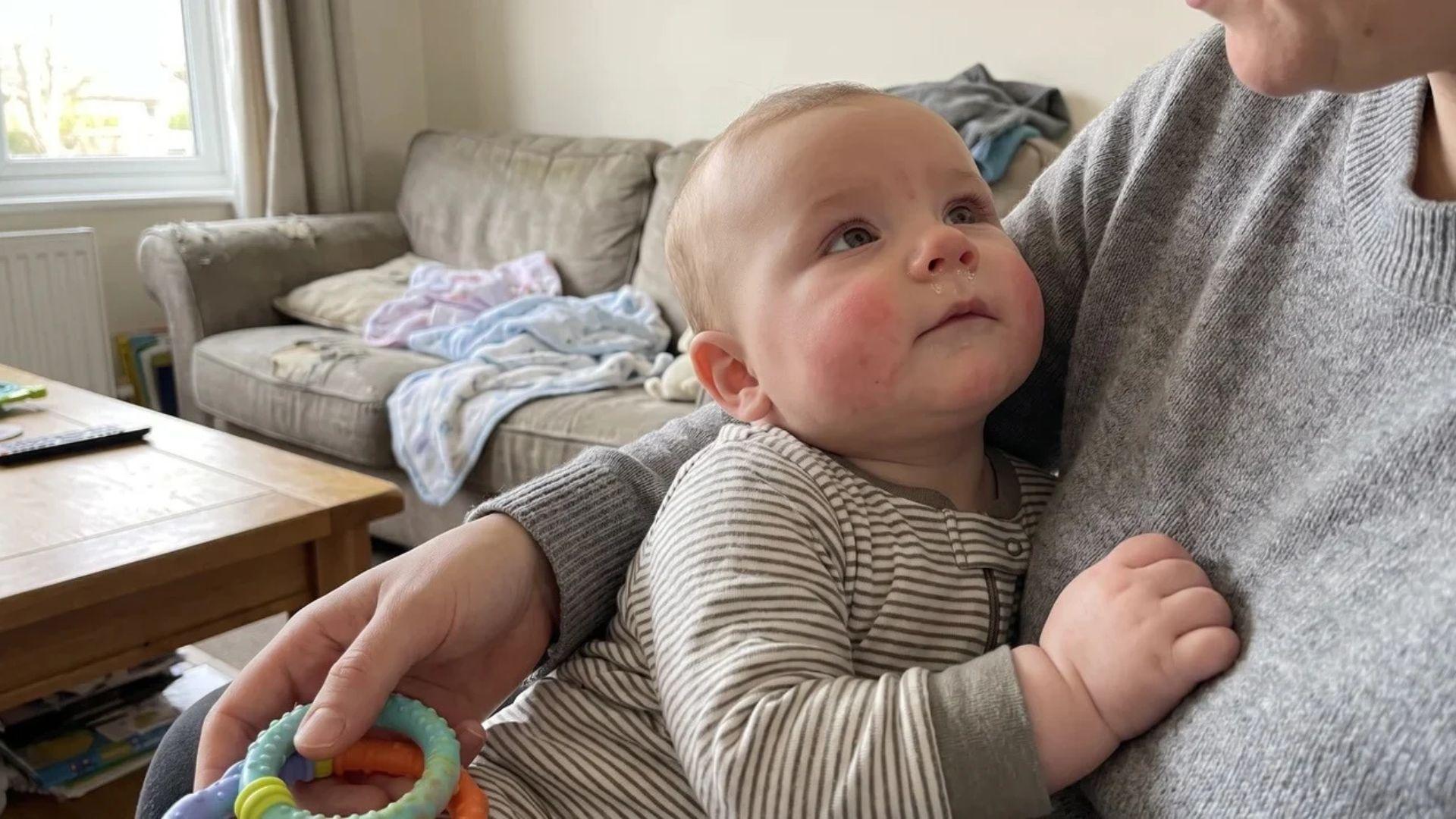
Progress does not move in a straight line, though. Crying, feeding, a cold, or a change in sleep stage can shift how your baby breathes.
One odd-looking minute tells you very little about how your baby is developing. Watching the pattern over several days gives you a much clearer picture.
What to Remember About Newborn Breathing
How do babies breathe? Oxygen comes through the umbilical cord before birth, and the lungs and diaphragm take over after the first breath.
Because the newborn rib cage is soft, the diaphragm leads, so the belly rises with each breath. That pattern is typical, and it gradually shifts toward the chest as your baby grows.
Over the next few days, notice how your baby breathes during sleep, and write down anything that puzzles you.
Bring those questions to your next checkup, and your pediatrician can tell you what is normal for your baby.
Frequently Asked Questions
How Should a Baby Normally Breathe?
A baby normally breathes quietly, with the belly rising and falling more than the chest. Breathing can look uneven in sleep, and the belly-led pattern gradually shifts toward the chest as babies grow.
Do Babies Breathe Through the Umbilical Cord?
Not air. One umbilical vein carries oxygen-rich blood from the placenta to the baby, and two arteries return used blood. After birth, the lungs take over that oxygen delivery.
Can Babies Breathe Underwater?
No. After birth, a baby’s lungs work only with air, and water in the airway is dangerous. A brief breath-holding reflex is not reliable protection, so keep infants within arm’s reach near water.