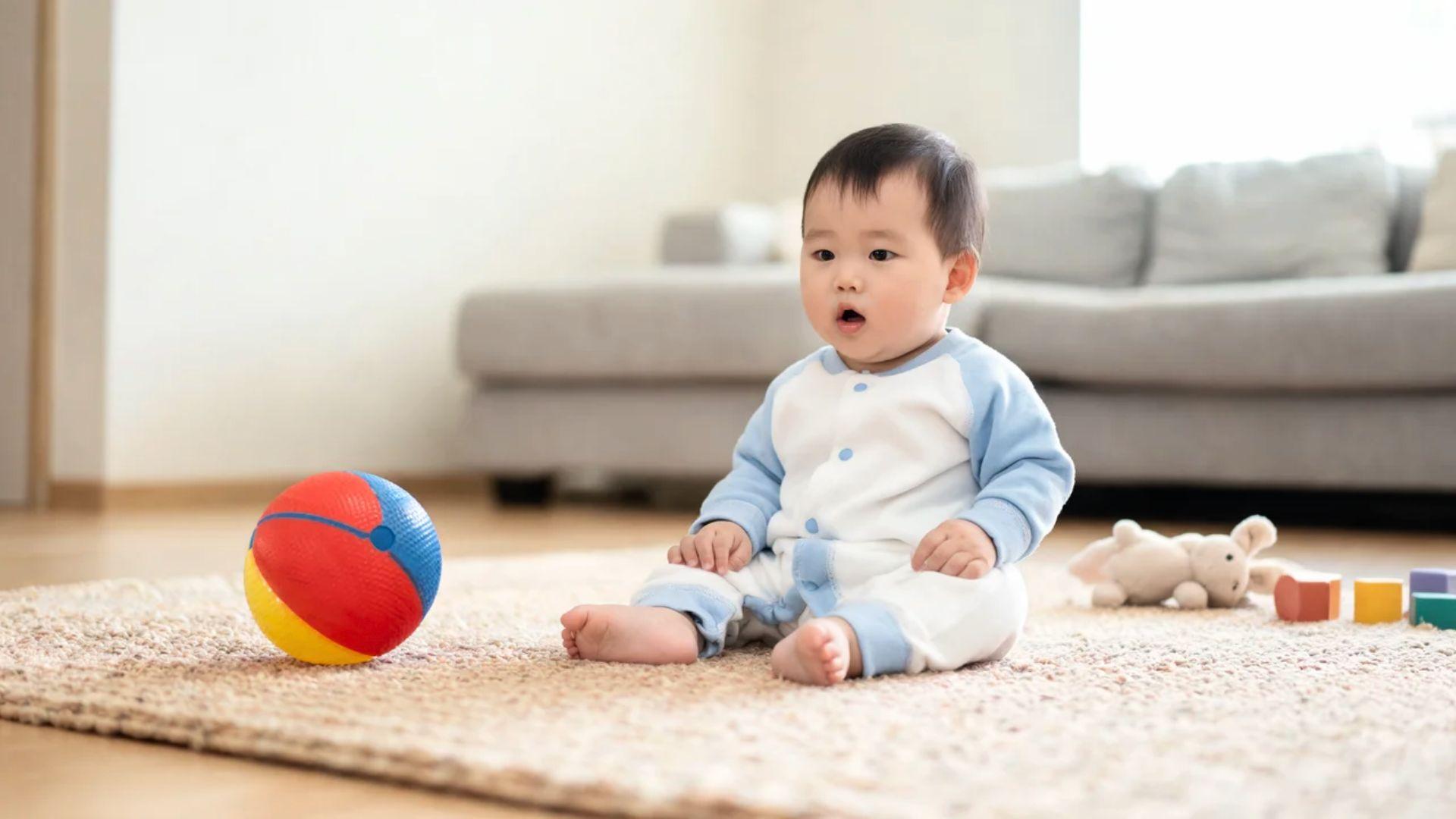
At a first birthday party, one toddler waves and says ball while another points at the same ball and stays quiet.
Parents on both sides of that moment often go home and type at what age should a child start talking into a search bar.
The answer is wider than most charts suggest, since milestone lists show what 75% or more of children do by a certain age, not a deadline that lands on the birthday.
Seeing how that range works makes comparing kids less stressful. First, the basic age question.
When Do Most Children Say Their First Words?
Most children start saying their first meaningful words around 12 months, although some begin earlier or later within the typical developmental range.
At that age, CDC’s developmental milestones list calling a parent “mama,” “dada,” or another special name.
Cooing, babbling, and waving are early communication, but they are a different skill from a spoken word that carries meaning.
Understanding also arrives first. A baby who looks at the cup when you name it is already taking in language, which is why talking builds gradually instead of switching on at one fixed age.
First words are only the start, since vocabulary keeps changing every few months. Early sounds lead to words, and words lead to short sentences over the next two years.
At What Age Do Kids Start Talking and Using Words?
Understanding words, using words, and combining words are three separate steps, and each one has a range of ages rather than an exact birthday.
The NIDCD speech and language milestones list the full sequence from birth to age 5, and CDC’s checklists fill in the toddler years.
Birth to 6 Months: Cooing and Early Sounds
Newborns react to loud sounds and begin to recognize familiar voices, and NIDCD’s checklist lists calming down or smiling when spoken to.
Cooing and other pleasure sounds follow, along with different cries for different needs.
By 4 to 6 months, babbling starts to sound more like speech, with sounds such as p, b, and m, and babies often gurgle while playing or laugh when excited.
6 to 12 Months: Babbling and First Words
Babbling grows longer and more varied in this window, with strings of sounds like “tata” or “bibibi” that babies use to get attention.
Waving, holding up arms, and listening when someone speaks are all communication too.
Babies also start understanding words for common items such as “cup” or “shoe” and responding to requests like “Come here.”
Many families watch for when babies first say mama, though a first word with real meaning can show up any time near the first birthday.
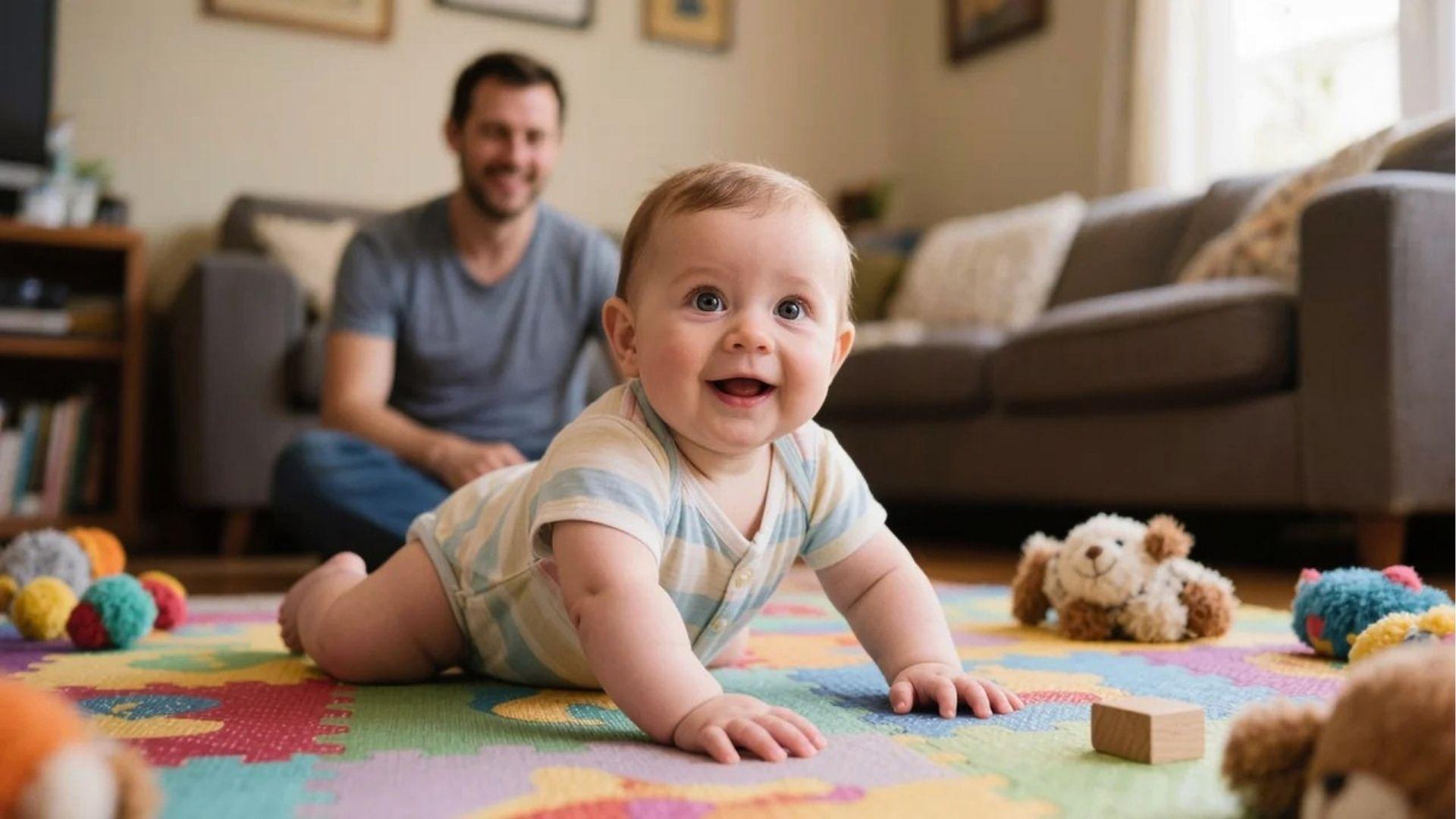
Language isn’t the only skill moving ahead here, since this is also the stretch when many babies start crawling, and every trip across the floor turns up new objects worth naming.
12 to 18 Months: First Words and Growing Vocabulary
This is the main first-word period. CDC’s 15-month checklist describes trying one or two words besides “mama” or “dada,” such as “ba” for ball or “da” for dog, and by 18 months it asks for three or more.
Early words are not complete, so a child may say “ba” and mean the whole toy.
Children at this age also point to ask for something and look at a familiar object when you name it, which shows understanding moving ahead of speech.
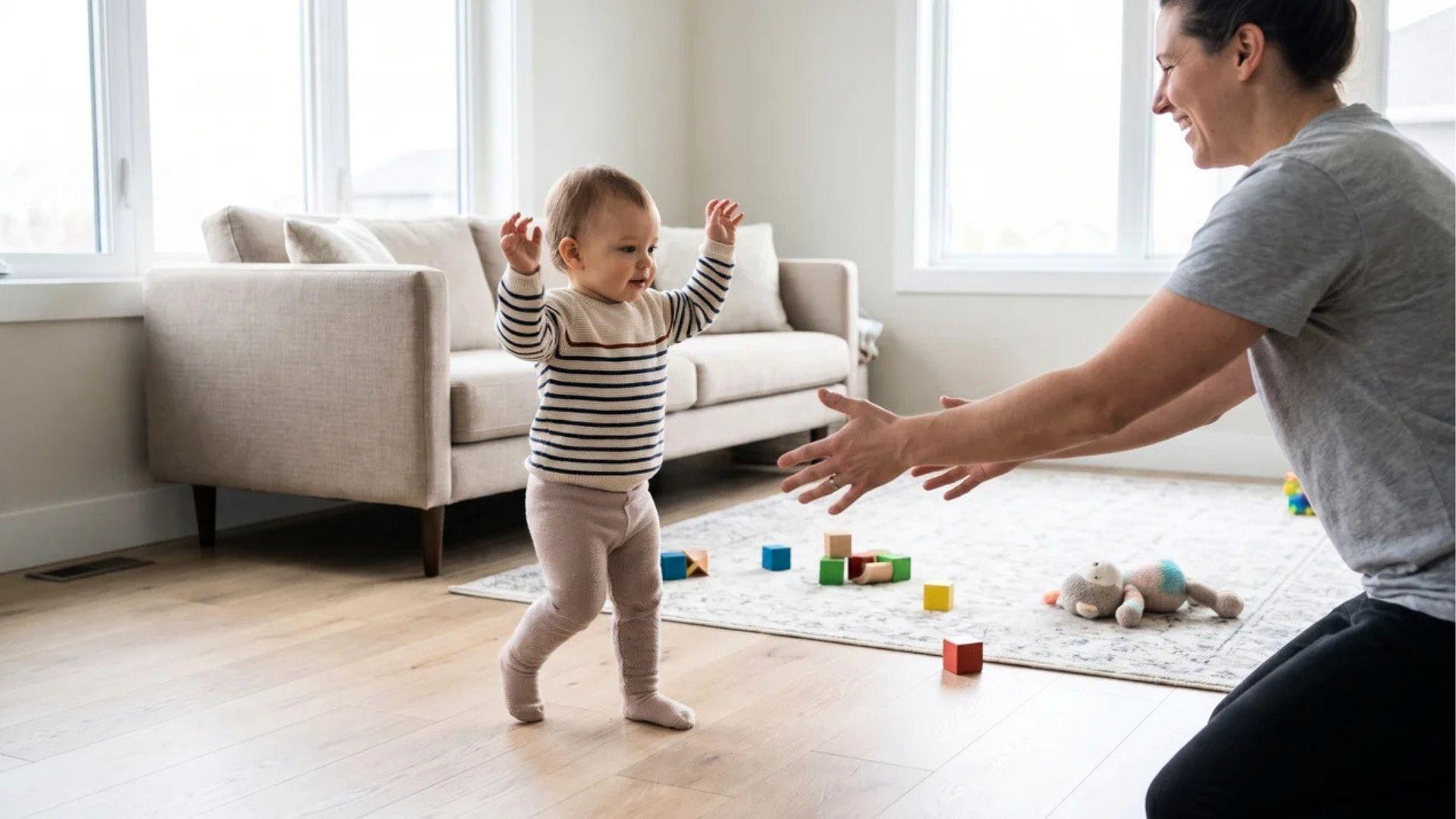
Around the same months, many toddlers are also taking their first steps, and standing tall often gives them a fresh view of things to name.
18 to 24 Months: Vocabulary Growth and Two-Word Phrases
Around the second birthday, CDC lists saying at least two words together, such as “more milk.”
Children this age also follow one-step directions without gestures, like handing over a toy when asked, and they point to things in a book when you ask where something is.
Gestures expand beyond waving and pointing to blowing a kiss or nodding yes. Together, these let a toddler share basic wants, even when the words themselves are still short.
2 to 3 Years: Short Sentences and Better Communication
Two- and three-word phrases are common between ages 2 and 3, and NIDCD lists having a word for almost everything. CDC’s checklists add more specific markers across this stretch:
- At 30 months: About 50 words, two or more words with an action word like “Doggie run,” and words such as “I,” “me,” or “we”
- By age 3: Back-and-forth conversation and asking “who,” “what,” “where,” or “why” questions
Sentences of four or more words usually come after that, between ages 3 and 4.
That covers the full arc through age 3. The first birthday gets its own look, since that is where many parents start counting words.
Can One-Year-Olds Talk?
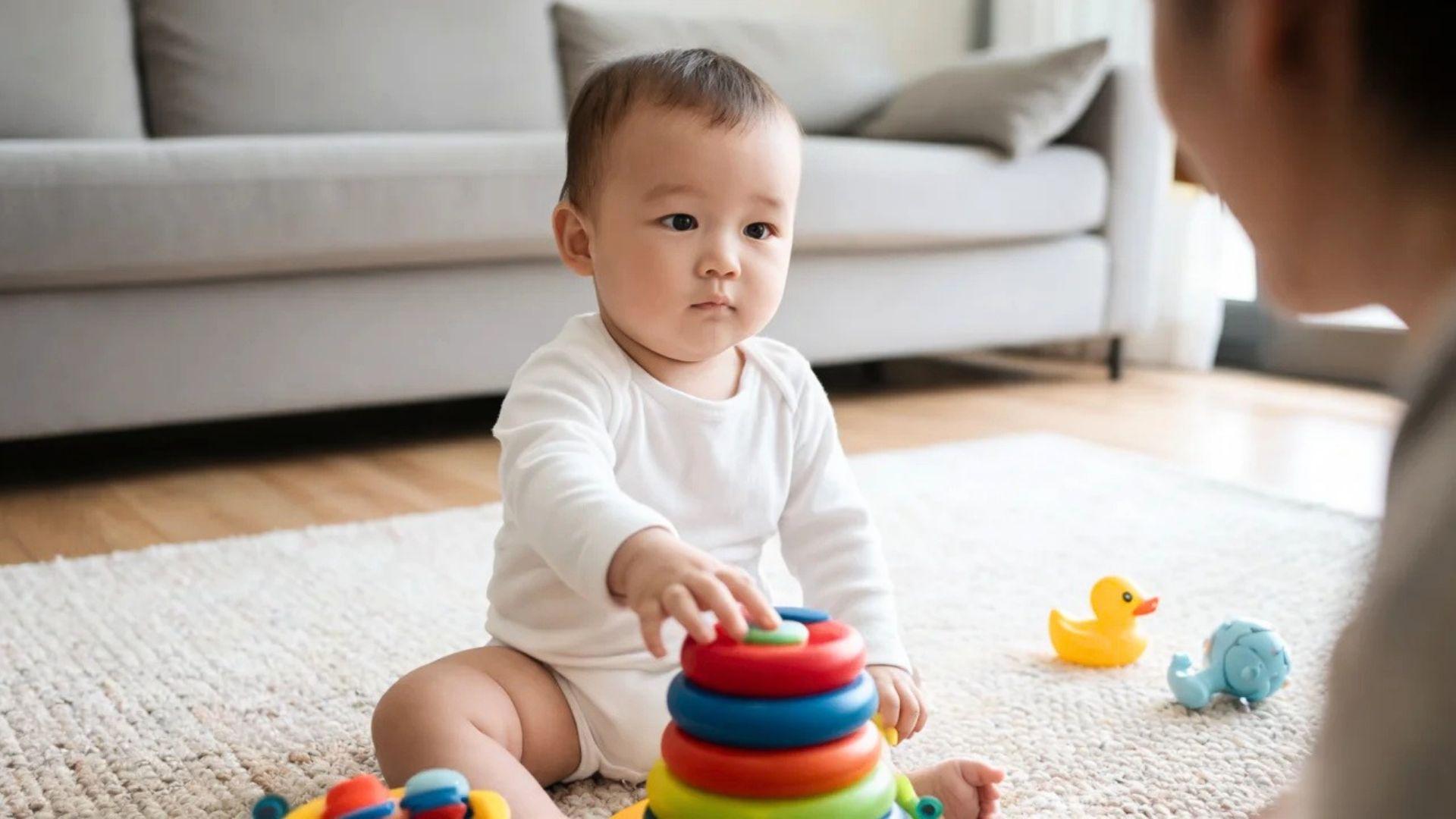
Yes, many one-year-olds can say simple meaningful words such as mama or dada, but the number of words varies between children.
NIDCD’s checklist lists one or two words around the first birthday, even if the sounds are not yet clear.
Talking is only part of the picture at this age. Pointing to ask for something, waving, looking at an object you name, and following a request all count as communication, and gestures babies use before talking often show up first.
A child who is not yet saying words is better measured against the 15-month and 18-month checkpoints than the first birthday alone, and a pediatrician is a good person to ask if something feels off.
That covers when words begin. Clear pronunciation is a separate skill and grows on its own schedule.
How Clearly Should a Child Speak at Different Ages?
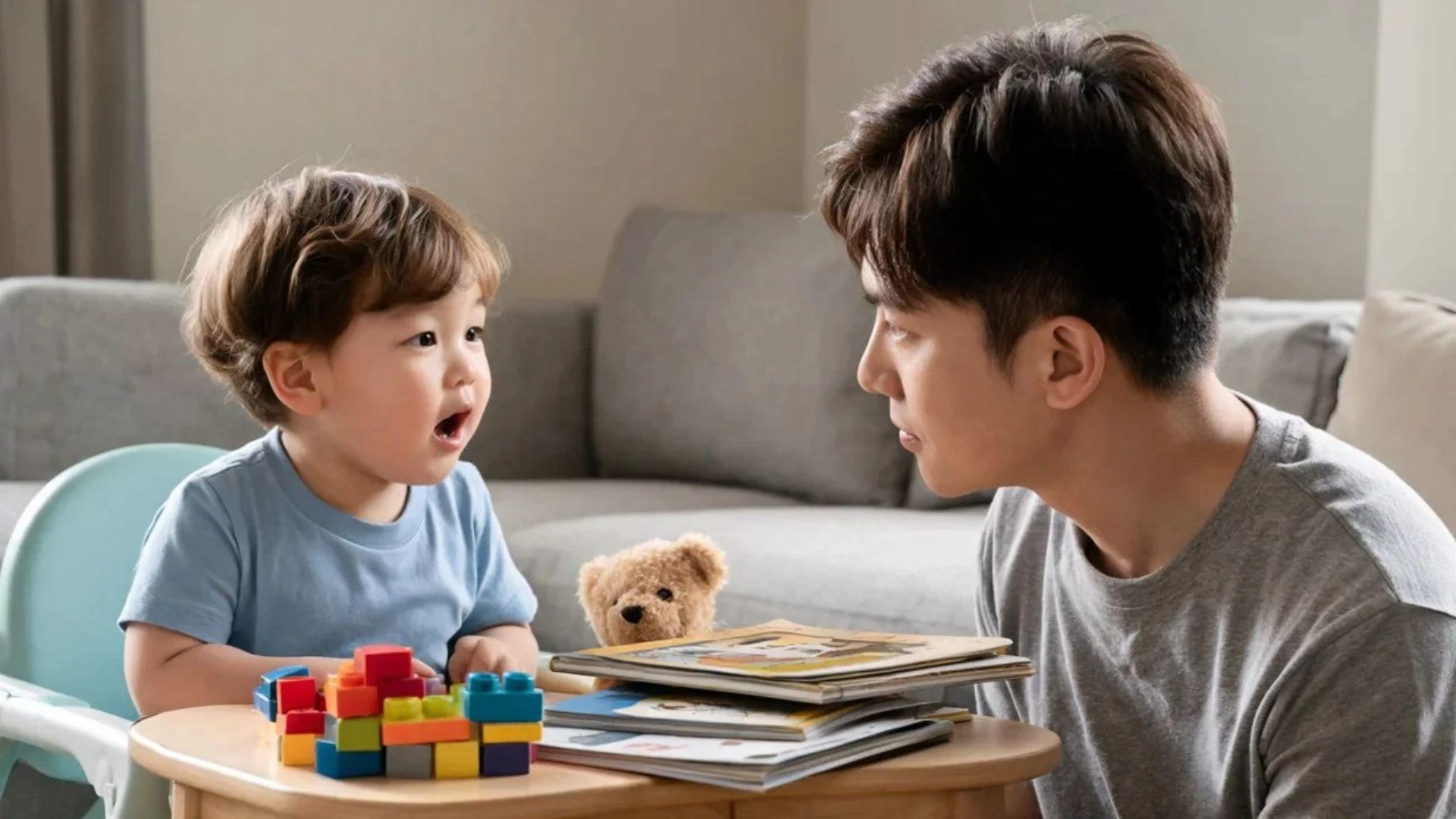
Children’s speech usually becomes easier to understand between ages 2 and 4, although pronunciation does not become perfect all at once.
Young children are still learning to make many sounds, so people outside the family may miss some words.
Being understood, building longer sentences, and pronouncing sounds correctly are related but separate parts of communication, and each can move at its own speed.
Speech Clarity at Ages 2 to 3
NIDCD describes speech at this age as understood by family members and friends, which means unfamiliar listeners may catch fewer words.
Sounds such as k, g, f, t, d, and n are coming in, while harder ones take longer. A toddler who says “wawa” for water is still practicing, and simplified pronunciation fits this stage.
Speech Clarity at Ages 3 to 4
By age 3, CDC lists talking well enough for others to understand most of the time. Between ages 3 and 4, NIDCD adds sentences of four or more words and speaking without repeating syllables or words.
Some sounds, including l, s, r, v, z, ch, sh, and th, are still developing until ages 4 to 5, so a child who says “wabbit” for rabbit is still working on those sounds.
Mispronounced words are expected while a child is still learning sounds. Missed milestones and lost skills are a different matter.
When Should Parents Worry About a Child Not Talking?
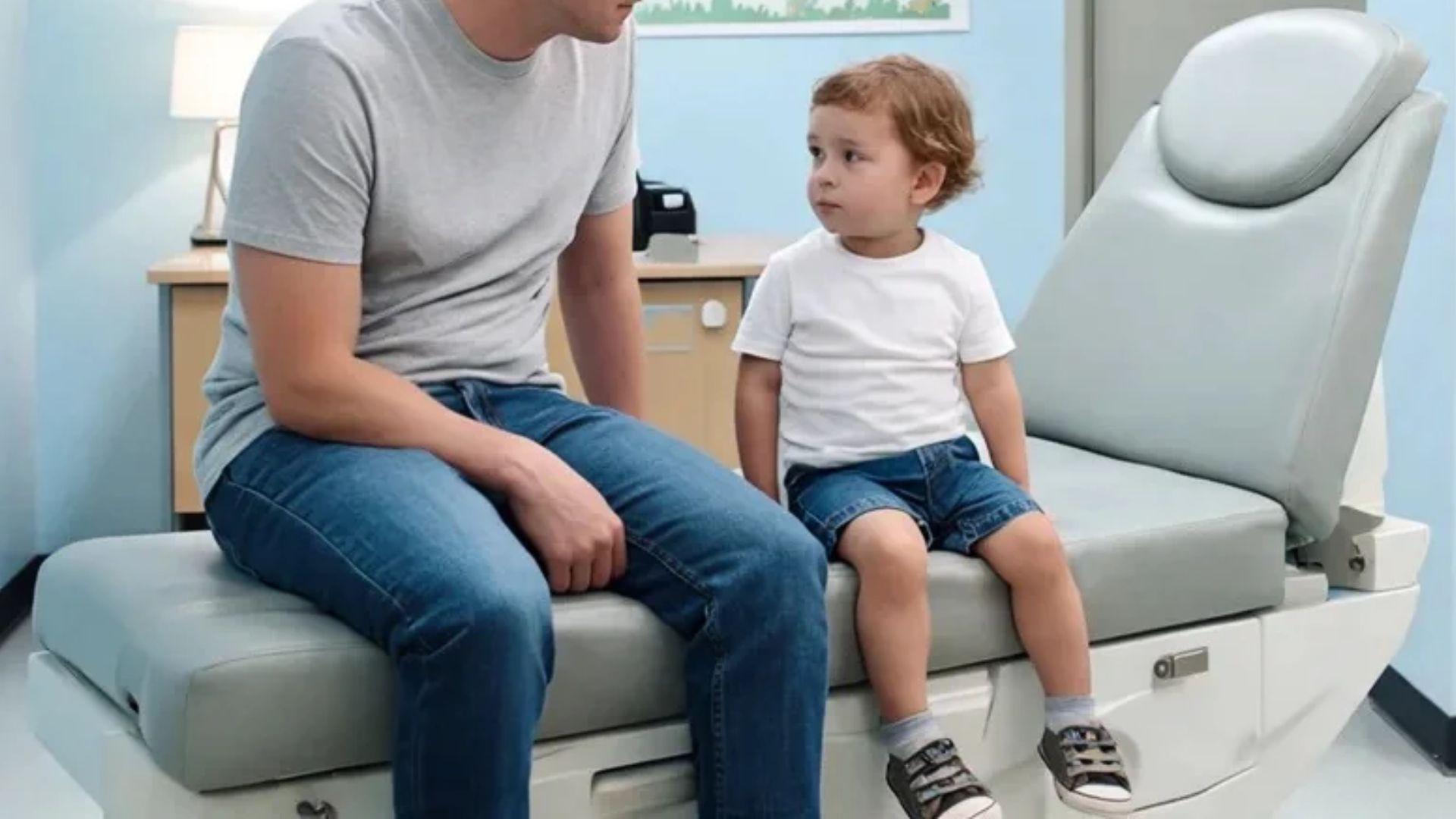
Parents should discuss possible speech delays with a pediatrician if their child misses important communication milestones or loses words and skills they previously used.
CDC’s steps for developmental concerns say the same: Share the concern with the doctor and ask about developmental screening, which the American Academy of Pediatrics recommends at 9, 18, and 30 months.
These CDC milestones make useful reference points for that conversation:
- By 9 months: Makes different sounds like “mamamama” and “babababa”
- By 15 months: Tries one or two words besides “mama” or “dada”
- By 18 months: Tries three or more words besides “mama” or “dada”
- By 2 years: Says at least two words together, like “More milk”
- By 30 months: Says about 50 words
Missing a milestone is a reason to ask questions, not a diagnosis. Losing words or social skills a child once had is also worth raising with the doctor.
If the doctor shares the concern, NIDCD explains that a pediatrician may refer the child to a speech-language pathologist, who talks with parents about communication and general development and uses spoken tests.
A hearing test is often part of that evaluation because hearing can affect speech and language. This article is general information, and your child’s doctor can speak to your child’s individual situation.
With those checkpoints noted, the whole picture comes down to a few points.
Final Takeaway
The honest answer to at what age a child should start talking is a range, not a single number.
First words often show up near the first birthday and keep building for years, while gestures, babbling, and listening show progress long before a sentence appears.
Daily conversation is the part parents can control, so narrate snack time, repeat your child’s attempts, and read the same book twice.
For a clearer picture, use CDC’s Milestone Tracker app or a printed checklist for your child’s age, then bring it to your next pediatrician visit.
Frequently Asked Questions
What Is Considered a Late Talker?
A late talker is a toddler who says fewer words than most peers the same age while other skills, like understanding and play, develop as expected. A pediatrician can look at the full picture.
How Can I Encourage My Toddler to Talk?
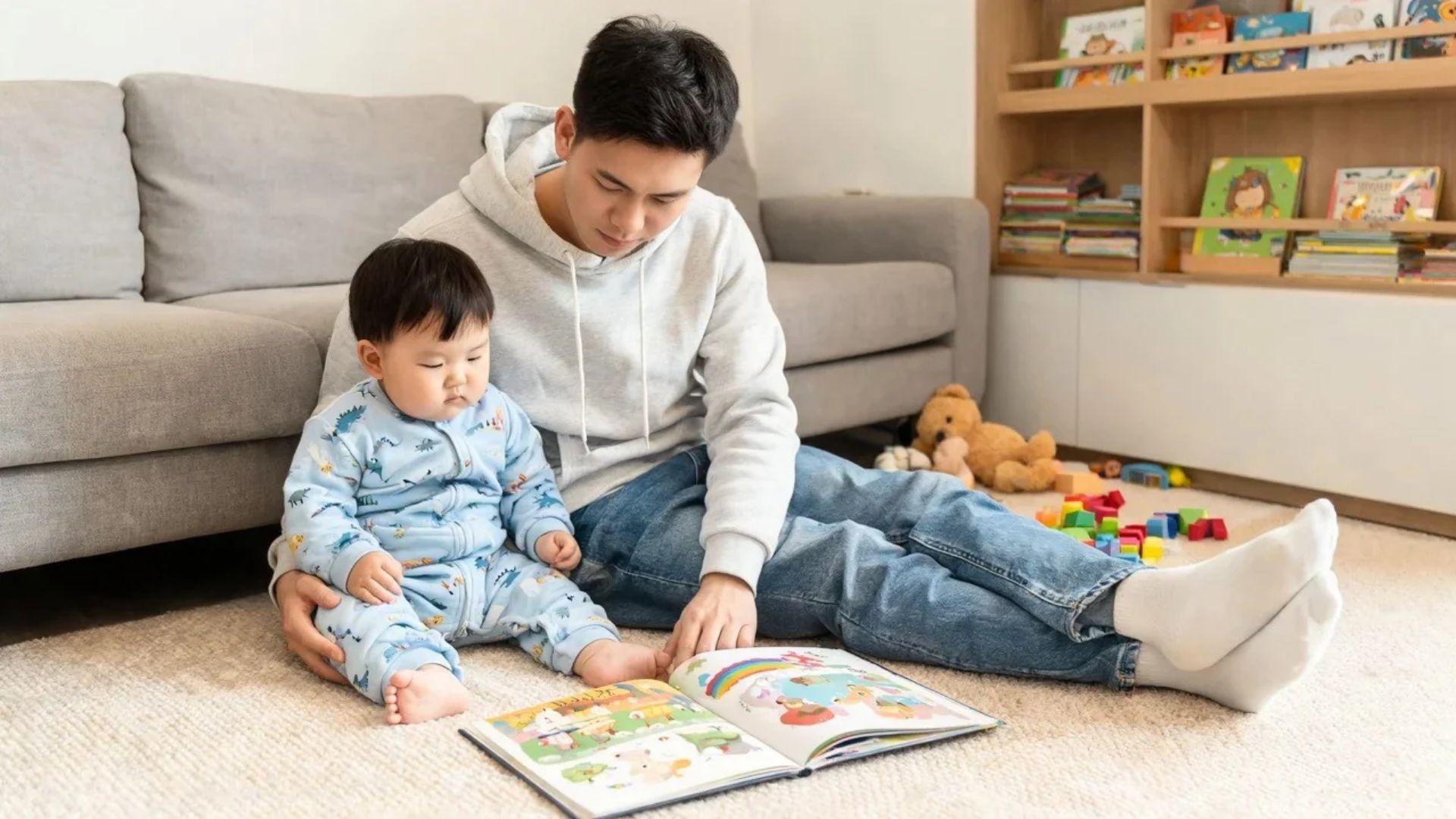
CDC suggests repeating and adding to what your child says, so “ba” becomes “Yes, that’s a ball.” Reading books, singing songs, and naming objects when your child points also provide regular practice.
Should I Correct My Toddler’s Pronunciation?
CDC tips suggest modeling the word instead. If your child says “or nana,” you can reply, “You want more banana,” which keeps the conversation going without turning it into a quiz.
Can Hearing Problems Affect How a Child Learns to Talk?
CDC and NIDCD both note that hearing loss can affect speech and language development. If you have a concern, ask your child’s doctor about a hearing screening.