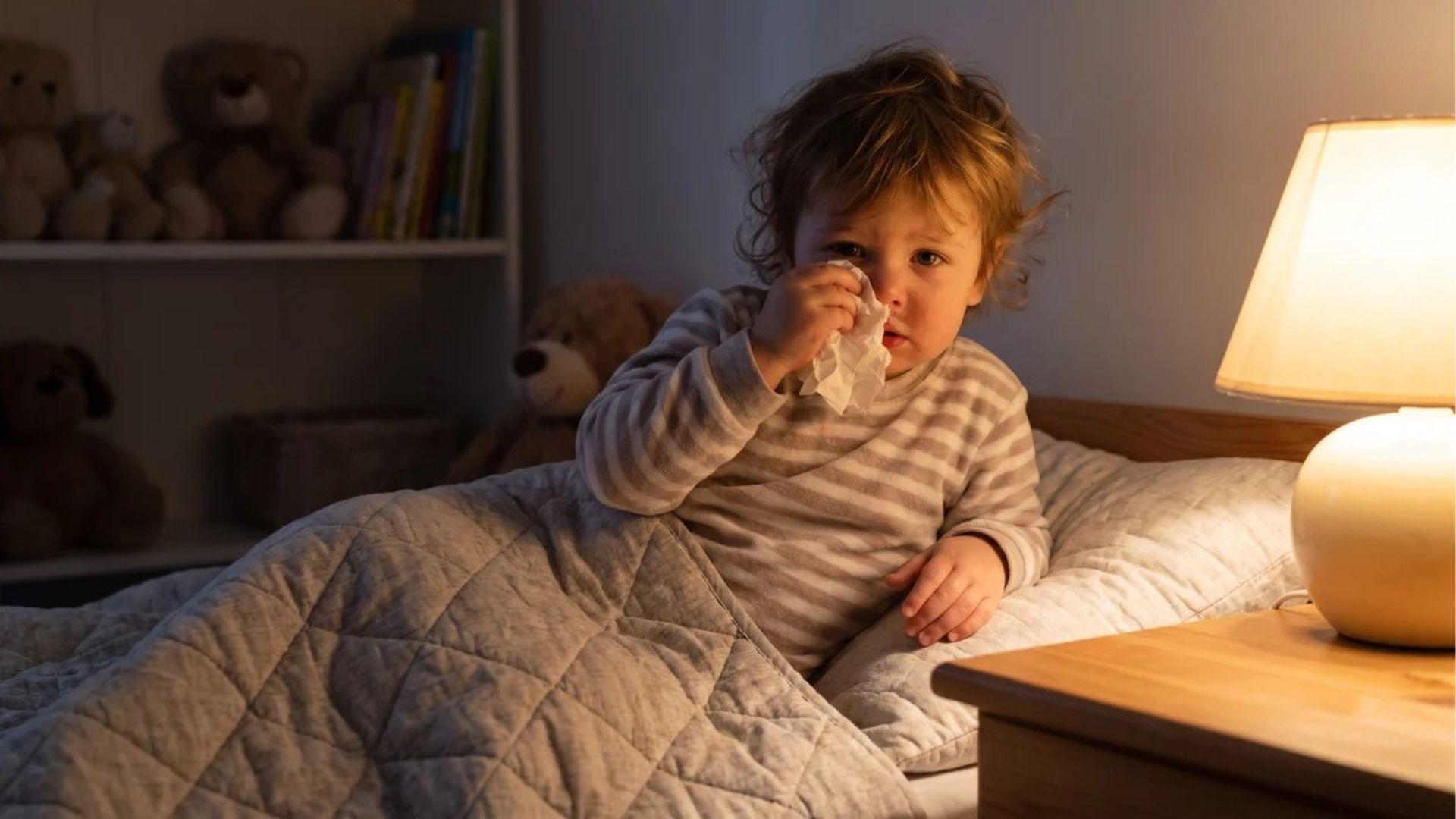
It is 2 a.m., and your baby is snuffling, squirming, and waking every time a feed starts.
Your first instinct may be to prop their head up, the same move adults use with a blocked nose.
Safe sleep guidance says not to do that for babies, so the best position to sleep with stuffy nose symptoms looks different at this age.
Here is how to keep a congested baby comfortable overnight without taking risks, starting with whether a stuffy nose like this is normal for babies.
Is a Stuffy Nose Normal for Babies?
A stuffy nose is a common cold symptom, and the CDC describes a cold as a mild upper respiratory illness that resolves in a short period of time.
The NHS notes that coughs and colds are extremely common in young children and tend to happen more often in fall and winter, and that most children get better by themselves.
The stuffiness itself happens when the tissue lining the nose swells, according to MedlinePlus, which explains why a cold can leave a baby sounding blocked.
A stuffy or runny nose can last up to 10 to 14 days, so a plan for bedtime makes those nights easier. Once your baby becomes a toddler, there are more ways to ease a blocked nose at night.
A later section lists the signs that mean it is time to call a doctor. Bedtime is where a little planning pays off. Start with how your baby lies down.
What Is the Best Position to Sleep With Stuffy Nose?
A blocked nose does not change the rule.
The NIH’s Safe to Sleep campaign calls back sleeping the safest position for all babies until they turn 1, and warns that raising one end of the crib mattress is dangerous.
Five positions and setups cover a congested baby’s day and night, and only the first four are for sleep.
1. Flat on the Back in a Crib
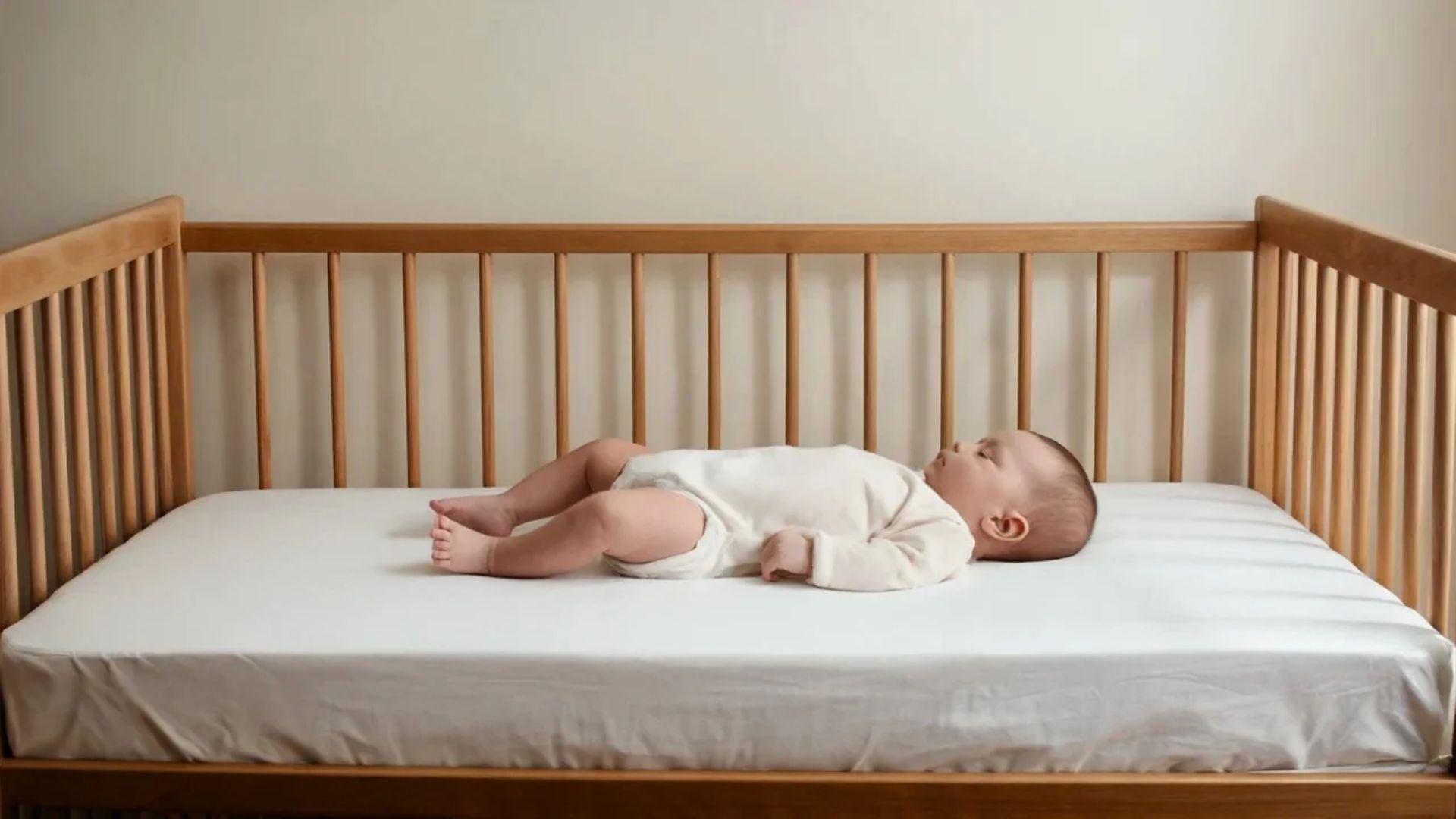
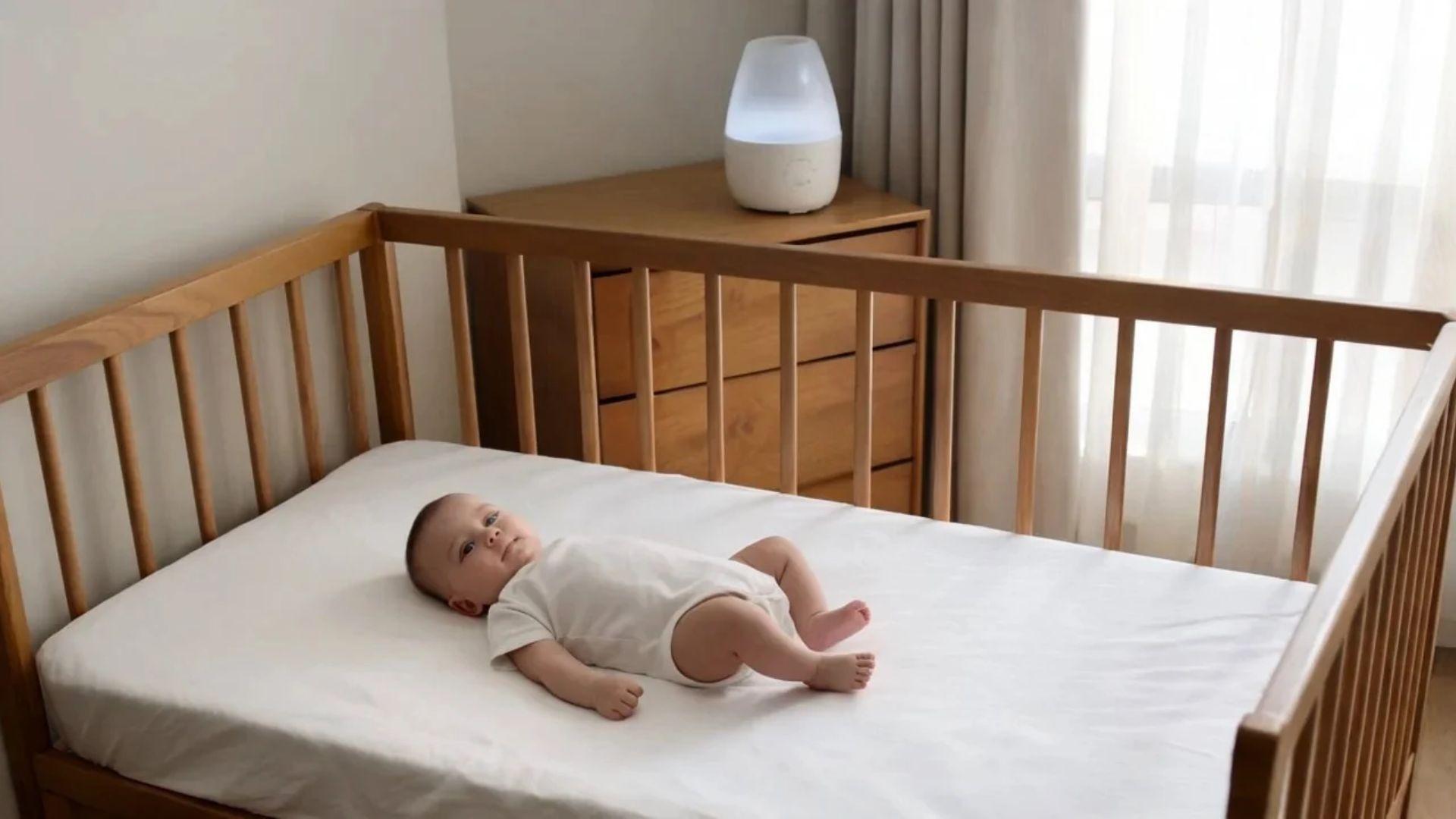
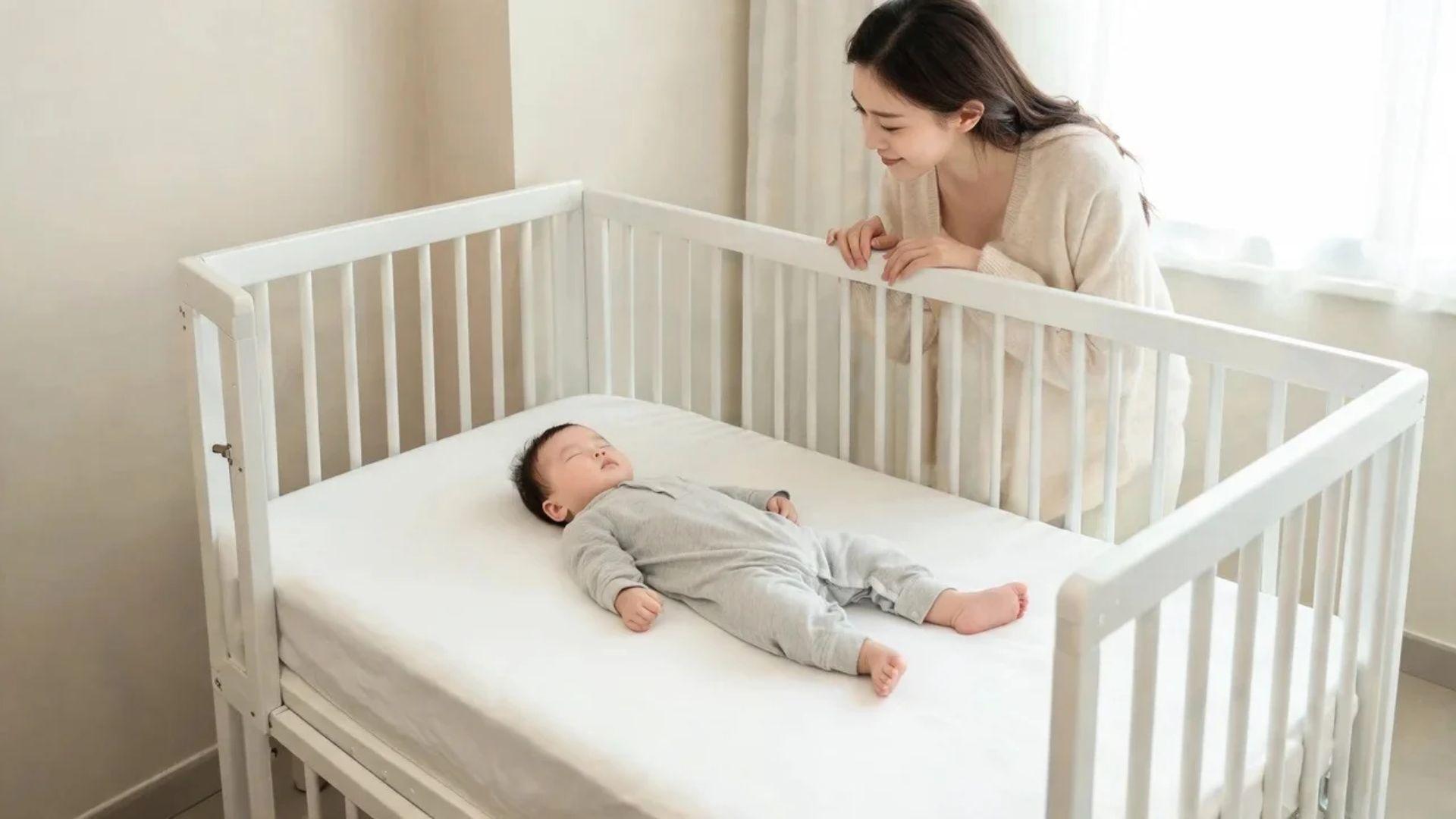
A crib with a firm, flat, level mattress and a fitted sheet is the standard sleep setup for naps and nights.
The CDC advises placing your baby on their back for all sleep times and keeping the surface flat, not at an angle or inclined.
Soft bedding stays out of the crib, including blankets, pillows, bumper pads, and soft toys. A blocked nose is not a reason to change any of this.
2. Flat on the Back in a Bassinet or Portable Crib
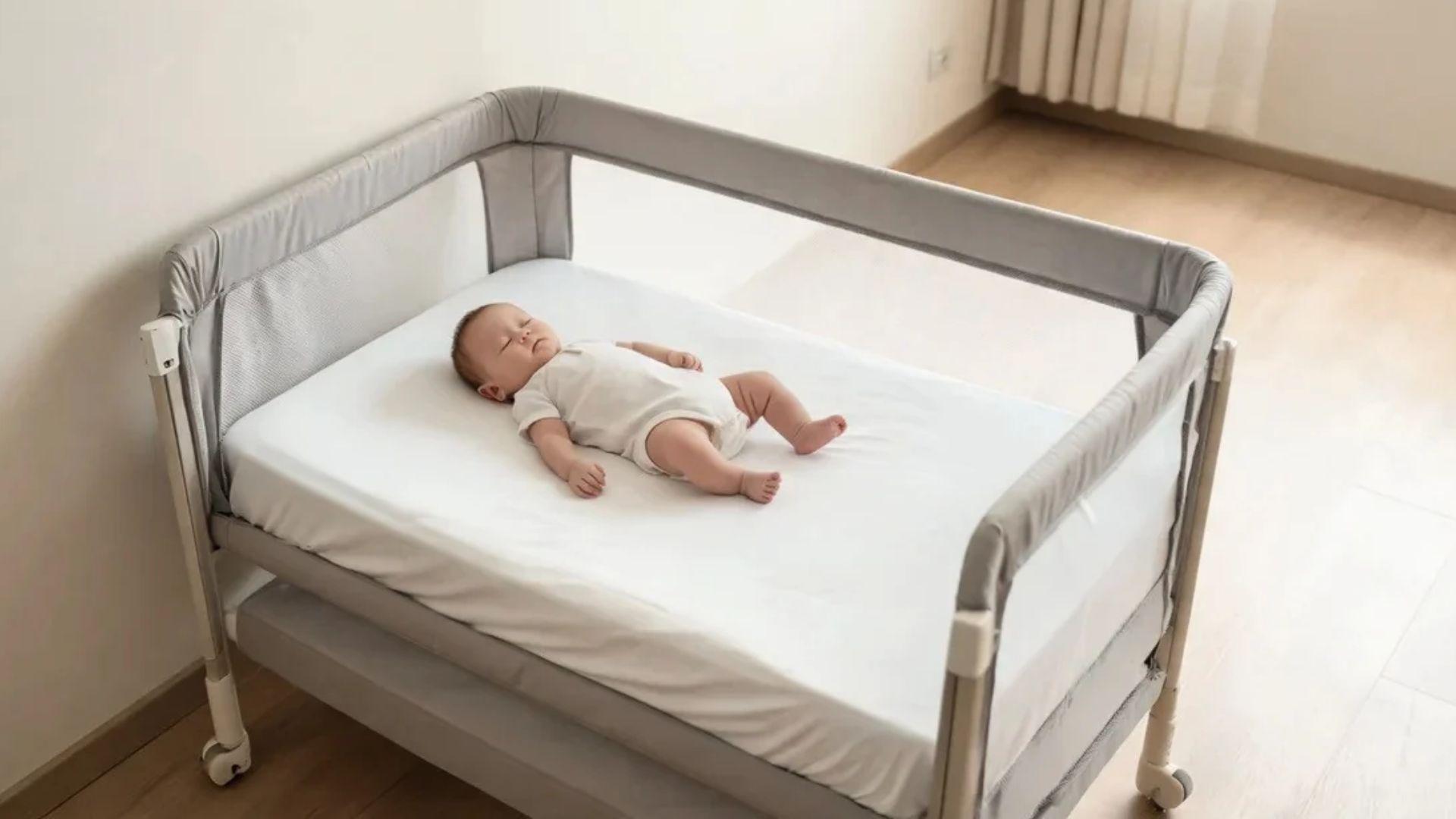
Bassinets, portable cribs, and play yards that follow Consumer Product Safety Commission standards offer the same firm, flat surface, which helps for travel or a nap downstairs.
The back position still applies.
Wedges, pillows, and inclined sleepers stay out of every sleep space, since the Safe to Sleep campaign says evidence does not support the safety or effectiveness of wedges and positioners.
The mattress should fit snugly, with no gaps at the sides, and carry only a fitted sheet.
3. On the Back With the Crib Close to Your Bed
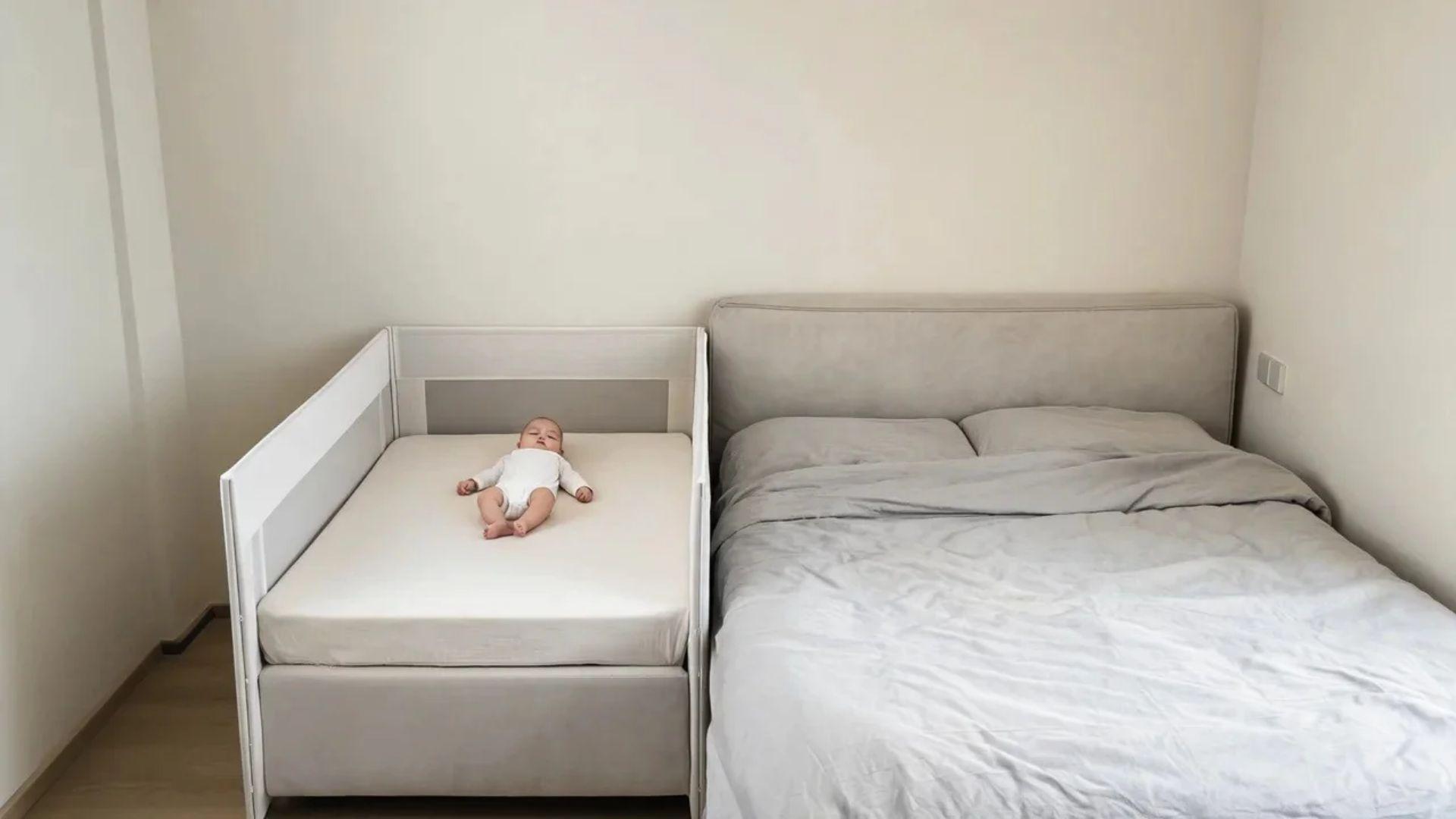
Room sharing means your baby sleeps on their own surface in your room, close to your bed but never in it.
Guidance recommends this for at least the first 6 months.
If you bring your baby into your bed to feed, clear away pillows and blankets first, then return your baby to their own sleep space afterward.
A baby who dozes off in a car seat or swing should move to a flat surface as soon as possible.
4. Side or Tummy, Only After Rolling Over on Their Own
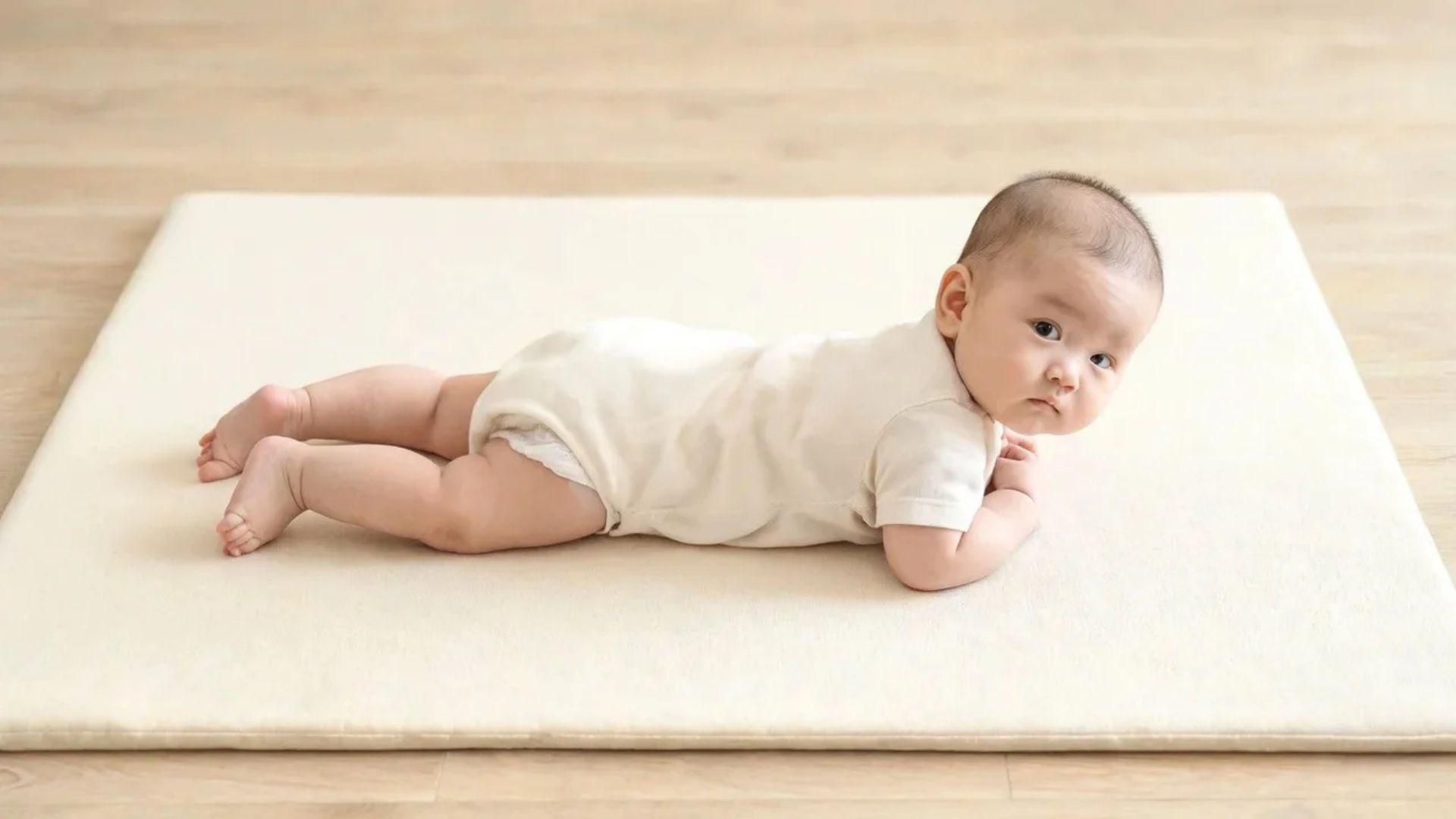
Babies start rolling over on their own around 4 to 6 months of age.
Starting every sleep on the back is what matters most, and if your baby rolls onto their side or tummy during sleep by themselves, you do not need to turn them back.
Swaddling should stop at the first sign your baby is trying to roll.
Until your baby rolls both ways, keep placing them on their back every time, even for short naps.
5. Held Upright While Awake or Feeding

Upright is for awake time only.
NHS bronchiolitis advice says to keep a baby with that cold-like chest infection upright as much as possible while awake, because it helps them breathe more easily.
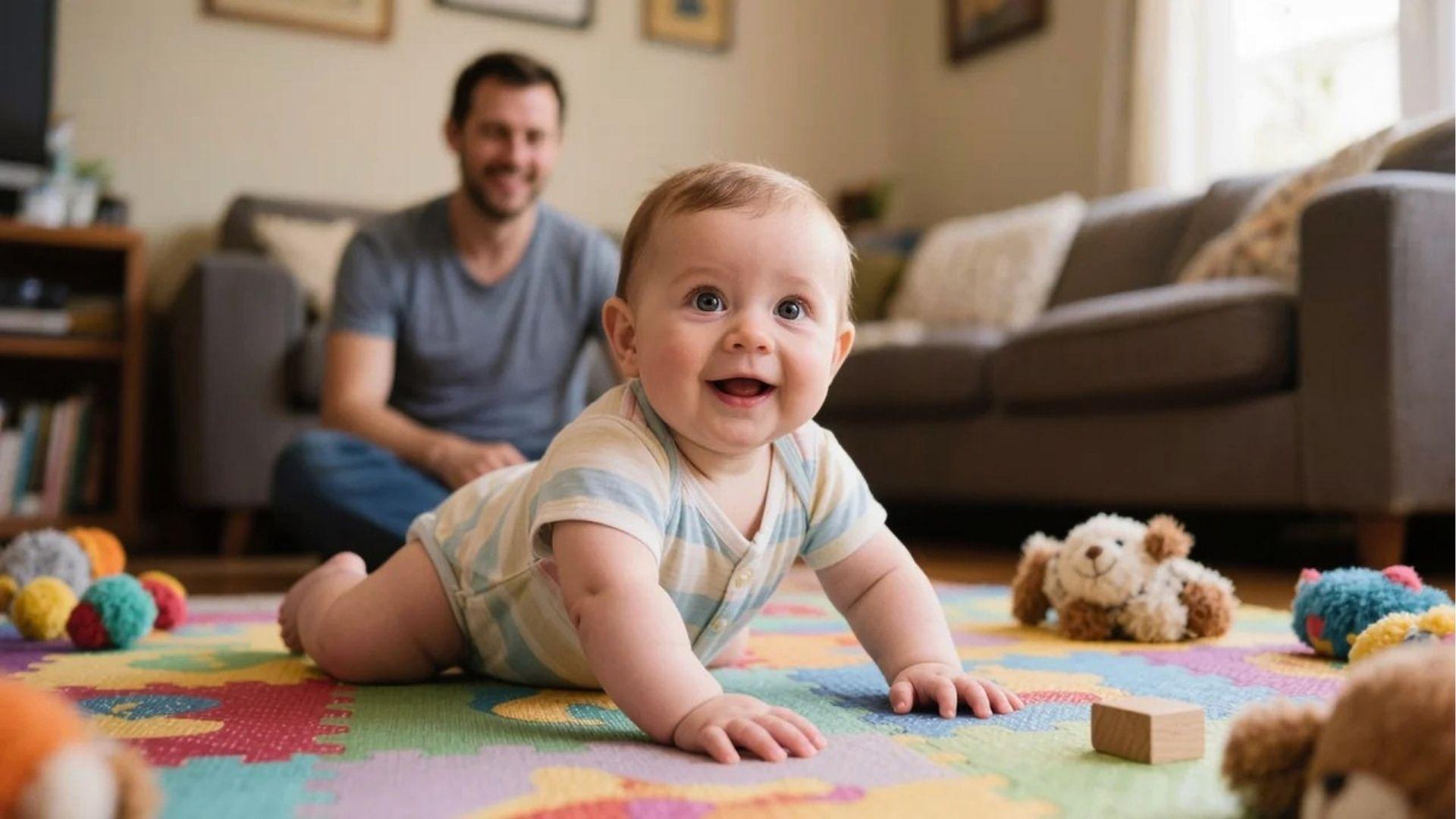
Holding a snuffling baby upright against your chest or on your lap for feeds and cuddles follows the same idea.
When it is time to sleep, lay your baby flat on their back, and never prop them on pillows to stay upright.
Raising the head for sleep is off the table for babies, so the rest of the bedtime routine matters more.
Gentle nose care and moist air are the next places to look.
How Do I Help My Baby Sleep With a Stuffy Nose?
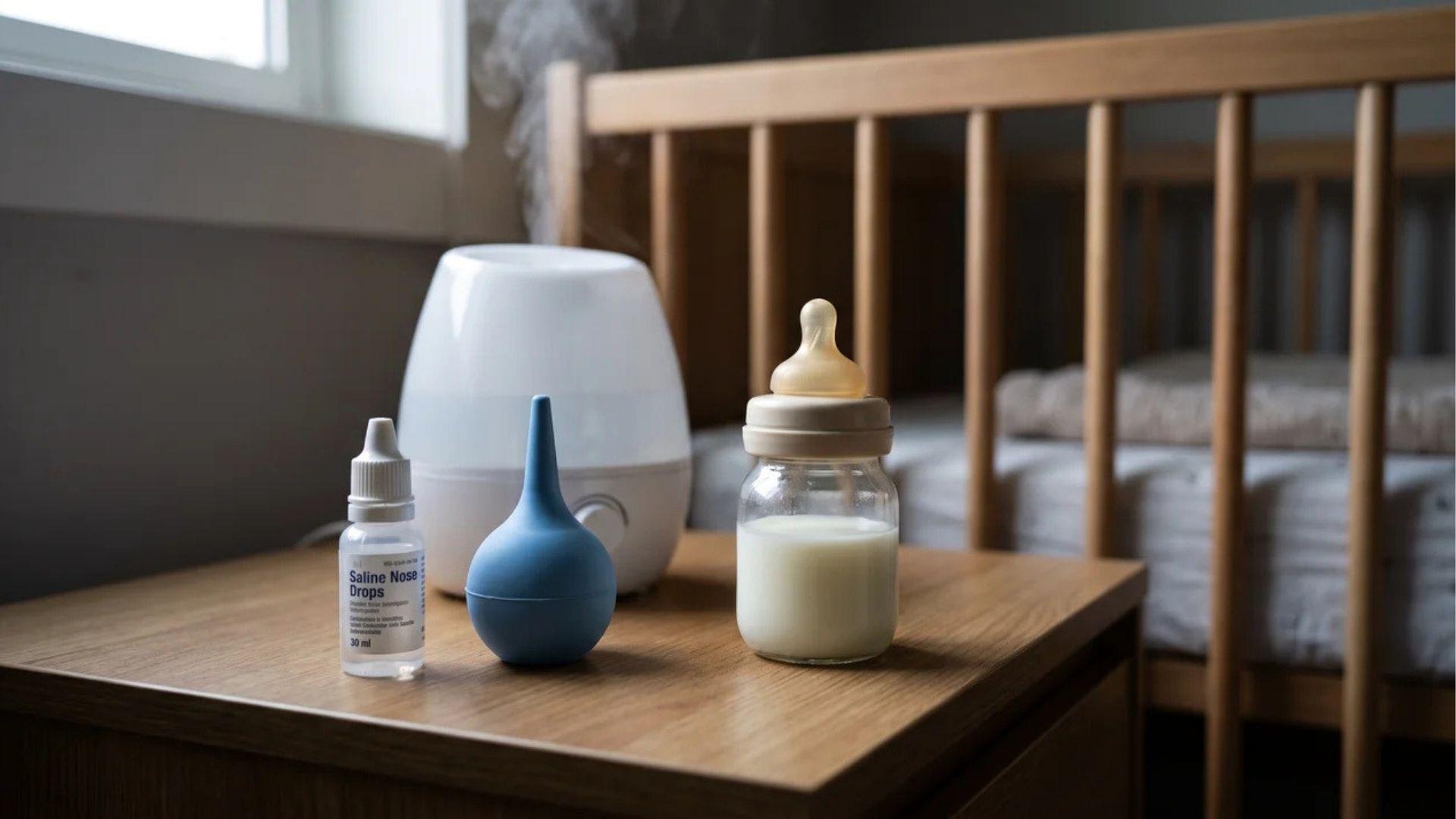
To help a baby sleep with a stuffy nose, gentle home care can bring comfort for a while, though none of it treats the cause.
- Saline drops and gentle suction:The CDC lists saline drops and a rubber suction bulb for young children, and clearing the nose shortly before feeds and sleep can make both easier. Skip neti pots, which are labeled for ages 4 and up.
- Cool-mist humidifier: Keep it out of your baby’s reach and away from the crib. Our guide to humidifier safety for babies covers placement, humidity levels, and cleaning.
- Steamy bathroom: Sit with your baby upright on your lap in a bathroom filled with steam from a running shower. Skip bowls of hot water, which cause burns.
- Fluids and feeds: Keep offering usual milk feeds, and try smaller, more frequent feeds if your baby is not feeding normally.
Those steps cover an ordinary cold. If breathing looks hard or your baby stops feeding well, it is time to call a provider.
When Should You See a Doctor About a Baby's Stuffy Nose?
A baby's stuffy nose usually improves on its own, but trouble breathing, a fever in a young baby, or symptoms that linger or worsen call for medical attention.
The CDC's common cold guidance lists these reasons to see a healthcare professional:
- Trouble breathing or fast breathing
- Dehydration
- Fever that lasts longer than 4 days
- Symptoms that last more than 10 days without improvement
- Symptoms, such as fever or cough, that improve and then return or worsen
The same CDC guidance says to talk to a healthcare professional right away if a child under 3 months old has a fever of 100.4°F (38°C) or higher.
Feeding much less than usual is also worth a call to your pediatrician.
Trouble breathing is not something to wait out: Seek medical care promptly, and call emergency services if breathing is severely difficult.
Flat, Firm, and Clear Is the Safest Setup for Babies
The best position to sleep with stuffy nose symptoms stays the same for every baby under one year: flat on the back, on a firm, level surface.
Comfort comes from what surrounds sleep instead, such as clear nostrils, moist air, and steady feeds.
A calm room and a steady routine may also help a congested baby settle, but none of it replaces your pediatrician's advice.
Tonight, strip the crib down to a fitted sheet, and note how long the congestion lasts so you can share it with your pediatrician if it drags on.
Frequently Asked Questions
Can I Give My Baby Cold Medicine for a Stuffy Nose?
No. The FDA advises against over-the-counter cough and cold medicines for children under 2, and the CDC does not recommend them for children under 6. Ask your pediatrician about anything else.
Is a Baby's Stuffy Nose Contagious?
The stuffy nose itself is not contagious, but the cold virus behind it spreads through the air and close personal contact, according to the CDC. Tell your pediatrician if a newborn is exposed.
Can Babies Have Honey for a Cough or Cold?
No. The CDC says babies younger than 1 year old should not be given honey, so it is not an option for a baby's cough or cold. Ask your pediatrician what is safe instead.