Drooling is one of those baby moments that catches every new parent off guard. One day your baby's chin is dry, and the next it feels like a constant puddle.
You are probably wondering if this is normal or something to worry about.
This blog will walk you through why babies drool, when it starts, and what counts as normal versus something that needs a doctor's attention.
We have talked to pediatric experts and researched trusted sources to bring you clear, reliable answers.
By the end, you will know exactly what to watch for and how to keep your little one comfortable.
Why Do Babies Start Drooling?
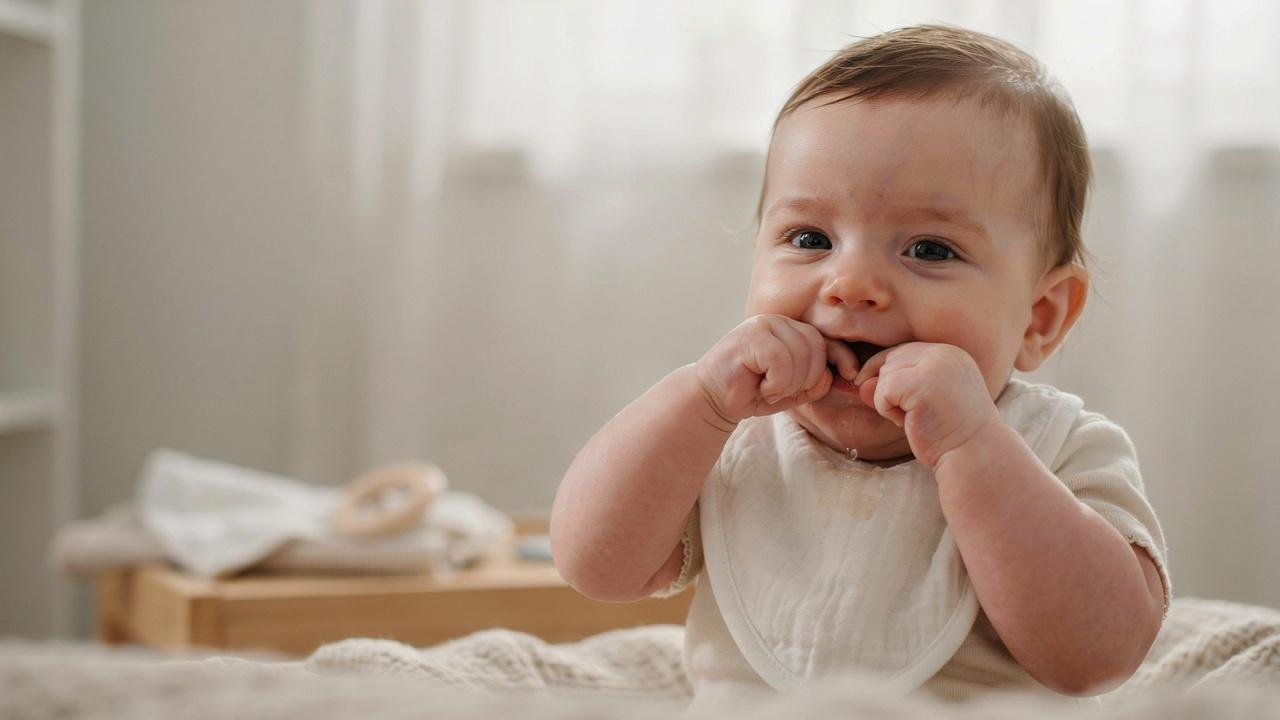
Babies start drooling around two to three months old, and it is completely normal.
At this age, the salivary glands become more active, but babies have not yet learned how to swallow saliva on their own.
This means the extra spit has nowhere to go but out.
Drooling also picks up when babies begin exploring the world with their mouths and hands, since chewing and mouthing objects trigger more saliva production.
Many parents notice drool spikes right before a growth spurt or during the early stages of teething, even before a tooth is visible.
The muscles around the mouth are still developing too, so babies have less control over keeping their lips closed.
All of this makes drooling one of the earliest and most harmless signs of normal development.
Is Drooling a Sign of Teething?
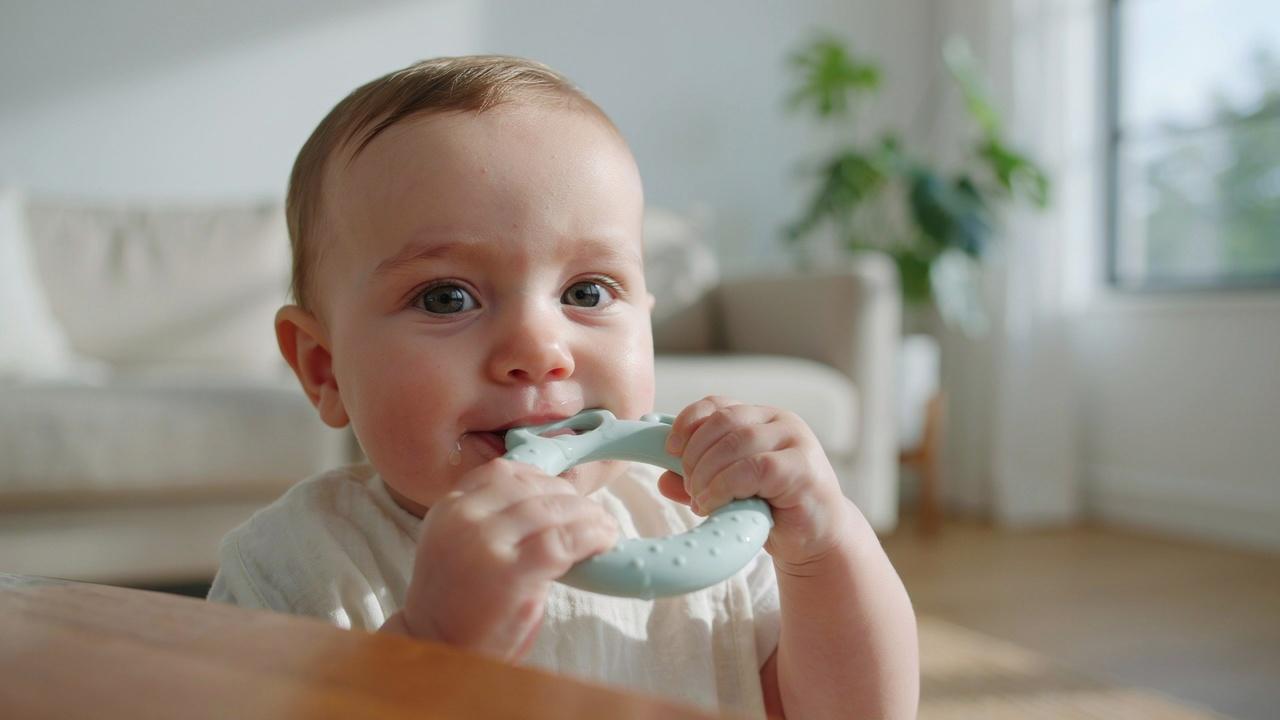
Drooling often appears before a baby's first teeth erupt, but it is not always a sign of teething.
Drooling alone is not a reliable sign of teething. Babies often drool for months before their first tooth appears.
- Common teething symptoms include swollen or tender gums, chewing on fingers or toys, mild fussiness, and occasional sleep disturbances.
- Teething increases saliva production as the body responds to gum irritation, which is why drooling may become heavier during this stage.
- Normal developmental drooling happens because babies are still learning to swallow saliva efficiently and their salivary glands are becoming more active.
- Watch for multiple signs together. If your baby is drooling while rubbing their gums, biting objects, or showing swollen gums, teething is a more likely explanation.
- If drooling occurs without other symptoms, it is usually a normal part of infant development rather than a sign of teething.
How Much Drooling Is Normal?
Most drooling in babies falls well within a healthy range and is a normal part of development.
A wet chin, damp clothing, or soaked bib is common for babies under 18 months.
Drooling often increases during teething, while mouthing toys, or when babies are excited or focused on exploring.
Heavy drooling by itself is usually not a cause for concern if your baby is feeding well, breathing comfortably, and otherwise seems healthy.
Most babies gradually drool less as they develop better control of their mouth and swallowing muscles.
Persistent excessive drooling beyond the toddler years or drooling accompanied by symptoms such as fever, difficulty swallowing, or trouble breathing should be evaluated by a pediatrician.
When Should Parents Be Concerned About Drooling?
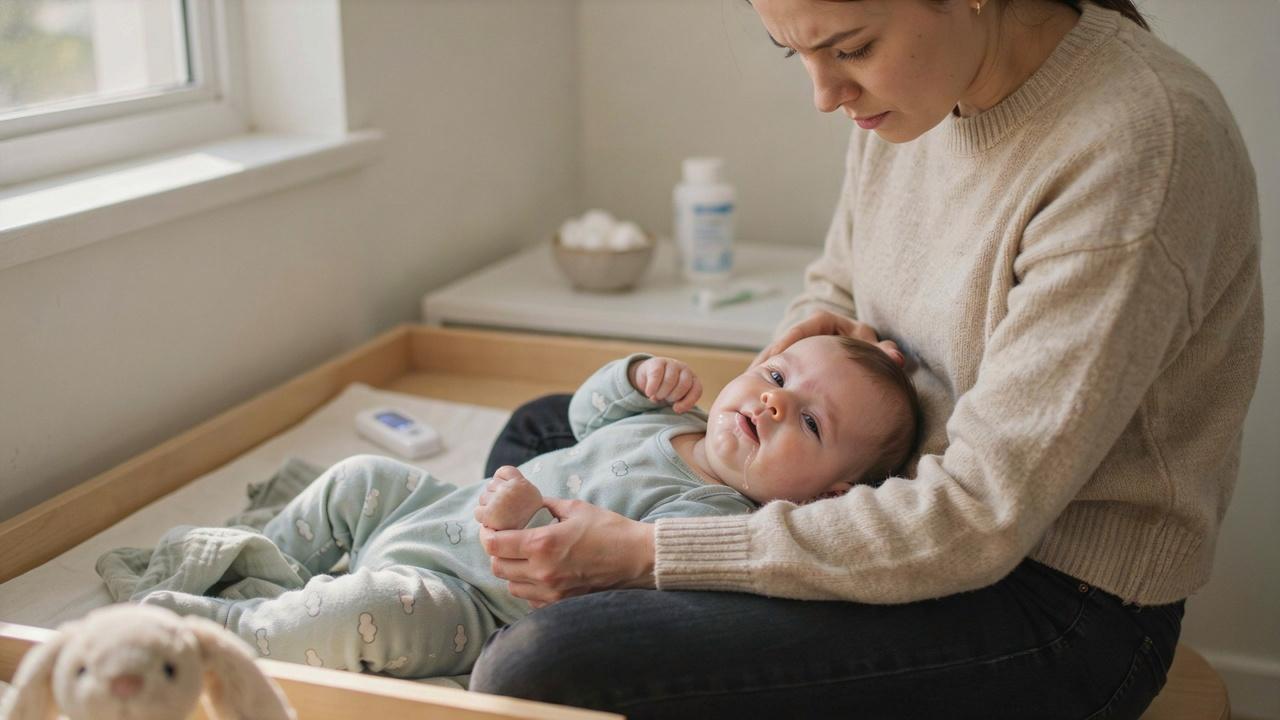
Certain signs paired with drooling deserve closer attention.
Drooling With Fever or Difficulty Swallowing
If drooling comes with a fever or trouble swallowing, it could point to an infection that needs medical care.
Sudden Excessive Drooling
A sudden spike in drooling that seems unusual for your baby's normal pattern is worth mentioning to your pediatrician.
Drooling With Trouble Breathing
Drooling paired with noisy or labored breathing should never be ignored. This combination needs prompt medical attention.
Persistent Drooling Beyond the Toddler Years
Drooling that continues well past two years old without improvement may need evaluation for underlying causes.
Signs of Dehydration or Illness
Watch for dry mouth despite drooling, reduced wet diapers, or unusual fussiness, as these can signal dehydration or illness.
Possible Medical Conditions That Can Cause Excessive Drooling
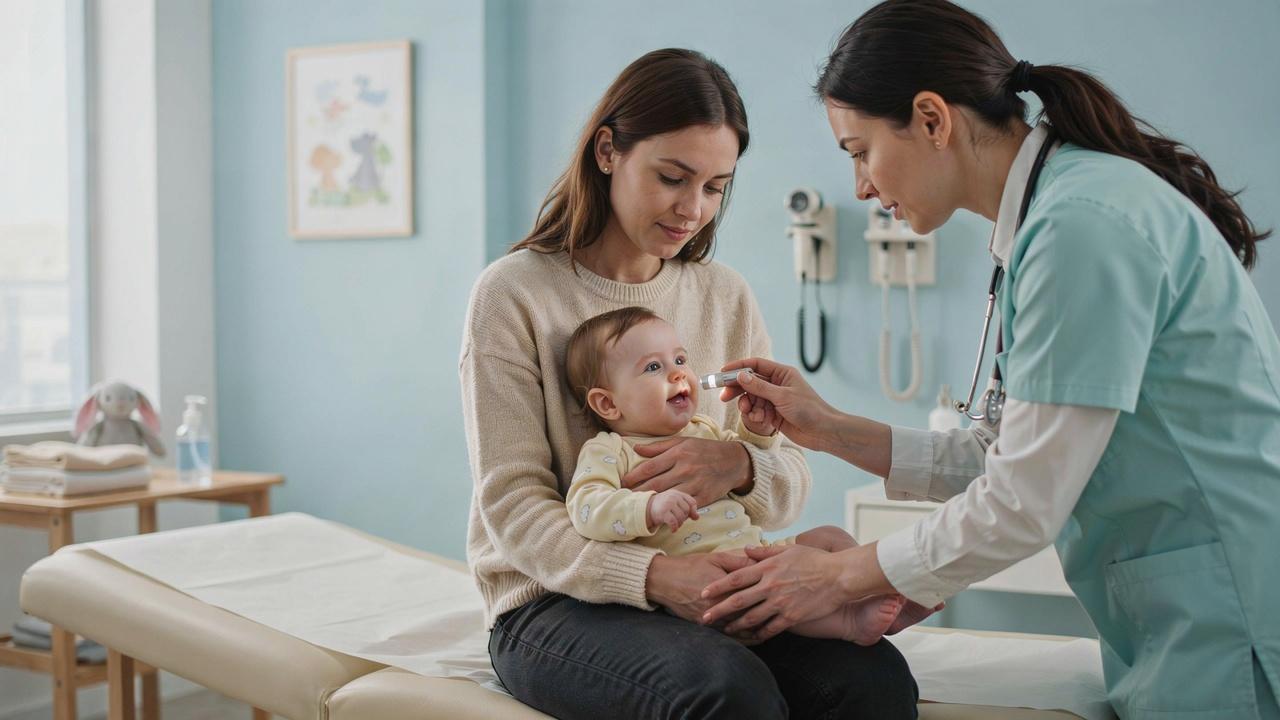
A few underlying conditions can lead to more drooling than usual.
Mouth or Throat Infections
Infections like strep throat or oral thrush can increase saliva production while making swallowing uncomfortable.
Oral Injuries or Sores
Cuts, sores, or irritation inside the mouth can cause extra drooling as the body tries to soothe the area.
Enlarged Tonsils or Other Airway Problems
Swollen tonsils or blocked airways can make swallowing harder, leading to more visible drooling.
Neurological or Developmental Conditions
In rare cases, ongoing excessive drooling past the typical age range may be linked to developmental or neurological conditions that need medical review.
How to Manage Baby Drooling at Home

A few simple habits can keep drooling from becoming a daily hassle.
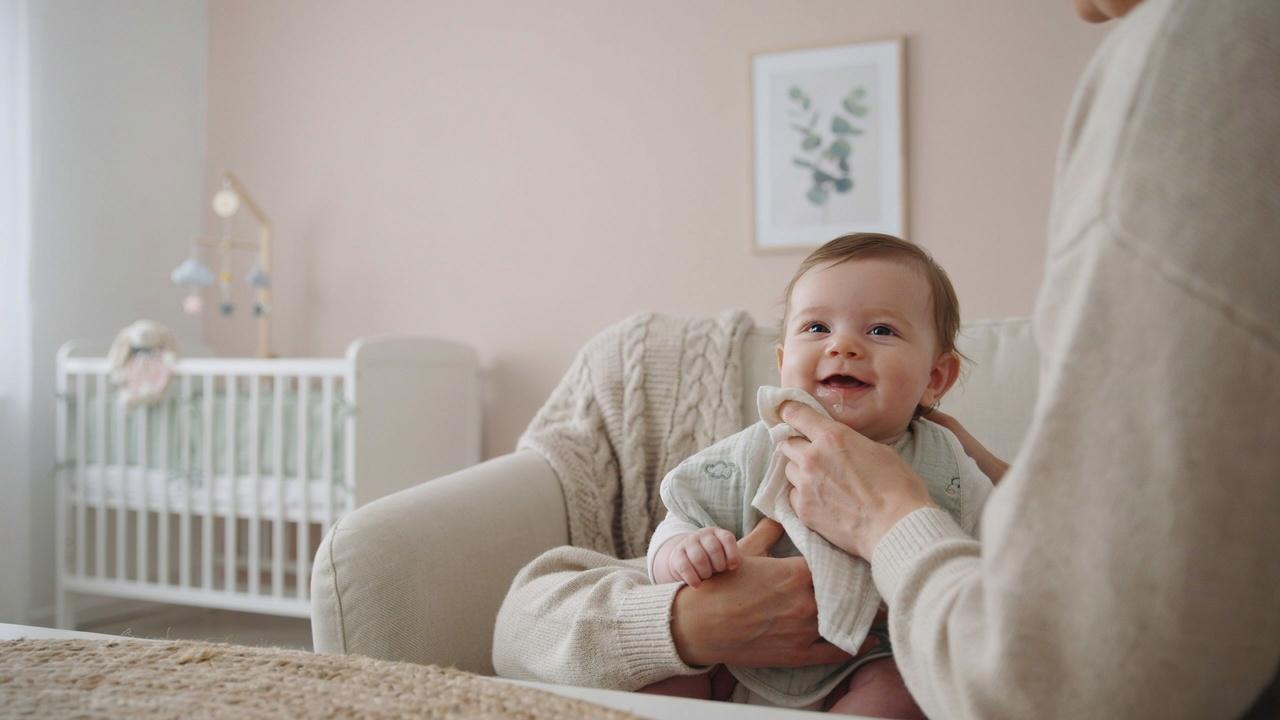
- Keep the skin dry by gently wiping your baby's chin throughout the day
- Use soft absorbent bibs to protect clothing and reduce skin irritation
- Offer safe teething toys to ease gum discomfort and reduce excess saliva buildup
- Maintain good oral hygiene by wiping gums with a clean, damp cloth
- Apply a gentle barrier cream around the mouth to prevent chapping from constant moisture
When to Contact a Pediatrician
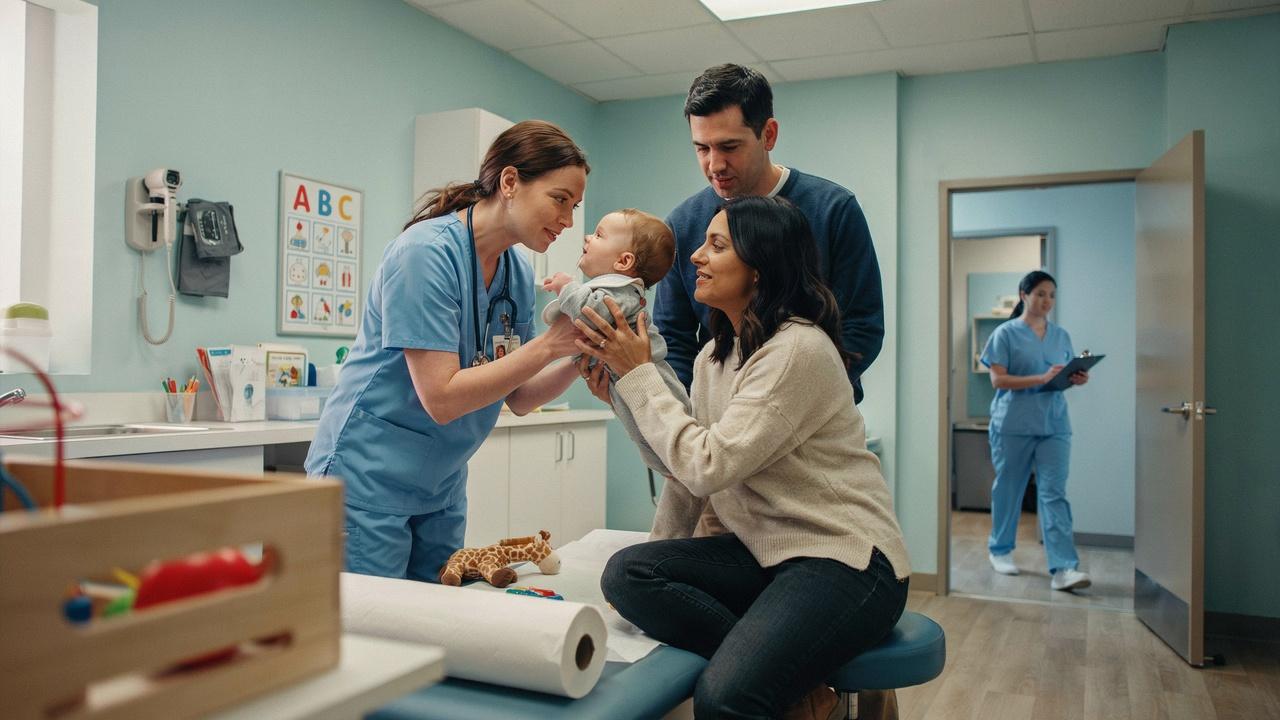
Some symptoms call for a doctor's opinion instead of waiting it out.
Symptoms That Need Prompt Medical Evaluation
Contact your pediatrician if drooling comes with fever, breathing trouble, refusal to eat, or signs of dehydration.
Questions Your Pediatrician May Ask
Be ready to share when the drooling started, how often it happens, and whether your baby has other symptoms like fussiness or poor feeding.
Tips for Parents Managing Baby Drooling
Small daily habits make drooling much easier to manage.
- Change wet bibs and clothes frequently to keep your baby comfortable
- Protect the skin around the mouth with a light, fragrance-free moisturizer
- Keep safe teething toys clean by washing them regularly with warm water
- Encourage plenty of fluids to support healthy hydration
- Avoid unproven home remedies and stick to pediatrician-approved solutions
Conclusion
Drooling is messy, but it is also just a normal part of your baby growing up.
My own daughter went through weeks of soaked bibs before her first tooth showed up, and it passed quickly.
Trust your instincts, and reach out to your pediatrician if something feels off.
Drop a comment below and share your own drooling stories. We would love to hear from you.
Frequently Asked Questions
When do babies typically start drooling?
Most babies start drooling around two to three months old. This is when their salivary glands become more active.
Is drooling always linked to teething?
Not always. Drooling can start well before teething and continue for reasons unrelated to new teeth.
How can I stop my baby's clothes from getting soaked?
Use absorbent bibs and change them often. Layering with a burp cloth also helps keep clothing dry.
When should I worry about my baby's drooling?
Contact a doctor if drooling comes with fever, breathing trouble, or difficulty swallowing.
Does drooling mean my baby is in pain?
Not necessarily. Drooling alone is not a pain signal, but if paired with fussiness or gum swelling, it may point to teething discomfort.