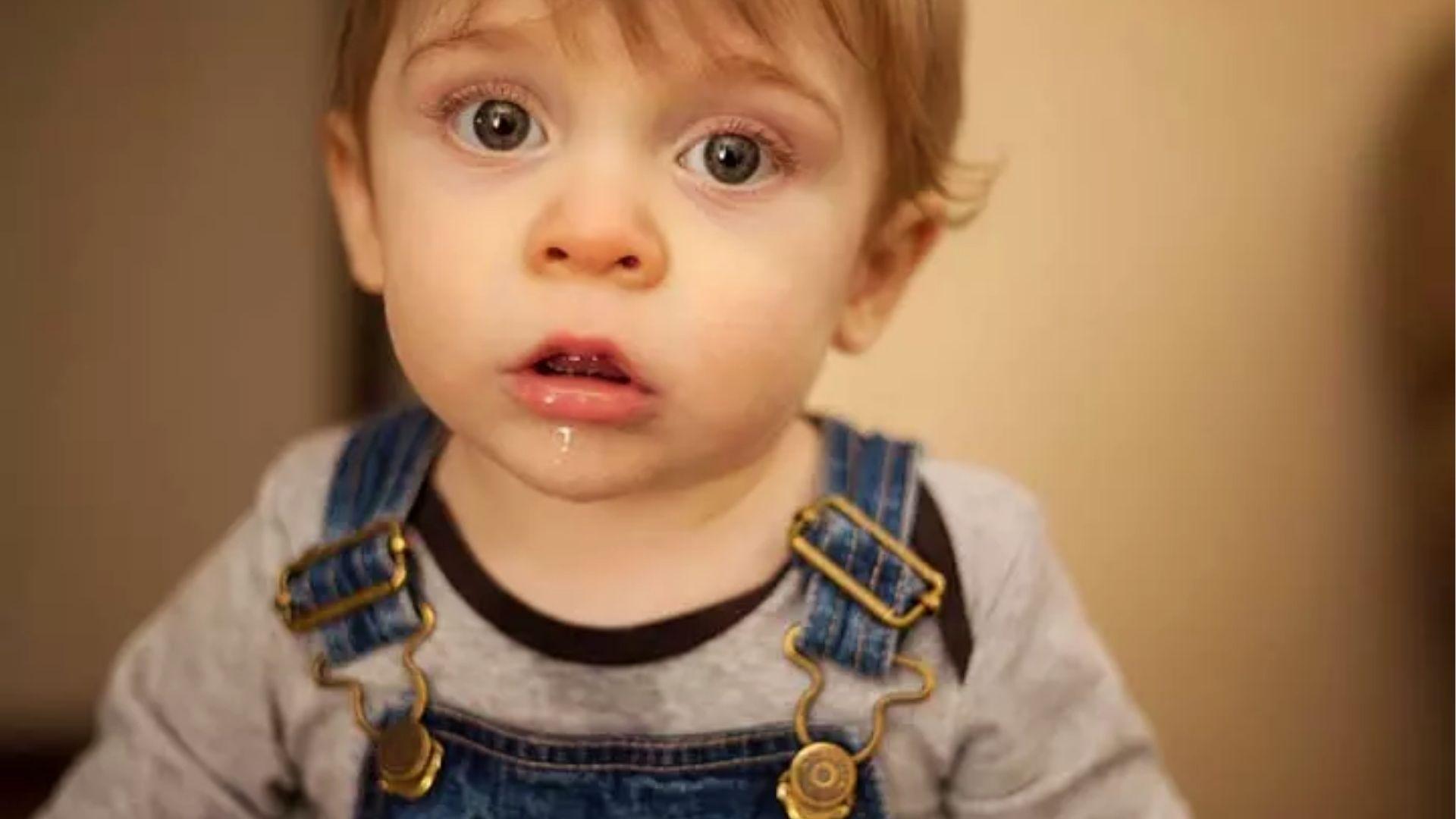
If your 3-year-old is still drooling more than you expected, you are not alone in noticing it.
As a parent, it can feel confusing when something most kids seem to outgrow is still happening regularly. The good news is that some drooling at this age is not automatically a red flag.
Drooling generally eases as children get better at controlling saliva and swallowing, but things like teething, a stuffed-up nose, or seasonal allergies can push it back up temporarily.
This article walks you through the possible causes of excessive drooling in a 3-year-old, the signs that deserve a closer look, and what steps actually make sense if you are concerned.
Is Excessive Drooling Normal in a 3-Year-Old?
Some drooling at age 3 can still happen, and it does not always signal a problem.
The key difference to watch for is between drooling that comes and goes and drooling that is constant and getting in the way of everyday life.
A child who drools a little more when they are teething, fighting a cold, or caught up in play is different from a child whose clothing stays wet through most of the day.
Temporary causes like illness or congestion can increase drooling for a stretch of time, and that is typically not a cause for alarm.
The concern grows when the drooling is persistent and starts affecting your child's skin, eating, swallowing, speech, or ability to get through normal activities comfortably. That distinction matters, and it is what this article is built around.
What Causes Excessive Drooling in a 3-Year-Old?

Drooling at this age does not always have one clear cause. It can be linked to something temporary like teething or a cold, or it may point to how well your child controls saliva, swallows, or breathes day to day.
- Teething: Drooling tends to increase during teething, likely because gum discomfort affects how efficiently children swallow rather than because the body produces significantly more saliva. This is generally temporary and settles once the tooth comes in.
- Colds and Allergies: A blocked nose pushes children toward mouth breathing, which makes it harder to manage saliva. Frequent colds or ongoing allergies can make this a repeating pattern.
- Enlarged Tonsils or Adenoids: Enlarged tonsils or adenoids can block nasal breathing and lead to a consistently open-mouth posture. If your child also snores or frequently breathes through their mouth, mention it to your pediatrician.
- Oral-Motor or Swallowing Difficulties: Managing saliva takes coordination from the lips, tongue, jaw, and swallowing muscles. When that coordination is off, saliva escapes before it gets swallowed.
- Neurological or Developmental Conditions: Some neurological and developmental conditions can affect oral-motor control or swallowing. If drooling comes with other signs like delayed speech, low muscle tone, or feeding difficulties, talk to your pediatrician early.
When Is Excessive Drooling a Concern?
Not every instance of drooling needs a doctor's visit, but some patterns are worth taking seriously.
- Happens throughout much of the day, not just during specific moments
- Keeps clothing or bibs consistently wet despite regular changes
- Causes repeated skin irritation or redness around the mouth or chin
- Occurs alongside coughing or choking
- Comes with visible difficulty swallowing
- Makes chewing or eating harder than it should be
- Happens alongside feeding difficulties
- Comes with speech or oral-motor concerns
- Gets in the way of normal daily activities
⚠️ When to call 911 immediately
If your child is suddenly drooling, cannot speak, and is showing signs of choking or difficulty breathing, call 911 right away.
This combination of symptoms can indicate a blocked airway or a rare but serious condition called epiglottitis, and it requires emergency care, not a wait-and-see approach.
How Is Excessive Drooling in a 3-Year-Old Evaluated?
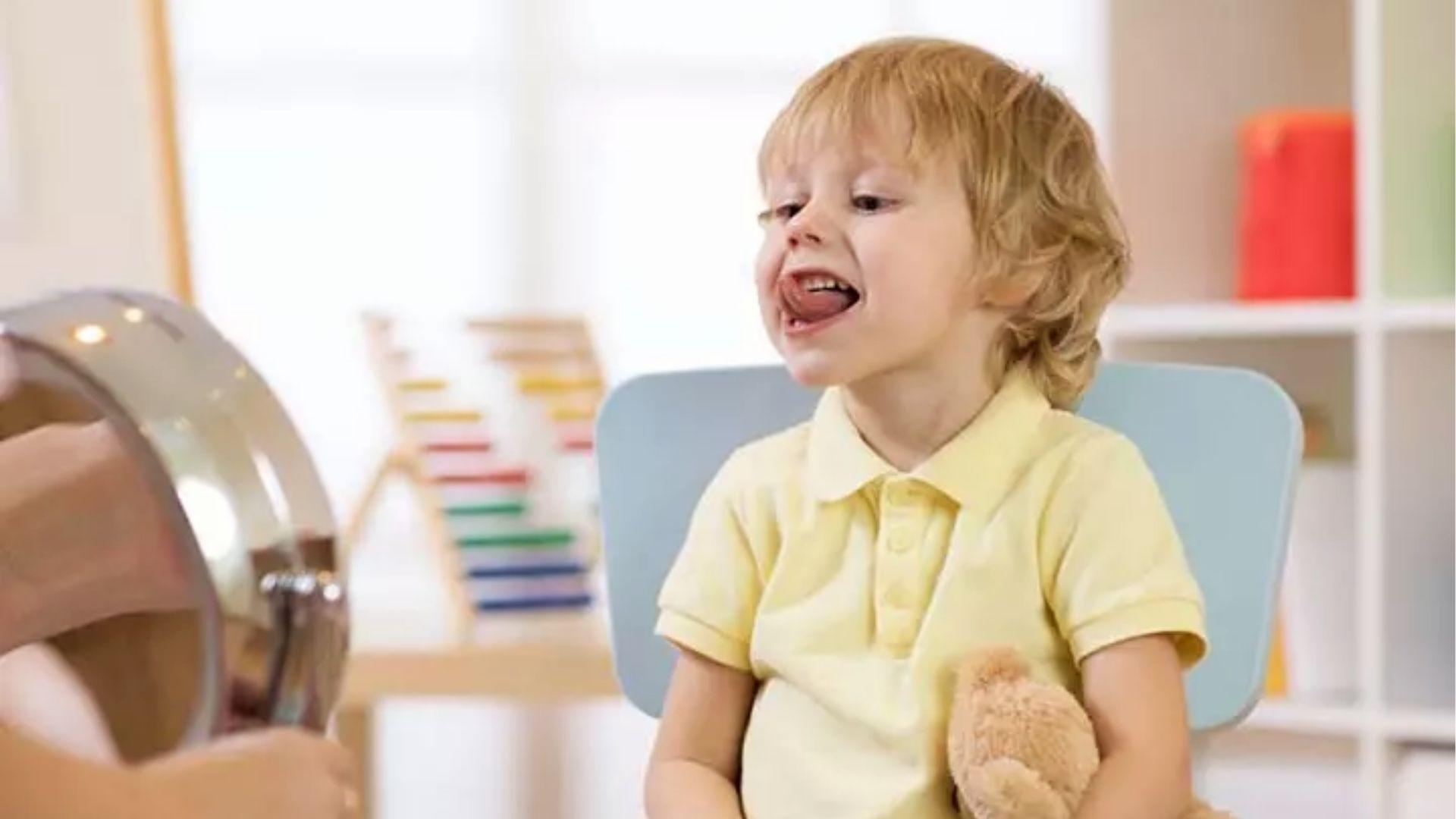
Most evaluations start with a conversation, not a test. A clinician will look at how often the drooling happens, whether your child swallows saliva normally, and how they manage chewing and feeding.
They may also ask about speech, mouth breathing, snoring, and any other developmental concerns you have noticed.
From there, a hands-on assessment helps fill in the gaps. Not every child needs extensive testing.
The goal is to get a clear picture of what is going on before deciding whether any further steps are needed.
Which Specialists May Evaluate Excessive Drooling?
The right specialist depends on what the assessment points toward.
Pediatrician: This is the right first stop. Your child's pediatrician can look at the full picture and decide whether anything else needs to be investigated or whether a referral is appropriate.
Pediatric ENT: If mouth breathing, snoring, or concerns about the tonsils and adenoids come up, a pediatric ear, nose, and throat specialist may be the next step.
Speech-Language Pathologist: When oral-motor control, swallowing, feeding, or communication concerns are part of the picture, a speech-language pathologist is the professional trained to assess and work on those areas.
How Can You Manage Drooling at Home?

There are practical, low-risk things you can do day to day while you figure out next steps.
Protect Your Child's Skin
Saliva sitting on skin repeatedly can cause irritation, redness, and chapping, especially around the mouth and chin.
Gently wipe the area dry rather than rubbing, which can make irritation worse. Changing wet bibs or clothing regularly helps too.
If the skin is consistently irritated, a barrier ointment can offer some protection.
If irritation persists or starts to look inflamed, check in with your child's healthcare provider rather than managing it at home indefinitely.
Encourage Saliva Awareness
You can gently prompt your child to swallow without making it a stressful or critical moment.
A calm, simple reminder works better than repeated correction. The goal is to build awareness, not to pressure a child into keeping their mouth closed at all times.
Keeping the tone positive and matter-of-fact is more likely to be helpful than making drooling a point of friction throughout the day.
Address Teething or Congestion
When drooling is clearly linked to teething or a stuffy nose, addressing those underlying issues is the most direct approach.
For congestion that keeps coming back, or for suspected allergies, talk to your child's doctor about what makes sense.
If mouth breathing has become a consistent habit even when your child is not sick, that is also worth mentioning at your next appointment rather than assuming it will sort itself out.
Can Speech Therapy Help With Excessive Drooling?
For some children, yes. For others, it may not be the primary answer. It depends on what is driving the drooling in the first place.
A speech-language pathologist can evaluate oral-motor control, swallowing, feeding, and how your child communicates overall.
If any of those areas are contributing to the drooling, therapy can be part of a plan that addresses them.
What that looks like will be specific to your child and what the evaluation shows.
There is no single routine or set of exercises that applies to every child, and an SLP would not treat drooling in isolation without understanding the full picture first.
The Bottom Line
Excessive drooling in a 3-year-old is not always a sign something is seriously wrong, but it is also not something to keep guessing about if it is affecting your child's daily life.
I hope this breakdown helps you feel more clear on what to watch for and when to act.
If the drooling is persistent, tied to swallowing or eating difficulties, or something just feels off, talk to your pediatrician.
That is the right first step. And if you want to learn more about related topics like oral-motor development or speech milestones, start there next.
Frequently asked Questions
Can drooling at age 3 affect my child's teeth or gums?
Drooling itself does not damage teeth, saliva actually helps rinse bacteria and protect tooth surfaces. If you notice any changes in your child's gum tissue or tooth alignment, mention it at their next dental visit as part of the broader picture.
Does drooling during sleep mean something different than drooling while awake?
Occasional drooling during sleep is common because swallowing naturally slows at night, so it is generally not concerning on its own. If it happens alongside snoring or mouth breathing at night, that combined pattern is worth raising with your pediatrician.
Can a dentist flag anything related to drooling during a routine visit?
Yes, a pediatric dentist can spot open-mouth posture, tongue positioning, and early dental changes linked to mouth breathing, and can refer you to a pediatric ENT or speech-language pathologist if needed.