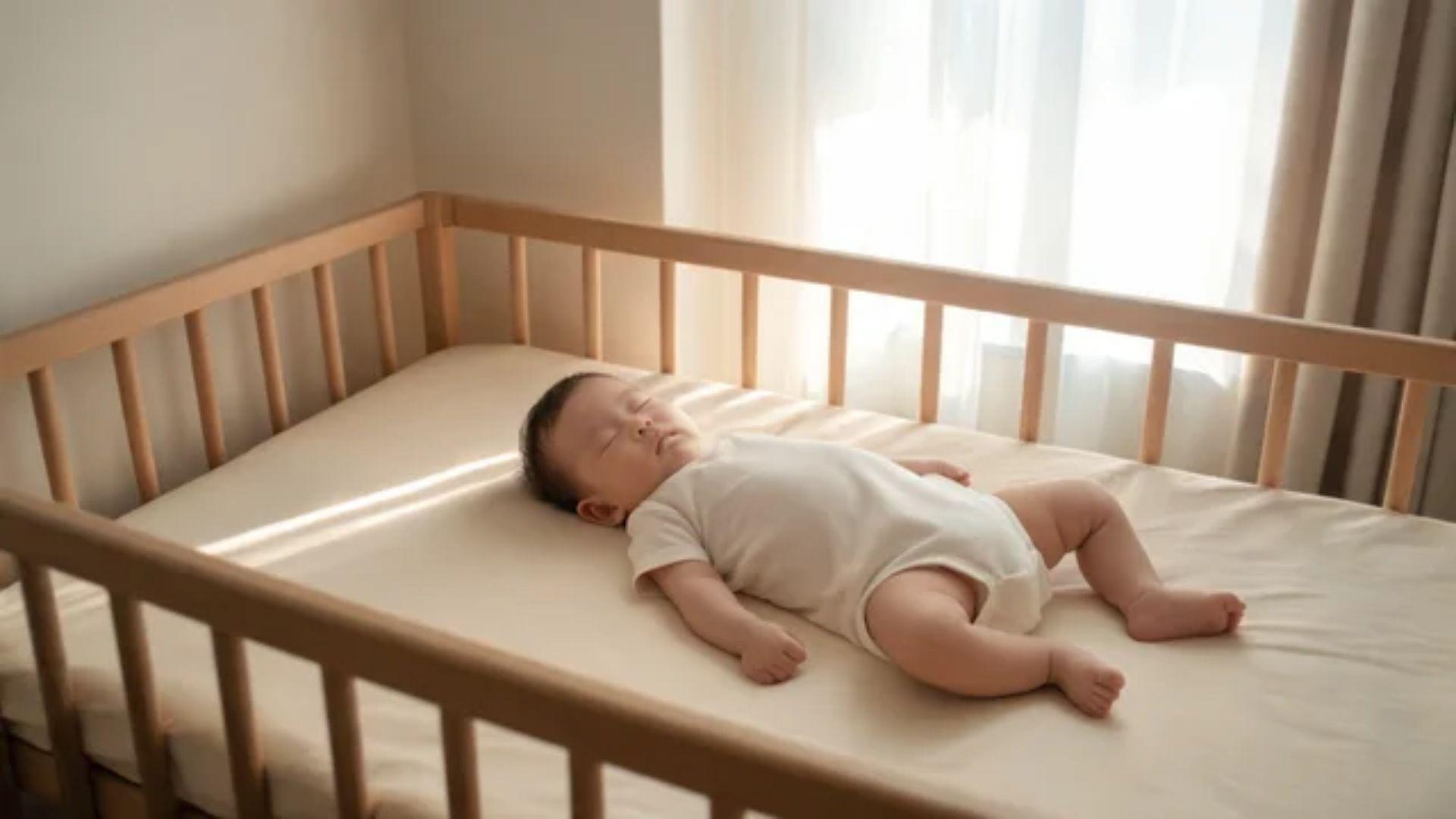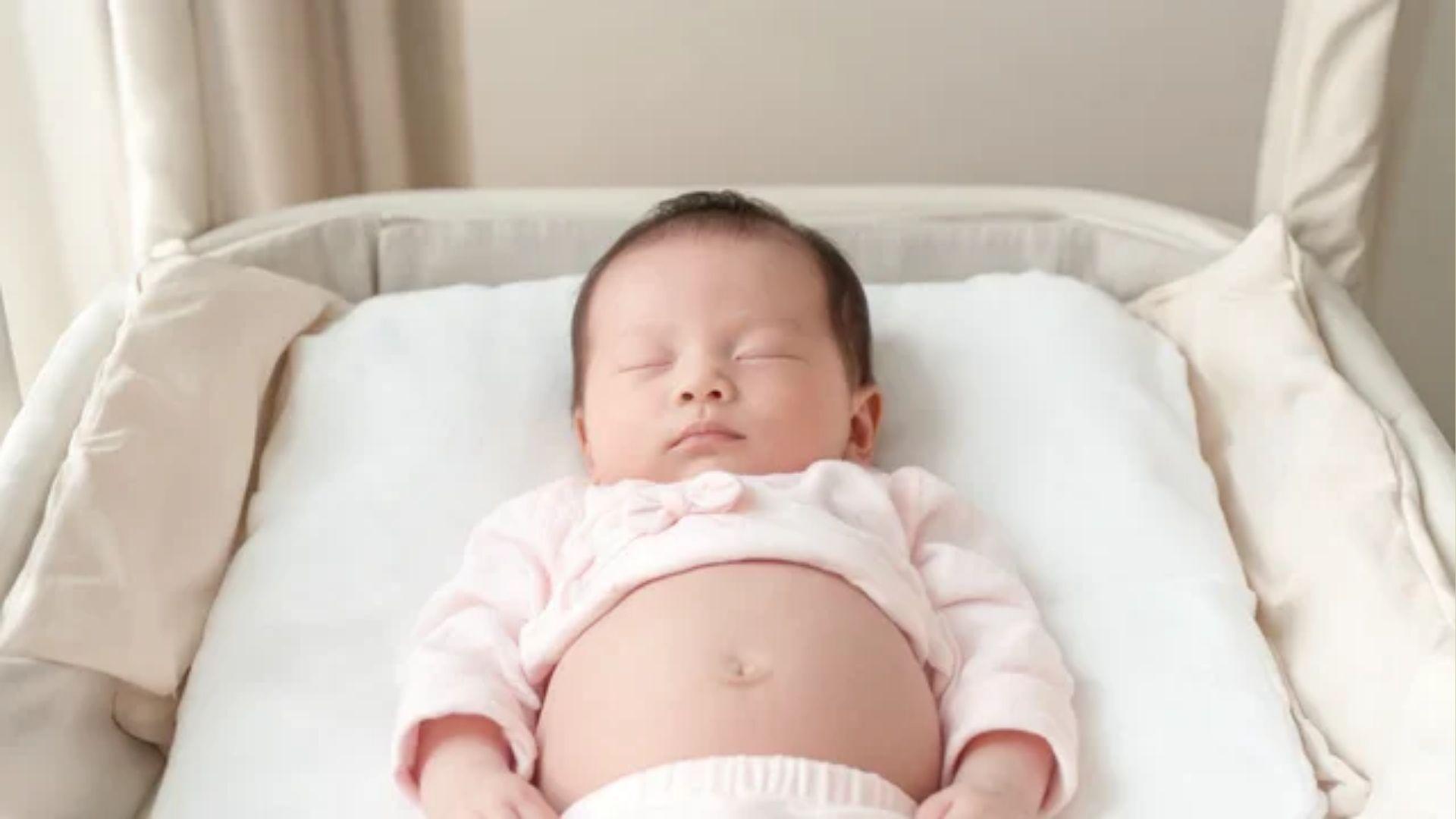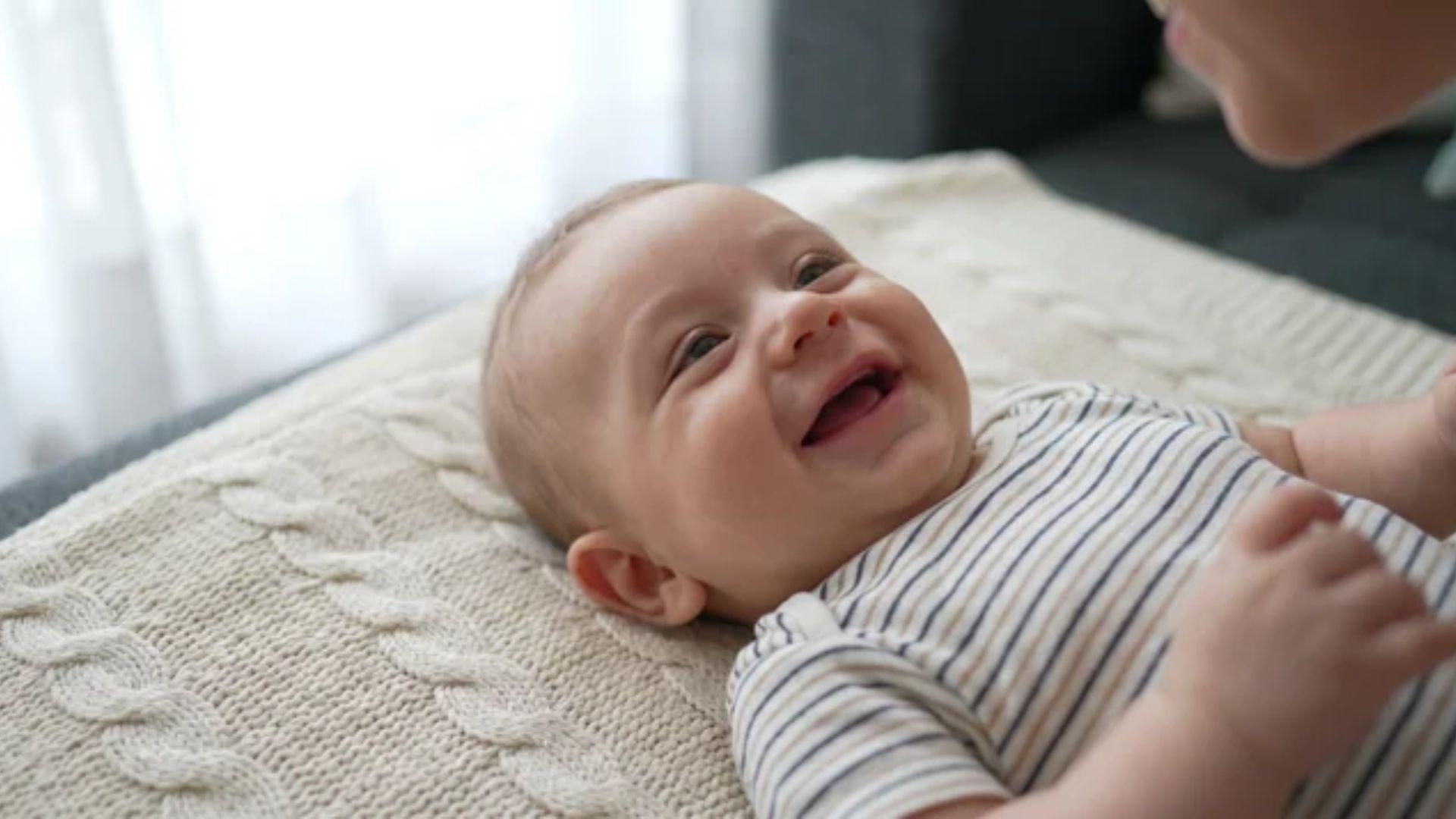
Baby sweaty feet are usually harmless. You peel off a tiny sock at bath time and it is soaked, even though the room is cool.
Your baby is smiling, feeding well and happy, yet those baby sweaty feet leave you wondering what you missed.
Most parents start guessing, checking the thermostat or wondering if the socks are to blame. Here is something worth knowing first: damp feet say far less about warmth than you would expect.
In this post you will learn whether this dampness is normal, why feet sweat more than the rest of the body, and which signs deserve a pediatrician’s opinion.
Let’s start with the question that brings most parents here.
Are Baby Sweaty Feet Normal or a Cause for Concern?
Sweaty feet in babies and newborns are usually normal when your baby is otherwise well. A damp sock on an alert, content baby who feeds well is rarely a worry.
Newborns do sweat, and damp feet are one of the easiest signs to spot, especially inside socks. Most full-term babies are able to start sweating from their first day, so damp feet can show up early.
Normal sweaty feet feel damp rather than dripping, and the dampness shifts with crying, play or footwear. Between those moments the feet dry out, and the skin stays smooth and unbroken.
Some babies simply run damper than others, even in the same room.
What deserves a second look is dampness that never lets up, whatever your baby is doing. Skin that starts to change counts too, and we cover both near the end of this post.
Why Do a Baby's Feet Sweat More Than the Rest of Their Body?
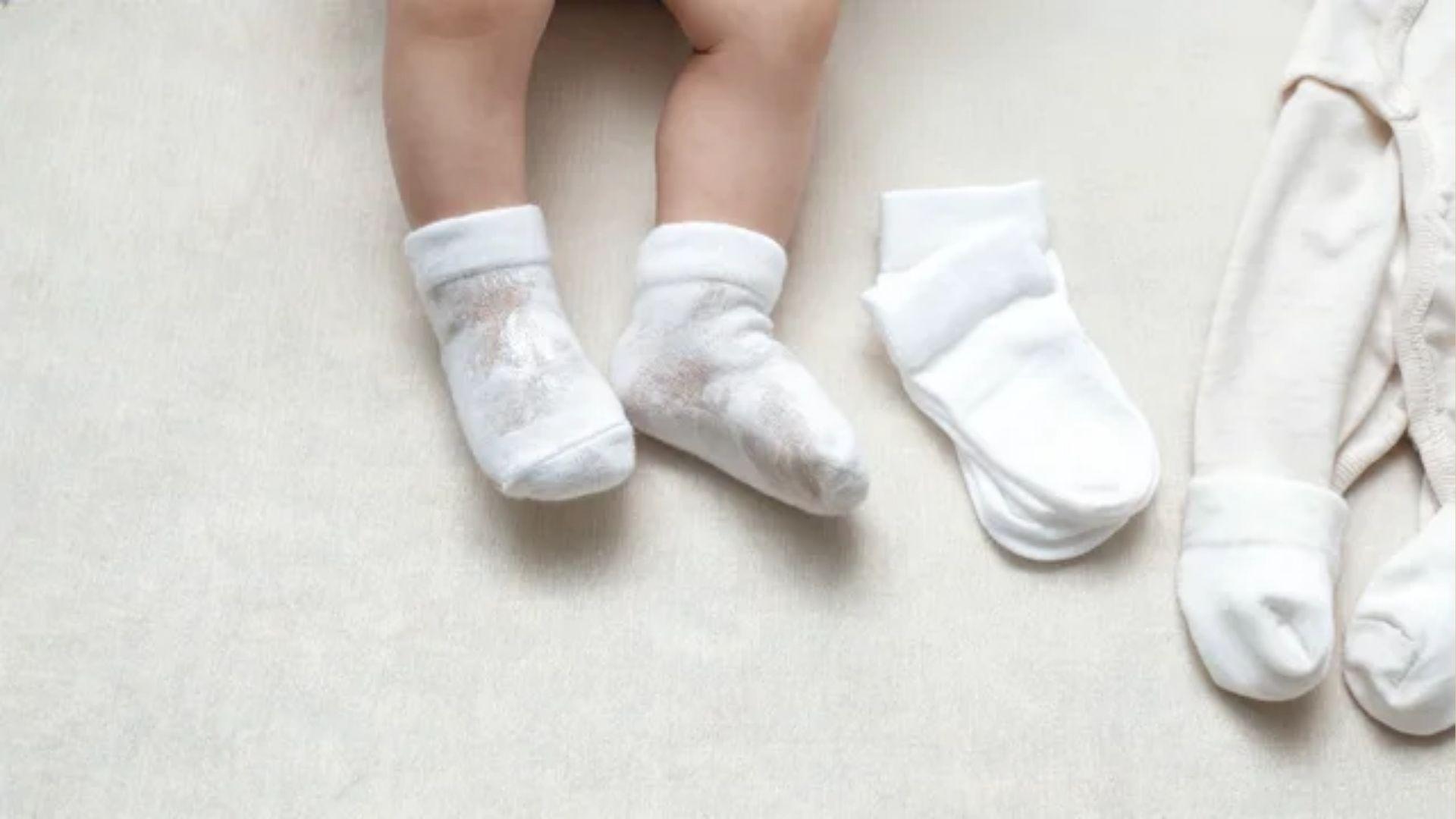
Baby feet sweat easily because the soles hold many sweat glands for their size. Socks then trap whatever those glands produce.
These glands react to excitement as well as heat. A feed, a giggle or a cry can dampen the feet while the chest stays dry.
Covered feet cannot dry out, so the dampness lingers and the skin can feel cool.
That cool, damp feeling is also behind a baby sweating but cold to touch.
Feet can mislead in both directions while temperature control is still developing. For warmth, feel the chest or the back of the neck instead.
How Can You Keep Your Baby's Feet Dry and Comfortable?
Dry baby feet come from breathable fabrics, fewer sealed layers and regular barefoot time, so no cream or product is needed. Here is how that works in practice.
Which Socks, Sleepwear and Shoes Work Best?
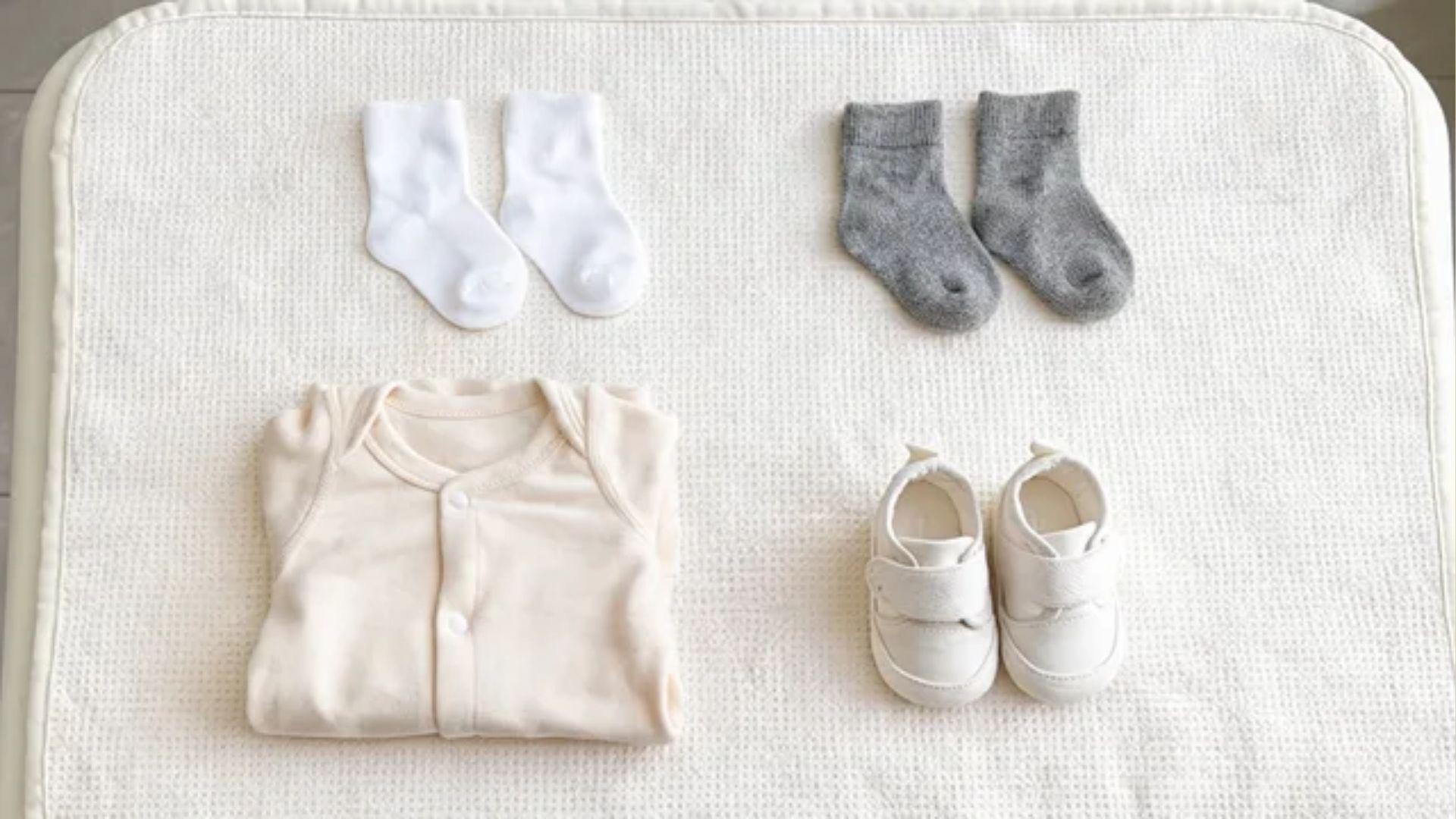
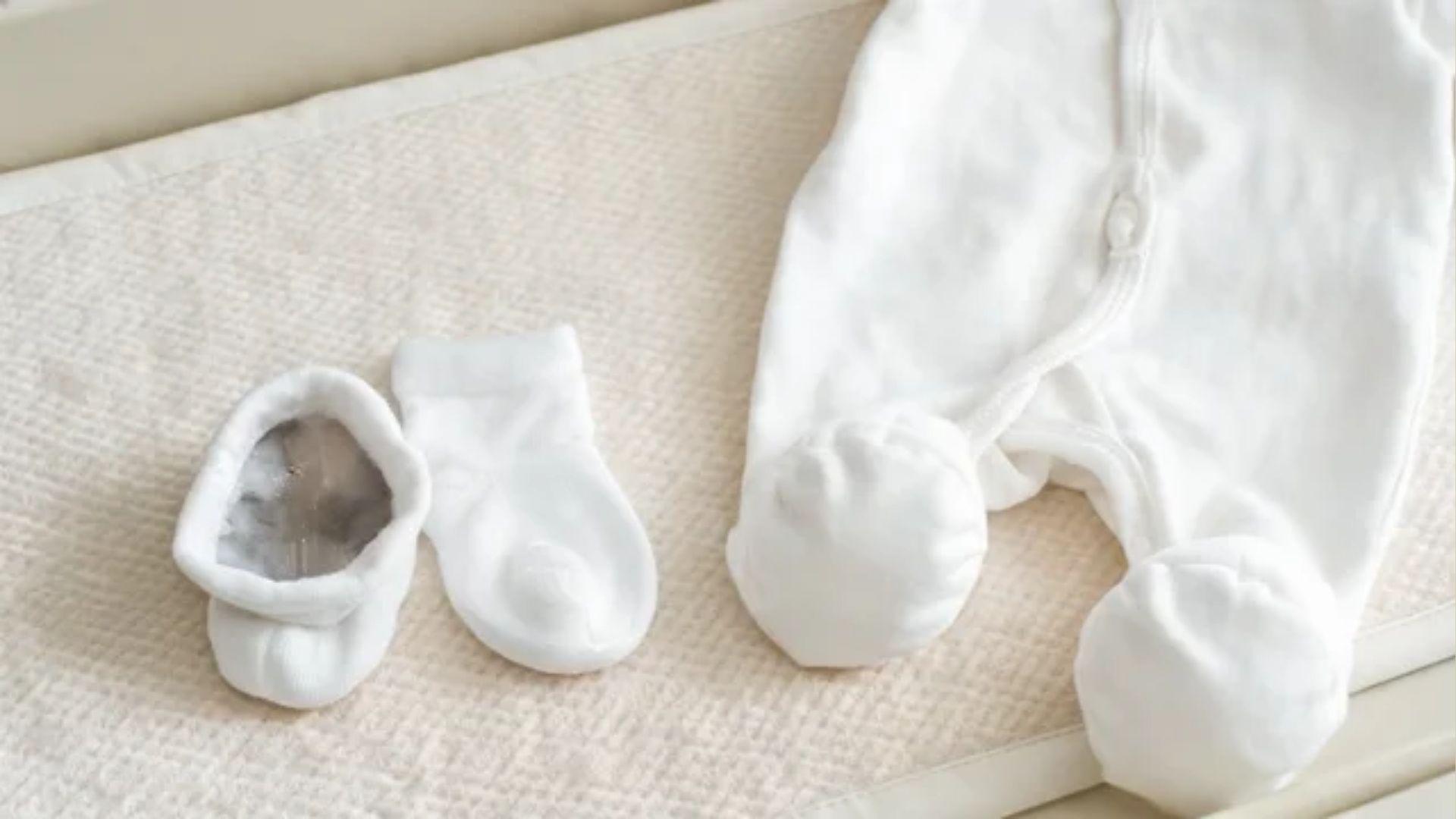
Footed sleepers, synthetic socks and closed shoes can seal the foot, so sweat has nowhere to go. Wool, especially soft merino, is the best choice because it moves moisture away from the skin.
Cotton is breathable, but it soaks up sweat and holds it against the skin, so change cotton socks as soon as they feel damp.
Shoes deserve extra thought once your baby starts walking. A pair that stays on all day holds the heat in, so take them off when you get indoors.
Barefoot time on clean indoor floors helps too, as long as the room is comfortable. Extra layers make it worse, so dressing your baby for the weather matters.
What Does a Simple Daily Foot Routine Look Like?
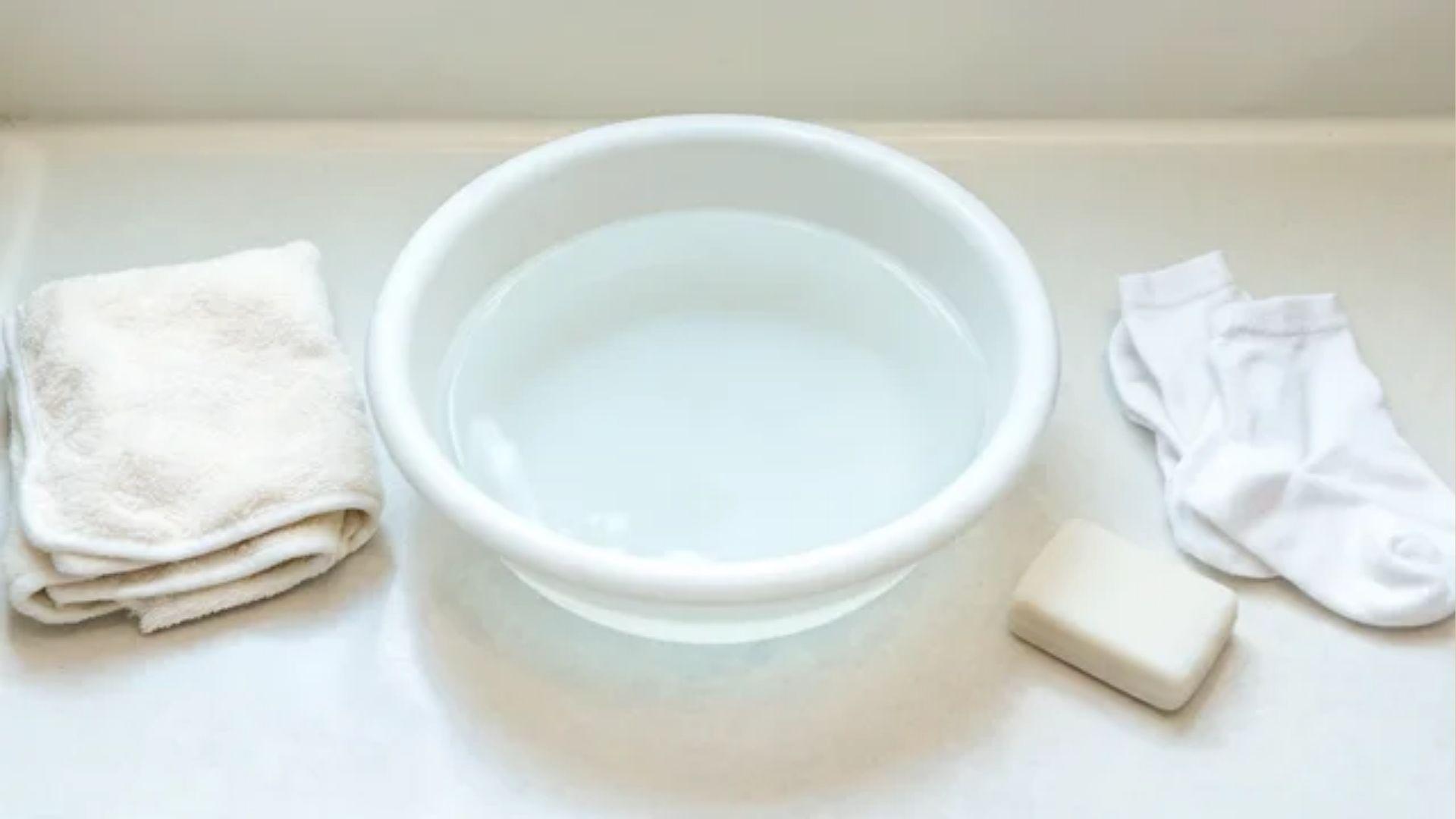
A quick daily rinse of the feet in lukewarm water is enough. Full baths with soap only need to happen a few times a week, and a fragrance-free soap is best, since fragrance can irritate a baby’s skin.
Dry the feet well afterward, especially between the toes. Moisture gets trapped in those small folds and can leave the skin red or sore.
Change damp socks as soon as you notice them, because wet fabric keeps the skin moist against the foot. Adding a second pair on top only holds the sweat in.
A spare pair in the diaper bag helps when you are out. If the feet stay soaked after all this, the cause may go beyond footwear.
How Can You Tell Normal Sweaty Feet From Plantar Hyperhidrosis?
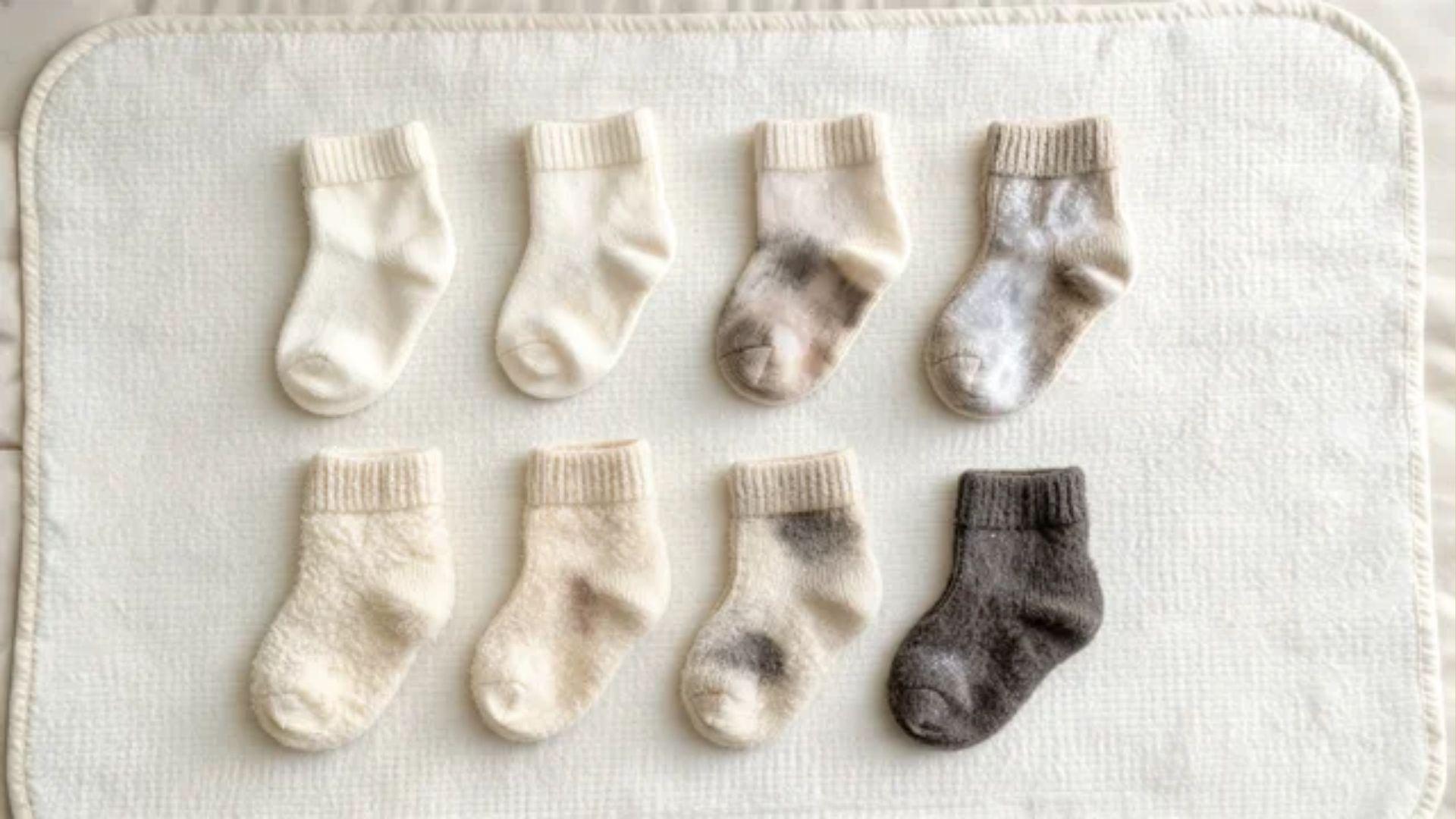
Plantar hyperhidrosis is heavy, steady sweating of the soles that temperature and activity cannot explain. Ordinary baby foot sweat comes and goes, and it settles once the footwear changes.
That contrast is the easiest way to tell them apart. Normal dampness follows what your baby is doing, while hyperhidrosis carries on regardless.
Look for damp feet on both sides, with socks soaked most days, even in a cool room. If this continues after you switch to cotton or wool, it is worth noticing.
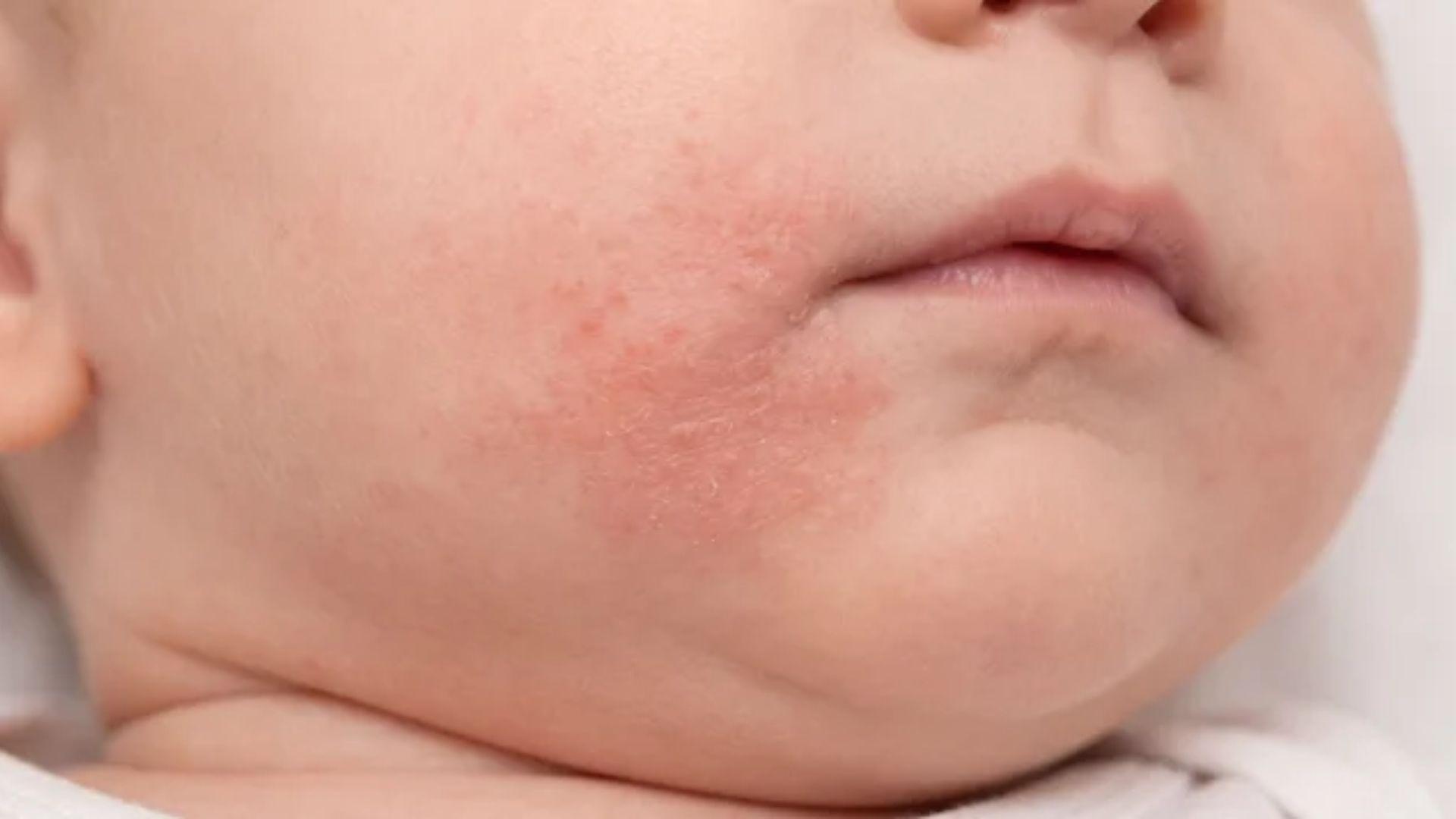
The skin can change too. Redness, peeling, or a soft, wrinkled look, like fingers after a long bath, all count.
Plantar hyperhidrosis can run in families, so ask whether a parent or sibling had sweaty feet growing up.
It is also noticed more often as children get older. Soaked feet in a young baby do not point to it on their own.
If your baby is feeding, growing and playing as usual, adjust the footwear first and give it time. If the dampness stays or the skin changes, mention it to your pediatrician.
Treatment decisions belong with the doctor, so skip creams and home experiments. Fever is a separate matter, and it helps to know when to take a baby to urgent care.
What to Remember About Baby Sweaty Feet
Baby sweaty feet are usually a normal, manageable part of early life. Dense sweat glands and socks that trap moisture explain most of it.
Breathable fabrics and a simple daily routine handle most cases. Feet are a poor guide to warmth, so judge how your baby feels by the chest, not the toes.
Persistent soaking or changes in the skin deserve your pediatrician's opinion. Socks soaked in a cool room, or red, peeling skin, are the signs worth mentioning.
For your next step, check what your baby wears on their feet tomorrow.
If it is synthetic, swap in wool or breathable cotton, and change them when they get damp.
In Summary
Baby sweaty feet are usually a sign of a small body doing its job, not a problem to fix. Damp socks often record a busy, curious day, much like grass stains on a toddler’s knees.
Once you read them that way, you stop worrying about every damp sock and start noticing the patterns that matter.
That calm attention serves your baby better than constant daily worry.
Which tip will you try first? Tell us in the comments, or share this post with another parent who is wondering the same thing.
Frequently Asked Questions
What Are Sweaty Feet a Symptom Of?
In babies, it is usually not a symptom of anything and reflects normal development. Sweaty feet with fever, fast or noisy breathing, poor feeding or slow weight gain need a pediatrician’s check.
Are Sweaty Feet in Babies Linked to SIDS?
No. Sweaty feet alone are not a known warning sign of SIDS. Overheating during sleep is a risk factor, so dress your baby lightly and follow the AAP’s safe sleep guidance.
Why Is My Child Sweating So Much in Their Hands and Feet?
Palms and soles share the same kind of sweat glands, so hands and feet often sweat together, especially with excitement or nerves. Ask your pediatrician if both stay soaked in a cool room.