New parents often notice their baby's head feels damp after a nap or feeding and wonder if something is wrong.
When do babies start sweating is one of those questions that sounds simple but actually has a layered answer backed by real research.
Babies sweat differently than adults, and their ability to regulate body temperature through sweating takes time to fully develop.
This article walks you through exactly when sweating begins, how sweat glands mature, what normal sweating looks like, and when excessive sweating might need a doctor's attention.
Having worked closely with parenting content and pediatric research for years, I can tell you that understanding your baby's body helps you respond with confidence, not worry.
When Do Newborns First Develop Functional Sweat Glands?
Newborns are born with sweat glands, but those glands are not fully active at birth. Most newborns begin showing signs of thermal sweating, which means sweating in response to heat, around the second to fourth week of life.
Before that, the glands exist but do not respond efficiently to temperature changes. Research shows that eccrine sweat glands, the type responsible for cooling the body, start becoming responsive within the first few weeks after birth.
Babies are also born with apocrine sweat glands, but these remain completely inactive until puberty, so they play no role in temperature regulation during infancy.
However, the sweating response is still slow and limited compared to what it will be in a few months.
How Do Sweat Glands Develop in Babies?
Babies do sweat, but their sweat system is still developing, which means it works very differently from an adult's.
Most newborns begin showing signs of thermal sweating around the second to fourth week of life, as eccrine sweat glands slowly start becoming responsive to heat.
Before that point, the glands exist but do not function efficiently. By two to three months, sweating becomes more consistent, and by six months, the response is more reliable.
Adults sweat across a wide body area and cool down quickly, but babies have a much higher surface-area-to-body-mass ratio, fewer responsive sweat glands, and a still-developing nervous system, which is why they depend on caregivers to help manage their body temperature through clothing and room conditions.
When Do Premature Babies Start Sweating?
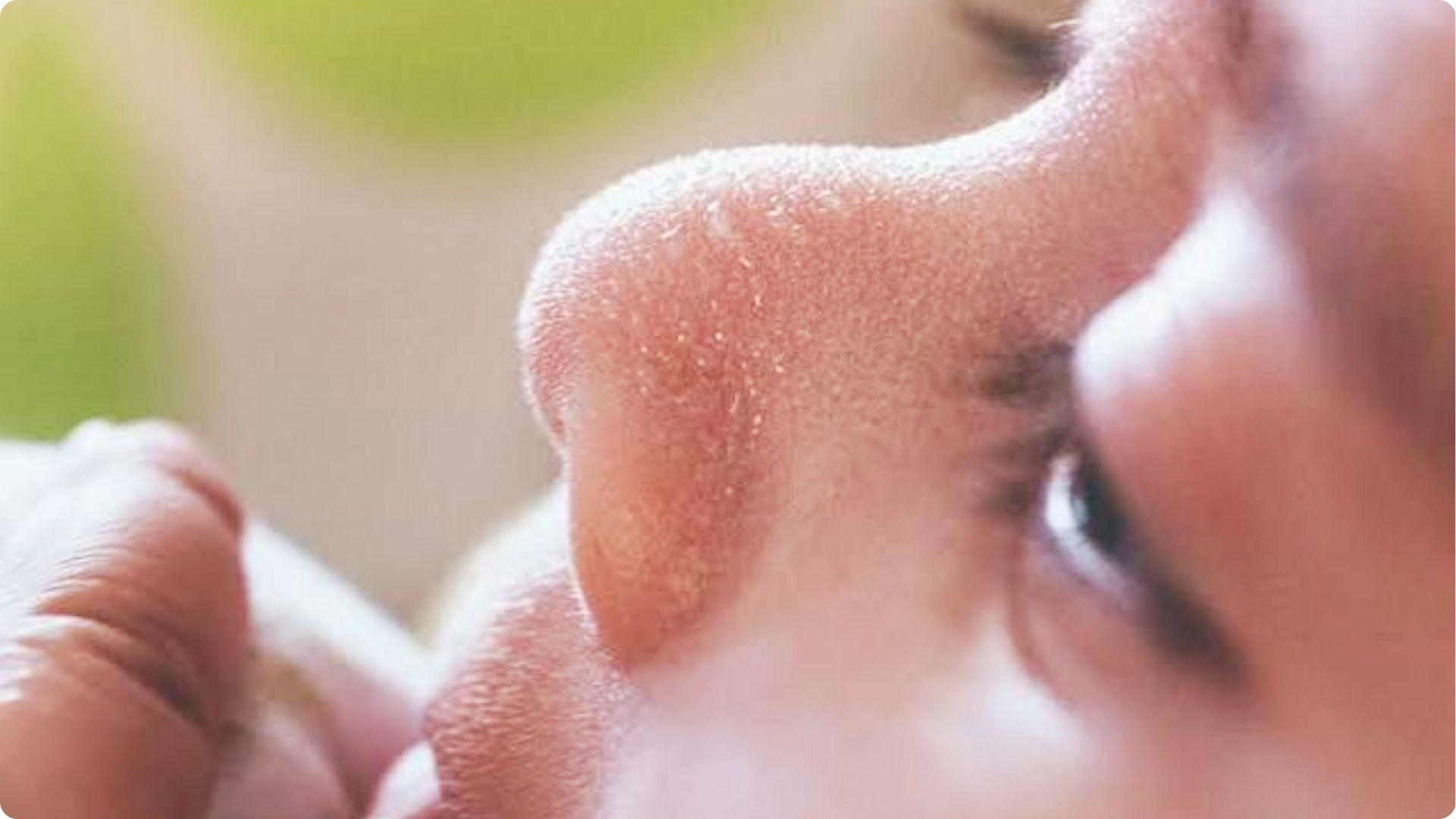
Premature babies face bigger sweating challenges because their sweat glands and nervous system are less developed at birth.
The earlier a baby arrives, the less functional their eccrine sweat glands are, and babies born before 30 weeks may have very limited ability to sweat in the early weeks at all.
Research shows that preterm infants have a higher sweating threshold, meaning their bodies need to reach a significantly warmer temperature before any sweat response kicks in, and even then, the volume produced is lower.
Full-term babies typically begin thermal sweating within the first few weeks, starting on the forehead, while preterm babies can take several weeks longer.
Premature babies are also at higher risk for infant sleep apnea, which can contribute to nighttime sweating and irregular breathing patterns, making consistent monitoring especially important in the early months.
This gap in sweating ability makes careful temperature management in the NICU and at home absolutely critical for premature infants.
How Do Babies Regulate Their Body Temperature?
Babies cannot control their body temperature the way adults can, making caregiver support critical in the early months.
The hypothalamus, the part of the brain that manages thermoregulation, is not fully mature in newborns, and their minimal body fat makes it harder to retain heat.
When newborns get cold, they cannot shiver effectively, so they rely on a process called non-shivering thermogenesis, where brown adipose tissue generates heat to keep them warm.
At the same time, their sweat response is slow and limited, so they can overheat quickly even in mildly warm conditions. Sweating cools the body through evaporative cooling, where sweat draws heat away as it evaporates from the skin, but in babies this process is far less efficient.
Newborns also lose heat rapidly through their skin due to their high surface-area-to-body ratio, move very little to generate warmth, and have a limited ability to shiver, leaving them almost entirely dependent on caregivers to keep their environment at a safe temperature.
Where Do Babies Sweat First?
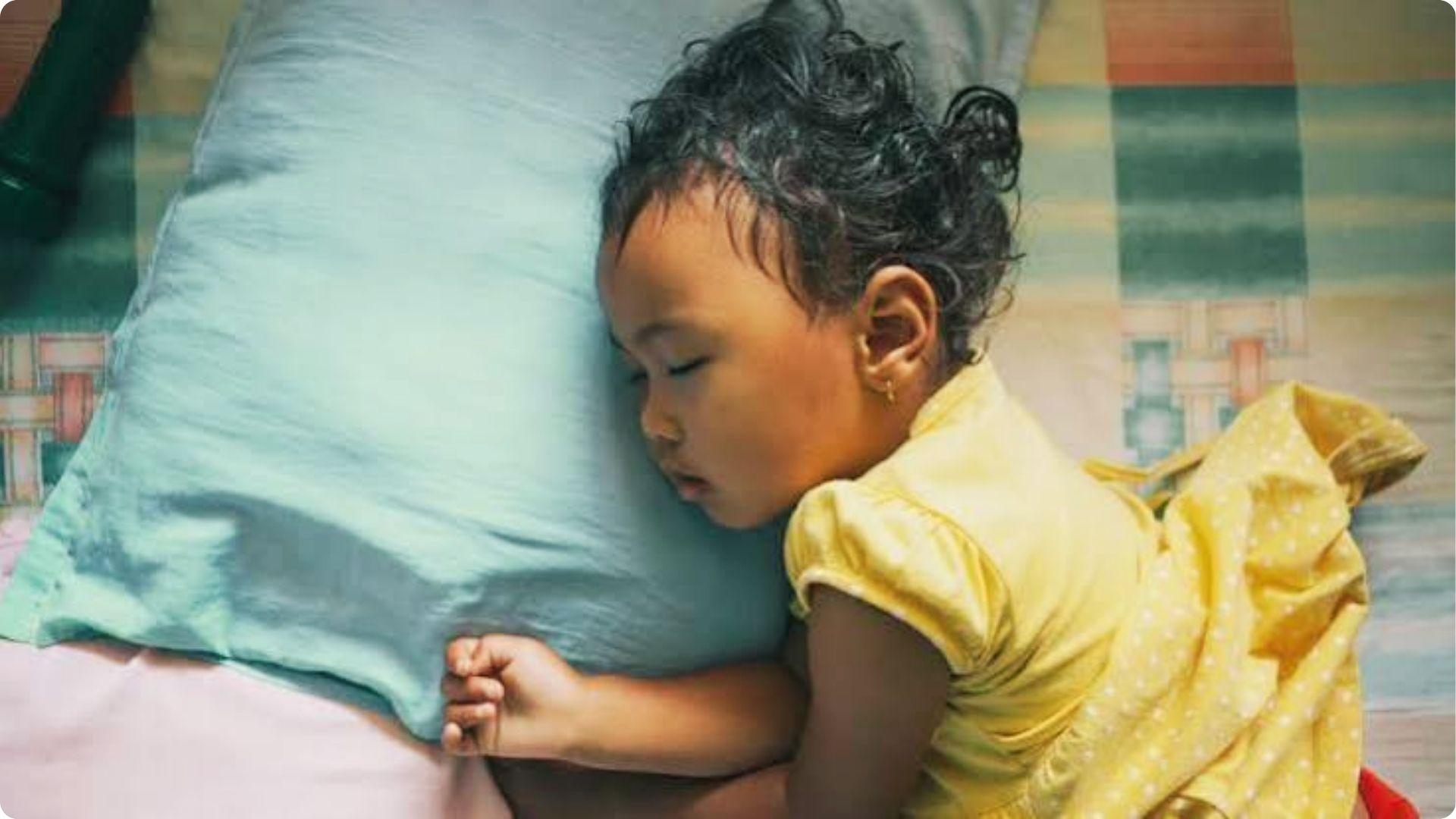
Babies do not sweat evenly across their body, and the head is almost always where sweating appears first.
The forehead and scalp have a higher density of eccrine sweat glands that become active earlier than those elsewhere, which is why a baby's hair often looks damp after sleep or feeding even when the rest of the body feels completely dry.
Babies can also sweat from their palms and the soles of their feet, but this is typically triggered by emotional or nervous stimulation rather than heat, and can appear even in very young infants.
Because eccrine sweat is odorless, parents do not need to worry about any smell from this type of sweating in infancy.
Newborn sweating overall can be hard to notice because the volume produced is small and evaporates quickly, leaving only a faint dampness or slightly warm skin rather than any visible wetness.
How Can You Tell if Your Baby Is Sweating Normally?
Knowing what normal baby sweating looks like helps parents respond calmly rather than worrying unnecessarily.
Normal sweating is usually mild and localized to the head, neck, or back, and tends to happen during sleep, feeding, or in a warm environment, without soaking clothing or causing any visible distress.
To check if your baby is too warm, feel the back of the neck or chest rather than the hands and feet, which are often cooler than the rest of the body even when the baby is perfectly comfortable.
Flushed skin, rapid breathing, or visible discomfort are additional signs of overheating.
Importantly, a baby can overheat without any noticeable sweating at all, since the sweat response is still limited in early infancy, making direct skin checks and room temperature monitoring far more reliable than waiting for sweat to appear.
It is also worth knowing that overheating is a recognized risk factor for Sudden Infant Death Syndrome, which is another strong reason to keep your baby's sleep environment cool and avoid overdressing.
Why Does My Baby Sweat During Sleep?
Baby sweating during sleep is very common and in most cases has a simple, easy-to-fix cause.
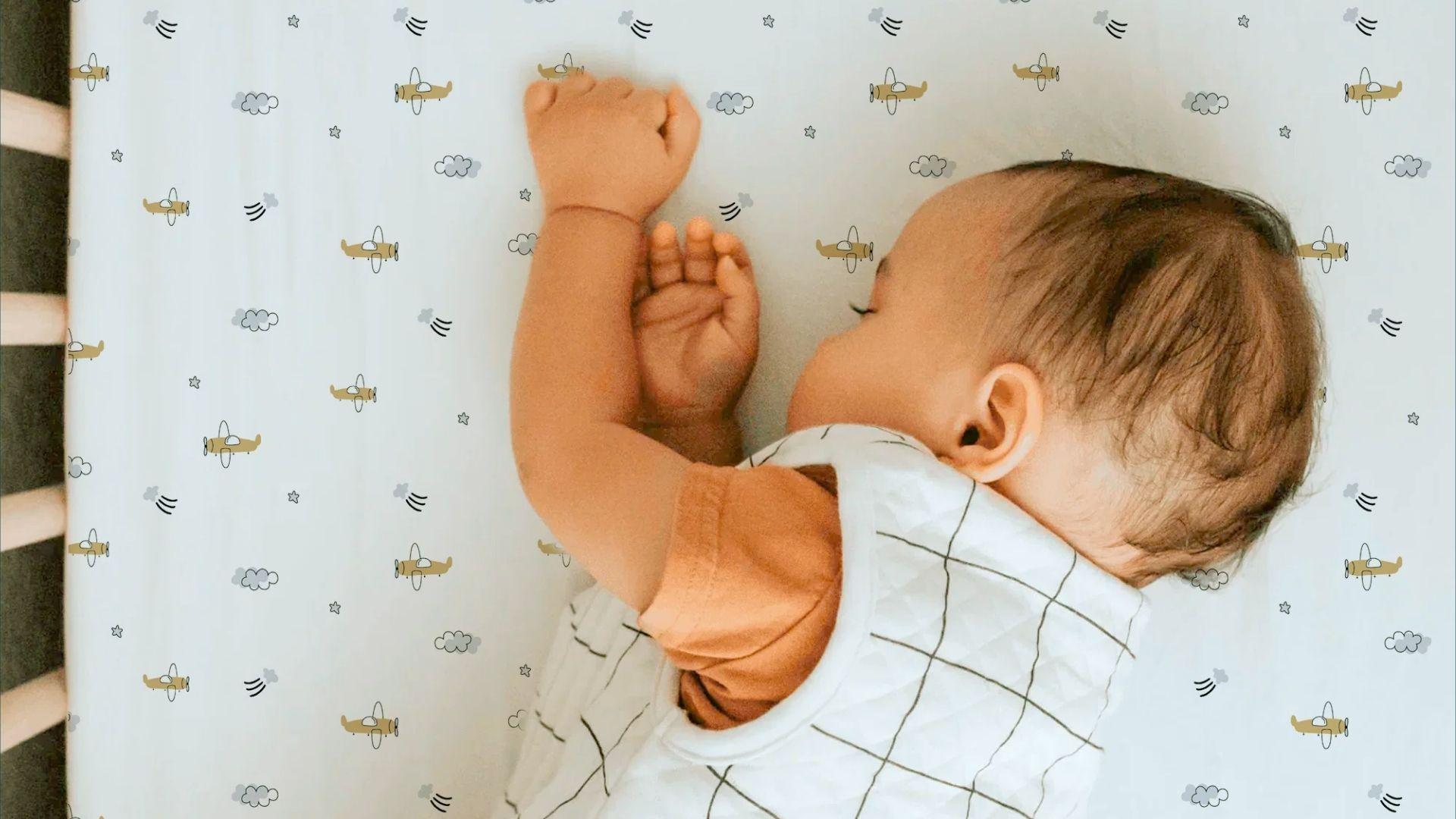
During deep sleep, a baby's body temperature rises slightly, and since the head is where sweating is most active in infants, the scalp and forehead tend to get damp first, with the mattress trapping additional heat underneath.
Room temperature plays a big role as well, and keeping the sleep environment between 68 and 72 degrees Fahrenheit helps reduce unnecessary sweating.
If the room is warmer than that, the baby's body works harder to cool down, leading to more visible dampness.
Overdressing or using heavy sleep sacks and blankets made from synthetic fabrics can make things worse, and simply removing a layer or switching to breathable cotton bedding often resolves nighttime sweating quickly.
Why Does My Baby Sweat While Feeding?

Sweating during feeding is very common in babies and is usually nothing to worry about.
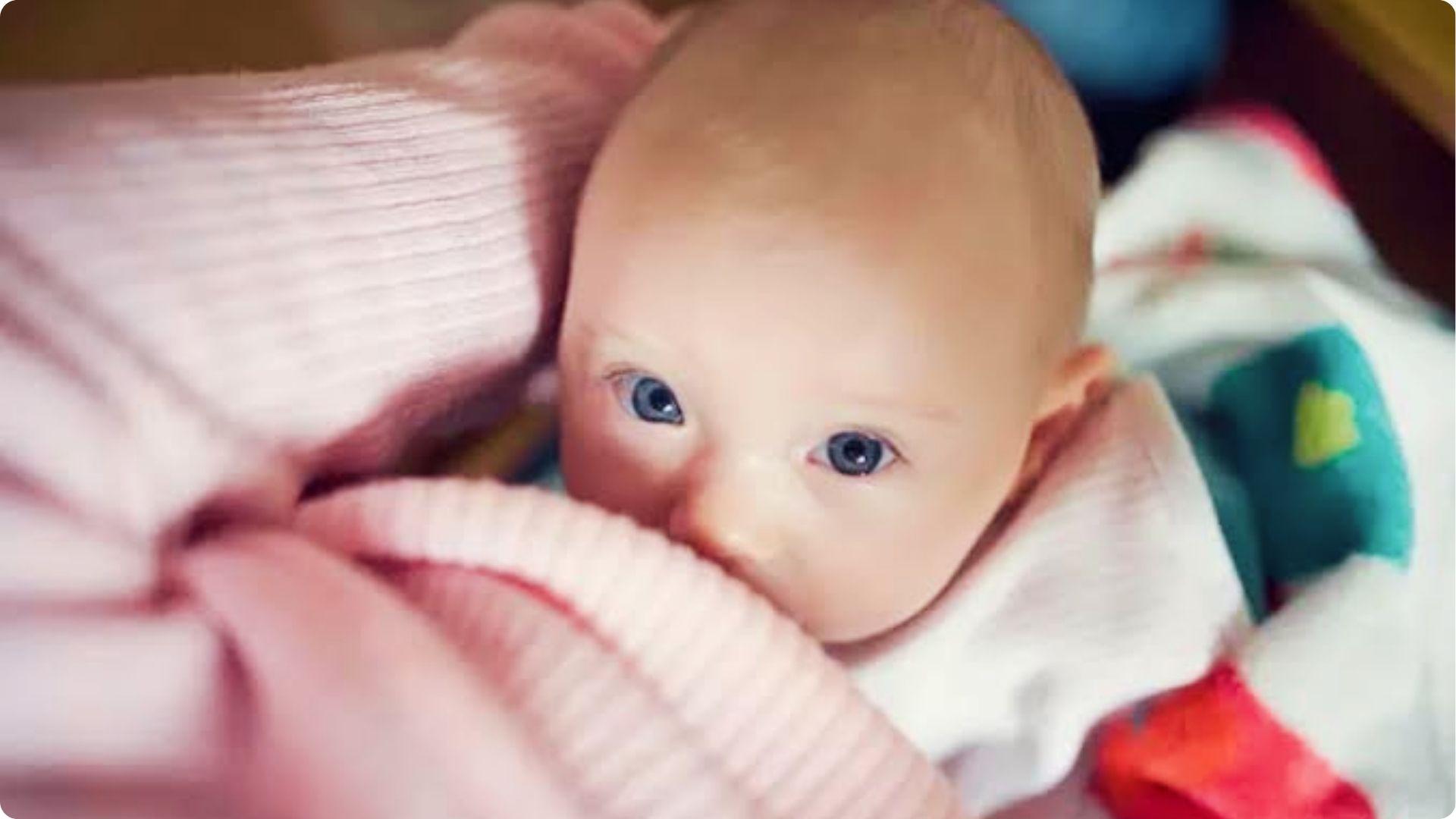
The physical effort of sucking raises a baby's body temperature, and being held close to a parent's body during breastfeeding adds extra warmth, making mild sweating on the head and neck a normal response to the combination of exertion and heat.
Bottle-feeding can sometimes cause even more sweating because the sucking pattern involved can require greater muscular effort.
However, sweating during feeding becomes a concern when it is excessive and paired with other symptoms such as tiring quickly mid-feed, taking unusually long to finish, rapid or noisy breathing, or poor weight gain, as these signs together can sometimes point to congenital heart disease or another condition that deserves prompt evaluation by a pediatrician.
What Causes Excessive Sweating in Babies?
Most sweating in babies is normal, but there are times when excessive sweating points to something worth checking out.
Can a Warm Environment Cause Excessive Sweating?
Yes, and this is the most common cause. A baby in a warm car, a heated room, or under direct sunlight will sweat more than a baby in a cool, comfortable space.
Pediatric guidelines generally recommend keeping babies indoors when the heat index reaches 90 degrees Fahrenheit or above, as their limited sweating ability makes it very difficult for their bodies to cope with extreme outdoor heat.
The solution is usually simple:Move the baby to a cooler area, remove a layer of clothing, or turn on a fan. If the sweating stops once the environment cools, no further action is needed.
Can Too Many Clothes or Blankets Make Babies Sweat?
Overdressing is one of the leading causes of excessive sweating in babies. Many parents, especially new ones, worry about their baby getting cold and end up dressing them too warmly.
Layering multiple sleepers, using thick blankets, or placing a hat on a baby indoors can all trap heat. Checking your baby's neck or chest temperature is a quick way to see if they are overdressed.
Can Fever Cause Sweating in Babies?
Yes, a fever can cause sweating, although babies, especially young infants, may not sweat as noticeably during a fever as older children or adults do.
Sweating during or after a fever is the body's way of trying to bring its temperature back down. If your baby feels hot to the touch and seems unwell, check their temperature with a thermometer.
A fever with a rectal temperature of 100.4 degrees Fahrenheit or above in a baby under three months of age needs immediate medical attention and should not be managed at home without speaking to a doctor first.
When Can Excessive Sweating Indicate a Medical Problem?
Excessive sweating that is not explained by heat, clothing, or feeding effort can sometimes point to an underlying condition.
Possible causes include congenital heart disease, hyperthyroidism, infections, or autonomic nervous system issues.
A condition called hyperhidrosis, where the body sweats excessively even in cool conditions, can also occur in infants and often improves as the baby grows, though a pediatrician should evaluate it to rule out any underlying cause.
These conditions are rare, but they are worth ruling out if your baby sweats heavily in a cool environment, sweats a lot at rest, or if the sweating is paired with other unusual symptoms like poor weight gain, irritability, or rapid breathing.
When Should You Call a Doctor About Baby Sweating?
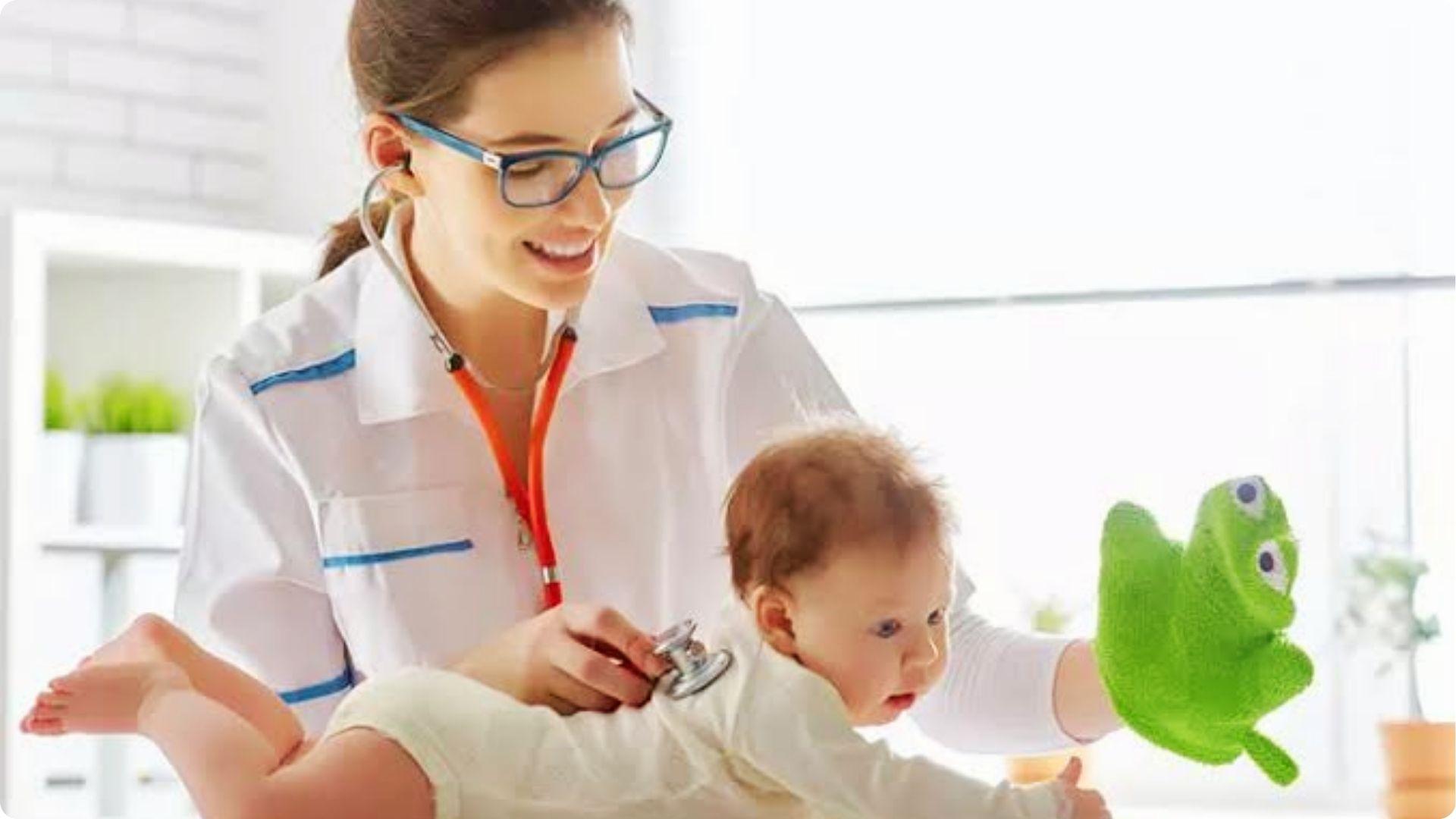
Most baby sweating is harmless, but certain combinations of symptoms are a clear sign to call the doctor without delay.
If your baby is sweating while also breathing faster than usual, flaring their nostrils, or pulling in the skin around their ribs, this could point to a heart or lung problem that needs prompt attention.
Sweating during feeding that is heavy, consistent across most feeds, and paired with poor weight gain, slow feeding, or unusual tiredness also warrants a pediatric evaluation, as these signs together can sometimes indicate a heart condition.
Other symptoms worth watching alongside excessive sweating include fever that does not settle, persistent rapid or noisy breathing, unusual paleness, bluish color around the lips, or constant irritability, and if several of these appear together, getting a medical opinion is the right call.
How Can You Prevent Your Baby From Overheating?
Preventing overheating is one of the most important things parents can do for a young baby's safety and comfort.
How Should You Dress a Newborn for the Temperature?
A simple rule of thumb is to dress your baby in one more layer than you are comfortable wearing.
If you are in a t-shirt, your baby might need a light onesie and a thin layer on top. In cooler weather, a sleep sack or swaddle adds warmth without the risk of loose blankets.
Always make sure the baby's head is uncovered during sleep, as babies release a lot of heat through their heads.
How Can You Check if Your Baby Is Too Warm?
Checking whether your baby is too warm is simpler than most parents think, and a few small habits can prevent overheating before it becomes a problem.
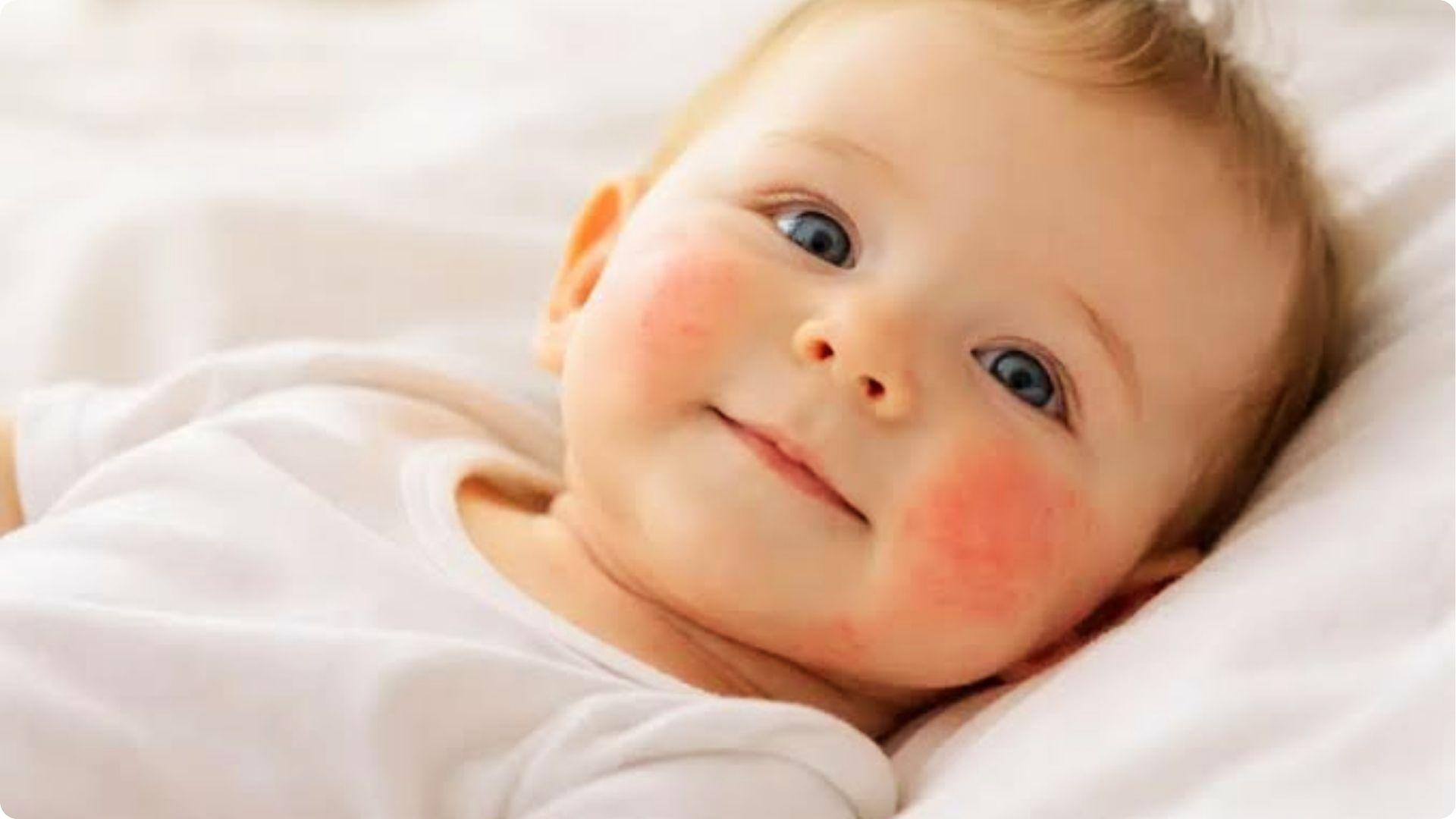
Always feel the back of the neck or chest rather than the hands or feet, since the extremities can feel cool even when the baby's core is too warm, and look for signs like warm damp skin, red cheeks, or rapid breathing as indicators that a clothing adjustment or cooler room is needed.
When it comes to bedding and clothing, keeping things simple and breathable goes a long way:
- Avoid heavy blankets in the crib or bassinet
- Do not layer multiple sleepers, especially at night
- Skip hats indoors unless the room is genuinely cold
- Choose cotton fabrics over polyester or fleece for sleepwear
- Keep the crib away from direct sunlight or heat vents
Baby Sweating: Preterm vs. Full-Term Babies
Understanding the differences between preterm and full-term babies when it comes to sweating helps caregivers provide better support.
| Feature | Full-Term Babies | Preterm Babies |
| Sweat Gland Development | Born with structurally complete sweat glands that begin activating within the first few weeks of life | Born before glands are fully formed, requiring more time to develop both structurally and functionally after birth |
| Sweating Ability | Begin thermal sweating by two to four weeks of age, starting on the forehead | Take significantly longer to begin sweating, and even then produce lower volumes with less efficiency |
| Temperature Regulation | Face some challenges but have more physiological resources, including greater body fat and more mature hypothalamic function | Have less body fat, less mature hypothalamic function, and less responsive sweat glands, making temperature regulation much more difficult |
| Risk of Heat Loss and Overheating | At lower risk due to more developed skin barrier and better sweating ability | At higher risk for both heat loss and overheating due to thin skin, high surface-area ratio, and limited sweating capacity, requiring careful temperature control in the NICU and at home |
Conclusion
Understanding when babies start sweating helps you feel more prepared and less anxious as a parent.
Most sweating in babies is completely normal and simply reflects how their developing bodies handle heat.
Keep the room at a comfortable temperature, dress your baby appropriately, and trust your instincts when something feels off. If excessive sweating comes with other symptoms, always check with your pediatrician.
Found this helpful? Share it with another parent who might need it, leave a comment below, or check out our related articles on newborn care and baby sleep.
You know your baby best, so stay curious and keep asking questions.
Frequently Asked Questions
Can babies sweat from their armpits?
Yes, but underarm sweating in babies is minimal in early infancy. It becomes more noticeable as the sweat glands mature over the first year.
Does sweating mean my baby is growing normally?
Sweating is not a direct indicator of growth. Weight gain, feeding patterns, and pediatric checkups are better measures of healthy development.
Is it normal for a baby to sweat only on one side of the body?
Asymmetric sweating can sometimes indicate a nerve-related issue. Mention it to your doctor if you consistently notice sweating on only one side.
Do babies sweat more in summer than winter?
Yes, warmer environments naturally trigger more sweating. Adjust clothing and room conditions seasonally to keep your baby comfortable.
Can teething cause a baby to sweat more?
Teething can cause mild discomfort and fussiness but is not a proven cause of increased sweating. If excessive sweating occurs during teething, look for other causes.