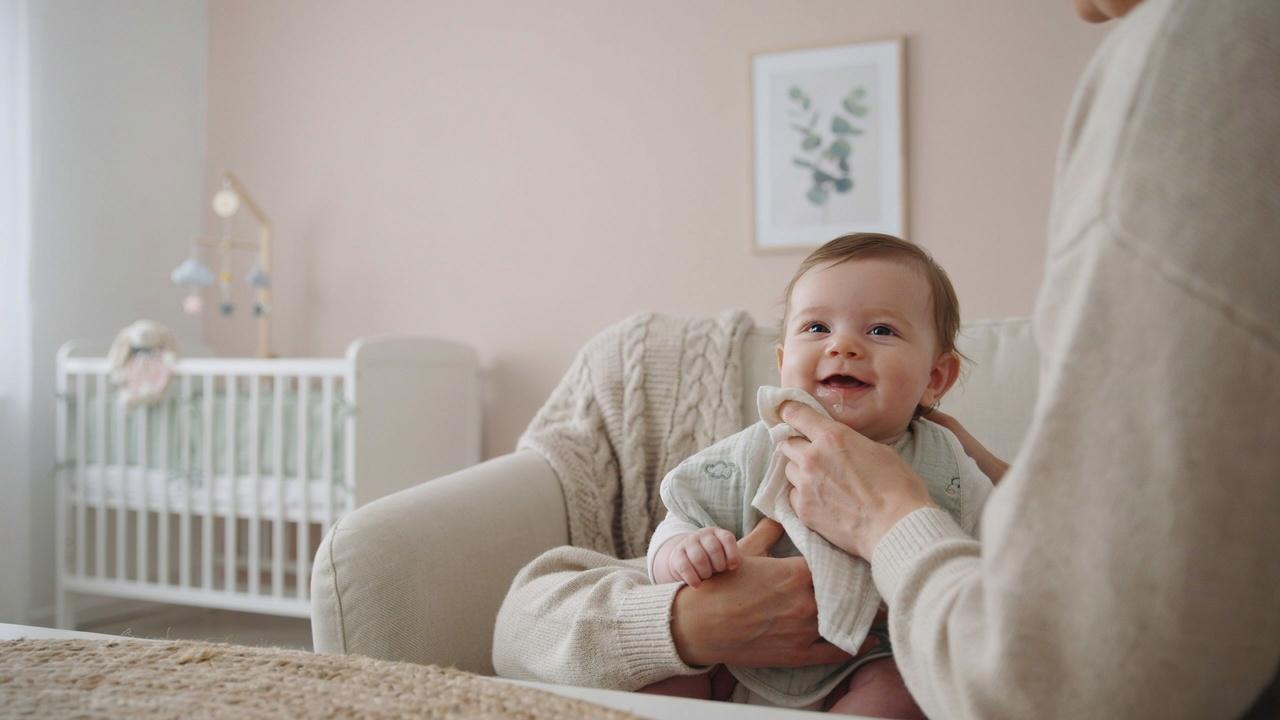
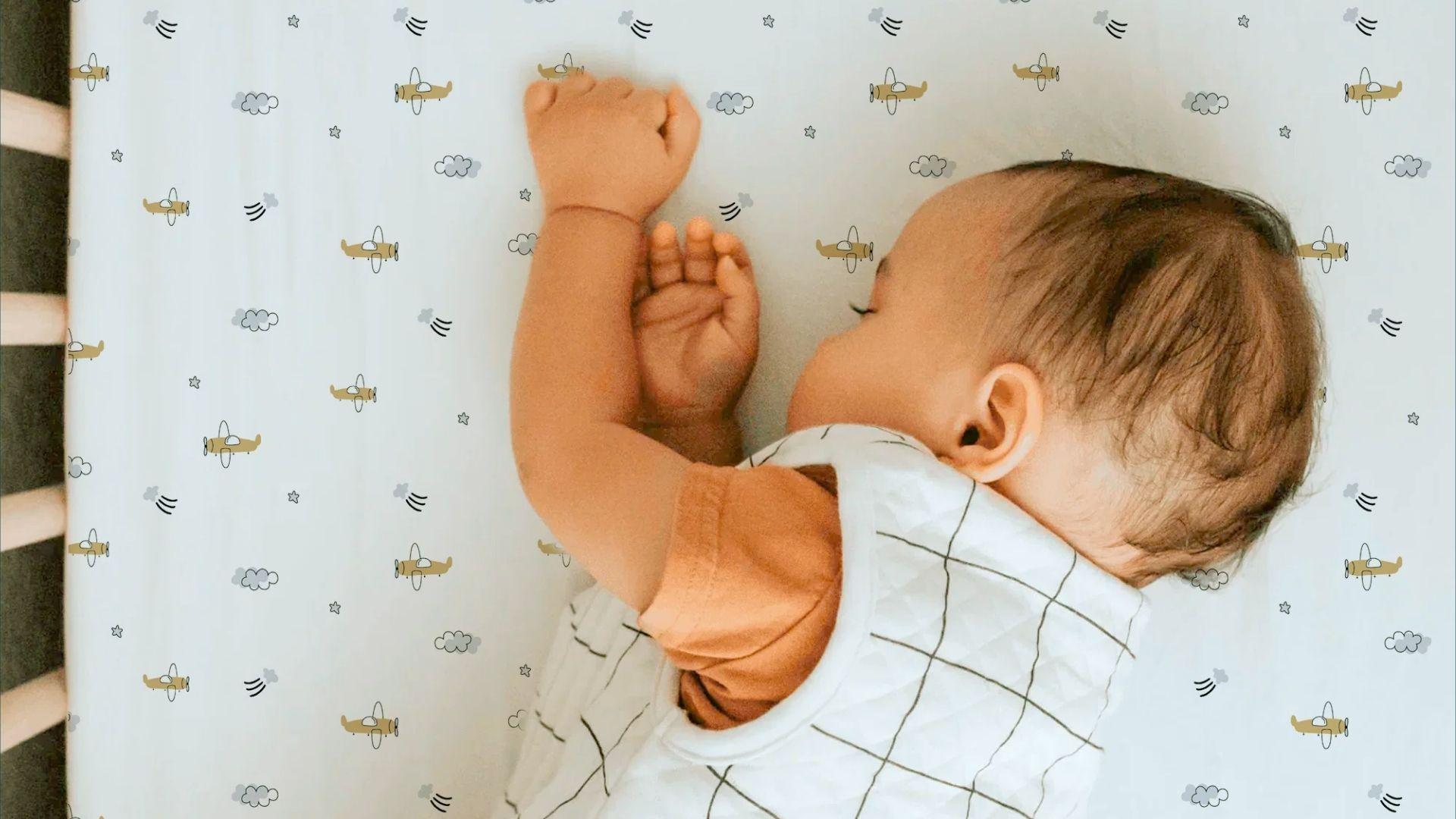
You typically need 3 to 5 bassinet sheets to handle everyday messes without constantly doing laundry.
Many parents find that 4 sheets provide a practical middle ground: one on the bassinet, one ready to use, one in the wash, and one as a backup.
If your baby has frequent diaper leaks, spit-up, or messy nighttime accidents, keeping 5 or more sheets can be helpful. Parents who wash laundry every day may manage with 3 sheets, while those who prefer doing laundry less often may want 5 or 6.
Having a few extras nearby can make nighttime sheet changes much easier, especially during the first few months when unexpected messes are common.
What Is the Ideal Number of Bassinet Sheets?
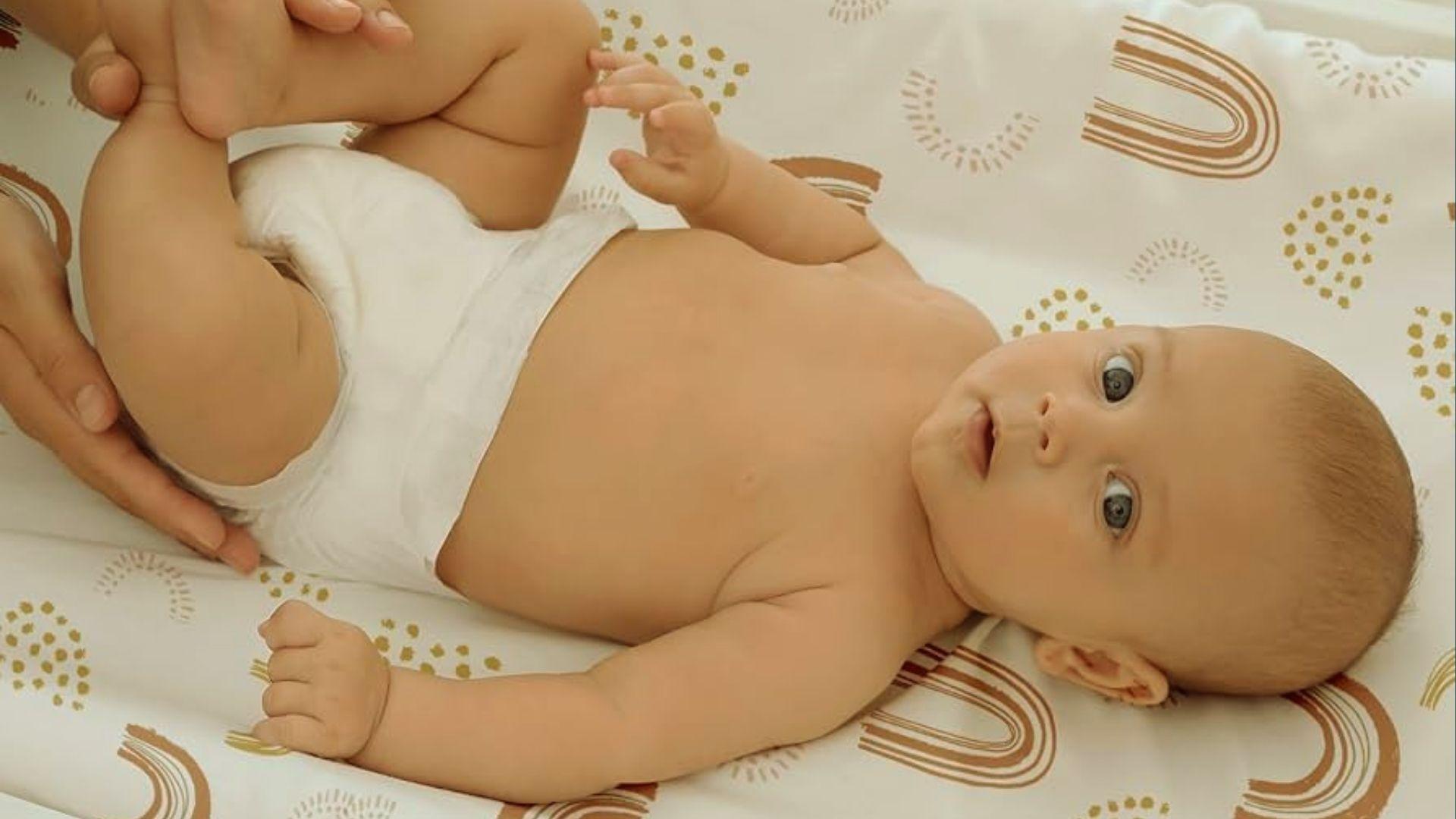
Most parents need 3 to 5 bassinet sheets on hand at any time. This gives you one on the bassinet, one in the wash, and one or two spares for accidents, spit-up, or laundry delays.
A bassinet sheet is the fitted or flat cover that goes directly on the bassinet mattress, right under your baby. Its main job is keeping the sleep surface clean, smooth, and safe. Since babies spit up, leak through diapers, and sometimes sweat, this sheet gets dirty fast.
Having enough on rotation means you are never stuck scrubbing a sheet at midnight while your baby waits to go back to sleep.
What Determines How Many Bassinet Sheets You Should Buy?
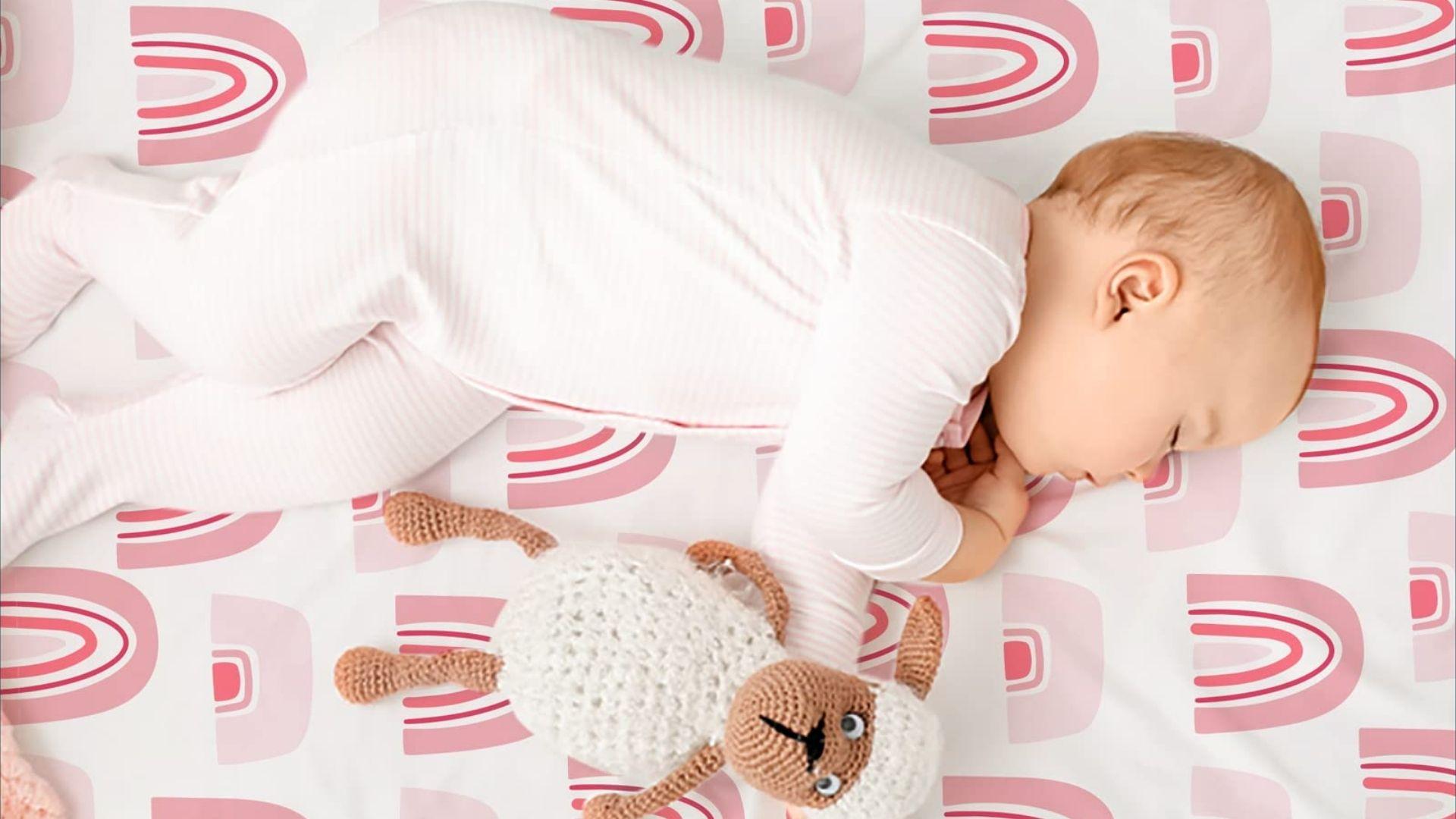
The right number is not the same for every family. A few everyday factors decide whether 3 sheets is plenty or 6 is closer to the mark.
How Often Your Baby Spits Up or Has Diaper Leaks
Frequent spit-up, drooling, and diaper leaks can mean more sheet changes than expected.
If your baby regularly soils the bassinet sheet, having several clean replacements can save you from doing emergency laundry.
Babies who have frequent messes may benefit from keeping 5 or more sheets on hand, especially during the early months when feeding and diaper changes are frequent.
Your Laundry Schedule
Your laundry routine can make a big difference. If you wash baby bedding every day or every other day, 3 sheets may be enough.
If you usually do laundry once or twice a week, having 5 or 6 sheets gives you more flexibility. This also means you are less likely to run out of clean sheets after an unexpected overnight mess.
How Often Your Baby Uses the Bassinet
A baby who sleeps and naps in the bassinet throughout the day will likely need sheet changes more often than one who uses it only at night.
Consider how many hours your baby spends in the bassinet when deciding how many sheets to buy. More frequent use can lead to more sweat, spit-up, and diaper leaks, so keeping a few extra sheets nearby can be helpful.
Seasonal Factors and Climate
Warm or humid weather can cause babies to sweat more, which may require more frequent sheet changes. Cooler weather may mean sheets stay fresh longer if they remain clean and dry.
Regardless of the season, use a properly fitted bassinet sheet and avoid adding loose blankets, pillows, or other bedding to the baby's sleep space.
Bassinet Sheets Needed by Different Parenting Situations
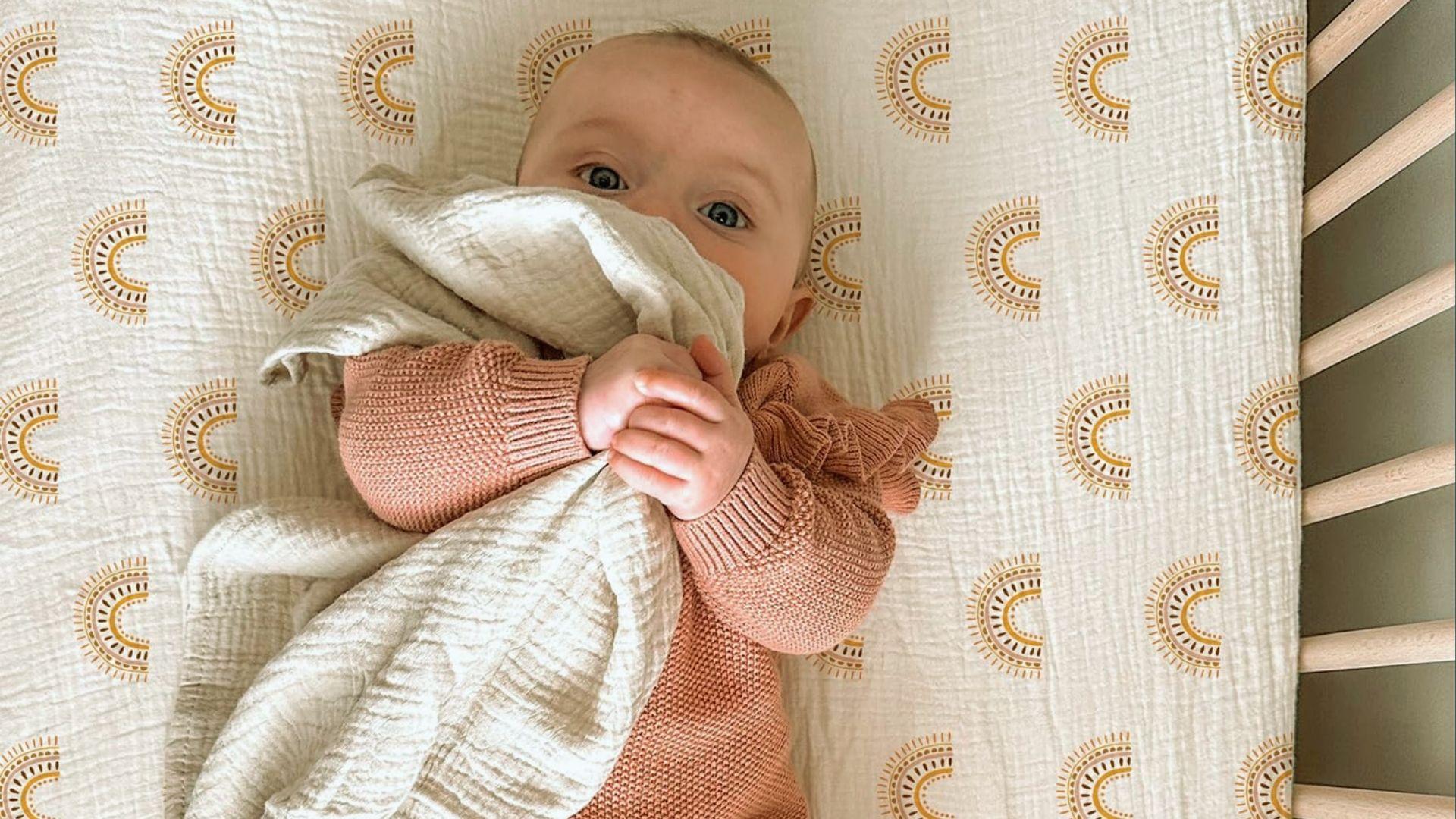
Not every household has the same needs. Here is a general guide based on common situations.
First-Time Parents
Starting with 4 to 5 sheets gives first-time parents a comfortable supply while they learn their baby's routine. Newborns can have unexpected spit-up, drooling, or diaper leaks, and having clean sheets ready can make nighttime changes less stressful.
This range also gives you enough time to wash used sheets without immediately needing them again. You can always buy more later if your baby's bedding gets dirty frequently.
Parents of Newborns With Frequent Spit-Up
If your baby spits up often or has frequent diaper leaks, consider keeping 5 to 6 or more sheets available. Babies who regularly soil their bedding may need several changes in a single day.
Extra sheets can reduce the need for late-night laundry and help ensure a clean, dry sleep surface is always available. Keep a few clean sheets in an easy-to-reach location for quick changes.
Families With Twins
Twins mean double the mess. Most parents of twins keep 8 to 10 sheets total, roughly 4 to 5 per baby, so both bassinets always have a backup ready.
Parents Who Travel With a Portable Bassinet
Families with twins may need around 8 to 10 sheets total, or roughly 4 to 5 per baby. This gives each baby several clean replacements while used sheets are being washed.
If both babies frequently spit up or have diaper leaks, keeping a few additional sheets can provide more flexibility. Buying sheets in matching sets can also make laundry sorting easier.
Bassinet Sheets vs Crib Sheets: What's the Difference?
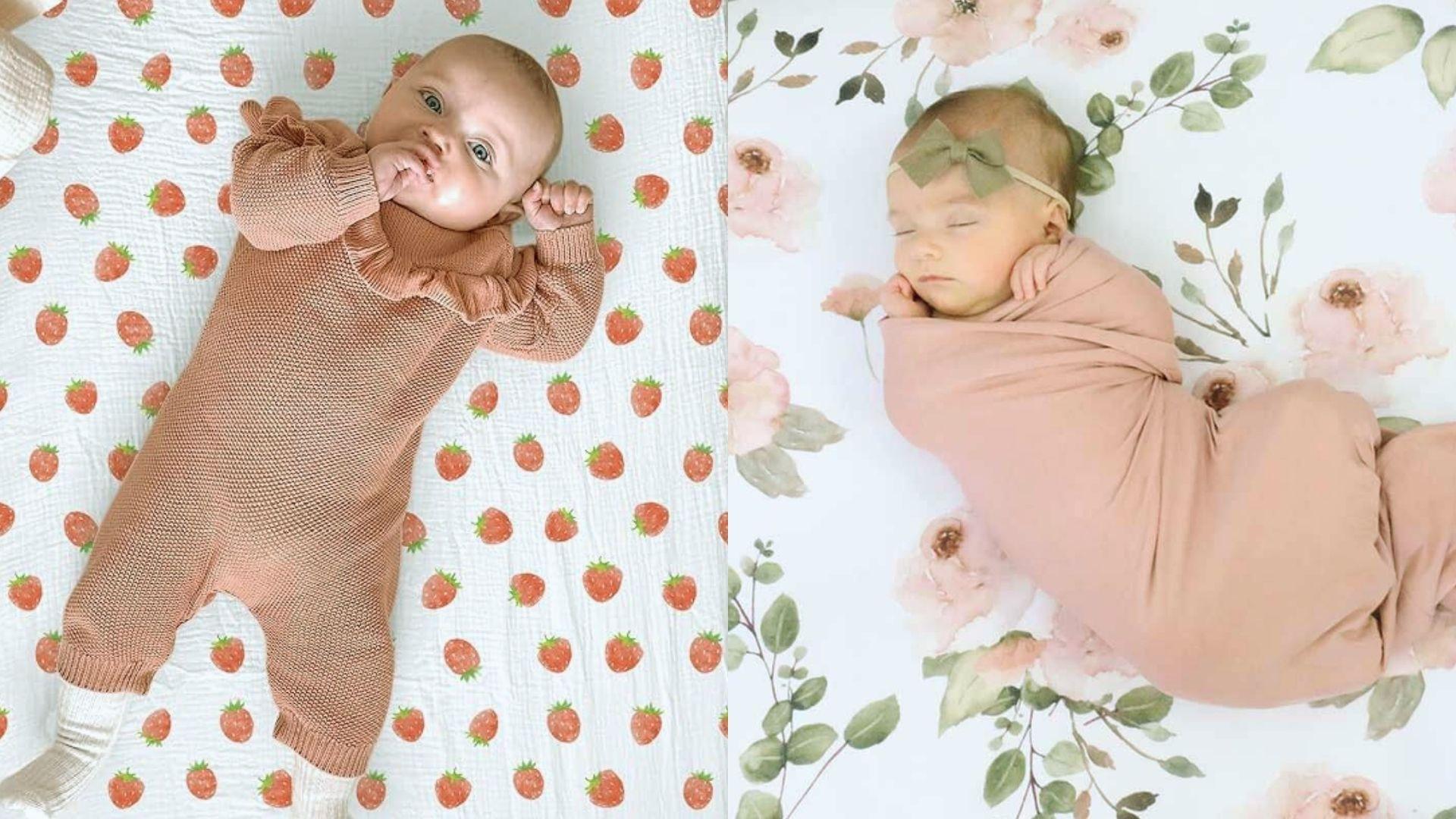
These two sheets might look similar, but they are not interchangeable, and knowing the difference matters for your baby's safety.
| Feature | Bassinet Sheets | Crib Sheets |
| Mattress size | Designed for smaller bassinet mattresses, often around 15 × 30 inches | Designed for standard crib mattresses, around 28 × 52 inches |
| Fit | Snug fit on a smaller mattress | Snug fit on a larger crib mattress |
| Interchangeable | No, they are designed for bassinet mattresses | No, they are generally too large for bassinets |
| Safety | Should fit tightly without bunching or coming loose | Should fit tightly without loose fabric |
| Best use | Bassinets and compatible portable sleep spaces | Standard cribs |
| What to check | Bassinet model and exact mattress dimensions | Crib mattress dimensions and sheet compatibility |
How Often Should You Change Bassinet Sheets?
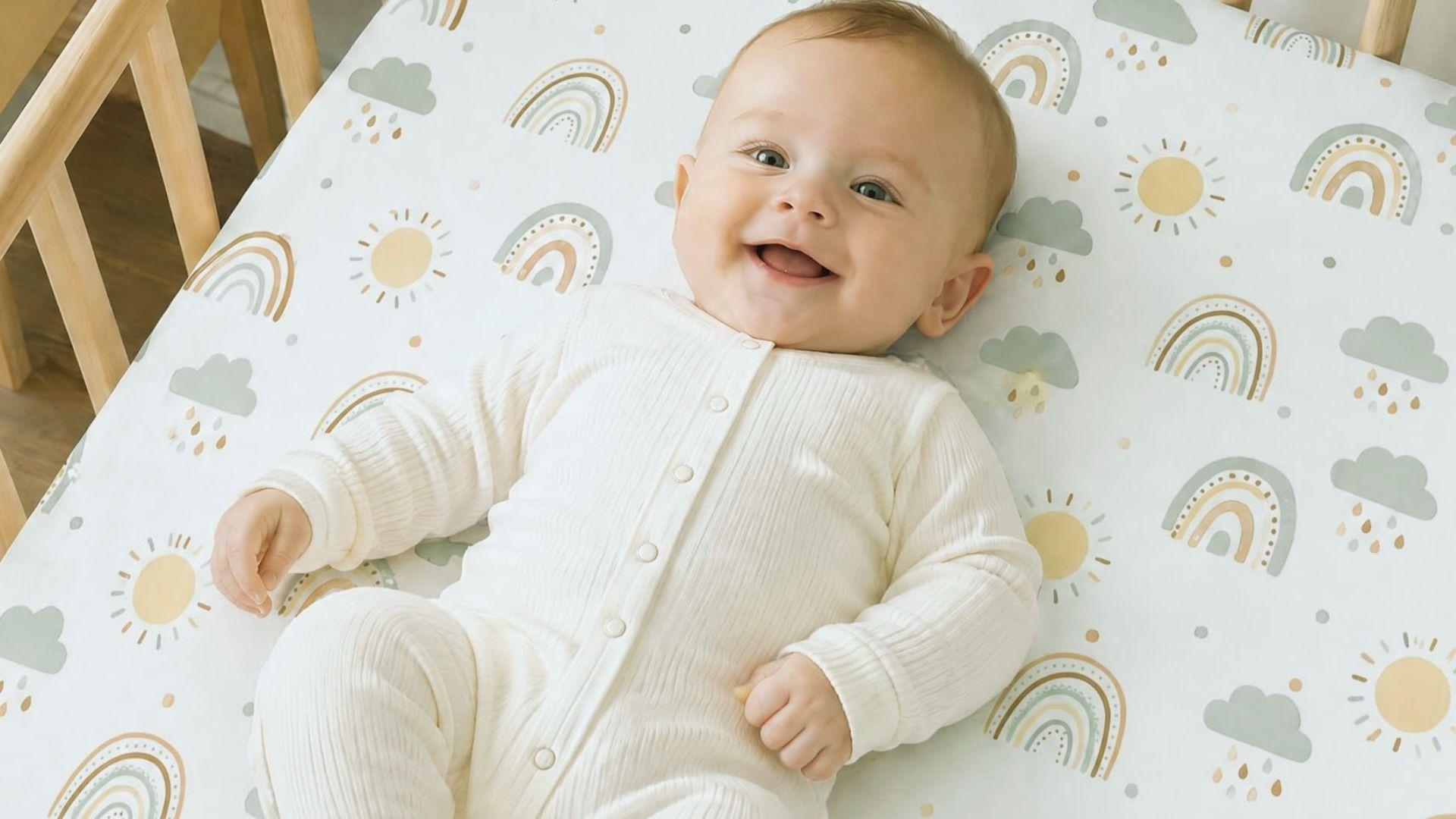
Bassinet sheets should be changed at least once or twice a week, and immediately whenever they get dirty or wet.
Daily Changes vs. As-Needed Changes
You do not necessarily need to change the sheet every day if it remains clean, dry, and free from visible messes. However, spit-up, diaper leaks, drool, or noticeable sweat can make the sheet dirty or damp.
In these situations, replace it promptly with a clean, properly fitted sheet. Babies with frequent messes may need several changes in one day, while others may go longer between changes.
Signs It’s Time to Replace the Sheet Immediately
Check the sheet before placing your baby in the bassinet. Wet spots, stains, visible dirt, strong odors, or signs of mold are reasons to replace the sheet and inspect the mattress.
If the mattress itself is wet or soiled, clean it according to the manufacturer's instructions and make sure it is completely dry before reuse.
Safe Sleep Hygiene Recommendations
For safe sleep, the bassinet should have a firm, flat sleep surface with only a fitted sheet designed for that mattress.
Avoid adding loose blankets, pillows, bumpers, or other soft items. Keeping the sheet clean and properly fitted can also help reduce discomfort from moisture and skin irritation.
Always follow the bassinet manufacturer's cleaning and care instructions.
Choosing the Right Bassinet Sheets
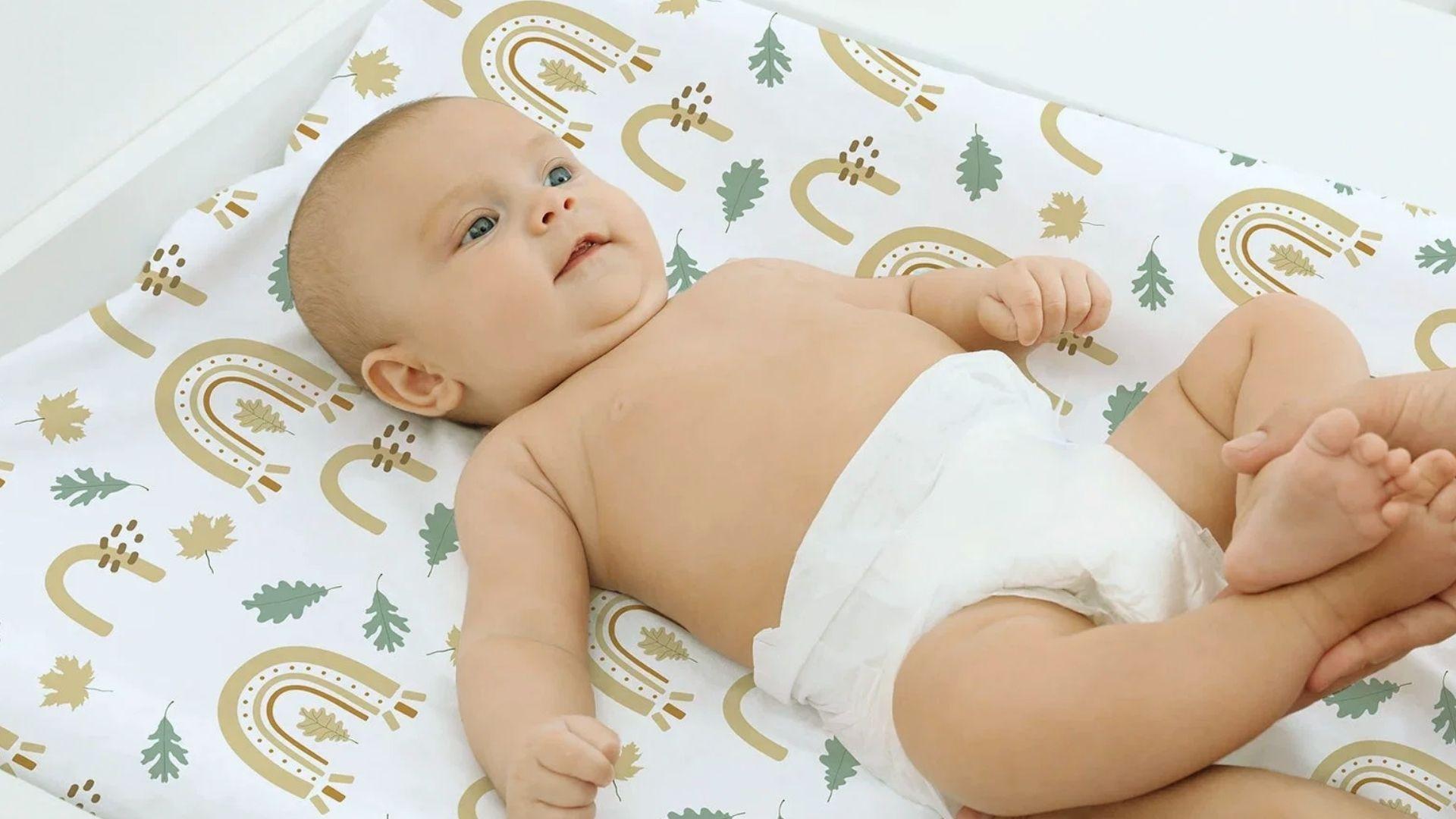
Not all sheets are created equal, and the fabric you pick can affect your baby's comfort and sleep quality.
Best Materials for Newborn Comfort
Cotton and muslin are popular choices because they are lightweight, breathable, and gentle against a baby's skin.
Jersey cotton is also commonly used because its slight stretch can help create a snug fit and make the sheet easier to put on and remove.
Bamboo-based fabrics may feel soft and breathable, but the most important factors are proper fit, comfort, and following safe-sleep guidance.
Fitted Sheets vs. Flat Sheets
Choose a fitted sheet made specifically for your bassinet mattress rather than a loose or flat sheet. A properly fitted sheet is designed to stay securely around the mattress. Loose fabric can bunch or come away from the mattress, so avoid using sheets that do not fit the bassinet properly.
Breathability and Softness
Choose a lightweight fabric that allows airflow and feels comfortable against your baby's skin. Avoid overly thick materials that may contribute to overheating.
The American Academy of Pediatrics recommends avoiding overheating during sleep, so dress your baby appropriately for the room temperature rather than adding extra bedding.
Checking Compatibility With Your Bassinet Mattress
Always check your bassinet's manufacturer instructions and exact mattress dimensions before buying replacement sheets. The sheet should fit tightly around the entire mattress without excess fabric, bunching, or loose edges.
Do not rely on a universal size unless the manufacturer confirms compatibility. Also, do not use the two-finger test as a safety standard; instead, follow the manufacturer's specified sheet and mattress requirements.
Washing and Caring for Bassinet Sheets
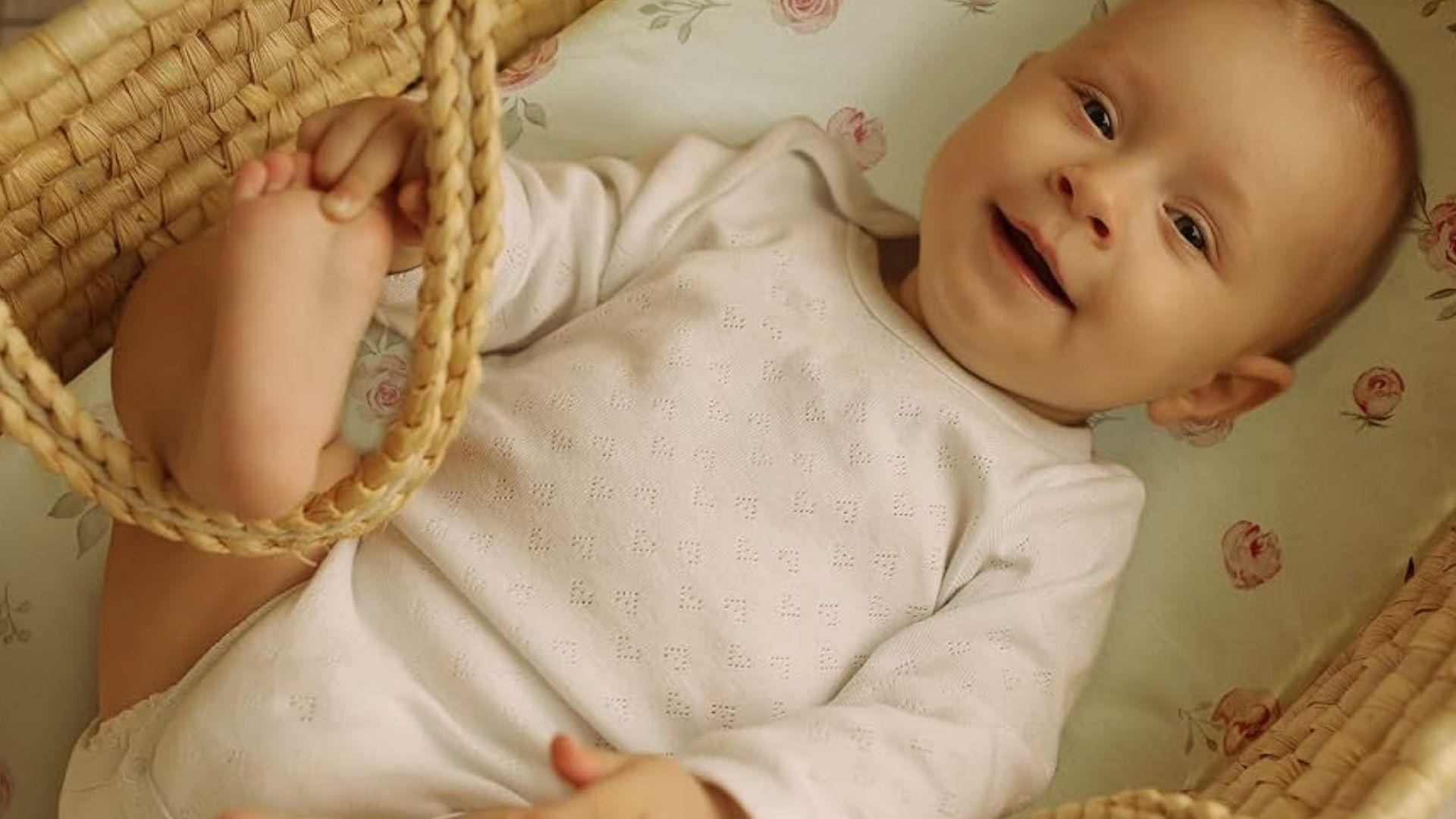
Good washing habits keep sheets soft, clean, and safe for repeated use.
How Often to Wash Clean Sheets
Even sheets that look clean can collect sweat, dust, drool, and skin oils over time. Washing them regularly helps keep your baby's sleep space fresh.
If the sheet becomes wet or soiled from spit-up, diaper leaks, or other messes, replace and wash it promptly rather than waiting for your regular laundry day.
Baby-Safe Detergents and Washing Tips
Use a fragrance-free, dye-free detergent suitable for sensitive skin. Follow the sheet manufacturer's washing instructions for water temperature and drying.
Avoid fabric softener if it leaves residue that could irritate your baby's sensitive skin. Check the sheet after washing to make sure it still fits snugly and has not stretched or shrunk.
Keeping Extra Sheets Fresh and Organized
Store clean spare sheets in a labeled drawer, basket, or bin near the bassinet. Keeping them organized makes nighttime changes quicker and helps you see when your supply is running low.
Rotate your sheets regularly so they receive similar amounts of washing and wear.
Common Mistakes Parents Make When Buying Bassinet Sheets
Choosing the right bassinet sheets helps ensure a secure fit, comfortable sleep, and easier care for your baby.
Buying too few sheets: Many parents start with just 1 or 2 and quickly find themselves doing laundry every single day, which gets exhausting fast.
Ignoring the exact mattress size: A sheet that is even an inch off can bunch up or slip loose, which creates a real safety concern during sleep.
Choosing flat sheets instead of fitted: Flat sheets are more likely to shift out of place, so fitted sheets are almost always the safer pick for a bassinet.
Overlooking fabric breathability: Thick or non-breathable materials can make a baby too warm, especially during summer months or in rooms without good airflow.
Forgetting to check compatibility with rocking or vibrating bassinets: Some fancier bassinets need specific sheet shapes, and a standard sheet may not fit these models properly.
Tips for Managing Bassinet Bedding
A few simple bedding habits can make sheet changes easier while keeping your baby's sleep space clean and comfortable.
- Keep a stack of clean sheets within arm's reach of the bassinet so changes take seconds, not minutes, during nighttime wake-ups.
- Do a quick load of just bassinet sheets twice a week instead of mixing them into a big laundry pile, so they are always ready when needed.
- Use a waterproof mattress protector under the sheet to catch leaks early and protect the mattress itself from damage.
- Rotate sheets in the same order you wash them, so every sheet gets even use and none sit unused in a drawer.
- Keep a couple of spare sheets in your diaper bag if you use a portable bassinet anywhere outside the home.
Conclusion
Figuring out how many bassinet sheets do I need really comes down to your baby's habits and your laundry routine.
Most families do well with 3 to 5 sheets, though frequent spit-up, twins, or travel might call for a few extra. Keep a few spares stocked, wash them regularly, and you will spend less time scrambling and more time focused on your baby.
Try out the numbers that fit your situation best, and feel free to share this guide with another parent who might be wondering the same thing. A little preparation goes a long way on those tired, sleepless nights.
Frequently Asked Questions
Can I use the same bassinet sheet for more than one night?
Yes, as long as it stays clean and dry. If there is no spit-up, sweat, or leaks, one sheet can safely last a couple of nights.
Do bassinet sheets shrink after washing?
Cotton sheets can shrink slightly after the first few washes. Always check the fit afterward to make sure it still stays snug on the mattress.
Is it safe to use a fitted crib sheet folded to fit a bassinet?
No. Folding a larger sheet creates loose fabric, which is a suffocation hazard. Always use a sheet made specifically for your bassinet size.
How many sheets should I pack for a hospital stay?
Pack 2 to 3 sheets for a hospital stay, since laundry access is limited and newborns often need frequent changes in the first days.