
If your baby fights the swaddle, you’re not doing anything wrong. After several tiring nights, many parents ask, “Can newborns sleep without a swaddle?” and the answer is yes, as long as the sleep space is safe.
What often goes unnoticed is that a baby who resists the wrap may simply be showing a preference, such as wanting free hands or feeling too warm, rather than failing to sleep well. Reading that preference correctly is what makes the next step easier.
This guide explains what keeps newborn sleep safe, how to tell what your baby is asking for, and which options can help them settle, so you can make a confident choice for your family. First, let’s look at what swaddling actually does.
What Is Swaddling?
Swaddling means wrapping a baby snugly in a thin blanket so their body feels contained, which is meant to resemble the closeness of the womb.
The American Academy of Pediatrics (AAP) notes that when it is done correctly, swaddling can help calm infants and promote sleep.
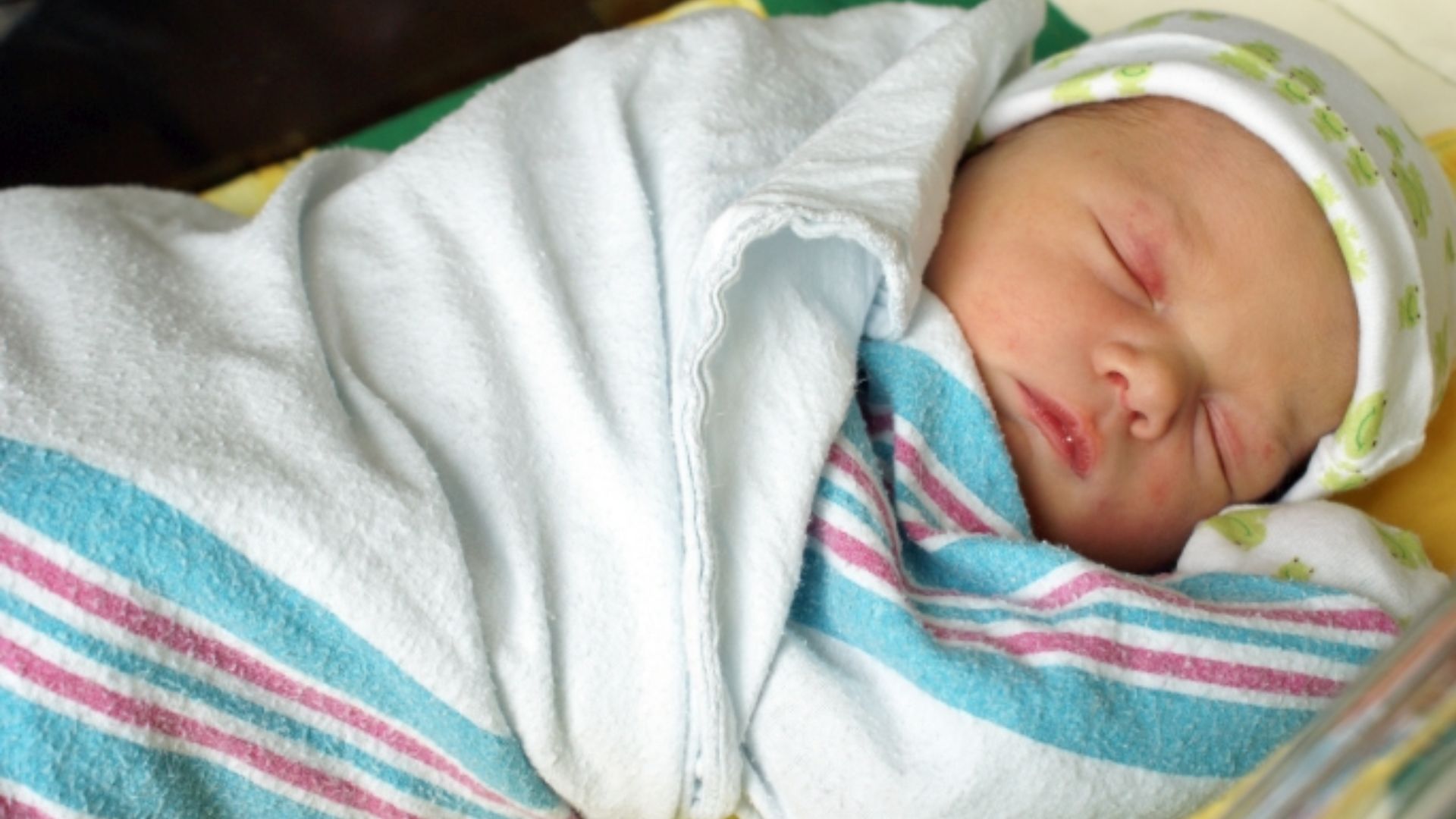
Done correctly means a thin blanket, a wrap that is snug but not tight, with room for two or three fingers between the chest and the fabric, legs that can bend up and out at the hips, and a baby who is always placed on their back.
Many parents first learn it from hospital nurses, but it is a temporary, optional comfort tool and not a step every baby needs.
Is Swaddling Necessary for Newborns?
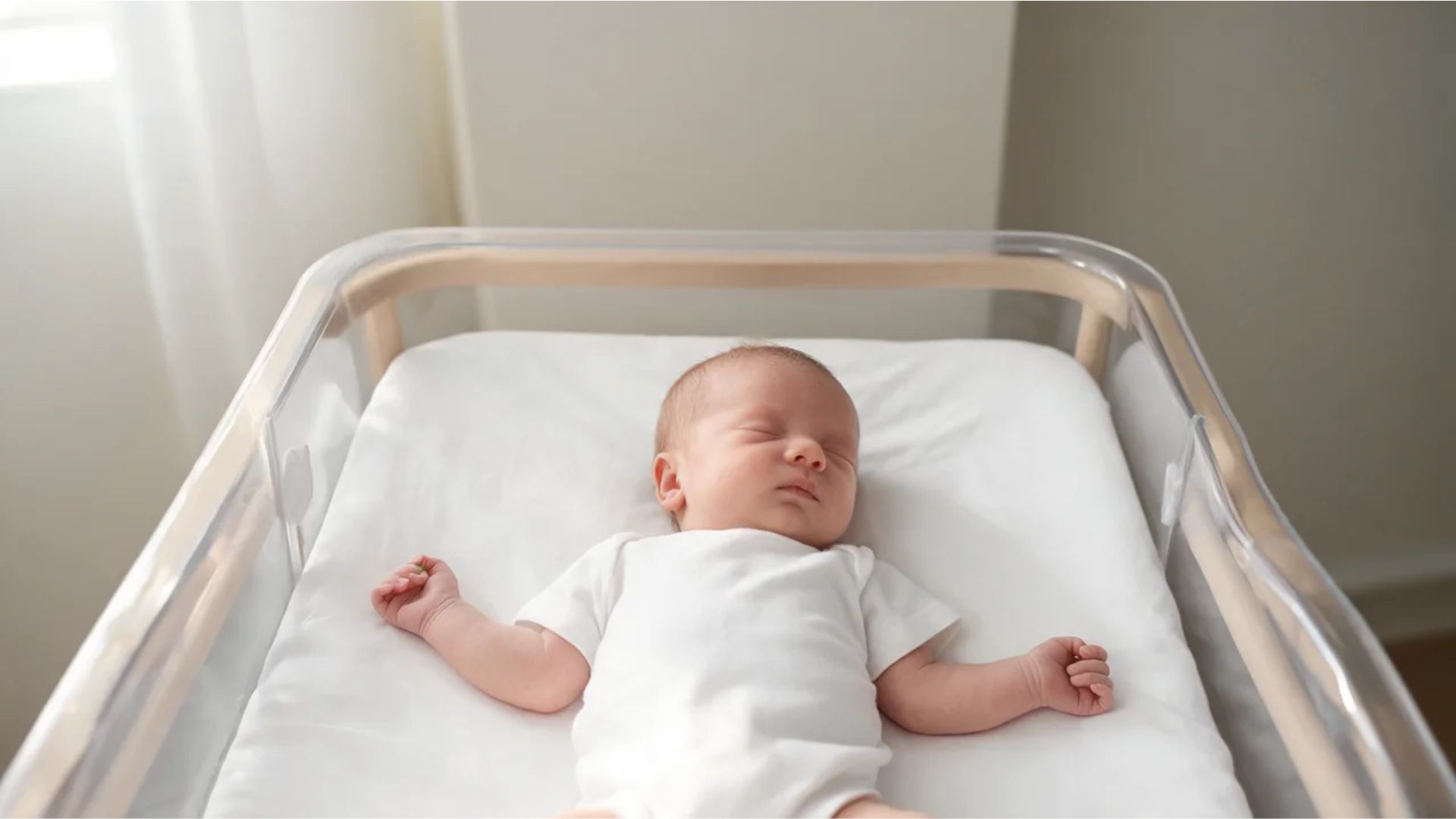
No, swaddling is a soothing method, not a medical need or a safety requirement. In its 2022 safe sleep policy, the AAP stated that there is no evidence to recommend swaddling as a way to reduce the risk of sudden infant death syndrome (SIDS), so there is no safety reason to feel you must swaddle.
Some babies settle faster when wrapped, while others sleep well without it. It also helps to know why swaddled babies can sleep in longer stretches.
The AAP explains that swaddling may lower a baby’s arousal, which makes it harder for them to wake, and that decreased arousal may be one of the main reasons babies die of SIDS.
The longer sleep a swaddle can bring is therefore something to weigh, rather than an automatic benefit.
Frequent waking is also not a sign that something is wrong.
Newborns wake to feed every 2 to 3 hours, which the AAP describes as normal and healthy, with or without a swaddle. If it feels like your newborn is always hungry, that guide covers what to expect.
Safe Sleep Rules That Matter More Than Swaddling
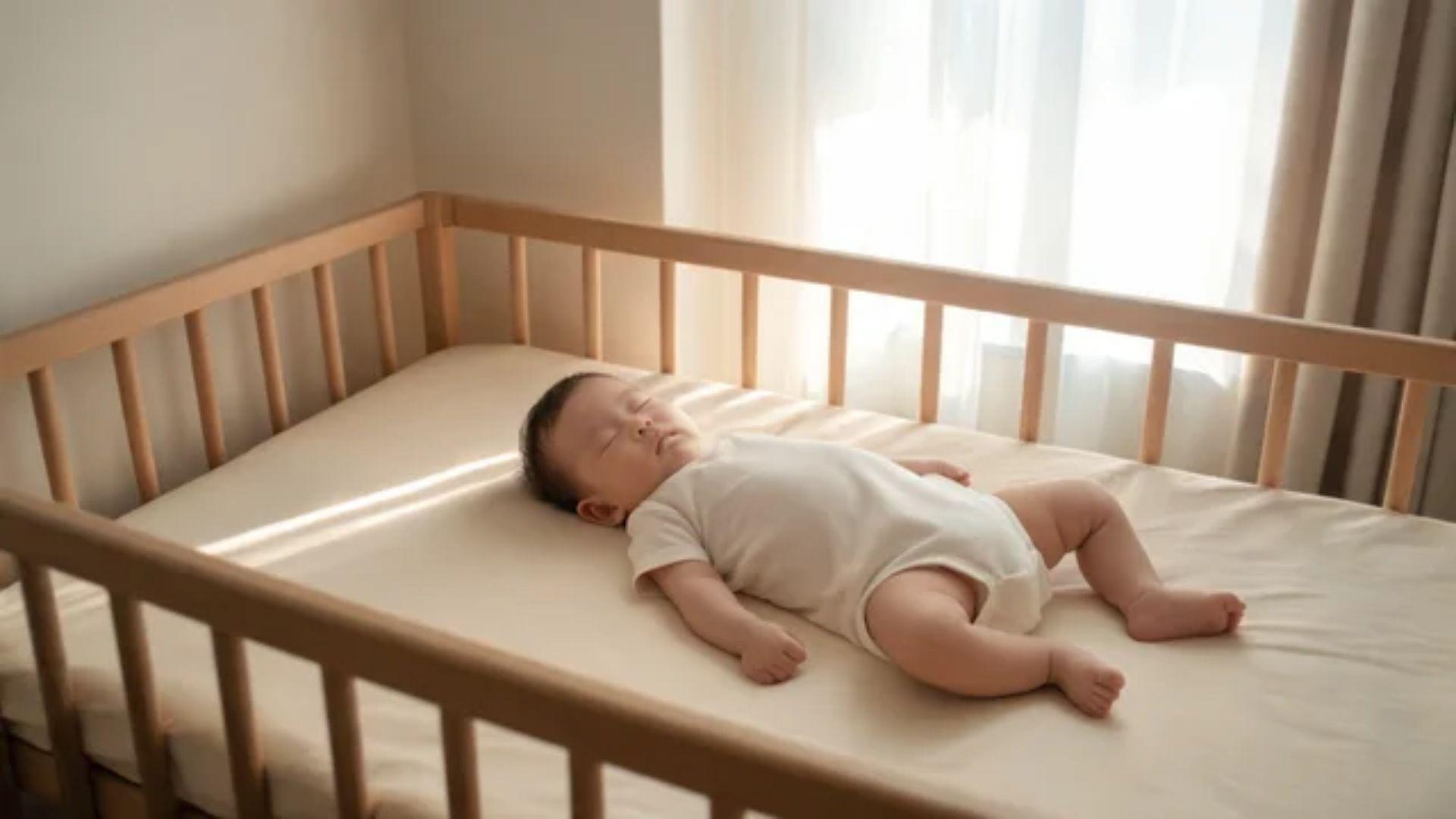
Whether or not you swaddle, the sleep space is what keeps a newborn safe. The AAP recommends following these steps every time a baby sleeps, including naps.
- Back to sleep. Place your baby on their back for every sleep, because this lowers the risk of SIDS.
- A firm, flat surface. Use a crib or bassinet that is flat and not inclined, and avoid products that were not made for infant sleep.
- A bare sleep space. A swaddling blanket that comes unwrapped counts as a loose blanket. If you are wondering when your baby can sleep with a lovey, that comes later, once the newborn stage has passed.
- Their own sleep surface. The AAP recommends sharing a room but not a bed, ideally for at least the first six months.
- No car seats, swings, or slings for routine sleep. The AAP does not recommend sitting devices for routine sleep, particularly for babies under 4 months.
- A comfortable temperature. Swaddling can increase the chance of overheating, so watch for sweating, damp hair, flushed cheeks, heat rash, or rapid breathing.
No swaddle, wedge, or gadget replaces these basics, because the AAP notes that products claiming to reduce SIDS risk have not been shown to do so.
Why Some Babies Sleep Better Without a Swaddle
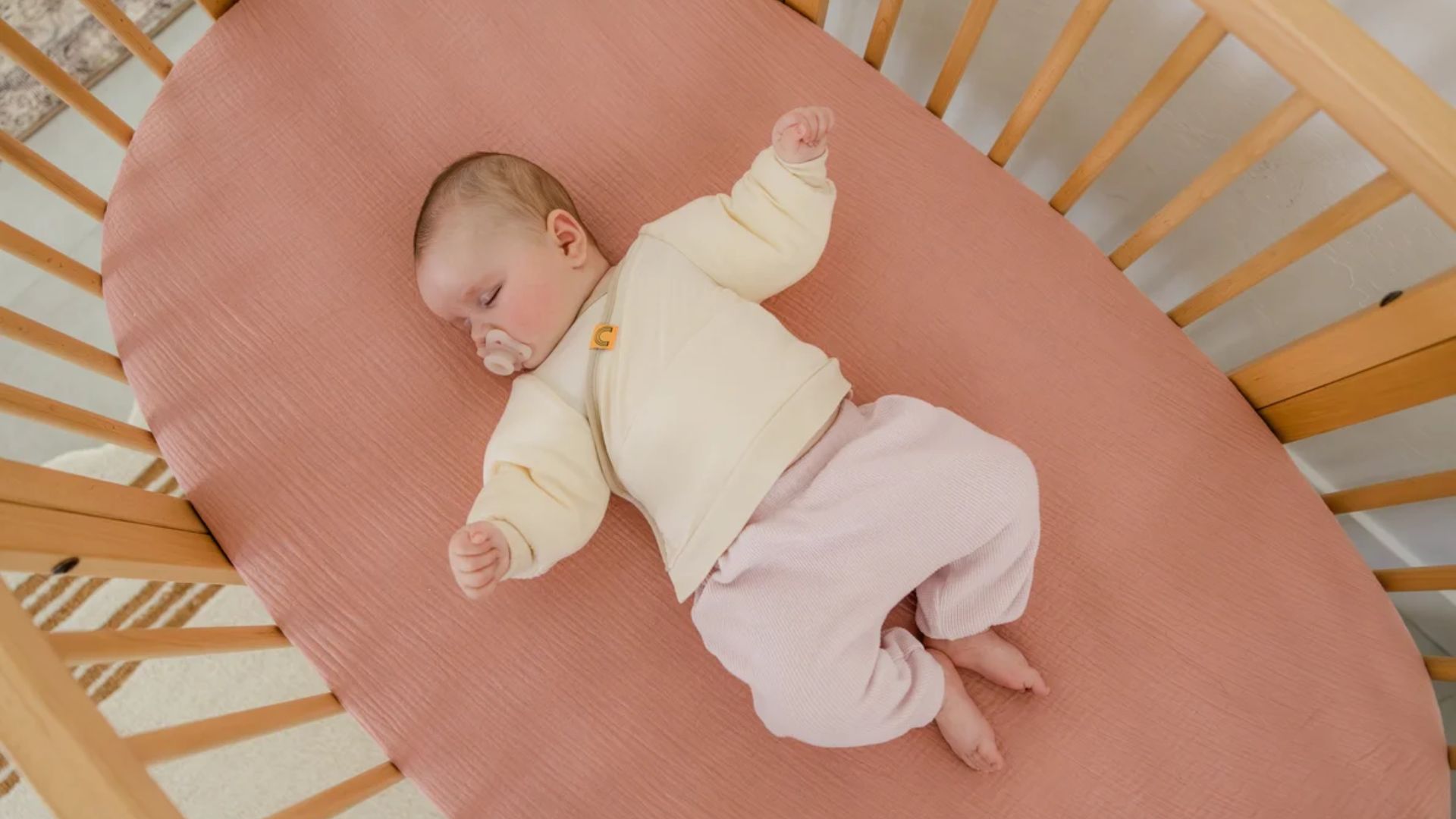
For some babies, a wrap gets in the way of two things they rely on to settle, which are free hands and a comfortable body temperature.
Looking at each one can help you work out why your baby is resisting.
Free Movement and Self-Soothing
Babies often use their hands to settle themselves, for example by bringing them to their mouth. A wrap that holds the arms down takes that option away, so a baby who keeps pushing their arms out may be asking for them to be free.
This is a comfort choice and not a safety one, because the AAP notes there is no evidence about SIDS risk related to whether the arms are swaddled in or out.
Temperature Regulation
Swaddling adds a layer of fabric around the whole body, which traps warmth, and the AAP warns that it can increase the chance of a baby overheating.
Young babies cannot tell you they are too warm, so a baby who fusses, sweats, or feels hot may be reacting to the heat and not to the snugness of the wrap.
Feeling the back of the neck or the chest is a more reliable check than touching the hands or feet, which are often cooler.
The Startle Reflex: What It Is and How to Handle It
The startle reflex, also called the Moro reflex, is an involuntary reaction in which a baby suddenly flings their arms outward and then pulls them back in, often with a cry.
A loud noise, a sudden movement, or being lowered into the crib can trigger it. A swaddle holds the arms in, so some babies wake themselves more often when they are first unwrapped.
The reflex is normal and usually fades over the first several months, typically by around 6 months.
Until then, lower your baby slowly while keeping them close to your chest, rest a hand on their chest for a moment, and use a steady, low-volume background sound placed away from the crib. If the reflex is absent or still strong after about 6 months, mention it to your pediatrician.
What to Use Instead of a Swaddle
The goal is to keep your baby warm and comfortable without loose bedding, and there are two common ways to do that.
Sleep Sacks and Wearable Blankets
The AAP says that infant sleep clothing, such as layers of clothing or a wearable blanket or sleep sack, is preferred over blankets for keeping a baby warm.
A sleep sack that leaves the arms free and does not wrap the body can be used for as long as you like.
Choose the size that matches your baby’s weight and length using the manufacturer’s guide, so there is no loose fabric near the face, and avoid weighted versions, which the AAP calls unsafe.
Arms-Out and Transitional Swaddles
Half swaddles, arms-out wraps and arms-up designs give gentle containment while leaving the hands free, which can suit a baby who objects to having their arms held.
Because they still wrap the body, they follow the same rules as a full swaddle.
Keep the wrap loose enough to fit two or three fingers between your baby’s chest and the fabric, let the hips and legs bend up and out, and stop as soon as your baby shows signs of rolling.
When a Newborn Should Not Be Swaddled
Swaddling should end the moment your baby starts trying to roll, for instance by turning onto their side or attempting to flip.
According to the AAP, babies usually begin these attempts between 3 and 4 months, though some start as early as 2 months, so a calendar date is not a reliable guide.
The concern is that a swaddled baby who rolls onto their stomach has a higher risk of SIDS and suffocation.
It is also best to avoid swaddling if your baby is not placed on their back, if they seem overheated, with signs such as sweating, damp hair, or flushed cheeks, or if the wrap holds their legs straight and pressed together, which can cause hip problems.
Weighted swaddles should never be used, as the AAP considers weighted products unsafe for babies.
How to Stop Swaddling
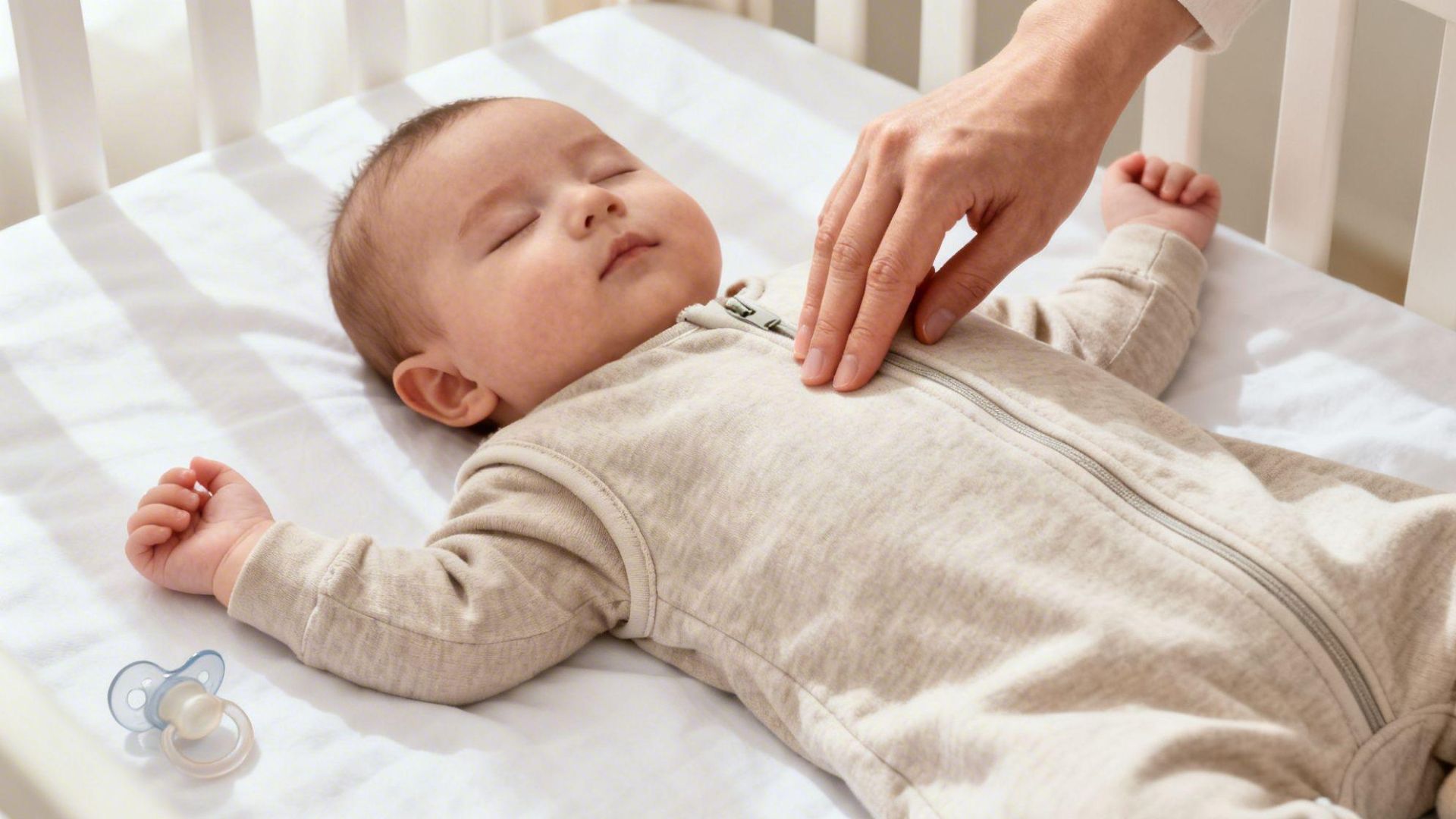
Families stop swaddling in different ways, and a gradual change tends to be gentler for many babies, although it should never delay ending an arms-in swaddle once rolling begins.
If your baby is already showing signs of rolling, move straight to a sleep sack that leaves the arms free.
Otherwise, you can start with naps, since they usually carry less pressure than nights, and then use a half swaddle or an arms-out wrap for a few days while keeping the hips loose and your baby on their back.
After that, switch to a correctly sized sleep sack and keep the crib bare, and stay with the same calm bedtime routine so your baby feels secure while everything else changes.
A few unsettled nights are common during the adjustment, and your pediatrician can help if sleep does not improve or you feel worried.
How to Decide What’s Right for Your Baby
The right choice depends on how your baby responds, since some babies settle well in a swaddle while others sleep better with free arms or no wrap at all.
Watching your baby’s cues over a few nights is usually enough to show which option fits, and the table below matches each common situation with a next step.
| What you notice | What to try |
| Your baby settles well and sleeps safely in a swaddle | Keep using it, and stop as soon as rolling begins |
| Your baby fights the wrap, feels warm, or still startles awake | Try an arms-out option or a sleep sack |
| Your baby sleeps well without a swaddle from the start | You do not need to introduce one |
| Your baby shows signs of rolling | Stop swaddling right away, whatever else is working |
Whichever row fits your baby, the safe sleep basics stay the same, which means placing your baby on their back on a firm, flat surface with a bare sleep space for every sleep. If you are unsure whether your baby’s sleep is typical, your pediatrician is the best person to ask.
Final Takeaway
So, can newborns sleep without a swaddle? Yes, they can. A swaddle is a comfort tool, not a safety rule, and many babies sleep well with free arms or a sleep sack.
What matters most is the sleep space. I’d focus on a firm, flat surface, your baby on their back, and nothing else in the crib. This matters because it protects your baby every night, no matter what they wear.
Watch your baby’s cues, and stop arms-in swaddling once rolling starts. Tonight, try one change and see how your baby responds. Then share what worked in the comments, or read our guide on safe sleep next.
Frequently Asked Questions
What Age Do Babies Sleep Unswaddled?
There is no minimum age; newborns can sleep unswaddled from day one, and arms-in swaddling must end once rolling starts, usually between 2 and 4 months.
Is It Okay To Let a Newborn Sleep During the Day?
Yes, newborns sleep 14 to 17 hours a day in short stretches, so daytime sleep is normal, as long as every nap follows the same back-to-sleep, flat, bare-surface rules.
What Is the Longest I Should Let My Newborn Sleep?
Newborns usually need feeding every 2 to 3 hours, so most pediatricians advise waking a baby after about 3 to 4 hours of sleep until steady weight gain is confirmed.