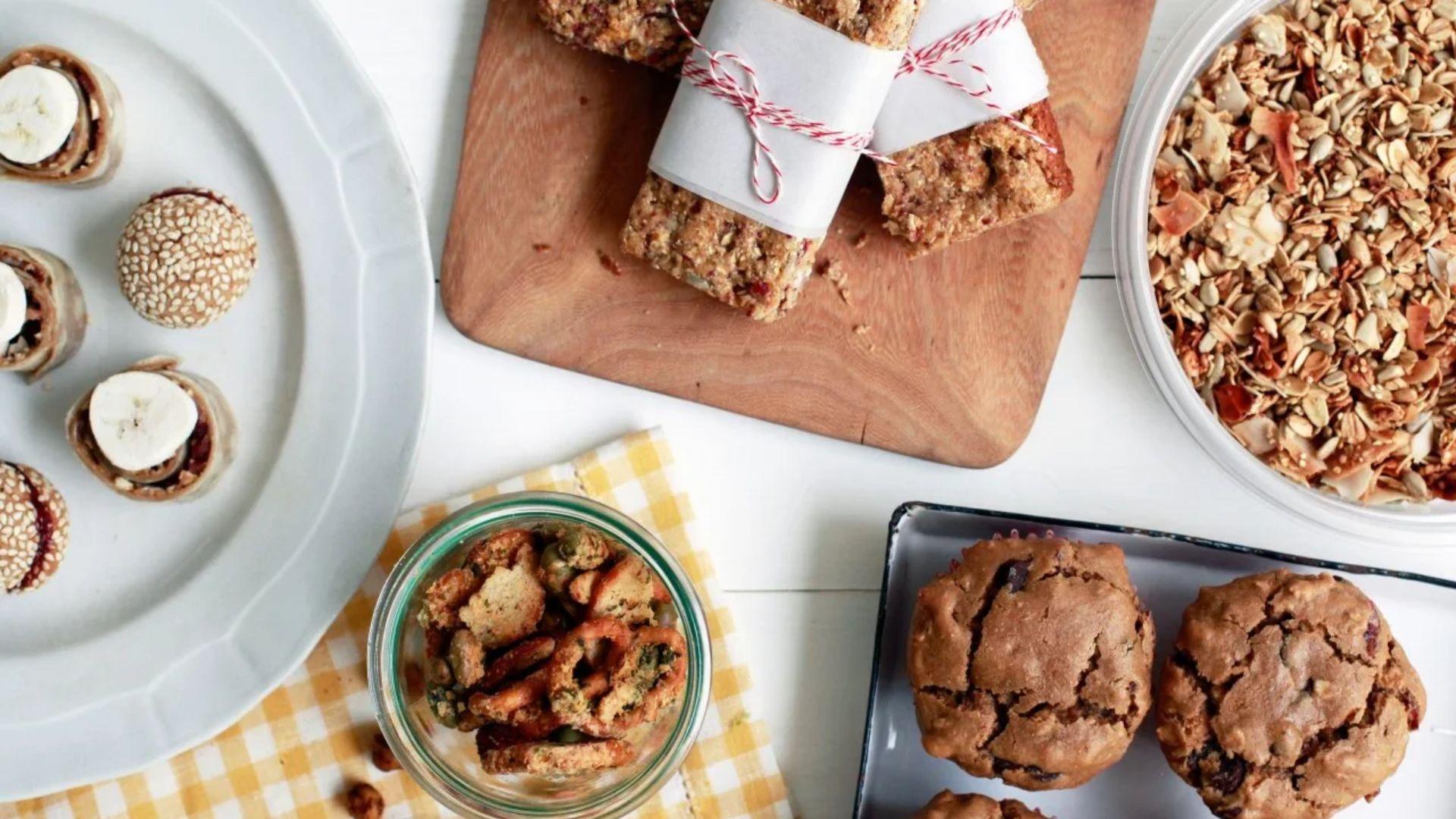


It's 3:30 p.m., and your child bursts through the door asking, What's for snack? You reach for the usual granola bar, then pause and turn it over to check the label. Again.
If you're feeding a child with a peanut or tree nut allergy, or packing snacks for a nut-free classroom, you know that pause well.
Snack time shouldn't feel like a high-stakes puzzle, and with a few reliable ideas on hand, it doesn't have to.
What we’ll walk through together: Healthy nut free snacks for kids, simple homemade recipes your little helpers can join in on, and store-bought picks worth putting in your cart.
You'll also find tips for packing school snacks, making any snack more filling, and reading labels with confidence.
You can spend less time second-guessing and more time watching your child enjoy what's in their hands.
One note before we dig in: Every child's allergy is different, so your pediatrician or allergist is the best person to tell you exactly which foods to avoid.
Ready to restock the snack drawer? First, let's look at why nut-free snacks matter.
Why Choose Nut Free Snacks for Kids?
A nut-free snack list protects children with allergies and simplifies shared spaces.
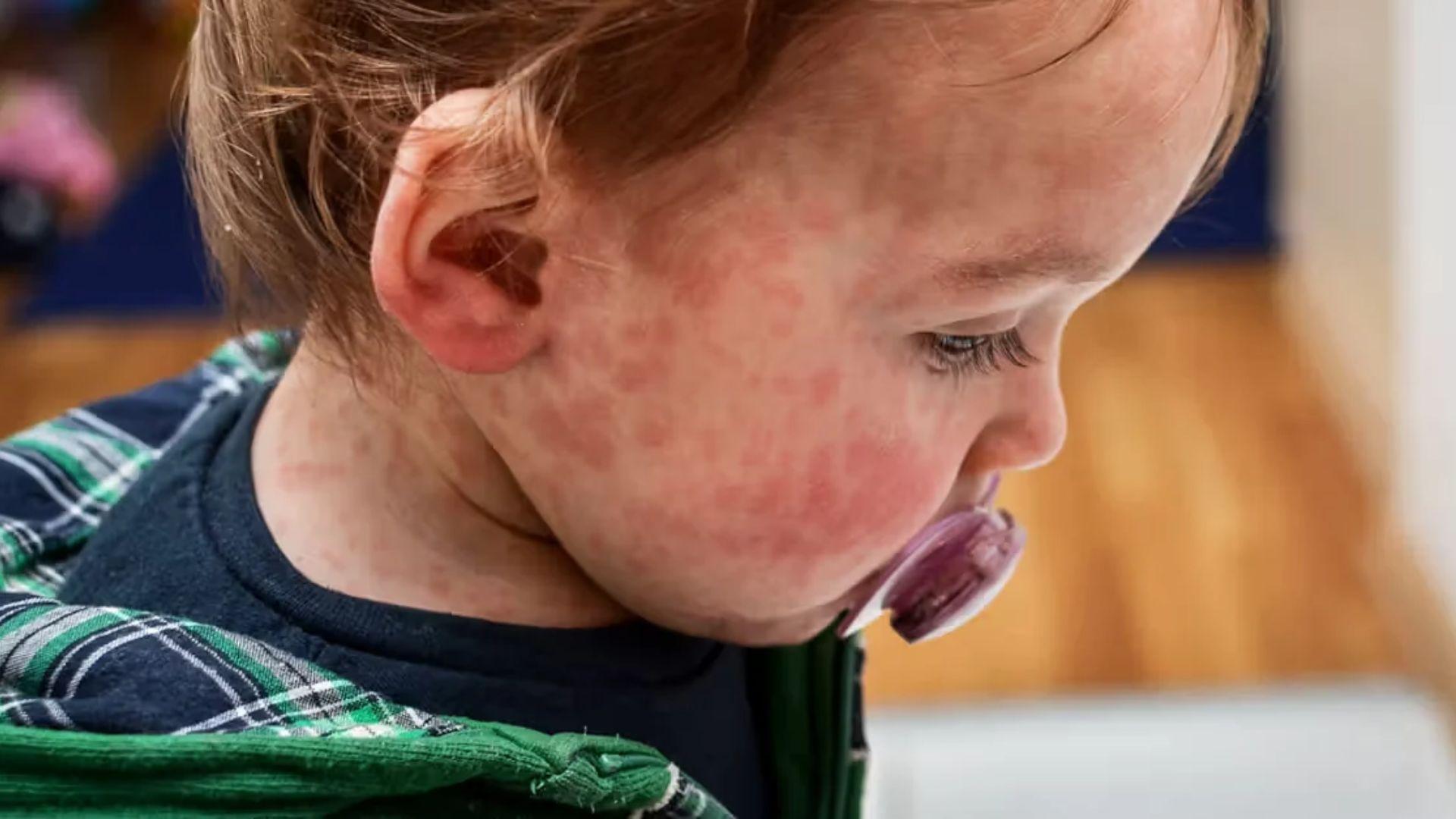
Peanuts and tree nuts such as almonds, walnuts, and cashews are separate allergens, although many children react to both, and reactions can range from hives to trouble breathing.
A pediatrician or allergist can confirm which foods a child needs to avoid.
Schools and daycares often ask for nut-free snacks because traces spread easily through shared tables, hands, and supplies, and a snack that is nut-free from the start lets children eat together without extra rules.
A good snack should pair fiber from fruit, vegetables, or whole grains with some protein or fat, since that combination tends to keep kids full longer than refined crackers or sugary bars.
Healthy Nut Free Snacks for Kids
These four categories cover most snack-time needs, and each can be put together in a few minutes.
1. Fresh Fruit and Vegetable Snacks
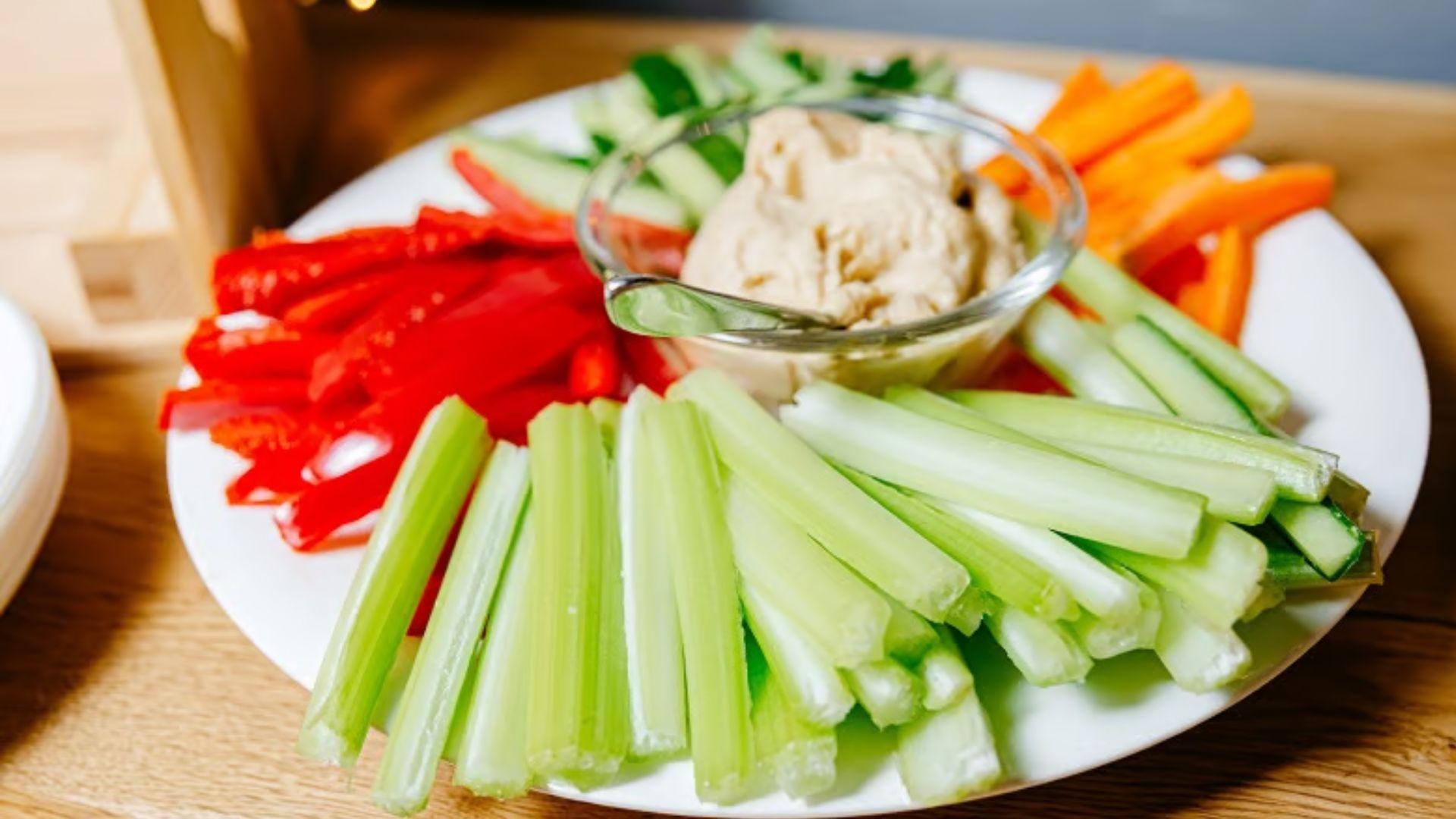
Sliced apples, clementine segments, berries, cucumber rounds, and carrot sticks are the simplest nut-free snacks because they need no cooking.
Kids often eat more of them when there is something to dip, such as plain yogurt or a mild cream cheese spread.
For children under four, cut grapes and cherry tomatoes into quarters (lengthwise, then again), in pieces no larger than ½ inch, and shred carrots, cut them into thin lengthwise strips, or cook them until soft, to lower the choking risk.
2. Protein-Rich Nut-Free Snacks
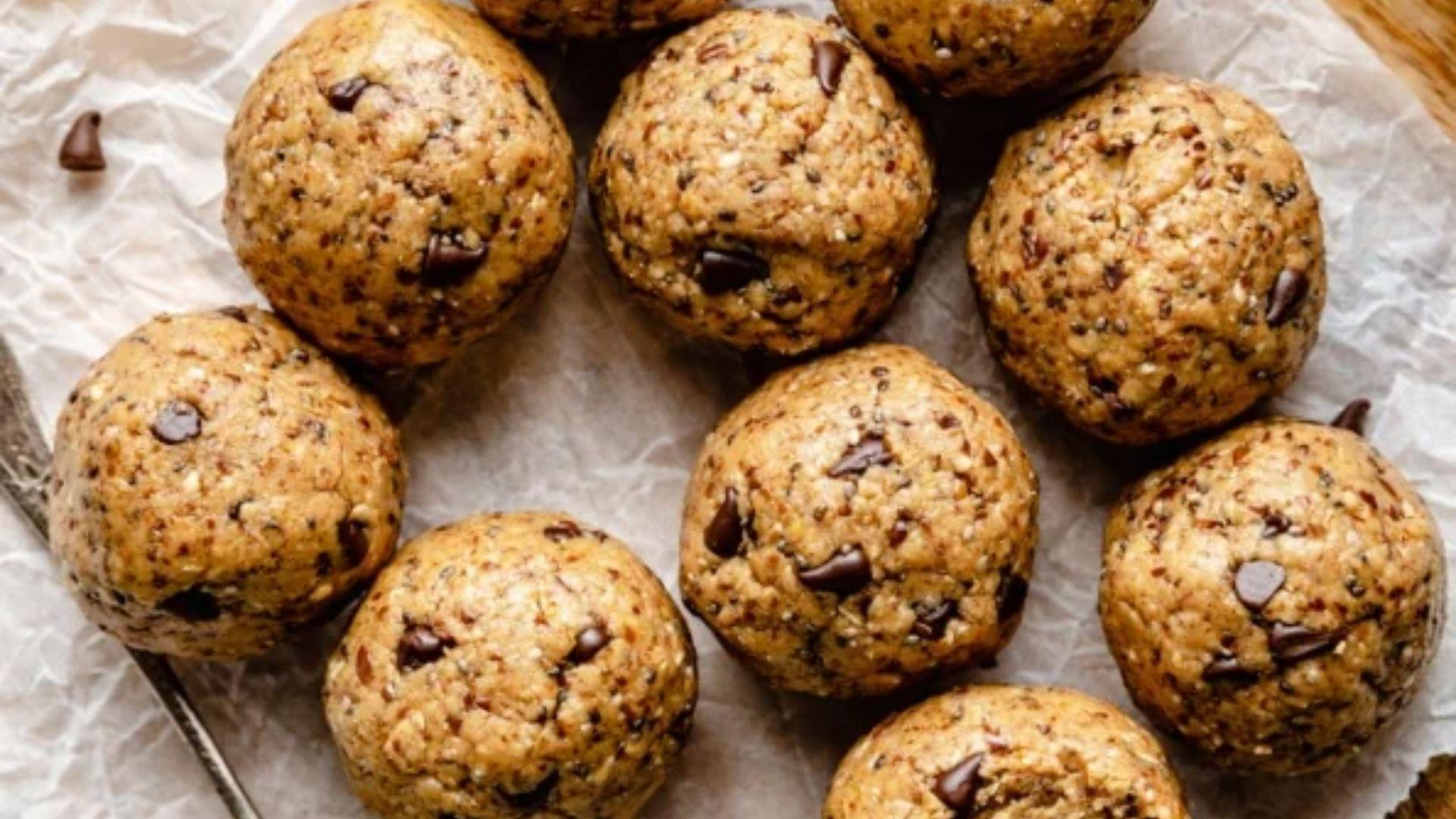
Thin cheese slices or grated cheese (no cubes or chunks for children under four), hard-boiled eggs, plain Greek yogurt, edamame, and turkey roll-ups give kids the protein that nut butters usually supply.
Sunflower seed butter on whole-grain toast is another option, provided the label confirms it was made without nuts.
For more ideas sorted by age, these protein ideas for toddlers are a good place to start.
3. Healthy Crunchy and Savory Snacks
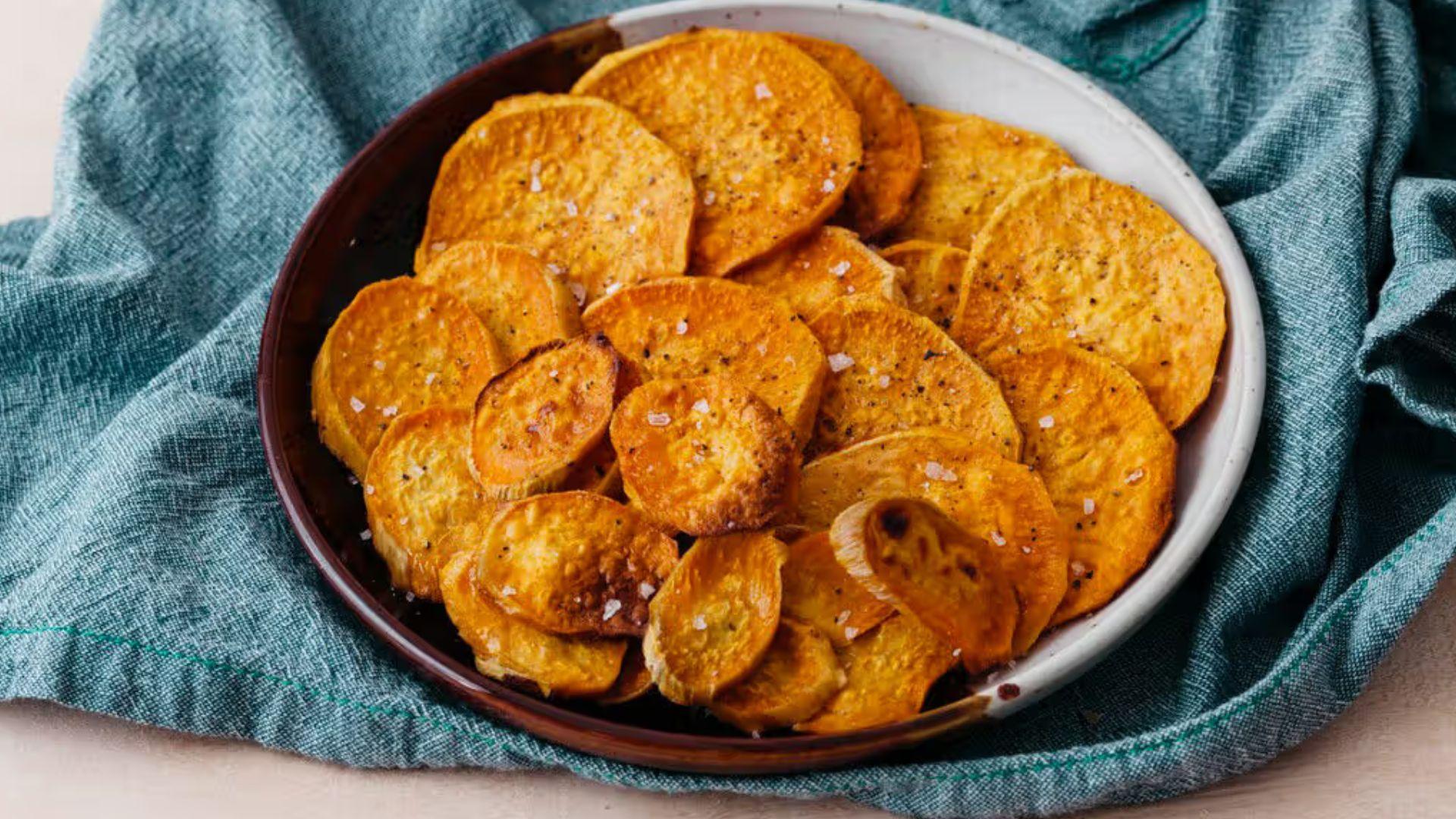
Children who miss the crunch of trail mix often enjoy baked pita chips, seaweed snacks, whole-grain crackers, and roasted chickpeas.
Air-popped popcorn also works for children aged four and older.
Pairing a crunchy food with a creamy one, such as pretzels with cheese or crackers with cream cheese, makes the snack more filling and more satisfying.
4. Nut-Free Snacks for Kids with a Sweet Tooth
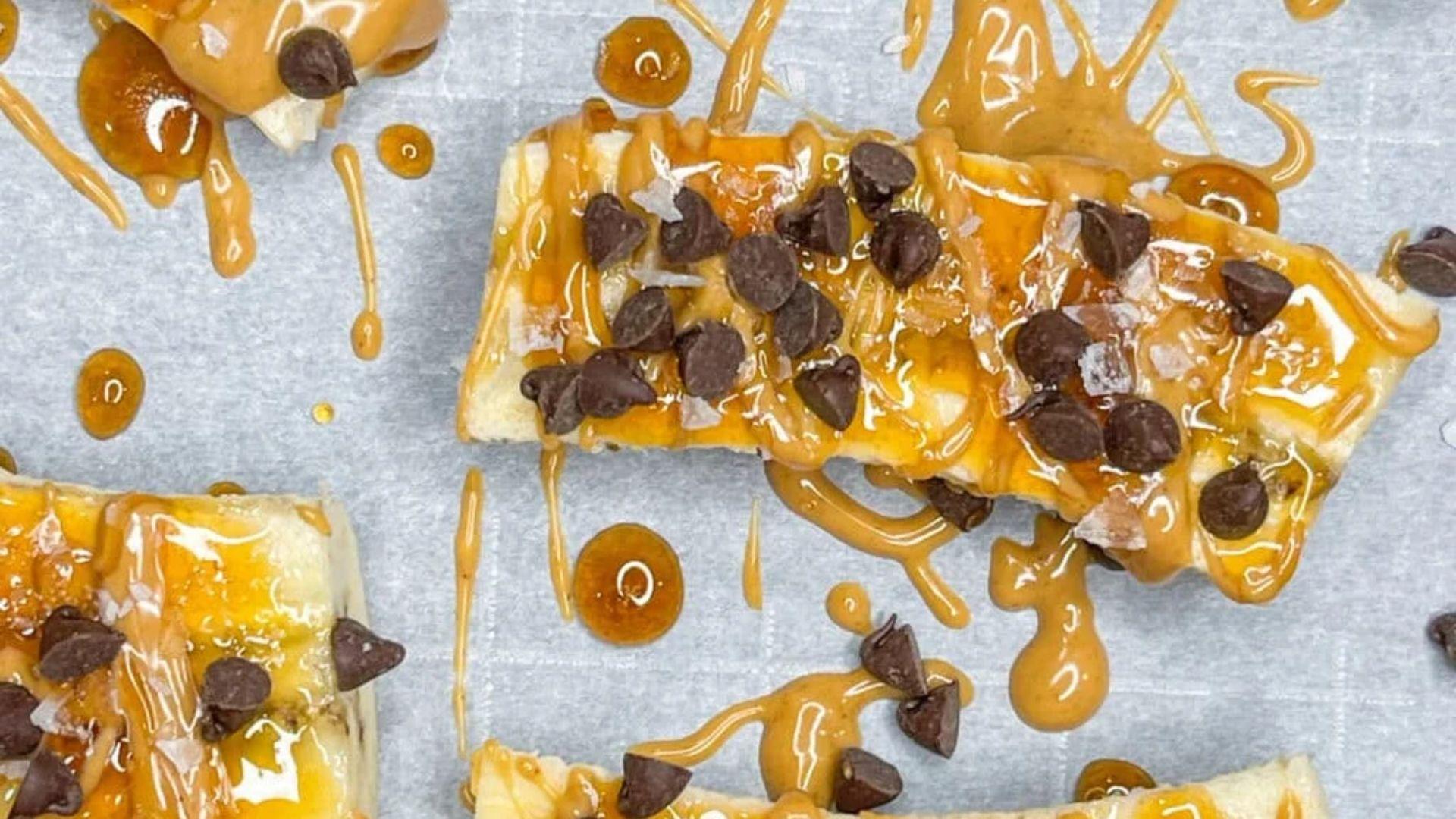
Frozen banana slices, baked cinnamon apples, fruit and yogurt parfaits, and oat cookies sweetened with mashed banana satisfy a sweet tooth without relying on candy.
Chocolate chips can be an occasional treat, but many chocolate products are made on equipment shared with nuts, so choose a brand whose label states it is nut-free.
Easy Homemade Nut Free Snacks for Kids
Each recipe below uses everyday ingredients with no nuts in any of them, and children can help with most of the steps. Still check the labels on oats, chocolate chips, and cheese for nut warnings.
5. Banana Oatmeal Cookies
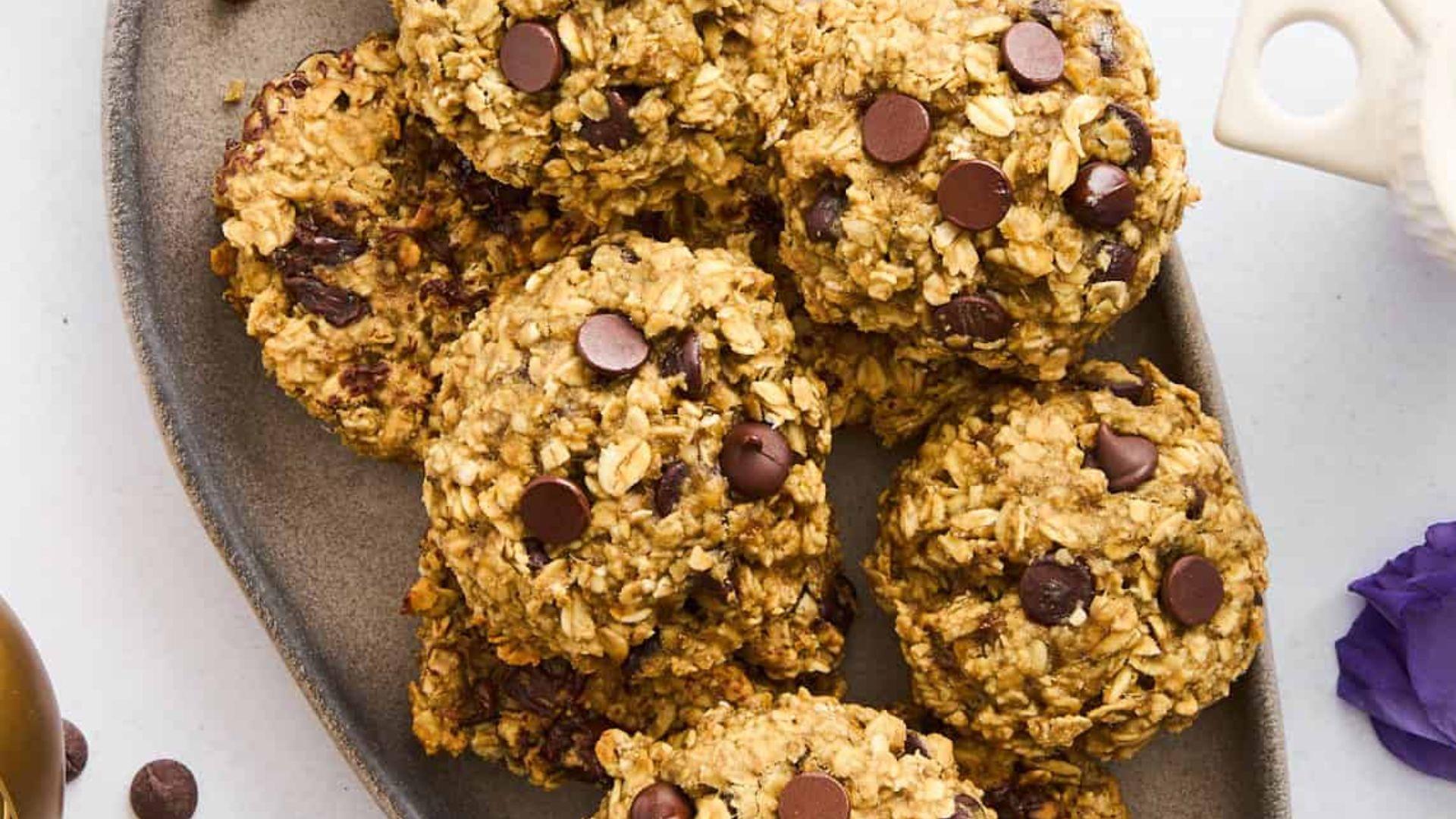
Mash two ripe bananas, stir in one and a half cups of rolled oats, and add a handful of nut-free chocolate chips (or raisins, for children over four)
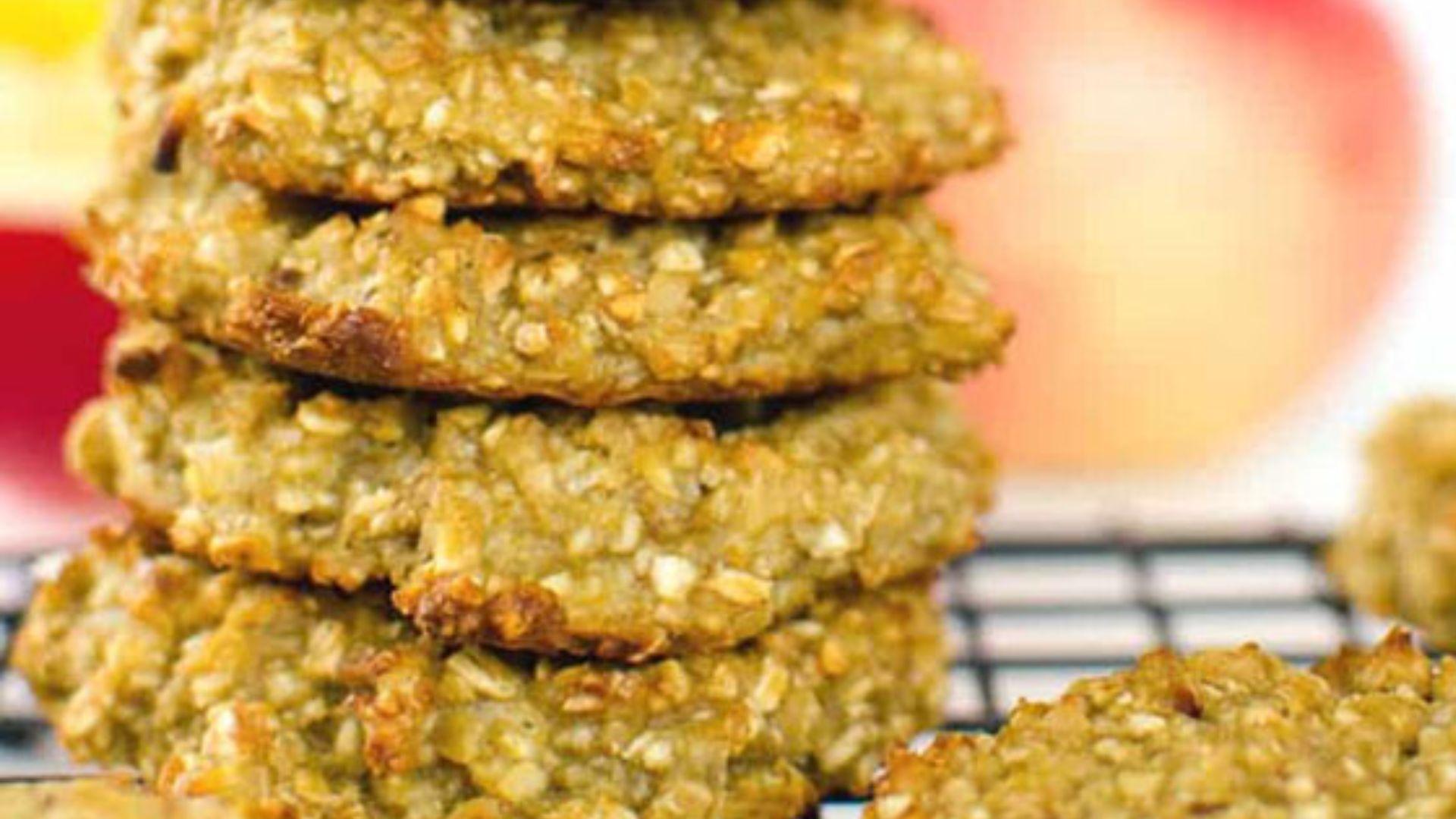
Scoop spoonfuls onto a lined tray and bake at 350°F for 12 to 15 minutes, until the edges are firm. The cookies come out soft and lightly sweet, and kids can help with the mashing.
6. Homemade Cheese Crackers
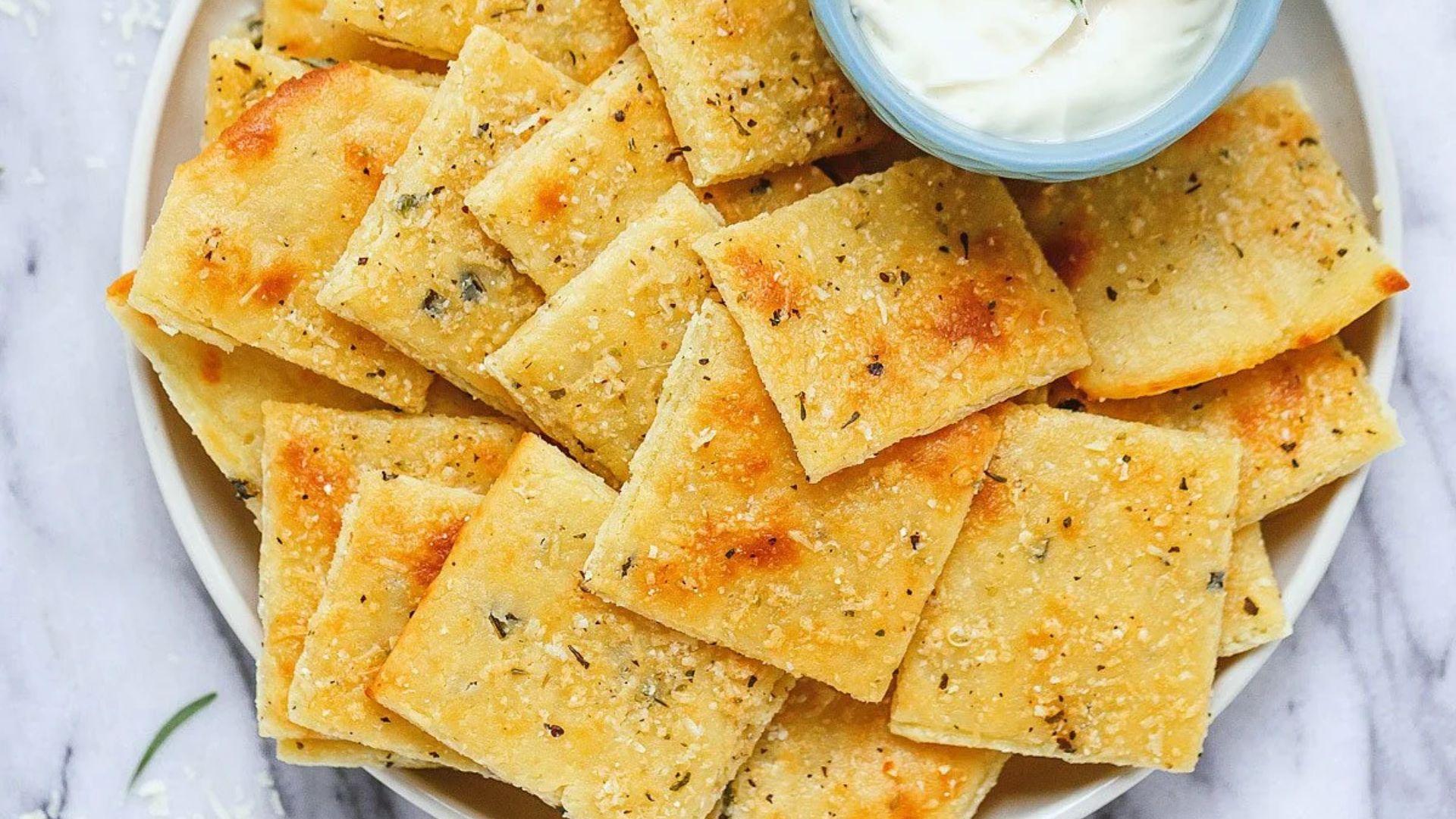
Combine one cup of shredded cheddar, four tablespoons of softened butter, one cup of flour, and a pinch of salt, adding a spoonful of cold water if the dough is crumbly.
Chill it for 30 minutes, roll it thin, cut it into squares, and bake at 350°F for 12 to 15 minutes. Store them in an airtight container.
7. Apple Sandwiches
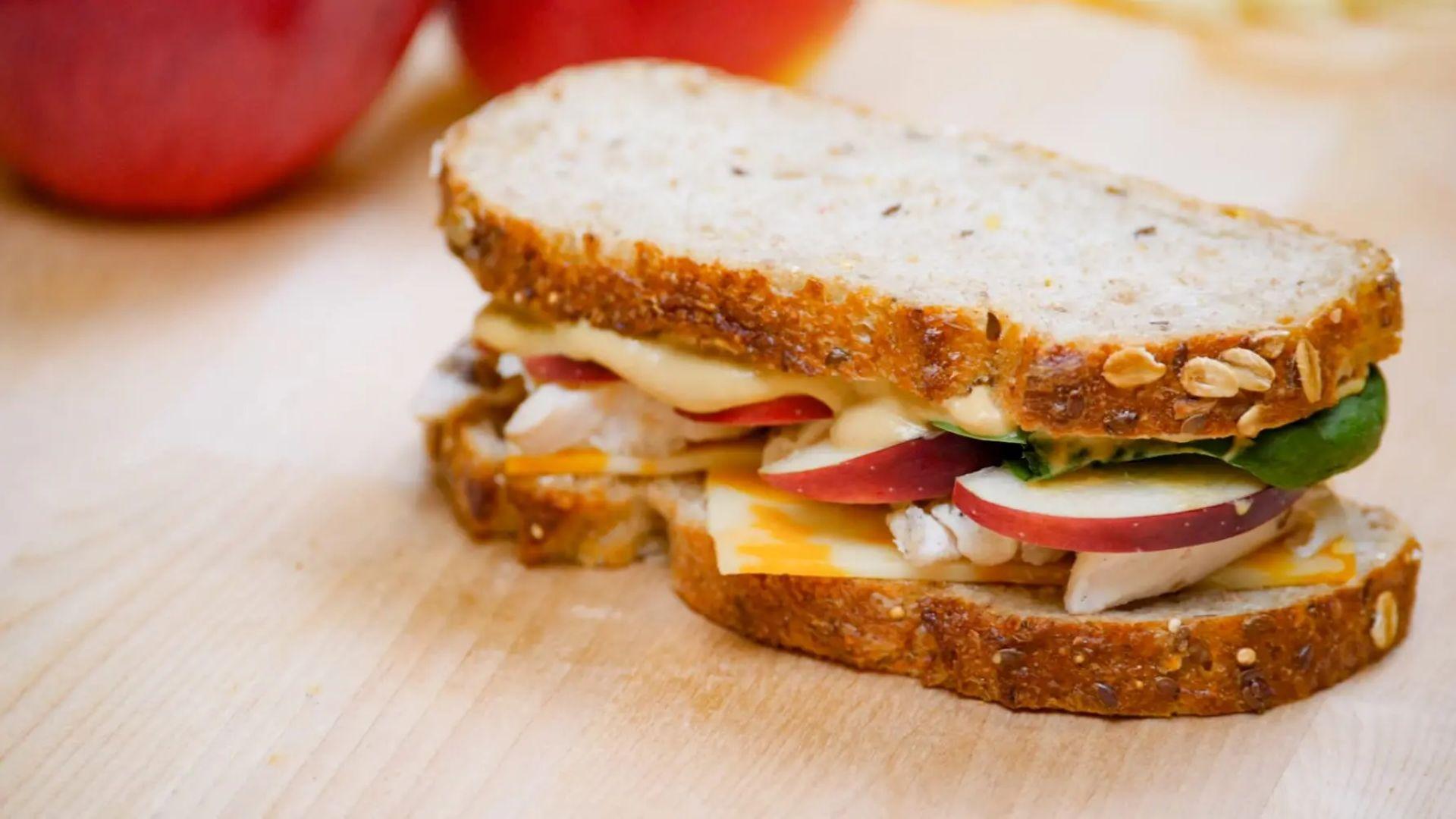
Slice an apple into thin rounds, remove the core with a small cutter, and spread cream cheese or sunflower seed butter on one round before topping it with a second.
Add a few cereal pieces between the layers for texture. For children under four, use very thin slices and leave out raisins and other hard or sticky toppings.
8. Yogurt and Berry Popsicles
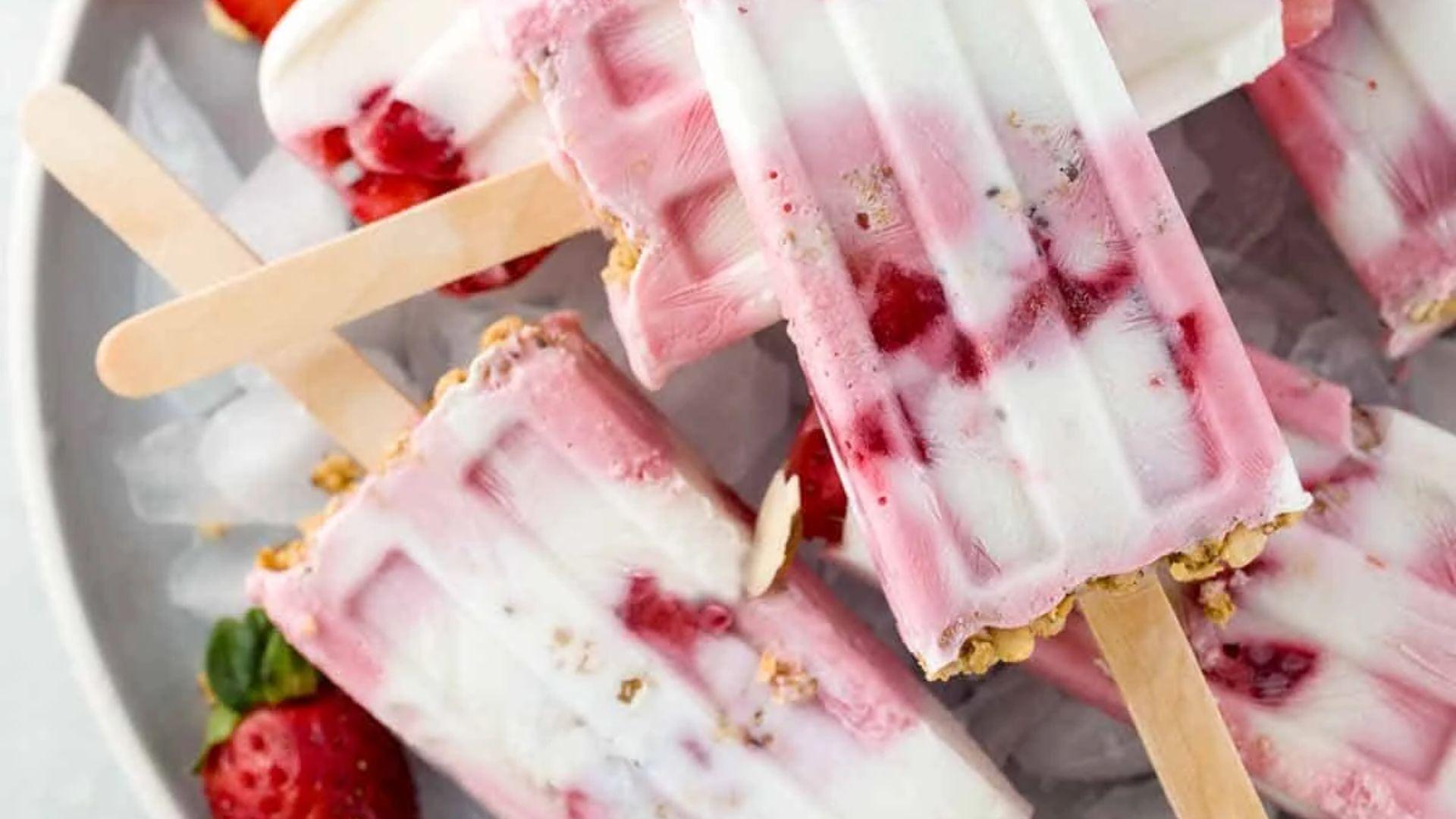
Blend one cup of plain yogurt with one cup of strawberries or blueberries, pour the mixture into popsicle molds, and freeze for at least four hours.
If the berries are tart, blend in half a ripe banana for sweetness. For children over age two, a teaspoon of maple syrup also works.
These pops work well after school or on warm days, and they contain no nuts.
9. Roasted Chickpeas
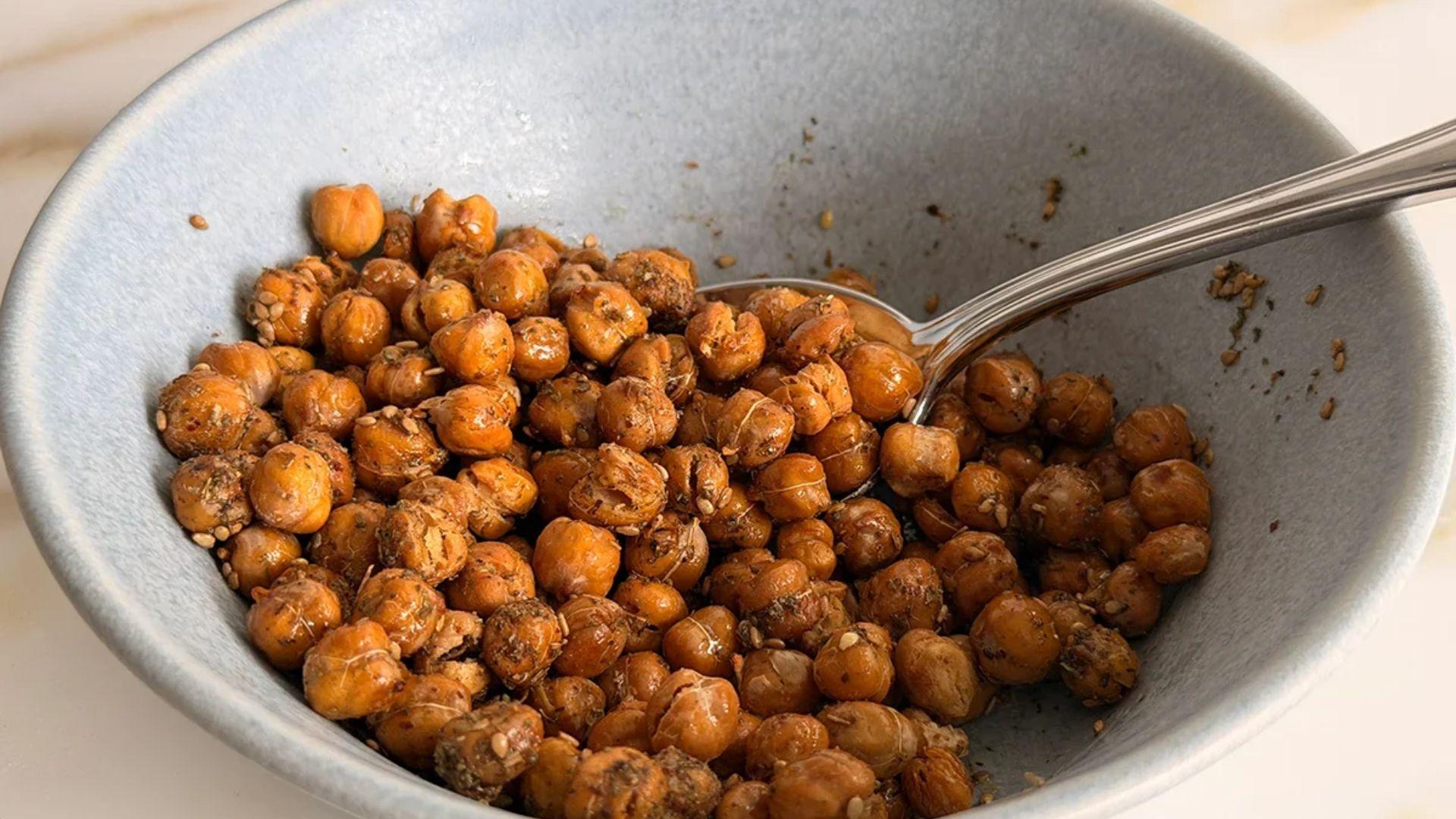
Drain and dry a can of chickpeas, toss them with a teaspoon of olive oil and mild paprika, and roast at 400°F for 25 to 30 minutes until crisp.
Because hard, crunchy foods are a choking risk for children under four, offer them to older kids and give younger ones a smooth baby hummus recipe instead.
10. Mini Vegetable Muffins
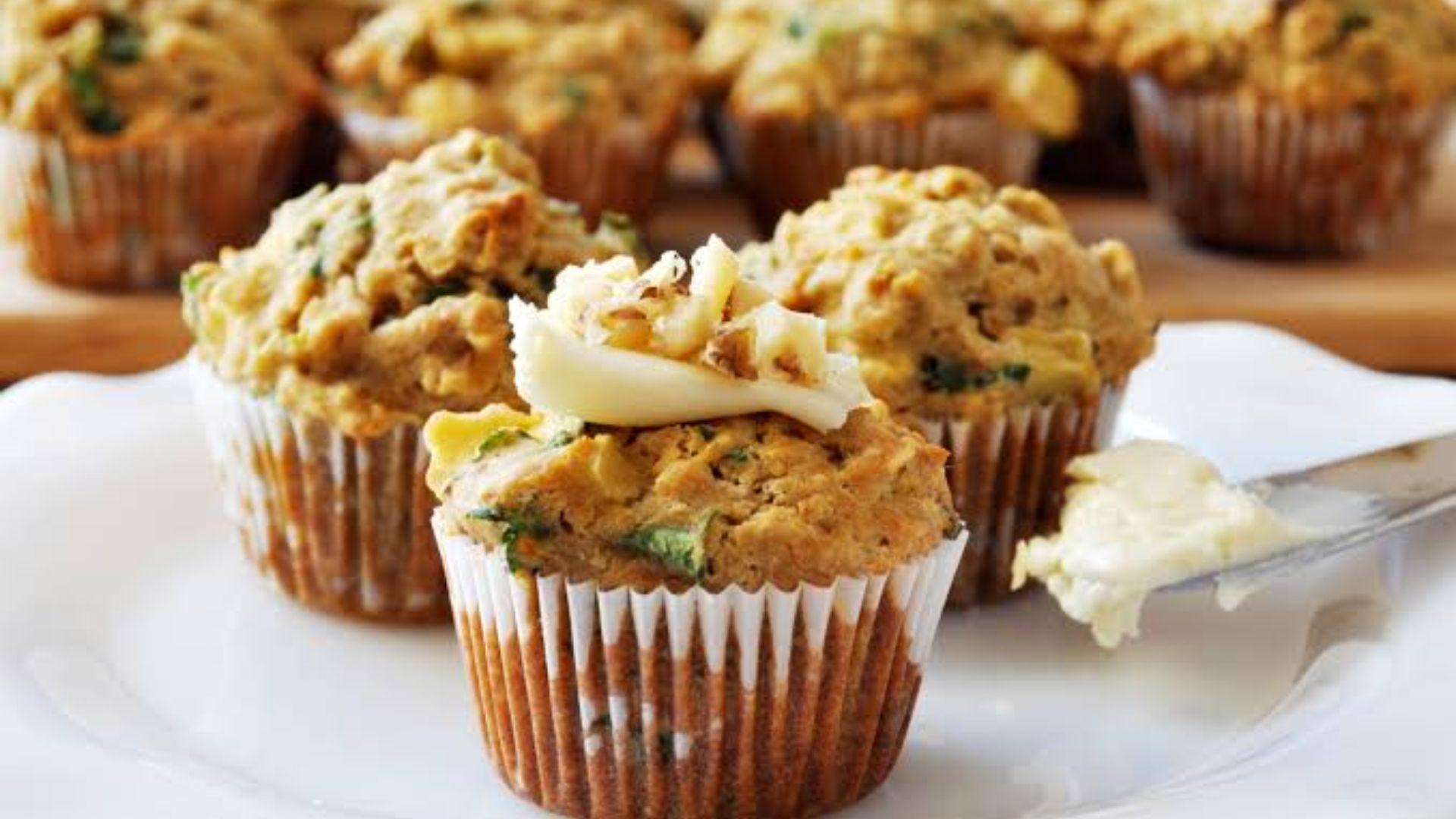
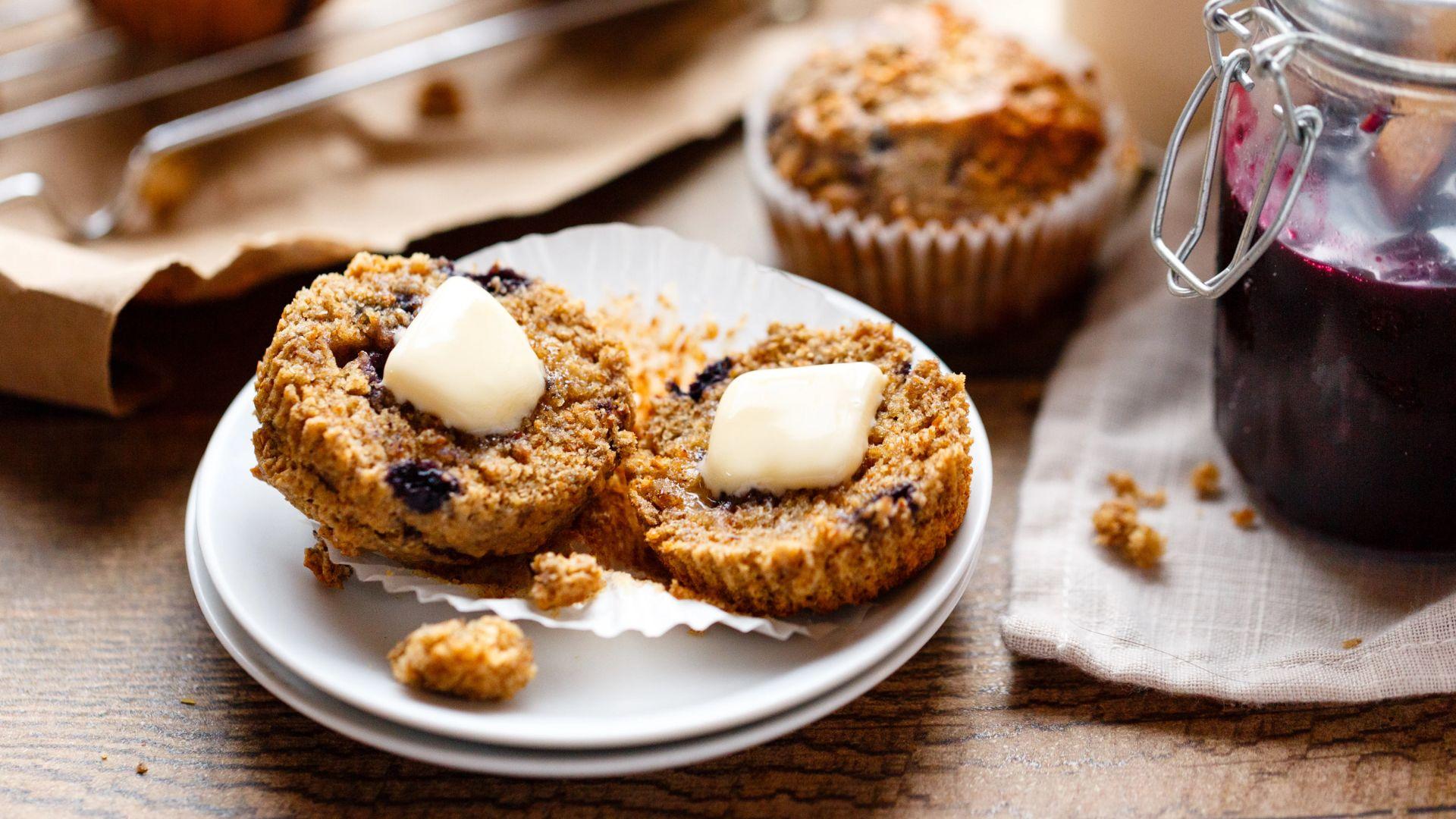
Whisk two eggs with half a cup of milk and two tablespoons of oil, then fold in one cup of flour, one teaspoon of baking powder, one cup of grated zucchini or carrot, and half a cup of shredded cheese.
Fill a lined mini muffin tin and bake at 350°F for 15 to 18 minutes. They freeze well for lunchboxes.
Store-Bought Nut Free Snacks for Kids
Packaged snacks save time on busy days, as long as the label supports a nut-free claim.
11. Nut-Free Granola and Fruit Bars
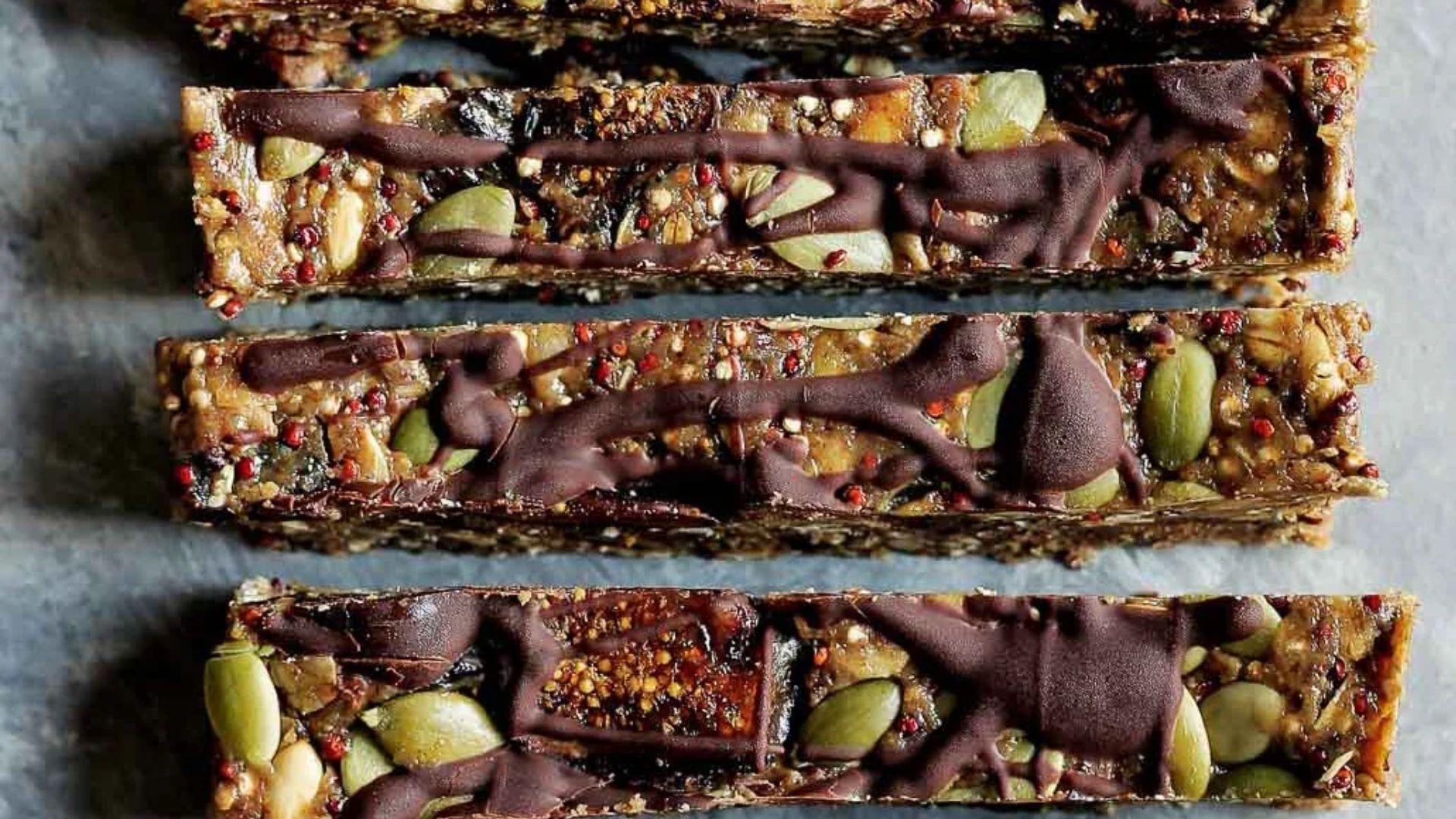
Look for bars labeled free of peanuts and tree nuts, usually made with oats, seeds, and dried fruit, and check whether the package mentions a dedicated nut-free facility.
Soft oat and fruit bars are easier for younger children to chew than crunchy ones. Compare the added sugar per serving, since it varies widely between brands.
12. Crackers and Pretzels
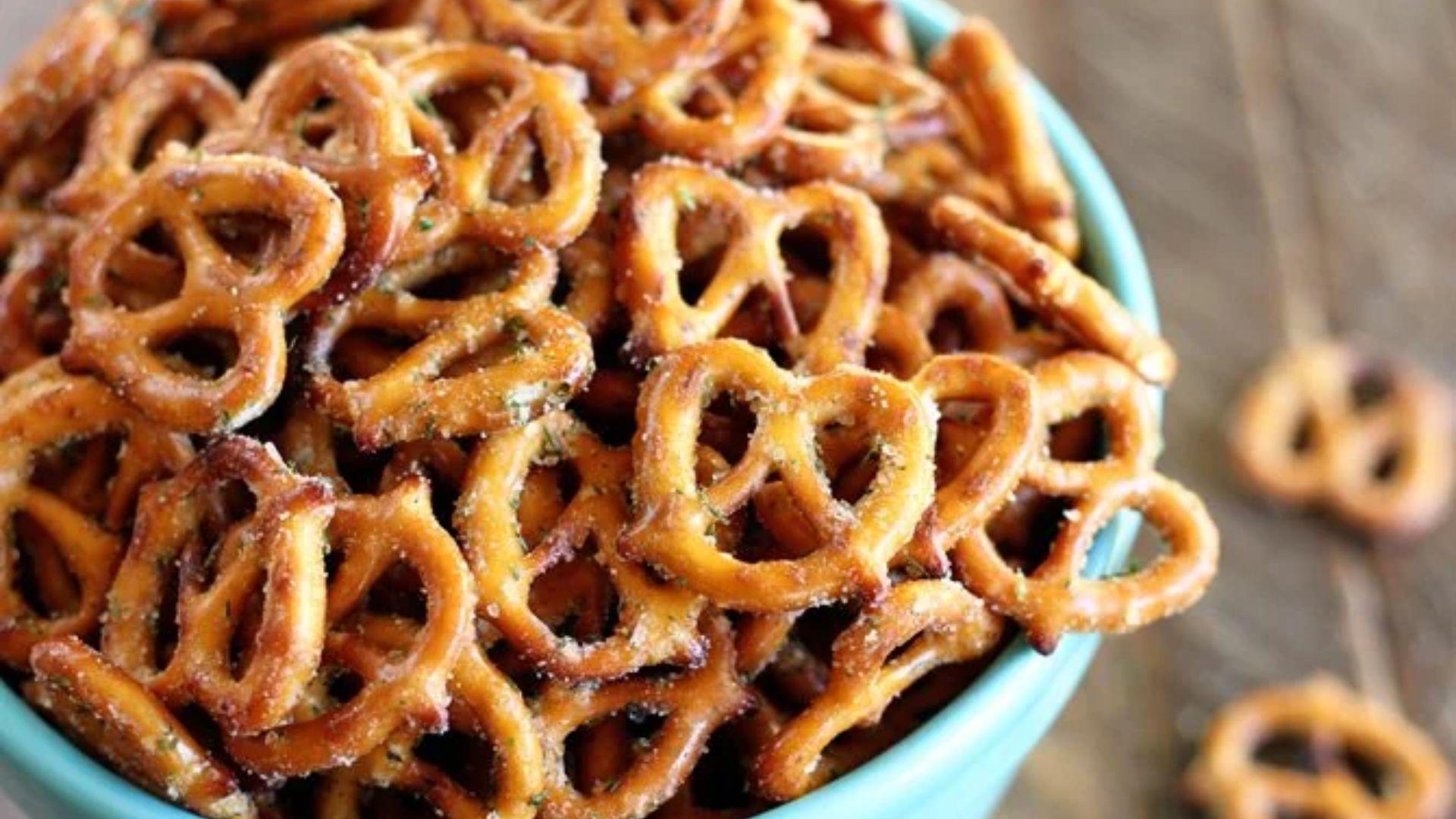
Plain whole-grain crackers, pretzel sticks, rice cakes, and cheese crackers are common nut-free staples, although flavored varieties sometimes add nut-containing seasonings or are made on shared lines.
Pair them with cheese, sliced turkey, or hummus so the snack includes protein as well as carbohydrates. Hard pretzels and crackers can be difficult for toddlers to chew.
13. Applesauce and Fruit Pouches
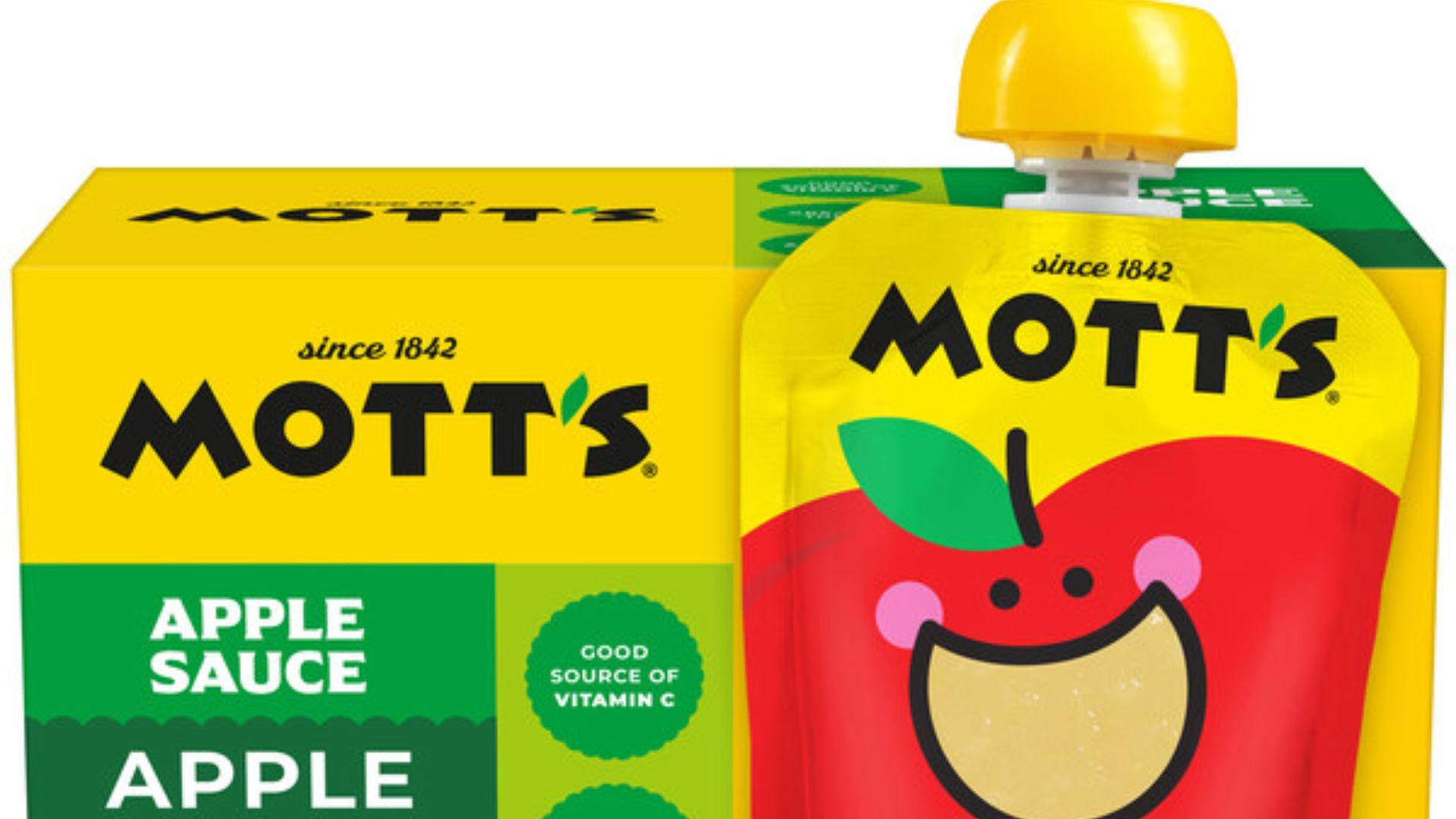
Unsweetened applesauce cups and fruit pouches are easy to pack, rarely contain nuts, and cause little mess in a car seat or a backpack.
Choose options that list only fruit, and read the label for added sugar. Because pouches are eaten quickly, offer them with cheese or whole-grain crackers so the snack lasts longer.
14. Nut-Free Cookies and Snack Packs
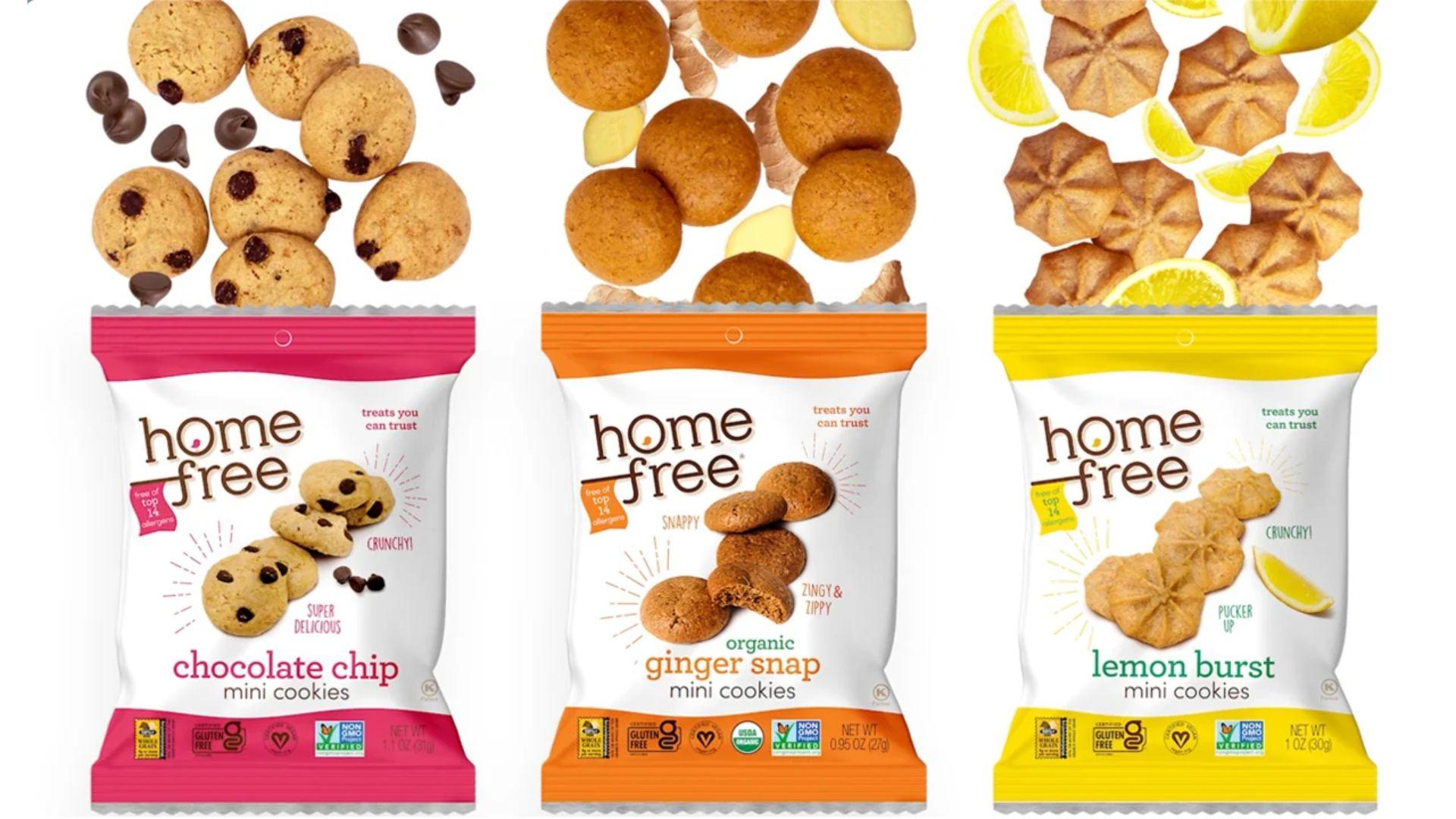
Several cookie brands now make dedicated nut-free lines, and many snack packs combine crackers, cheese, and fruit. These suit parties and occasional treats better than daily snacking.
Check each flavor separately, because a brand's plain cookie may be made without nuts while its seasonal or filled variety is not, even when the packaging looks nearly identical.
15. Packaged Snacks for School Lunchboxes
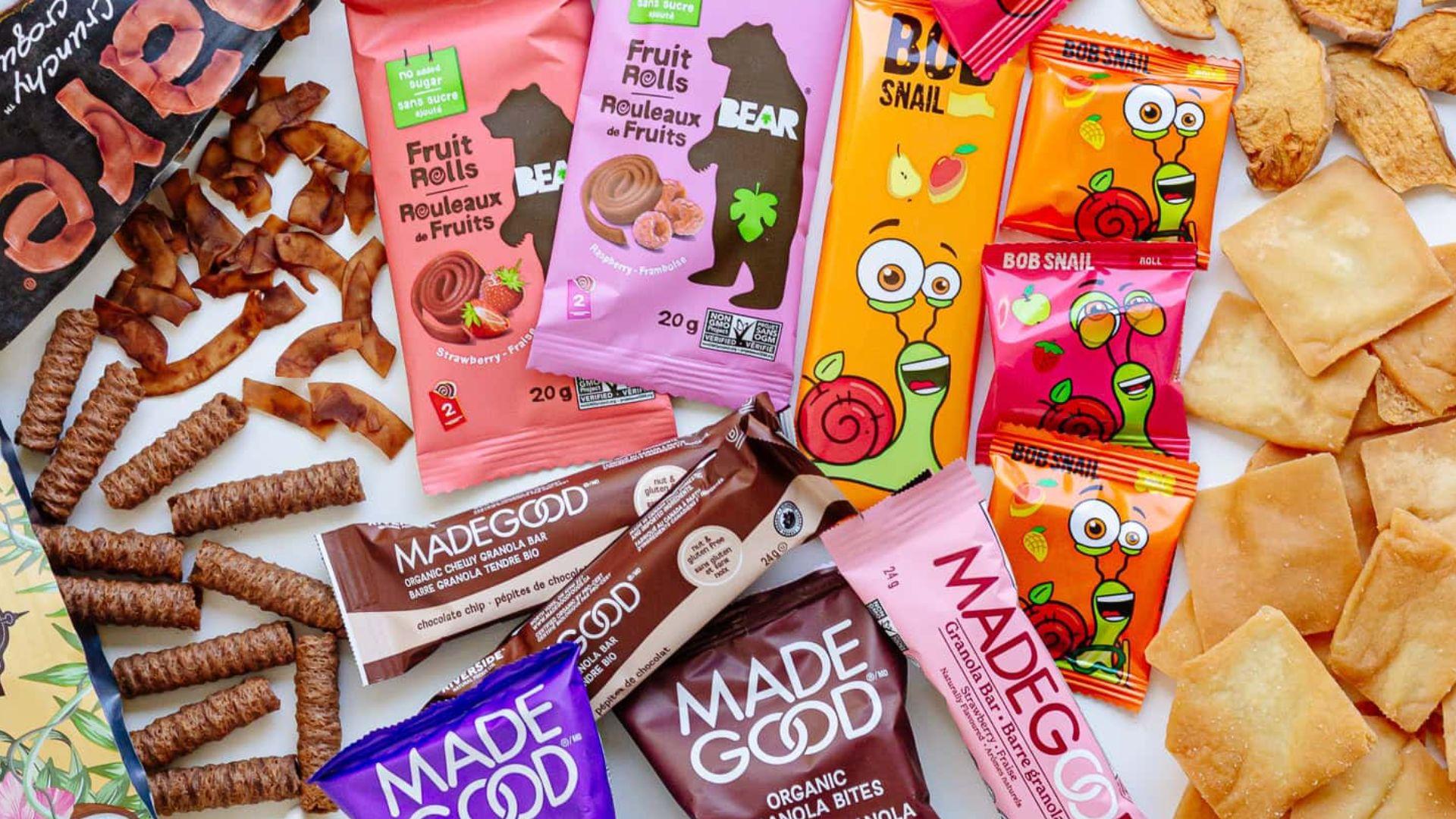
Single-serve packs of cheese sticks, fruit cups, seed-based trail mix, and baked crackers travel well and make school allergy rules easier to follow.
Choose packaging that lists allergens in plain language, and keep the original wrapper handy so a teacher can verify the ingredients. A frozen yogurt tube also works as a small ice pack until snack time.
Nut-Free Snacks for Kids at School
School snacks work best when they are easy to open, easy to verify, and clearly within the school’s rules.
The four points below cover what to pack, how to package it, what to bring for shared events, and how to confirm the policy.
- Choose classroom-friendly snacks: Pick foods that need little cleanup and hold up in a backpack until snack time, such as whole-grain crackers, dry cereal, apple slices, and fruit cups. Cheese sticks and yogurt tubes work too when the lunchbox includes an ice pack.
- Pack individually wrapped items: Each item then carries its own ingredient list and allergen statement, which makes label checking simpler for teachers. Keep the original wrapper in the lunchbox so an adult can double-check the label if a question comes up.
- Plan for parties and school events: Ask the teacher for the room’s allergy list before choosing a snack, and bring sealed, store-bought items with clear labels unless the school allows homemade treats. Fruit trays, cheese and cracker plates, and packaged cookies from a dedicated nut-free brand suit large groups.
- Check the school’s allergy policy: Policies differ from one school to the next, so read the written policy or ask the school nurse before you pack. Find out whether the rule covers only peanuts or all tree nuts, whether products with a “may contain” warning are allowed, and whether seed butters such as sunflower butter are permitted.
How to Make Nut-Free Snacks More Nutritious
Small swaps can turn an ordinary snack into one that carries real nutrition, and the four steps below show how.
- Add protein and fiber. Pair crackers with cheese, apple slices with a yogurt dip, or oat cookies with a glass of milk so the snack lasts longer. Use beans, chickpeas, eggs, and seeds as nut-free sources of one or both.
- Choose whole grains. Check that whole wheat or whole oats is the first ingredient on the label, and bake with whole-wheat flour in place of some of the white flour. Swap in cereals, crackers, and pretzels made with whole grains to add fiber without changing the snack much.
- Include fruits and vegetables. Grate them into muffins, blend them into popsicles, or serve them as dippers with yogurt or hummus. Offer them first, when children are hungriest, since this tends to work better than putting them out after crackers or cookies.
- Limit added sugar and highly processed snacks. Get sweetness from fruit, such as mashed banana or unsweetened applesauce, and check the labels on yogurt, granola, and fruit snacks, where added sugar often hides. Keep candy-style snacks for occasional treats rather than the daily rotation.
Tips for Buying Safe Nut-Free Snacks
A safe snack depends as much on the label as on the ingredients.
- Read every label, every time. Recipes and production facilities can change, so recheck products you have bought before.
- Look for named nuts. U.S. labels must list peanuts and tree nuts, either in the ingredients or in a "Contains" statement, so check both.
- Take "may contain" seriously. These warnings are voluntary, so a missing warning does not guarantee a safe product. When in doubt, leave it out.
- Avoid unwrapped foods. Bulk bins and bakery counters carry a higher cross-contact risk than sealed packages.
- Ask the manufacturer. Email or call to find out whether the snack is made on a dedicated nut-free line.
The Bottom Line
The best nut free snacks for kids are simple whole foods, like fruit, cheese, yogurt, and homemade oat cookies, paired with a quick label check.
I think this matters because a safe snack lets your child eat with friends at school without worry.
Pair fiber with protein, keep sugar low, and check every wrapper, even on products you have bought before. Start by picking two ideas from this list and trying them at home this week.
Then leave a comment below and tell me which one your child liked most. For more ideas, read my guide to protein ideas for toddlers.
Frequently Asked Questions
What snack brands are nut-free?
Enjoy Life, MadeGood, 88 Acres, Partake Foods, and Gerbs make allergy-friendly snacks, often in dedicated allergen-free facilities. Always confirm the label, since recipes and facilities can change.
What candy is safe for kids with nut allergies?
YumEarth, Enjoy Life, and Free2b make candy in dedicated allergen-friendly facilities. Skittles, Starburst, Dum Dums, and Swedish Fish are widely listed as nut-free, but check each pack for “may contain” warnings.
Are Oreos a nut-free snack?
Original and Double Stuf Oreos contain no peanut or tree nut ingredients. Mondelez told SnackSafely they’re made on dedicated nut-free lines, though in facilities that may process nuts. Other flavors can differ, so check each label.