
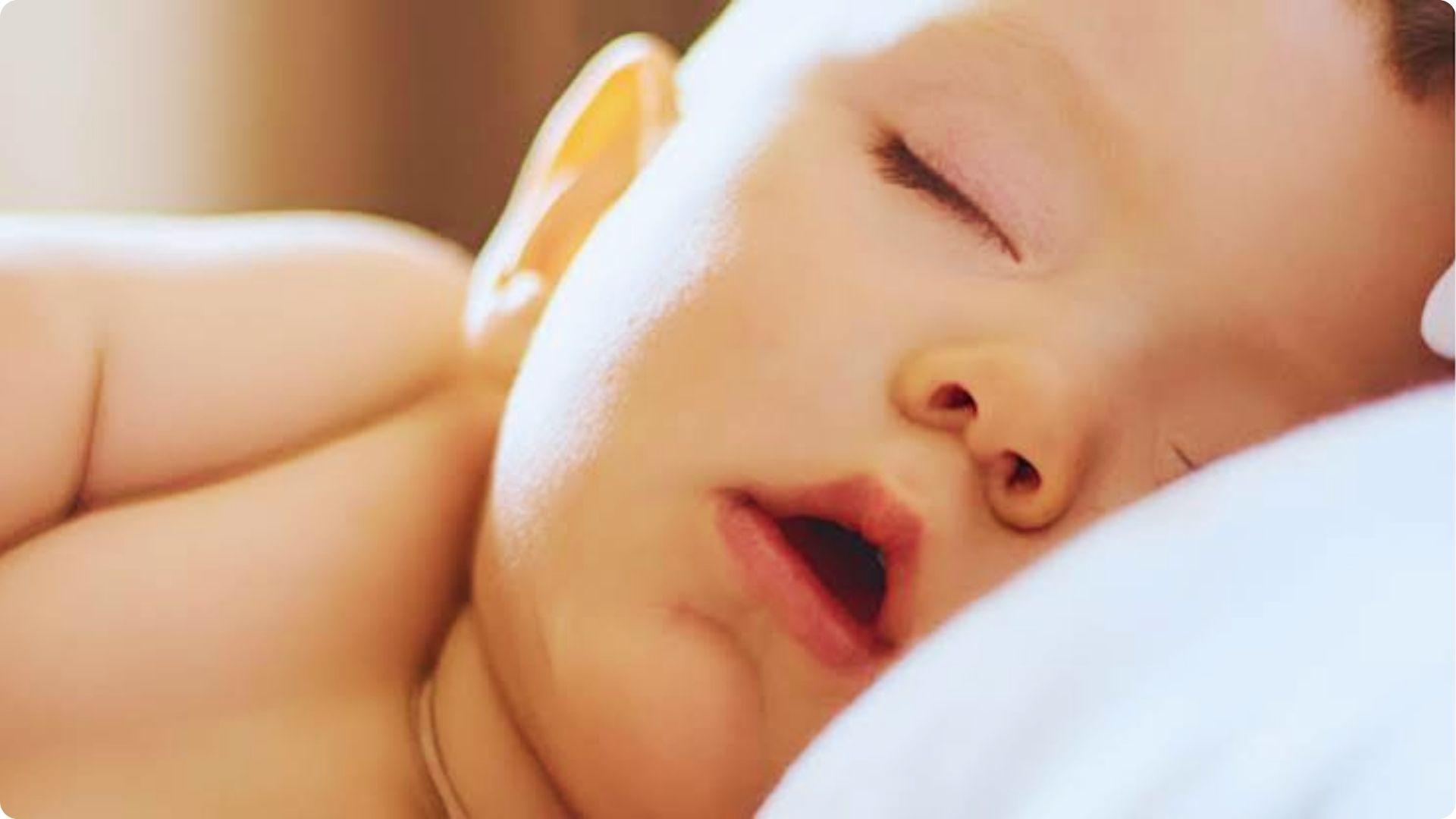
If you've noticed your baby breathing through their mouth, you're not alone in wondering what it means.
Most parents have been there, watching their little one sleep or feed, unsure if what they're seeing is normal.
The truth is, babies are natural nose breathers, but mouth breathing does happen, and it can signal anything from a simple stuffy nose to something worth checking with a doctor.
This guide covers everything you have been looking for:why it happens, when it's okay, and when to act.
As someone who has researched and worked with pediatric health content closely, I want to make sure you leave with clear, reliable answers that actually help.
Can Babies Breathe Through Their Mouth?

Babies can breathe through their mouth, but they don't prefer it. Here's why that matters.
Newborns and young infants are what doctors call obligate nose breathers. That means their bodies are naturally set up to breathe through their nose.
The structure of a baby's airway, specifically the position of the larynx and the tongue, makes nose breathing the default and the safest option, especially during feeding.
However, if the nose gets blocked, most babies will eventually switch to mouth breathing as a backup.
The body uses mouth breathing as an adaptation to maintain oxygen intake when the upper airway is restricted. It is not their first choice, but it is something their body can do when it needs to.
So yes, babies can breathe through their mouths. But if you are seeing it happen often, it is worth paying attention to why.
Can Newborns Breathe Through Their Mouth?

Newborns rely almost entirely on their nose to breathe, especially in the first few months of life.
In the early weeks, a newborn's anatomy makes it very hard for them to coordinate mouth breathing and feeding at the same time.
If their nose gets blocked, even a little, it can cause real distress. You might notice them pulling off the breast or bottle frequently, fussing during feeds, or sounding stuffy and congested.
Newborns do have the ability to mouth breathe in emergencies, but it does not come naturally.
Their reflex to open the mouth and breathe kicks in when the nose is fully blocked and breathing becomes urgent.
This is why keeping a newborn's nose clear is so important, especially during cold and flu season.
It is also worth knowing that breastfeeding supports nose breathing by encouraging the jaw to widen and the tongue muscles to engage properly, which helps keep the airway more open.
When Do Babies Start Mouth Breathing More Easily?

Around three to four months of age, most babies start to develop better control over their breathing.
By six months, many babies have begun to tolerate mouth breathing more easily when needed.
This also coincides with a shift in their anatomy as the larynx moves lower, making mouth breathing more possible.
As babies become toddlers, mouth breathing becomes easier and more common.
But habitual mouth breathing in older babies and toddlers, especially during rest, is still something worth discussing with a pediatrician if it becomes a regular pattern.
Can Babies Breathe Through Their Mouth While Sleeping?

Many parents notice their baby breathing through their mouth during sleep, and it is completely understandable to feel worried when you see it.
When muscles relax during sleep, the nasal airway can narrow, and the mouth naturally falls open to keep air moving.
Sometimes it is simply the sleep position or a relaxed jaw with no underlying issue at all.
However, if your baby is snoring loudly, taking noticeable pauses between breaths, waking frequently, or seeming tired during the day, that is worth a closer look.
Persistent mouth breathing during sleep that is not connected to a cold or congestion should be evaluated by a doctor, especially when feeding problems are also present.
Why Is My Baby Breathing Through Their Mouth?
Several things can cause a baby to breathe through their mouth, ranging from minor to more serious.
Stuffy or Blocked Nose
The most common reason is simple congestion. Dry air, dust, or irritants in the environment can cause the nasal passages to swell or fill with mucus.
When the nose feels blocked, babies will shift to mouth breathing because they have no other option.
Colds and Respiratory Infections
Respiratory infections are a very common trigger for mouth breathing in babies.
When a baby has a cold, their nasal passages produce excess mucus, making it hard to breathe through the nose. This usually resolves within a week to ten days as the illness clears.
Allergies and Airway Irritants
Allergens like pet dander, pollen, mold, or cigarette smoke can irritate a baby's nasal lining and cause chronic congestion.
If your baby seems constantly congested without being sick, allergies or environmental irritants could be contributing.
Enlarged Adenoids and Other Airway Problems
In some cases, structural issues like enlarged adenoids or enlarged tonsils can block the nasal airway and force a baby to breathe through their mouth.
Adenoids are small glands at the back of the nose, and when they swell, they can make nose breathing very difficult.
A deviated septum, which is when the cartilage separating the nostrils sits out of position, can also restrict airflow and cause persistent mouth breathing.
A condition called tongue-tie, where the tissue under the tongue is too tight, can also interfere with proper feeding and airway development over time.
These structural issues typically need medical evaluation and sometimes treatment.
Can Babies Breathe Through Their Mouth With a Stuffy Nose?
Yes, babies can breathe through their mouth when their nose is blocked, but it does not come easily, especially for very young infants.
When congestion strikes, a baby may switch to mouth breathing out of necessity. But because this is not their natural pattern, it can make them uncomfortable, fussy, and tired.
It also makes feeding harder since they cannot breathe through their nose while nursing or taking a bottle.
Helping to clear your baby's nose with saline drops or a nasal aspirator can make a big difference. Once the nose is clear, most babies will return to normal nose breathing on their own.
Nose Breathing vs. Mouth Breathing in Babies
Understanding the difference helps parents know what to watch for and why it matters.
Why Babies Usually Prefer Nose Breathing
The nose does a lot more than just move air in and out. It filters particles and allergens, warms and humidifies incoming air, and produces nitric oxide, which helps open up airways and supports healthy lung function.
Nose breathing also keeps the tongue resting against the roof of the mouth, which supports proper jaw and palate development over time.
Babies are wired for nose breathing because their anatomy supports it and because it is the healthier option in the early months of life.
How Mouth Breathing Differs From Nose Breathing
Mouth breathing bypasses all the natural filtering and warming that the nose provides. Air that comes in through the mouth is drier, cooler, and carries more particles directly into the throat and lungs.
Over time, consistent mouth breathing can affect dental development, sleep quality, and even facial structure in growing children.
When the mouth stays open regularly, the tongue sits lower instead of resting against the palate.
This can cause the upper jaw to develop in a narrower shape, leading to crowded teeth and bite issues over time.
Mouth breathing also reduces saliva flow, which raises the risk of dry mouth and early tooth decay.
For babies, the short-term concern is more about comfort and feeding. Long-term effects are more relevant as they grow into toddlers and older children.
How Can You Tell if Your Baby Is Having Trouble Breathing?
Knowing the difference between normal baby breathing and something that needs attention is one of the most important things a parent can learn.
Normal Baby Breathing Patterns
Normal newborn breathing can sound irregular. Babies often breathe in short bursts, pause briefly, then breathe again.
This is called periodic breathing and is usually harmless. They may also make small grunting or snuffling sounds, which are normal as their airways adjust.
A typical healthy breathing rate for a baby is between 30 and 60 breaths per minute when resting.
Signs of Breathing Difficulty
Watch for these signs that may suggest your baby is working harder than usual to breathe:
- Nostrils flaring with each breath
- Skin pulling in around the neck, ribs, or below the chest with each inhale
- Breathing that is consistently faster than 60 breaths per minute
- A bluish tint around the lips or fingertips
- Grunting with each breath (outside of normal newborn sounds)
- Persistent coughing or wheezing
Signs That Need Emergency Care
Call emergency services immediately if your baby:
- Stops breathing for more than 10 seconds
- Has severe difficulty breathing
- Turns blue around the lips or face
- Is limp and unresponsive
- Cannot cry or make sound
Do not wait to see if things improve on their own in these situations.
Can Mouth Breathing Affect Baby Feeding and Sleep?

Yes, mouth breathing can directly affect how well your baby feeds and sleeps, and congestion is usually the reason behind it.
When the nose is blocked, babies cannot breathe through it while latched onto the breast or bottle, so they keep pulling off to catch their breath, which makes feeds longer, gassy, and frustrating for both of you.
Sleep takes a hit too, since babies who cannot breathe through their nose tend to wake more often and sleep in shorter stretches, which affects their mood, growth, and overall development.
If your baby is pulling off feeds frequently, gulping air, or waking without a clear reason, bring it up with your doctor.
How to Help a Baby Who Is Breathing Through Their Mouth
There are several practical steps you can take at home to help your baby breathe more comfortably.
Help Clear a Stuffy Nose
Saline nasal drops are safe for babies and can help loosen mucus in the nose. A few drops in each nostril, followed by gentle suctioning with a bulb syringe or nasal aspirator, can make a noticeable difference.
Running a cool-mist humidifier in your baby's room also helps keep the air moist and reduces dryness that can worsen congestion.
Reduce Smoke, Dust, and Other Irritants
Keep your baby's environment as clean and smoke-free as possible.
Avoid using strong-scented products like air fresheners, cleaning sprays, or perfumes near your baby. Wash bedding regularly to reduce dust mites.
If you have pets, keep them out of the baby's sleeping area.
Make Feeding More Comfortable
If congestion is affecting feeds, try using saline drops before feeding time to clear the nose.
Feeding in a slightly more upright position can also help. Taking short breaks during feeds gives your baby a chance to breathe before continuing.
Avoid Unsafe Remedies
Never use over-the-counter decongestants or cold medicines on babies unless your doctor specifically recommends them.
These medications are not safe for infants and can cause serious side effects. Stick to saline, humidity, and gentle suctioning as your go-to tools.
When Should You Call a Doctor About Baby Mouth Breathing?
Not all mouth breathing needs a doctor's visit, but some situations definitely do.
Frequent or Persistent Mouth Breathing
If your baby seems to be breathing through their mouth most of the time, even when they do not have a cold, this is worth discussing with your pediatrician.
Persistent mouth breathing without an obvious cause may point to a structural issue or chronic condition.
Snoring or Noisy Breathing
Occasional snuffling is normal, but regular loud snoring or consistently noisy breathing during sleep is not. These sounds can be a sign of airway obstruction and should be evaluated.
Mouth Breathing With Feeding Problems
If your baby is having ongoing trouble feeding because they cannot breathe through their nose, your doctor can help identify the cause and suggest solutions.
Other Symptoms to Watch For
Call your doctor if mouth breathing comes with any of the following:
- Fever or signs of infection
- Breathing faster than normal at rest
- Persistent coughing or wheezing
- Poor weight gain or reduced feeding
- Any signs of breathing difficulty as described earlier
Does Mouth Breathing in Babies Cause Problems?

Occasional mouth breathing, like during a cold, is unlikely to cause any lasting harm as long as your baby returns to nose breathing once they recover.
The real concern starts when mouth breathing becomes a consistent pattern, because at that point it is usually a sign of something else going on.
The cause could be allergies, enlarged adenoids, enlarged tonsils, or a structural issue like a deviated septum.
Each of these causes needs its own approach, which is why identifying the root issue matters more than focusing on the mouth breathing alone.
If your baby is routinely mouth breathing, snoring, sleeping poorly, or seems chronically congested, see your pediatrician and ask about a referral to a pediatric ENT.
Conclusion
Babies can breathe through their mouth, but it is not something they are built to do by default.
Most of the time, mouth breathing in babies is linked to congestion, illness, or environmental irritants, all of which can be managed at home with simple steps.
That said, if it keeps happening without a clear reason or comes with other symptoms, talking to your doctor is always the right call. You know your baby best.
Trust that instinct. If this guide helped you, share it with another parent who might need it, leave a comment below with your question, or read our related articles on newborn breathing and infant sleep.
Frequently Asked Questions
Can babies breathe through their mouths while crying?
Yes. Babies naturally breathe through their mouth when crying. This is normal and not a cause for concern in healthy infants.
Is it safe to use a pacifier if my baby is mouth breathing?
A pacifier may encourage mouth breathing further. Check with your doctor before using one regularly if your baby already has breathing concerns.
Can mouth breathing affect my baby's teeth later on?
Long-term mouth breathing in older children can affect dental development, but this is less of a concern in early infancy.
Does mouth breathing mean my baby has sleep apnea?
Not necessarily. Mouth breathing is common with congestion. Sleep apnea involves repeated pauses in breathing and needs medical diagnosis.
At what age should a child stop mouth breathing?
By toddlerhood, most children should primarily breathe through their nose. Regular mouth breathing beyond age two warrants a pediatric evaluation.