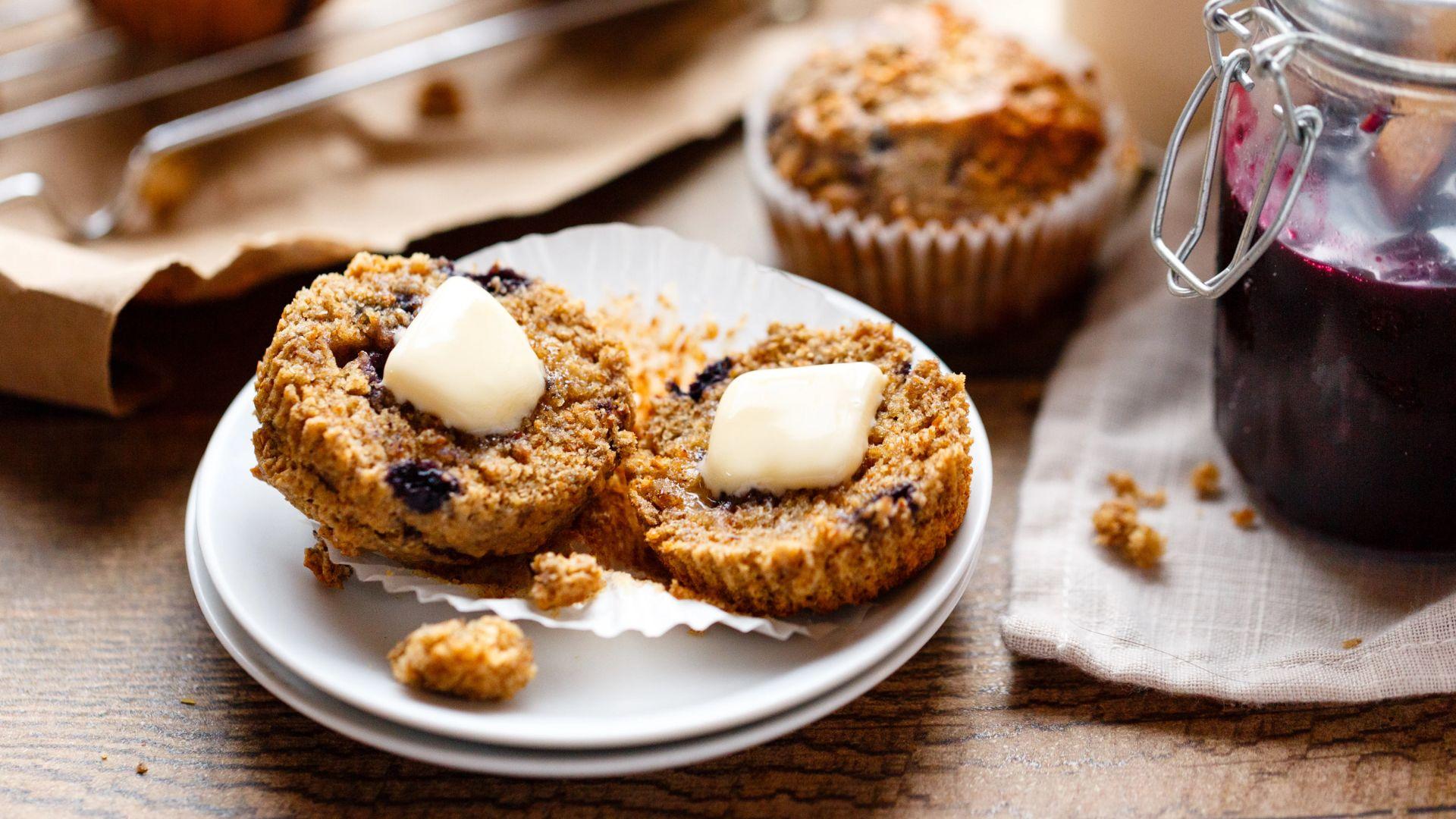



You’re twenty minutes into the drive, the playlist is going strong, and then you hear it from the back seat: “I’m hungry.”
Seconds later come the questions every parent knows. Is there anything healthy in the bag? Will it turn into crumbs, sticky fingers, or a mess in the car seat?
Road trips make snacking tricky, because kids need food they can eat without help, and you can’t turn around to check on them.
That’s why we’ve gathered 20 healthy road trip snacks for kids, sorted into easy-to-pack groups: crunchy no-cooler picks, fruit options, and cooler staples with protein.
You’ll also get tips on packing, keeping food at a safe temperature, and choosing snacks that suit your child’s age, since some foods can be a choking risk for little ones.
Ready to fill the snack bag? Let’s start with what makes a road trip snack both healthy and low-mess.
What Are the Best Road Trip Snacks for Kids?
The best road trip snacks for kids are low-mess foods that are simple to grab, like pretzels, veggie straws, dried fruit, and rice cakes, plus cooler staples such as string cheese, yogurt tubes, and hard-boiled eggs.
For healthier snacking, pair a protein with a fiber-rich fruit or grain and pack everything in a divided box.
The snacks below fall into three groups. No-cooler snacks stay fine in a bag on the seat, cooler snacks supply the protein and need ice packs, and make-ahead snacks such as peeled eggs and veggie cups are prepared at home the night before.
Tips on age, packing, and trip length come later in the guide.
What Makes a Road Trip Snack Healthy and Low-Mess?
A healthy road trip snack gives a child protein and fiber together, because the pair keeps hunger away longer than sugar alone.
Look for labels with little added sugar and lower sodium, and choose whole grains or whole fruit over candy-like fruit snacks.
Low-mess comes down to texture and packaging, so dry, firm foods that do not crumble or stick to fingers work best, while anything juicy or soft belongs in a pouch, tube, or lidded cup.
Because the driver cannot watch the back seat, pick foods a child can eat without help, and cut or soften them to suit the child’s age, since hard or round pieces can be a choking risk for toddlers.
Crunchy No-Cooler Snacks
These five snacks are shelf-stable and dry, so they can ride in a bag on the seat without any ice.
The main trade-off is crumbs, which is why the best picks are firm, small, and easy to hold with one hand. Pair each one with a protein or a piece of fruit, and check the sodium on the label.
1. Pretzels

Pretzels leave a few crumbs and fit easily in a small hand, which makes them one of the tidiest options for the back seat.
Choose low-sodium or whole-grain versions, since regular pretzels can be salty, and pair them with a cheese stick so the snack includes protein as well as carbohydrates.
Pretzel rods and mini twists both work, though the thicker rods hold up better when jostled in a bag.
For children under four, cut the cheese stick into thin strips instead of handing over the whole stick, since firm foods can block a young child’s airway.
Hard pretzels are also on the CDC’s list of snacks to avoid for young children, so save this one for kids over four
2. Veggie Straws
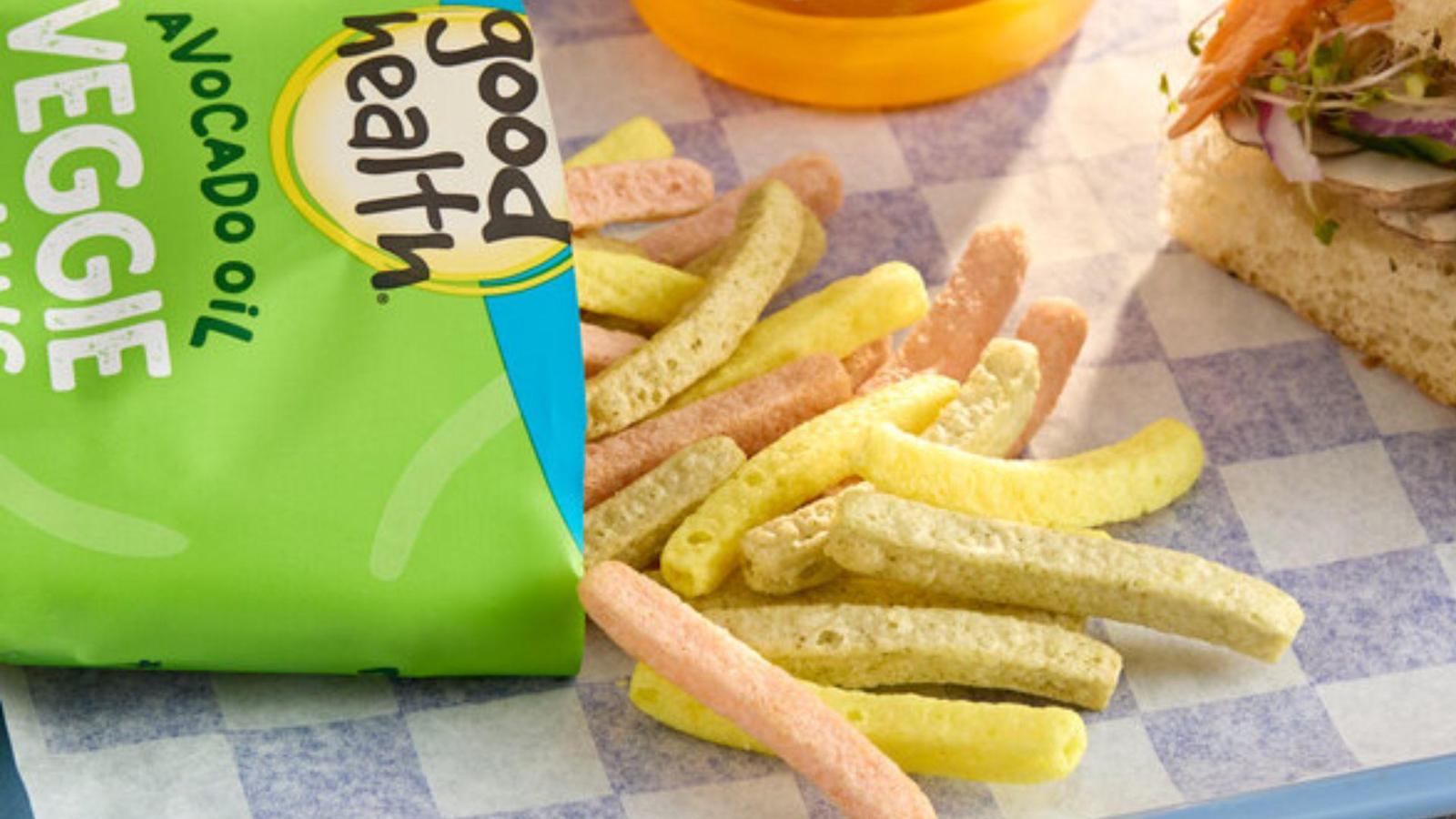
Veggie straws are light and crunchy, but they are usually made mostly from potato starch or flour with a small amount of vegetable powder, so they do not count as a serving of vegetables.
Treat them as a fun filler that gets a picky eater munching, and pair them with hummus or a cheese stick to add protein. Check the label for sodium, which varies by brand.
3. Mini Rice Cakes
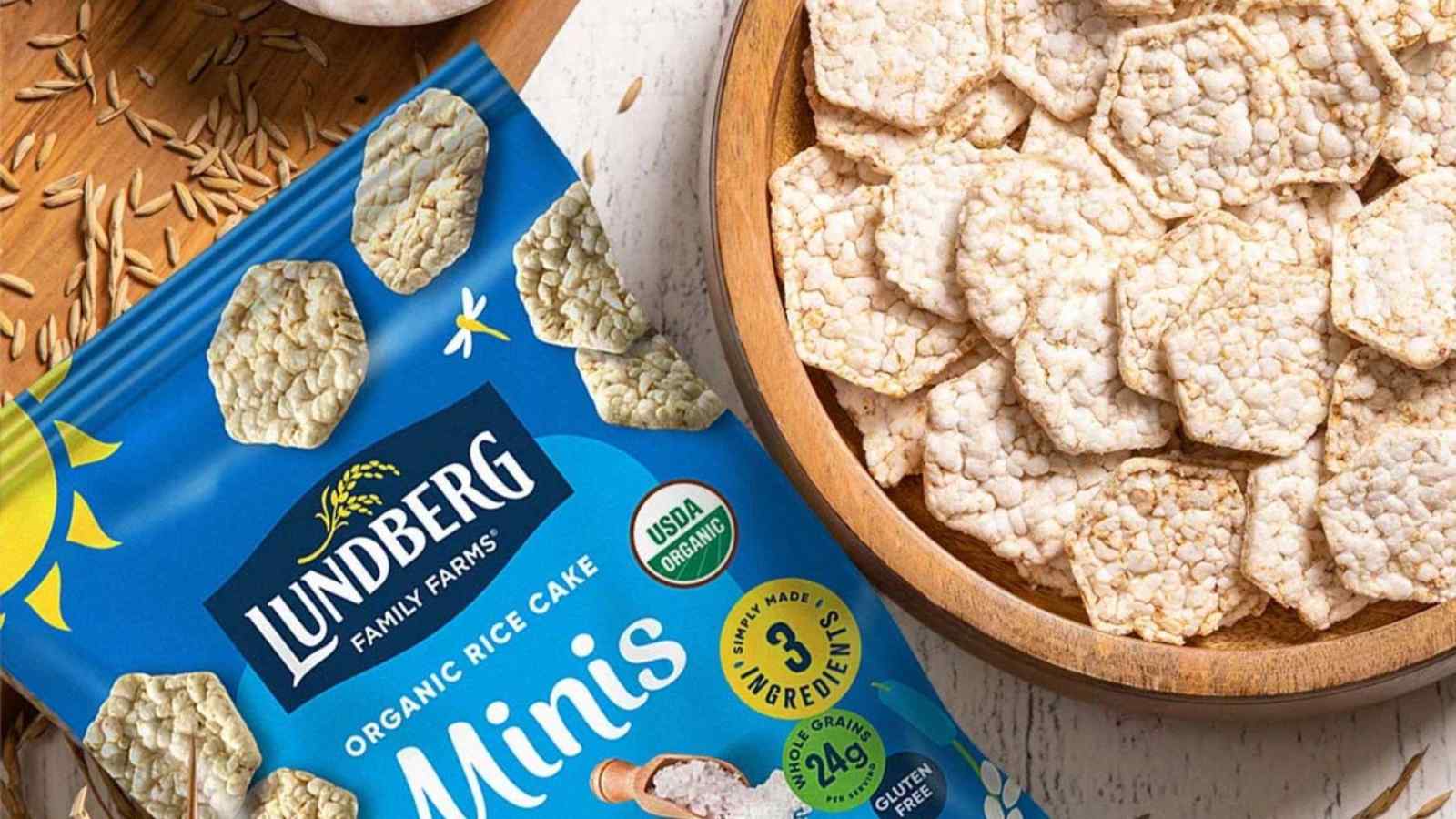
Mini rice cakes stay dry and tidy, and they soften quickly in a child’s mouth, which helps with younger eaters.
On their own, they offer little protein or fiber, so spread a thin layer of nut or seed butter from a single-serve packet to meet the protein-plus-fiber rule.
Pick plain or lightly salted versions over caramel or chocolate-coated ones to keep added sugar down.
4. Dry Cheerios
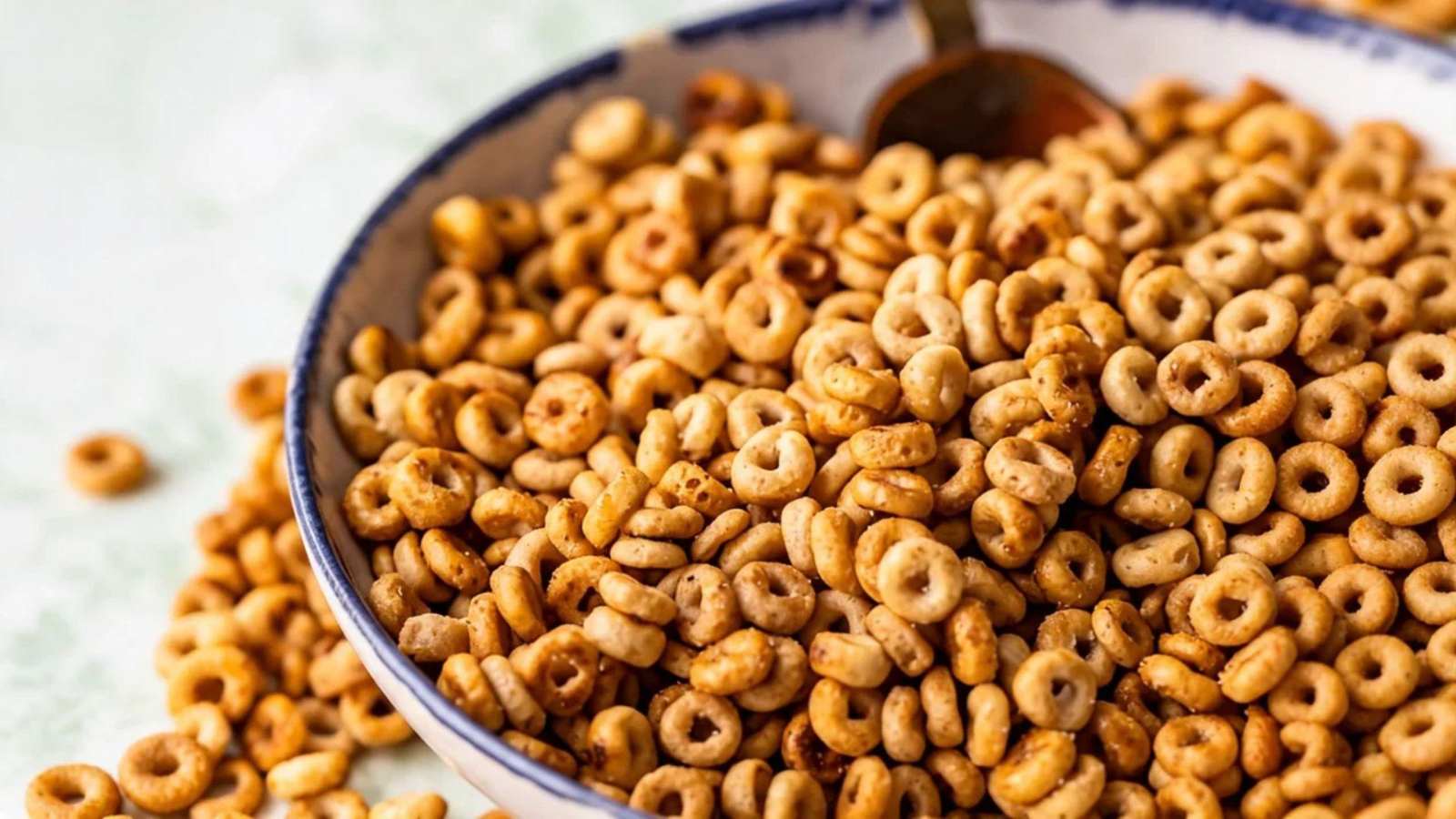
Plain Cheerios are made from whole grain oats and are a classic for little hands, keeping toddlers busy because each piece takes a moment to pick up and eat.
Choose plain over honey nut versions to limit added sugar, and serve them in a small cup with a lid so they do not scatter when the car turns a corner.
Offering a handful at a time stretches the supply further.
5. Cheddar Crackers

Fish-shaped cheddar crackers are a staple that most kids accept, so they work as a reliable backup when other snacks get refused.
Present them as a sometimes pick rather than an everyday one, since they are typically made from refined flour, and look for whole-grain versions where you can.
Count out a portion into a lidded cup so the whole bag is not finished before the next rest stop.
Dried Fruit and Fruit Pouches
These five options are shelf-stable, so they cover the fruit half of the pairing rule without needing a cooler.
Dried fruit has concentrated sugar, so small portions work best, while pouches are the tidiest way to serve soft fruit in a moving car.
Check the label for added sugar and keep water within reach.
6. Freeze-Dried Fruit
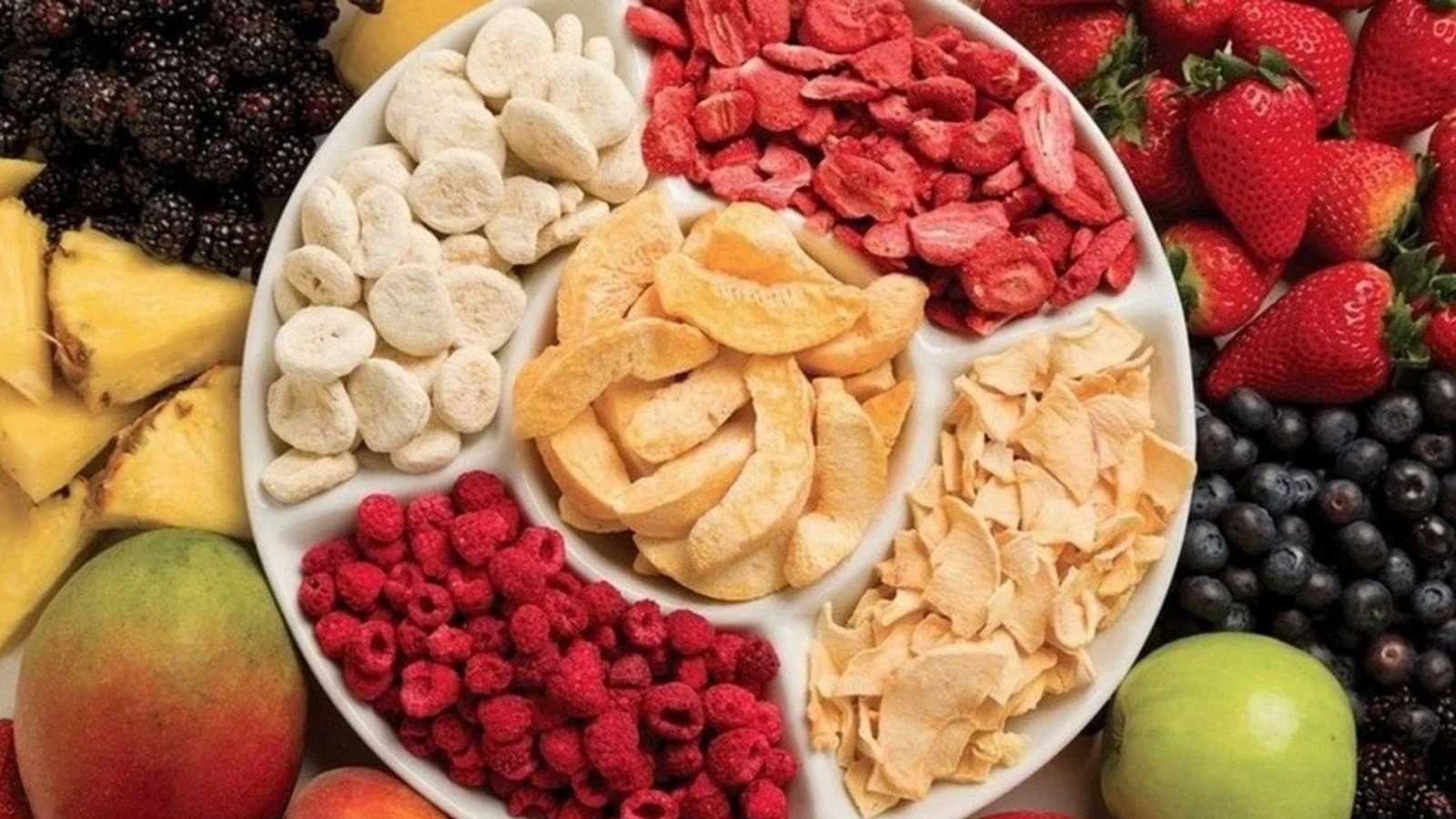
Freeze-dried fruit such as strawberries, apples, or mango melts in the mouth and leaves almost no residue, which keeps the back seat clean.
It is crisp and light, and most brands make it from fruit alone, so check that the label lists no added sugar.
Pack it in a rigid container instead of a loose bag, because the pieces break easily and turn to powder when squeezed.
7. Dried Mango
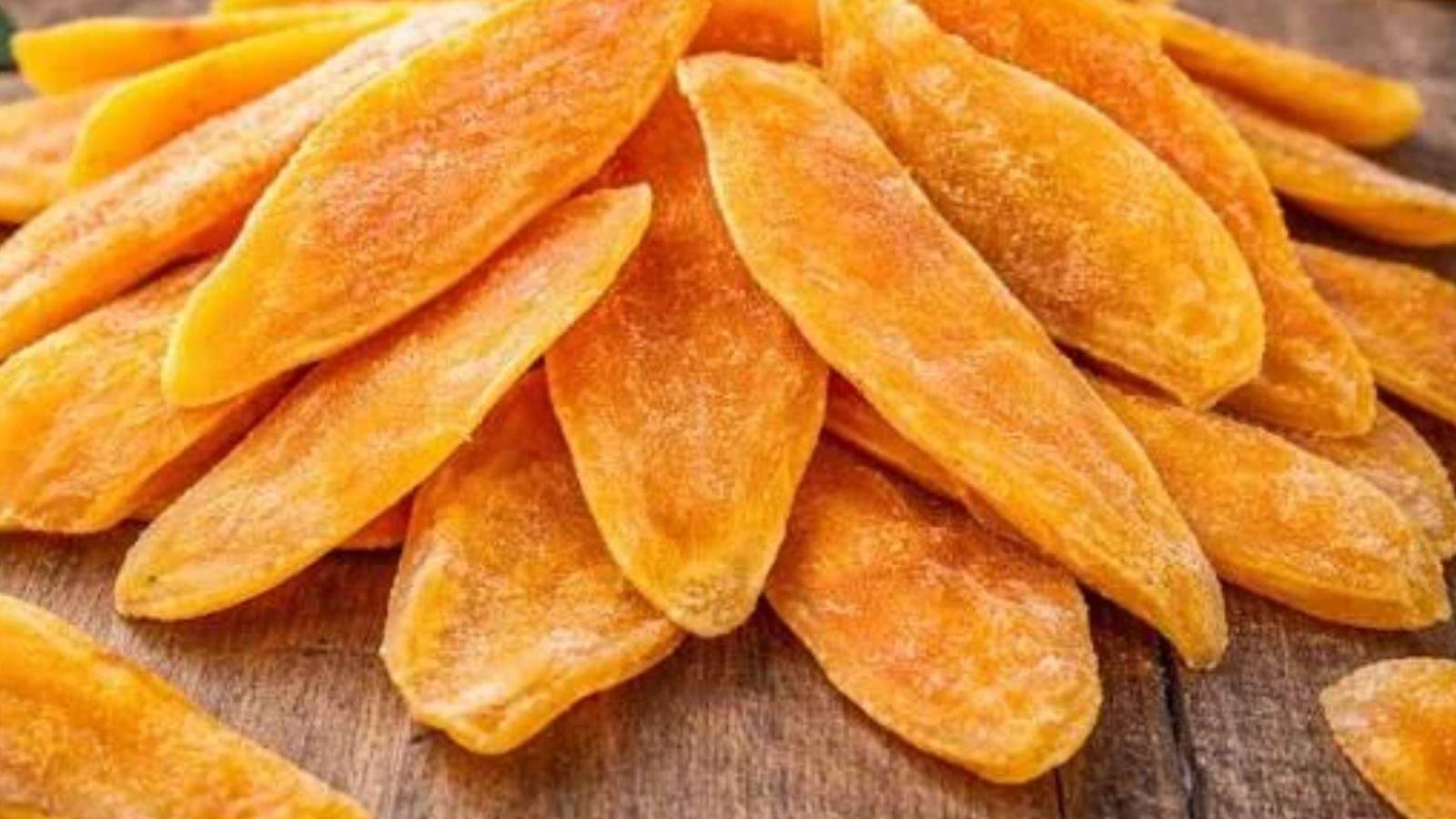
Dried mango is chewy and sweet, and one or two strips can satisfy a sugar craving that might otherwise lead to candy.
Choose unsweetened versions, since many brands add sugar, and offer small portions because dried fruit is concentrated in sugar and calories.
The chew takes time, so it keeps a child occupied, though it can stick to teeth, which is why a sip of water afterward helps.
8. Raisins

Raisins are inexpensive, shelf-stable, and simple to portion into small boxes, and they supply some fiber and potassium.
They are sticky, though, so pack wipes and a drink alongside them.
For children under four, sticky and chewy foods like raisins can be a choking risk, so ask your pediatrician whether they suit your child, or choose a softer option from this list.
9. Applesauce Pouches
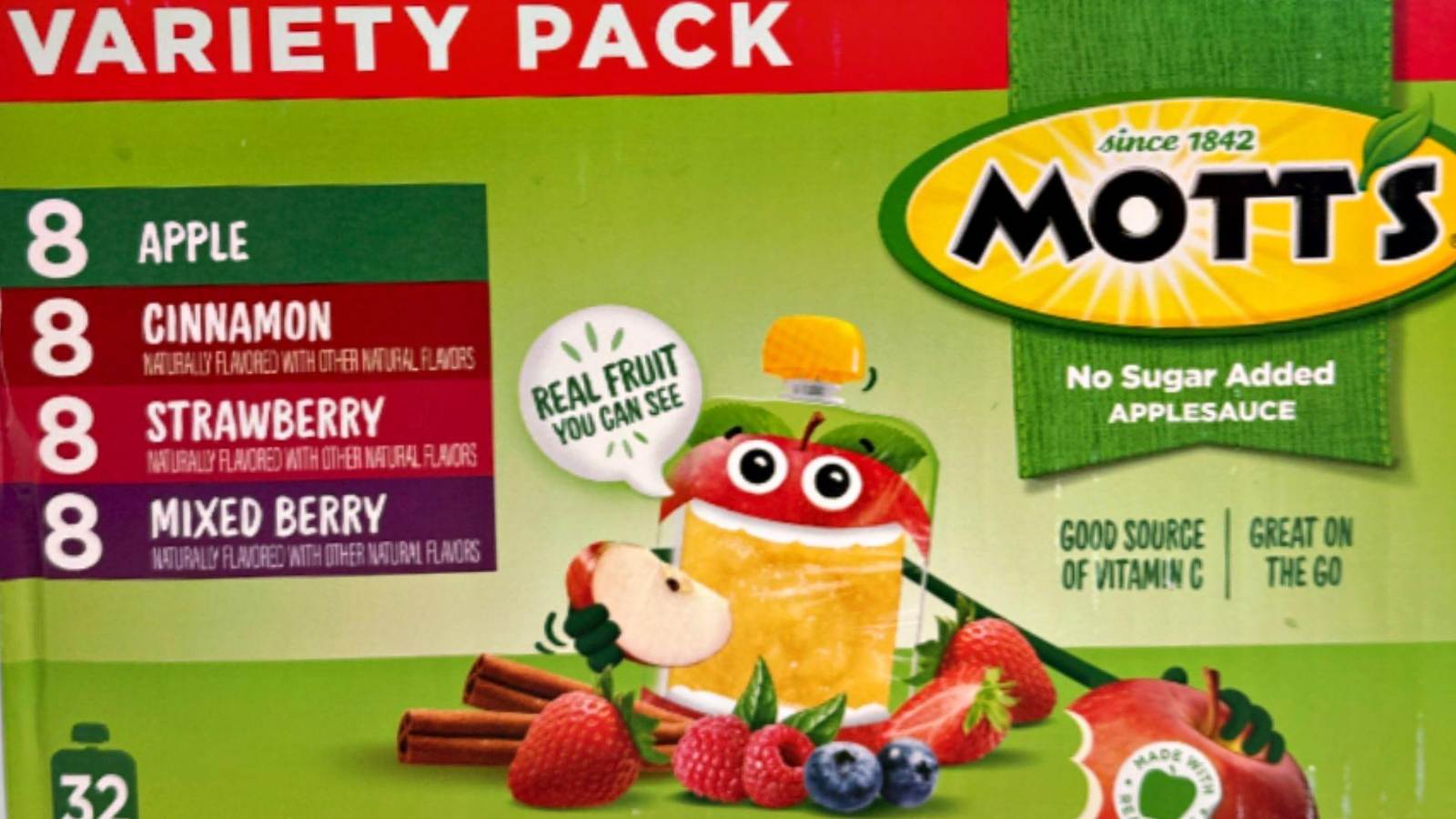
Applesauce pouches are an easy way to serve fruit in a car seat, because a child can squeeze and sip without a spoon or a bowl.
They stay shelf-stable until opened, so they ride well outside the cooler.
Look for pouches that list only apples, or apples and water, with no added sugar, and teach older kids to hold the pouch upright so it does not drip.
10. Mixed Fruit Puree Pouches
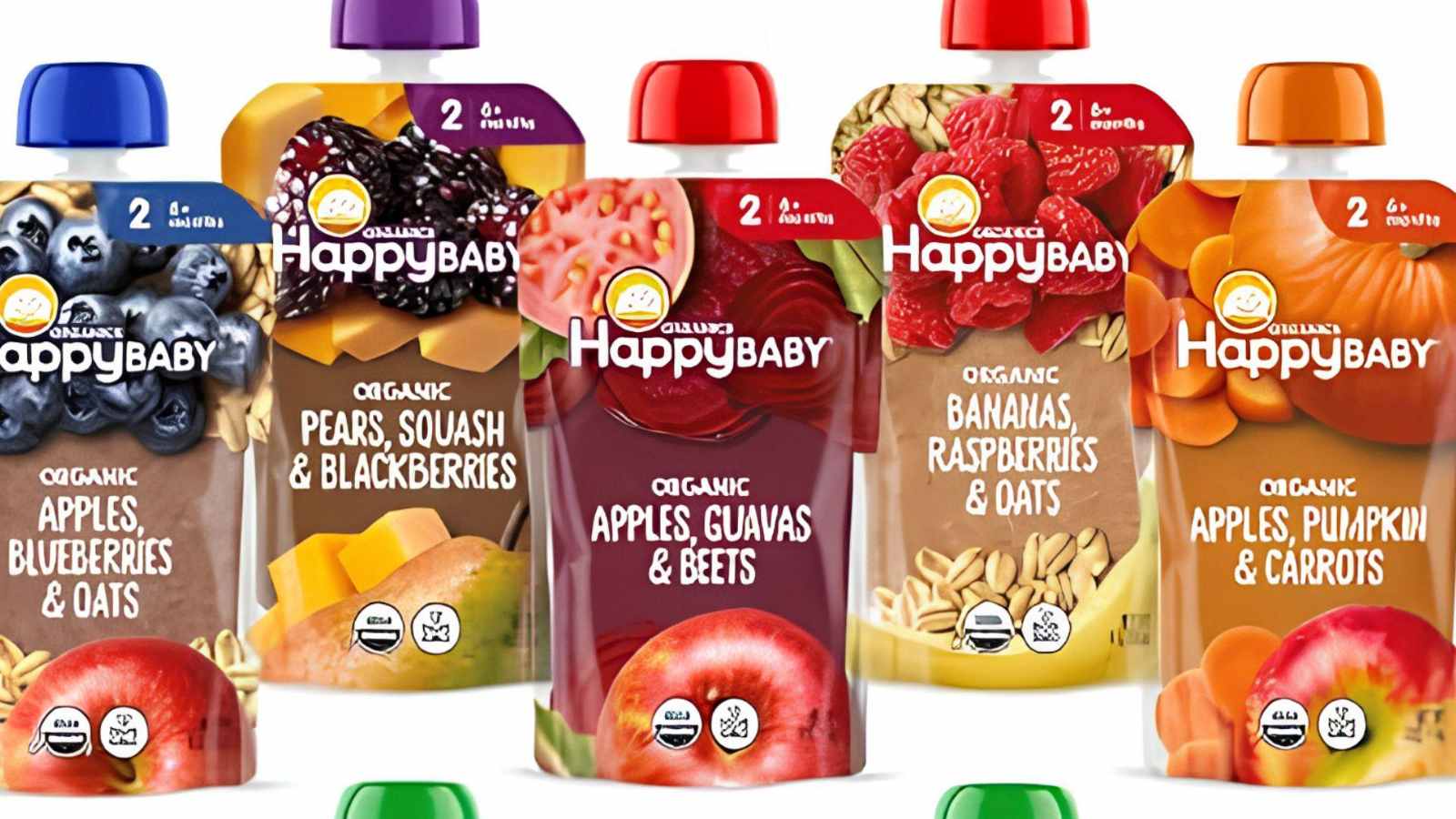
Mixed fruit pouches, such as mango, pear, and pineapple blends, add variety for children who tire of plain apple.
Check the label for added sugar and for fruit juice concentrate, which is often counted as added sugar
and read the ingredient order to see which fruit comes first.
Pouches also keep fruit contained, so pack a small trash bag for the empties and hand it back after each snack.
Cooler Snacks: Dairy and Eggs
Dairy and eggs supply the protein half of the pairing rule in a portable form.
Each of these five snacks is perishable, so it needs an insulated bag with ice packs and should come out only when your child is ready to eat.
Pair each one with a fruit or whole-grain item from the earlier sections.
11. String Cheese

String cheese is a neat, portable protein that peels into strips, so kids can eat it slowly and keep their hands mostly clean.
Pair it with a mandarin or whole-grain crackers to add fiber to the protein.
Choose part-skim varieties if you want to keep saturated fat down, and leave the cheese in the cooler bag until the moment it is eaten.
For children under four, pull string cheese into thin strands or cut it into short strips, since large chunks of cheese are a choking hazard
12. Mini Round Cheeses
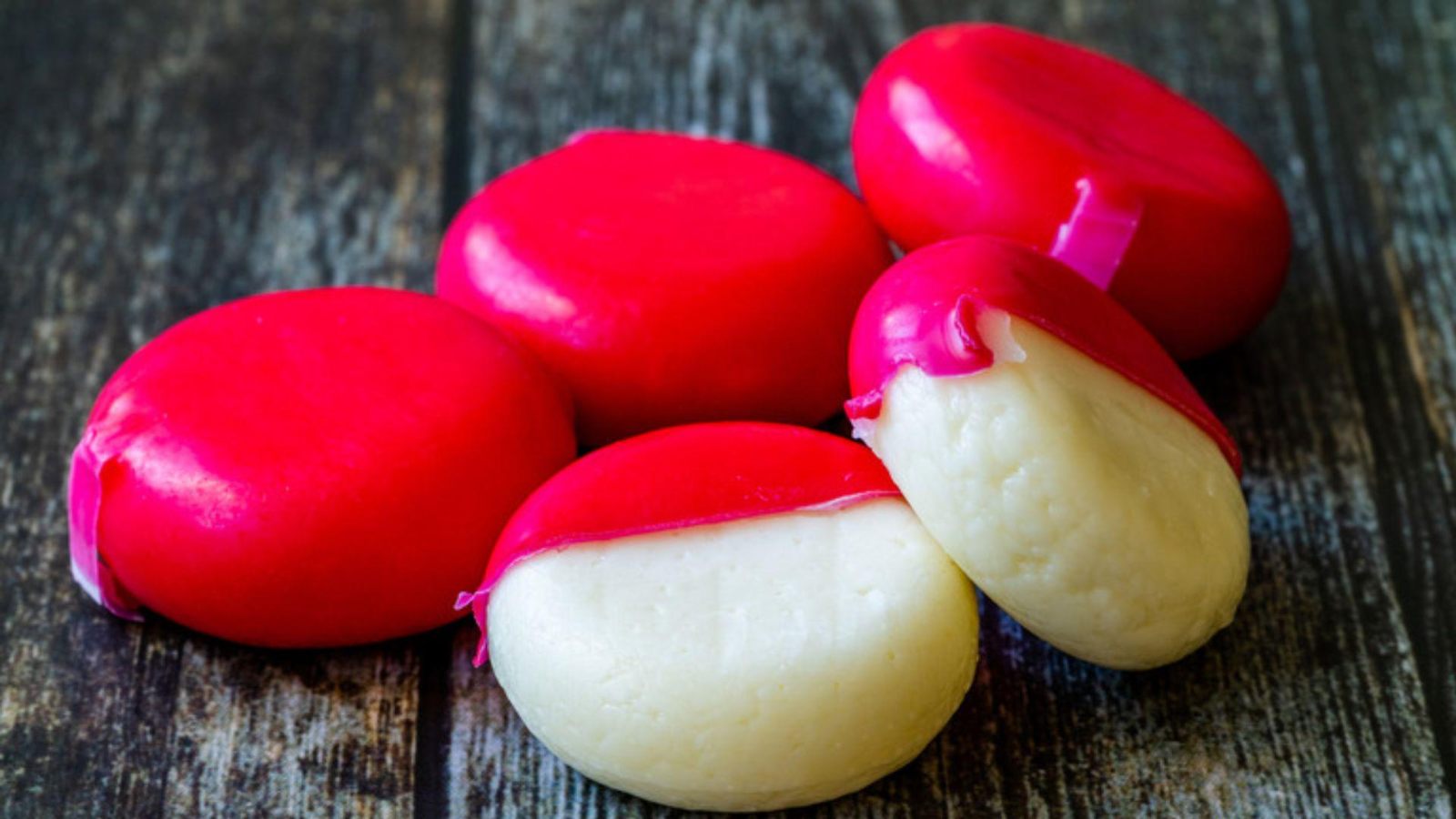
Mini round cheeses with a wax coating come pre-portioned and peel open without a knife, and kids enjoy removing the wrapper themselves.
Remind them to hand the wax and plastic to you for the trash bag instead of dropping it on the floor.
Each round is a single serving of protein and calcium, which makes portions simple to track on a long drive.
For children under four, remove the wax and cut the cheese into bite-size pieces, as the Babybel label advises, since a whole round can block a young child’s airway
13. Yogurt Tubes
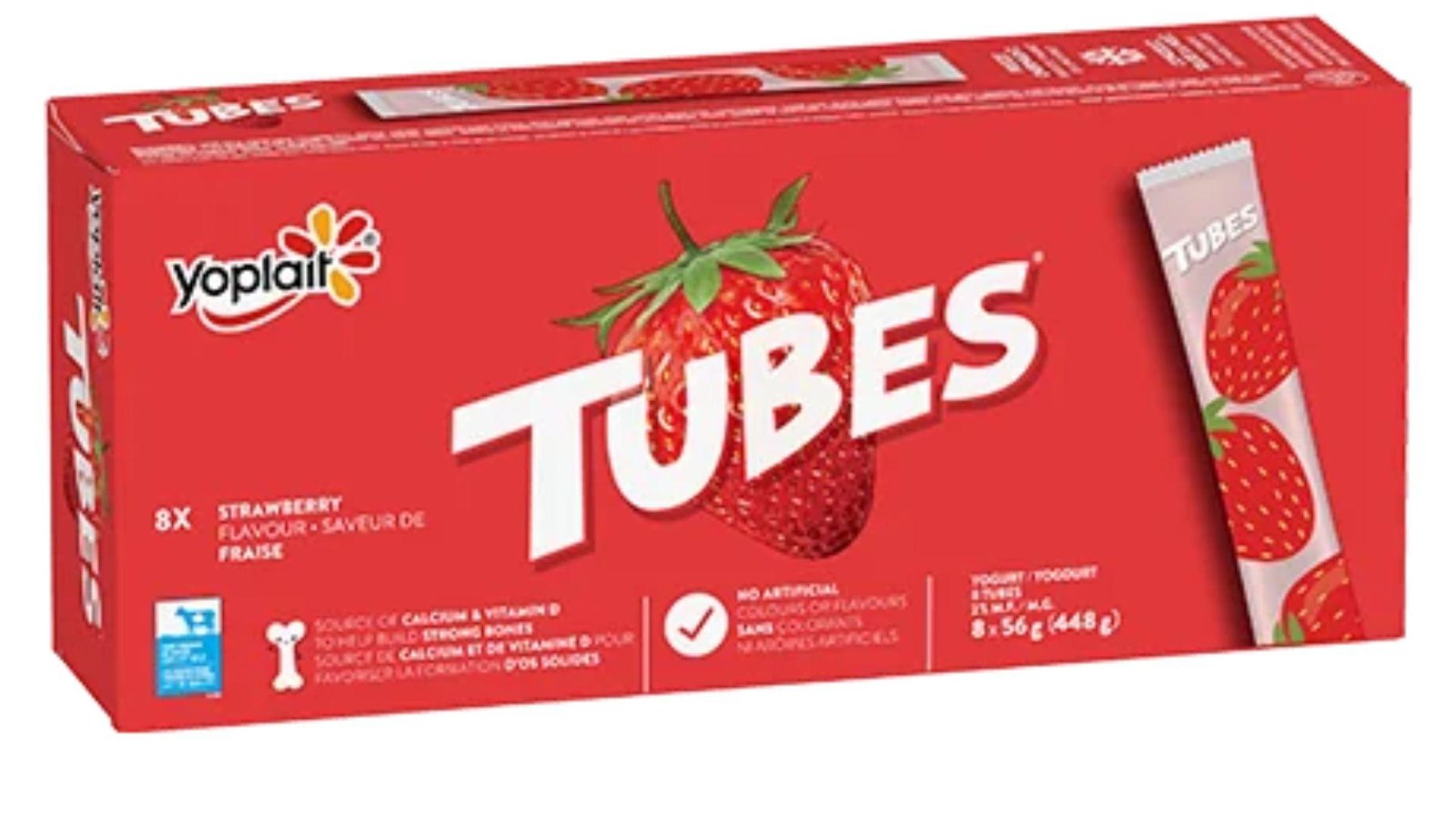
Yogurt tubes give a child a spoon-free source of protein and calcium, and the squeeze format keeps things tidy.
Check the label for added sugar, since sweetened flavors can be strong in it, and follow the storage instructions on the package, because most tubes need to stay cold until eaten.
Some brands say their tubes can be frozen, in which case they can double as ice packs.
14. Hard-Boiled Eggs
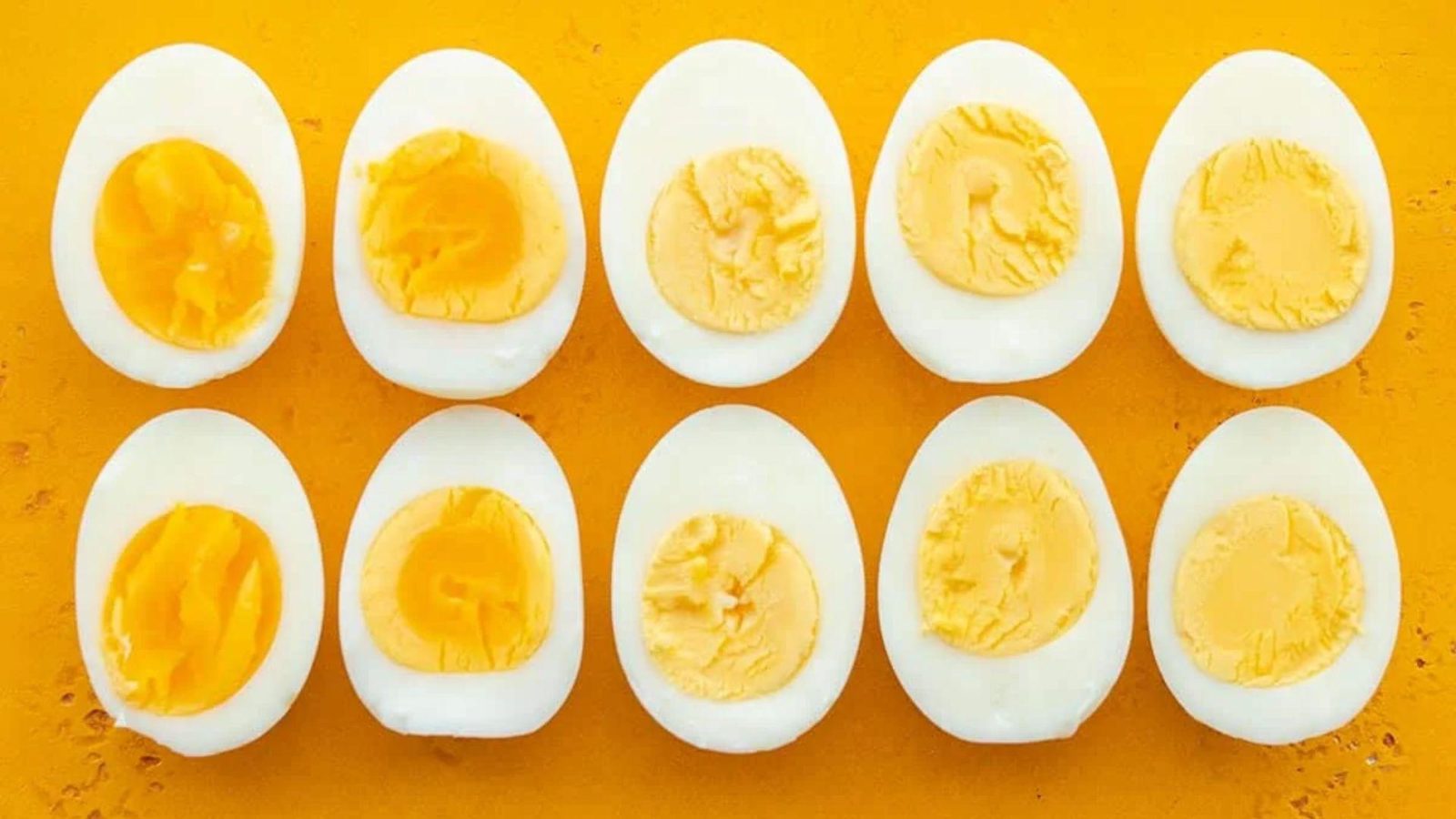
Hard-boiled eggs are inexpensive, filling protein that kids can finish in a few bites.
Peel them at home to keep shell fragments out of the car, and store them in a lidded container in the cooler bag.
Because eggs are perishable, keep them cold until your child is ready to eat and discard any that sit out longer than two hours, or one hour above 90°F, as described in the next section.
15. Cottage Cheese Cups

Cottage cheese cups suit children who like soft textures, and a single cup holds a generous serving of protein and calcium.
Pack a spoon for each child, since this is not a finger food, and choose cups that seal with a foil lid to prevent leaks.
Add a few pieces of fruit or whole-grain crackers on the side to round out the snack.
Cooler Snacks: Meat, Fruit and Veg
These five snacks add more protein plus the fiber that completes the pairing rule, and most can be prepared the night before.
Keep them in an insulated bag with ice packs inside the cabin, not in a hot trunk.
The USDA advises that perishable foods should not sit out for more than two hours, or one hour above 90°F, so return leftovers to the cold right away.
16. Turkey Meat Sticks
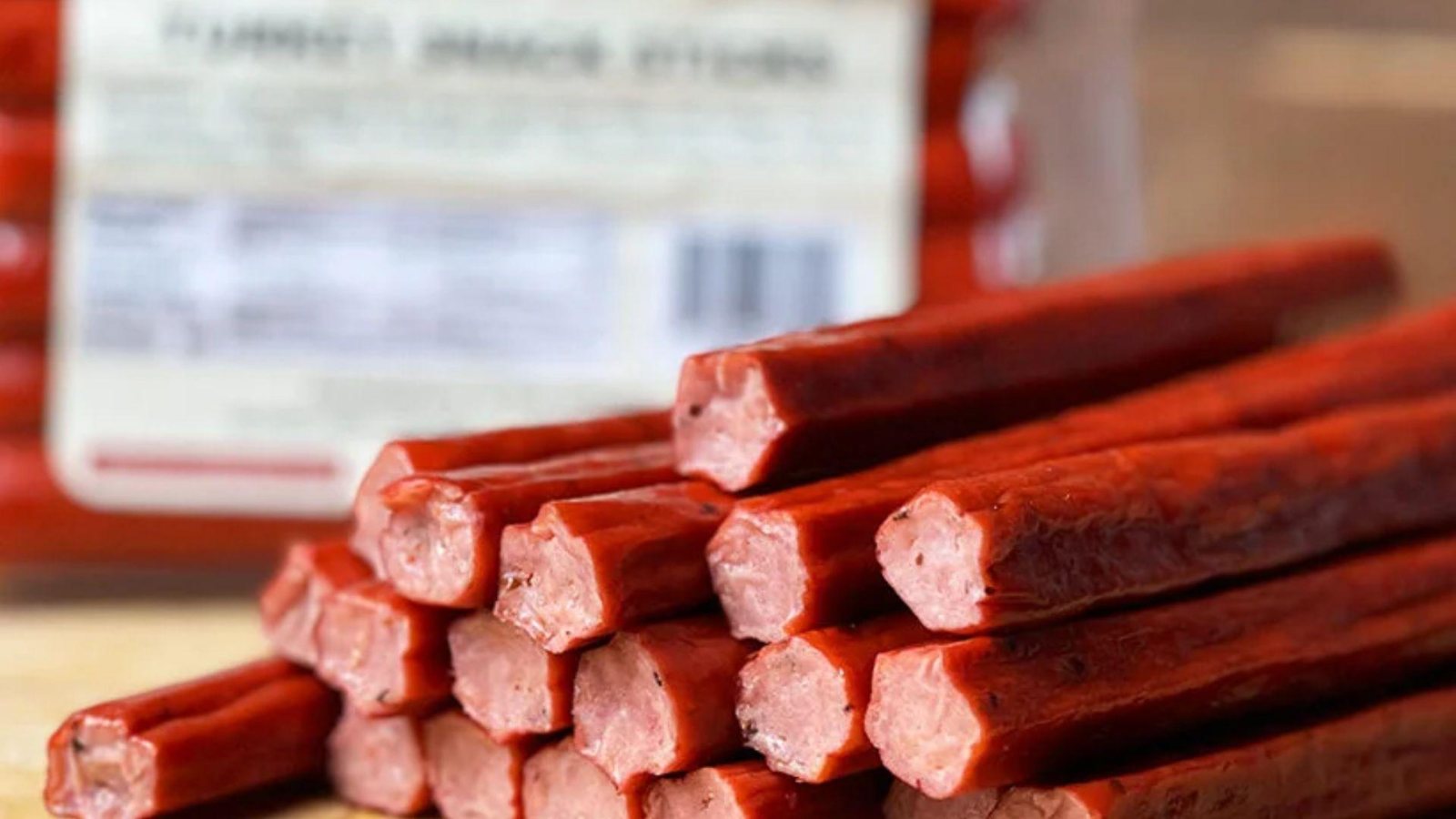
Turkey meat sticks give a child a firm, chewy protein anchor in a single wrapper.
Pick lower-sodium brands where you can, since processed meats are salty, and for toddlers, cut the stick lengthwise first and then into small pieces, because round coin-shaped slices can block a young child’s airway.
Keep them in the cooler bag unless the package says shelf-stable, and pair them with a mandarin or fruit pouch for fiber.
17. Beef Jerky or Biltong
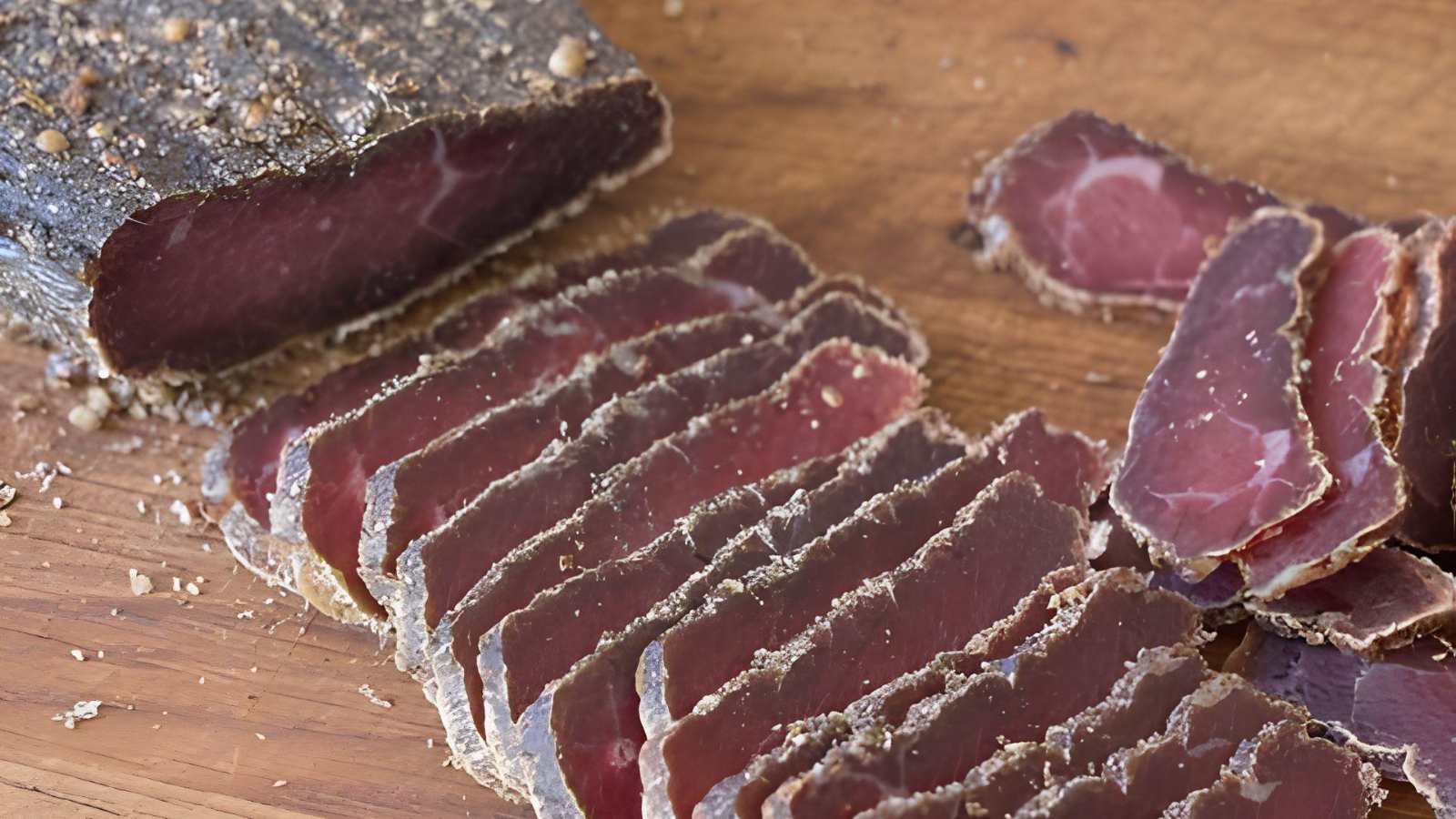
Beef jerky and biltong are chewy, long-lasting, and low-mess, and they pack a good amount of protein into a small piece.
They suit older kids who chew well, and the sodium can run high, so read the label and offer small portions.
Choose thin strips without added sweeteners where possible, and keep a drink nearby because the saltiness can leave kids thirsty.
18. Mandarins or Tiny Oranges
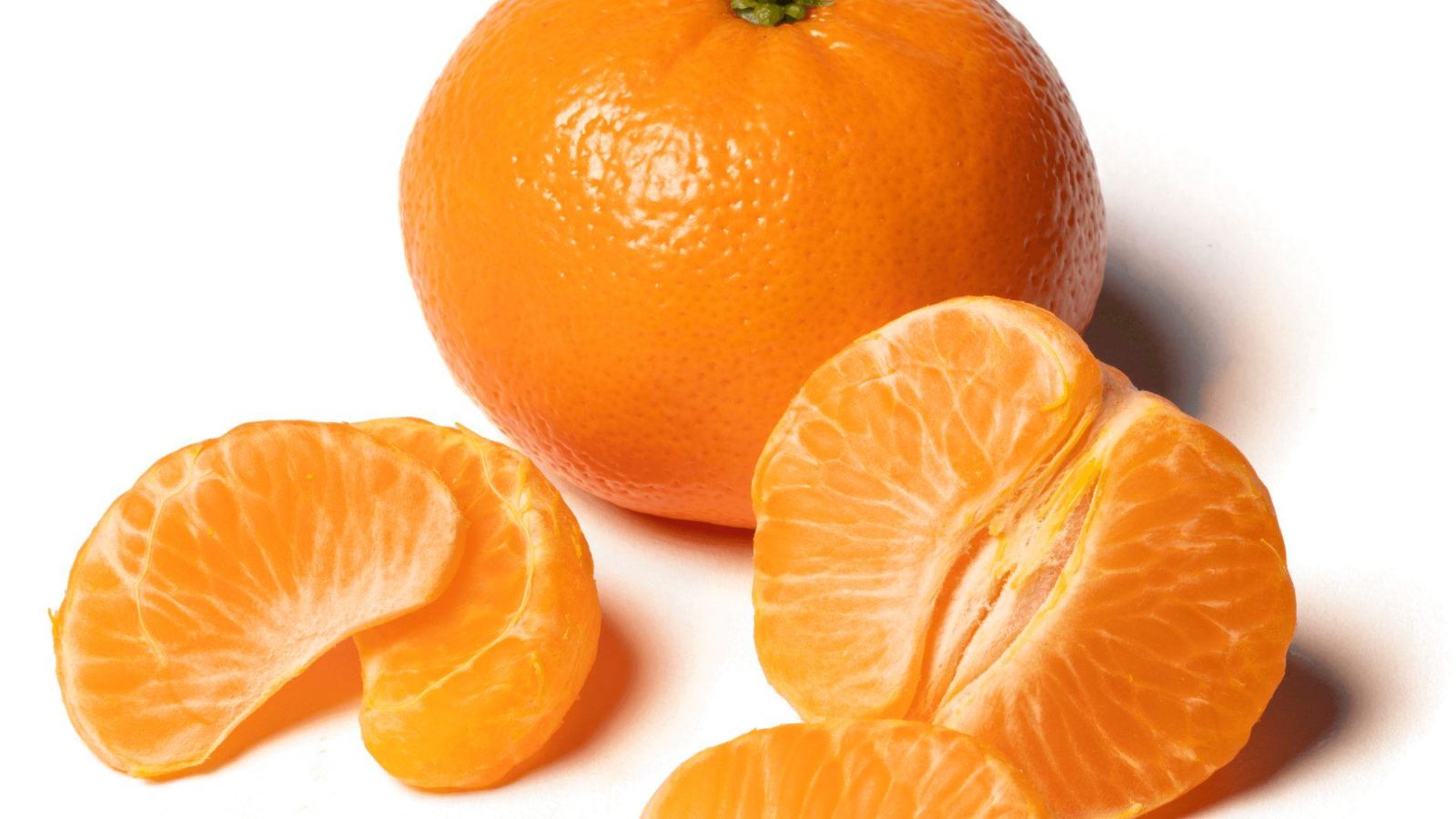
Mandarins and tiny oranges peel easily and break into segments, which makes them a natural fiber partner for any protein snack on this list.
They supply vitamin C and a little natural sweetness without any added sugar.
Start the peel for young children, and keep the peels in the trash bag, because juice and rind left on the floor turn sticky quickly.
19. Celery With Nut or Seed Butter
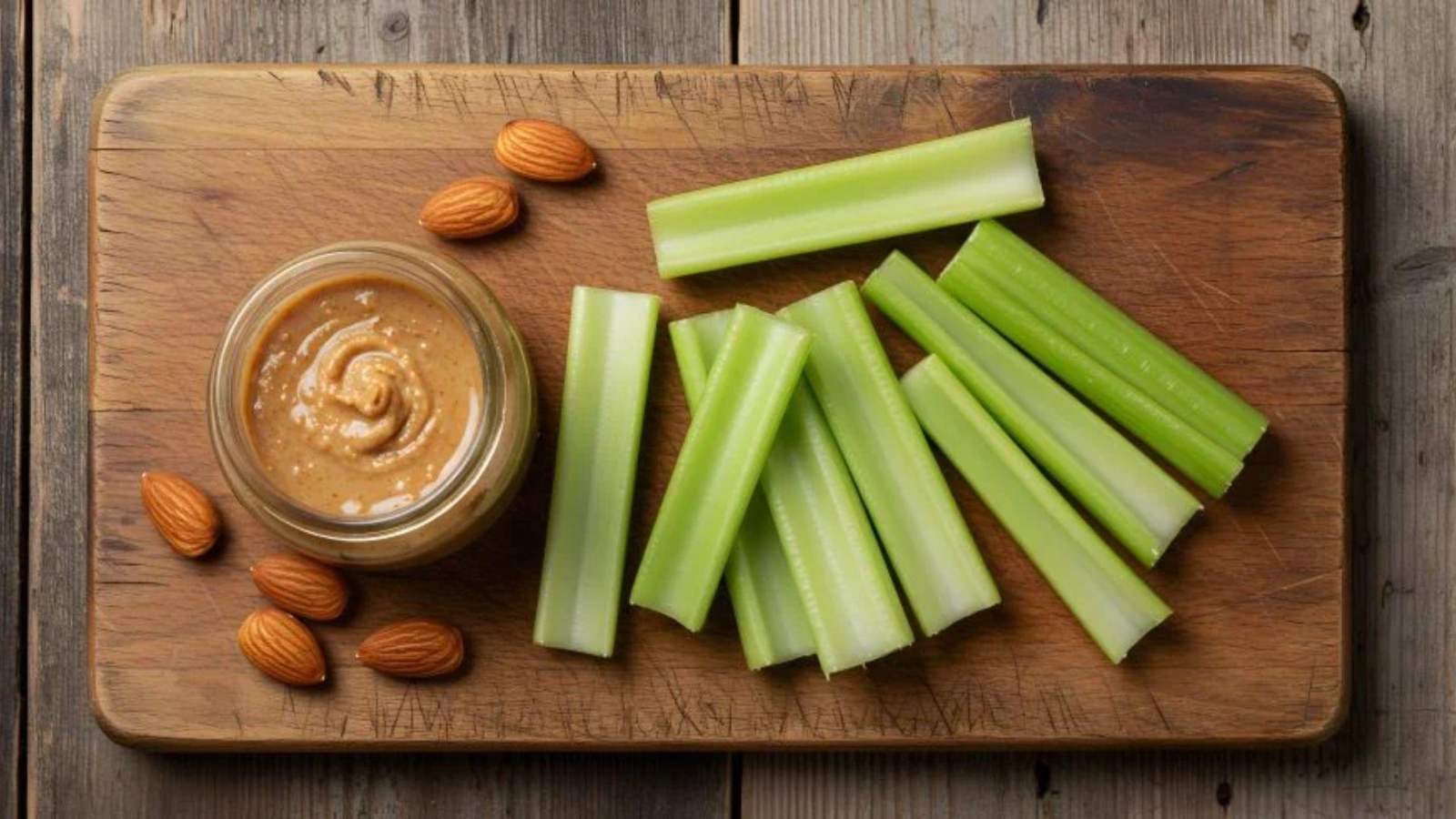
Celery filled with nut or seed butter combines crunch, fiber, and protein in one snack, and it works well as a make-ahead item.
Fill the sticks at home and pack them in a lidded container with a folded paper towel to absorb moisture.
Use sunflower seed butter instead of a nut butter for families managing nut allergies, and spread it thinly, because thick spoonfuls of nut butter are a choking hazard.
For children under four, skip raw celery, which is stringy and hard to chew, or cook it until slightly soft and chop it finely
.
20. Carrot or Cucumber Sticks With Hummus
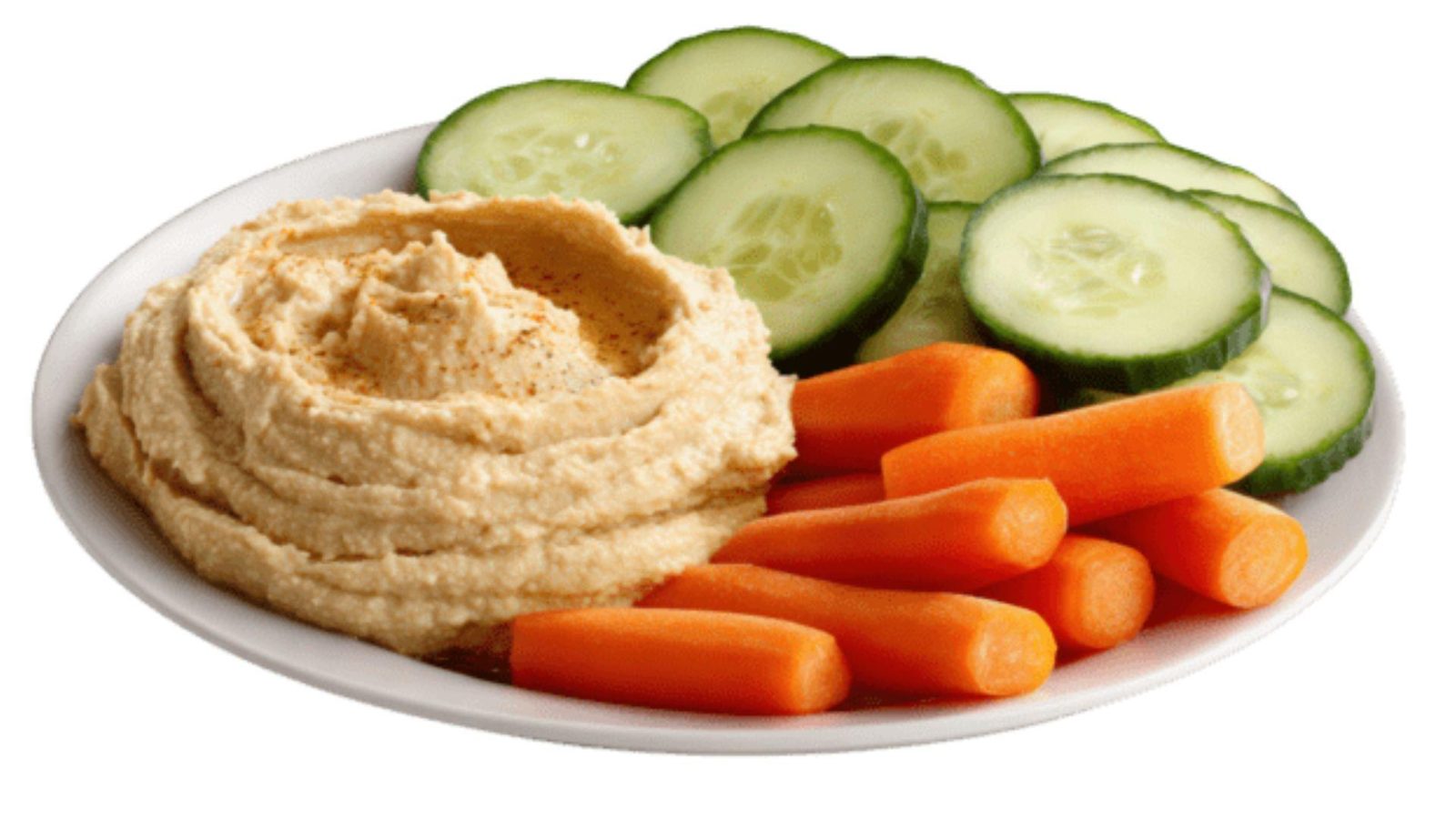
Carrot or cucumber sticks with hummus give kids vegetables along with protein and fiber from chickpeas.
Spoon the hummus into a small lidded cup to prevent spills, and for children under four, swap raw carrot for lightly steamed or grated carrot, since raw carrot is hard and a known choking risk for young children.
Cucumber sticks cut thin work well for toddlers. Prepare both the night before and keep them cold in the cooler bag until needed.
How to Pack and Serve Snacks in the Car
Packing and serving snacks well comes down to keeping them contained, setting clear expectations, and controlling when they come out.
- Pack in portions: Use divided lunch boxes or small lidded cups to keep each snack separate and stop crumbs from spreading. One serving per container lets you hand back a portion instead of an open bag.
- Set car rules before you leave: Kids eat only while seated and buckled, and every wrapper goes back into a designated trash bag.
- Keep cleanup close: Keep wipes within reach for sticky snacks like raisins and dried mango, and clip a small bag to a seat back for trash.
Hand snacks back only at stops or when a second adult can pass them. Serve at planned times so kids don’t graze through the whole supply.
Final Takeaway
Healthy road trip snacks for kids work best when each one pairs protein with fiber and comes dry, firm, or sealed in a pouch or lidded cup.
I’d mix crunchy no-cooler picks, a fruit option, and a cooler staple such as string cheese, then size each food to your child’s age.
That means fewer crumbs, fewer sticky hands, and less to worry about while you drive.
Your next step is simple: Choose five snacks from this list and pack them in a divided box the night before you leave. Then tell me in the comments which one your kids finish first.
Frequently Asked Questions
What is a healthy snack to take on a road trip?
Fresh fruit like clementines and cut grapes, veggie sticks with hummus, and cheese or hard-boiled eggs all work well. For kids over four, popcorn or a small trail mix adds crunch, but skip whole nuts and popcorn for toddlers.
What are good travel foods for toddlers?
Dry cereal puffs, freeze-dried fruit, fruit pouches, and soft finger sandwiches or cheese quesadillas are easy for toddlers to eat. Cut round foods like grapes lengthwise to lower the choking risk.
What snacks should I pack for a school trip?
Pack dry, nut-free snacks that don’t need a fridge, like crackers, a granola bar, a fruit pouch, and a small bag of cheese crackers. Check the school’s allergy rules first, since many ban nuts.