Bringing a new baby home can feel overwhelming, especially when store shelves are packed with hundreds of products claiming to be must-haves. If you have been asking yourself what do you need for a baby, this guide breaks it down in a simple, no-fuss way.
We will walk through the real basics for the nursery, clothing, diapering, feeding, bathing, health, and gear, plus travel tips and common mistakes to skip.
After talking with new parents, checking pediatric safety guidance, and comparing what actually gets used versus what sits in a closet, this list focuses only on what truly matters in those early months.
What Do You Need for a Baby in the First Few Months?

The first few months are mostly about feeding, sleeping, diaper changes, and comfort. Babies do not need much at this stage, but a few basic items make daily life much easier. Focus on safe sleep, easy feeding, and quick diaper changes first. Everything else can wait until you know your baby's habits and needs.
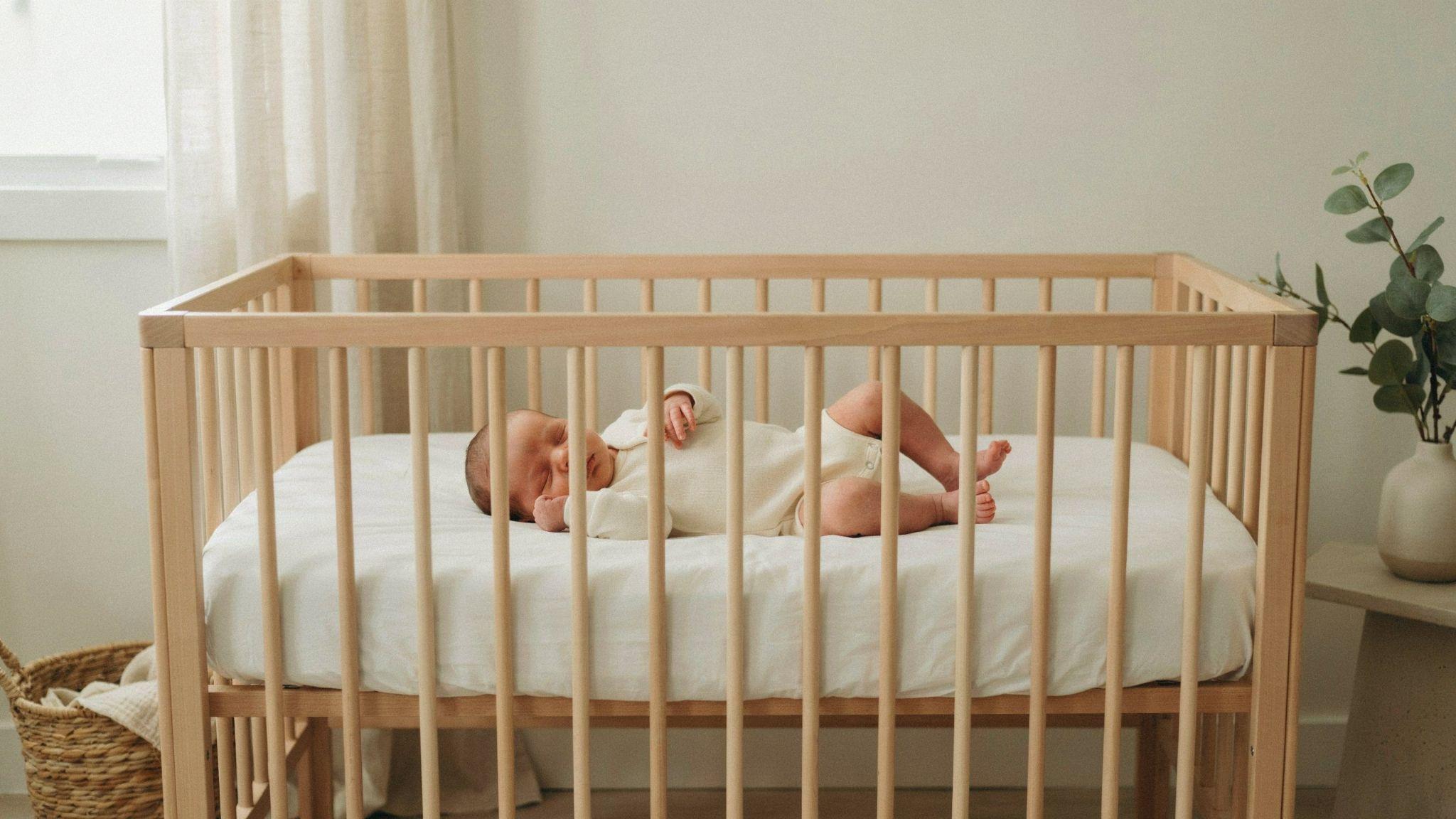
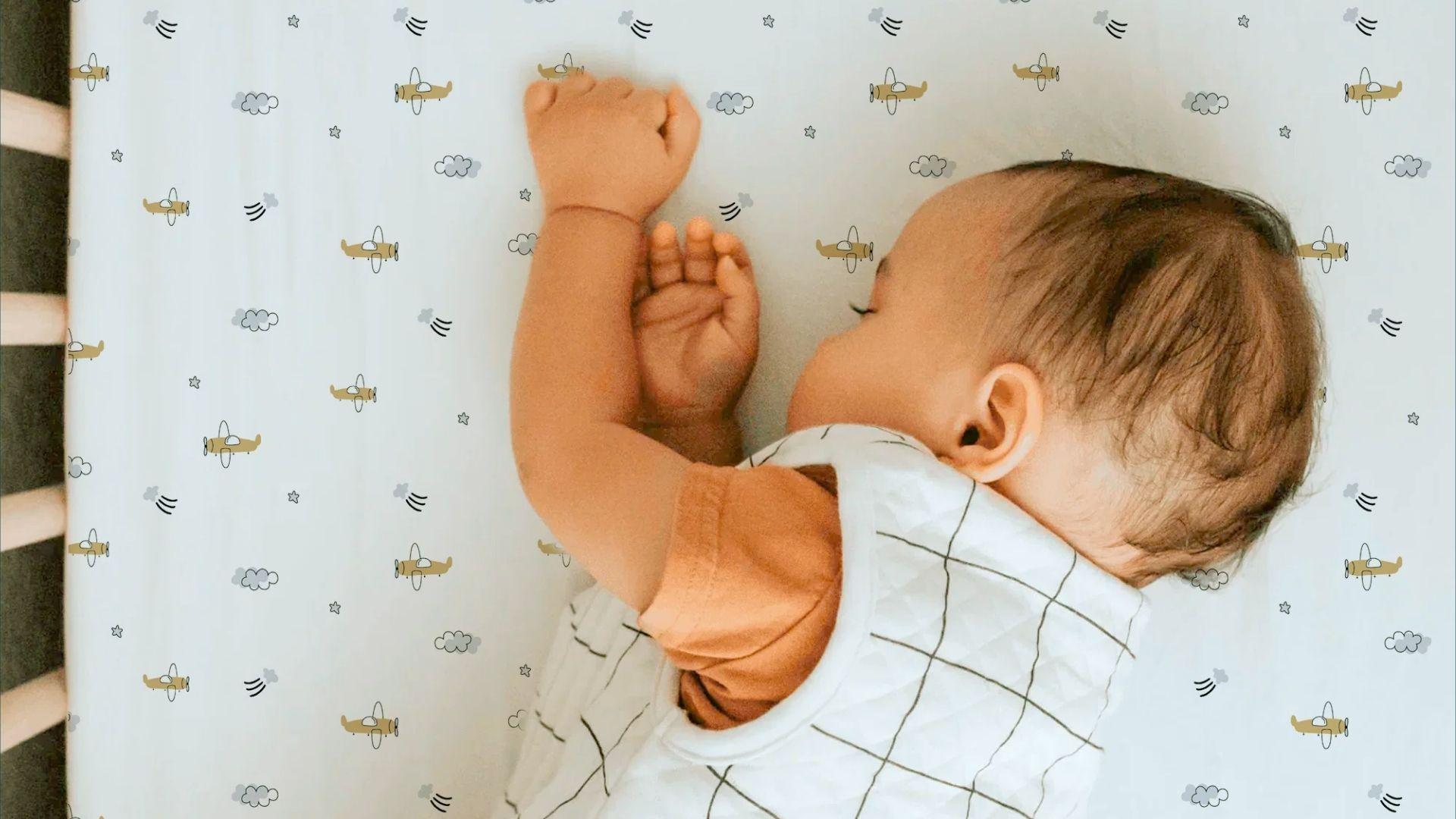
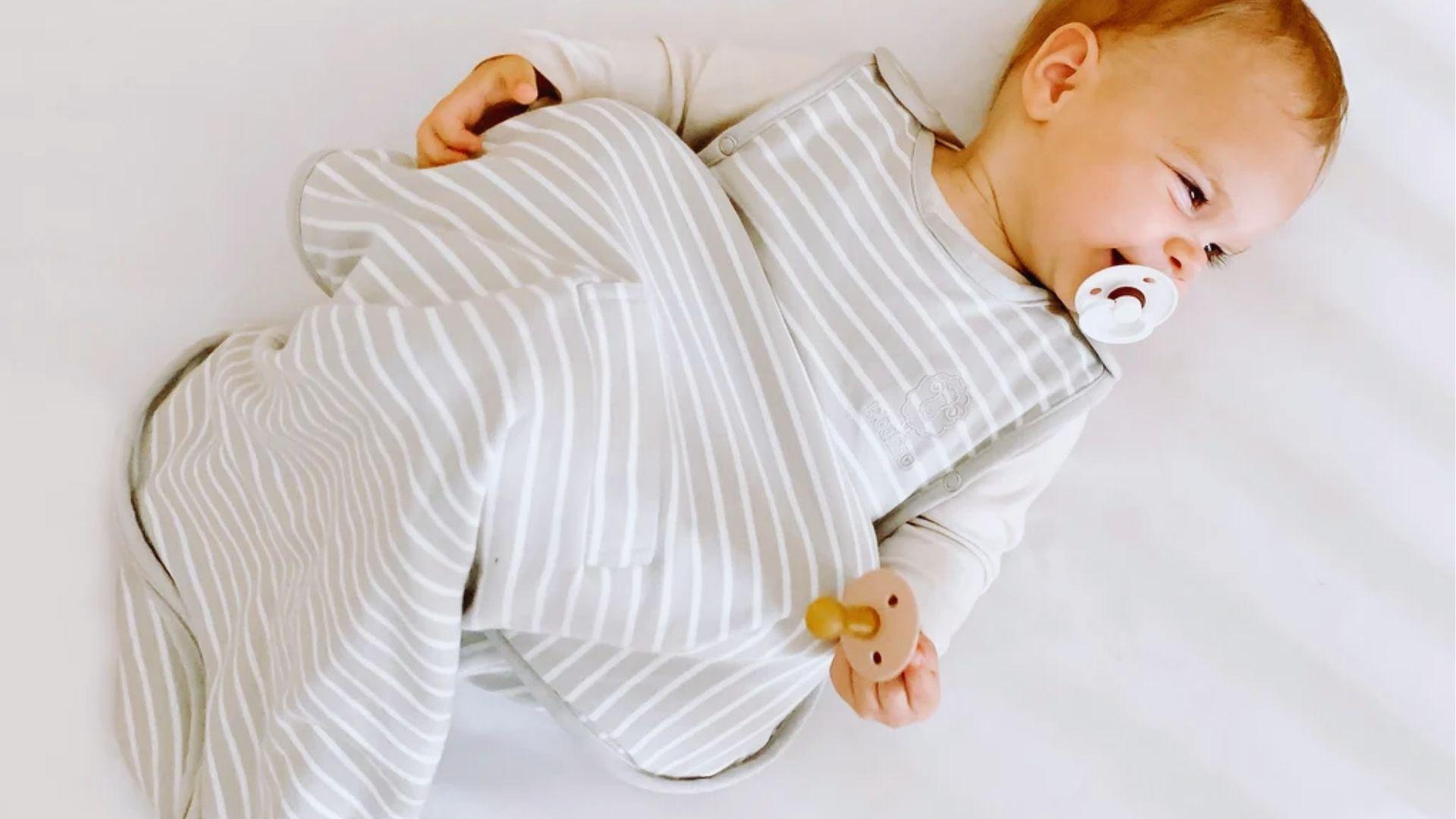
For sleep, keep things simple and safe: a firm, flat mattress with a fitted sheet, and nothing else in the crib or bassinet , no pillows, blankets, bumpers, or stuffed animals, since loose items increase the risk of suffocation. Many parents choose to room-share, keeping the baby's sleep space in their own room for the first several months, which makes nighttime feeds and check-ins easier. A wearable blanket or sleep sack keeps the baby cozy without the need for loose bedding, and always places the baby on their back to sleep.
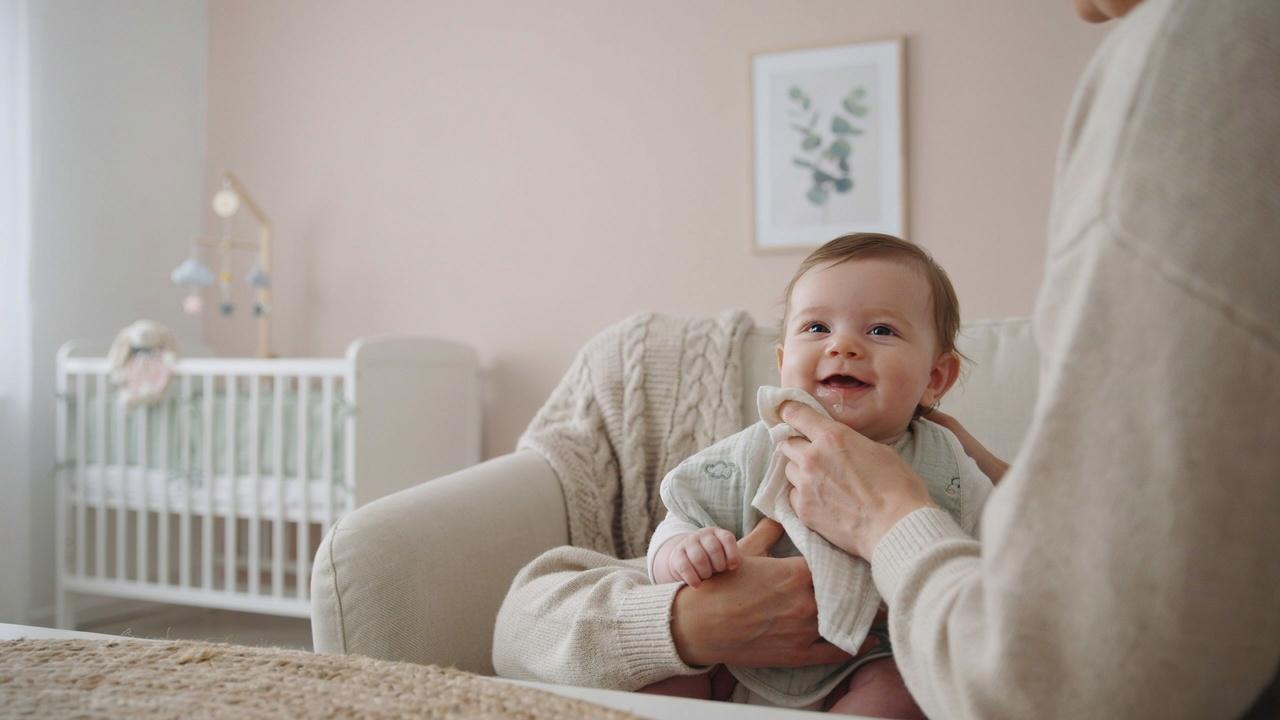
Feeding should stay low-stress and accessible, since newborns eat every two to three hours around the clock. If bottle-feeding, keep a few bottles, a bottle brush, and a drying rack within easy reach; if breastfeeding, a nursing pillow and comfortable nursing bras can help a lot. Either way, stock up on burp cloths, since spit-up is frequent in the early months.
Diaper changes happen constantly too, often eight to ten times a day, so it helps to set up a changing station with diapers, wipes, and diaper cream close at hand, ideally with a small backup stash in more than one room. Beyond these basics, things like extra outfits, toys, or gear can wait until you get a better feel for what your baby actually needs.
Newborn Needs Checklist at a Glance
Here is a quick list to help you shop without stress or last-minute panic.
- A safe crib or bassinet
- Car seat
- Diapers and wipes
- A few outfits in newborn and 0 to 3 month sizes
- Swaddles or sleep sacks
- Bottles or nursing supplies
- Baby bathtub
- Rectal thermometer
- Baby monitor
This short list covers the basics. The sections below go deeper into each area so you know exactly what to buy and why.
Newborn Necessities by Category

This above short list covered the basics. These sections below go deeper into each area so you know exactly what to buy and why.
Nursery Must Haves You Actually Need
A nursery does not need to be fancy. It needs to be safe, calm, and easy to use at 3 a.m.
Start with a firm mattress that fits snugly in the crib or bassinet, without gaps on the sides. Add fitted sheets, but skip pillows, blankets, and crib bumpers. The American Academy of Pediatrics warns that these items raise the risk of suffocation, so the safest crib is a bare one.
Always place the baby on their back for every sleep, including naps, and keep the crib in your room for at least the first six months, since room-sharing lowers the risk of SIDS.
A sleep sack keeps the baby warm without loose bedding, and the room should stay at a comfortable, moderate temperature rather than overly warm.
A dim nightlight helps during late-night feedings without fully waking your baby. A comfortable chair for feeding, even a simple armchair, makes a big difference when you are up for long stretches. A sound machine can also help babies settle into sleep and block out household noise.
Many parents buy full changing tables, decorative pillows, or wall art before the baby arrives. These are nice but not needed right away. Save your money for the basics first.
Baby Clothing Necessities for the First Months
Newborns grow fast, so buying too much in one size often means clothes go unworn.
Stick to simple, soft cotton pieces.
A good starting list includes:
- 5 to 7 onesies or bodysuits
- 3 to 5 sleepers or footed pajamas
- A couple of soft hats
- Mittens to prevent scratching
- Socks or booties
- One light jacket or bunting for outings
Choose clothing with easy snaps or zippers for quick diaper changes. Avoid anything with buttons down the back, since flipping a fussy newborn is harder than it sounds.
Diapering Items for Everyday Use
Diapering supplies get used constantly, so stock up before your baby arrives.
You will need diapers in newborn and size 1, along with fragrance-free wipes for sensitive skin. A changing pad, whether on a dresser or a portable mat, keeps changes quick and organized.
Diaper rash cream helps treat and prevent irritation. A diaper pail is nice for keeping odors under control, but it is optional. A trash can with a tight lid works just fine too.
If you plan to use cloth diapers, buy a small starter set first to see if the routine works for your family before committing to a full supply.
Baby Feeding Must Haves
Feeding needs depend on whether you are breastfeeding, formula feeding, or doing both.
For breastfeeding, a nursing pillow, nursing bras, and a breast pump can help, especially if you plan to return to work. For formula feeding, you will need bottles, a bottle brush, and a formula dispenser for outings.
Newborns can be picky about nipple shape and flow, so buy just one or two bottle styles first, then stock up once you know what your baby accepts.
Burp cloths are useful no matter how you feed your baby. A few bibs also help once your baby starts spitting up more. Keep sterilizing equipment on hand too, since bottles and pump parts need regular cleaning.
Around four to six months, your baby may be ready for solids. At that point, a high chair, soft-tipped spoons, and small bowls become useful additions.
Baby Bath and Hygiene Products
Bath time does not need many products, just the right basic tools. A newborn only needs a bath about twice a week, so keeping this area simple saves both money and space.
A baby bathtub or sink insert makes washing easier and safer for a wiggly newborn. Use a mild, tear-free baby wash and shampoo, along with soft washcloths and hooded towels to keep your baby warm right after bathing.
A brush with soft bristles helps with cradle cap, and baby nail clippers or a file keep tiny nails from scratching delicate skin. Keep these items grouped together near the bath area for quick, calm bath routines.
Baby Health and Safety Items
Health and safety items give you peace of mind and help you handle small issues at home.
A rectal thermometer is one of the most important tools for tracking fevers, since it gives the most accurate reading for a newborn. For babies under three months, any fever should be treated as a reason to call your pediatrician right away rather than treating it at home first.
Keep an infant pain reliever on hand for when your doctor advises it, but never give medication to a newborn without checking with your pediatrician first, including both the product and the dosage, since infant dosing depends on age and weight.
A nasal aspirator helps clear stuffy noses, which is common in young babies.
For safety, install outlet covers, cabinet locks, and corner guards before your baby starts crawling. A baby monitor with audio or video helps you check on your baby without constant trips to the nursery.
Baby Gear Necessities Worth the Investment
Some gear costs more upfront but saves time and effort daily, so it pays to choose carefully the first time.
A stroller that fits your lifestyle, whether for city walking or jogging, is worth researching before buying. A car seat is required by law in most places and should always be installed correctly.
Always buy a new car seat rather than a secondhand one, since hidden damage from a past accident can make it unsafe. A baby carrier or wrap frees up your hands while keeping your baby close and calm.
A play mat with soft padding gives your baby a safe spot to stretch and explore once they are a bit older. These items are not needed on day one, but most families use them within the first few months.
Newborn Fever Guidance: When to Call the Doctor
Fever is one of the most common reasons new parents reach for the phone, and knowing the basics ahead of time helps you stay calm when it happens.
A rectal thermometer gives the most accurate reading for babies under three months, since underarm or forehead readings can miss a true fever. A temperature of 100.4°F (38°C) or higher is considered a fever in a newborn.
For babies under three months, any fever should be treated as an emergency, not something to manage at home first.
Call your pediatrician or go to urgent care right away, even if your baby seems otherwise fine, since young infants can get seriously ill quickly and often show few other symptoms.
For babies older than three months, mild fevers are usually less urgent, but you should still call your doctor for guidance rather than treating it on your own.
Never give fever-reducing medication to a newborn without your pediatrician's direction, since dosing depends on age and weight.
What Do You Need for a Baby When Traveling?
Traveling with a baby takes a bit more planning, but it does not have to be stressful.
Pack a diaper bag with diapers, wipes, a changing pad, extra clothes, and feeding supplies. Bring a portable crib or travel bassinet if you are staying somewhere overnight.
Double check that your car seat is rated for your baby's current weight before any road trip, and a lightweight, foldable stroller makes airports and public spaces easier to manage.
Keep a small first aid kit with baby-safe pain reliever, a rectal thermometer, and bandages in case of minor issues while away from home.
Must-Have Baby Items vs Optional Baby Products
Not every newborn item is urgent. Knowing what's essential from day one versus what can wait helps new parents shop smarter and avoid overspending on extras.
| Category | Must-Have | Optional |
| Sleep | Crib or bassinet, firm mattress, fitted sheets, sleep sack | Nursery decor, crib mobile, blackout curtains |
| Feeding | Bottles or nursing supplies, burp cloths, nursing pillow (if breastfeeding) | Bottle warmer, milk storage system, bottle sterilizer |
| Clothing | Onesies, sleepers, socks, mittens, a couple of hats | Themed outfits, seasonal costumes, shoes |
| Diapering | Diapers, wipes, rash cream, changing pad | Diaper pail, diaper subscription boxes, wipe warmer |
| Bath | Baby tub, washcloths, mild soap, hooded towel | Bath toys, bath thermometer, bath seat |
| Gear | Car seat, stroller, baby carrier | Baby swing, bouncer, play mat |
| Health & Safety | Rectal thermometer, nasal aspirator, infant pain reliever | Baby monitor, outlet covers (needed once mobile, not day one) |
Start with the must-have column for each category, then add optional items gradually as you learn your baby's routines, preferences, and what actually fits your family's daily life.
Common Newborn Shopping Mistakes to Avoid
A few common mistakes lead to wasted money and cluttered nurseries.
- Buying too many clothes in one size before your baby outgrows them
- Skipping the car seat manual and installing it incorrectly
- Purchasing trendy gear before checking if your baby actually needs it
- Forgetting to test products for allergies, especially soaps and detergents
- Overbuying toys instead of focusing on comfort and safety items first
- Ignoring return policies on big-ticket items like strollers or cribs
Expert Tips for Building a Practical Baby Registry
A well-planned registry saves money and prevents duplicate gifts.
- Start with safety and sleep items, since these matter most in the early weeks
- Add a mix of price points so guests can choose what fits their budget
- Include practical items like diapers and wipes, not just fun extras
- Ask experienced parents what they used daily versus what they barely touched
- Wait to add nice-to-have items until closer to your due date, since preferences may change
- Register at more than one store to give guests flexible options
Conclusion
Getting ready for a new baby does not require buying everything you see online. When you understand what you need for a baby, you can focus on the basics that truly matter, like safe sleep, feeding supplies, clothing, and health items.
Start small, add items as you learn your baby's needs, and skip the extras until you know they will help.
If this guide made planning easier, share it with a friend who is expecting, or leave a comment below with the one item you couldn't live without.
Frequently Asked Questions
How many diapers does a newborn use per day?
Newborns typically go through 8 to 12 diapers a day. Stock up on newborn and size 1 diapers before your due date to avoid last-minute shopping.
Do I need a wipe warmer for my baby?
No, a wipe warmer is not needed. Most babies adjust fine to room-temperature wipes, so this item is optional rather than a daily need.
When should I buy a baby swing?
Buy a baby swing after your baby is a few weeks old and you know if they enjoy motion. Not every baby likes swings.
How soon should I install the car seat?
Install the car seat before your due date and have it checked by a certified technician. Hospitals often require a working car seat before discharge.
Do newborns need pillows or blankets in the crib?
No, pillows and loose blankets should be avoided in the crib. They increase suffocation risk, so a sleep sack is a safer choice for warmth.