
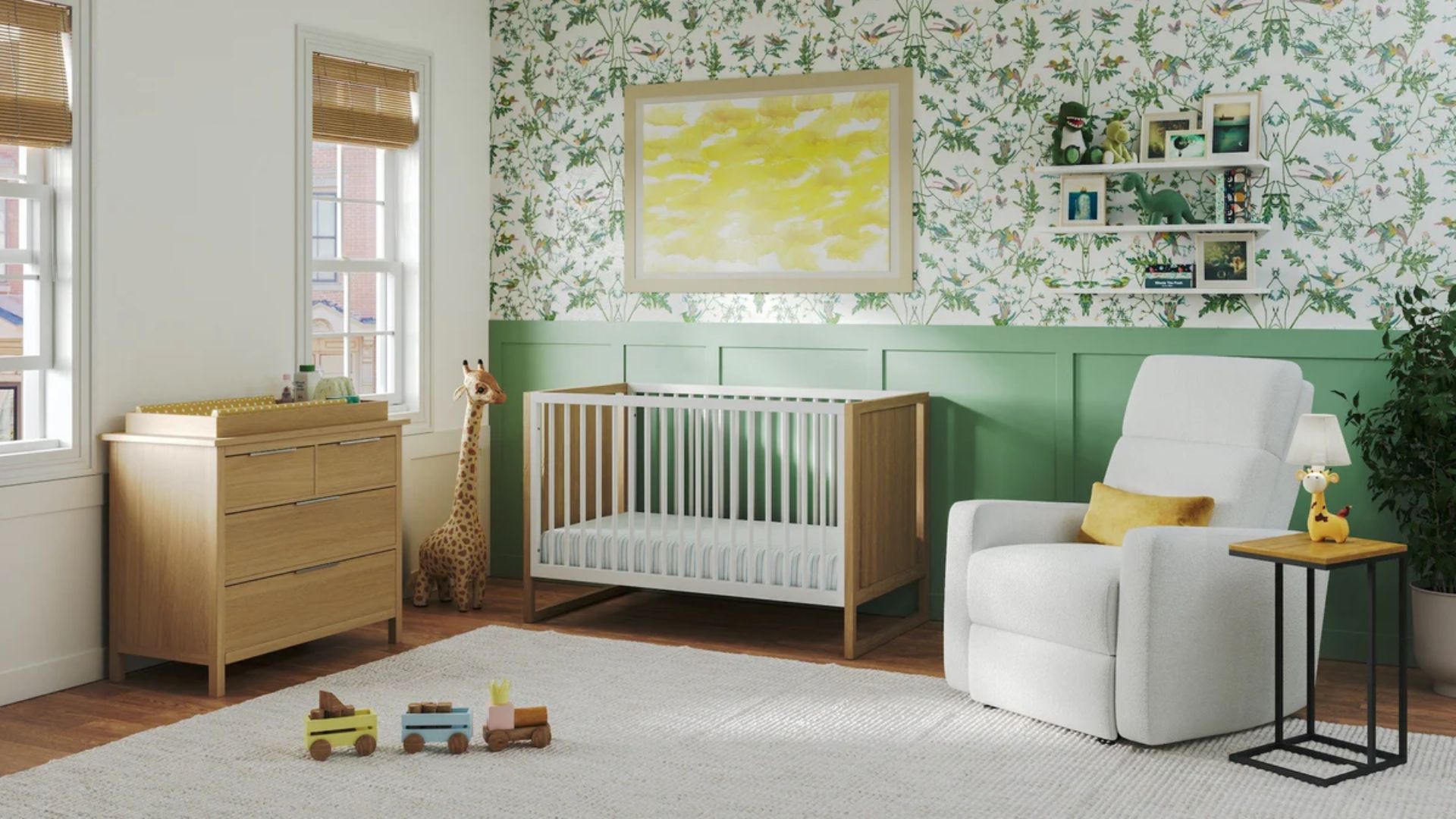
Figuring out when to set up nursery space can feel confusing, especially with so many opinions floating around. Some parents start early, others wait until the last few weeks, and both approaches can work just fine.
This article walks through the best timing options based on your pregnancy stage, energy levels, and living situation. You will also get a simple week by week checklist, along with tips on nursery theme, registry planning, and storage, so nothing gets missed.
Many parents second guess themselves on this topic, so this guide pulls together common experiences and practical advice to help you feel confident about your own timeline.
When Should You Set Up a Baby Nursery?
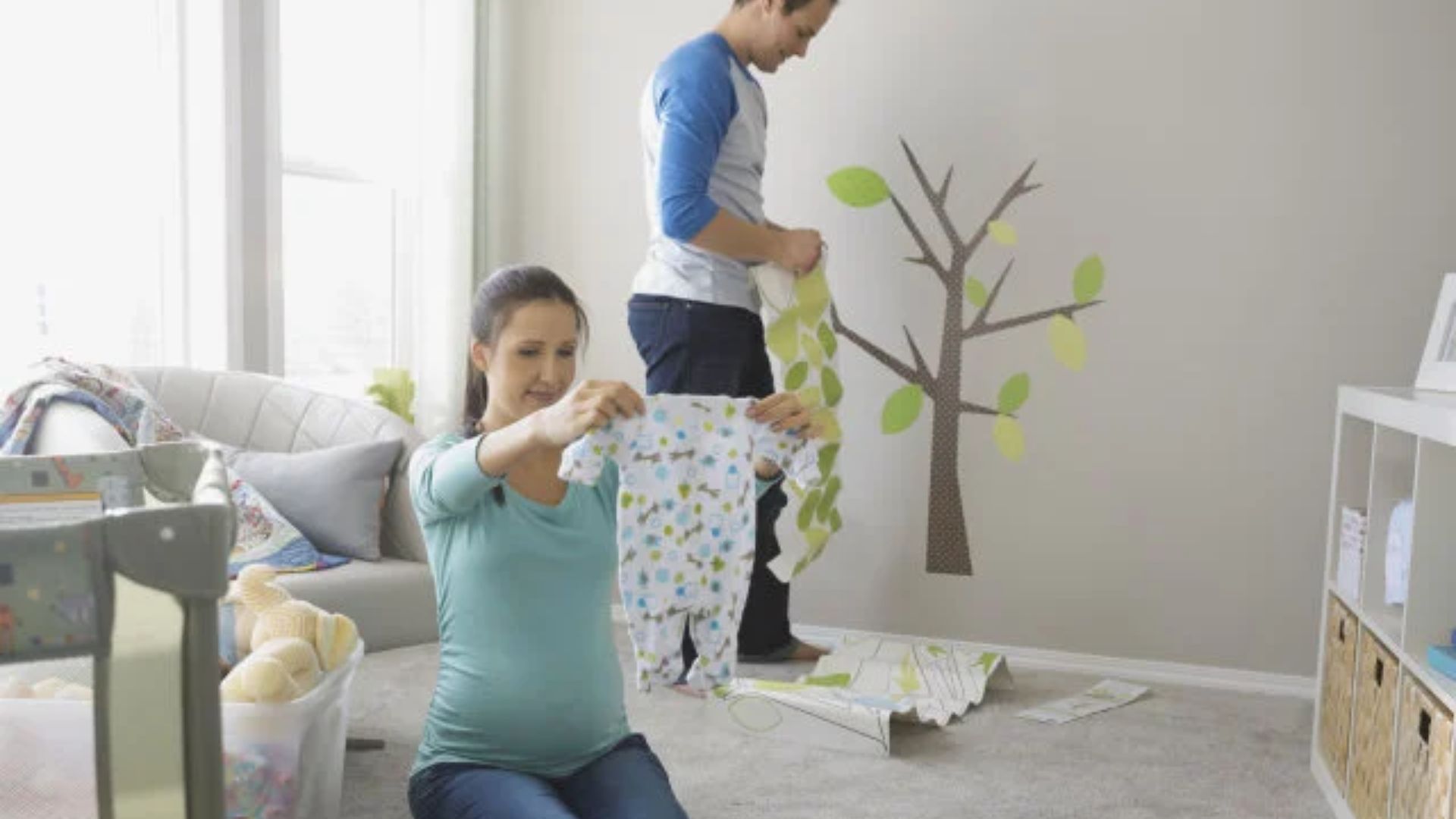
Most parents start setting up the nursery sometime during the second trimester, though there is no single right answer.
There is no strict rule for when to set up nursery space. Some parents like to start early once morning sickness fades, while others prefer to wait until they know more about the baby's needs.
The right timing depends on your comfort level, your home, and your schedule. A due date calculator can help you map these weeks onto real dates if you like working from a set schedule.
What Factors Determine the Best Time to Set Up a Nursery?

A few personal factors usually shape when parents feel ready to begin.
Your Pregnancy Trimester and Energy Levels
Energy levels often dip during the first trimester and pick back up during the second. Many parents wait until they feel more physically comfortable before starting nursery projects.
By the third trimester, though, it's wise to have the basics in place in case the baby arrives earlier than expected.
Risk Factors, Medical Advice, and Personal Comfort
Some parents wait longer due to pregnancy complications or doctor recommendations. Others feel more at ease starting early once they pass certain medical milestones.
Every pregnancy is different, so it's worth checking in with your doctor about what timeline feels right for your specific situation.
Home Renovations, Moving, or Space Availability
If you are painting, remodeling, or moving into a new home, these projects often need to happen before nursery furniture goes in.
Fumes from fresh paint or construction dust can also linger, so it's best to finish major work well before the baby arrives.
Budget, Sales, and Nursery Planning Timeline
Waiting for seasonal sales or spreading out purchases over several months can help manage costs without feeling rushed.
Planning ahead this way also gives you time to research and compare products instead of making last-minute decisions.
Nursery Preparation Timeline by Pregnancy Stage

Breaking the process down by trimester makes the whole project feel more manageable.
First trimester: Planning Without Pressure
This stage works well for research, Pinterest boards, and rough budgeting rather than actual purchases or setup.
It is also a good time to start a baby registry list, even though you will likely add more to it later.
Second trimester: The Ideal Time to Start Setting Up
Energy levels usually improve, and the bump is not too large yet, making this the most popular time to begin.
This is also when many parents settle on a nursery theme and color palette before ordering furniture.
Third trimester: Final Touches and Safety Checks
This is the time to finish small details, wash baby clothes, and complete safety checks before the due date arrives.
By the last few weeks, it helps to lean on a partner or family member for any remaining tasks so you can rest.
Why Many Parents Choose the Second Trimester
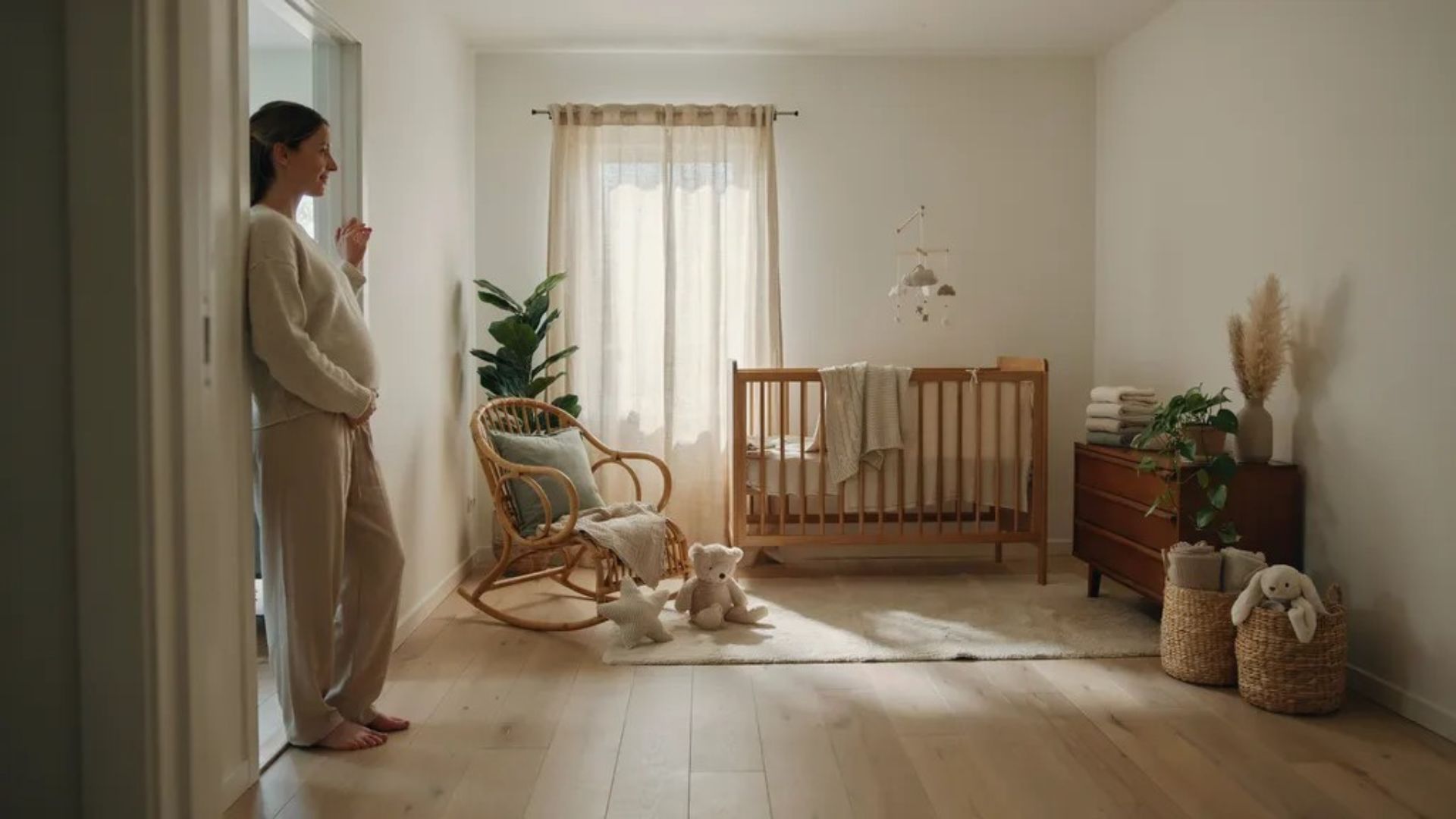
The second trimester tends to offer the best mix of energy and time before things get hectic near the due date. Morning sickness usually fades by this point, and many parents feel more physically capable of shopping, assembling furniture, and organizing.
It also leaves enough time before the third trimester, when fatigue and doctor visits increase. This window typically falls between weeks 14 and 27, giving parents a solid stretch to tackle bigger projects like painting or furniture assembly without feeling rushed.
It's also before the baby bump becomes large enough to make physical tasks like bending, reaching, or standing for long periods uncomfortable.
Many parents find this is when the pregnancy starts to feel more "real," which can make nursery planning feel exciting rather than overwhelming.
Starting during this window also builds in a buffer, so if anything needs to be reordered, exchanged, or reassembled, there's still plenty of time before the baby arrives.
Baby Nursery Setup Timeline: What to Do Week by Week

A simple week by week breakdown can help keep the process on track without feeling rushed.
Weeks 12–20: Plan the Room and Create a Budget
Start browsing furniture styles, measuring the room, and setting a rough budget for big ticket items like the crib and dresser.
This is also a natural time to start your baby registry list and begin narrowing down a nursery theme.
Weeks 20–28: Buy Furniture and Major Essentials
This is a good time to order the crib, mattress, dresser, and a nursing chair or glider, since larger items often take weeks to arrive or assemble.
A convertible crib is worth considering here, since it can grow with your child well past the baby stage.
Weeks 28–36: Organize Clothes, Diapers, and Feeding Supplies
Wash baby clothes, stock up on diapers, and set up a feeding station with bottles, burp cloths, and a changing pad.
Weeks 36–40: Install the Car Seat and Complete Final Safety Checks
Install and test the car seat, double check the crib setup, and confirm smoke detectors are working properly.
Important Nursery Items to Have Ready Before Baby Arrives
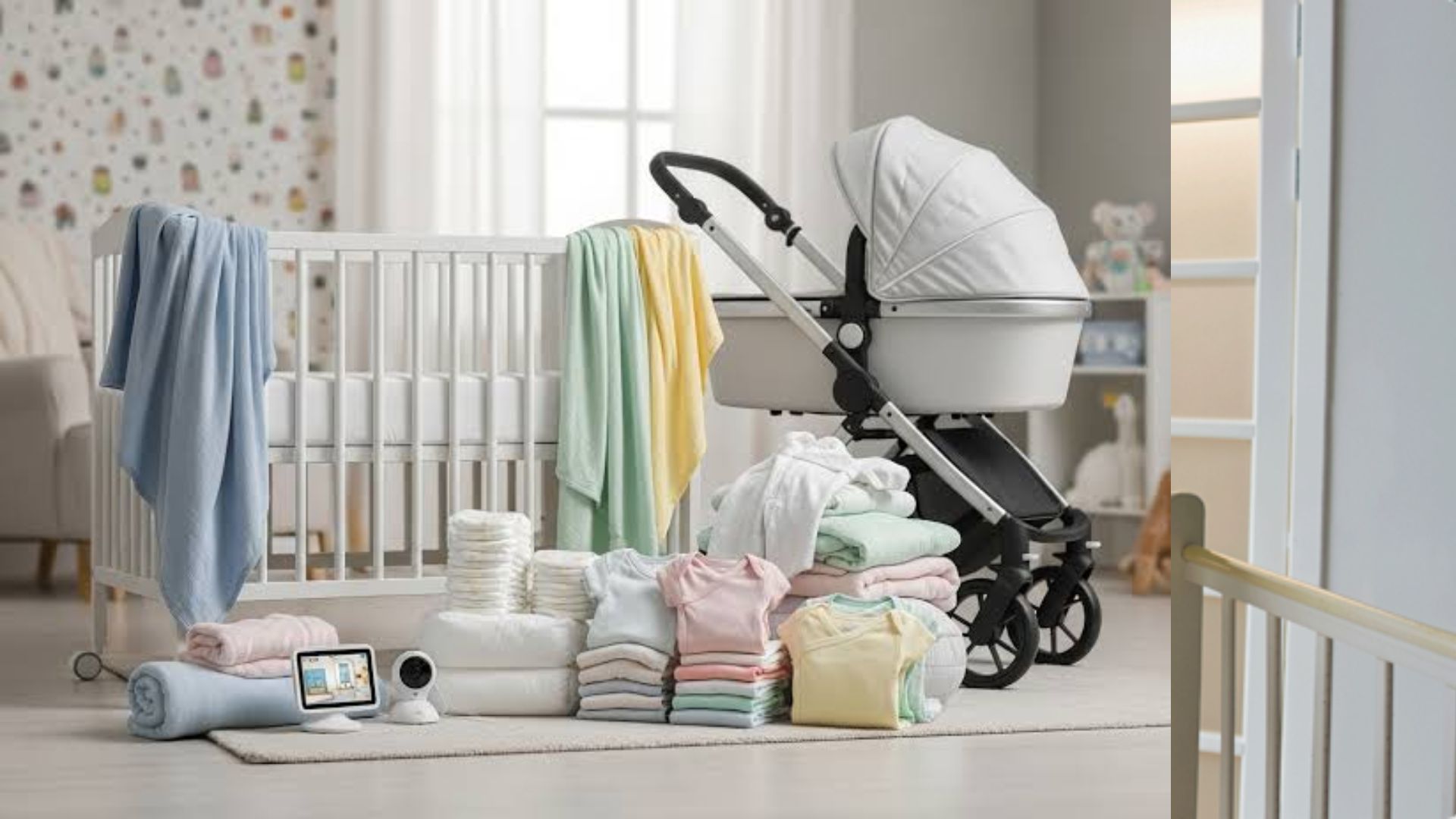
A few core categories cover most of what a new baby actually needs.
- Safe Sleep Essentials – A crib or bassinet with a firm mattress and fitted sheet are the only sleep items babies need. Avoid loose blankets, pillows, or bumpers, and follow your pediatrician's guidance on safe sleep setup if you have any questions.
- Diapering Station Must-haves – Diapers, wipes, a changing pad, and diaper cream should all be within easy reach of the changing area.
- Clothing, Storage, and Organization – Sort baby clothes by size, keep a small supply of newborn sizes on hand, and use bins or drawers to stay organized.
- Feeding and Soothing Essentials – Bottles, burp cloths, a feeding pillow, and a few soothing items like a pacifier or swaddle blanket cover the basics.
- Items that Can Wait Until After Birth – Larger decor pieces, non-essential gadgets like nightlights or mirrors, and extra clothing sizes can be added later once you know your baby's actual needs.
Nursery Essentials vs Nice-to-Have Items
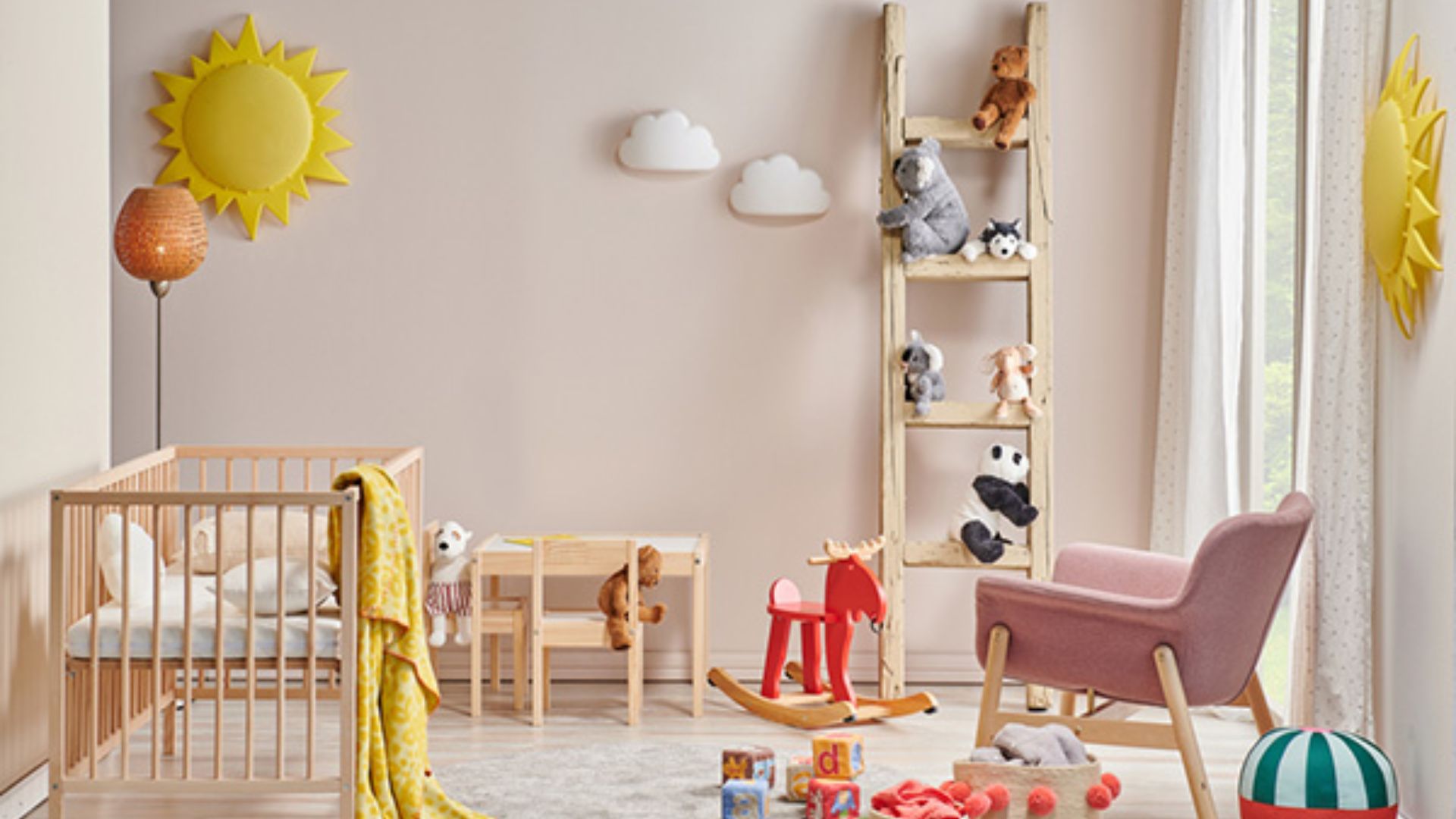
Not everything on a baby registry needs to be purchased before delivery.
| Priority Level | Items | Why It Matters |
| Must-Have Before Delivery | Safe sleep space, diapering supplies, feeding basics, a few newborn-size outfits | These are the items your baby actually needs from day one |
| Can Wait | Wall art, rugs, matching bedding sets, diaper pail, blackout curtains | Nice extras that don't affect your baby's daily care |
| Budget Priority Order | 1. Safety items → 2. Feeding and diapering supplies → 3. Décor and extras | Helps you spend wisely if working with a tight budget |
Setting Up a Nursery in Different Living Situations
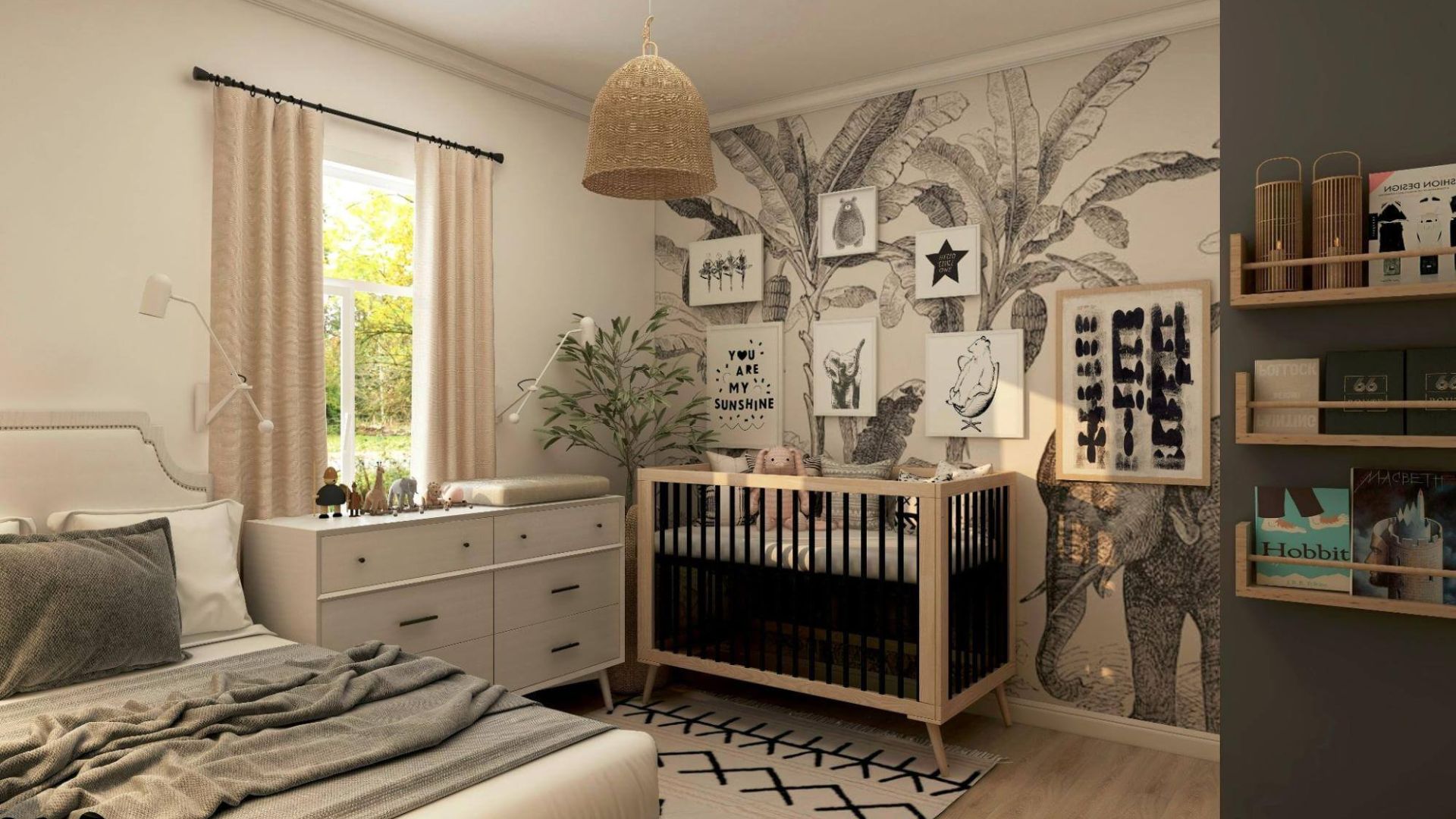
Not every family has a separate room to dedicate to a nursery, and that is completely normal.
A corner of a bedroom with a crib, small dresser, and changing pad can work just as well as a full separate room, especially if you bring in a convertible crib and a few multi-functional storage pieces to get more use out of a tight space.
Many parents also choose to keep the baby close for the first few months, using a bassinet or mini crib near their own bed instead of setting up a separate nursery right away.
If you are expecting twins or multiple babies, plan for two of everything when it comes to sleep and feeding, and try to organize storage and space early to avoid clutter later.
And if a move overlaps with your pregnancy, focus on unpacking the nursery essentials first before tackling the rest of the house.
Should You Finish the Nursery Before the Baby Shower?

Some parents like to have the room ready so shower gifts have a place to go right away. Having the nursery mostly done before the shower makes it easier to put new items away without a pile building up in the living room.
That said, plenty of parents finish the nursery after the shower once they know exactly what gifts they received, which can help avoid duplicate purchases or mismatched decor.
Waiting also gives you a clearer picture of what's still missing, since registry gifts often cover items you'd otherwise need to buy yourself.
Ultimately, there's no wrong approach here, it comes down to personal preference, energy levels, and how much lead time you have before the due date.
How Parents Decide When to Start Nesting

Nesting instincts show up differently for everyone, and there is no set schedule for when they begin.
Some parents feel the urge to organize and prepare as early as the first trimester, while others do not feel it until the final weeks.
This urge is often tied to hormonal shifts late in pregnancy, though the timing varies from person to person. Following your own comfort level matters more than matching someone else's timeline.
Common Nursery Setup Mistakes to Avoid
A few small missteps can create extra stress later in the pregnancy.
- Waiting too long to order furniture: Cribs and dressers can take several weeks to arrive, so ordering early avoids a last minute scramble.
- Skipping the car seat installation check: Many hospitals require a properly installed car seat before discharge, so test it ahead of time.
- Buying too many newborn size clothes: Babies grow fast, so a small supply of newborn sizes is usually enough.
- Forgetting to babyproof before mobility starts: Anchoring furniture early prevents a rushed babyproofing project later.
Expert Tips for a Stress-Free Nursery Setup
A little planning goes a long way toward keeping the process calm and manageable.
- Break tasks into small weekly goals: Spreading out shopping and setup over several weeks feels far less overwhelming than doing it all at once.
- Ask for help with heavy furniture: Let a partner, friend, or family member help with crib assembly and moving furniture.
- Wash items before use: Wash crib sheets, baby clothes, and blankets with a gentle detergent before the baby arrives.
- Keep a simple checklist handy: A written list helps track what is done and what still needs attention as the due date gets closer.
Conclusion
Knowing when to set up nursery space really comes down to your comfort, your schedule, and your home situation. Most parents find the second trimester works well, but starting earlier or later is perfectly fine too.
Use the week by week timeline in this guide, along with the notes on theme, registry, and storage, to stay organized without feeling rushed.
If this article helped you plan your own timeline, share it with a friend who is expecting, and leave a comment below with when you started your own nursery setup.
Frequently Asked Questions
Does the nursery need to be finished before the hospital bag is packed?
No, these two tasks are separate. Pack your hospital bag by week 36 regardless of nursery progress.
Can you set up a nursery in one weekend?
Yes, with help and pre-ordered furniture, a basic nursery setup is possible in a single weekend if items arrive on time.
Do babies need their own room right away?
No, many babies room-share with parents for the first several months, following pediatrician recommendations for safe sleep.
How much does an average nursery cost to set up?
Costs vary widely, but a basic nursery with essentials often ranges from a few hundred to over a thousand dollars.
Is it bad luck to set up a nursery too early?
This is a personal or cultural belief rather than a medical concern. Many parents set up early with no issues at all.