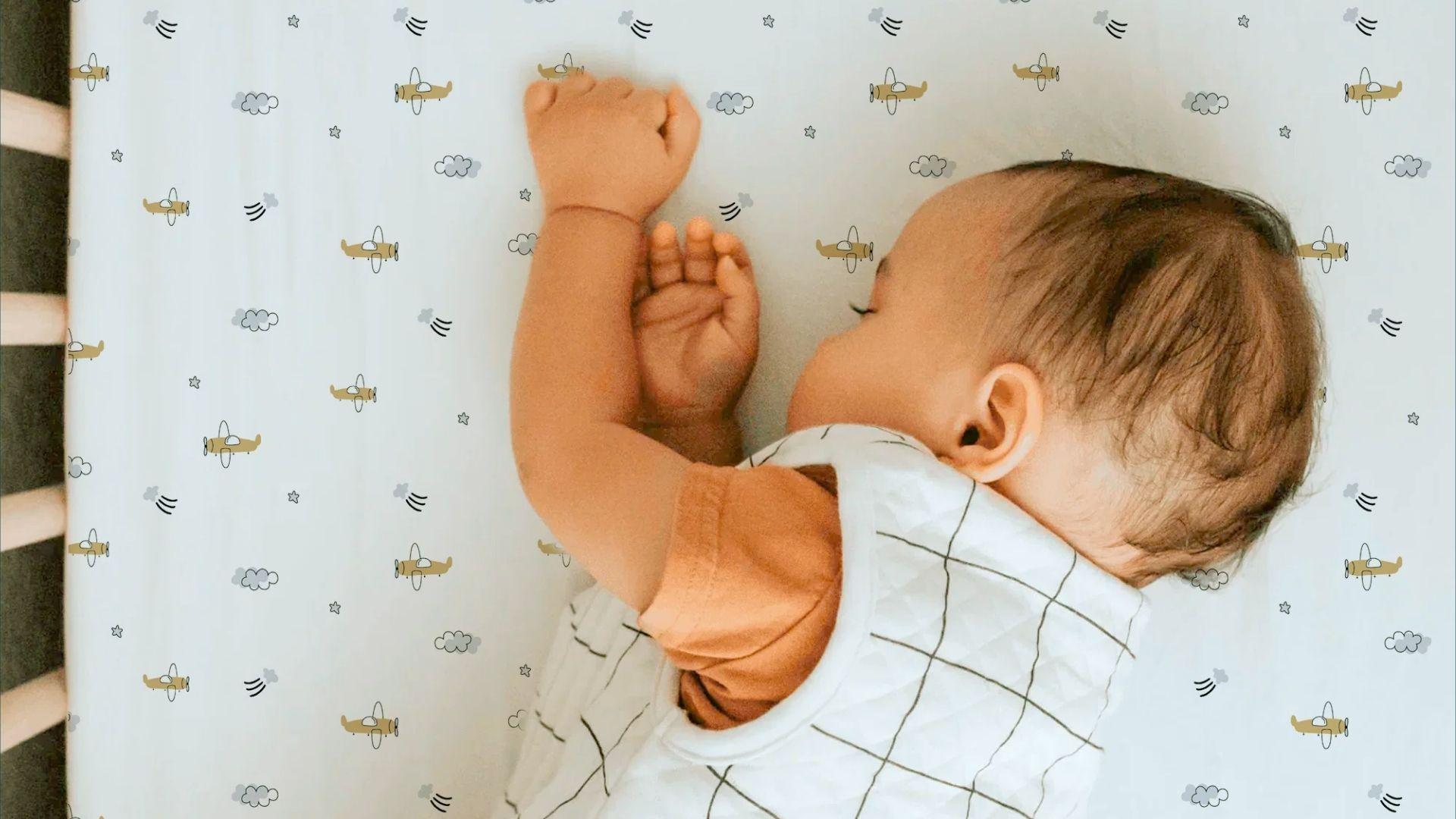

Many parents notice their child sucking their thumb and start asking why do kids suck their thumb in the first place.
This gentle habit is one of the most common behaviors in babies and young children.
It usually starts as a simple way to feel calm and secure, often before a child even understands what comfort means.
This covers why the habit begins, when it's normal, and when it might need attention. You'll also find practical, gentle strategies to help your child move past it at their own pace, without pressure or frustration on either side.
Many pediatric experts see this habit often, and the tips here reflect what tends to work best for real families.
What Causes Children to Suck Their Thumb?

Thumb sucking starts with a natural sucking reflex that helps babies feed and calm themselves. Some babies begin sucking their fingers or thumbs before birth, and after birth, the behavior can continue because it feels familiar and soothing.
As children grow, thumb sucking may become a way to manage tiredness, boredom, stress, or strong emotions.
Some children use it mainly at bedtime, while others may reach for their thumb during quiet activities or unfamiliar situations. The habit can also continue because it has become part of a child's routine rather than because the child is consciously choosing it.
The reason matters when you're trying to help your child stop. If thumb sucking happens mainly when your child is tired, for example, improving the bedtime routine may help more than repeatedly telling them to remove their thumb.
Is Thumb Sucking Normal at Different Ages?

Thumb sucking is common during infancy and early childhood, but what matters changes as a child gets older. The frequency and intensity of the habit also matter when considering whether it needs attention.
- Babies: Thumb sucking is usually a normal reflex and can help with feeding and self-soothing.
- Toddlers: Many toddlers still use thumb sucking to calm themselves, especially when tired, upset, or falling asleep.
- Preschoolers: Parents can begin encouraging other ways to self-soothe, particularly if thumb sucking happens frequently during the day.
- Around age 3 and beyond: Persistent thumb sucking is worth discussing with a pediatric dentist, especially if the habit is frequent or vigorous.
- Older children: If the habit continues or affects the teeth, bite, or daily activities, professional guidance can help identify the best way to stop.
There is no single age when every child must stop. However, prolonged or intense thumb sucking can affect developing teeth and the bite, so persistent habits deserve attention as children get older.
What Happens if Thumb Sucking Continues Too Long?

Occasional thumb sucking during early childhood usually is not a reason for concern. The risk of dental changes becomes more important when the habit is frequent, prolonged, or vigorous, particularly as the permanent teeth develop.
Long-lasting thumb sucking can affect how the teeth and jaws develop. Possible changes include an open bite, where some teeth do not meet normally when the mouth closes, or changes in the alignment of the teeth. The effects vary from child to child and depend partly on how often, how intensely, and how long the habit continues.
Frequent sucking can also irritate the thumb, causing dry, cracked, or thickened skin. If you notice changes in your child's teeth or bite, or the habit remains frequent as your child gets older, talk with a pediatric dentist.
| Possible Effect | More Likely With |
| Bite changes | Frequent or prolonged thumb sucking |
| Teeth alignment changes | Strong or persistent sucking |
| Skin irritation | Frequent daily sucking |
| Oral development concerns | Habit continues as permanent teeth develop |
When Should Parents Be Concerned About Thumb Sucking

Parents do not need to worry about every instance of thumb sucking. Pay closer attention when the habit becomes frequent, vigorous, difficult to interrupt, or continues as your child gets older.
Consider talking with a pediatric dentist if you notice:
- Changes in the position of your child's teeth or how the teeth meet
- Frequent or vigorous thumb sucking during the day
- Thumb sucking that continues as the permanent teeth develop
- Irritated, cracked, or damaged skin on the thumb
- A child who wants to stop but has difficulty doing so
- Concerns about how the habit is affecting your child's mouth or bite
If thumb sucking seems closely connected to anxiety, distress, or another emotional concern, a pediatrician can also help you understand what may be triggering the behavior.
How Can Parents Help Kids Stop Thumb Sucking?

Helping a child stop thumb sucking usually works better when parents focus on the reason behind the habit rather than simply telling the child to stop. Start by noticing when it happens, then offer another way to handle that situation.
1. Identify the Trigger
For several days, notice when your child puts their thumb in their mouth. Look for patterns such as bedtime, boredom, tiredness, stress, car rides, or watching television.
Once you know the trigger, you can respond before the habit starts. If bedtime is the main trigger, for example, a predictable routine with a story, cuddling, or another calming activity may give your child a different way to settle down.
2. Offer Another Way to Self-Soothe
Give your child an alternative that fits the situation. A favorite stuffed animal, blanket, bedtime story, quiet activity, or extra reassurance may provide comfort without relying on thumb sucking.
The goal is not to remove comfort suddenly. Instead, help your child learn another response when they feel tired, bored, upset, or anxious.
3. Use Positive Reinforcement
Praise your child when they go through a trigger situation without sucking their thumb. For an older child who wants to stop, you can also agree on a simple goal and use a sticker chart or another small reward to recognize progress.
Keep the focus on what your child is doing well rather than pointing out every time the habit happens. Progress may be gradual, so avoid expecting the behavior to disappear immediately.
4. Use Gentle Reminders
If your child is willing to stop, a simple reminder can help them notice the habit. This may be especially useful during predictable times, such as falling asleep or riding in the car.
Avoid turning reminders into punishment. The purpose is to help your child become aware of the behavior and choose another response.
5. Let Older Children Help Set the Goal
Older children are often more willing to change a habit when they understand why it matters and have a role in the process. Talk about the habit without criticism and let your child help choose a realistic goal.
You can agree on one situation to work on first, such as reducing thumb sucking during the day before working on bedtime. Celebrate progress and adjust the goal if it becomes too difficult.
What Not to Do When Trying to Stop Thumb Sucking?

Trying to stop thumb sucking through pressure or embarrassment can make the process harder. Instead, keep the conversation calm and focus on helping your child develop another way to self-soothe.
Avoid:
- Punishing your child: Consequences and shame can increase stress without teaching a better coping strategy.
- Teasing or comparing: Comparing your child with siblings or friends can create embarrassment and reduce cooperation.
- Constantly pulling the thumb away: Repeatedly removing the thumb can turn the habit into a power struggle.
- Expecting overnight results: Children may need time to replace an established comfort habit.
- Using deterrents without guidance: Talk with a pediatrician or pediatric dentist before using bitter products, restraints, or dental appliances.
The goal is to help your child change the habit while keeping the process supportive and age-appropriate.
When Should You See a Pediatrician or Dentist?

A pediatric dentist can help if you notice changes in your child's teeth or bite, if thumb sucking remains frequent as your child gets older, or if you are considering a device to help break the habit. A dental evaluation can show whether the habit is affecting oral development.
A pediatrician can help when thumb sucking seems strongly connected to anxiety, emotional distress, or another concern.
They can also offer guidance if you have tried consistent strategies at home and your child is still struggling to stop.
You do not need to wait for a serious problem before asking for help. If you are unsure whether your child's thumb sucking is appropriate for their age or intensity, discussing it with a healthcare professional can give you a clearer next step.
Conclusion
Understanding why kids suck their thumb can help you respond without unnecessary pressure. For many young children, thumb sucking is a way to self-soothe when they are tired, bored, stressed, or ready for sleep.
If you want to help your child stop, start by identifying the situations that trigger the habit. Offer another source of comfort, praise progress, and avoid punishment or embarrassment. If the habit remains frequent as your child gets older, or you notice changes in the teeth or bite, talk with a pediatric dentist for personalized guidance.
Frequently Asked Questions
Can thumb sucking affect a child's sleep?
Thumb sucking often helps children relax and fall asleep. It usually isn't a sleep problem unless it becomes disruptive or is linked to underlying emotional concerns.
Do babies suck their thumb before they are born?
Yes. Ultrasound images have shown some babies sucking their thumb in the womb, making it one of the earliest natural self-soothing behaviors.
Can a child switch from thumb sucking to another habit?
Yes. Some children replace thumb sucking with nail biting, hair twirling, or blanket attachment as they develop new ways to self-soothe.
Does thumb sucking increase the risk of getting sick?
Frequent thumb sucking with unwashed hands may expose children to more germs, making regular handwashing and good hygiene especially important.
Are some children more likely to suck their thumb than others?
Yes. Every child develops differently, and personality, temperament, and individual comfort needs can influence whether a thumb-sucking habit develops or lasts longer.