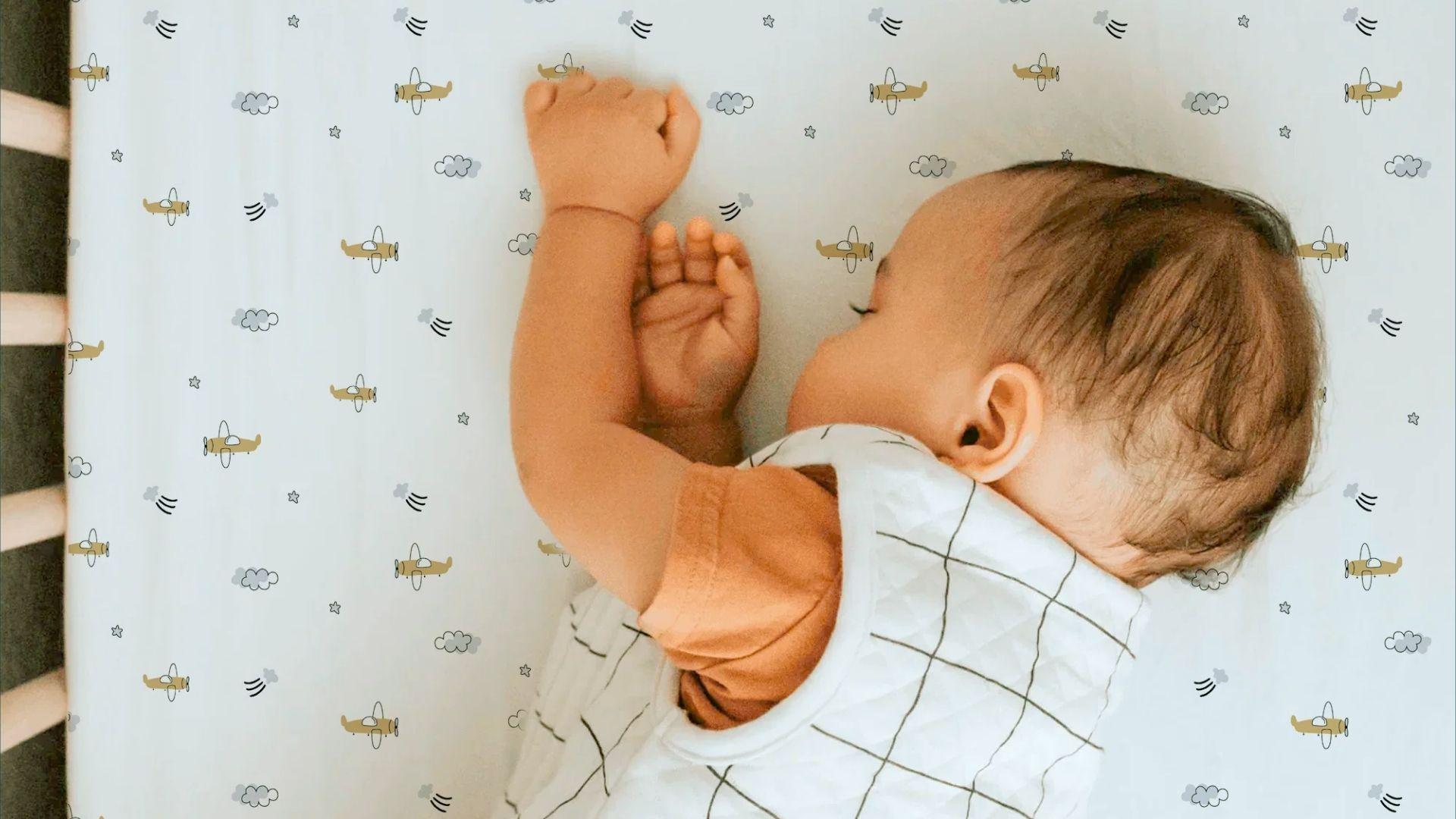

If you have noticed your baby sucking their thumb and wondered whether it is normal, you are not alone.
Babies can start sucking their thumb before birth, and some newborns continue the behavior soon after birth. More deliberate thumb sucking often becomes easier around 3 to 4 months as hand control develops.
Most parents ask the same question: when do babies start sucking their thumb, and should I be worried?
This article walks you through everything you need to know, from the earliest signs in newborns to what happens as your baby grows.
You will learn why babies do it, what age it typically starts, and when it might be time to step in.
Thumb sucking is a common part of infant development. Most babies do not need intervention during infancy unless there are other concerns.
Can Babies Start Sucking Their Thumb Before Birth?

Babies can actually start sucking their thumb before birth. Ultrasound studies have observed fetal sucking movements from around 15 weeks of pregnancy, and sucking movements become more coordinated as pregnancy progresses.
So your baby is already familiar with it before they arrive. For newborns, sucking is mainly linked to the natural sucking reflex and developing hand-to-mouth coordination.
About 90% of newborns show some form of hand-sucking behavior within two hours of birth. This includes hand or finger sucking and does not mean every newborn specifically sucks their thumb.
Newborns have a strong natural drive to suck, and the thumb is always within reach.
Why Do Babies Suck Their Thumb?

Babies suck their thumbs for several clear reasons. Understanding why helps you respond in the right way.
Natural Sucking Reflex
Babies are born with a sucking reflex. It helps them feed and is one of the first reflexes to develop.
This reflex is strongest in the first few months and gradually fades as your baby grows. Thumb sucking during this time is simply the reflex in action.
Comfort and Self-Soothing
One of the biggest reasons babies suck their thumbs is for comfort. It helps them feel calm and safe.
Unlike a pacifier, the thumb is always available. Babies who self-soothe with their thumb often settle more easily during naps and bedtime.
Experts suggest encouraging babies to use more than one comfort method so that no single habit becomes too hard to move away from later.
Hunger, Tiredness, or Upset
Sometimes a baby sucks their thumb because they are hungry, tired, or feeling overwhelmed.
If your baby reaches for their thumb more than usual, it is worth checking whether they need feeding, a nap, or some extra comfort.
Teething
When babies are teething, they may put their fingers or thumb in their mouth because chewing or sucking can soothe sore gums.
This does not always mean they are developing a thumb-sucking habit.
What Age Do Babies Start Sucking Their Thumb?

There is no single age when every baby starts sucking their thumb. Sucking movements can begin before birth, while deliberate hand-to-mouth behavior becomes easier as babies gain better control of their hands.
Newborn to 3 Months
Newborns rely heavily on the sucking reflex. In these early weeks, thumb sucking is mostly reflex-driven.
Your baby is still learning to coordinate their hands, so the thumb may not always make it to the mouth successfully.
When the thumb reaches the mouth, sucking can help satisfy the baby's strong sucking reflex and provide comfort.
At this age, there is usually no need to discourage thumb sucking. Focus on feeding, sleep, and comfort.
4 to 6 Months
By around 4 months, babies have better hand control. They start bringing their hands to their mouths more deliberately.
Thumb sucking becomes more intentional at this stage. It is also common for babies to find their hands and fingers during this period.
6 to 12 Months
Between 6 and 12 months, thumb sucking often becomes a regular habit, especially around sleep. Babies at this age may suck their thumb when they are tired, bored, or anxious. It is still considered completely normal at this stage.
If thumb sucking becomes frequent, you can begin offering other comfort methods, such as rocking, a consistent bedtime routine, or a safe comfort object when developmentally appropriate.
After 1 Year
Many babies continue thumb sucking past their first birthday.
If the habit remains frequent, intense, or continues into the preschool years, talk with a pediatric dentist about whether it could affect oral development.
Many children stop thumb sucking on their own during early childhood. The concern is less about a specific cutoff age and more about how often and intensely the habit continues as the teeth and jaws develop.
If your toddler sucks their thumb frequently during the day, gently redirect them toward another activity or comfort method rather than repeatedly pulling the thumb away.
Is It Normal for a Baby to Suck Their Thumb?
Yes. Thumb sucking is generally normal during infancy and early childhood.
Not every baby develops the habit, and some babies prefer sucking their fingers, hands, or a pacifier instead.
The behavior usually becomes more important to monitor when it is prolonged, frequent, or intense enough to affect the teeth or mouth.
The main reason to monitor the habit is not simply that it exists, but how often and intensely it continues as your child's teeth and mouth develop.
Thumb Sucking vs. Other Baby Sucking Behaviors
Every baby finds their own way to self-soothe, and sucking is the most natural route. Here is how thumb sucking compares to other common sucking habits.
| Behavior | How It Works | Key Difference | Harder to Stop? |
| Thumb Sucking | Baby uses the thumb to self-soothe | Always available, no parent needed | Yes, because the thumb is always available |
| Hand Sucking | Baby sucks the whole fist or palm | Common in early months before coordination develops | Fades naturally with age |
| Finger Sucking | Baby uses two or more fingers | Works the same as thumb sucking for comfort | Slightly harder than thumb |
| Pacifier Use | External object used for sucking comfort | Can be limited or removed by a parent and is easier to clean than a thumb | Easier to control because parents can limit or remove it |
Should You Stop Your Baby From Sucking Their Thumb?

Not every baby needs to be stopped from thumb sucking, and the right call depends on their age and how often it happens.
During infancy and early toddlerhood, thumb sucking is usually normal and does not require active intervention unless there are other concerns.
Many children gradually reduce the habit as they grow and develop other ways to self-soothe.
However, if the habit continues past age 3 or 4 and becomes constant and intense, it can start affecting tooth alignment and mouth shape.
As your child gets older, gently offer other ways to self-soothe rather than making thumb sucking a source of conflict. If the habit remains frequent or intense into the preschool years, discuss it with a pediatric dentist.
How Can You Help a Baby Stop Sucking Their Thumb?
Gentle redirection works far better than force when helping your baby move away from thumb sucking.
Start by offering other comfort options like a soft blanket, a stuffed toy, or gentle rocking to replace what the thumb provides.
If your baby is reaching for their thumb more than usual, check whether they are hungry, overtired, or uncomfortable, since fixing the root cause often reduces the habit on its own.
For younger babies, a pacifier can be a practical alternative that satisfies the sucking reflex and can be removed later when ready.
Avoid scolding or repeatedly pulling the thumb away. Pressure or punishment can create stress around the habit and may make it harder for your child to stop.
Positive reinforcement, like praising your child when they choose not to suck, works far better than correction.
When Should You Worry About Thumb Sucking?
Thumb sucking is rarely a cause for concern in young babies. But there are a few situations where it is worth paying closer attention.
Effects on Teeth and Mouth Development
Prolonged and frequent thumb sucking can affect tooth position and the way the upper and lower teeth come together.
The risk is greater when the habit is intense and continues as the permanent teeth begin to develop.
It also puts pressure on the roof of the mouth, which can change the shape of the palate over time.
Common issues include protruding front teeth and an open bite, where the teeth do not come together properly.
Skin Irritation From Frequent Thumb Sucking
Constant moisture from sucking can cause the skin on the thumb to become red, cracked, or sore.
Over time, calluses can also form on the thumb from repeated friction. If you notice irritation, try keeping the thumb clean and apply a gentle moisturizer when your baby is not sucking.
When to Talk to a Pediatrician or Dentist
Talk with a pediatric dentist if thumb sucking remains frequent or intense into the preschool years, if you notice changes in your child's teeth or bite, or if the skin on the thumb becomes persistently sore or infected.
A pediatric dentist can give you a clear picture of whether any action is needed.
It is also worth checking if your child seems to suck their thumb more during stressful situations or struggles with sleep, as these can sometimes signal sensory needs that go beyond simple habits.
Children should have their first dental visit when the first tooth appears or by their first birthday.
This gives the dentist a chance to monitor oral development and discuss thumb sucking if it becomes a concern.
This also gives the dentist a chance to monitor oral development and discuss thumb sucking if it becomes a concern.
Conclusion
Understanding when babies start sucking their thumb and why it happens gives you the confidence to handle it calmly.
Watch how often your child sucks their thumb, stay patient, and seek dental advice if the habit becomes frequent, intense, or continues into the preschool years.
It can start before birth or soon after birth, and most infants do not need intervention unless the habit becomes prolonged, intense, or affects oral development.
If you found this helpful, share it with another parent who might need reassurance, leave a comment with your experience below, or check out our related articles on baby sleep and infant self-soothing habits.
Frequently Asked Questions
Can thumb sucking affect my baby's speech development?
Prolonged thumb sucking can contribute to changes in tooth alignment and the bite, which may sometimes affect oral function or speech. If you notice speech concerns, discuss them with your child's pediatrician, dentist, or speech-language professional.
Does thumb sucking mean my baby is not getting enough comfort from me?
No. Thumb sucking is a self-soothing reflex, not a sign of emotional neglect or insufficient parental attention.
Should I wake my baby to remove their thumb while sleeping?
No. There is generally no need to wake a sleeping baby just to remove their thumb. Focus on addressing the habit during waking hours if it becomes a concern.
Can a baby who sucks their thumb still take a bottle or breastfeed properly?
Yes. Thumb sucking is generally compatible with breastfeeding or bottle feeding. If your baby has trouble feeding, gaining weight, or coordinating sucking and swallowing, discuss it with your pediatrician or feeding professional.
Is it harder to break the thumb sucking habit than pacifier use?
Thumb sucking can be harder to stop because the thumb is always available and cannot simply be removed. A pacifier can be gradually limited or taken away, giving parents more control over when and how it is discontinued.