Shopping for baby clothes can feel confusing, especially when you see numbers like 80 instead of months. What size is 80 in baby clothes?
That's a question many parents ask when buying clothes online or from European brands.
This article breaks down exactly what size 80 means, who it fits, and how it compares to US sizes.
You'll get a clear size chart, practical measuring tips, and simple advice on buying clothes that fit well and last a little longer.
Whether you shop from local stores or international brands, knowing this sizing system makes a big difference.
Many parents find baby clothing sizes confusing, especially when shopping across different countries. Once you understand how European sizing works, choosing the right size becomes much easier.
What Does Size 80 Mean in Baby Clothes?
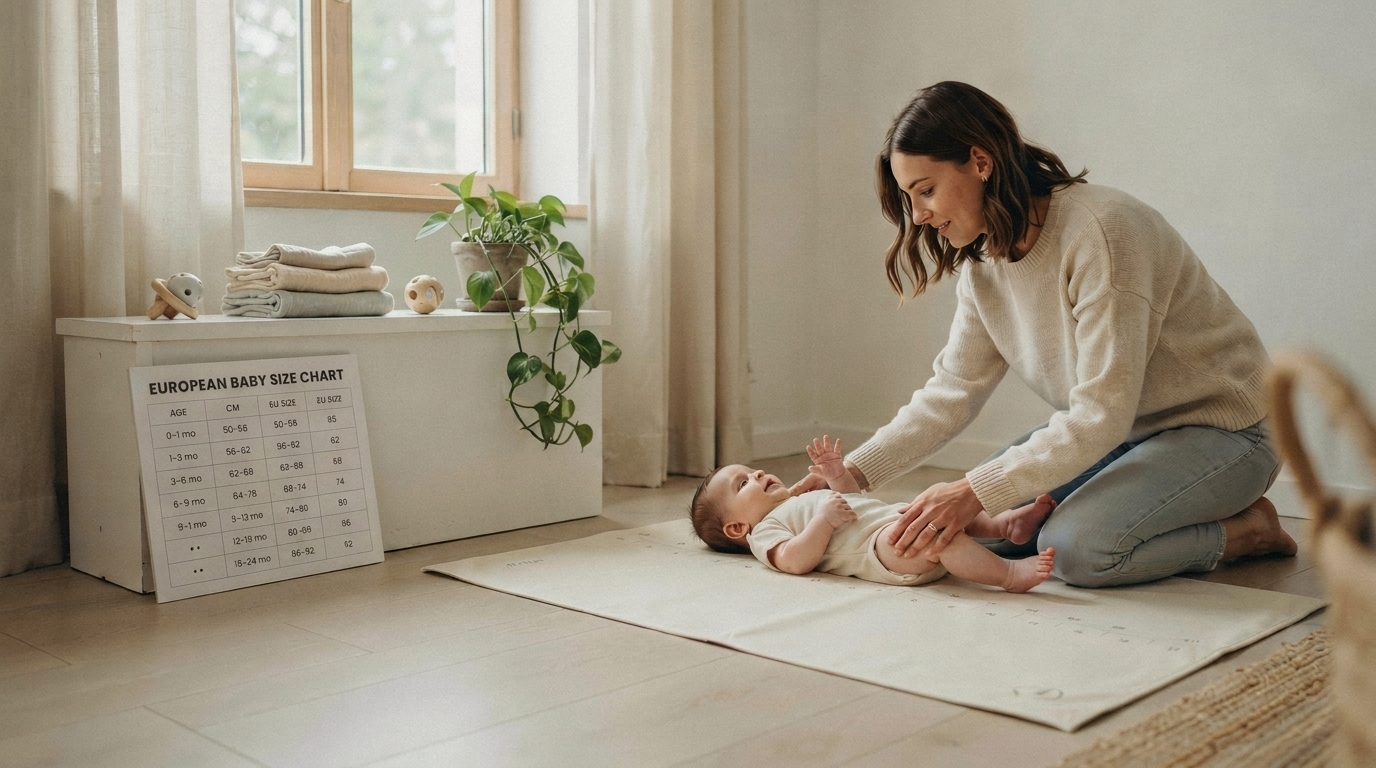
Size 80 is a European clothing size for babies around 80 centimeters tall, typically between 12 and 18 months old.
Many parents come across this number for the first time while shopping from international brands and have no idea what it means.
The European sizing system skips age labels and uses your baby's height in centimeters instead, which is actually more accurate since babies grow at very different rates.
The height measurement your pediatrician records at well-child visits is the same number you can use to match European sizes. So if your baby's last check-up showed 78 cm, size 80 is your guide.
Size 80 fits babies who are roughly 74 to 80 cm tall and weigh between 10 and 12 kilograms, though these are general guidelines, not strict rules.
One more thing worth knowing is that not every brand cuts size 80 the same way.
Some run slim, others run roomy, so a size 80 from a Swedish brand may fit differently than one from a German or French brand.
Brands like Hanna Andersson are known for generous, consistent sizing, while H&M and Zara Baby tend to run closer to the exact centimeter measurement.
Always check the brand's own size chart before buying, especially when ordering online.
Baby Clothes Size 80 Chart
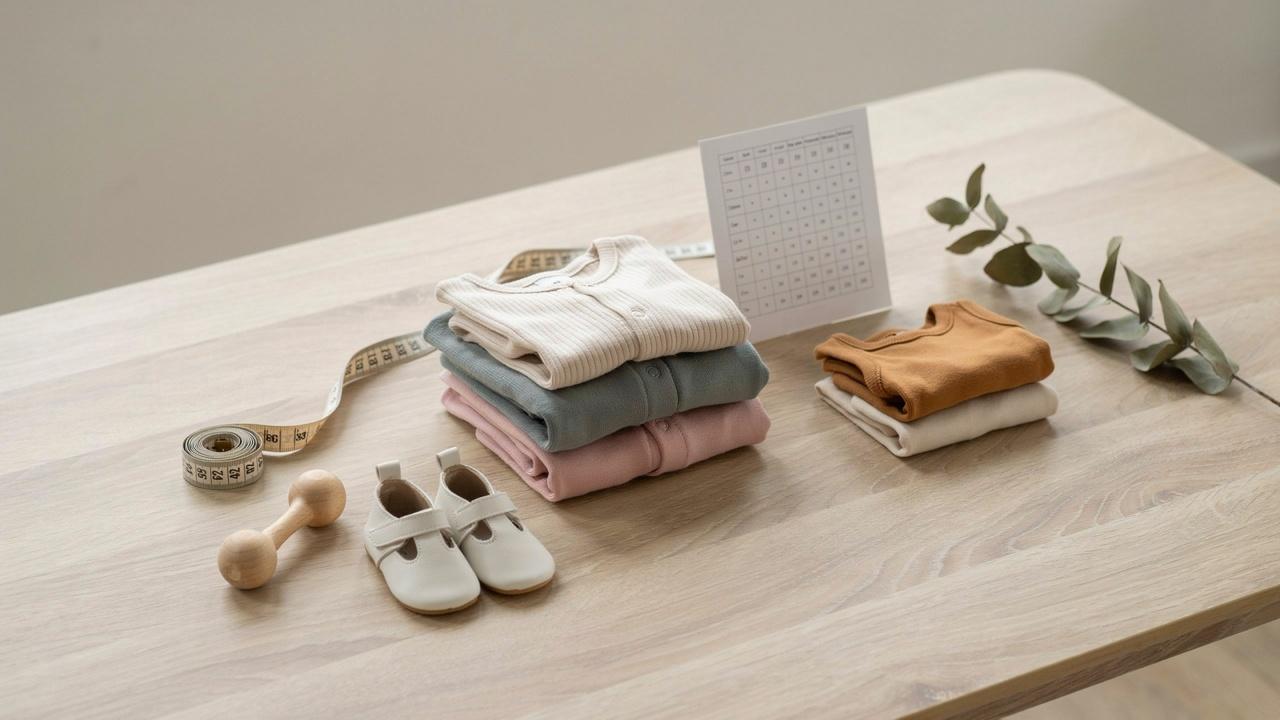
A simple size chart saves time and helps you avoid returns. Here's a clear breakdown of what size 80 looks like by the numbers.
Size 80 by Age, Height, and Weight
| Size | Age Range | Height | Weight |
| 80 | 12–18 months | 74–80 cm | 10–12 kg |
This is a general guide. Your baby's actual measurements matter more than age.
Size 80 in Centimeters and Inches
80 centimeters equals about 31.5 inches. If you're used to measuring in inches, this helps you compare sizes across different regions.
Most US brands don't use centimeter-based sizing, so knowing this conversion is helpful. Some brands also include chest and waist measurements in their size charts.
When available, use those measurements along with your baby's height to choose the best fit.
Printable Size Reference Table
| European Size | Height (cm) | Height (inches) | Age (approx.) |
| 74 | 68–74 cm | 26.7–29.1 in | 6–9 months |
| 80 | 74–80 cm | 29.1–31.5 in | 12–18 months |
| 86 | 80–86 cm | 31.5–33.9 in | 18–24 months |
| 90 | 86–90 cm | 33.9–35.5 in | 2–3 years |
Save or print this table to use while shopping.
What Size Is 80 in US Baby Clothes?
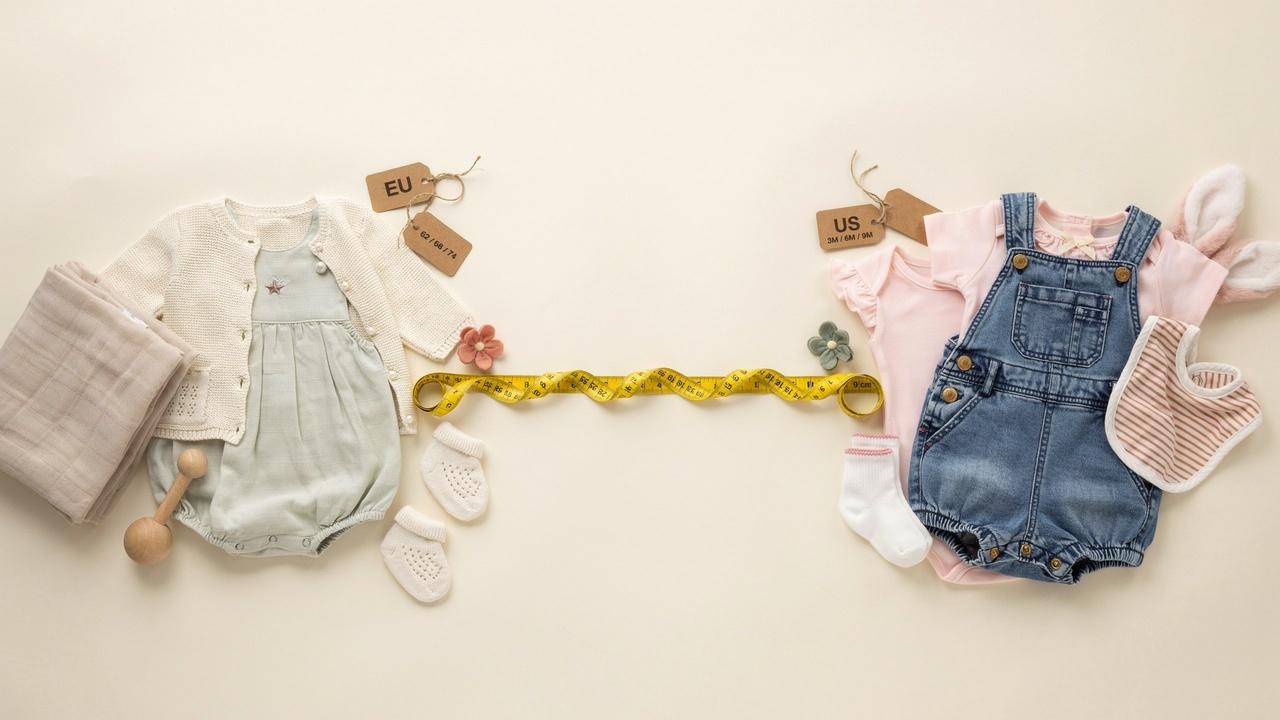
If you shop mostly US brands, you'll need to know how size 80 translates. The systems are different but easy to match up.
US Size Equivalent for Size 80
Size 80 in European sizing is closest to 12M to 18M in US sizing. Some brands may place it closer to 18M depending on how they cut their clothing.
When in doubt, choose the size based on your baby's current measurements rather than the age label.
Size 80 vs 12M, 18M, and 24M
Size 80 overlaps mostly with 12M and 18M in the US system. It does not match 24M, which is closer to European size 86 or 92. If your baby is between sizes, go with the larger one for more growing room.
Keep in mind that Carter's 12M tends to run slightly smaller than a true European size 80, while brands like GAP often align their 12–18M range to a similar height window but may differ in the waist or chest cut. Always pull up the specific brand chart.
European vs US Baby Clothing Sizes
| European Size | US Size Equivalent |
| 68 | 3–6M |
| 74 | 6–9M |
| 80 | 12–18M |
| 86 | 18–24M |
| 90 | 2T |
European sizes focus on height. US sizes focus on age. Neither is better, they just work differently.
How to Know If Size 80 Will Fit Your Baby

The best way to get the right fit is to measure your baby yourself. Don't rely only on age labels.
Measure Your Baby's Height
Lay your baby flat on a firm surface. Use a soft measuring tape from the top of their head to the bottom of their heel.
Do this when they're calm and still for the most accurate result. Compare this number to the size chart of the brand you're buying from.
Check Weight Before Choosing a Size
Height is the main guide, but weight matters too. A baby who is tall but light may fit a size 80 in length but find the waist too loose.
A heavier baby may need a size up even if their height fits size 80. Most brand charts list both, so check both columns.
Signs It's Time to Move to the Next Size
Look for these signs that size 80 is getting too small. The shirt rides up above the belly. Pants are tight around the thighs. Snaps at the crotch don't close easily. Sleeves or legs look short.
If you notice any of these, it's time to move up to size 86.
Size 80 Compared With Other Baby Sizes
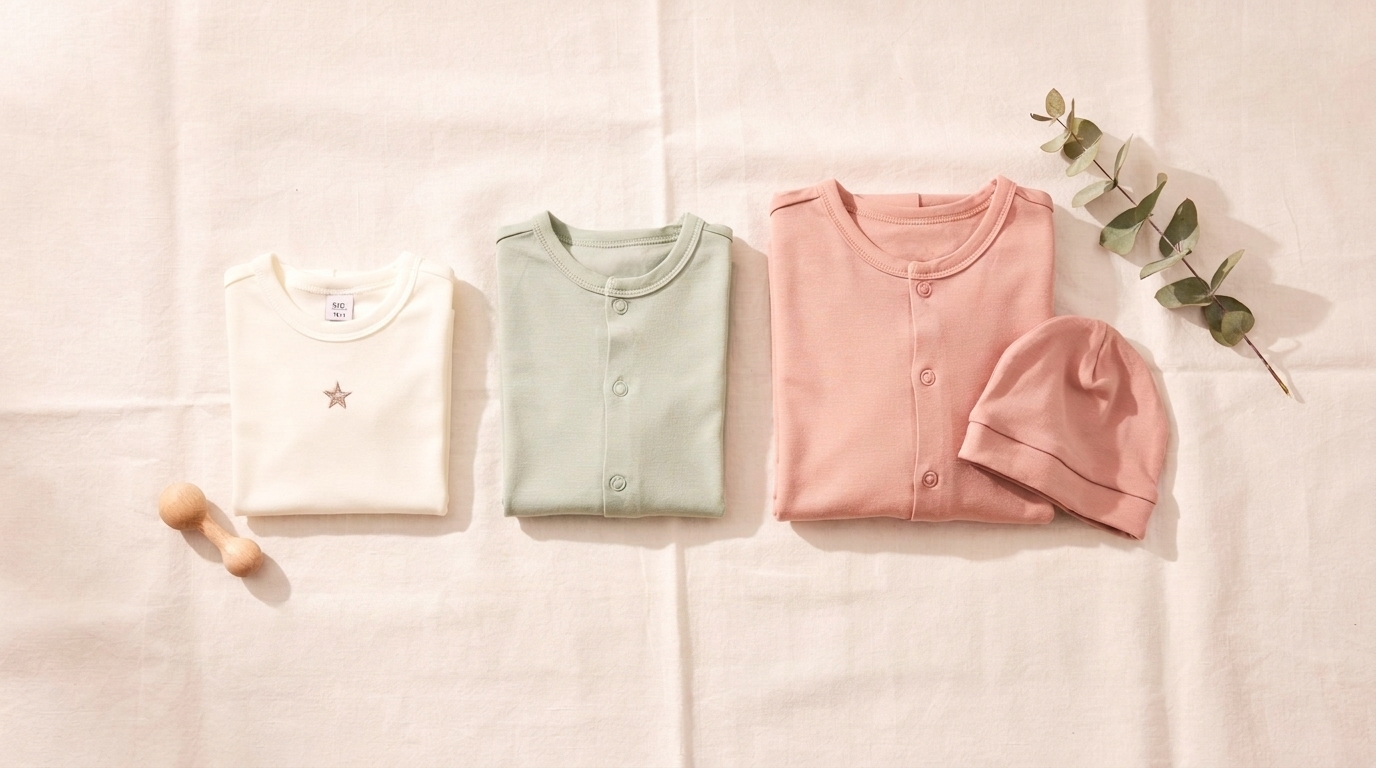
Knowing how size 80 sits between other sizes helps you decide what to buy next or what your baby has already outgrown.
Size 74 vs Size 80
Size 74 fits babies around 6 to 9 months who are 68 to 74 cm tall. Size 80 comes after that, fitting babies roughly 12 to 18 months and 74 to 80 cm tall.
If your baby just outgrew size 74, size 80 is the natural next step.
Size 80 vs Size 86
Size 86 fits babies who are about 80 to 86 cm tall, usually between 18 and 24 months. It gives more room in the torso and legs.
If your baby is on the taller side or grows fast, you may move from size 80 to size 86 sooner than expected.
Which Size Should You Choose?
If your baby is right at the edge of size 80, go up to size 86. Clothes that are slightly big are easier to wear and last longer.
Babies in this stage often go through growth spurts quickly, so a size that fits well this month may feel snug by next month. When between sizes, always size up.
Tips for Buying Size 80 Baby Clothes
Smart shopping saves money and reduces returns. Keep these tips in mind before you add anything to your cart.
- Every brand sizes differently, so always pull up the brand's size chart and match it to your baby's current height and weight before buying anything.
- A size 80 from one brand can run noticeably smaller or larger than the same size from another brand, so never assume the fit will be the same.
- Buy a mix of size 80 and size 86 if your baby is just growing into this size, but avoid jumping more than one size ahead as the fit becomes too loose for comfortable wear.
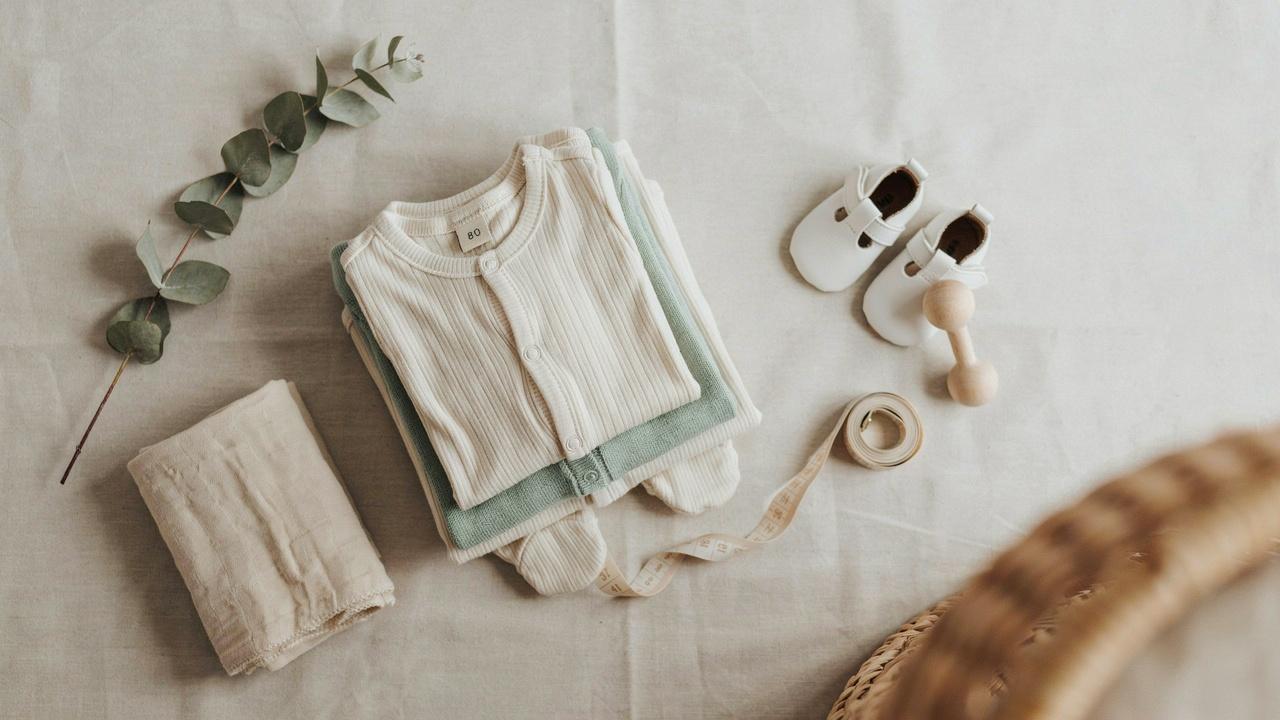
- Babies in size 80 are often crawling or taking first steps, so look for soft, stretchy fabrics like organic cotton jersey or ribbed cotton that move easily with them.
- Stiff fabrics and clothes with heavy decorative layers can restrict movement at this active stage, so keep comfort and flexibility as your top priority when choosing pieces.
Conclusion
Understanding what size is 80 in baby clothes makes shopping much less stressful. Size 80 fits most babies between 12 and 18 months who are around 74 to 80 cm tall.
Always measure your baby, check the brand's chart, and size up when in doubt. A good fit means your baby is comfortable and you get more use out of each piece.
If this guide helped you, feel free to share it with another parent who might need it or drop a comment below with your questions.
Frequently Asked Questions
Can two babies the same age wear different sizes?
Yes. Babies grow at different rates. A 14-month-old could fit size 74 or size 86 depending on their height and build.
Does size 80 work for both boys and girls?
Yes. European baby sizes are based on height and are not gender-specific unless the cut is labeled otherwise by the brand.
How long does a baby typically stay in size 80?
Most babies wear size 80 for around three to six months, though fast growers may move through it in less time.
Is size 80 the same across all European countries?
The numbering is the same, but the actual fit can vary slightly by brand, country of production, and garment type.
Should I wash size 80 clothes before the first wear?
Yes. Washing removes any residues from manufacturing and softens the fabric, making it more comfortable for your baby's skin.