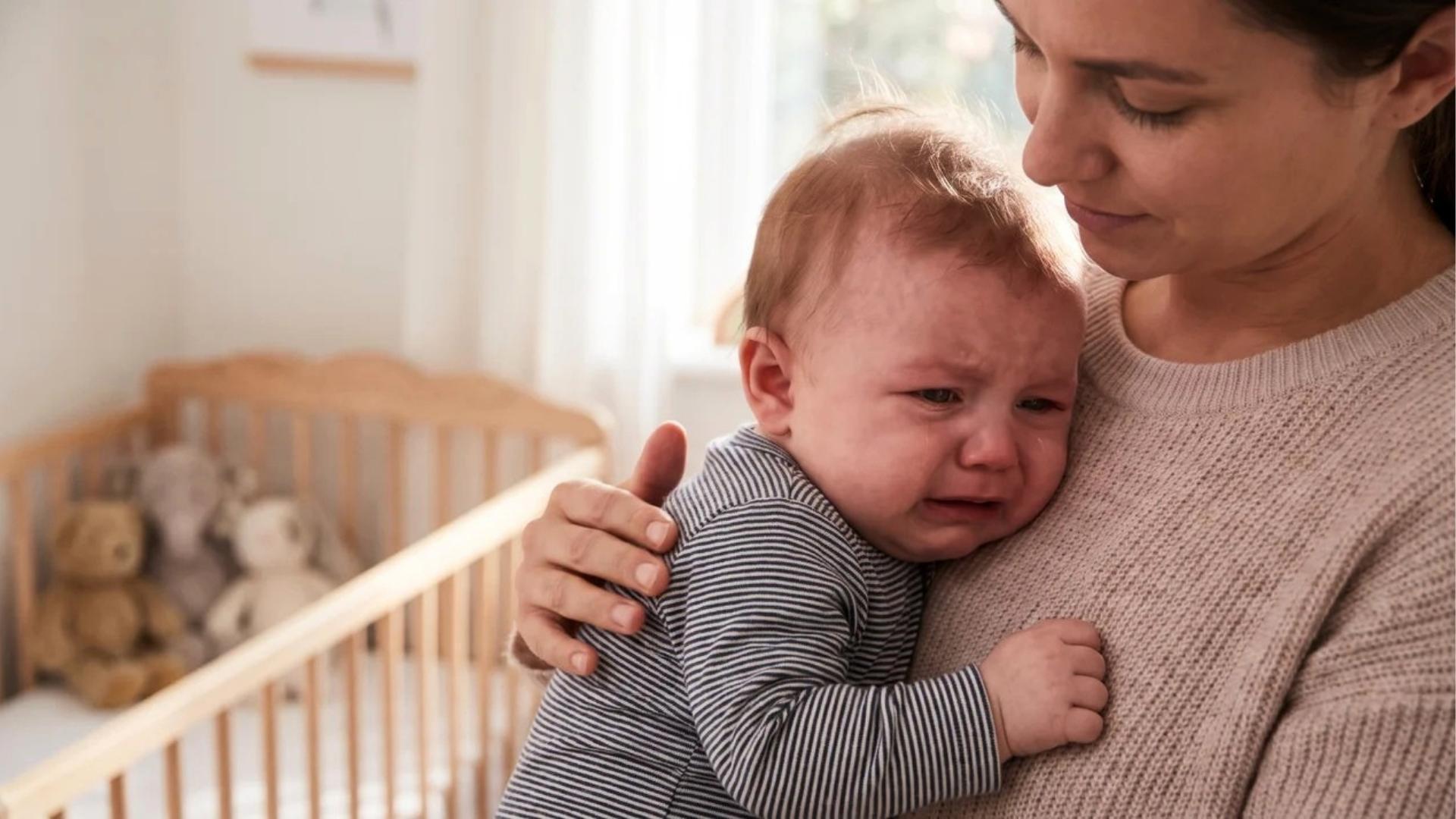


It is 2 a.m., the bottle is warm, the diaper is dry, and your baby is still crying. Parents have stood in that spot, wondering what they missed.
Many assume a more experienced listener could tell, yet adults who listened to recordings of crying babies in one peer-reviewed study guessed the cause no better than chance.
Baby cries and what they mean are easier to read than most parents expect, because the sound is only one clue and the others are easy to spot.
Reading them well starts with understanding what a cry can and cannot tell you.
What Do Different Baby Cries Mean?
Different baby cries can signal hunger, tiredness, discomfort, pain, or illness, but their meaning becomes clearer when parents also observe body language and context.
A hungry baby, a sleepy baby, and a baby with a wet diaper may all cry, and the sounds can be close enough to confuse anyone.
What tells them apart is usually everything around the sound, such as the baby’s facial expression, how the arms and legs move, the baby’s age, and what happened with feeding and sleep in the past few hours.
It also helps to let go of the idea that every baby cries the same way for the same need.
That same study suggests each baby has an individual cry pattern that shifts with age, with no universal set of cries tied to specific causes.
Some babies mostly cry the moment you lower them into the crib, and that kind of crying during the put-down often has its own set of reasons.
Since context carries most of the meaning, the next section pairs each common cry with the signs that usually come with it.
Types of Baby Cries and What They Mean
Many of them sound alike, so recent feeding, sleep, diaper changes, and activity help separate one from another.
Sharp, unusual, or persistent crying can point to pain or illness rather than an ordinary need and deserves a closer look.
1. Hunger Cry
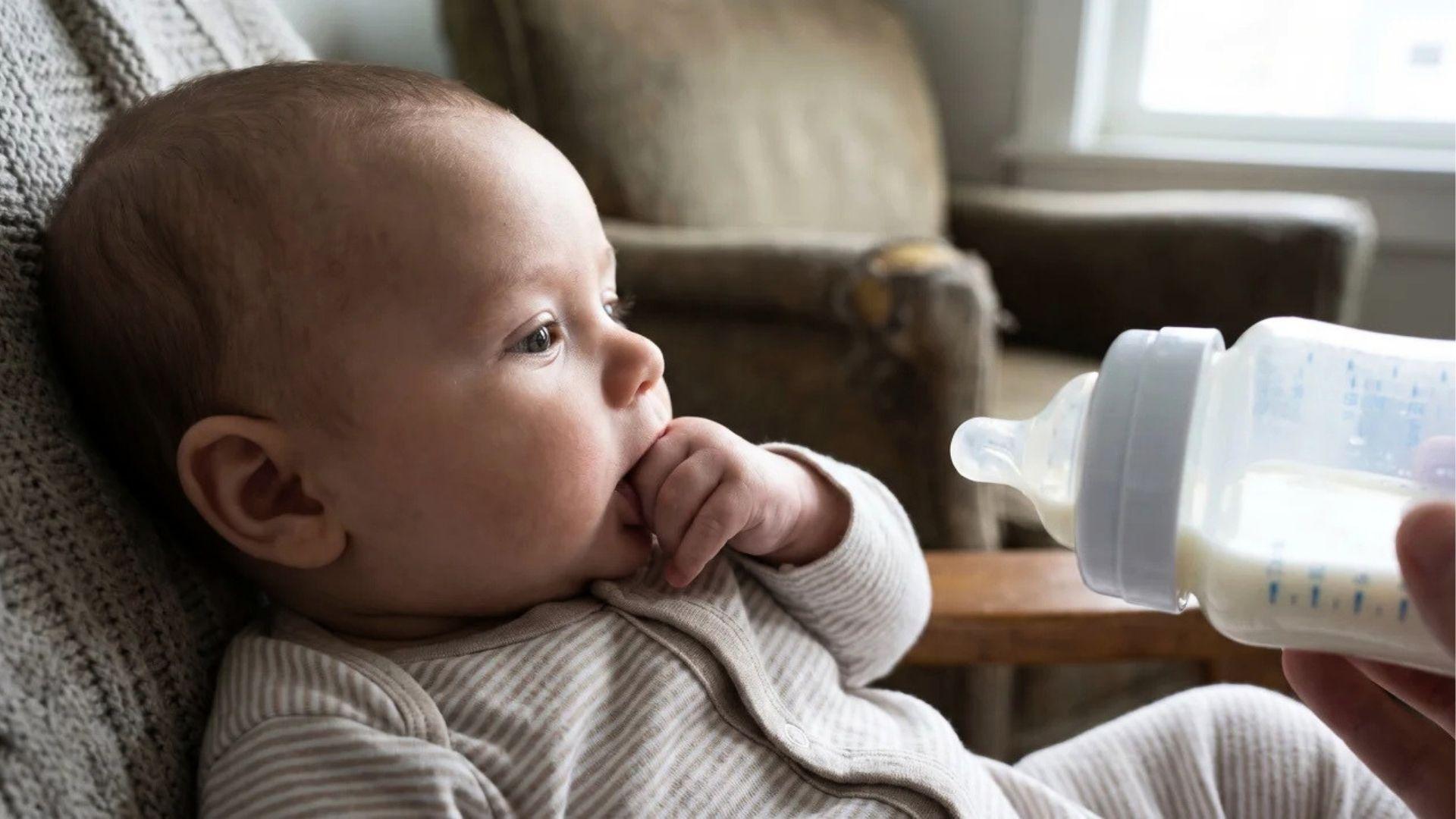
Crying is often a late sign of hunger, so the earlier clues are worth knowing. Rooting, lip smacking, and sucking on hands or fists usually come first.
When those cues are missed, the crying that follows tends to keep going until a feed begins.
Check how long it has been since the last feed, and offer one if the timing fits and your baby turns toward the breast or bottle.
2. Sleepy or Tired Cry
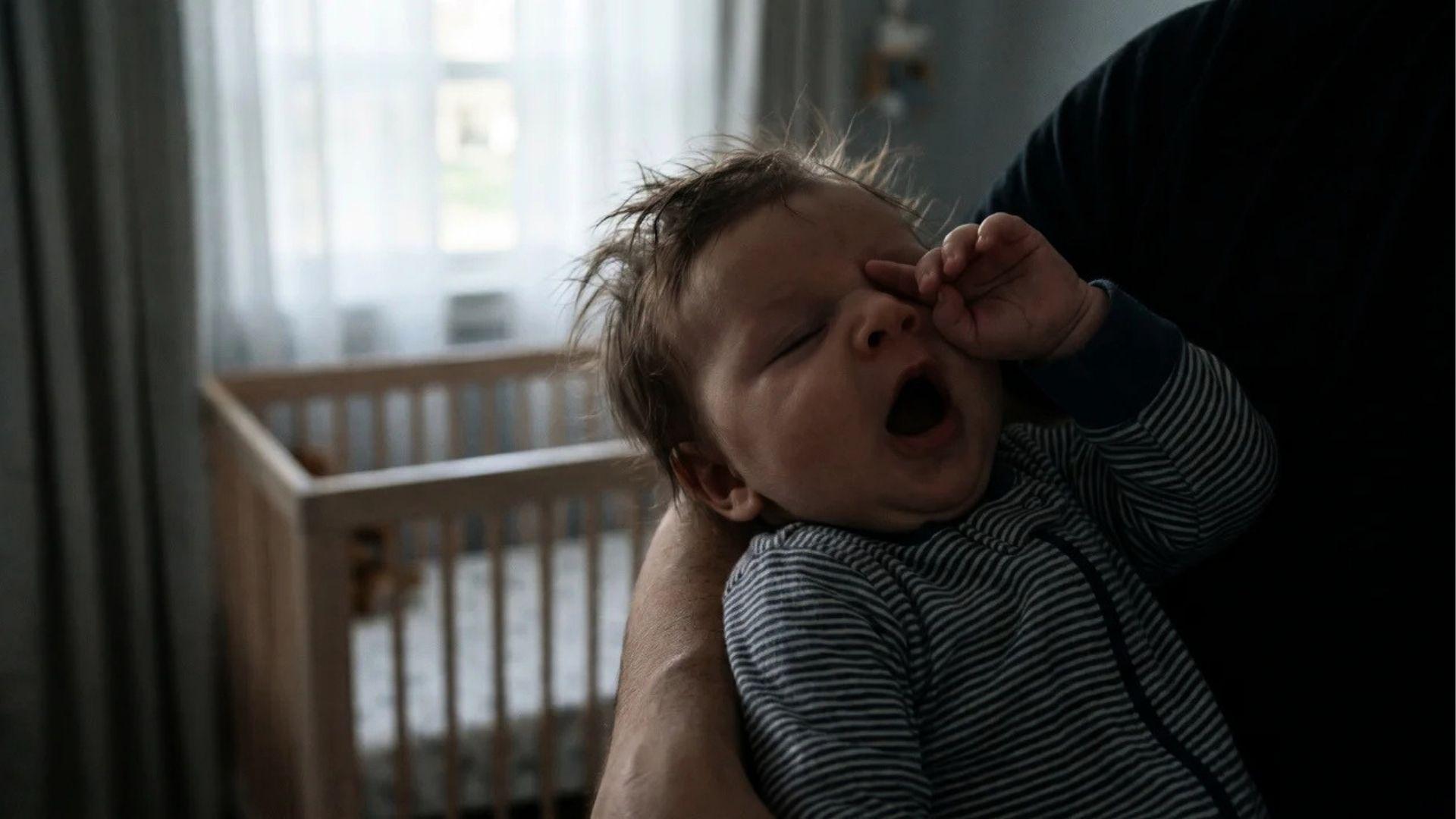
A tired cry is easier to spot by what surrounds it than by how it sounds.
It usually arrives with yawning, eye rubbing, looking away, and less interest in people or toys, and it tends to come after a long stretch awake or when a nap is due.
Crying is also a late-tiredness sign, so by the time it starts, your baby may already be overtired. Check how long your baby has been awake, since that window is often the clearest clue.
3. Discomfort or Fussy Cry
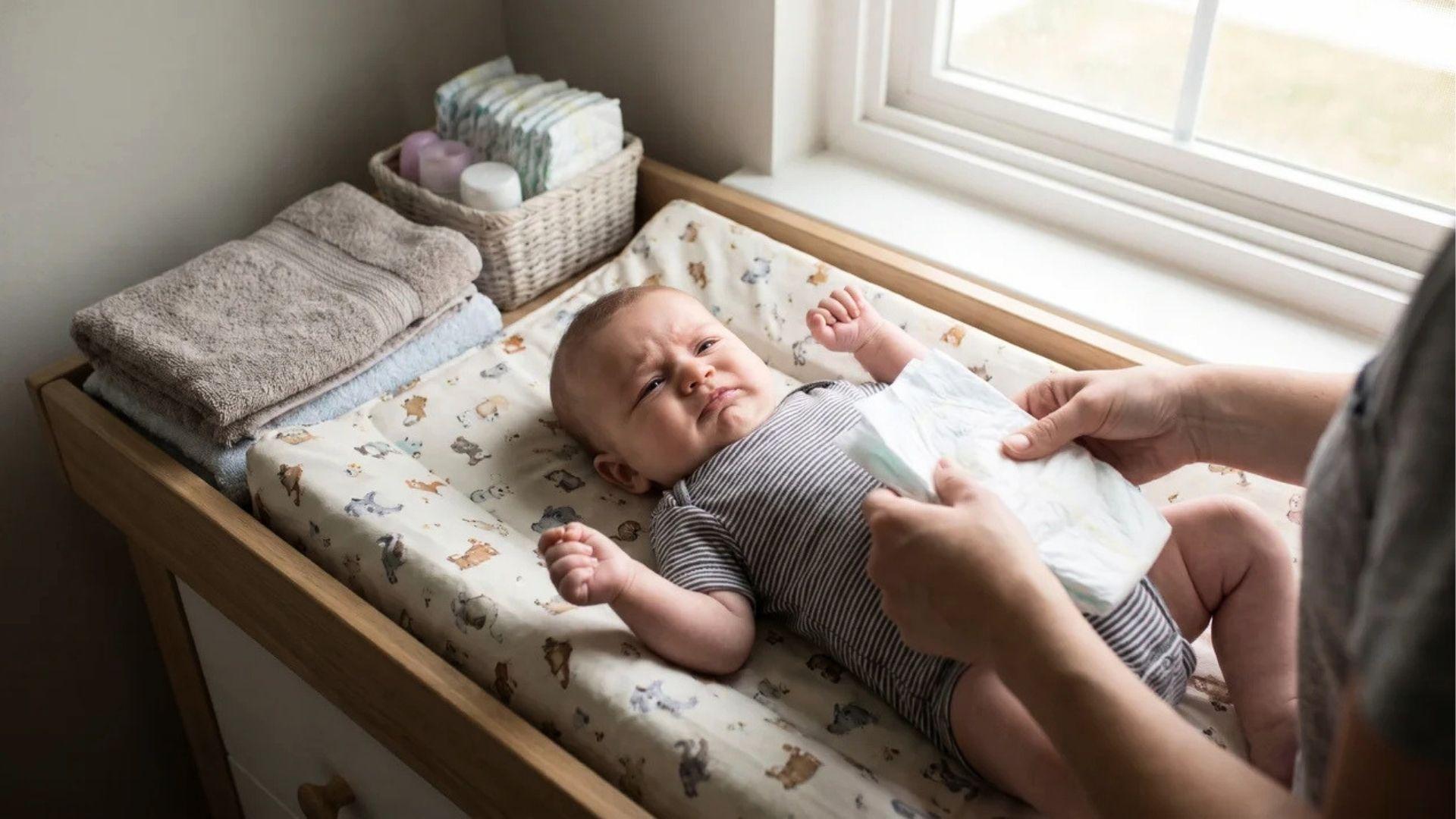
Discomfort usually produces milder crying that comes and goes, often because of a wet or dirty diaper, being too hot or too cold, an awkward position, or a loose pin or thread.
A strand of hair or thread wrapped around a finger or toe can also cause sudden crying, so check those as well.
This kind of crying often settles quickly once the cause is fixed, which is a useful clue in itself.
4. Gas and Burping Cry
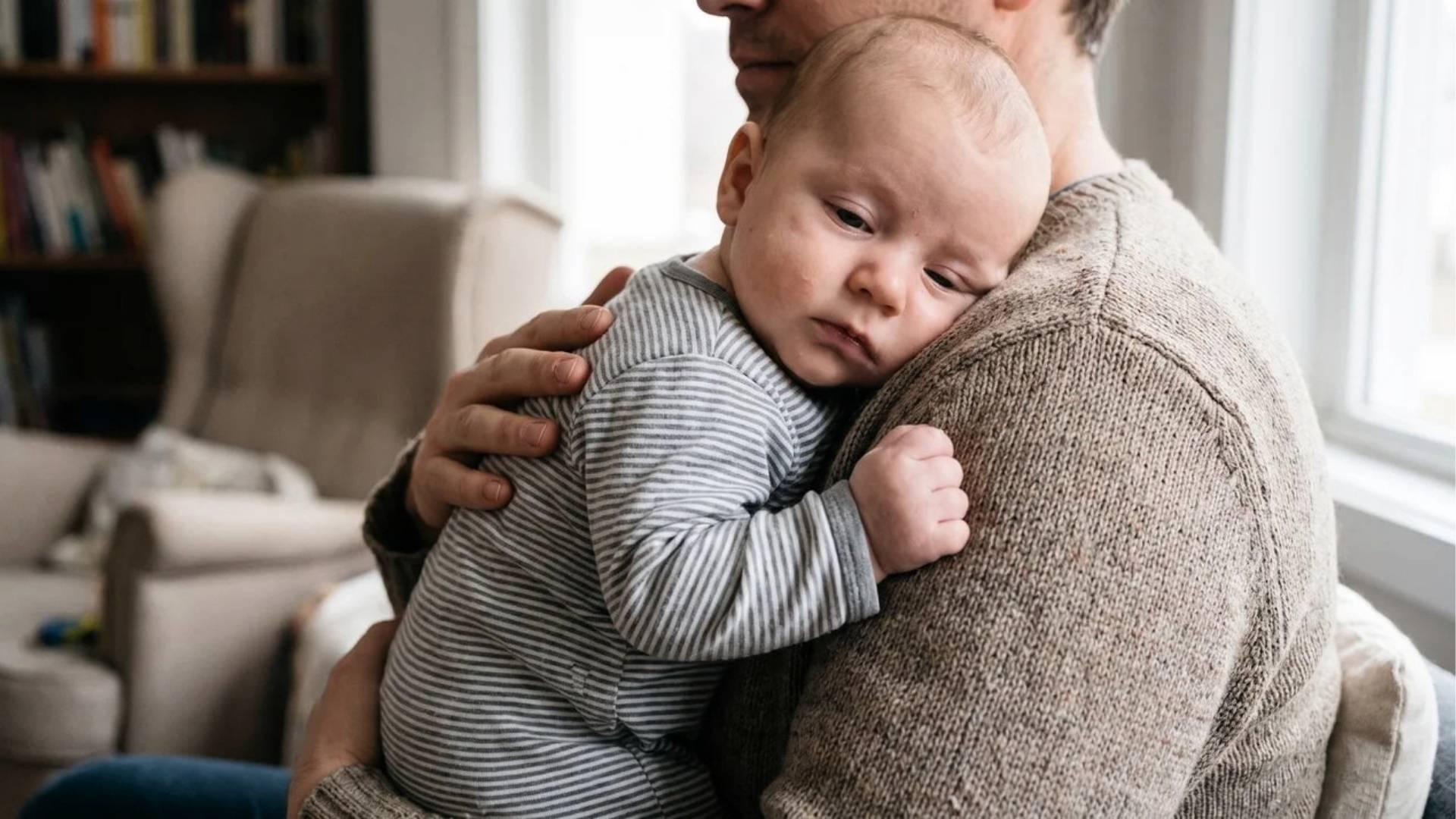
Trapped air tends to show up during or after feeds as fussing with squirming, legs drawn toward the tummy, clenched fists, or an arched back.
General fussiness can happen at any time of day, but a gas cry often starts mid-feed or soon after and eases once the baby burps or passes gas.
Because arching and leg pulling also appear with other discomforts, timing is the best way to tell them apart.
5. Pain Cry

A pain cry may begin suddenly and sound more intense than ordinary fussing, and the baby might stiffen, arch the back, or pull the legs up.
The sound alone is not a reliable guide to what is wrong, and arching also appears with gas and tiredness
If the crying is sudden, intense, and does not settle after you check the basics, contact your child’s provider.
6. Overstimulation or Boredom Cry
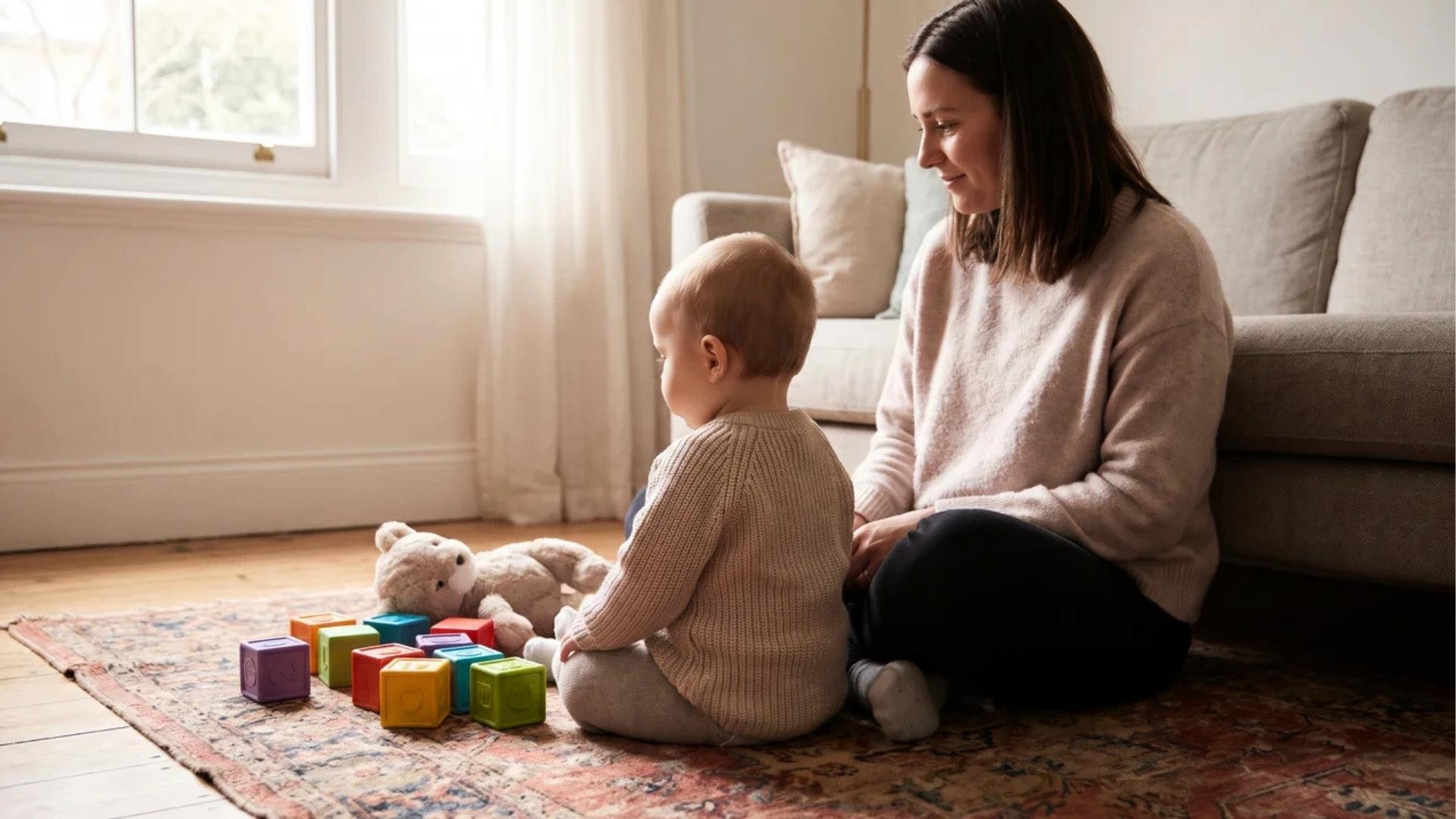
Too much noise, bright light, handling, or too many faces can overload a baby, who may then turn away, yawn, hiccup, flail the arms, or push away.
Boredom looks different, since the baby may fuss when left alone and quiet down once picked up and talked to.
The test is what happens next, because extra handling can make an overstimulated baby worse while a bored baby often calms with attention.
7. Illness-Related Cry
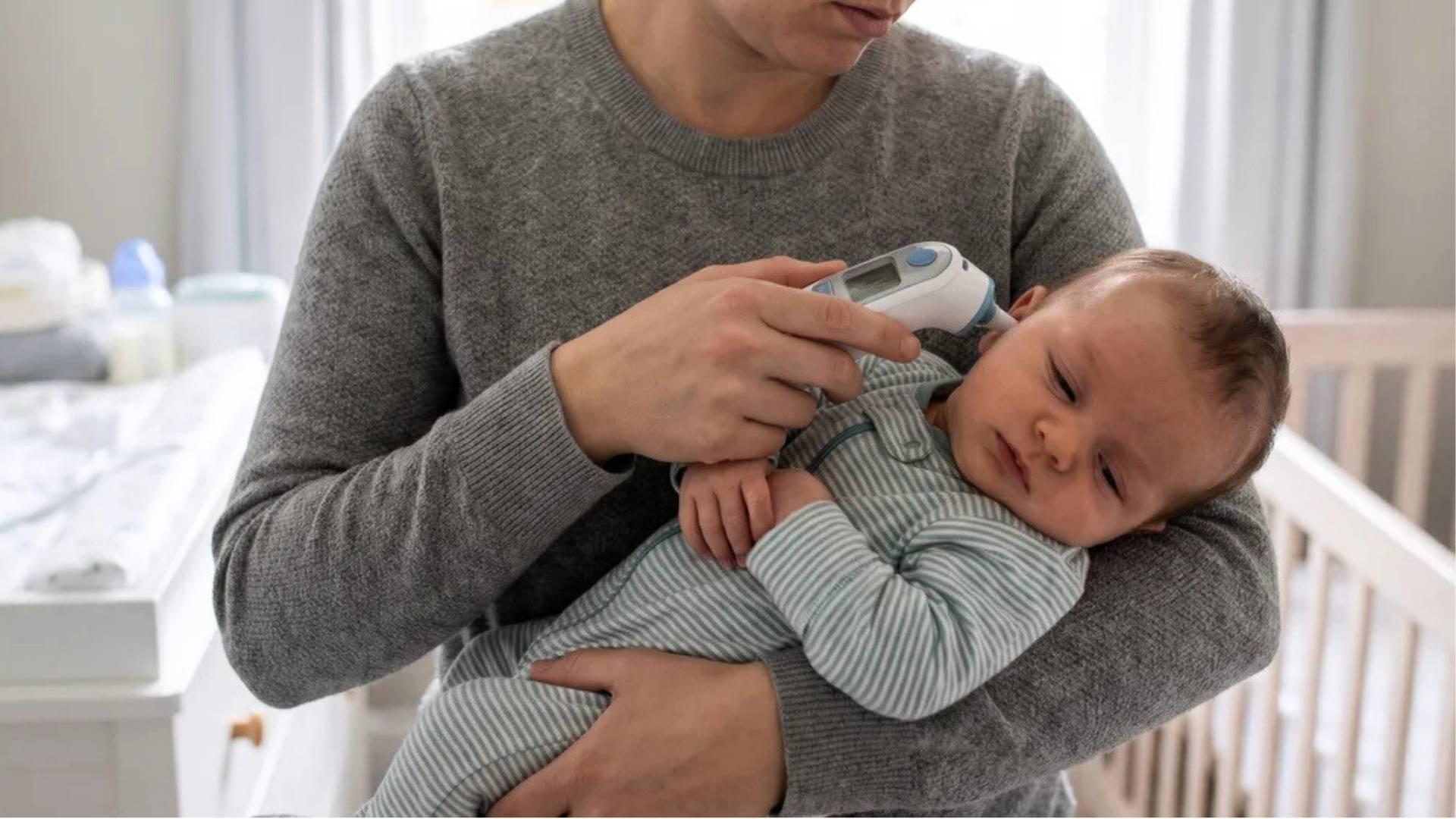
A cry that sounds weak, unusually high-pitched, constant, or just different from your baby’s usual cry deserves attention, especially when it comes with a fever, poor feeding, or unusual sleepiness.
You know your baby’s normal crying best, which makes a change in it one of the most useful clues. Avoid guessing at a cause yourself and describe what you noticed to your child’s provider.
Because these cries overlap so often, the next section covers a short checklist for narrowing down which one you are hearing.
How Can You Identify Your Baby’s Cry Meaning?

To understand your baby’s cry meaning, check the sound alongside body language, recent feeding, sleep, and other circumstances.
Start with the last feed and the last nap, then check the diaper, the room temperature, and anything unusual lately, such as visitors or an outing.
The same sound can mean different things at different ages, since a newborn crying soon after a feed faces a different situation than a four-month-old after a long stretch awake.
What Do Neh, Eh, and Owh Baby Cries Mean?
Dunstan Baby Language links five sounds to five needs:
- Neh: hunger
- Owh: sleepiness
- Eh: needing to burp
- Eairh: lower belly cramps or gas
- Heh: general discomfort, such as feeling hot or wet
These labels come from a commercial system, and the study linked earlier notes that its categories were defined without scientific validation.
Treat them as guesses to check against feeding times and body language, not as answers.
What Body Language Helps Identify a Baby’s Needs?
Body cues often say more than the cry does.
Watch for these:
- Rooting, hand sucking, or lip smacking: hunger
- Eye rubbing, yawning, or looking away: tiredness
- Legs pulled up or clenched fists: trapped air or discomfort
- Stiffening or arching: gas, tiredness, discomfort, or pain
- Turning away or pushing away: overstimulation
No single cue settles the question, so look for two or three that point in the same direction.
With a likely cause in mind, you can respond to that need instead of trying everything at once.
How Can You Soothe a Crying Baby?

The best way to soothe a crying baby depends on the need behind the cry, so start by checking basic needs and the surrounding circumstances.
Feeding, burping, a diaper change, comfortable clothing, and a calm place to sleep cover most everyday causes.
When a baby mainly needs comfort, holding, gentle rocking, a quieter room, and a calm voice often help, and rocking can also help a baby pass gas.
If you suspect overstimulation, dim the lights, lower the noise, and cut down on handling rather than adding more.
Persistent crying despite basic care should not be dismissed as normal fussiness, so mention it to your child’s provider.
If the crying leaves you overwhelmed, ask someone to take over for a while, and get help right away if you ever feel you might hurt your baby.
Most crying eases with a feed, a burp, or a cuddle, but a few patterns need a call to your child’s provider instead of more soothing.
When Should You Worry About a Baby’s Crying?
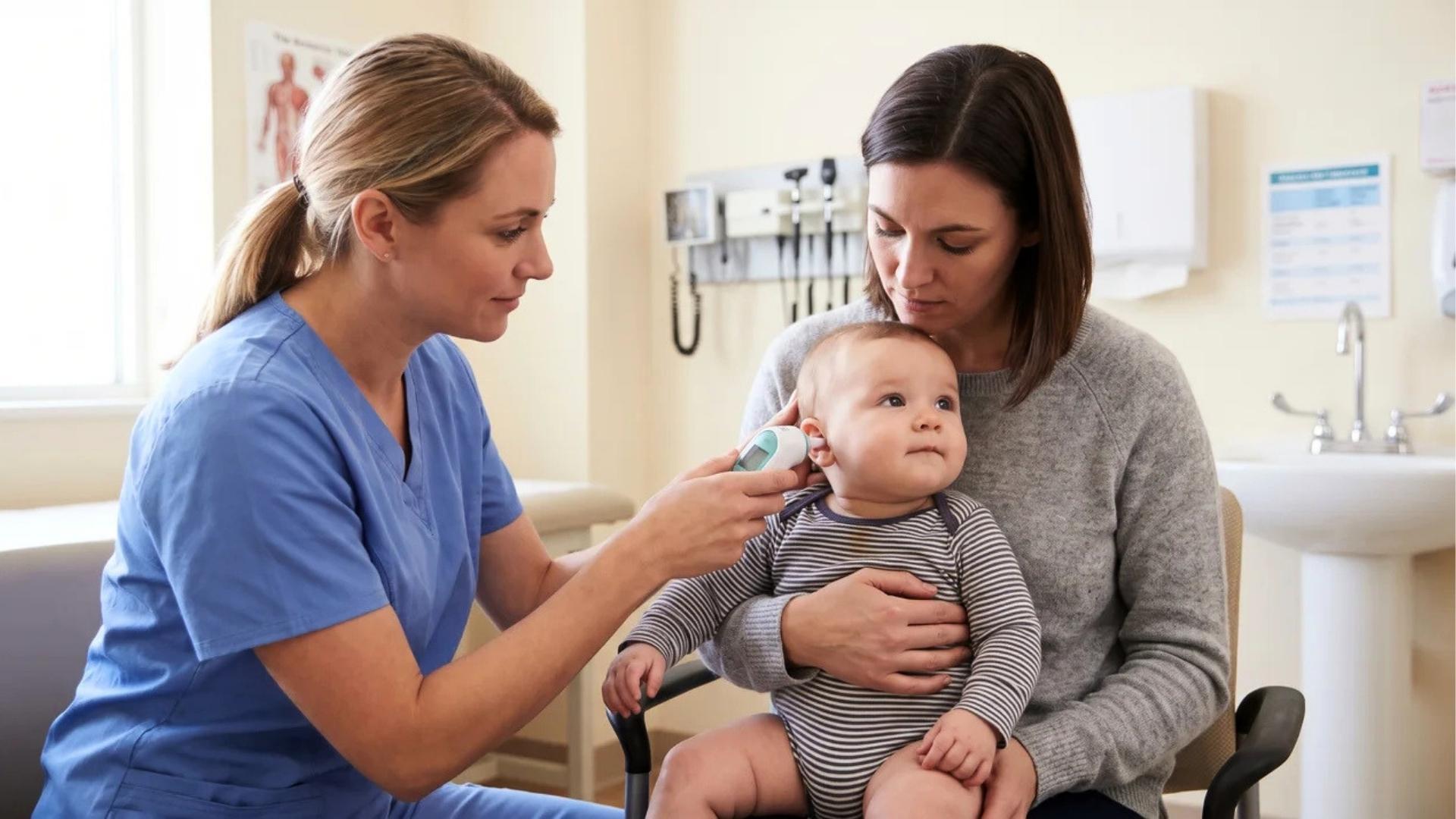
A baby’s crying may need urgent medical attention when it occurs with fever, breathing difficulty, unusual weakness, poor feeding, or other concerning symptoms.
Contact your child’s provider if the crying is unusual for your baby, keeps going, or cannot be calmed.
Call promptly if the crying is nonstop for more than two hours, and within 24 hours if it is new and you cannot find a cause.
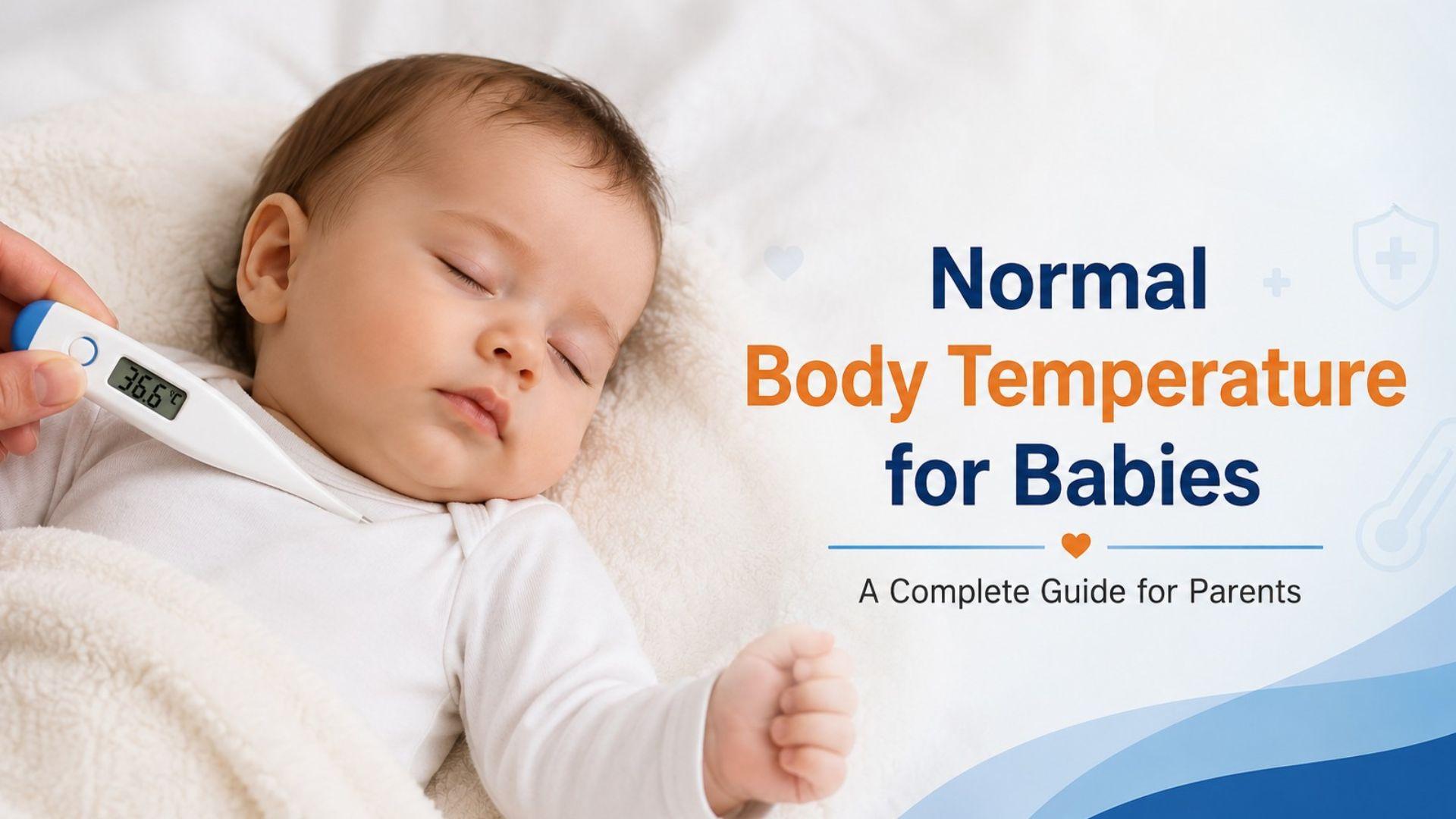
For babies under three months, a rectal temperature of 100.4°F (38°C) or higher means contacting a healthcare provider right away, according to MedlinePlus guidance on infant fever.
Contact your child’s provider or go to the emergency room if crying comes with:
- Trouble breathing, even after the nose is cleared
- Blue lips, tongue, or nails
- Extreme sleepiness or being very hard to wake
- Feeding much less than usual
Those warning signs are the exception, and most crying comes down to everyday needs that one small habit makes easier to read.
Read Different Baby Cries by Context, Not Sound Alone
The link between baby cries and what they mean rarely sits in the sound alone.
Which is why checking the clock and body language usually tells you more than listening for a signature sound.
Your baby’s cry is personal and changes as they grow, so a pattern you learn this month may shift by the next.
Start a log this week.
The next time your baby cries, jot down the time of the last feed, the last nap, and what you noticed in their body.
After a few days, your own notes will tell you more than any sound chart.
Frequently Asked Questions
Do Newborns Cry Differently From Older Babies?
Yes. In the study linked earlier, cries became more tonal and less shrill as babies grew, and each baby’s pattern shifted over the first months, so a familiar cry may change.
Do Boys and Girls Cry Differently?
Research analyzing nearly 40,000 individual cries from 24 babies found no consistent differences in pitch, duration, or roughness between boys and girls, so a baby’s sex does not help explain why they are crying.
Why Do Babies Cry More in the Evening?
The NIH’s NICHD notes that many infants are fussy in the evenings. Checking the last feed, the last nap, and how stimulating the day was can help narrow down the cause.
Why Do Babies Cry in Their Sleep?
Babies pass through active sleep, which can bring fluttering eyelids, irregular breathing, grunts, or brief cries. NCT guidance suggests leaving your baby for a moment or two to see whether they settle again.