


Early childhood education trends in 2026 are moving quickly. As someone who has followed this field closely, I want to help you stay ahead.
In this blog, I cover the key trends shaping early learning right now, including technology, social-emotional learning, and inclusive teaching.
I also look at the biggest challenges educators face and share practical tips to help you move forward. With years of insight into early childhood classrooms, my goal is to give you honest, useful guidance.
Let’s look at what’s changing and what you can do about it.
Understanding the Importance of Early Childhood Education Trends

The first years of a child’s life set the foundation for everything that follows. Research shows that children who receive quality early education are more likely to succeed in school and in life. That’s why keeping up with early childhood education trends matters so much.
In 2026, policy shifts are reshaping how programs are funded and structured. Workforce changes are also affecting who teaches and how. If educators don’t adapt, children can fall behind, and gaps in readiness become harder to close.
Staying current isn’t just about professional growth. It’s about giving every child a fair start.
Early Childhood Education Trends 2026 Technology in the Classroom

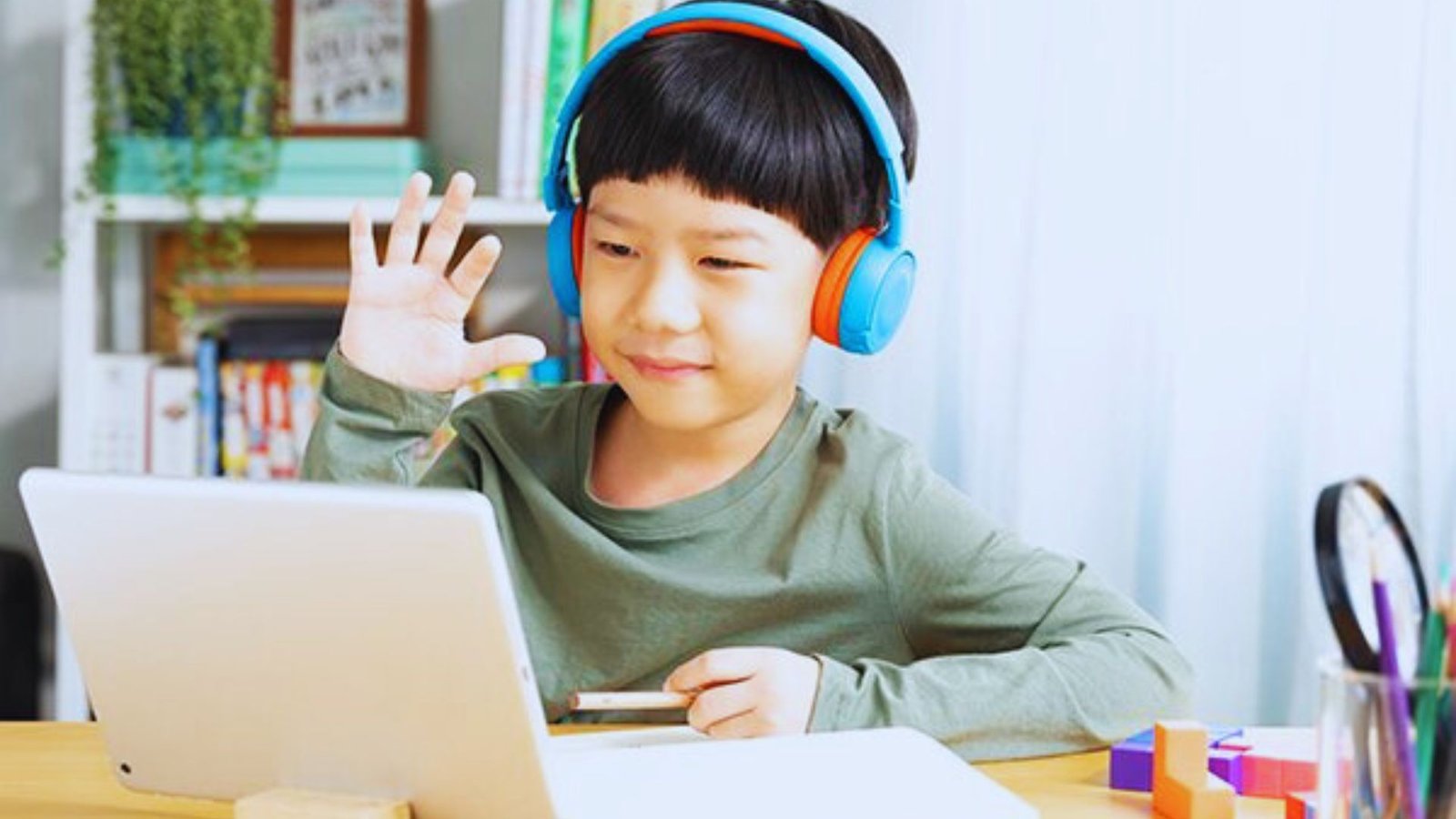
Technology is now part of daily life for young children. In early childhood classrooms, this shows up as interactive apps, digital storybooks, and multimedia tools that make learning more engaging.
Interactive Apps and Digital Tools
Apps designed for phonics, counting, and storytelling can support skill-building when used well. They make learning feel fun and keep children actively involved in the process.
Many of these apps are built with young learners in mind, using bright visuals, simple controls, and short activities that match a child’s attention span.
When paired with teacher guidance, they can reinforce what’s being taught in a meaningful way.
Digital Storybooks and Multimedia Resources
Digital storybooks add voice, animation, and sound to reading. These tools can hold a child’s attention and support language development in ways that feel natural and enjoyable.
Hearing words read aloud while following along on screen helps children connect spoken and written language.
Multimedia resources also give educators a flexible way to introduce new topics, spark curiosity, and make storytime more interactive for the whole class.
Finding the Right Balance With Screen Time
Screen time in preschool needs to be managed carefully. The best approach blends technology with hands-on play, not one over the other.
Educators who use tech with purpose and set clear time limits tend to see better results. The goal is to support learning, not replace real interaction.
The Rise of Social-Emotional Learning (SEL) in Early Childhood Education

Social-emotional learning has become a central focus in early childhood education. Schools are now teaching children how to name their feelings, manage frustration, and work through conflict with peers.
Teaching emotional regulation early pays off. Children who can manage their emotions are better able to focus in class, follow directions, and build friendships. These skills support academic learning too.
SEL also builds resilience. When children learn that it’s okay to make mistakes, they become more willing to try again. Programs that work SEL into everyday routines, not just special lessons, tend to see stronger results across the board.
Inclusive and Culturally Responsive Teaching Practices

Not all children learn the same way. Inclusive teaching means making room for all of them, no matter their background or ability.
Supporting Children With Diverse Learning Needs
Some children have developmental delays or disabilities, while others come from homes where English isn’t the first language. Assistive technology helps bridge the gap.
Text-to-speech programs, visual schedules, and communication devices give children with diverse needs a real chance to take part fully in classroom life.
Building a Culturally Responsive Classroom
Culturally responsive teaching means using books, songs, and examples that reflect the real lives of the children in the room.
When children see themselves in the curriculum, they feel more valued and engaged. Equity in early education isn’t just a goal. It’s a responsibility.
Early Childhood Education Trends to Watch in 2026

Several major trends are gaining ground this year. Understanding them can help educators and programs stay prepared.
Expanding Access to Early Learning
Universal pre-K expansion is picking up momentum. More states are investing in publicly funded preschools for three- and four-year-olds. This is creating more demand for qualified early childhood educators across the country.
Smarter Teaching Through Data and Family Involvement
Data-driven instruction is growing fast. Teachers are using simple observations and assessments to track each child’s progress. This doesn’t mean testing toddlers. It means paying close attention and noting what you see.
Family engagement is also being taken more seriously. Research is clear that children do better when families are active partners. Programs are creating more ways to bring parents in as real contributors, not just event attendees.
Keeping Good Teachers in the Classroom
Teacher retention is a top priority right now. Without experienced educators, programs suffer. More districts are looking at compensation, mental health support, and career growth to keep good teachers in classrooms long term.
Major Challenges Impacting Early Childhood Education

Early childhood education faces several deep challenges. Being aware of them is the first step toward change.
Workforce and Funding Pressures
Teacher shortages are real and growing. Low pay and high stress push many educators out of the field. Classrooms often run short-staffed, which affects quality for every child.
Funding gaps make things harder. Many programs can’t afford the materials, support staff, or training they need. Public investment often doesn’t keep up with rising costs.
Learning Gaps and Developmental Tensions
Balancing academic standards with child development creates real tension. When too much structured learning replaces play, children can lose motivation. Young children learn best through movement and exploration.
Achievement and equity gaps remain a stubborn problem. Children from lower-income families often start school behind their peers. Without early support, those gaps tend to grow over time.
Practical Tips to Adapt to Early Childhood Education Trends

Adapting to change doesn’t mean doing everything at once. Start small and build from there.
- Attend at least one workshop or training each year to stay current and grow your skills.
- Mix free play with structured activities to give children both guidance and room to learn.
- Name emotions out loud every day to help children build self-awareness and self-control.
- Use one or two purposeful apps tied to your learning goals and always limit screen time.
- Check in with families regularly and make them feel like true partners, not just visitors.
- Welcome children from all backgrounds by using books and examples that reflect their lives.
- Support struggling learners early with simple tools like visual schedules or peer pairing.
Conclusion
Early childhood education trends in 2026 ask a lot from educators. But I believe you’re up for it. I’ve seen small changes in teaching practice lead to real shifts in how children feel and learn. Staying informed and being willing to try new approaches makes a true difference.
You don’t have to do everything at once. Pick one area, try something new, and see what happens.
If this blog helped you, share it with a colleague or drop a comment below. I’d love to hear what’s working in your classroom.
Frequently Asked Questions
What are the biggest early childhood education trends in 2026?
Technology, SEL, inclusive teaching, and family engagement are the top trends. They are changing how educators teach and how programs run.
How does social-emotional learning help young children?
It helps children manage emotions, build friendships, and stay focused. These skills support better learning and behavior in class.
What role does technology play in early childhood classrooms?
It supports literacy and creativity when used with purpose. Pairing screen time with hands-on play works best.
Why is culturally responsive teaching important in early education?
It helps children feel seen and valued in the classroom. This builds confidence and supports fairer learning for all kids.
What are the main challenges facing early childhood educators today?
Teacher shortages, low pay, and limited funding are the biggest issues. These challenges affect the quality of care and learning every day.