
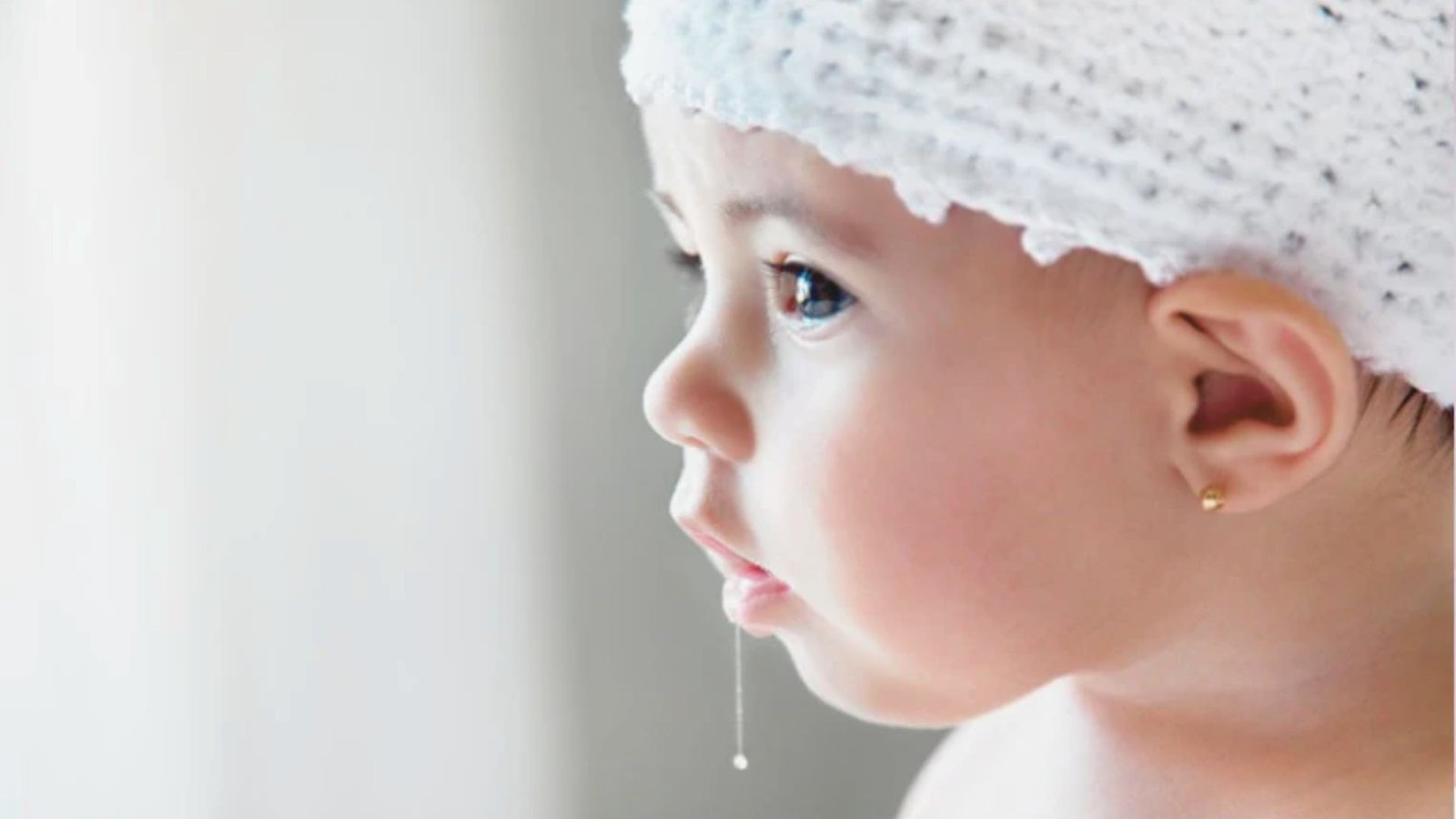





If your 3-year-old is still drooling a lot, you’re probably wondering if something is wrong. You’re not alone, and this is worth looking into.
In this article, I’ll walk you through the common causes of excessive drooling in toddlers, the signs that point to a need for speech therapy, and what treatment actually looks like.
I’ve spent time researching this topic closely, and I want to give you clear, honest answers so you know what steps to take next. This guide will help you feel informed and ready to act.
Is Excessive Drooling Normal in a 3 Year Old?

Understanding what’s typical at this age helps parents spot when drooling goes beyond normal development.
Drooling is very common in babies and young toddlers. By age three, most children have enough oral motor control to swallow saliva regularly and keep their mouth closed.
Heavy drooling throughout the day goes beyond what is typical.
Drooling becomes a concern when it is frequent and not tied to a specific cause. Watch for these signs.
Your child drools throughout the day, their shirt stays wet most of the time, and they keep their mouth open even when relaxed.
Teething drooling stops once the tooth comes in. Ongoing drooling stays present day after day, often alongside an open mouth posture, difficulty chewing, or unclear speech.
If any of this sounds familiar, speaking to your pediatrician or a speech-language pathologist is a good next step.
Common Causes of Excessive Drooling in a 3 Year Old

Several factors can cause a toddler to drool excessively, ranging from muscle tone issues to breathing habits.
Oral Motor Delay and Low Muscle Tone
Weak mouth muscles make it hard for a child to stay closed-lipped and manage saliva.
When the lips, tongue, jaw, and cheeks are not developing at the expected pace, a child struggles to keep their mouth closed.
Low muscle tone can cause the jaw to hang open naturally, making it harder to swallow saliva before it drips out.
Speech and Feeding Difficulties
Trouble with eating and speaking often goes hand in hand with excessive drooling.
The same muscles used for chewing and talking also control saliva. When they are weak or poorly coordinated, all three areas tend to be affected at the same time.
Sensory Processing Issues
Some children simply do not feel saliva building up or notice when it is dripping.
Sensory sensitivities can also make a child resistant to face touching or oral exercises, making treatment harder without professional support.
Enlarged Tonsils or Adenoids
Blocked airways from enlarged tonsils or adenoids can push a child into mouth breathing.
This leads to an open mouth posture that makes drooling far more likely. If your child snores or sleeps with their mouth open, ask your doctor about their tonsil size.
Neurological Causes (When to Be Alert)
Conditions like cerebral palsy or Down syndrome can affect the muscle coordination needed to manage saliva.
If drooling appears suddenly or comes with new weakness or loss of skills, contact your doctor right away.
Mouth Breathing and Poor Posture
When a child breathes through their mouth habitually, saliva pools and drips out more easily.
Allergies, a stuffy nose, or a learned habit can all cause this. Poor posture makes things worse by reducing swallowing efficiency.
Both are commonly addressed through speech and occupational therapy together.
How Speech Therapy Helps Excessive Drooling in 3 Year Olds

Speech therapists use specific oral motor and awareness techniques to help young children manage drooling.
Improving Oral Motor Strength and Control
Stronger mouth muscles mean better saliva control and less drooling throughout the day.
A therapist works with your child on exercises targeting the lips, cheeks, tongue, and jaw. This is called oral motor therapy. It is play-based and age-appropriate, which keeps young children engaged during sessions.
Lip Closure and Jaw Stability Exercises
Holding the lips together and keeping the jaw from dropping open are two key drooling controls.
Therapists use activities like blowing bubbles, using straws, and lip presses to build closure. For jaw stability, they may use chewing activities or resistance-based exercises that strengthen muscles in a controlled way.
Tongue Positioning and Coordination
Where the tongue rests in the mouth directly affects swallowing patterns and drooling.
The correct resting position is with the tongue tip just behind the upper front teeth. When it rests too low or pushes forward, drooling increases. Therapists teach children the right placement through repetition and guided practice.
Teaching Swallow Awareness
Many children who drool simply do not notice when saliva is building up in their mouth.
Therapists use verbal cues, visual reminders, and tactile prompts to help children recognize the feeling and swallow before it drips. Over time, this becomes an automatic habit.
Postural Control and Head Positioning
A slouched posture or forward-tilted head makes swallowing less efficient and drooling more frequent.
Therapists work on sitting up straight and keeping the head in a neutral position. If low overall muscle tone is a factor, they may bring in an occupational therapist to address posture more broadly.
Speech Therapy Exercises for Excessive Drooling
Therapists use a range of targeted activities to help children build the muscle control needed to stop drooling.
Lip Strengthening Activities

Stronger lips help a child maintain closure and prevent saliva from escaping.
Holding a button between the lips, blowing a cotton ball across a table, and blowing through a straw all target the muscle that controls lip closure in a playful way.
Tongue Movement and Control Exercises

Precise tongue movement supports better swallowing and reduces drooling over time.
Activities include touching the tongue tip to different spots inside the mouth, licking peanut butter from a spoon, and pushing the tongue against a depressor.
A therapist will guide which exercises suit your child best.
Chewing and Swallow Practice

Deliberate chewing and swallowing practice builds the awareness and coordination children need.
Therapists may use chewy tubes or food-based activities. For children with sensory sensitivities, a gradual approach using familiar foods works best.
Sensory Stimulation Techniques

Children with reduced oral awareness need extra sensory input to notice what is happening in their mouth.
Light tapping around the lips, a vibrating toothbrush before meals, or cold and textured foods can all help build greater mouth awareness.
At-Home Activities Parents Can Do Daily

Short daily practice between therapy sessions makes a significant difference in progress.
Practice lip closure during quiet time, remind your child to swallow before meals, and encourage nasal breathing through activities like blowing pinwheels.
Tips for Parents Managing Excessive Drooling at Home
Simple daily habits support therapy progress and make drooling easier to manage in the meantime.
- Practice lip closure before meals, encourage a big swallow before eating, and use a straw instead of an open cup to build lip strength throughout the day.
- Promote nose breathing during calm activities. Blowing pinwheels or smelling flowers are easy ways to make this feel like fun rather than practice.
- Apply a gentle barrier cream to your child’s chin daily, use soft bandana bibs, and pat the skin dry gently to prevent irritation from constant moisture.
- Use calm phrases like “Let’s close our lips” or “Time for a big swallow” instead of pointing out drooling. A mirror helps build mouth awareness without feeling like a correction.
- Keep home practice simple and consistent. Real progress happens between therapy sessions, so daily follow-through matters more than people often think.
Conclusion
Starting speech therapy early gives children the best chance of building strong oral motor skills. The earlier a concern is addressed, the less it affects speech, feeding, and social confidence.
With consistent therapy and home practice, most children show meaningful improvement over time. Staying engaged and keeping open communication with your child’s therapist makes a real difference.
Drooling at age three that is frequent or heavy is rarely something a child grows out of on their own. Early action always leads to better outcomes.
Frequently Asked Questions
Can excessive drooling affect speech development?
Yes, it can. The same oral muscles used to control saliva are also used for speech. When they are weak or poorly coordinated, both drooling and unclear speech can occur together.
Is excessive drooling linked to autism or developmental delay?
It can be, but drooling alone is not a sign of either. Some children with these conditions drool more due to oral motor or sensory differences, but many drool heavily for unrelated reasons.
Can excessive drooling stop without therapy?
In mild cases, drooling sometimes reduces on its own as a child matures. When it is tied to oral motor weakness or sensory issues, it rarely resolves without some form of targeted support.
How often should speech therapy be done?
Most children benefit from one to two sessions per week combined with daily home practice. Your therapist will recommend a schedule based on your child’s needs and response to treatment.
At what age should drooling fully stop?
Most children stop drooling significantly by age two to two and a half. By age four, drooling during waking hours is generally not expected. If your three-year-old is still drooling heavily, it is a good time to seek an evaluation.