

If you’ve been counting your toddler’s words and wondering if they’re on track, you’re not alone. How many words should a 20 month old say is one of the most common questions parents ask, and the answer isn’t as simple as one number.
In this article, I’ll walk you through what’s typical, what the NHS says, when to seek help, and what you can do at home to support your child’s speech.
As someone who has worked closely with families navigating early language milestones, I want to help you feel informed, not anxious.
Understanding Language Development at 20 Months

Language growth at 20 months is faster than most parents expect. To understand it better, you need to know two key terms. Receptive language is what your child understands. Expressive language is what they actually say out loud.
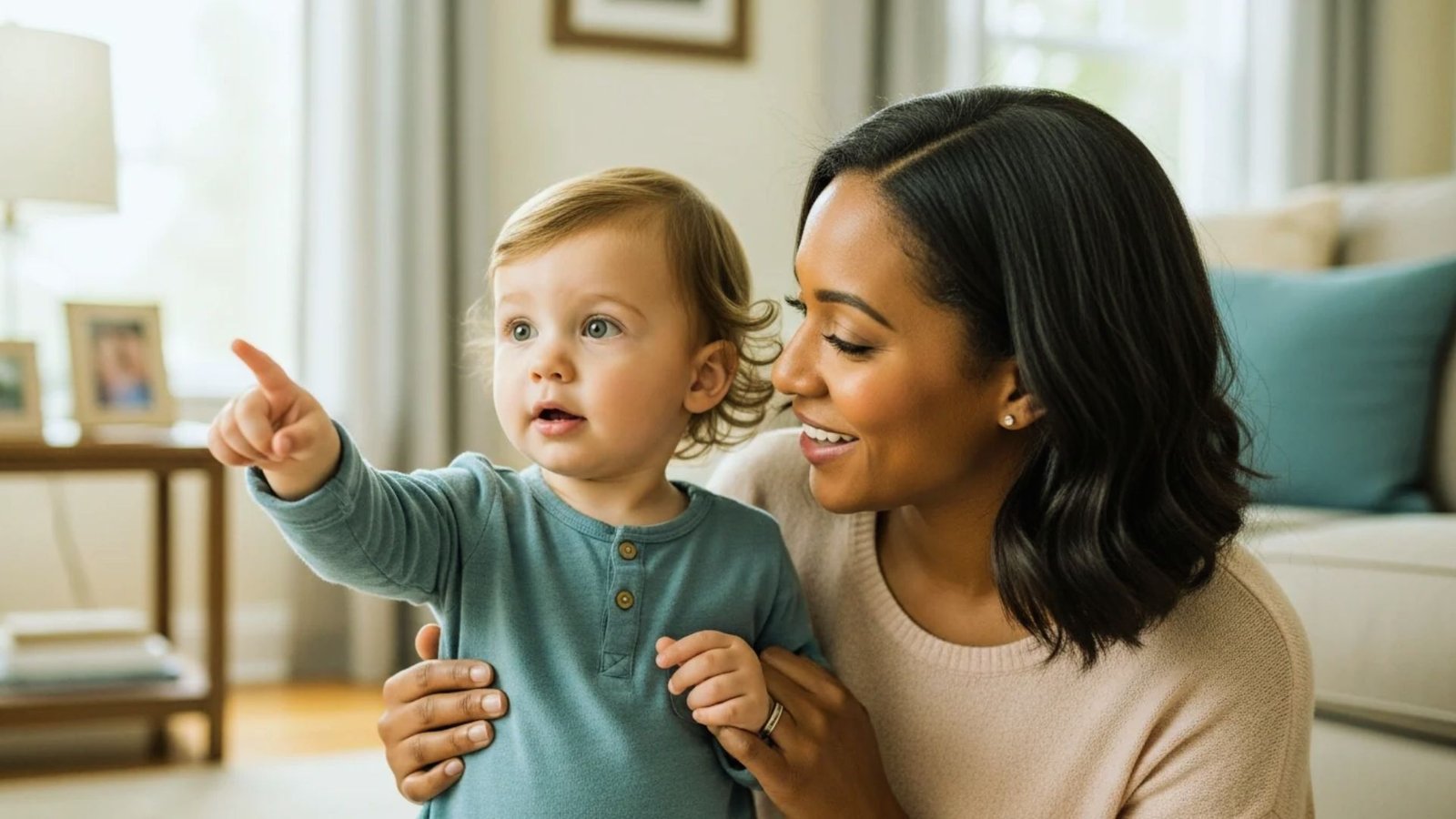
At this age, toddlers almost always understand far more than they can speak. Your child may follow simple instructions or point to familiar objects, even if their spoken words are still few.
Around 18 months, many toddlers go through a “vocabulary burst” where new words seem to appear every day.
This happens because the brain is building stronger links between objects, sounds, and meaning. Not every child hits this burst at the same time, and that is completely normal.
It is also important to know that there is a wide range of typical. Two children the same age can have very different word counts and both be right on track.
How Many Words Should a 20 Month Old Say?

Word count at this age varies more than most people think. Here’s a realistic breakdown.
What Is the Average Word Count at 20 Months?
Most speech and language guidelines suggest a 20 month old should say at least 50 words. Many children this age say between 100 and 300 words, and some say even more. The 50-word mark is used as a minimum checkpoint.
Falling below it does not automatically mean something is wrong, but it is worth monitoring. Every child moves at their own pace, and word counts can vary quite a bit between children the same age.
What Counts as a Word at This Age?
A word does not have to be perfectly pronounced to count. It just needs to be used consistently, said with meaning, and used to refer to the same thing each time. So if your child says “baba” every time they see a bottle, that counts.
Animal sounds count too. If your child says “woof” whenever they see a dog, that is a real word. Short approximations like “nana” for banana or “ba” for ball all count, as long as your child uses them reliably.
How Many Words Should a 20 Month Old Say NHS Guidelines

The NHS gives helpful benchmarks for this age. Here’s how to read them without overthinking.
NHS Milestones for 18 to 24 Months
The NHS says most children should say around 6 to 20 words by 18 months. By 24 months, that rises to 50 or more words, along with simple two-word phrases like “more milk” or “daddy go.”
At 20 months, your child sits right in the middle of that window. So the expected range is still fairly broad, and there is no single number that every child must hit at exactly this age.
How NHS Guidance Compares to Other Standards
American guidelines from the American Academy of Pediatrics set the bar at 50 words by 18 months, which is higher than the NHS range. Neither standard is wrong.
They simply reflect different expectations across different populations and healthcare systems. The key takeaway is that benchmarks vary, and no single guideline tells the whole story.
Why There Is a Wide Range of “Normal”
Language development is shaped by many things. The language spoken at home, how much one-on-one conversation a child gets, their personality, their birth order, and their hearing ability all play a role.
A child growing up in a bilingual home may split words across two languages. A quieter child may understand a lot but say less. One number simply cannot account for all of that, which is why the range of typical is so wide.
20 Months Old Not Talking When Should You Be Concerned?

There’s a difference between a late talker and a child who may need professional support. Knowing that difference helps.
Signs of a Late Talker
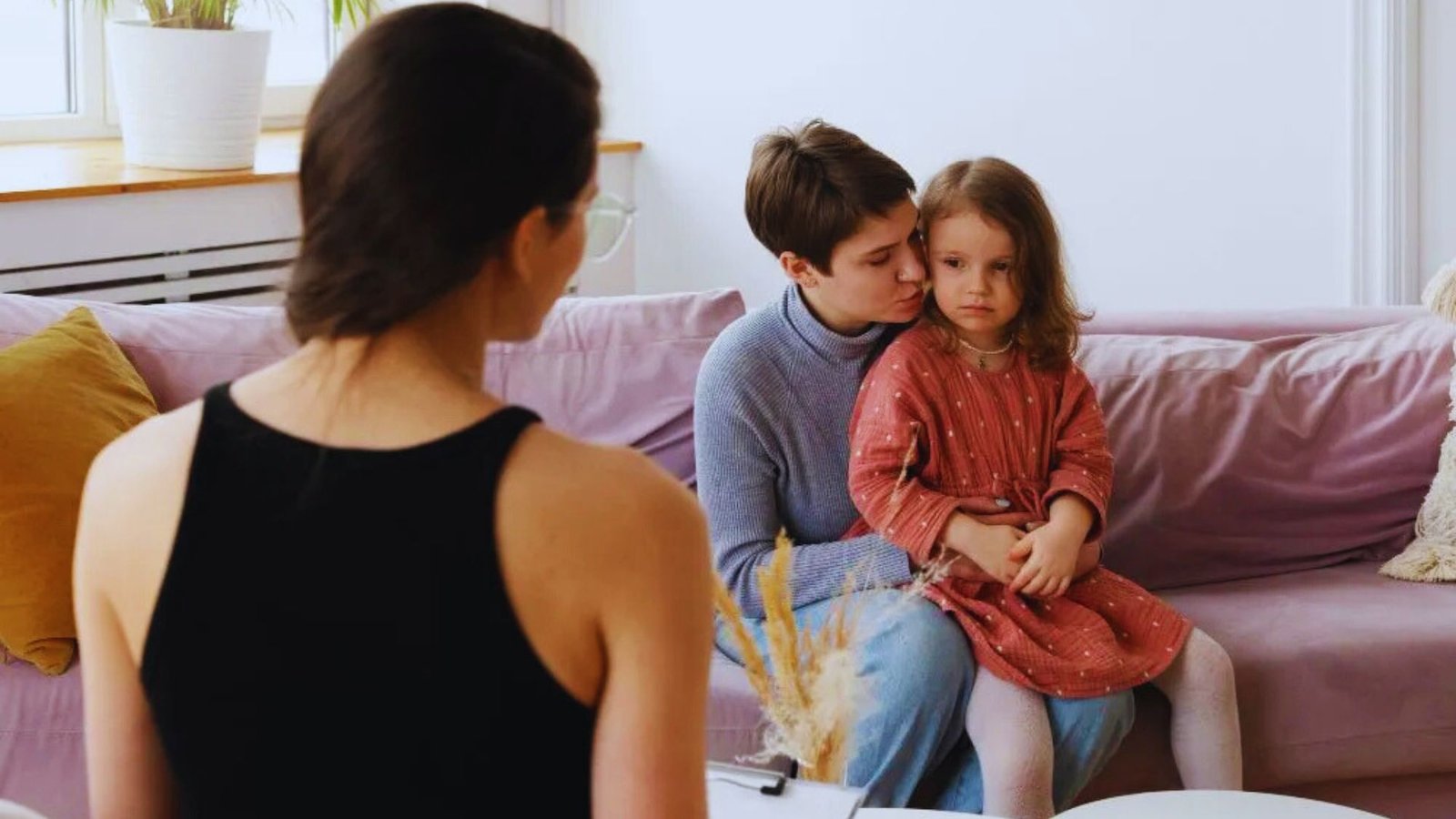
A late talker is a child who is growing normally in all other areas but has fewer words than expected. These children often catch up on their own. They still benefit from regular monitoring and sometimes from working with a speech therapist.
Red Flags That Need Assessment
Some signs go beyond typical late talking. Speak to your GP or health visitor if your child has no spoken words at all by 20 months. Also watch for not pointing or using gestures like waving or reaching.
Limited interest in interacting with others, such as not responding to their name or avoiding eye contact, is worth raising too. And if your child has lost any skills they previously had, speak to a doctor straight away.
Late Talker vs Language Delay
These two things are not the same. A late talker usually has no other developmental concerns and simply needs more time.
A language delay may affect understanding and social communication too. A speech and language therapist can tell the difference and guide you on next steps.
What Types of Words Should a 20 Month Old Be Using?

Word count matters, but the kinds of words your child uses tell an even richer story.
What Kinds of Words Should You Listen For?
Most toddlers start with naming words like “mummy,” “ball,” and “cup.” These are the building blocks of early language. By 20 months, it is good to hear some action words too, like “go,” “eat,” and “sit.”
Some children also start using simple words like “hot,” “big,” or “more.” Position words like “in,” “on,” and “under” come later for most, but hearing them from you regularly helps build your child’s understanding over time.
Why Word Variety Matters More Than Word Count
The range of words your child uses matters just as much as how many they say. A child who says 60 words covering nouns, verbs, and descriptions is often doing better than one who says 80 words that are all names of snacks or toys.
Variety shows that your child is using language for different reasons, to name things, ask for things, and describe the world around them. That mix is a strong sign of healthy language growth.
Tips to Help Your 20 Month Old Say More Words

Here are some easy ways to support your toddler’s speech at home
- Narrate your routines. Talk through what you are doing. “Now we are washing our hands.” Simple commentary builds vocabulary fast.
- Offer choices. Ask “Do you want the red cup or the blue cup?” It gives your child a reason to respond.
- Expand what they say. If they say “ball,” you say “Yes, big ball!” You are modelling more languages without pressure.
- Limit screen time. Screens don’t talk back. Real conversation is what builds language.
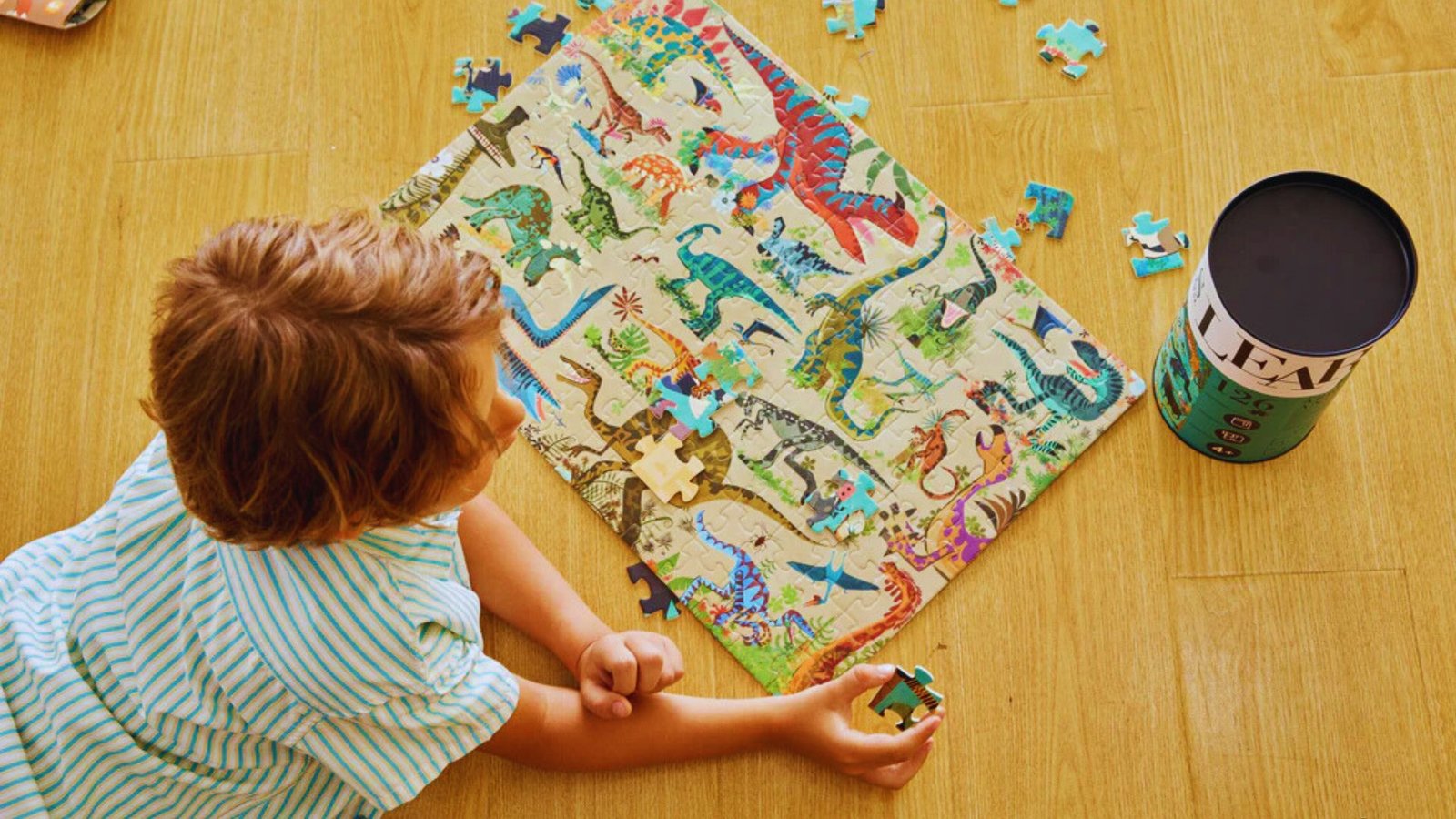
- Play and talk together. Books, puzzles, and toy animals give you natural chances to name and describe things.
- Follow their lead. Talk about what your child is interested in. They are more likely to try new words.
- Track their words. Keep a list on your phone and add new words as you hear them. It is useful to share with a health visitor if needed.
Conclusion
Watching your child find their words is one of the most rewarding parts of early parenting. I remember keeping a little notebook of my nephew’s first words, and it was surprising how fast the list grew once I started paying attention. How many words should a 20 month old say?
Doesn’t have a single right answer, but somewhere between 50 and 300 is a healthy range.
Keep talking, keep listening, and trust your instincts. If something feels off, ask a professional. And if this helped you, share it with another parent who needs it.
Frequently Asked Questions
Is 20 words enough for a 20 month old?
Twenty words is below the typical range. Most children say at least 50 words by this age. It is worth mentioning to your health visitor so they can monitor progress.
Should a 20 month old be putting two words together?
Two-word phrases usually appear between 18 and 24 months. Not all 20 month olds do this yet, but it is a good sign when they start saying things like “more juice” or “daddy up.”
What if my 20 month old understands everything but won’t talk?
Strong understanding with limited speaking is common in late talkers. It is a good sign, but if spoken words are very few, it is still worth getting a professional opinion.
Do bilingual children say fewer words at 20 months?
They may say fewer words in each language separately. But their total word count across both languages is usually in the typical range. Count words from both languages when tracking.
When should I ask for a speech and language therapy referral?
If your child has fewer than 50 words at 20 months or no two-word phrases by 24 months, speak to your GP or health visitor about a referral. Early support helps.