If you’ve noticed your child’s baby teeth growing crooked, you’re not alone. Many parents spot this and immediately start worrying. The good news?
It’s more common than you think, and in most cases, there’s a perfectly normal reason behind it.
In this article, I’ll walk you through why baby teeth come in crooked, what counts as normal, and when it’s time to call your dentist.
As a mom who has been through this myself, I know how unsettling it can feel. But understanding what’s behind it makes a real difference. You’ll leave feeling informed, not anxious.
What Does “Baby Teeth Growing in Crooked” Mean?

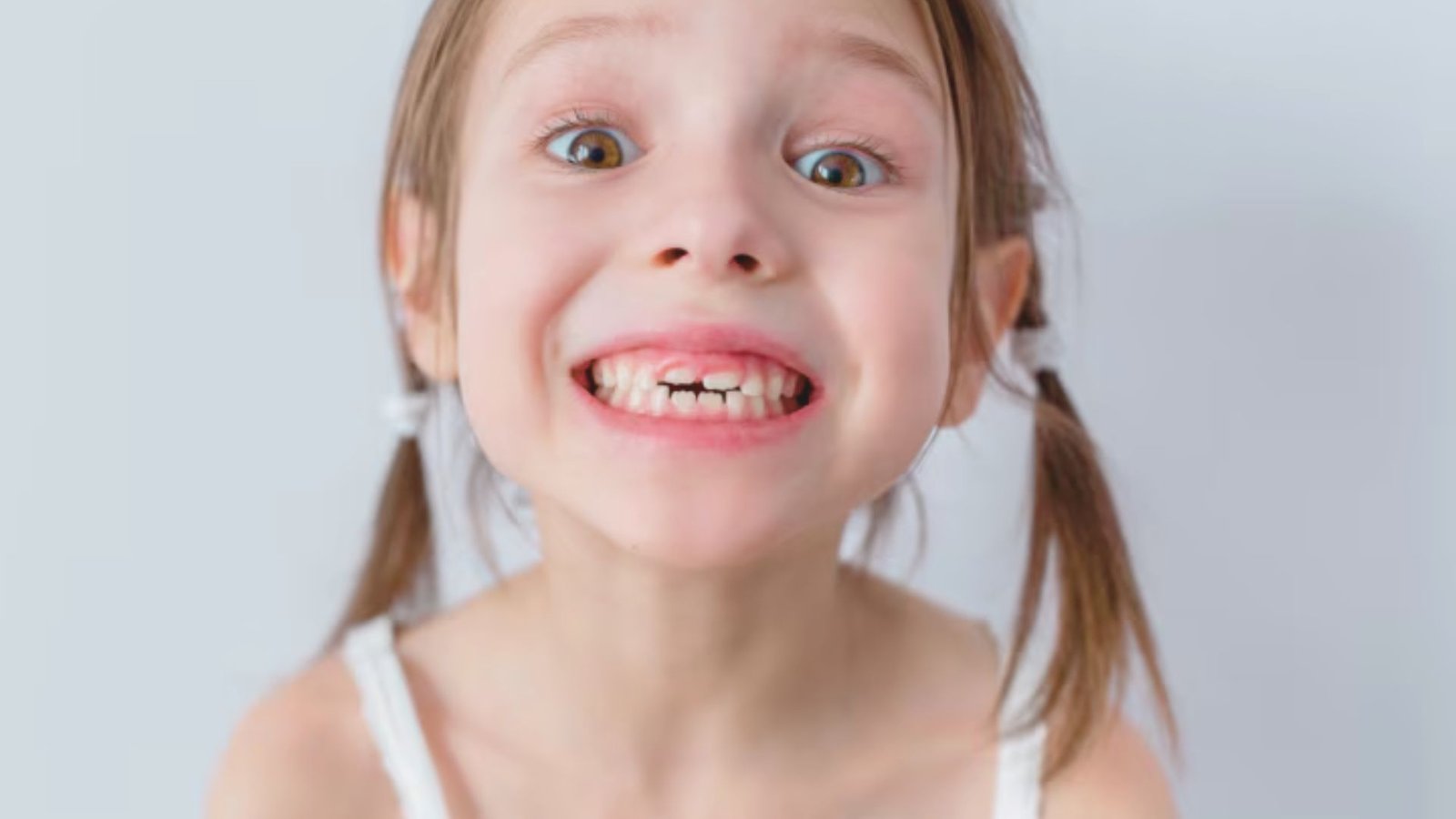
Baby teeth don’t always come in perfectly straight.
Here’s what parents usually notice:
Mild crowding is when teeth sit too close together or slightly overlap. Very common in small, still-growing mouths.
Gaps and spacing are normal too. Those spaces often make room for larger adult teeth later on.
Front teeth in a V-shape can look alarming, but it’s usually just how teeth sit in a developing jaw.
Teeth erupting at angles happen when a tooth pushes through at a tilt. This is typically linked to spacing or neighboring teeth.
As for what’s normal versus concerning, mild crookedness with no pain or chewing problems is usually fine.
Severe overlapping, bite issues, or difficulty eating are worth bringing up with your dentist.
Why Are Baby Teeth Growing in Crooked?

There are several reasons baby teeth grow crooked. Some are genetic. Others come from habits or accidents.
Genetics and Family History
If you or your partner had crooked teeth as a child, your little one might too. Jaw size and tooth spacing are often inherited.
Families pass down the shape of their jaws, and if the jaw is on the smaller side, there may not be enough space for teeth to come in straight.
Jaw Size and Development Issues
A small jaw can cause overcrowding. When teeth don’t have enough room, they push against each other or come in at odd angles.
Uneven jaw growth on one side can also cause teeth to sit differently on each side of the mouth.
Thumb Sucking and Pacifier Use
Prolonged sucking habits can put constant pressure on developing teeth. Over time, this pressure can push the front teeth forward or outward.
Most dentists suggest limiting pacifier use after age two and working to stop thumb sucking by age four. The longer the habit continues, the more it can affect alignment.
Tongue Thrusting and Mouth Breathing
Some children push their tongue against their teeth when swallowing. This is called tongue thrusting. It puts steady pressure on the front teeth and can push them out of position.
Mouth breathing can also affect how the jaw develops over time, sometimes leading to a narrower palate and crowded teeth.
Tooth Decay and Early Tooth Loss
Baby teeth act as holders for adult teeth. If a baby tooth falls out too early due to decay, the surrounding teeth can shift into the empty space.
This leaves less room for the adult tooth when it’s ready to come in. Protecting milk teeth from decay matters more than most parents realize.
Injury or Trauma to the Mouth
Falls and accidents are part of childhood, but a hard hit to the mouth can affect how teeth develop.
Trauma can damage the root of a baby tooth, which may then affect the adult tooth forming underneath it. If your child has had a mouth injury, a dental check is always a good idea.
Is It a Problem If Baby Teeth Are Growing in Crooked?

Not always. In many cases, crooked baby teeth are completely harmless.
When Crooked Baby Teeth Are Harmless
Mild misalignment with no pain, no chewing problems, and no speech issues is usually nothing to worry about.
Many children’s teeth shift and self-correct as the jaw grows and adult teeth come in. If your child is eating well and showing no discomfort, a little crookedness on its own is rarely cause for concern.
When Crooked Baby Teeth May Cause Issues
If the crookedness is severe, it can make chewing difficult. Some children struggle to bite into or break down certain foods properly.
There are also cases where misaligned teeth affect how certain sounds are formed, which can influence speech development.
Crowded or overlapping teeth are also harder to clean, raising the risk of cavities and gum problems.
Problems Linked to Crooked Baby Teeth
Crooked baby teeth can sometimes lead to bigger concerns if left unchecked.
Increased Risk of Tooth Decay and Gum Disease

Overlapping teeth create hidden spots that are tough to keep clean.
Teeth that overlap are harder to brush and floss, which means plaque builds up more easily. This raises the risk of cavities and gum problems over time.
Speech and Pronunciation Difficulties

Misaligned teeth can make certain sounds harder for little ones to form.
Sounds like “s,” “th,” and “f” rely on the tongue and teeth working together. When teeth are significantly out of place, some sounds can become harder to form clearly.
Chewing and Digestion Problems

Discomfort while eating can lead children to avoid important foods.
When biting hurts or feels uncomfortable, children often start avoiding certain foods. This can affect how well they chew and, in turn, how well their body breaks down food.
Crooked or Impacted Adult Teeth

Baby teeth set the path for adult teeth, so alignment matters early.
Baby teeth guide adult teeth into position. If baby teeth are severely misaligned, adult teeth may not have a clear path to come in straight.
Uneven Wear on Teeth and Jaw

An uneven bite puts extra pressure on certain teeth over time.
When the bite is off, some teeth end up doing more work than others. Over time, this can wear them down faster and put unnecessary strain on the jaw.
How Dentists Treat Crooked Baby Teeth

Treatment depends entirely on the severity of the issue.
Monitoring vs Early Intervention
Sometimes the best approach is simply keeping a close eye on things.
In many cases, a dentist will simply watch and wait. If the crookedness is mild, growth may naturally correct it over time. Dentists track changes at each visit and step in only if things aren’t improving.
Early Interceptive Orthodontics
Catching problems early can prevent much bigger issues down the road.
If there’s a clear problem that won’t fix itself, a dentist may refer to an orthodontist. Treatment might involve a palate expander or other appliance to guide jaw growth and create space for adult teeth.
Will Braces Be Needed Later?
Not every child with crooked baby teeth ends up needing braces.
It depends on how adult teeth come in and whether early treatment was done. Regular dental visits give you the clearest picture of what to expect.
Tips to Prevent Baby Teeth Growing in Crooked
While genetics can’t be changed, there are habits that can reduce the risk.
- Encourage healthy oral habits early. Start brushing as soon as the first tooth appears. Use a soft-bristled toothbrush and a tiny amount of fluoride toothpaste.
- Limit pacifier and thumb-sucking habits. Try to phase out pacifier use by age two. For thumb sucking, gentle redirection and positive reinforcement work better than scolding.
- Maintain proper oral hygiene. Brush twice a day and introduce flossing once teeth are touching. Clean teeth are healthier teeth, plain and simple.
- Protect teeth from decay and injury. Limit sugary drinks and snacks. Use a mouthguard for contact sports as your child gets older.
- Schedule regular dental visits. Routine checkups every six months allow the dentist to spot any alignment shifts early, before they become bigger issues.
Conclusion
Seeing baby teeth growing crooked can feel worrying, but most of the time, it’s completely normal. I remember feeling a little panicked when my child’s front teeth came in at an angle.
A quick chat with our dentist put everything into perspective. The key is staying on top of regular dental visits and building good habits early.
If something doesn’t feel right, trust your gut and ask your dentist. Drop a comment below if you found this helpful, or share it with a parent who might need it today.
Frequently Asked Questions
Is it normal for baby teeth to grow crooked?
Yes, it is very common. Many children have mildly crooked baby teeth due to genetics, small jaw size, or normal development patterns.
Will crooked baby teeth fix themselves?
Mild crookedness often improves on its own as the jaw grows and adult teeth come in. Severe misalignment may need professional attention.
Can crooked baby teeth affect adult teeth?
Yes, they can. Baby teeth act as guides for adult teeth. Severe misalignment or early tooth loss can affect how permanent teeth come in.
When should my child see an orthodontist?
Most orthodontists recommend an evaluation around age seven. Early screening helps catch issues before they become harder to treat.
How can I help straighten my baby’s teeth naturally?
There is no way to straighten teeth at home. However, stopping thumb sucking, limiting pacifier use, and keeping up with dental visits all support healthier tooth development.